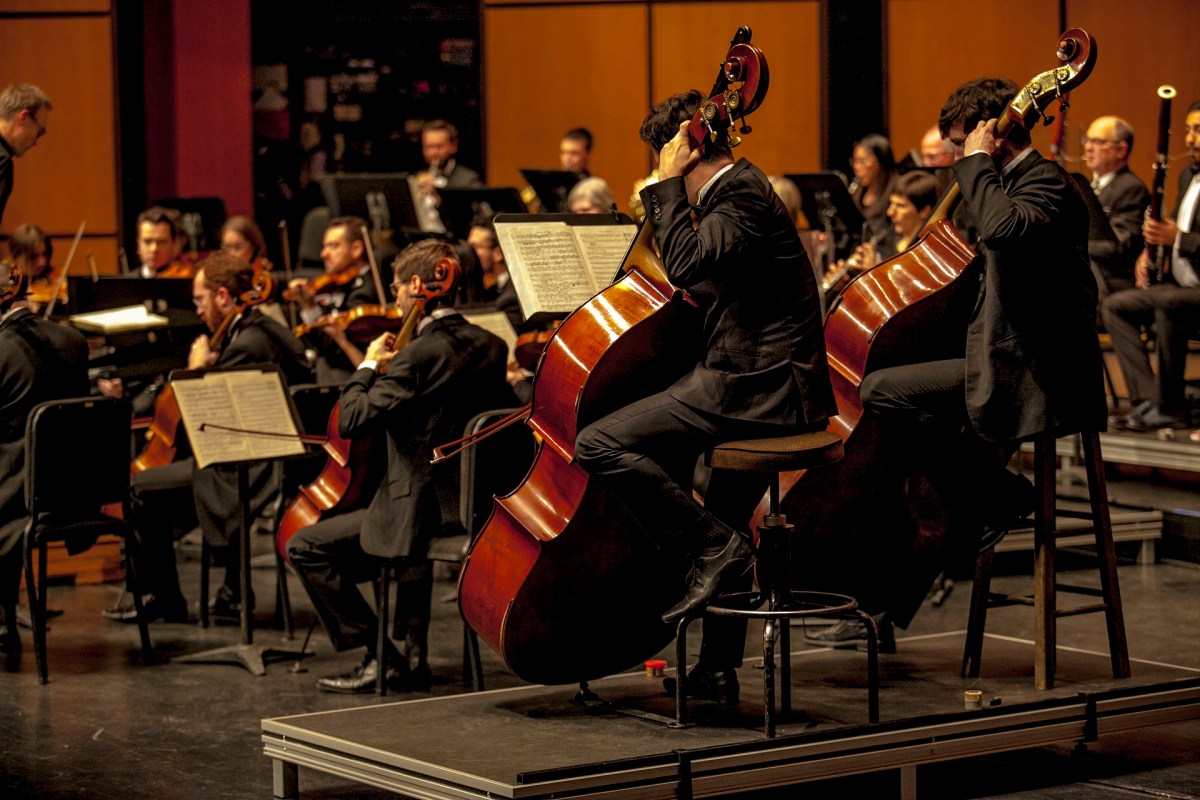
This article was written at July 29, 2022
Starting today, we are going to cover the basics of orchestration, namely instrument theory. I think I should write it down and organize it like this so I don’t forget what I learned less, and it will also be helpful to those who read it… haha.
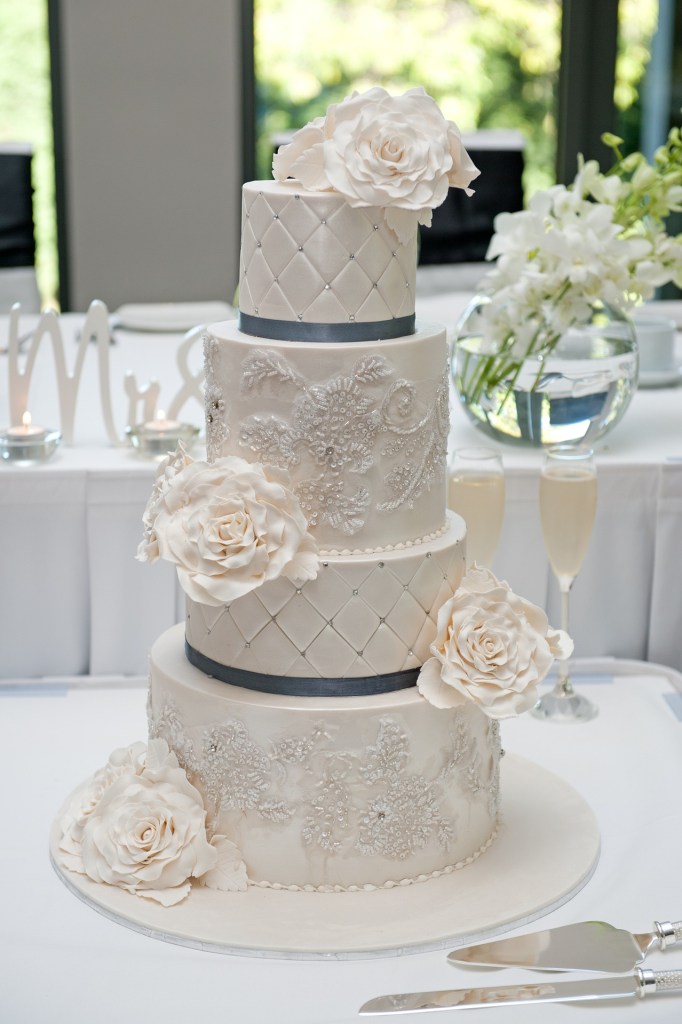
The instruments that make up an orchestra can be likened to a four-tiered cake. Each instrument group has four voices: soprano, alto, tenor, and bass, and instruments are classified into four groups: strings, woodwinds, brass, and percussion.
It would be convenient to think of the string instruments that are the most foundational and almost indispensable as the 1st tier, the woodwind instruments that come next as the 2nd tier, the brass instruments as the 3rd tier, and the remaining percussion instruments as the 4th tier.
The historical order in which musical instrument groups were added is similar to this. Initially, string instruments were adopted, followed later by woodwind, brass, and percussion instruments.
Therefore, this article will also be written in the following order: string instruments -> woodwind instruments -> brass instruments -> percussion instruments.
Well then, shall we begin?

 Jooyoung's Music Blog