Basics of Synthesizers (9) – PCM Synthezisers (Pulse Code Modulation)

Hello! This is Jooyoung Kim, a mixing engineer and music producer.

Today marks the final article in my ‘Basics of Synthesizers’ series. I may add more articles in the future if I come across interesting topics, such as modular synthesizers (which I’ve recently started exploring—stay tuned!). For now, however, I feel I’ve covered enough to complete this category.

Let’s start!


The PCM (Pulse-Code Modulation) method is essentially a form of digital sampling that represents analog signals through discrete digital steps. While modern virtual instruments load massive recorded data into RAM to trigger sounds via MIDI, hardware PCM instruments utilize ROM in much the same way—storing high-quality, pre-fabricated waveforms that are ready to be played instantly.

Because these instruments play back pre-recorded samples from internal memory rather than synthesizing them from scratch or recording new ones, they are commonly called Romplers (a blend of ROM and Sampler). Unlike pure samplers, Romplers focus on the immediate reproduction of realistic acoustic and electronic sounds, making them the backbone of music production since the late 1980s.

Implementing such a system requires significant computational power and memory resources. Thanks to rapid technological advancements, these requirements were finally met in the late 1980s. During this period, ROM prices decreased significantly, allowing for the emergence of instruments installed with long-cycle samples, which offered a level of realism previously unattainable.

The Kurzweil K250 was the forerunner and the first PCM-based synthesizer.

These instruments utilized samples of each sound phase—attack, decay, and release. This approach allowed them to produce more realistic and dynamic sounds. Many people requested authentic sounds and in the 1990s, these kinds of instruments became mainstream.

The PCM method is now the standard for recording systems, DAWs, and virtual instruments. You might assume that modern virtual instruments are simply evolved versions of PCM-style synthesizers, and that is largely true. However, as many musicians today find themselves missing the characteristically thin and lo-fi sounds of vintage PCM hardware, many software companies now provide these classic instruments in digital formats.


The Korg M1

The Korg M1 was a famous PCM-style synthesizer in the late 1980s. It became one of the best-selling synthesizers in history. Its specific presets, such as the M1 Piano and Organ 2, defined the sound of 1990s house and dance music. These sounds were so distinct that they are still widely used in modern electronic music productions.

The M1 also featured external card slots, allowing users to expand its sound library by inserting PCM and Program cards, providing additional waveforms and presets beyond its internal memory.


The E-mu Proteus Series

The E-mu Proteus series were also famous PCM-style synthesizers in the late 1980s. Unlike the Korg M1, they were rack-mount module swithout a keyboard. they were designed to provide high-quality samples at a lower price point, making them standards in many project studios. Their presets were widely used in film and television scores, including the iconic whistling sound in The X-Files theme.

The later models of the Proteus series were also highly expandable; they featured internal slots where users could install additional ROM SIMMs, such as the Orbit or Mo Phatt cards, to instantly add hundreds of new sounds tailored to specific genres.


The Roland JV-1080 and JV Series

In this perspective, you should know about the Roland JV series. The JV-1080 and 2080 are legendary icons of the Rompler era. Released in the mid-1990s, these units became industry standards, found in almost every professional studio worldwide. Their massive success came from their ability to provide high-quality, ready-to-use PCM samples through various expansion boards, allowing musicians to access realistic orchestral, synth, and ethnic sounds instantly without the need for complex sampling.

This picture shows sound expansion slots of the JV-1080 synthesizer

You can hear the sounds of the official Roland Cloud recreation of the JV-1080 in this video, as demonstrated by ADL-MusicLab. It’s easy to associate these sounds with 1990s and 2000s classic pop, TV commercial soundtracks, and film scores.


The Korg Trinity and Korg Triton

The Korg Trinity and Triton were also iconic instruments of that era. Beyond hip-hop, these workstations defined the sound of mainstream pop. For instance, The Neptunes were among the most famous users of the Triton, while the instrument’s distinctive patches were also featured in many of Britney Spears’ hits. These units weren’t just for one genre; they were the great tools for producing the global hits of the early 2000s.

Similar to the JV series, the Triton also offered expandability through EXB-PCM boards and even allowed for the addition of the MOSS synthesis engine.


The Yamaha Motif

The Yamaha Motif was another famous instrument of the era. It produced more realistic sounds than its competitors, so its Acoustic Piano, Rhodes (E. Piano), and Acoustic Guitar presets were widely used in churches. In particular, it became a standard keyboard for global worship teams like Hillsong and Bethel, defining the sound of modern gospel music. The Motif stood out for its PLG expansion boards, which allowed users to add entirely new synthesis engines, such as FM synthesis, directly into the unit. (In South Korea, the Motif is still widely used in worship services.)


Interestingly, the thin and lo-fi quality of these sounds has become a source of classic pops. If you want to recreate an authentic vintage pop vibe, I highly recommend exploring these types of virtual instruments.

With this, I would like to conclude my ‘Basics of Synthesizers’ series. I have put a lot of effort into researching and explaining these concepts, and I hope you found them helpful.

Thank you for reading, and I will see you in the next article!

XLN Audio DB-30 (Drum Butter) Intro Sale (~4/30, 23%)

Hello, this is Jooyoung Kim, an engineer and singer-songwriter.

Today, I’m introducing the newly released DB-30 from XLN Audio. This company is also well known for their saturation plugin RC-20 Retro Color, and I’ve actually written a brief review of it in the past.

As with my other plugin reviews, this product was provided to me as an NFR (Not For Resale) copy. If you purchase it through the links in this blog, I receive a small commission, which genuinely helps support my work.

Alright, let’s dive in.


As the name suggests, DB-30 is designed specifically for drums. It features six main modules, along with additional EQ and tone-shaping tools. Let’s take a closer look at each one.


Boom adds weight and power to the low-end, making it especially effective for kick drums. Acid introduces harmonics, giving you that characteristic “acid” tone—similar to what you’d hear in classic acid bass sounds.

Shack adds texture and noise to elements like snares and hi-hats, helping them stand out more in the mix.

Shift allows you to manipulate frequency and formants, making it possible to reshape the tone or even create pitch-drop style effects.

Space applies reverb to your drums, adding depth and ambience.

Compress offers six different compressor types, each with very distinct frequency responses, harmonic behavior, and compression curves.

For a clearer comparison, I’ve included images of the compression curves above.

The Saturate section also includes six different saturation types, each with its own strong and unique character in terms of frequency response and harmonic distortion. Interestingly, each saturation mode also exhibits slightly different compression behavior. Personally, I really liked how it subtly recreates the kind of compression you’d expect from analog tape.

More is designed to increase loudness and add harmonics, making the overall sound more aggressive and impactful. In my opinion, it works particularly well for genres like rock and metal.


Additional features include the Magnitude control at the top, which lets you adjust all six effects simultaneously. You also get access to EQ, an “Air” control for added high-end presence, and transient shaping tools.

Overall, it’s a very solid plugin for adding texture and character to your sound. If you’re already a fan of RC-20, I think you’ll find this one just as useful in your productions.


If you purchase through Plugin Boutique, you’ll usually receive a free plugin as well, so it’s definitely worth taking advantage of that.


Also—was it yesterday or today? I’ve been so busy lately that I’ve completely lost track of time… The enclosure for the hardware I designed has finally arrived!

Unfortunately, I probably won’t be able to assemble it until next week due to my schedule. If everything goes well, I’ll share a detailed update soon.

Before that, I’m also planning to post another article about synthesizers.
I think I might wrap up the basics after covering just one more topic.

Anyway, I’ll see you in the next post. Thanks for reading!

Three Body Technology Tape Vibe Intro Sales (Until Jun 5)

Hello! This is Jooyoung Kim an audio engineer and music producer.

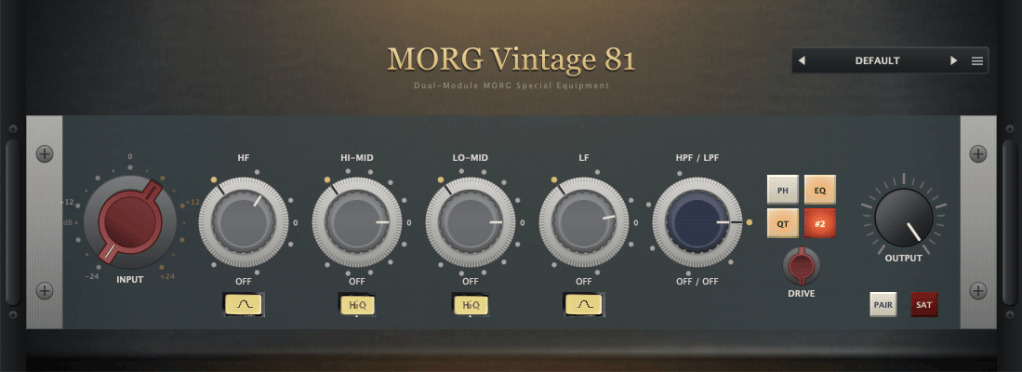
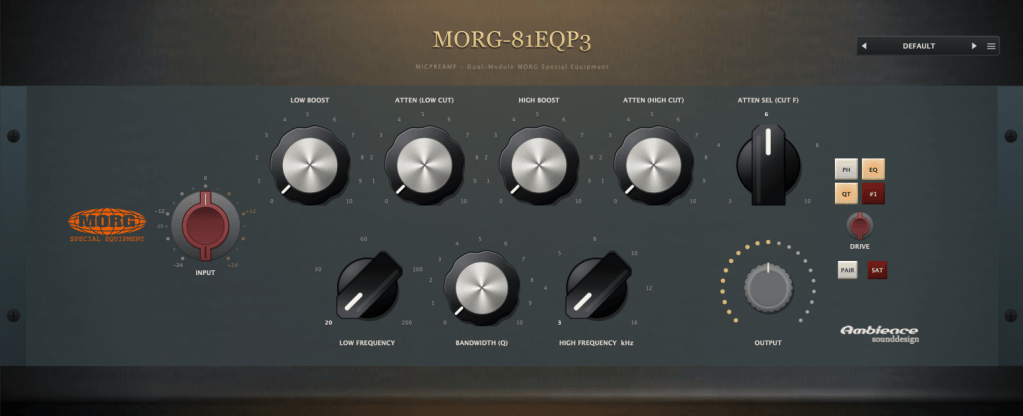
Today, I’m introducing a new plugin called Tape Vibe by Three-Body Technology.

This plugin was provided as an NFR (Not For Resale) copy by Plugin Boutique. If you purchase it through the links below, I’ll receive a small commission which helps support my blog.

Let’s start!


As you may know, Three-Body Technology is the renowned developer behind the Kirchhoff-EQ. That plugin was a total sensation when it was released, and I believe its success became the driving force behind the company’s growth.

Now, they offer quite a wide variety of plugins, such as the Future MB. Tape Vibe is another great addition to their growing lineup.

The concept of this plugin is simple.

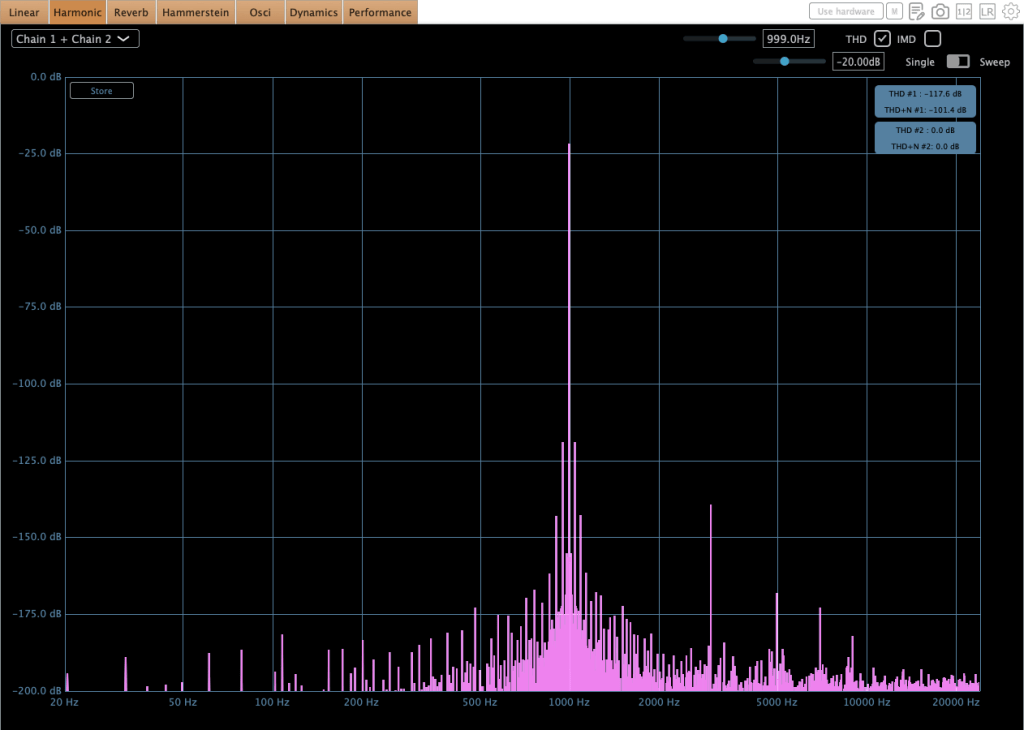
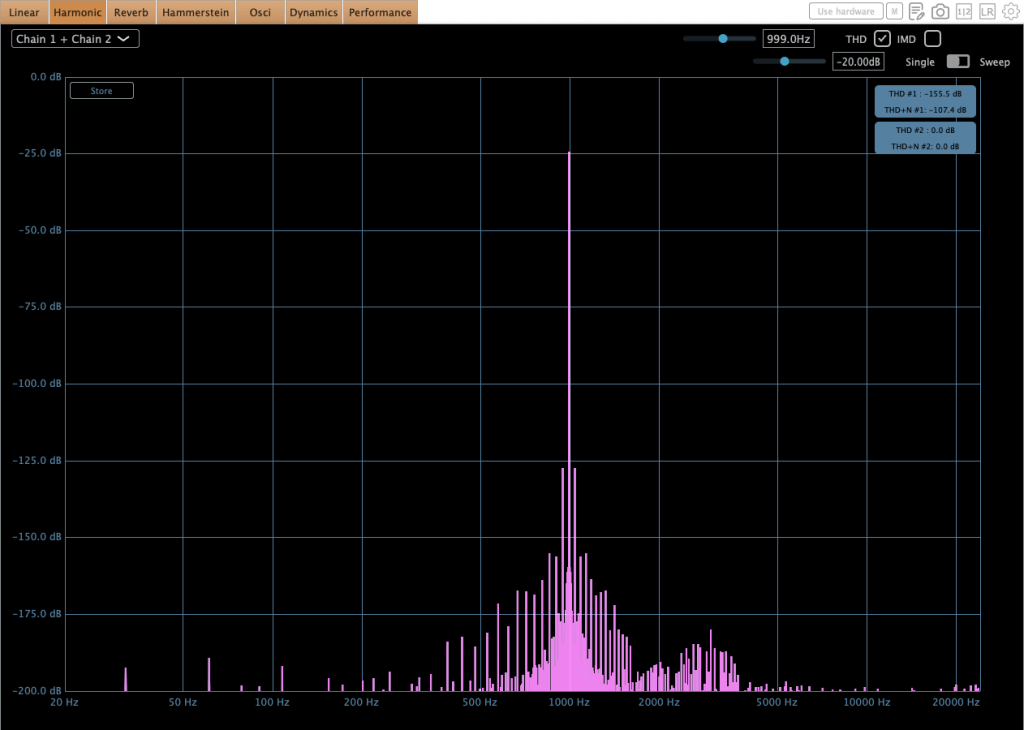
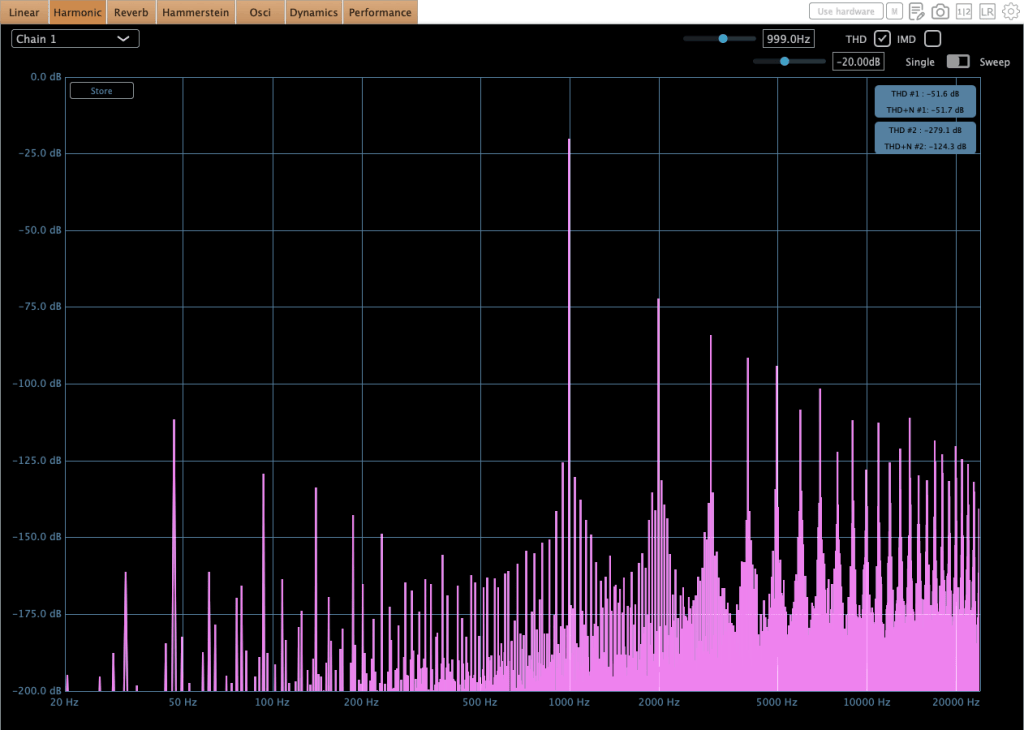
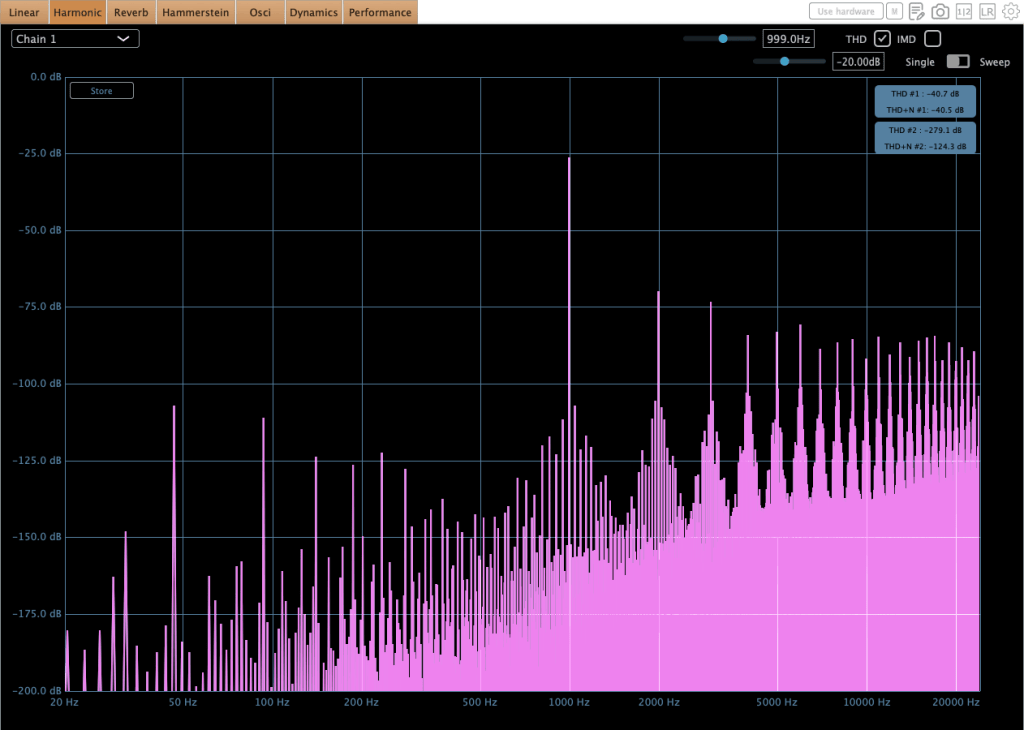
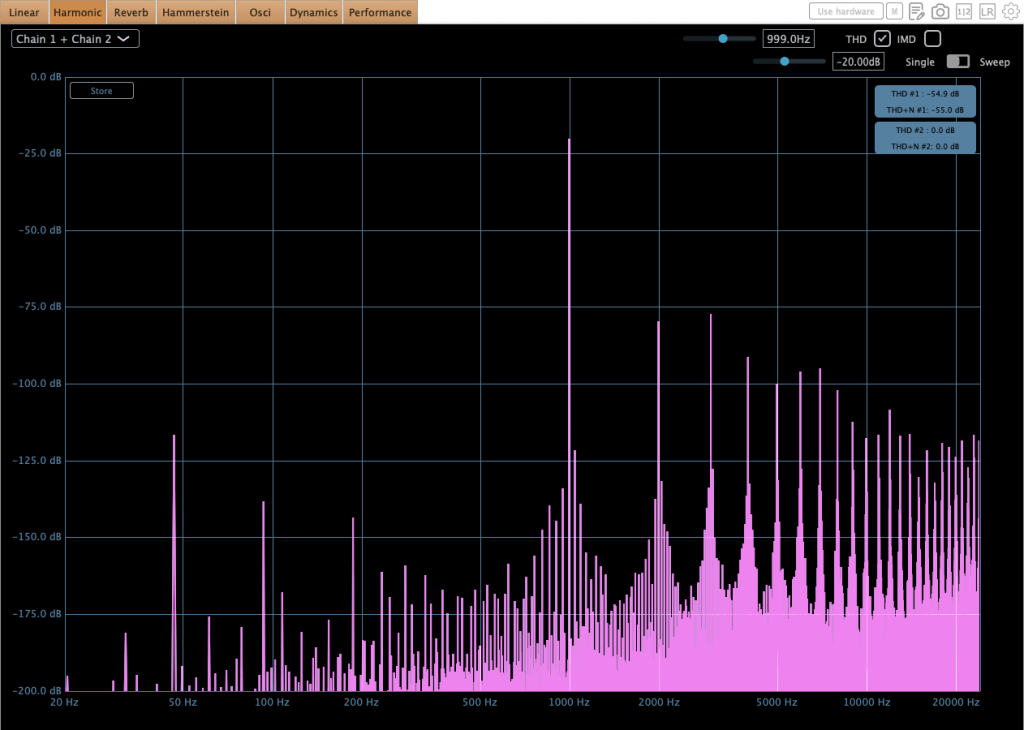
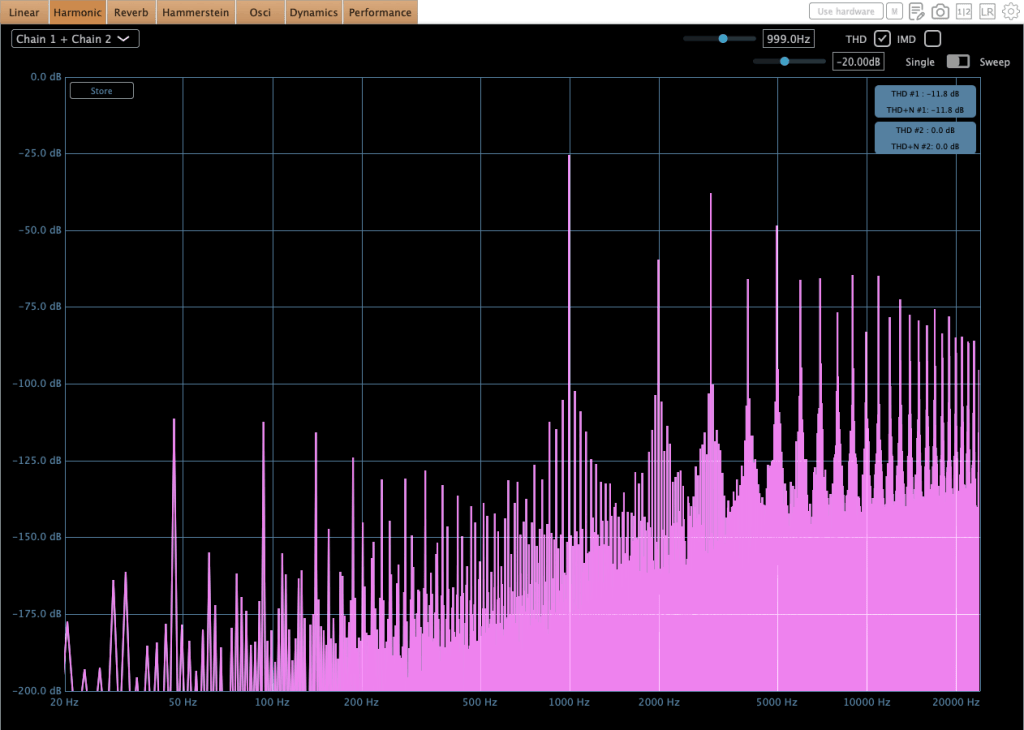
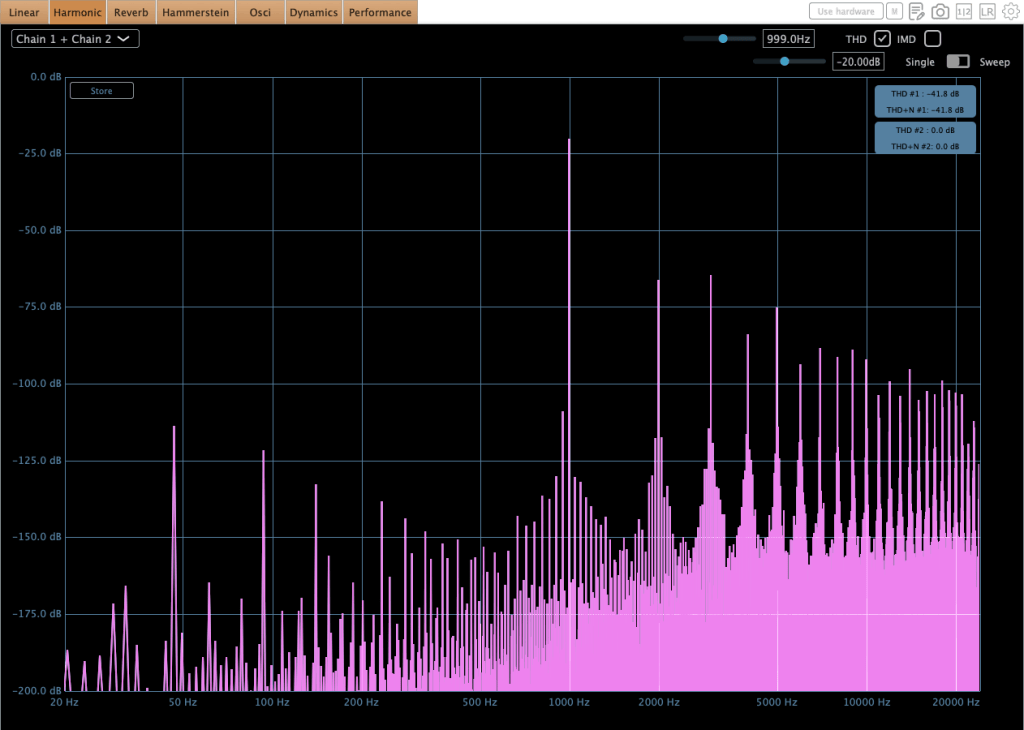
First, I noticed only third harmonics appearing in the analyzer. I suspect it takes inspiration from the SPL Machine Head. I actually wrote a review for that a few months ago, so if you’re interested, please check the link below.

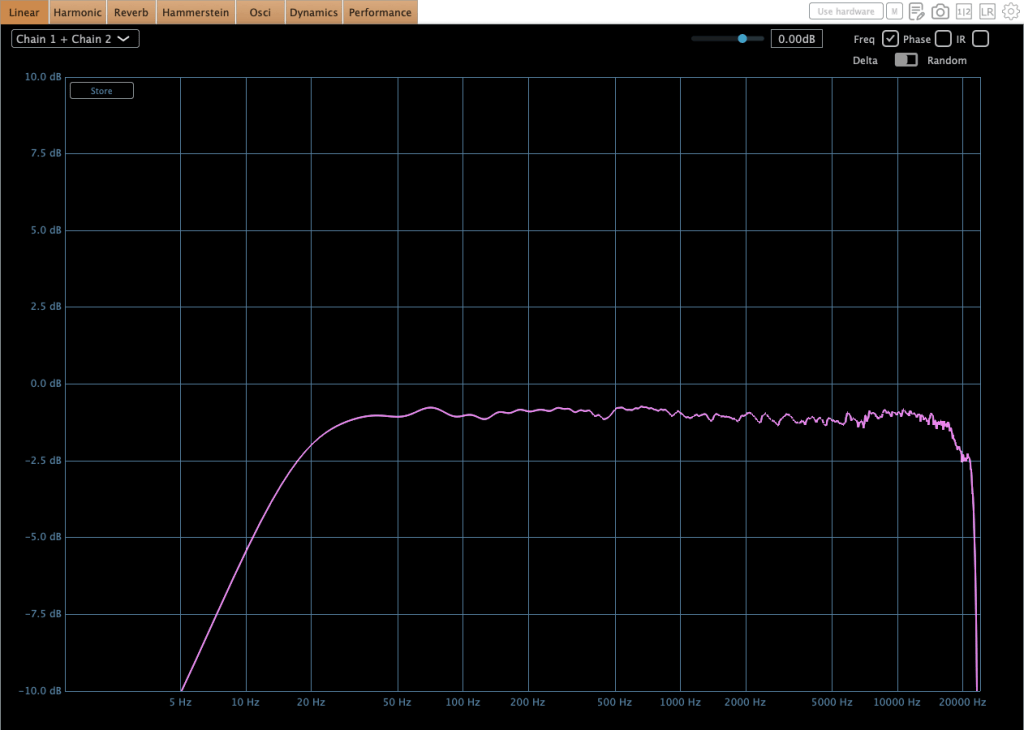
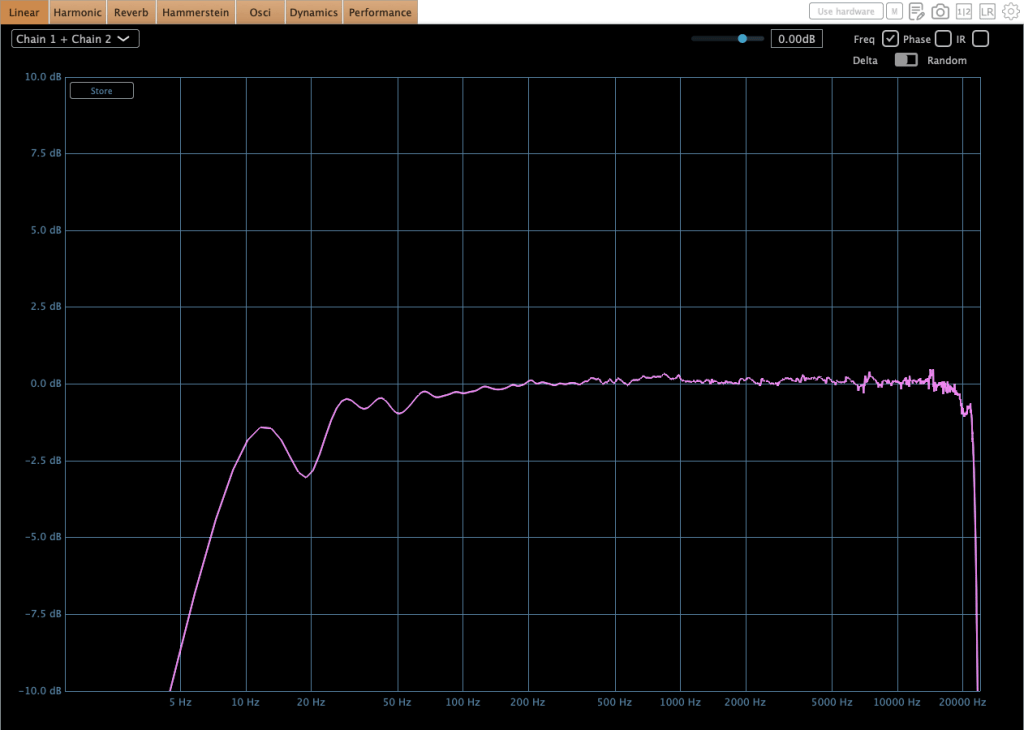
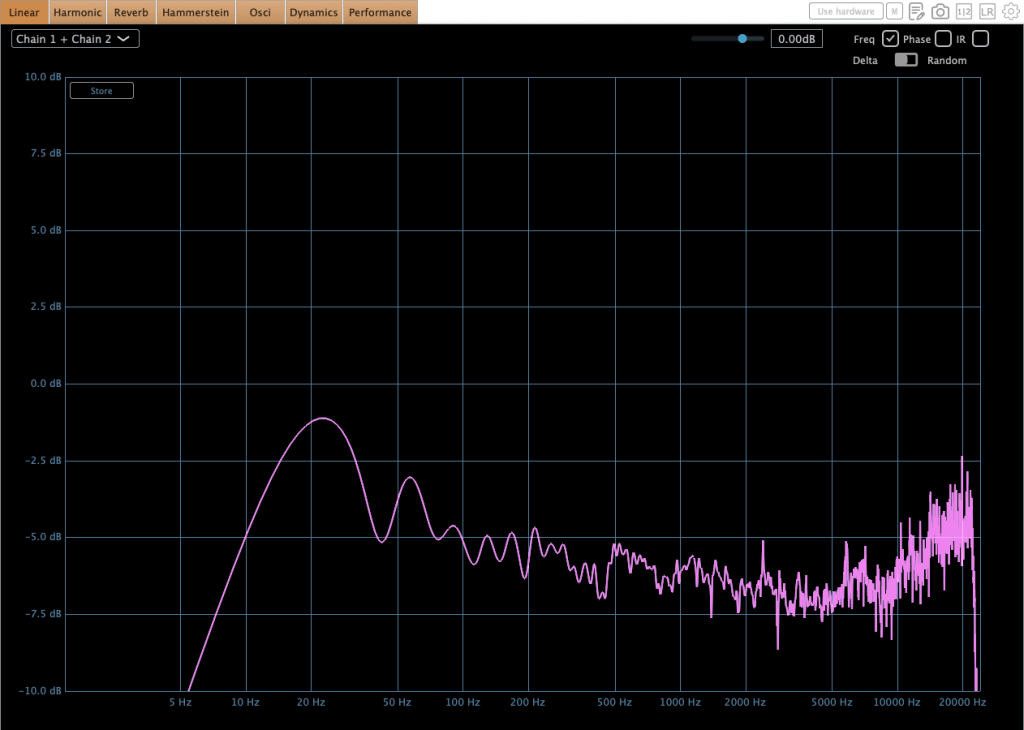
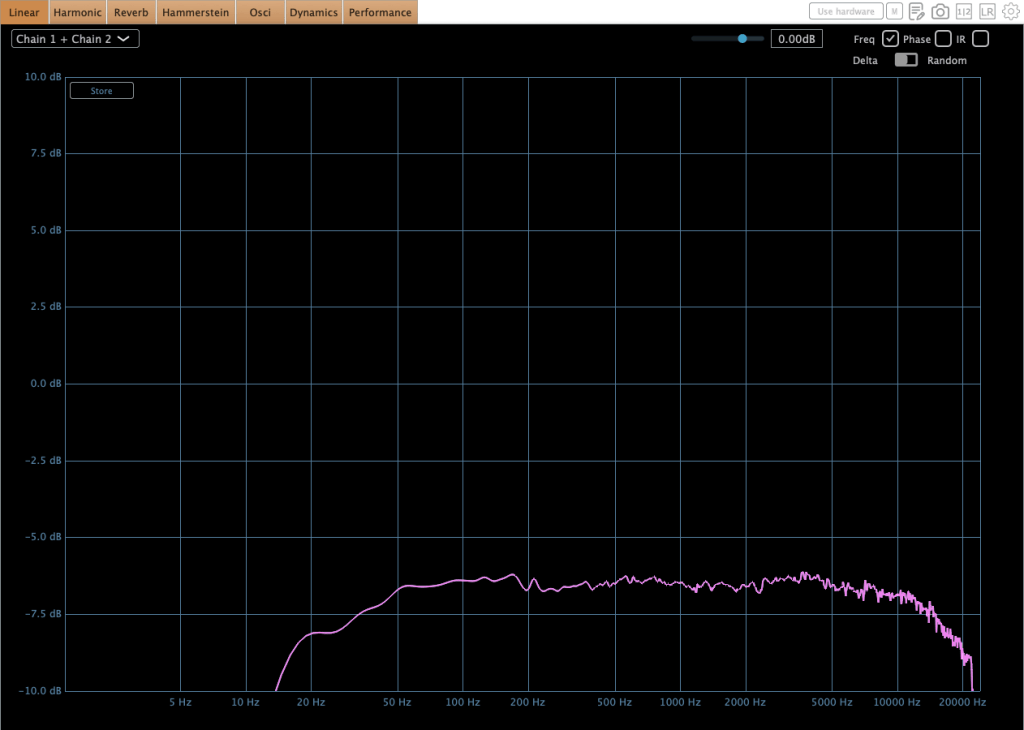
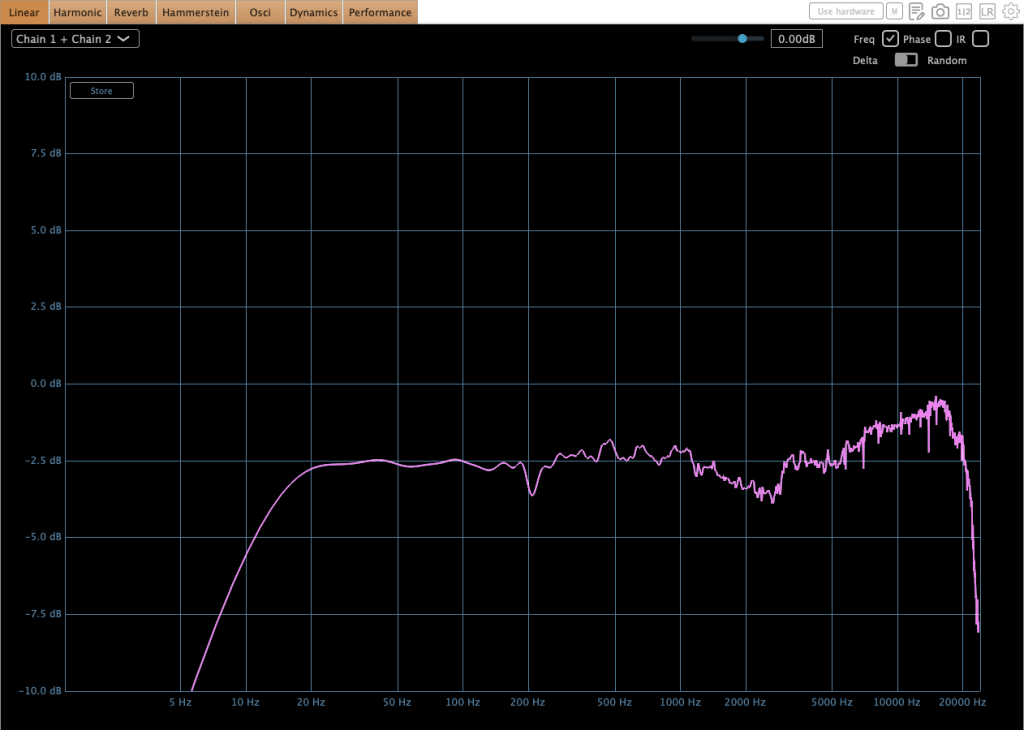
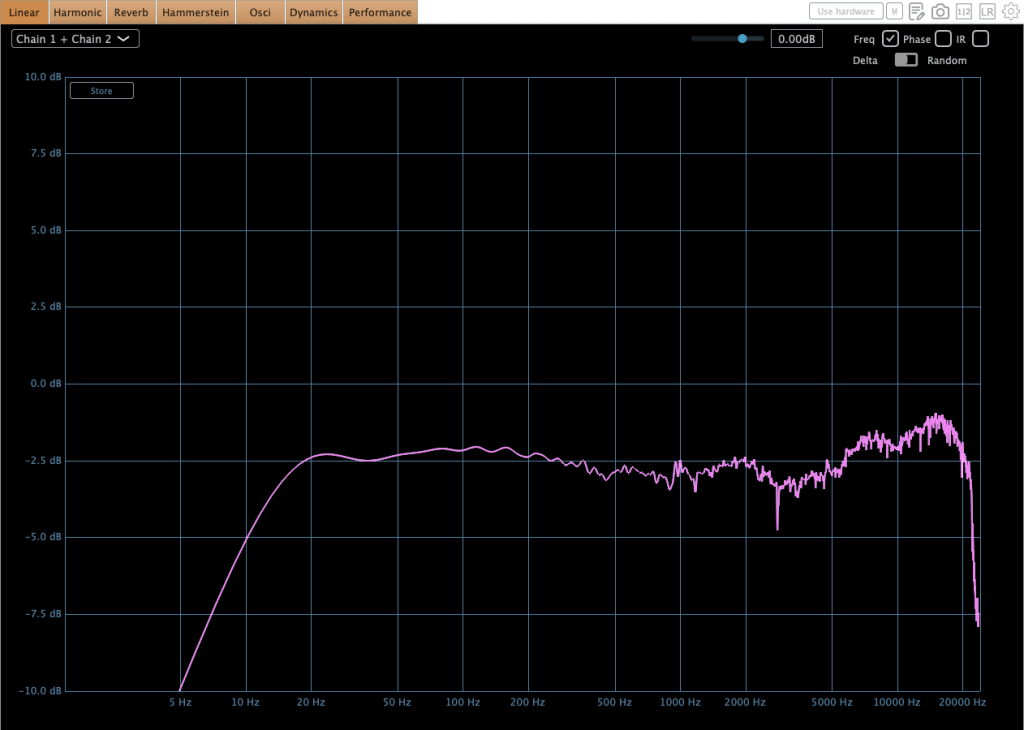
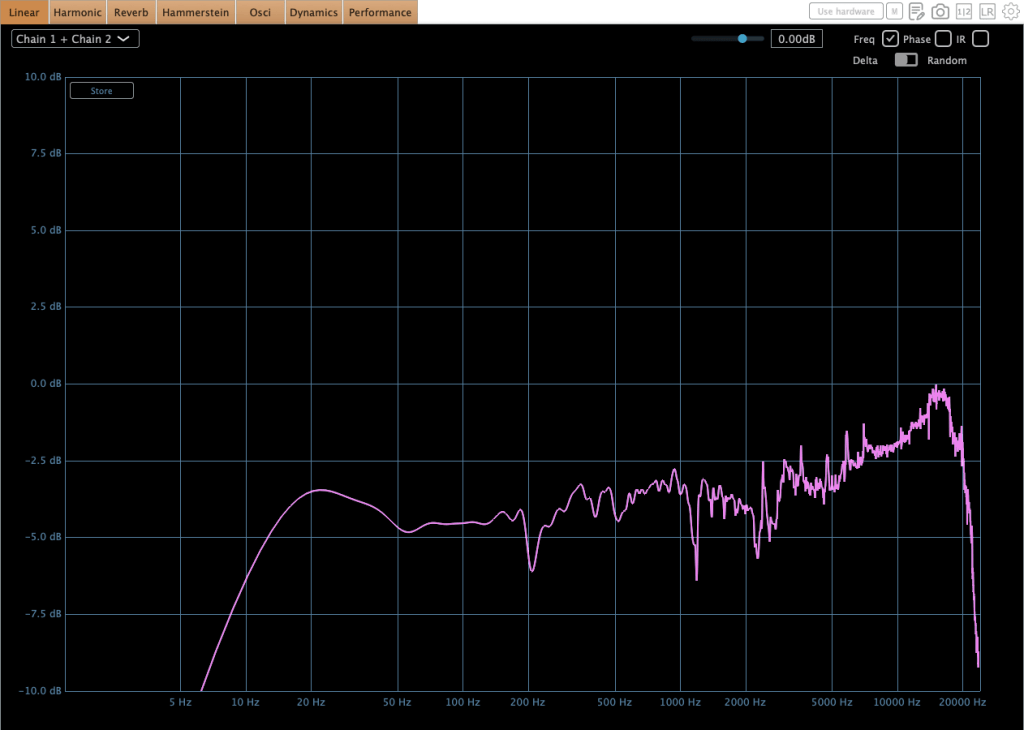
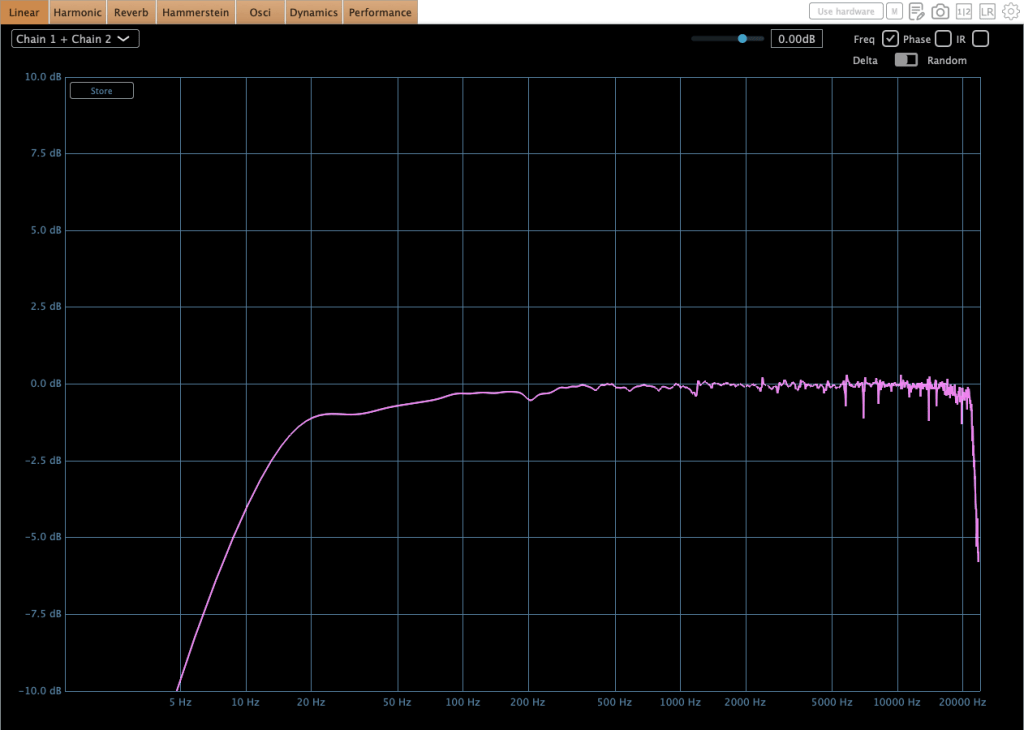
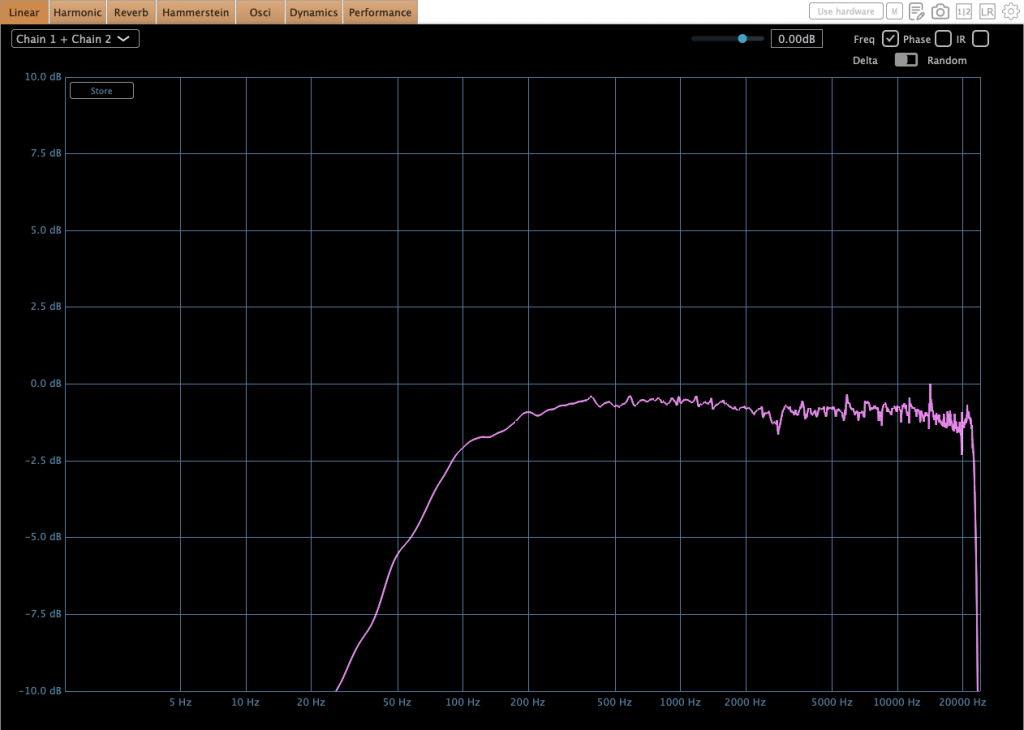
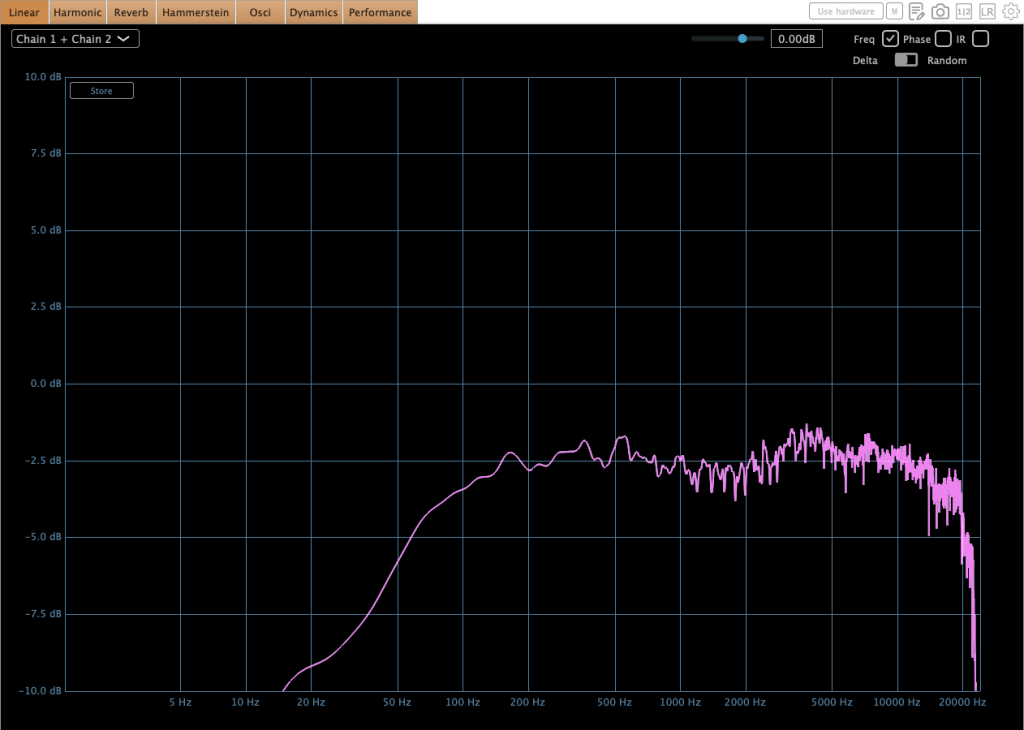
However, the way it works is fundamentally different. First, in the frequency domain, increasing the drive results in a noticeable high-frequency roll-off. Additionally, the Thick knob boosts the low frequencies, as shown in the image below.

It features an internal Auto Gain, so you don’t have to compensate for the volume much as you crank the drive.

We can use Tone knob to adjust the high frequencies.

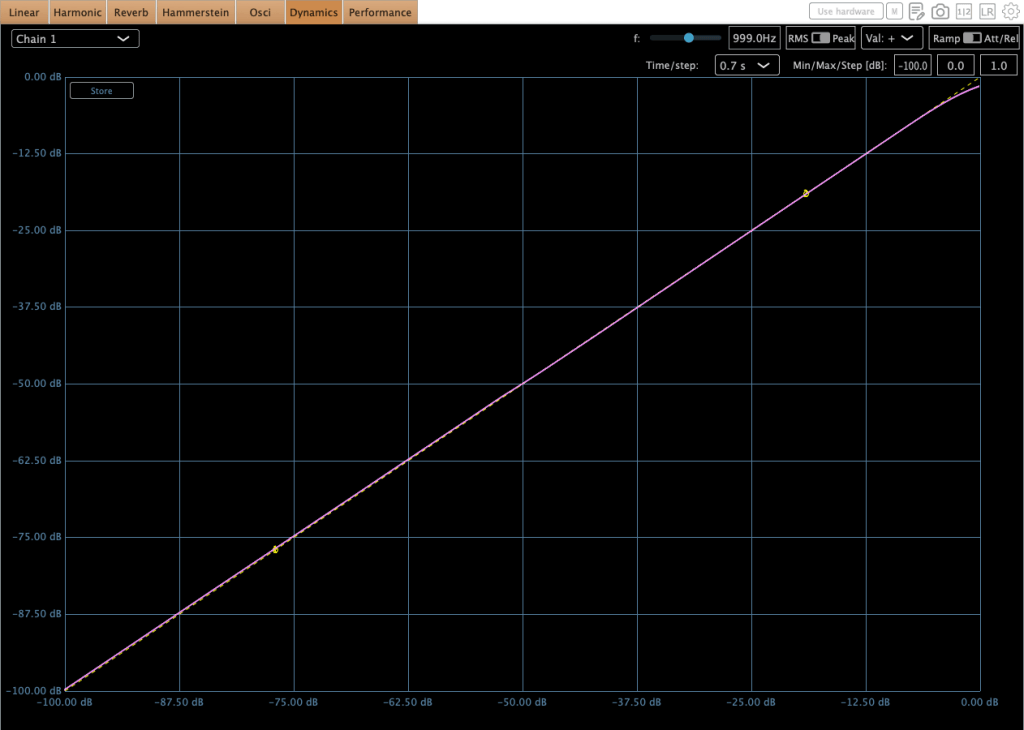
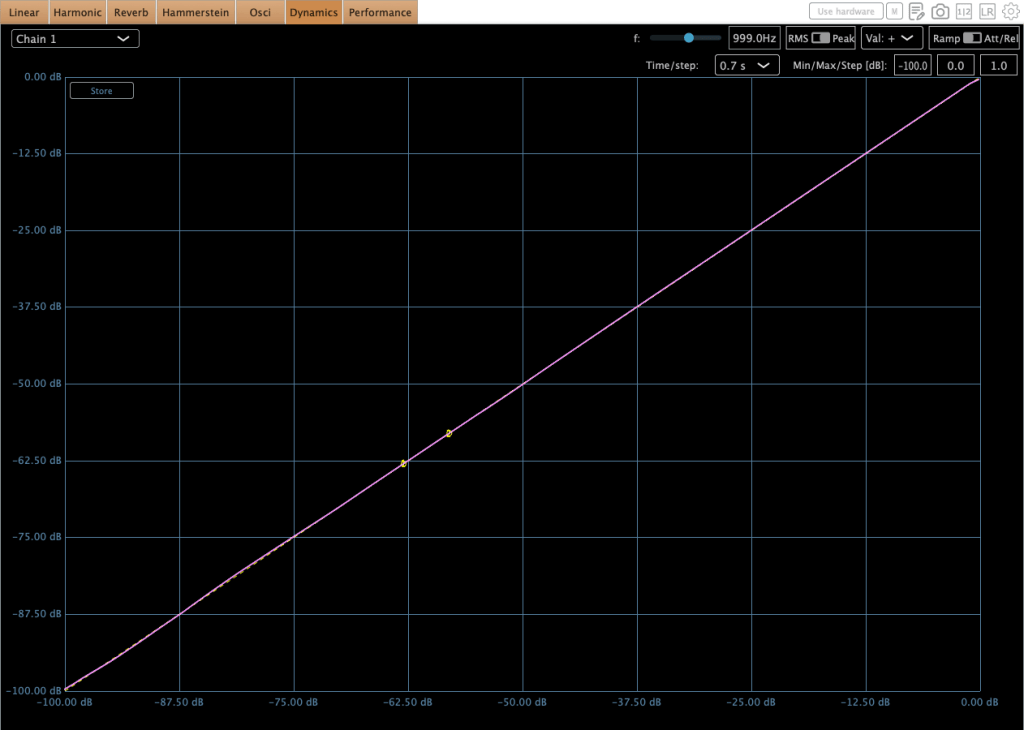
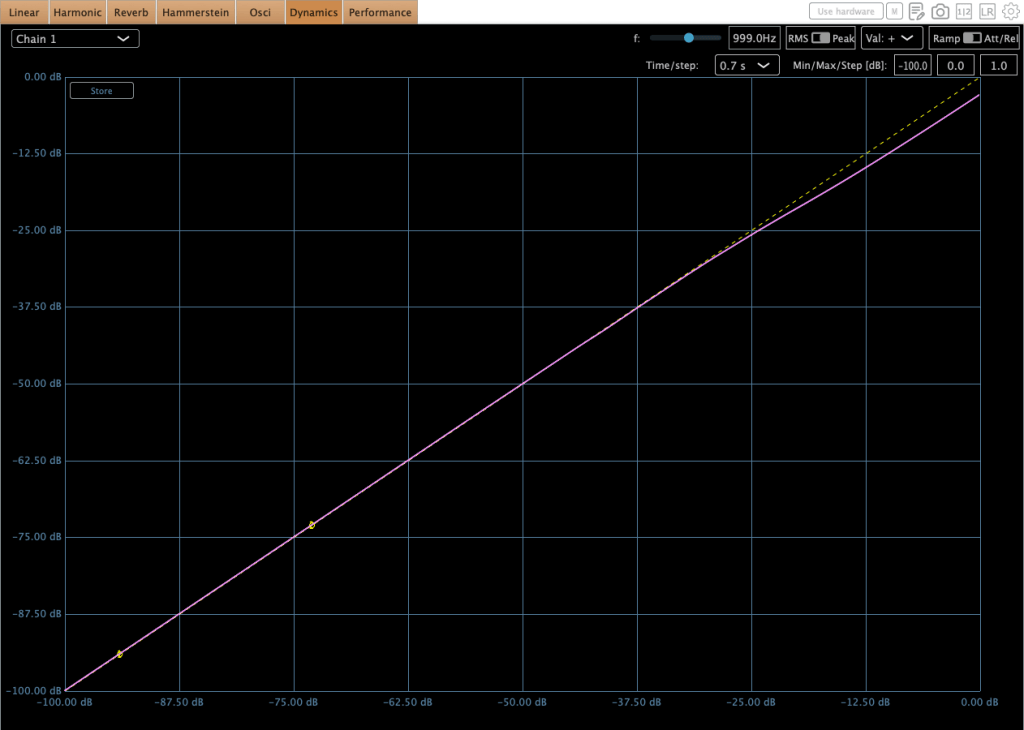
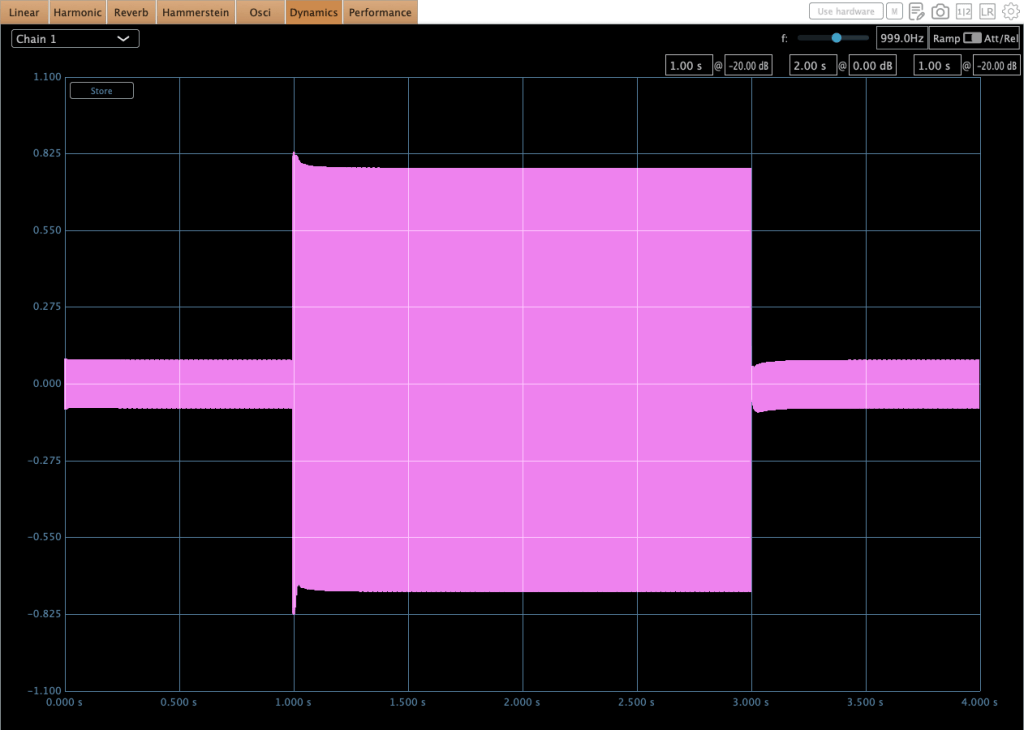
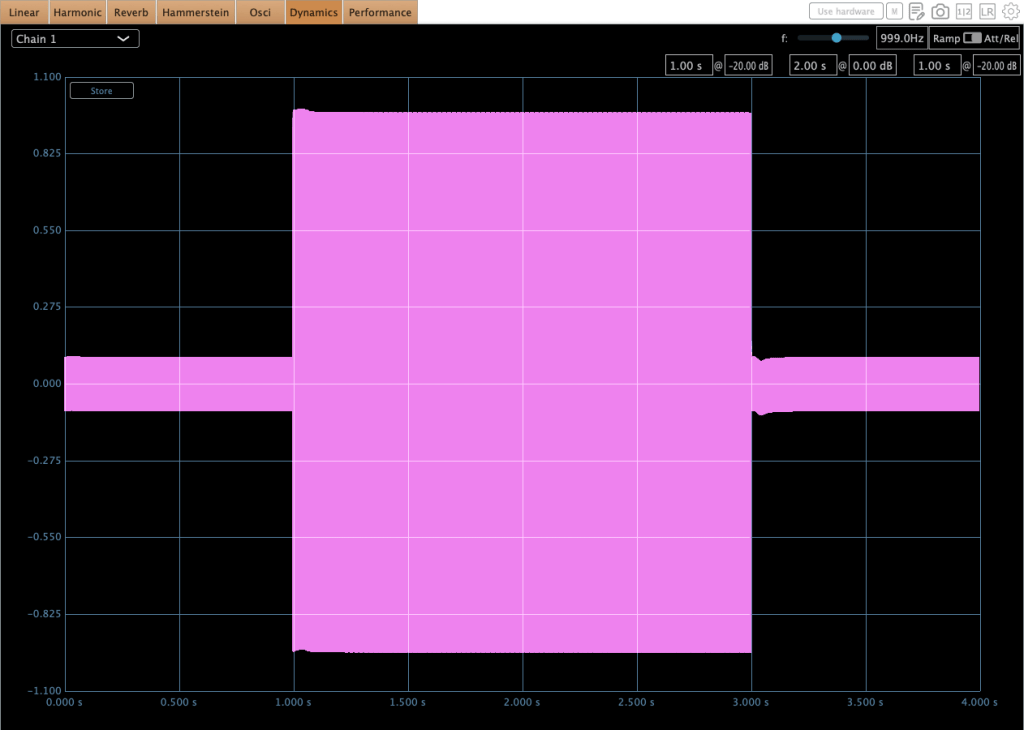
However, it doesn’t exhibit typical tape compression characteristics. Instead, we can observe brick-wall limiting when pushed with high drive values. An interesting quirk of this plugin is that the output level seems to rise once the signal amplitude exceeds -20dBFS.

On an oscilloscope, you can see how the heavy saturation completely reshapes the waveform, resulting in a highly distorted signal.

While the saturation adds great body, higher drive settings tend to dull the top end quite a bit. The key is to dial in a moderate drive and then use the Tone control to restore clarity. This creates a really pleasing harmonic saturation that sits perfectly in the mix.


In conclusion, Tape Vibe is a straightforward and easy-to-use saturation tool. It may not be a perfect tape emulation, but it’s great for adding analog weight with minimal effort. If you need a simple way to add some vibe to your tracks, it’s worth a look.

See you in the next post!
EastWest Sounds Hollywood Orchestra Opus + Space II Reverb Review (38th Anniversary Sale – Up To 81%, ~Mar 29)

Hello! This is Jooyoung Kim, an audio engineer and music producer.

Last month, I requested NFR (not for resale) codes for EastWest Sounds’ Hollywood Orchestra Opus and Spaces II from Plugin Boutique for review. However, since the previous manager left the company, some communication errors occurred. As a result, I only realized two days ago that the NFR codes had already been delivered to my iLok account. I have apologized to the current manager for the oversight and am writing this article now, albeit a bit late.

Anyway, it’s been a long time since I last wrote an article introducing new plugins. As with my previous articles, Plugin Boutique provided the NFR codes for this review. If you purchase these plugins through the links provided, I’ll receive a small commission, which helps me keep this site going!

Then.., let’s start!


Hollywood Orchestra Opus Edition Diamond

In the past, EastWest Sounds offered the ‘Hollywood Orchestra’ series in Diamond, Gold, and Silver editions. Today, these divisions have been phased out and unified into a single, comprehensive version: OPUS (OPUS is the name of the playback engine).

The Hollywood Orchestra Opus bundle includes strings, brass, woodwinds, and percussion. It also includes solo instruments, and the total recording data comes in at approximately 944GB. As you can see the above pictures, there are plenty of selectable articulations in each instruments.

In orchestral recording, I believe that having flexible and mixable microphone positions is crucial. As a variety of miking techniques are used in classical music, each position serves a distinct role and offers a unique sound. This versatility allows the library to fit specific production needs, whether for modern dramas, cinematic scores, or traditional classical compositions.

This product provides six microphone positions: Close, Mid, Main, Surround, Vintage, and Stage (the latter being exclusive to expansion instruments). These options greatly help in shaping the sound from the perspective of both mixing engineers and composers.

Personally, I find the selectable Moods and envelope controls incredibly helpful for composing. In the past, I often wanted strings with a sharper, more aggressive attack, but I was frequently limited by the technical constraints of my other virtual instruments.

With these features, it is much easier to shape the sound directly and intuitively. This versatility allows these instruments to be used across various genres, from pop, rock, and indie acoustic tracks to cinematic film scores.

The Mixer view is also impressive. It features an officially licensed SSL (Solid State Logic) Channel Strip, Transient Shaper, and Bus Compressor. Having these high-end tools directly integrated into the engine is a huge advantage for shaping your orchestral sounds.

Furthermore, the Mixer view offers a wide array of built-in effects, allowing you to create unique and experimental textures by applying them to traditional orchestral instruments.

You can listen to the sounds on their official YouTube channel.


Space II Reverb

If you are interested in audio engineering or the field of MIDI orchestration, you’ve likely heard of this reverb. It is a legendary tool that is widely considered an industry standard.

While it used to be quite expensive—priced at over $200 in the past—frequent discount deals now make it a much more affordable and attractive choice for many composers.

This reverb is based on IR (Impulse Response) technology, which I explained in a previous post.

The reverb sound can be finely adjusted with envelope and filter controls (such as high/low-cut). In my opinion, these features are the core strengths of this reverb, and those two functions work seamlessly to shape the perfect space.

Spaces II features over 1,020 presets, including 353 new snapshots. What sets it apart is the True Stereo (S-S) processing. Unlike standard reverbs that sum the input to mono, True Stereo preserves the actual stereo imaging of your instruments, providing an incredibly realistic and wide orchestral stage.

Decisively, the reverb sounds that this plugin is included are really great!


Final Thoughts

For my final thoughts, my best advice is: Buy it when it’s on sale!

Currently, the Hollywood Orchestra Opus is priced at just $196.90 (including tax), which is an unbeatable value for the sound quality you get. I remember investing around $600 in the BBC Symphony Orchestra in the past, but I believe the Opus bundle offers superior versatility, making it suitable for a much wider range of genres beyond just classical music.

Additionally, it layers beautifully with other orchestral libraries, making it easy to create a more complex and rich sound. The results are outstanding even when used alongside different brands.

I’ll see you in my next post!