Hello! This is Jooyoung Kim, an audio engineer and music producer.
While resting at home, I made some bread just as a hobby! I like bread and sweets, so I studied baking a little and even earned a Craftsman Confectionery Making certificate issued by the South Korean government.
In Korea, dry yeast is quite expensive, so I substituted it with raw Makgeolli, which contains live yeast that converts sugar into alcohol and carbon dioxide.
Also, I made the dough using a focaccia recipe because I thought it would add more flavor than making sausage bread with a simple dough. The dough recipe is shown below.
Flour: 300 g
Raw Makgeolli: 250 g
Salt: 4 g
Sugar: 6 g
Olive oil: 10 g
Some dried herbs (basil, rosemary, and parsley)
There are very few ingredients in the dough, so I refrigerated it for a day to absorb the aroma of the dried herbs.
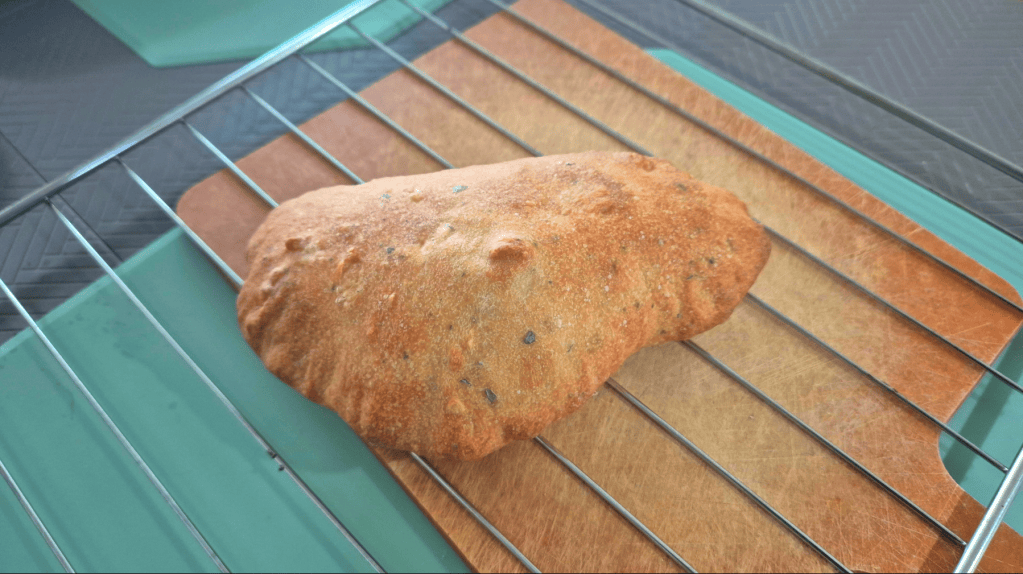
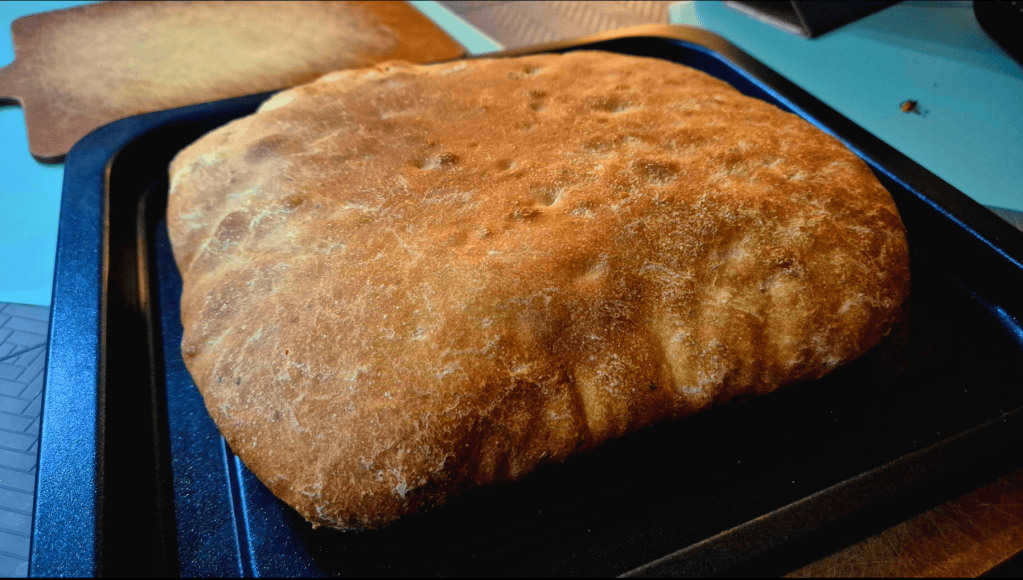
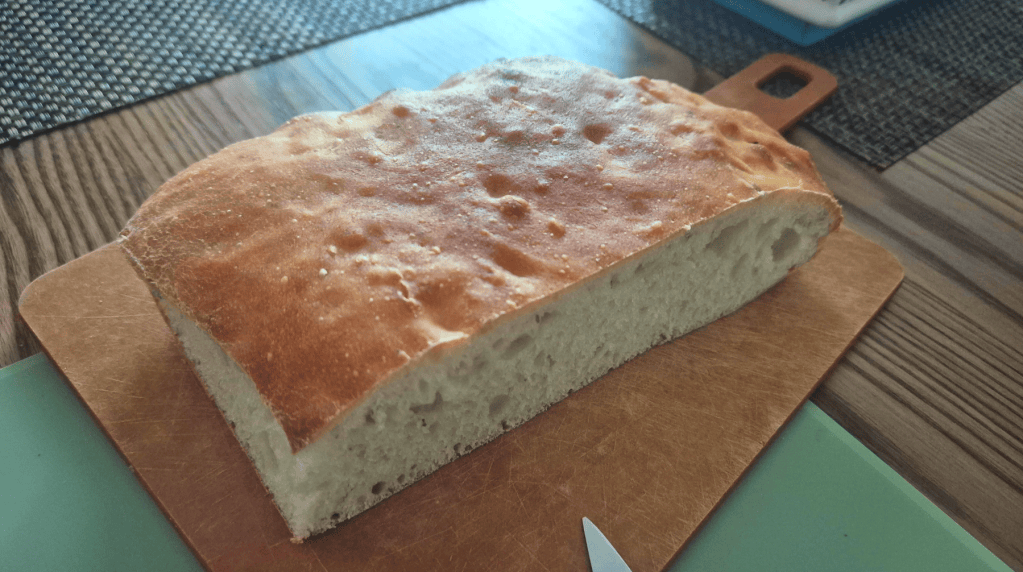
The two pictures at the bottom show a large focaccia that I made before making the sausage bread and the small focaccia. Both of the breads use the exact same dough recipe.
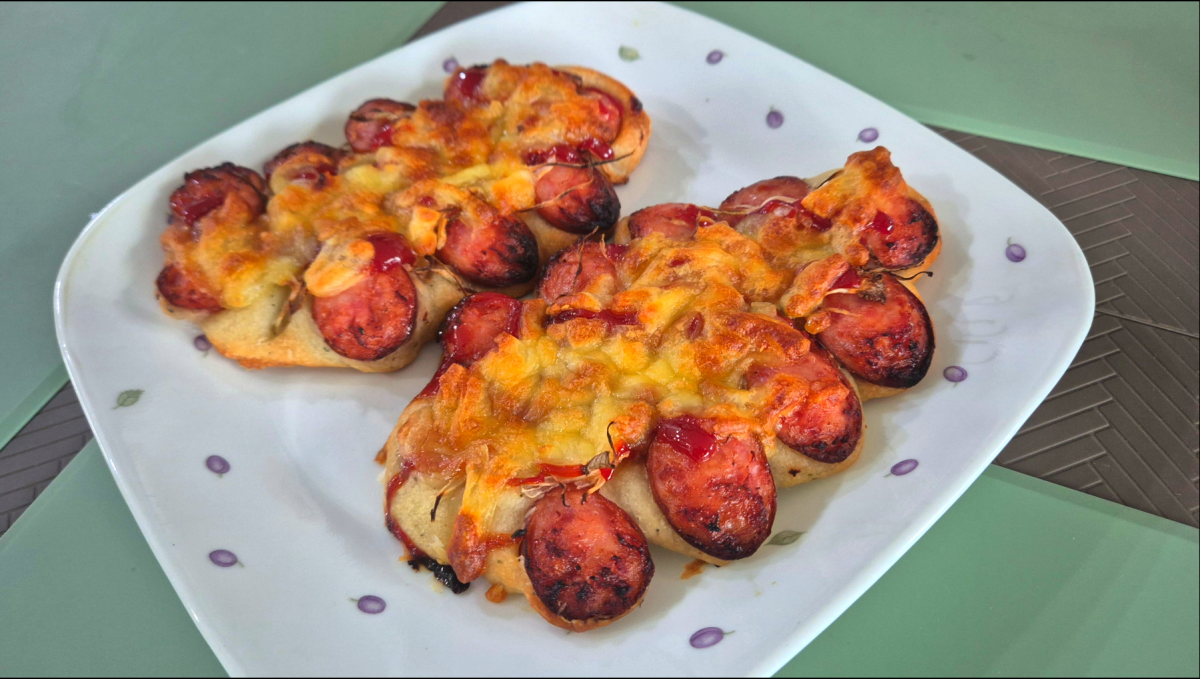
I used a sausage, frozen mozzarella cheese, chopped onion, and ketchup for the sausage bread! Since I didn’t use an oven, and an air fryer has trouble heating the bottom of the dough, I pan-fried it as well.
As I expected, it was great! I’ll make it again if time permits.
Today was just a story about my hobby. Knowing that I don’t need to take the TOEFL brings me such peace of mind.. Well, I’ll wrap up my post here for today. See you in the next post!
Hello! This is Jooyoung Kim, an audio engineer and music producer.
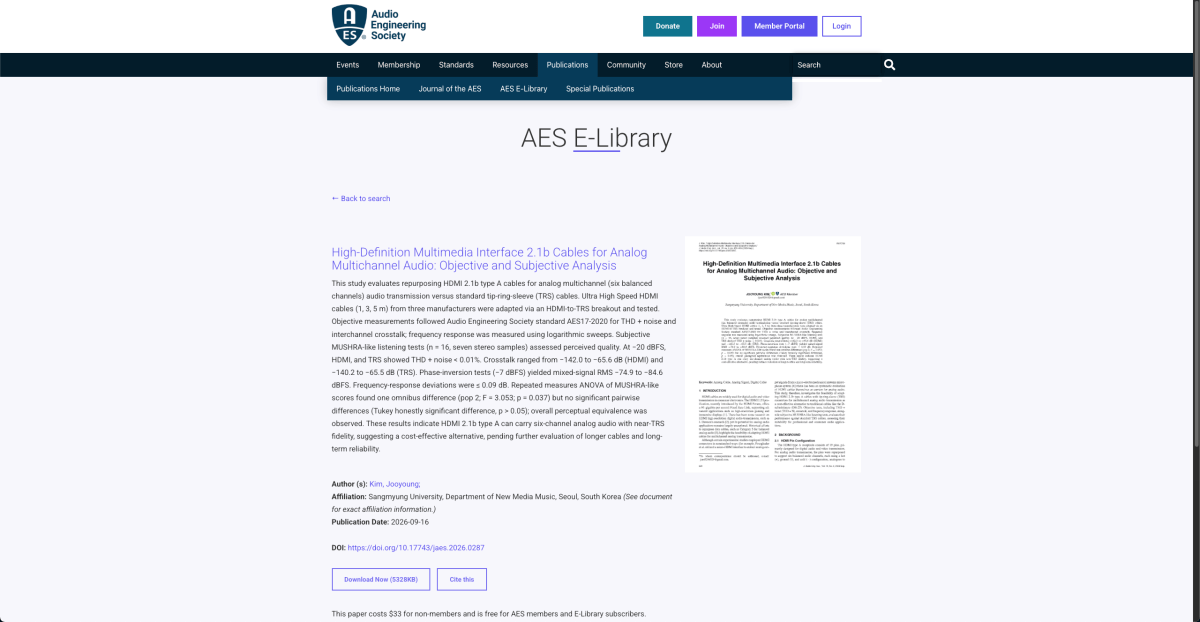
Last week, my recent research was published in the Journal of the Audio Engineering Society, which is regarded as one of the best research journals in this field.
The title of the paper is “High-Definition Multimedia Interface 2.1b Cables for Analog Multichannel Audio: Objective and Subjective Analysis.”
When I started this research, I wondered if it was feasible to publish in the prestigious journals I wanted to target. It stemmed from a surprisingly simple idea – ‘People use LAN cables for analog audio these days, but why don’t they use HDMI cables instead? With the emergence of Wi-Fi and wireless internet transmission systems, HDMI cables have become much more common nowadays.’ – making it quite unexpected that such a simple concept would end up in a top-tier journal.
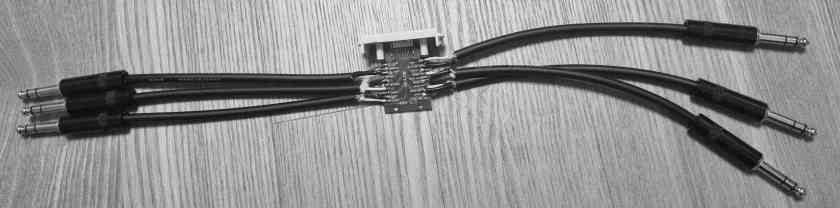
Therefore, I wired an HDMI female connector to a TRS connector… 🙂
Something like this weird creation, featuring one HDMI cable for every six TRS connectors!
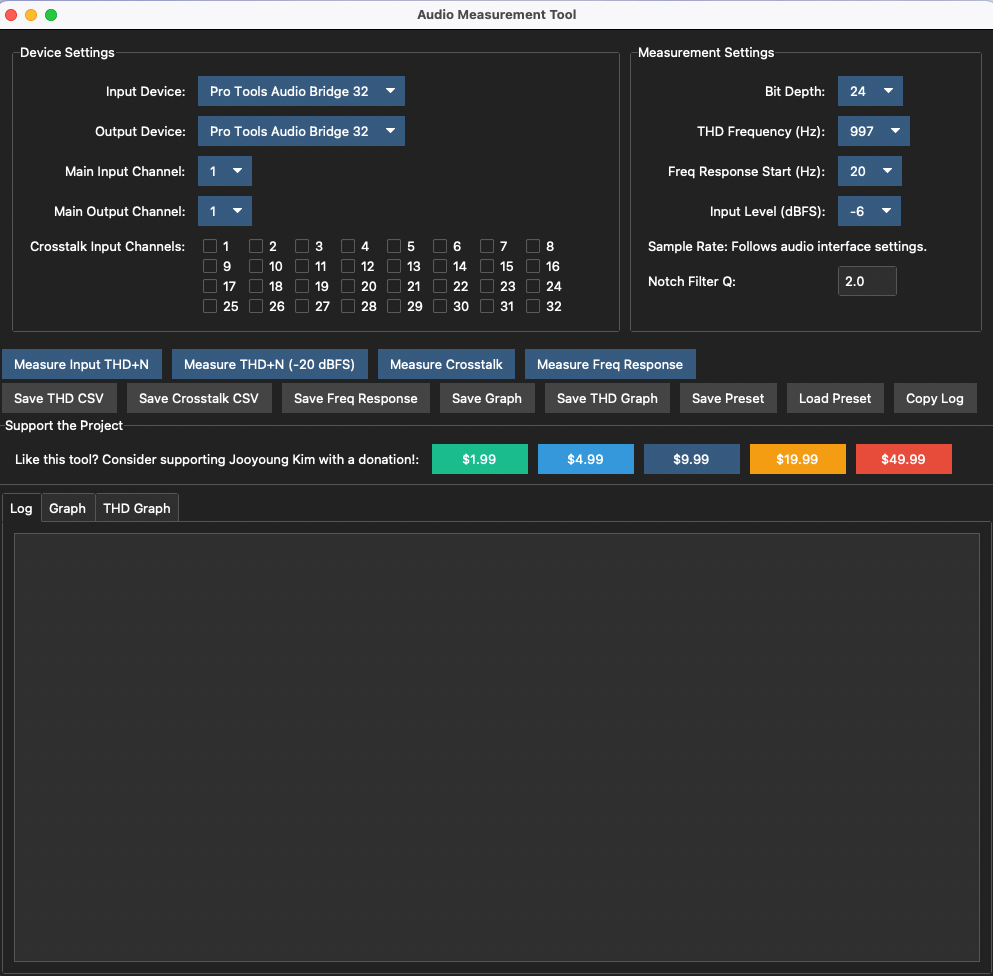
So, following this, I wrote a Python program to measure THD+N and crosstalk in compliance with the AES17-2020 standard, as well as the frequency response. (Note: Measuring the frequency response is not related to this standard.)
I ran the main audio tests using the program I shared on GitHub, which included comparing pure TRS cables. Separately, I used a quick, simple Python script I wrote to perform a phase-cancellation test, and I also conducted a listening test using the MUSHRA standard via webMUSHRA.
I tested nine different HDMI 2.1b cables across three different brands, covering 1-meter, 3-meter, and 5-meter lengths for each (3 lengths × 3 brands = 9 cables). As a reference, the comparison cable was a Canare L-2T2S, and the TRS connectors were Rean NYS228BG.
The result was simple! In the listening test, people couldn’t tell the difference between the cables, and the objective measurements also showed that using HDMI 2.1b cables for analog audio works surprisingly well.
The paper exceeded the page limit by two pages, so I had to pay an extra $200. Honestly, I paid it gladly just to be published in such a great journal—I’m really excited!
However, I cannot share the full paper here due to the journal’s copyright policy – sorry about that!
Also, another piece of research related to a Korean traditional instrument was accepted by the Journal of the Acoustical Society of Korea last Monday! I’ll share more about the subject once it’s officially released.
Hello! This is Jooyoung Kim, an audio engineer and music producer.
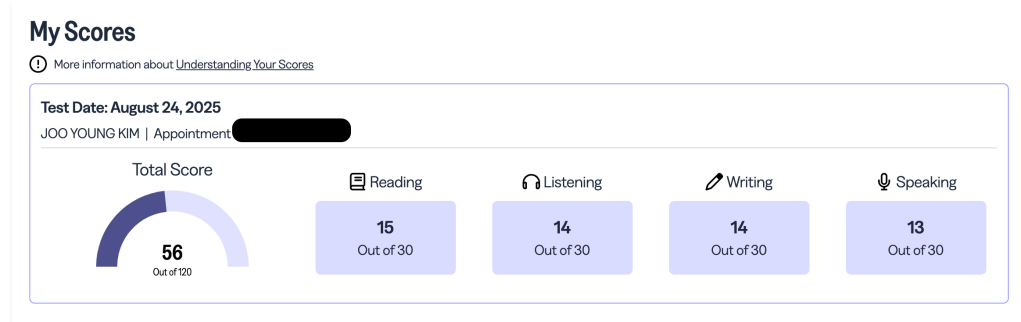
It’s been a long time since I wrote my last article. During this time, I concentrated on studying English to get a good score to apply for Ph.D. degree programs in the Audio Engineering field. I knew that my English skills were not good at all, so I began to study in earnest in May 2025.
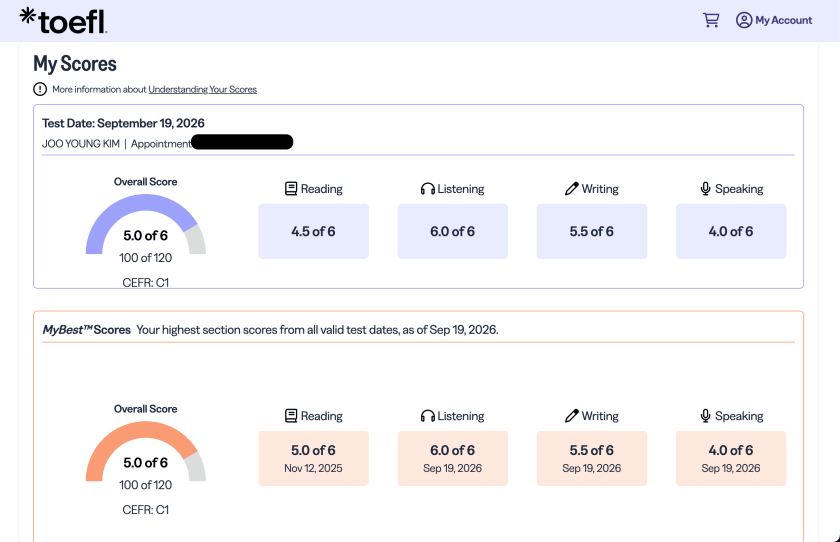
Last year, I tried my best and took four tests, but they were not good enough to qualify me. Because the test format changed after January 2026, I had a hard time adapting to these types of questions.
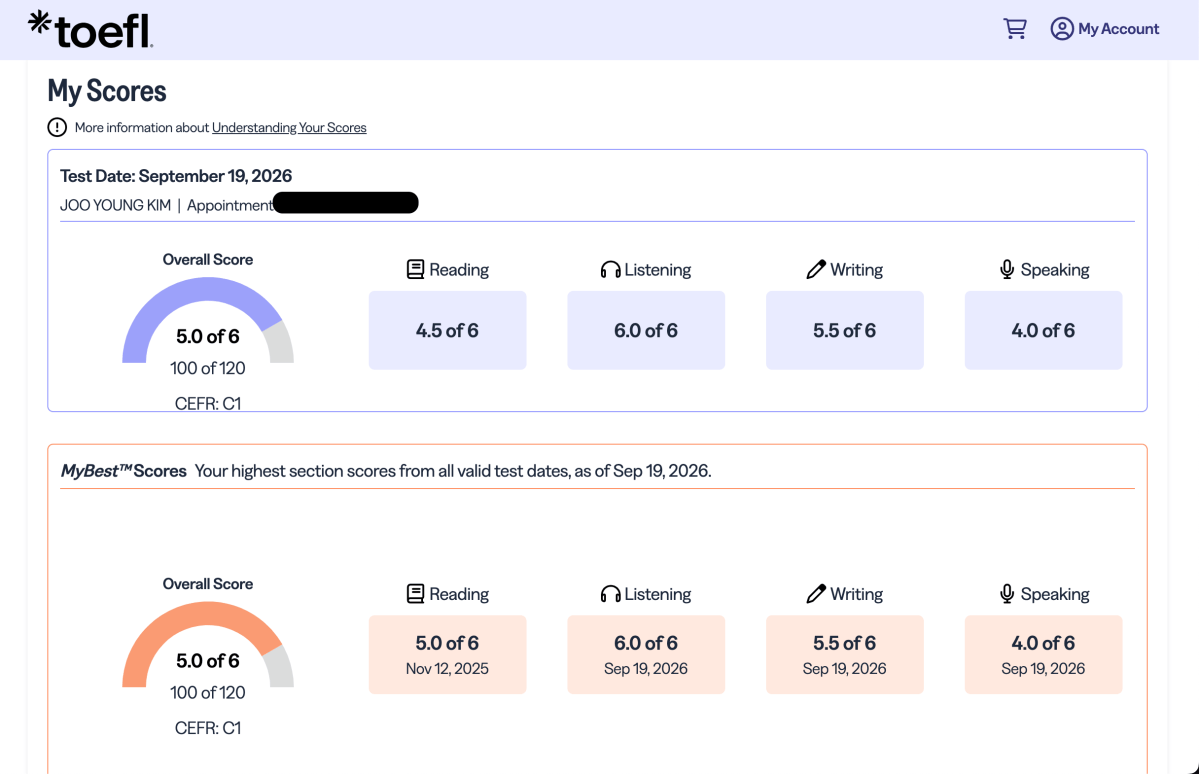
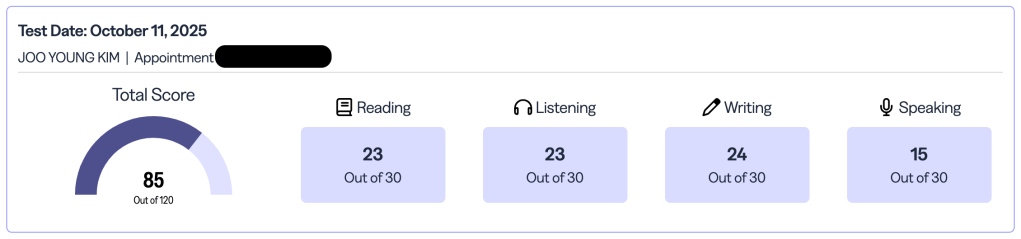
The upper photo shows my first trial score. It was really horrible. I got a huge shock, so I studied intensively after receiving it. The second trial is shown below.
As you can see, every score drastically rose, except for the speaking part. There were two more trials last year; however, they were not as good as the second test I took. Although, my speaking score was in the 13–15 score range during the 4th test.
I truly felt that speaking using templates, which many people do, did not fit me. Thus, I decided to attend a private academy taught by native English-speaking teachers to improve my speaking skills. Although it was operated by a church (the Seventh-day Adventist Church) and I am not a Christian, it wasn’t a TOEFL prep academy, and it was reasonably priced.
I went there every Monday to Thursday at 7 AM, and it really did help me overcome my fear of speaking in English. However, I felt extremely nervous during the first and second tests this year, so I got disappointing scores when I took those two tests.
But eventually I hit every threshold (audio engineer joke… :))! However, I’m so bummed that those seven tests (four tests last year and three tests this year) cost about 2,100,000 KRW (around $1,300–$1,400)—an amount that could buy me pretty good used audio hardware in Korea.
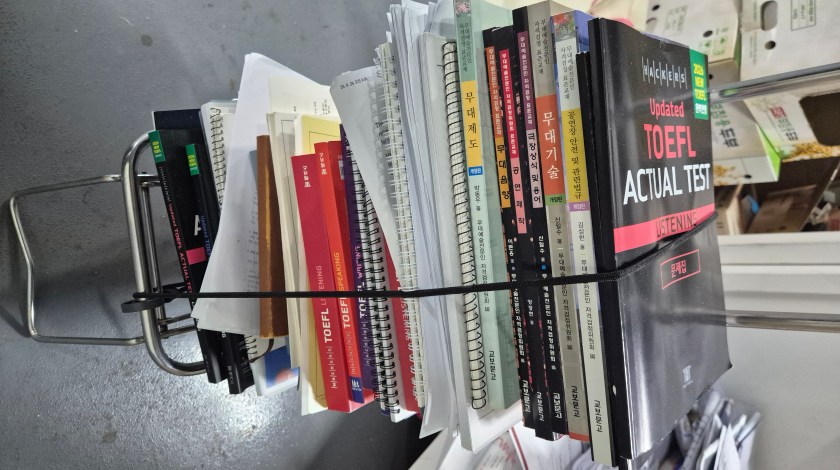
Not all of these books are related to TOEFL, but most of them are. I was just throwing them away 🙂
For Koreans who are struggling with the TOEFL test, I really recommend memorizing vocabulary and practicing grammar with an app named ‘Malhaboca’ (or ‘Sayvoca’), which significantly helped me improve my English skills.
Because of concentrating on the test, I couldn’t take care of this blog, publish my own compositions, or continue my own audio hardware DIY project. I am also planning to post some plugin reviews, which is one of the things I haven’t been able to do. I believe that I can keep going with those things starting today!
That’s all for today. Stay tuned for my next post!
Hello, this is Jooyoung Kim, an audio engineer and music producer.
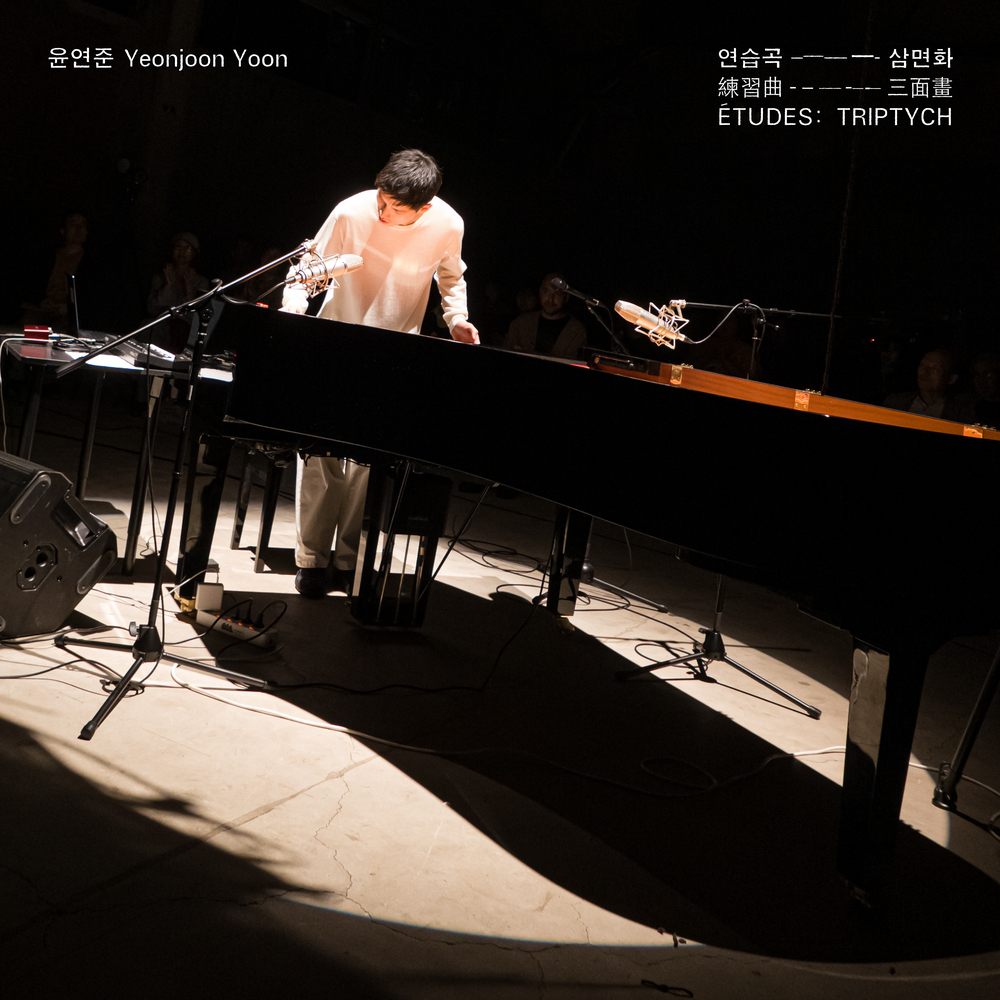
Recently, I’ve been busy conducting research related to Korean traditional musical instruments, which requires several listening tests. Therefore, I met Yeonjoon Yoon, a composer and pianist who has worked with some Korean traditional musicians.
After the test, I asked him when the album that we worked on together last year would be released. He surprisingly said it had already been released!
So I decided to introduce the album.
I used Peluso P-87 microphones for stereo miking on the grand piano, and Rode NT-55 microphones for the drum overheads and ambience positions. I also positioned two Shure SM57s on the top and bottom of the snare. I can’t quite remember, but I believe there was a rack for the kick microphone, so I likely used a Shure SM57 for that role as well.
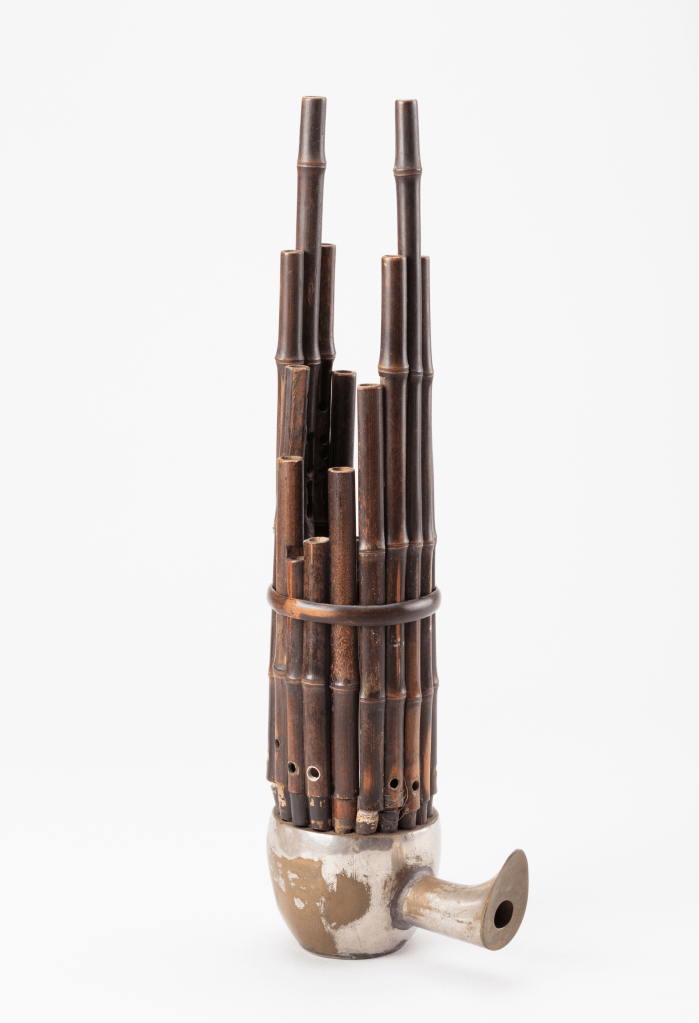
There is also a peculiar musical instrument called the Saenghwang (a mouth organ). I remember that I installed a Peluso CEMC 6 over the head of the musician.
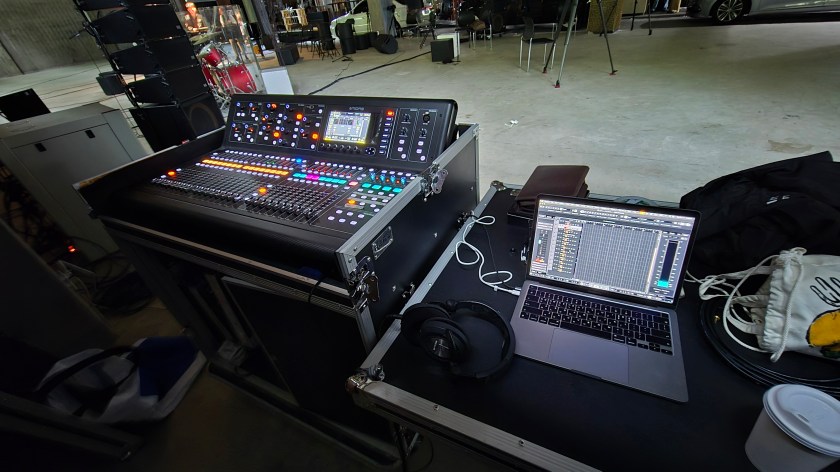
I used a Midas m32 console for both live mixing and recording simultaneously.
Yes, that’s all—maybe. It’s been about 9 months, so I can’t remember all the details accurately.
I only remember that the venue’s interior was made of concrete and brick, so it had a pretty long reverb time. Because of that, I struggled with the acoustics while mixing the live sound. However, in the recorded tracks, the piano actually sounded a bit too dry, so the artist wanted to add a huge amount of ambience—around -10 dB (whereas in popular music, ambience effects like reverbs are usually added around -30 to -20 dB).
These are unique and interesting tracks, so check them out..!
Meter part
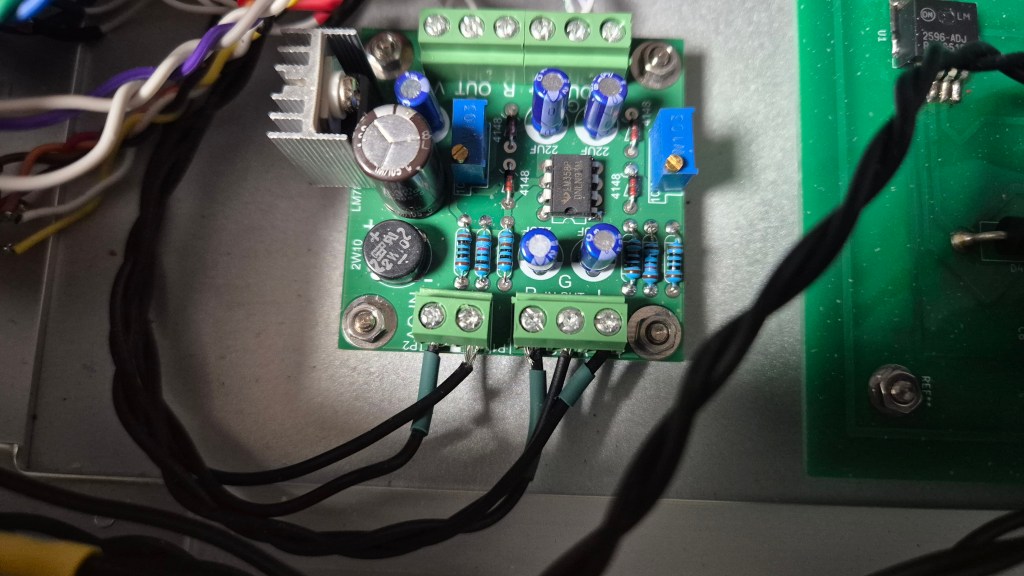
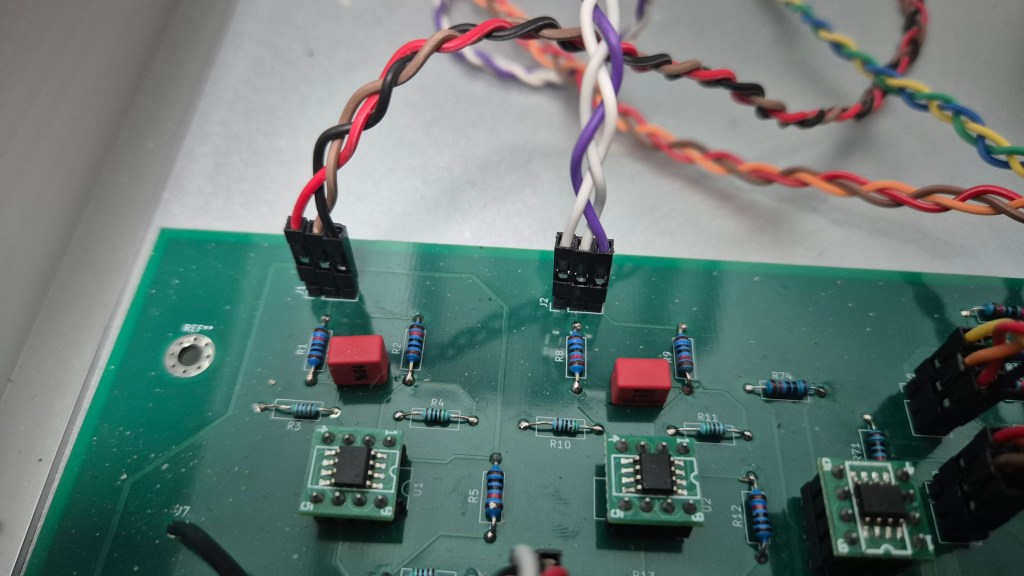
As you know if you read my DIY hardware post series, about a month ago, I finished wiring and assembling all the components for my DIY audio hardware. When I powered it on, I immediately ran into two major problems. Only the left channel’s meter responded while the right channel’s meter remained completely dead, and there was no audio output at all.
I wasn’t even sure where to begin troubleshooting. After wiring up all the components for my DIY audio hardware, I ran into two major problems right away. First, only the left channel’s meter responded, while the right channel’s meter remained completely dead. Second, there was no audio output at all.
After spending so much time on the project without making any progress, I became so frustrated that I stopped working on it for a while. It honestly felt like burnout.
When I came back to it yesterday, I started thinking more logically. The meter was connected just before the THAT1646 output driver stage. If the left meter was responding correctly, that meant the entire signal path leading up to that point had to be functioning. In other words, the problem couldn’t be somewhere earlier in the circuit.
Following that line of reasoning, I first discovered that I had simply wired the right meter incorrectly. That explained why only the left meter had been moving.
With the meter issue solved, the only remaining suspect for the missing audio output was the THAT1646 itself. So I started digging into its documentation and pinout.
OPA 1612…!!
However, after replacing the devices, I discovered another problem. A significant amount of broadband noise was present, measuring higher than -75 dBFS across nearly the entire frequency spectrum.
I went back through the schematics and the datasheets, comparing my design with the recommended application circuits. That’s when I realized I had made a fundamental mistake: I hadn’t included the power-supply bypass capacitors for either the OPA1612 op-amps or the THAT1646 output drivers.
Looking back, it seems obvious. High-performance analog ICs like these rely on proper local decoupling to keep their supply rails stable and free from high-frequency noise. Without those capacitors placed close to the power pins, the circuit is far more susceptible to noise and instability.
So, despite thinking I was finally done troubleshooting, I ended up ordering yet another batch of components. Now I’m waiting for the capacitors to arrive before I can continue.
At this point, the project is slowly turning into Frankenstein’s monster. Every problem I solve seems to require another small modification to the hardware. Hopefully, these will be the last stitches before it finally comes to life.
That’s it for today.
Lately, I’ve barely had enough time to breathe between studying English and working on my research, so progress on this project has been a little slower than I’d like.
On the bright side, I recently picked up an SPL Vitalizer MK3, so you can look forward to a review of that in an upcoming post.
Thanks for reading, and I’ll see you in the next one!