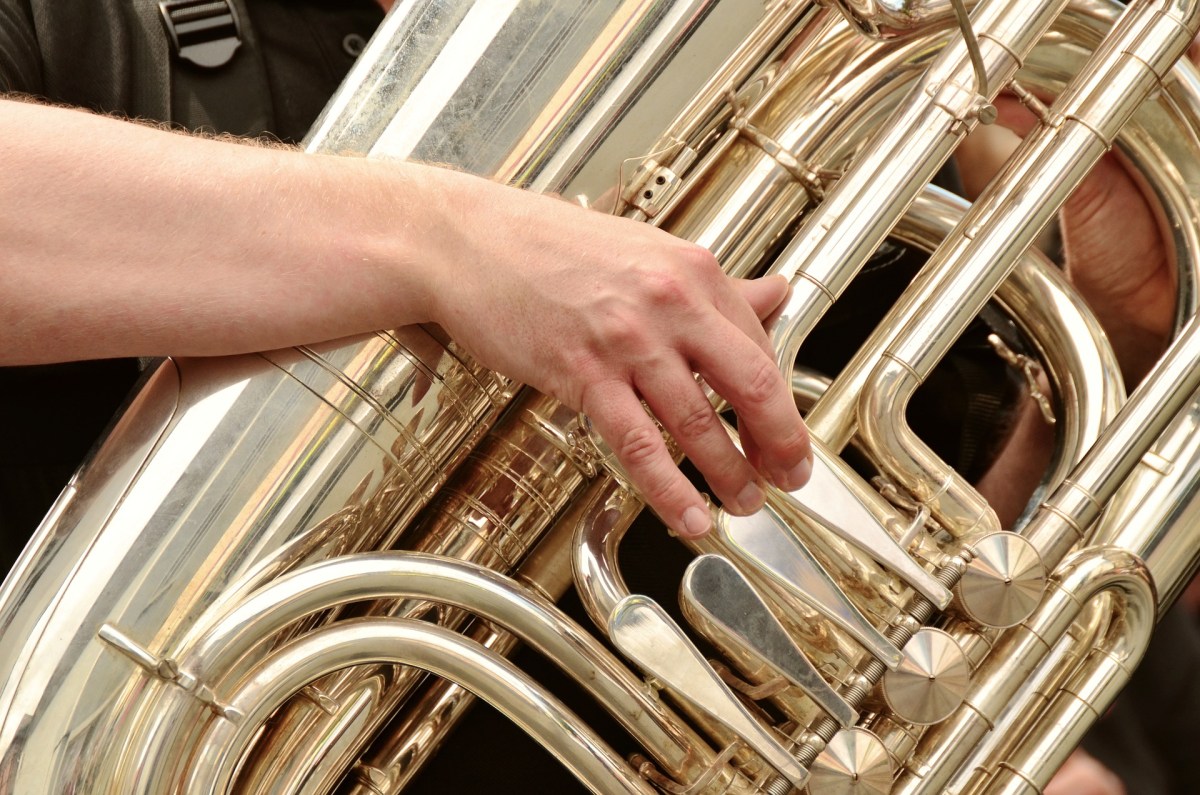
Hi! This is engineer and music producer Jooyoung Kim.
Today, following woodwinds, I would like to talk about brass.
Before dealing with brass instruments, brass instruments can be divided into two categories: brass in the classical sense and brass in the modern sense.
- Brass of classical orchestra: Horn, Trumpet, Trombone, Tuba
- Jazz brass: Horn, Trumpet, Trombone, Tuba, Saxophone
Therefore, we will deal with the four types of brass used in classical orchestras first, and the modern big band-style jazz brass later.
Brass is literally called brass because the material of the instrument is brass. It has no reeds and is characterized by using lips and several valves or slides to control the sound. (Saxophones have reeds, so in classical music, saxophones are classified as woodwind instruments. In modern Jazz Brass, Saxophones are simply lumped together and called Brass. )
In a traditional orchestra, the Tuba plays the role of the bass, the Trombone the tenor, the Horn the alto, and the Trumpet the soprano.
- Valves

In the classical era, because the sound had to be controlled only with a tube without a valve, only the overtones of the natural frequency of the tube could be played.
Accordingly, the performer played with a tube that had a basic tone that suited the orchestra’s composition, and when modulation was needed, the length of the tube was adjusted using tubes called crook.
At this time, notes were controlled only with the lips, so rapid and rapidly changing performances were not often used. In particular, if you look at Mozart’s music, you can see that the Trumpet is used like a percussion instrument along with the Timpani, and the Horn is also often used for sounds that are easy to make in overtones, such as fifth chords or octave playing.

However, since the length of the pipe could be adjusted using a valve system, the need for these cumbersome crooks was reduced, and relatively fast playing became possible.
In particular, in the Jazz Brass arrangement, this fast performance makes it possible to quickly change chords and create a unique, full sound.
- Harmonics
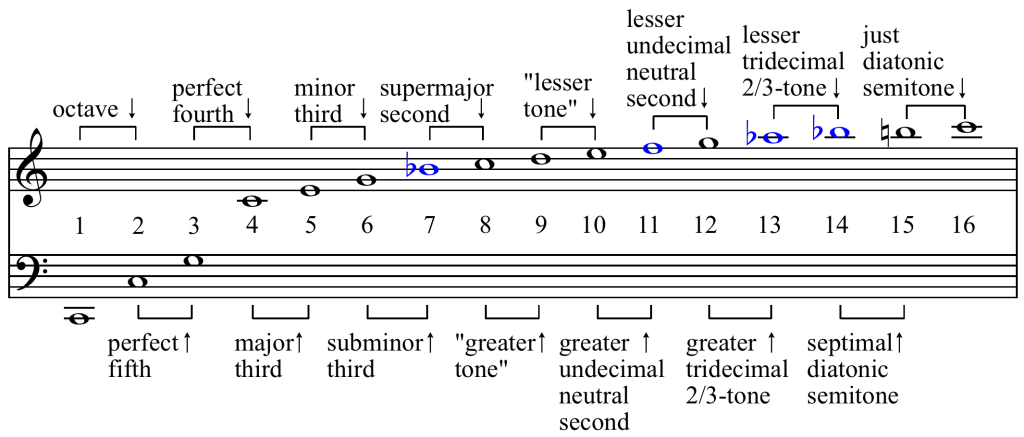
Wind instruments are designed to play natural overtones from birth, so natural overtones sound best. Therefore, it is best to keep natural overtones in mind when writing songs.
Generally, it is difficult to blow the fundamental tone, so start with the second overtone. Playing something like Glissando on a brass instrument is only possible with a series of these overtones.
- Mouthpiece & Embouchure

Vibration of air is necessary to produce sound in a tube. In woodwind instruments, the reed plays that role, but in brass instruments, the lips are dropped to vibrate the air. This method of controlling performance with the lips is collectively called Embouchure.
In modern improved instruments, valves can control notes, but not all notes. Therefore, the embouchure is very important because the lips must be able to produce tube overtones.
- Slides
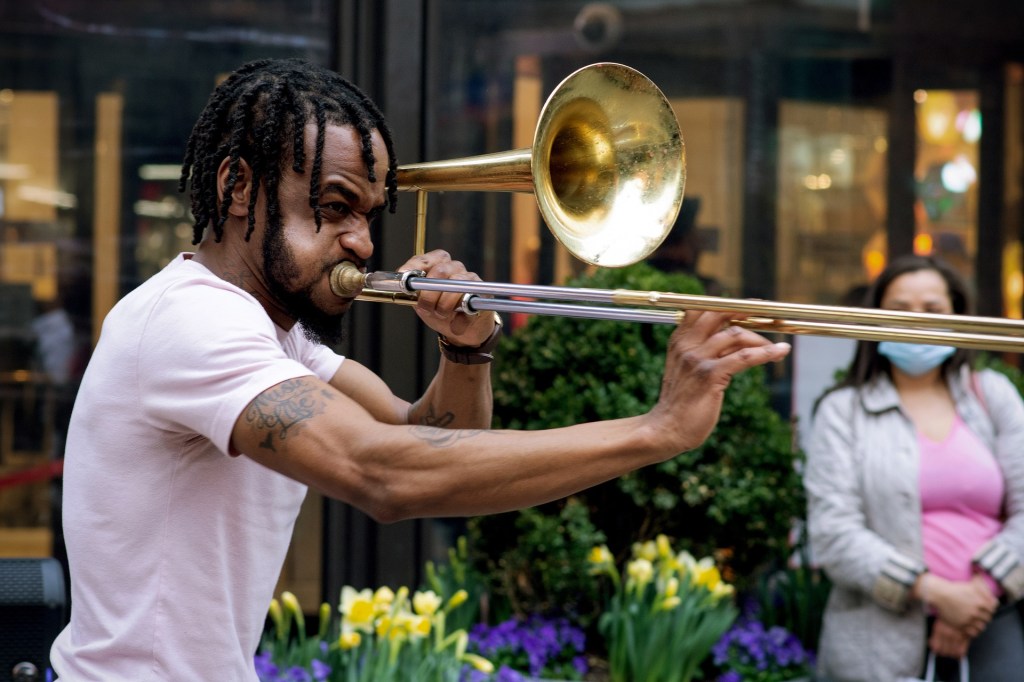
Trombone uses slides rather than valves, so it is not easy to change notes quickly, not overtones. Instead, you can play the extremely effective Glissando technique through Slide.
There are a total of 7 stages of Slide, which will be covered separately in the Trombone section.
- Mutes
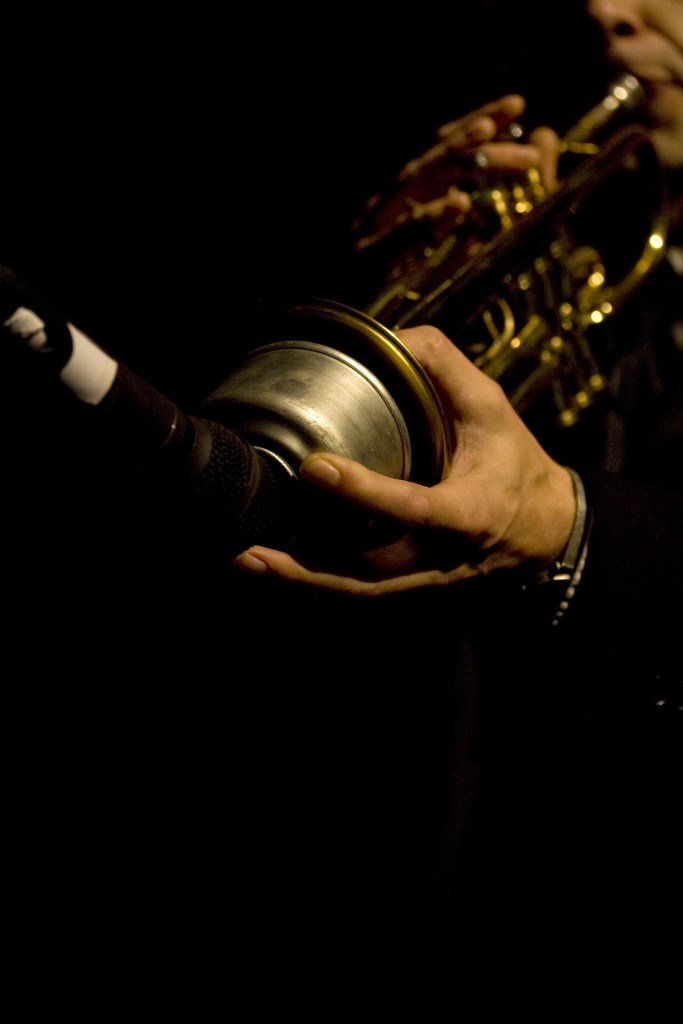
There are various Mutes in brass instruments. It is especially often used on trumpets. Mutes not only attenuate the sound but also change the timbre of brass instruments.
Therefore, if you use mutes like this to weaken the sound when working on an orchestra arrangement, the tone may become sharper and the sound will stick out more, which may work in the opposite direction of what you want.
The five most commonly used Mutes are Straight Mute, Cup Mute, Harmon (Wah-wah) Mute, Plunger Mute, and Bucket Mute.
Mutes that are not made of metal are generally not used in orchestral pieces, but are mainly used in modern or jazz music.
In the score, putting on Mutes is written as Con Sordino, and taking off Mutes is written as Senza Sordino.
That’s all for today, and I will explain Horn, Trumpet, Trombone, and Tuba in the next article. I hope it helps you study.
See you again in the next article 🙂

 Jooyoung's Music Blog