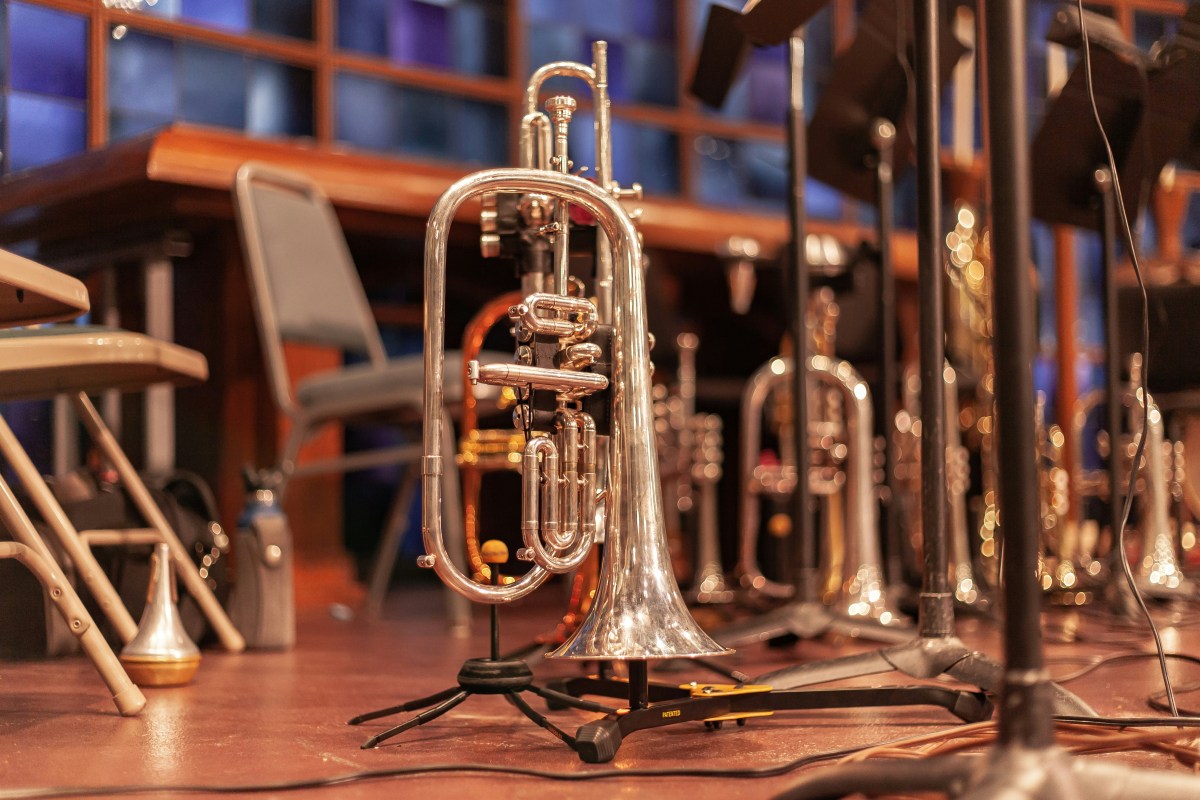
Hello! This is Jooyoung Kim, an engineer and music producer. Today, I would like to continue with the basics of orchestration, brass instruments in part two.
This article will primarily cover four instruments: the Horn, Trumpet, Trombone, and Tuba.
Let’s get started!
- Horn
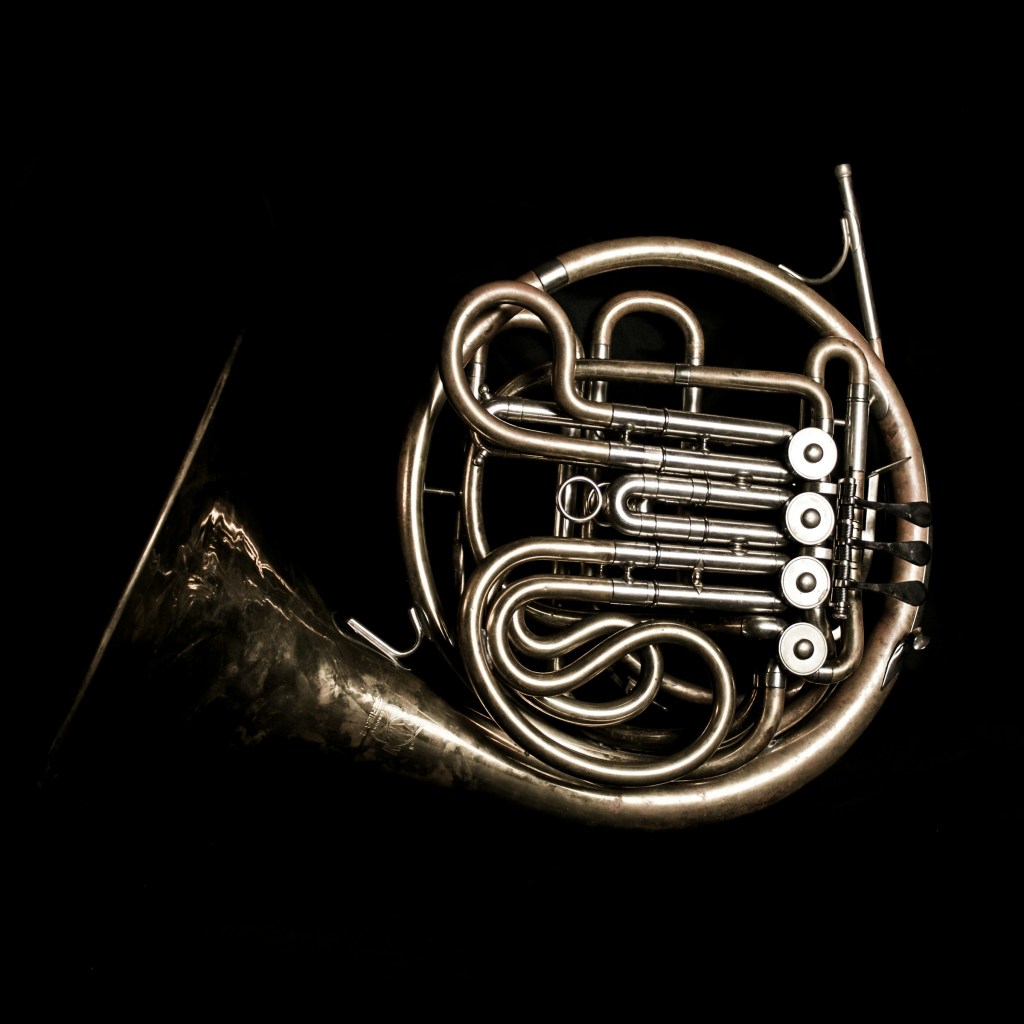
The Horn is responsible for the Alto range in the brass family and has the softest sound among all brass instruments. In a woodwind quintet, it is often used alongside the Flute, Oboe, Clarinet, and Bassoon, bridging the timbres of brass and woodwind instruments.
In an orchestral setting, the Horn is usually arranged in pairs or groups of four. When there are four players, the 1st and 3rd players cover the high notes, while the 2nd and 4th players handle the lower notes. In the score, 1st and 2nd, as well as 3rd and 4th, are paired together.

The Horn has the widest range among brass instruments, utilizing both the treble and bass clefs. Being a transposing instrument in F, it sounds a perfect fifth lower than written. For clarity, it is commonly notated in the treble clef. When using the bass clef, remember that it sounds a perfect fifth higher than written. Accidentals are used instead of key signatures.
The Horn often carries the melody in the brass section due to its ability to change notes more smoothly than the Trumpet and blend well without overpowering other orchestral instruments. When considering melodic lines in the brass section, the Horn should be your first choice.

A unique technique for the Horn is Hand Stop, where the hand is placed inside the bell to produce notes outside the natural harmonic series. This is notated with a cross (+) and results in a lower pitch than the written note.
- Trumpet
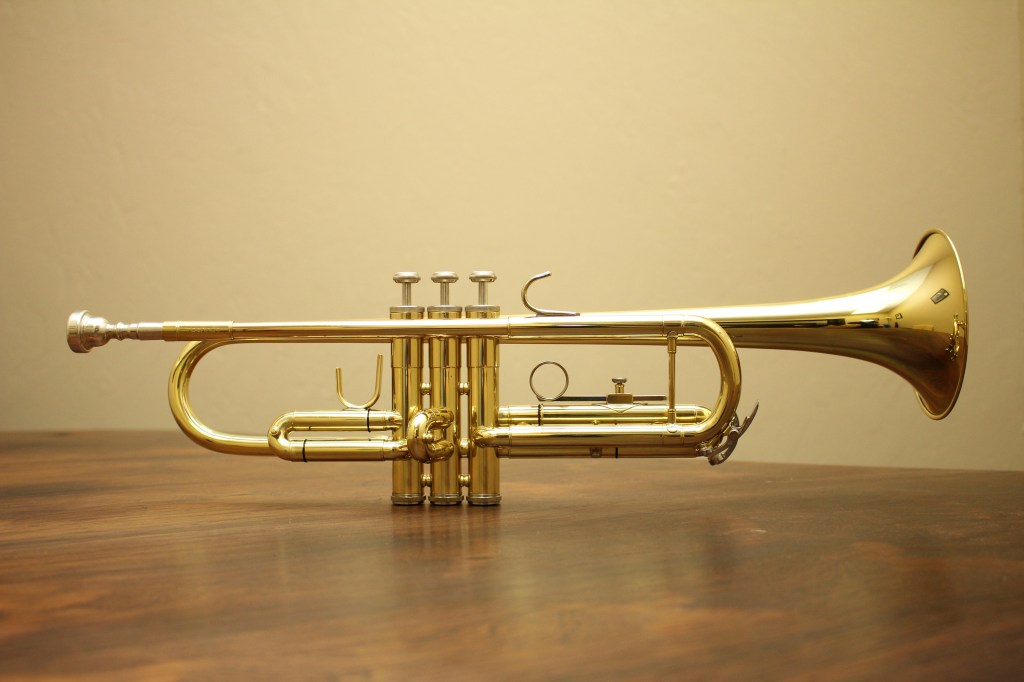
The Trumpet covers the Soprano range in the brass family. Historically, it was often used like percussion alongside the Timpani, but in modern times, especially in Jazz, it frequently takes on melodic roles.
Today, the most commonly used Trumpets are in C and Bb. The C Trumpet is non-transposing, sounding as written, while the Bb Trumpet transposes down a whole step. Like the Horn, Trumpets use accidentals instead of key signatures.

In an orchestra, Trumpets are usually arranged in pairs or groups of three. Their distinct sound and volume make them ideal for tutti sections or moments requiring emphasis.
Brass instruments, including Trumpets, generally avoid stacking harmonies in thirds when used in pairs or more. Instead, they use open intervals like fifths, sixths, sevenths, or octaves. This practice originated from the natural brass instruments which could not easily produce third intervals in the lower register and produced less resonant third intervals in the upper register.
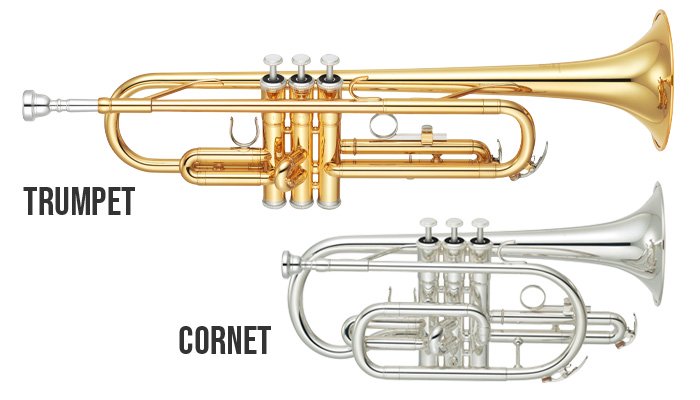
The Trumpet family includes the Cornet, a smaller instrument in Bb. Though it shares the same range as the Trumpet, its tone is different, making it suitable for more agile, intricate music passages.
- Trombone
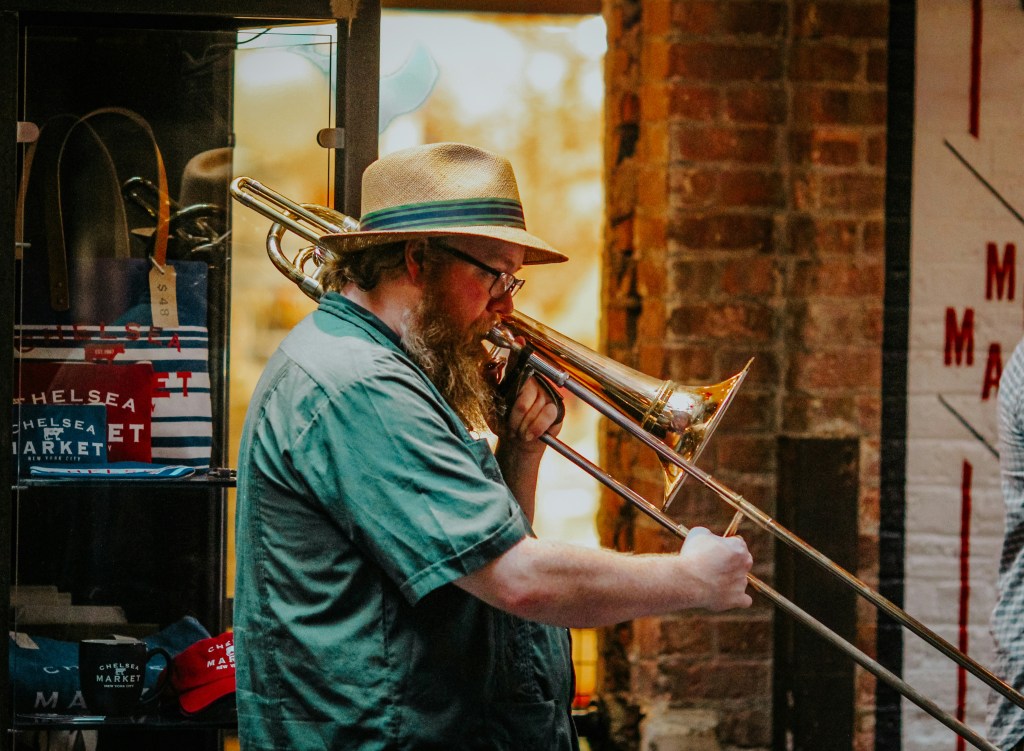
The Trombone is unique among brass instruments for using a slide to adjust pitch and covers the Tenor range. This allows for effective use of techniques like Glissando and Portamento, though it can limit some melodic movements due to physical constraints.
In orchestration, the Trombone typically supports other instruments’ bass lines or enhances resonance rather than carrying the bass or melody alone. It has seven slide positions, each producing specific fundamental notes and their harmonics, from Bb to E.
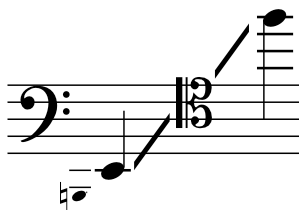
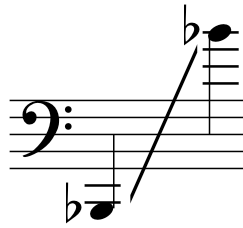
Commonly used Trombone types include the Tenor Trombone and the Bass Trombone, the latter being used in larger orchestral settings. Unlike the Horn and Trumpet, the Trombone is non-transposing.
- Tuba
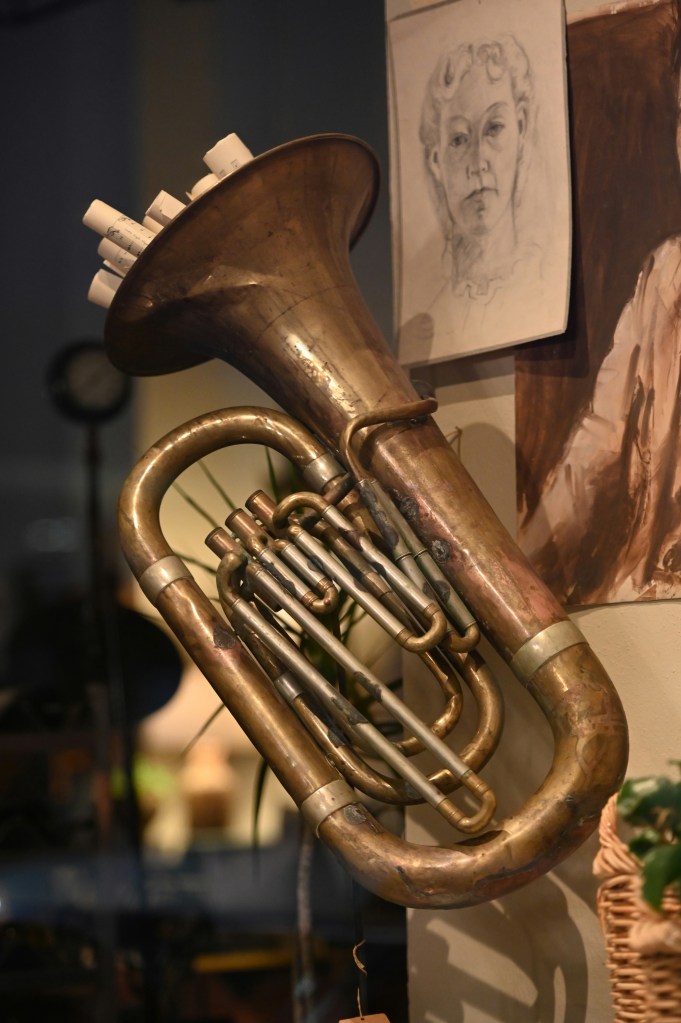
The Tuba occupies the lowest bass range in the brass family. Its imposing size matches its powerful sound, which can dominate the orchestra or project prominently in large ensembles.
The Tuba is effective in tutti or fortissimo passages, emphasizing the music. It also serves well for bass melodic movements due to its rich harmonics, provided it has sufficient support from other instruments.
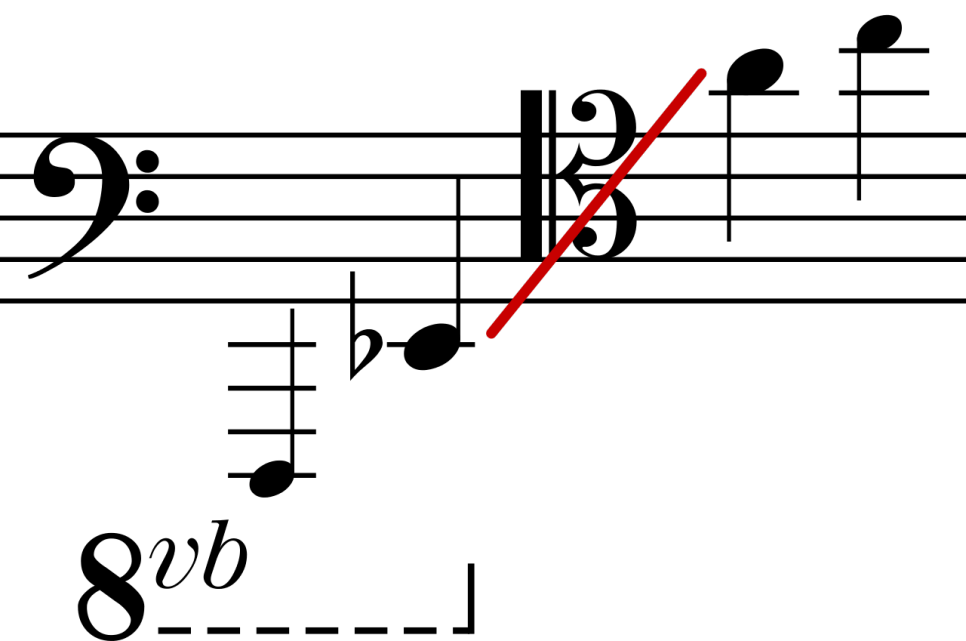
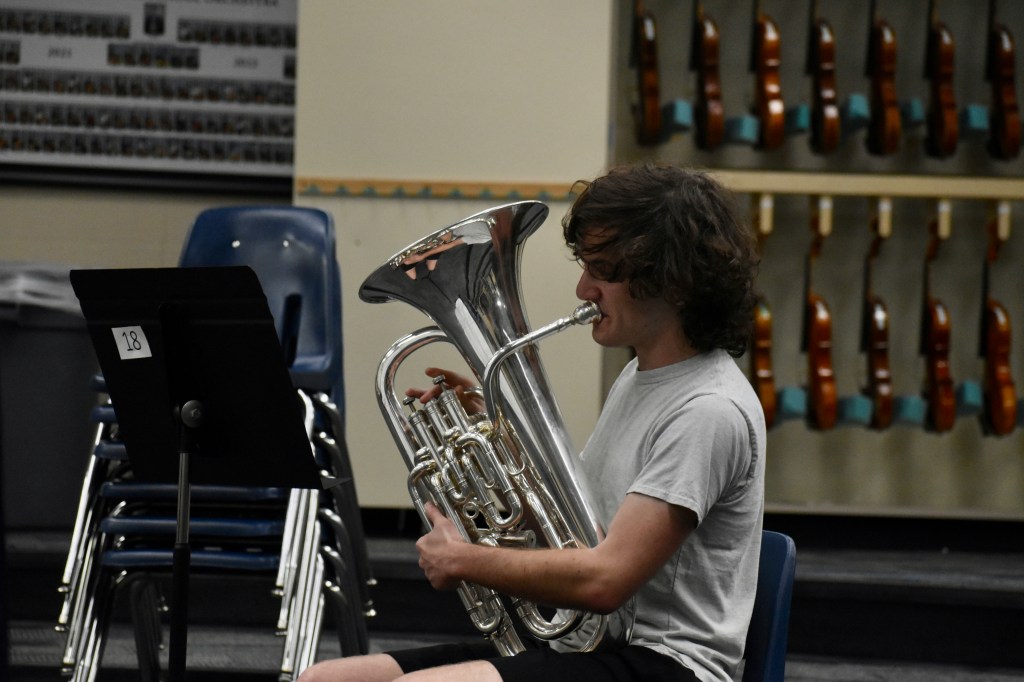
The Tuba is a non-transposing instrument in C, and a smaller, tenor-range Bb instrument called the Euphonium is sometimes used as well.
- Orchestral Arrangement
In a two-player setup, it is common to have two Trumpets and two Horns. A three-player setup typically includes three Trumpets, four Horns, three Trombones (or two Tenor Trombones and one Bass Trombone), and one Tuba.
In larger setups, the number of Horns usually increases in even numbers, such as six or eight, with other brass instruments being added according to the woodwind arrangement.
This concludes our discussion on classical brass instruments. I hope you found it interesting!
In the next post, I’ll cover Saxophones and Jazz Brass. Stay tuned!

 Jooyoung's Music Blog