Hello, this is Jooyoung Kim, a mixing engineer and music producer.
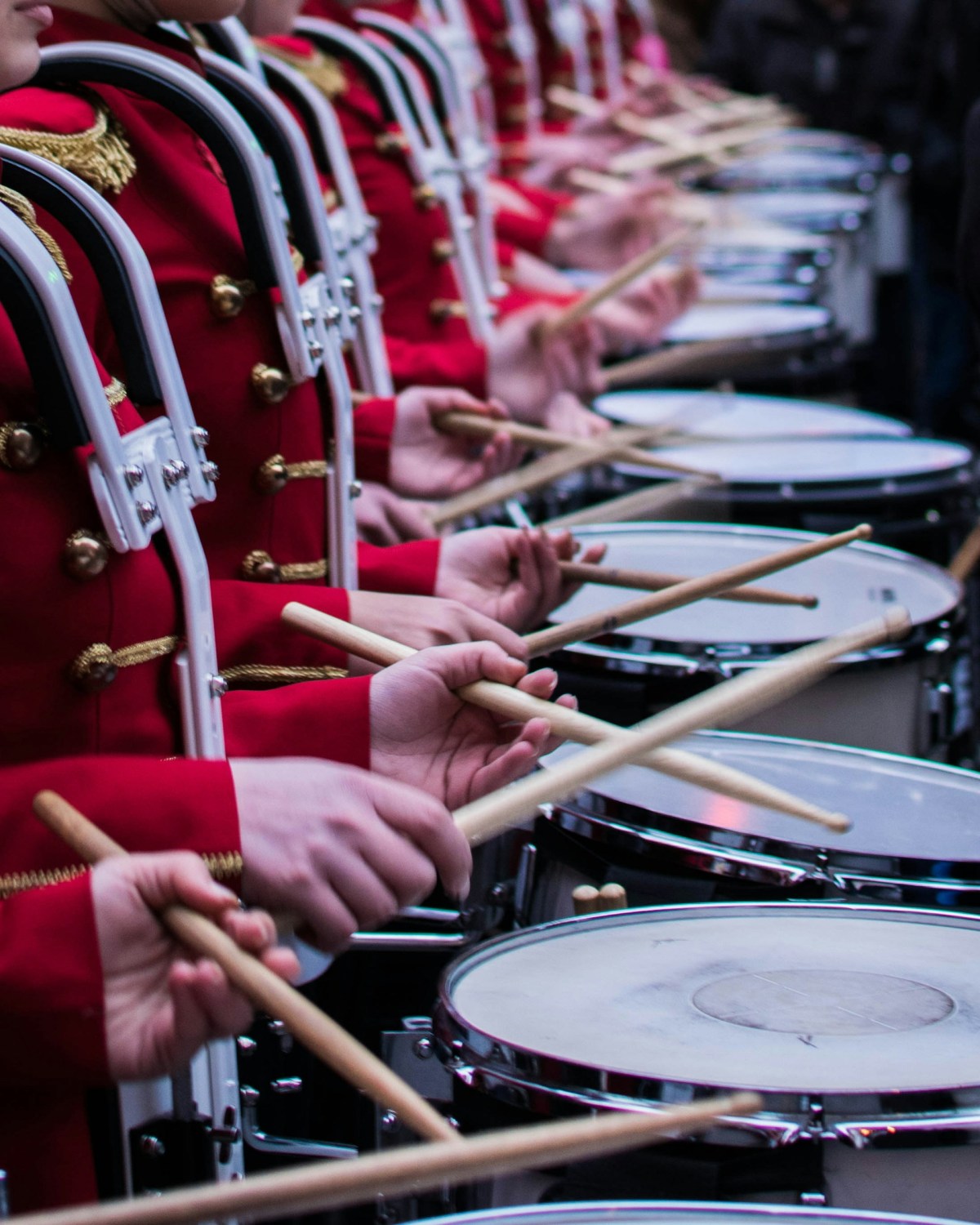
Today, I’ll continue from my previous post on the basics of orchestration, focusing on percussion instruments.
Shall we begin?
- Triangle
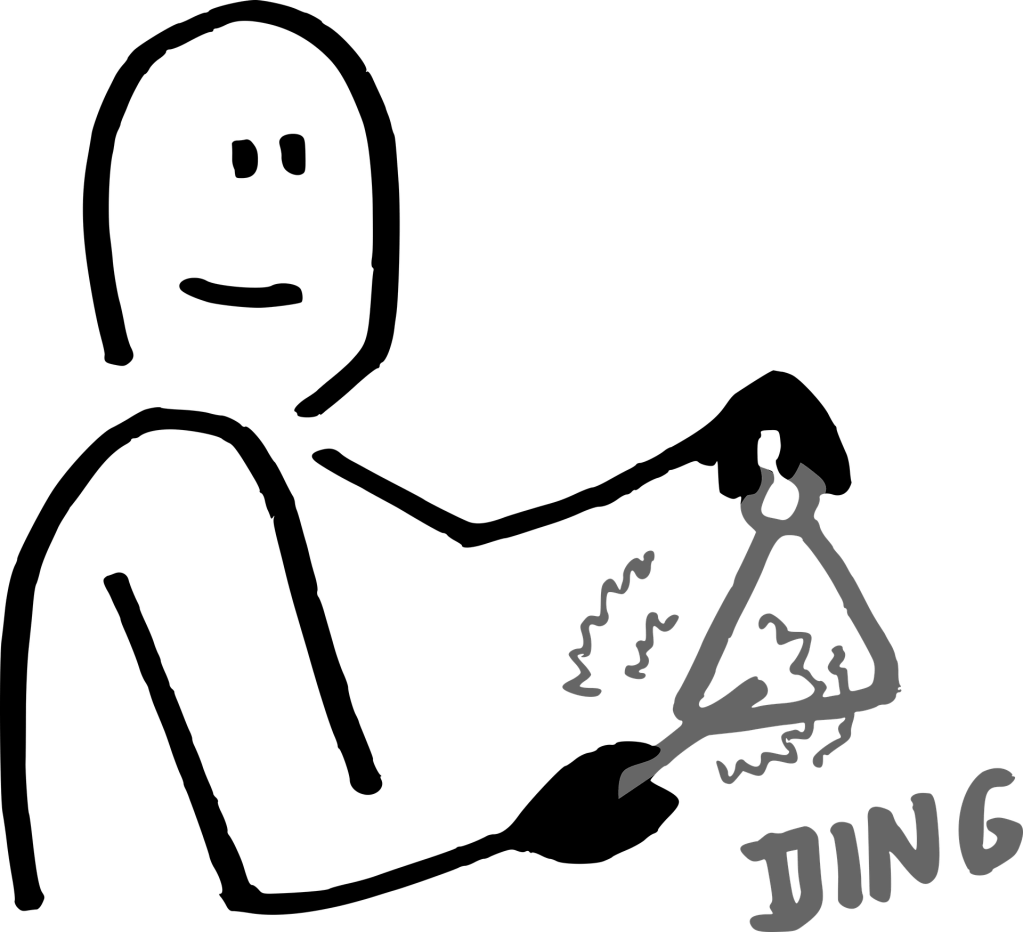
The triangle is a metallic, triangular instrument that is suspended by a loop made of gut or nylon string, which is worn on the finger and struck with a metal beater of the same material.
Because it involves metal striking metal, it produces a sharp, clear sound. Despite its small size, it can cut through an entire orchestra due to its metallic timbre.
Playing techniques include single strokes, drags, and triangle rolls, where the beater trills along the edges. A unique feature is that you can mute the triangle by touching the body with your fingers. Like most percussion instruments, the intensity of the stroke determines the volume.
- Crotales
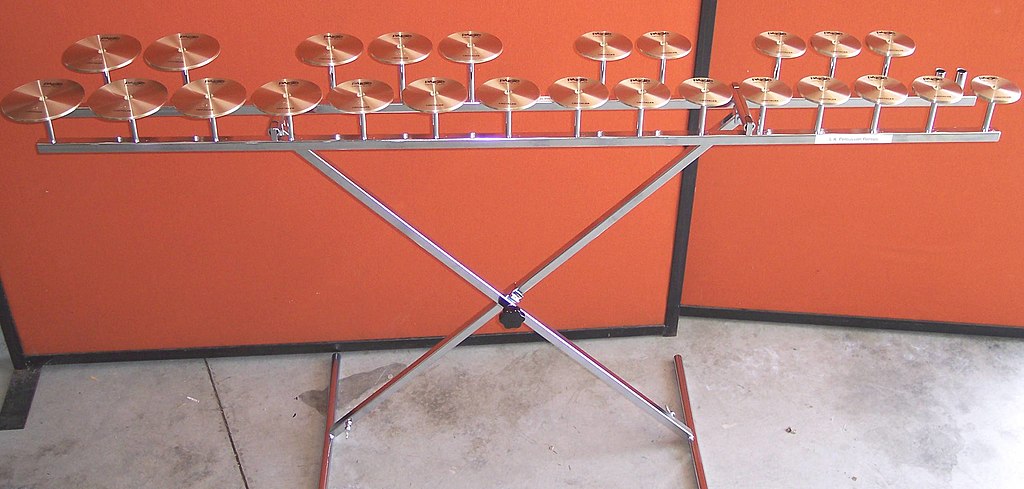
Also known as antique cymbals, crotales are small cymbals about 4 inches (10 cm) in diameter, each with a specific pitch.

They can produce about two octaves of sound, extending the range by adding additional sets. These instruments are transposing, sounding two octaves higher than written, and are typically tuned to A=442Hz.
Crotales are fixed to stands with nuts, similar to cymbals. The nuts must be adjusted correctly to avoid dampening the sound or losing control of the vibration. Their metallic sound can pierce through an orchestra. Unlike glockenspiels, which are made of steel, crotales are usually made of brass, resulting in a different timbre. They produce a long sustain and are often struck with mallets that have hard heads.
Crotales can also be muted by hand or played with rolls. A unique technique involves using a string bow to scrape the edge, producing a distinctive sound.
- Castanets

Castanets, also known as clackers or palillos, are instruments that produce sound by clapping two pieces together. Their exact origin is unknown, but they are widely used, especially in Latin music and flamenco dance, where female dancers rhythmically play them in both hands.
Traditionally made of wood, modern versions can be made from fiberglass. Castanets do not have a definite pitch, but the size difference between the pairs (macho for the larger, deeper-sounding one and hembra for the smaller, higher-sounding one) gives a perceived pitch variance.
Castanets are connected by a string loop, worn on the thumb, and struck with the other fingers. While single notes can be played, rolls are often more effective, especially in fast and complex pieces.
- Mark Tree
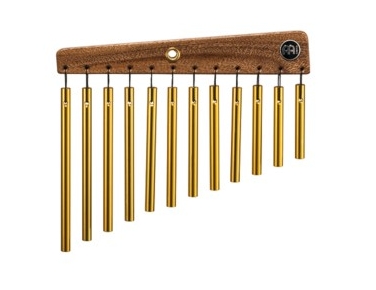
Also known as bar chimes, nail tree, or chime tree, this instrument consists of aluminum or brass tubes, either hollow or solid. Instead of striking each bar individually, players typically use their hands or fingers to create a glissando by sweeping across the bars.
Mark Trees are used across various musical genres, including orchestral and popular music, to create a shimmering sound. The instrument’s range isn’t usually notated.
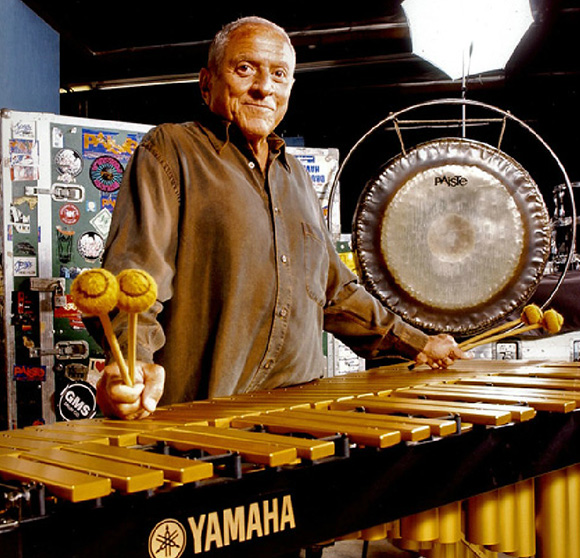
Invented by Mark Stevens in 1967, the instrument was named by the legendary percussionist Emil Richards, who referred to it as the Mark Tree. The instrument is also known by other names like bar chimes or chime tree due to its chime-like quality.
- Jingle Bells
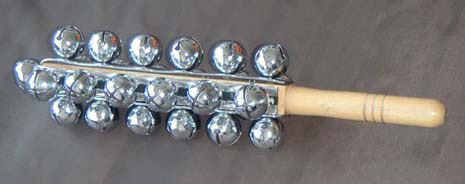
The jingle bell, famously known from the Christmas song “Jingle Bells,” is also called sleigh bell because it’s attached to sleighs. It’s a quintessential instrument for holiday music, producing a recognizable jingling sound.
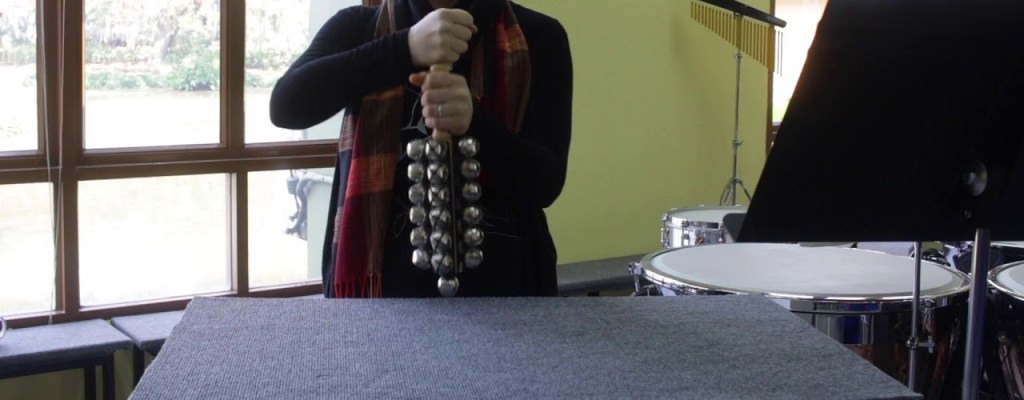
Jingle bells are typically mounted on a stick, played by shaking or striking with another hand. This method ensures precise timing and clean sound release.
- Bell Tree
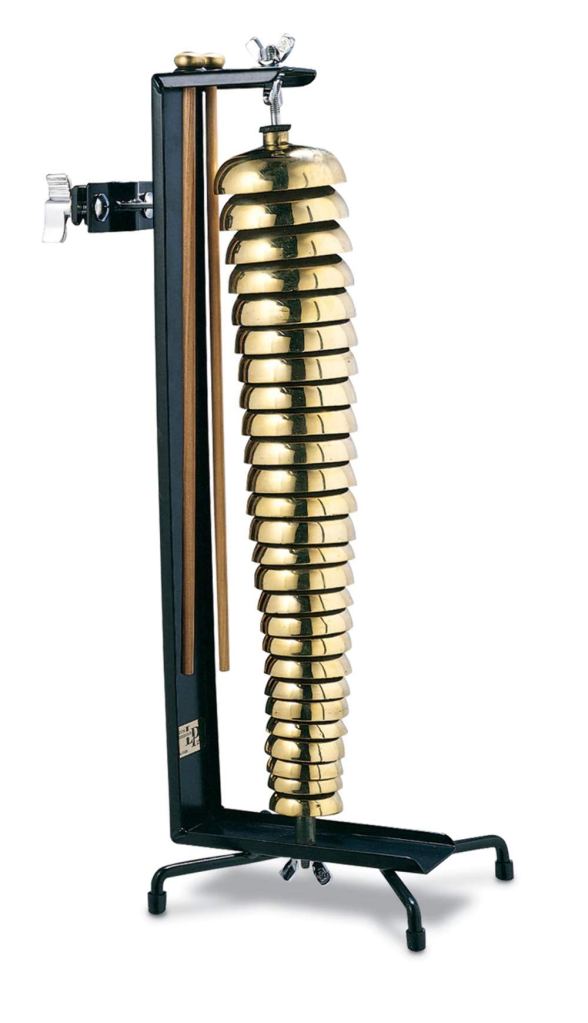
The bell tree, also known as tree bells or Chinese bell tree, consists of 14 to 28 bells arranged vertically. Unlike the Mark Tree, it is played by sweeping a beater, usually a triangle beater or a glockenspiel/xylophone mallet, from top to bottom for a glissando, or striking individual bells for single notes.
The bell tree has a long sustain and can pierce through an orchestra, often used for sound effects in film and commercial music. Its relatively short history dates back to its first studio use in the 1990s.
- Conclusion
This concludes the basics of orchestration for percussion instruments. I hope this information has been helpful!
See you in the next article~:)

 Jooyoung's Music Blog