
Hello, This is Jooyoung Kim, a mixing engineer and music producer.
To effectively mix, it’s essential to understand the nature of sound. Today, I’d like to talk about waves.
What is a wave?
There are various ways to define it, but a wave is fundamentally a method of transferring energy. When energy is transferred, some ‘things’ that carries this energy vibrates, and those ‘things’ is called the “medium.”

There are two types of wave:
– Transverse Wave
– Longitudinal Wave
If the direction of the medium’s vibration and the direction of the energy’s travel are the same, it’s a longitudinal wave. If they are different, it’s a transverse wave.
Sound is a longitudinal wave with air as its medium. However, representing a longitudinal wave as a waveform can be complex, so in a DAW, it’s often converted into a transverse wave for simplicity.
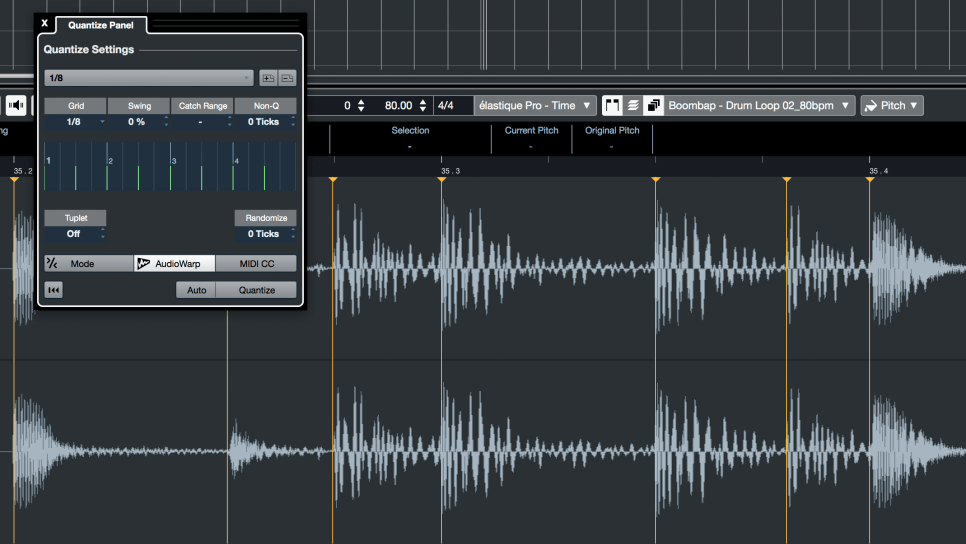
From now on, when explaining waves, I’ll use the transverse wave model. Although sound is a longitudinal wave, think of it as being converted into a transverse wave for easier understanding.
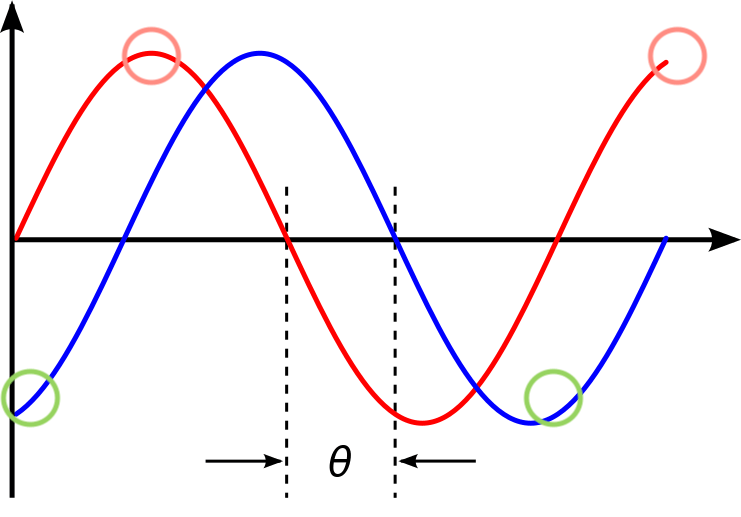
The first concept you need to understand is ‘phase.’
When I first learned physics, this was a confusing concept. According to my high school physics teacher, phase represents the ‘position and state‘ of a wave.
Simply put, if the movement direction and position of the medium at a specific point are the same, the phases are said to be identical.
Phases are expressed in degrees, which relates to representing waves as simple harmonic motion.

All waves can be expressed as a combination of simple harmonic motions. However, delving into this topic would be too lengthy, so I’ll skip it for now.
You might wonder why understanding phase is important. It’s because it helps define other terms related to waves.
The shortest distance between points with the same phase is called the ‘wavelength.’ The shortest time to reach the same phase again is called the ‘period.’ The number of times the phase changes per second at a given point is called the ‘frequency.’

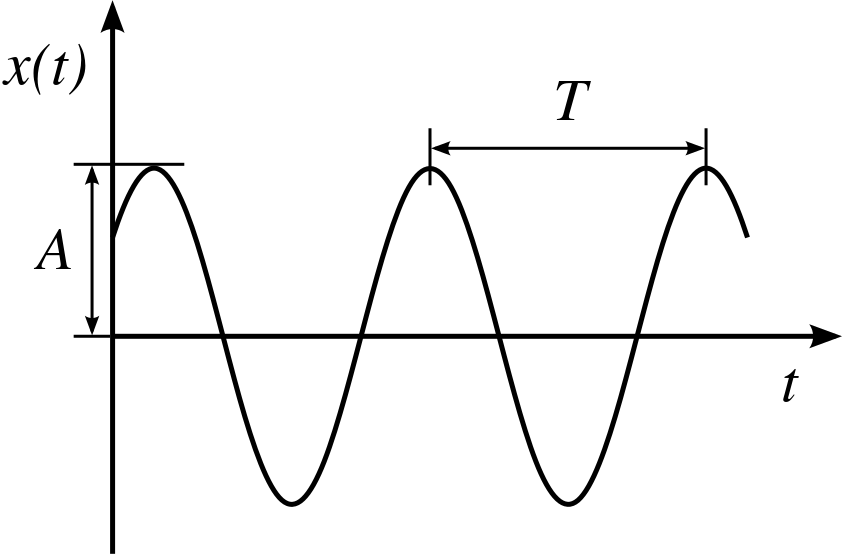
For instance, if a sound has a frequency of 1000 Hz, it means the sound vibrates 1000 times per second, and it takes 0.001 seconds for one vibration.
In waves, if you divide the speed by the frequency, you can find the wavelength. The speed of sound at room temperature is roughly 340 m/s, so with a simple calculation, you can find the wavelength for a specific frequency. Conversely, if you know the wavelength, you can find the frequency.
Mixing engineers might wonder why they need to calculate wavelengths when they only need to know the frequency. This is related to studio resonance.
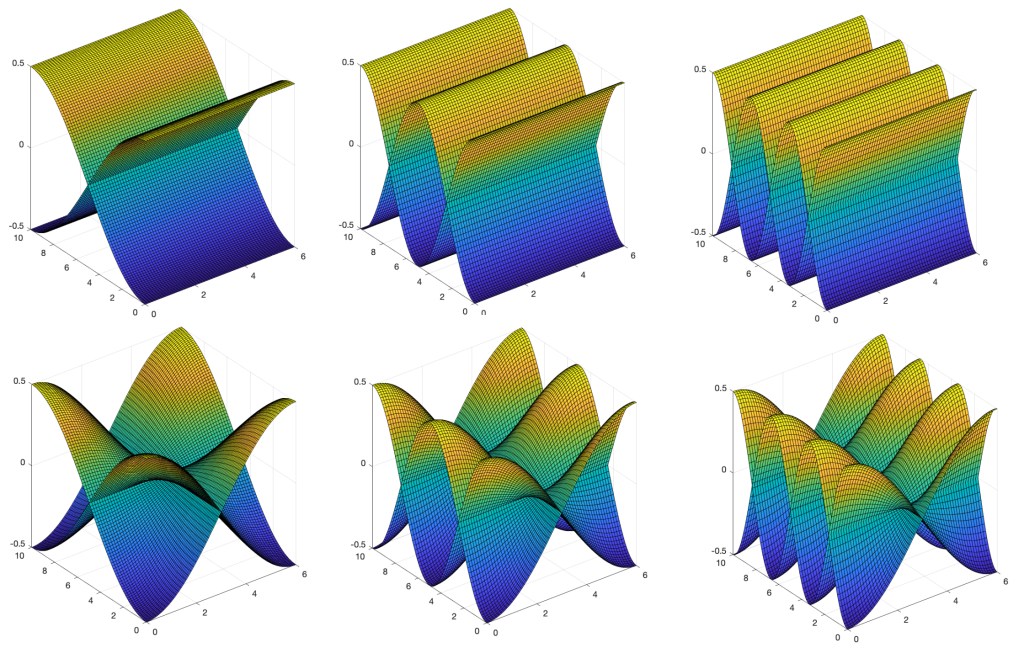
When the wavelength’s length matches the room dimensions in specific ways, resonance occurs. This is known as Room Modes.
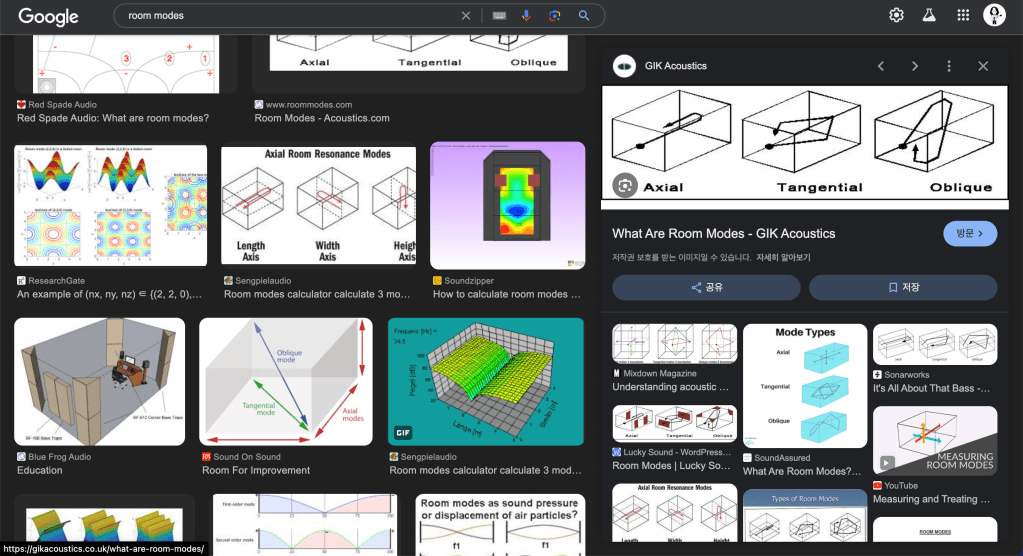
If you notice resonance at a specific frequency while listening or mixing, you can calculate the wavelength and compare it to your room dimensions. This helps determine if the issue is with the recording or the room itself.
There are websites that calculate these for you, but understanding the principle allows you to make calculations even in irregular-shaped rooms or environments where you can’t use such tools.
Today, we covered the concepts of phase, wavelength, period, frequency, and room modes.
I’ll stop here for now. See you in the next post!

 Jooyoung's Music Blog