Hello, I’m Jooyoung Kim, an audio engineer and music producer.
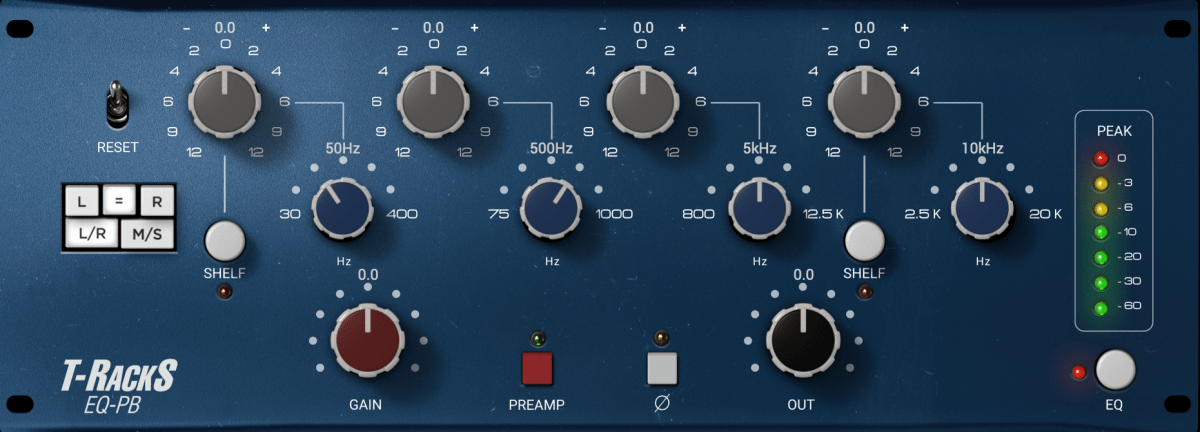
Today, we’ll explore the use of EQ for different purposes. EQ is generally categorized into two types: Tone Shaping and Surgical.
1) Tone Shaping EQ
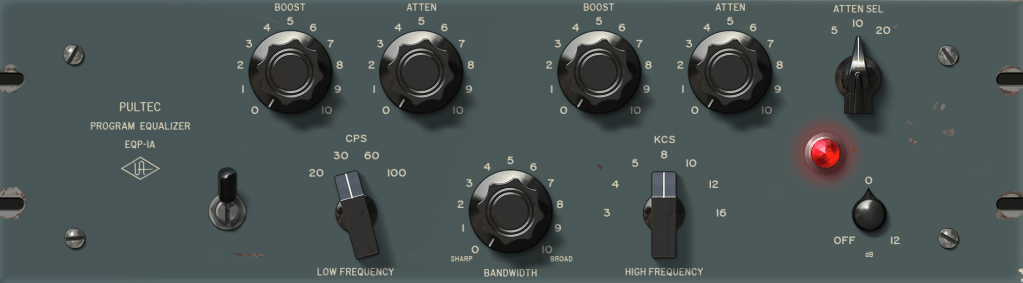
Tone Shaping EQ is used for:
- Altering the tone of instruments
- Changing the tone of instruments through the saturation provided by the EQ itself
- Adjusting the vertical position of instruments within the stereo image
Examples of Tone Shaping EQs include the Pultec EQ,
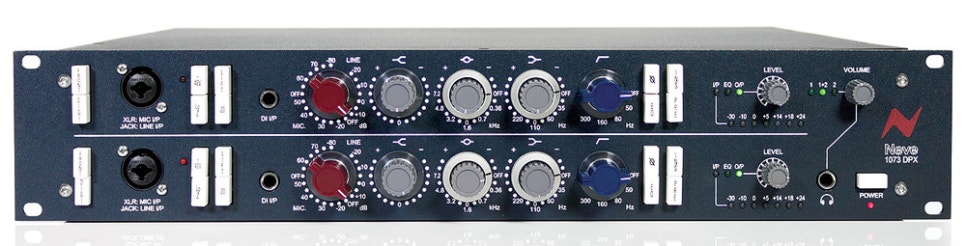
The renowned Neve 1073,
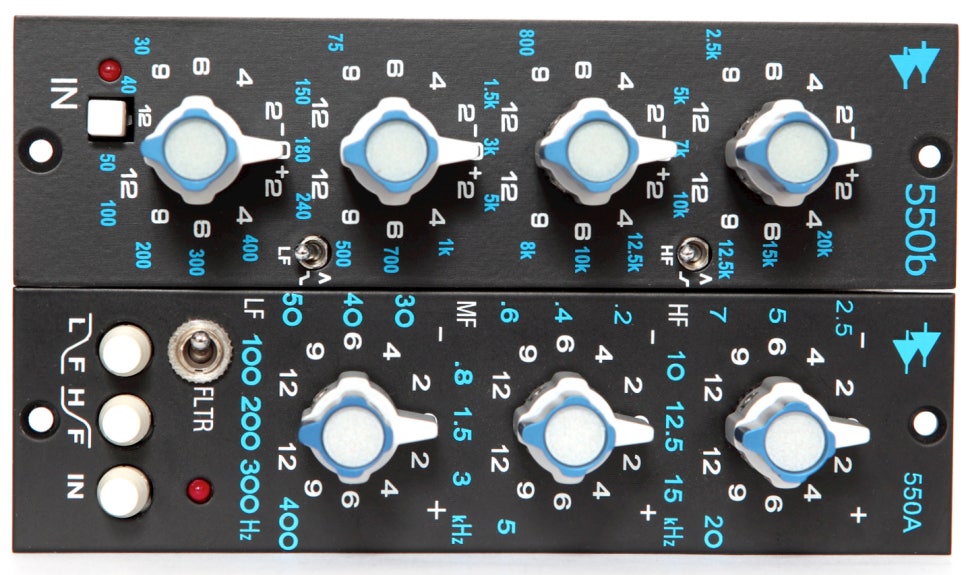
And the API 550 and 560 EQs.
Digital EQs like the Pro Q3 can also be used for Tone Shaping, though they lack saturation.
2) Surgical EQ
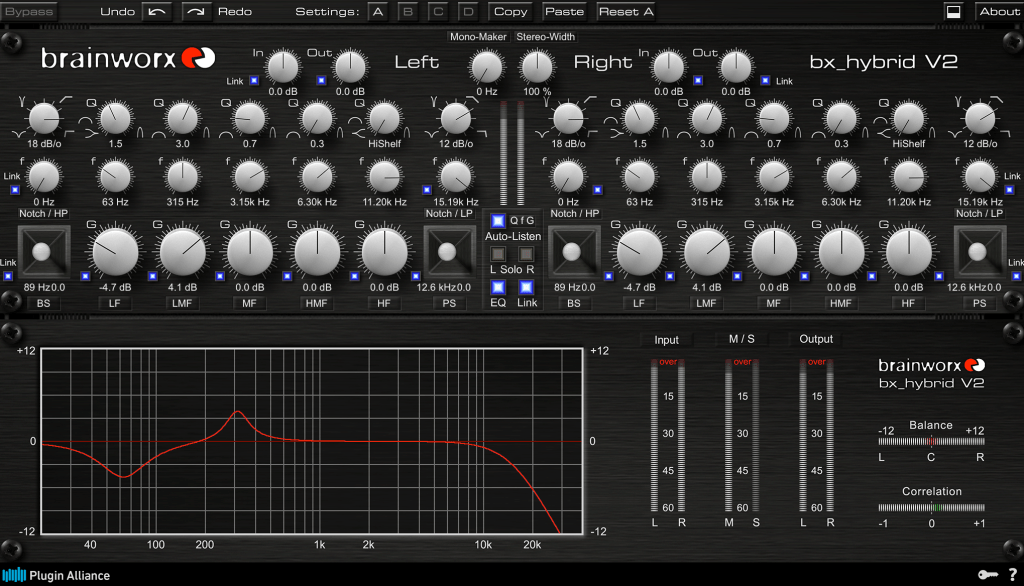
Surgical EQ is used to solve problems in the audio source. It’s used for addressing proximity effects, resonances, sibilance (often handled by a de-esser but sometimes with EQ), and various other unpleasant sounds that can occur during recording.
For these tasks, EQs without inherent coloration are preferred, typically with a high Q factor (narrow bandwidth). It’s beneficial to use EQs with an internal sidechain function (often labeled as an audition feature) that allows you to listen to the affected frequencies in isolation.
I mainly use the bx_hybrid V2 because I’m familiar with it, but most modern digital EQs come with an internal sidechain function, so any of them should work fine.
- Conclusion
Using Tone Shaping EQ effectively requires an understanding of stereo imaging and tonal concepts. Surgical EQ, on the other hand, necessitates the ability to identify problems by ear. Ultimately, it takes practical experience to develop these skills.
I’m not claiming to be a highly experienced or notable expert, but I’ve found that there’s a significant difference between knowing these concepts in theory and applying them in practice.
Good luck to everyone studying sound engineering!

 Jooyoung's Music Blog