Hello, this is Jooyoung Kim, an engineer and music producer.
Today, I’d like to talk about compressors.
Why do we use compressors in mixing?
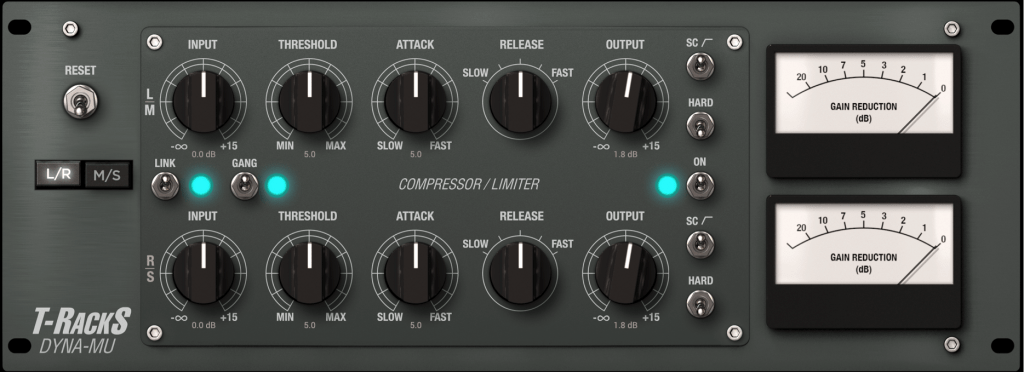
First, the most fundamental role of a compressor is to level the dynamics.
When the dynamic range (the difference between the loudest and softest sounds of an instrument) is large, it can cause issues where vocals or individual instruments are not clearly heard. It can also result in instruments sounding like they are moving forward and backward in the mix when listening through speakers. By controlling dynamics well, it becomes easier to increase the overall loudness during mastering.
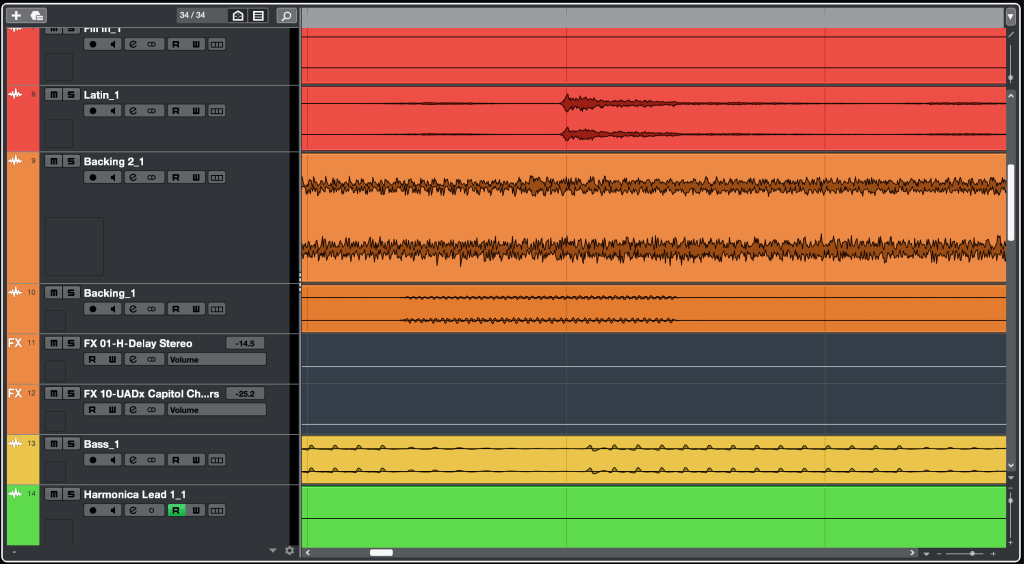
Second, compressors can change the groove of the music.
Depending on when the compressor kicks in and out, and how it compresses, it can alter the groove of the instrument source.

Third, compressors can change the tone of the source through saturation.
Based on the harmonic distortion and frequency response characteristics of the compressor, it can add different textures to the original source.
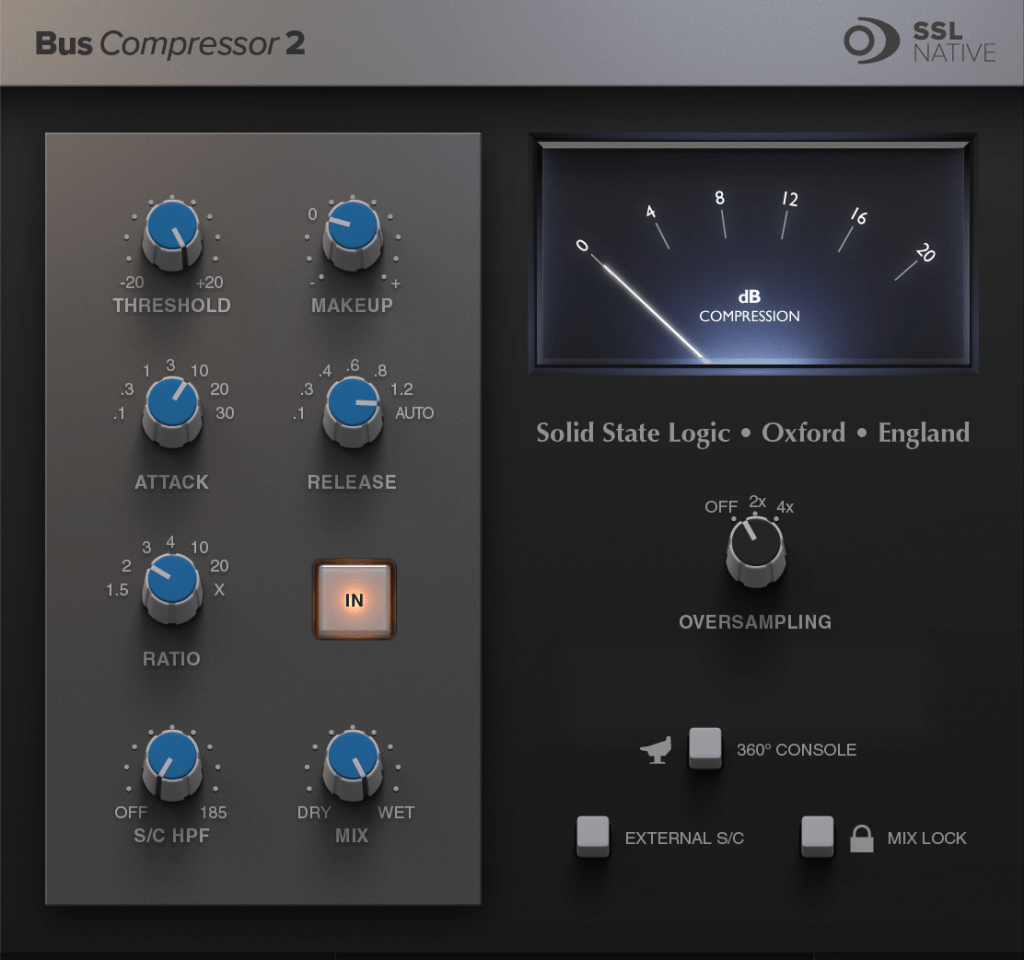
Fourth, compressors can provide a sense of unity.
A compressor applied to a bus can impart its unique saturation and groove to the entire group of instruments, helping them blend well together.
For these various complex reasons, we use compressors.
In this sixth chapter of Mixing Basics, we will cover:
- How to use a compressor
- Types of compressors based on their operating principles
- Noteworthy compressors
- Various other dynamic processors (decompressors, expanders, gates, de-essers, multiband compressors, etc.)
In the next post, we’ll start by discussing how to use a compressor.

 Jooyoung's Music Blog