Hello! This is Jooyoung Kim, an audio engineer and music producer.
Last month, I requested NFR (not for resale) codes for EastWest Sounds’ Hollywood Orchestra Opus and Spaces II from Plugin Boutique for review. However, since the previous manager left the company, some communication errors occurred. As a result, I only realized two days ago that the NFR codes had already been delivered to my iLok account. I have apologized to the current manager for the oversight and am writing this article now, albeit a bit late.
Anyway, it’s been a long time since I last wrote an article introducing new plugins. As with my previous articles, Plugin Boutique provided the NFR codes for this review. If you purchase these plugins through the links provided, I’ll receive a small commission, which helps me keep this site going!
Then.., let’s start!
Hollywood Orchestra Opus Edition Diamond
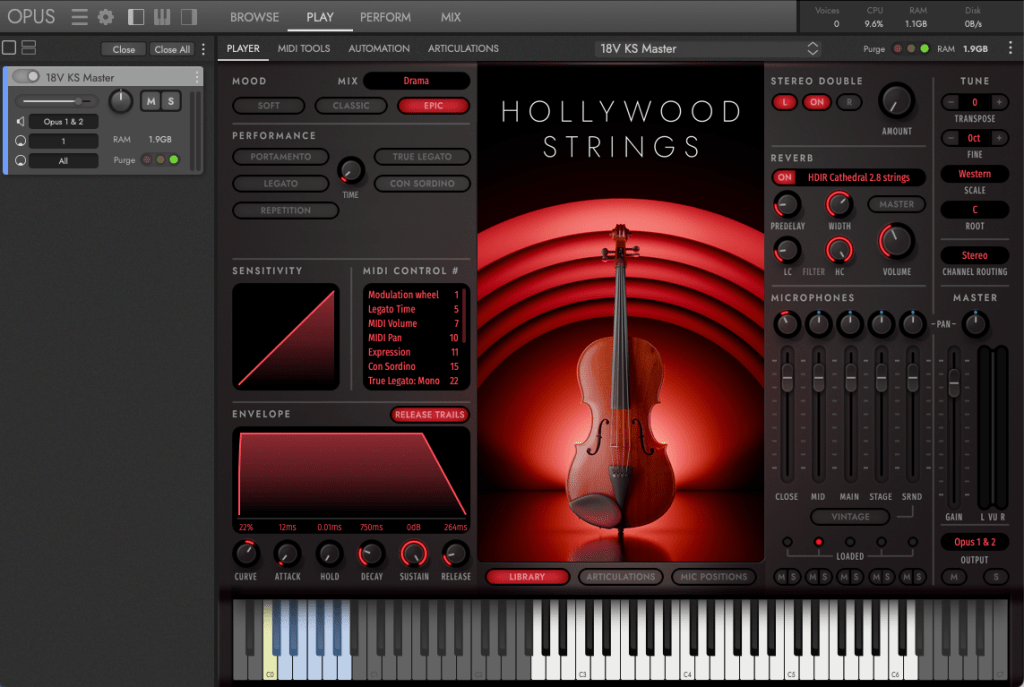
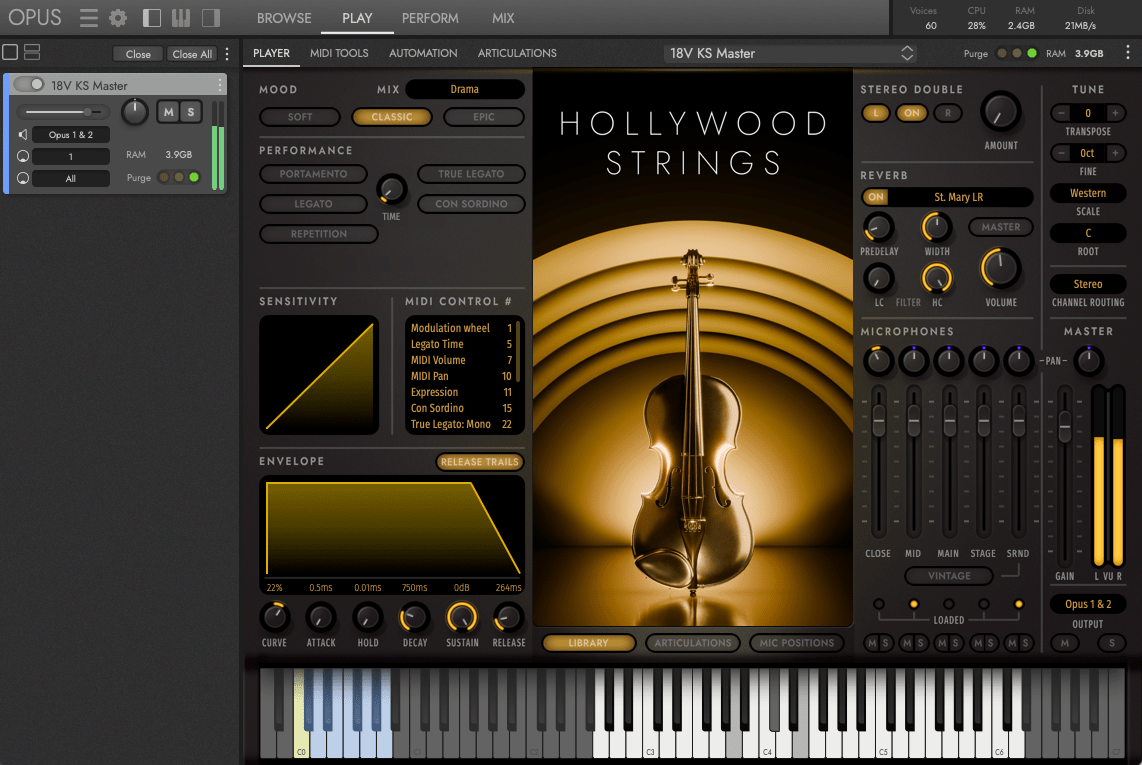
In the past, EastWest Sounds offered the ‘Hollywood Orchestra’ series in Diamond, Gold, and Silver editions. Today, these divisions have been phased out and unified into a single, comprehensive version: OPUS (OPUS is the name of the playback engine).
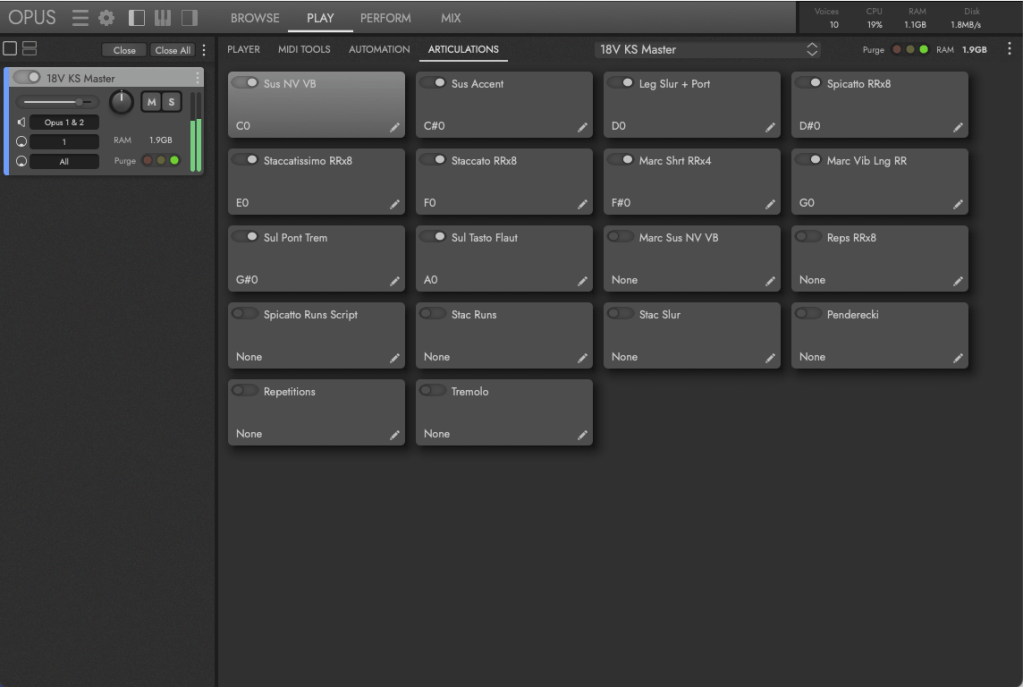
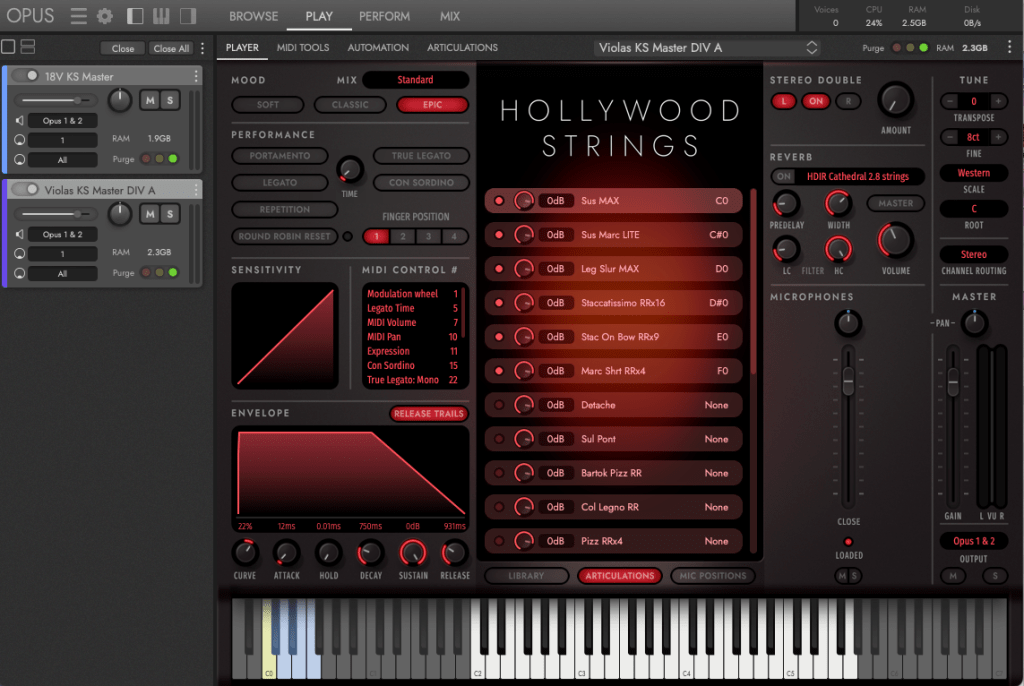
The Hollywood Orchestra Opus bundle includes strings, brass, woodwinds, and percussion. It also includes solo instruments, and the total recording data comes in at approximately 944GB. As you can see the above pictures, there are plenty of selectable articulations in each instruments.
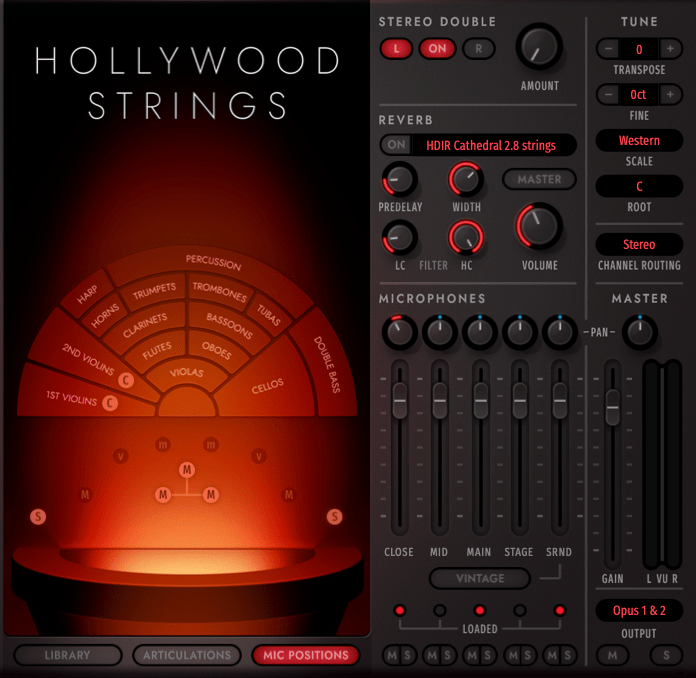
In orchestral recording, I believe that having flexible and mixable microphone positions is crucial. As a variety of miking techniques are used in classical music, each position serves a distinct role and offers a unique sound. This versatility allows the library to fit specific production needs, whether for modern dramas, cinematic scores, or traditional classical compositions.
This product provides six microphone positions: Close, Mid, Main, Surround, Vintage, and Stage (the latter being exclusive to expansion instruments). These options greatly help in shaping the sound from the perspective of both mixing engineers and composers.
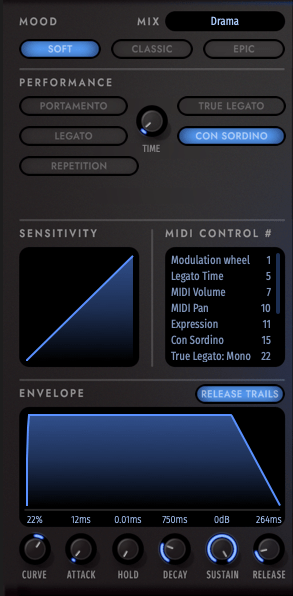
Personally, I find the selectable Moods and envelope controls incredibly helpful for composing. In the past, I often wanted strings with a sharper, more aggressive attack, but I was frequently limited by the technical constraints of my other virtual instruments.
With these features, it is much easier to shape the sound directly and intuitively. This versatility allows these instruments to be used across various genres, from pop, rock, and indie acoustic tracks to cinematic film scores.
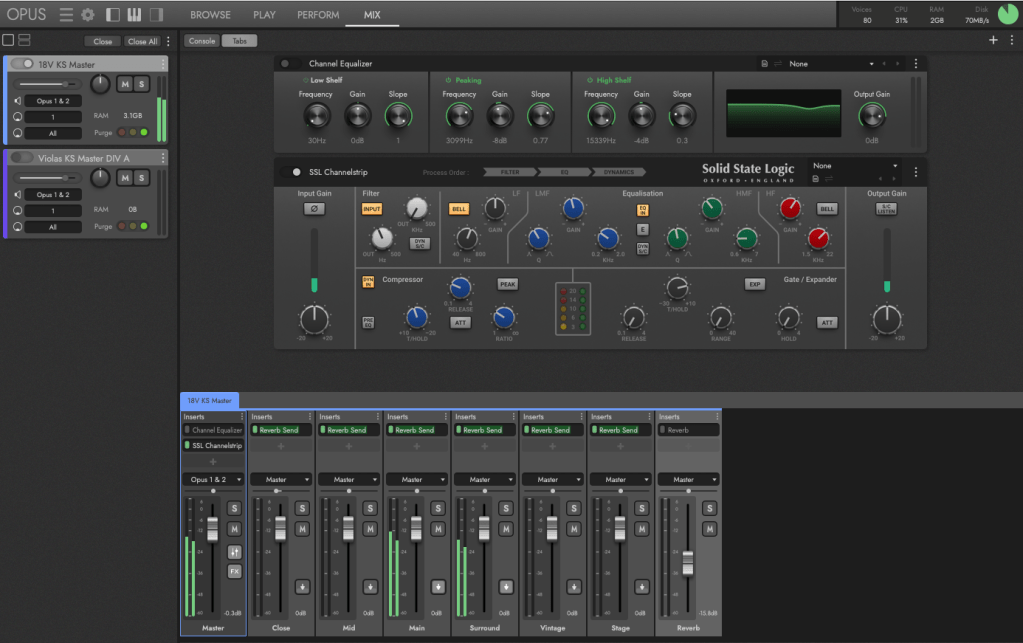
The Mixer view is also impressive. It features an officially licensed SSL (Solid State Logic) Channel Strip, Transient Shaper, and Bus Compressor. Having these high-end tools directly integrated into the engine is a huge advantage for shaping your orchestral sounds.
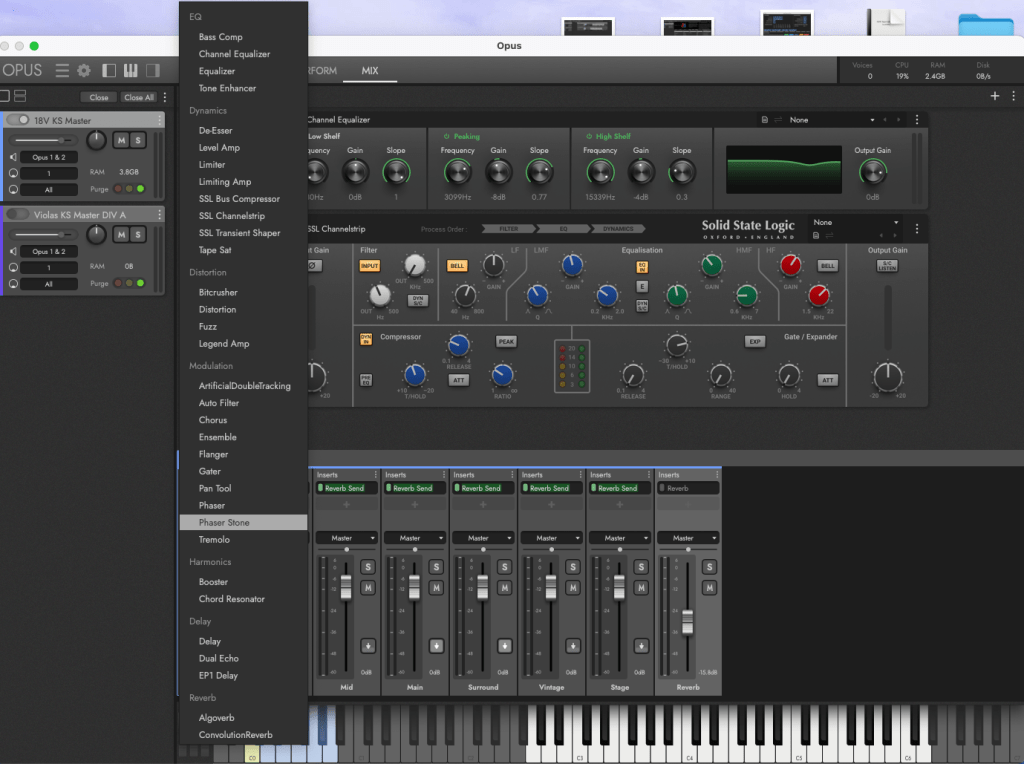
Furthermore, the Mixer view offers a wide array of built-in effects, allowing you to create unique and experimental textures by applying them to traditional orchestral instruments.
You can listen to the sounds on their official YouTube channel.
Space II Reverb
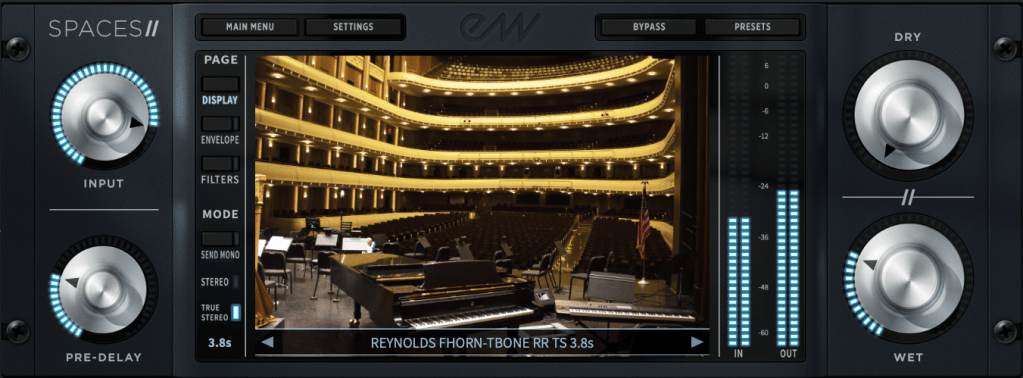
If you are interested in audio engineering or the field of MIDI orchestration, you’ve likely heard of this reverb. It is a legendary tool that is widely considered an industry standard.
While it used to be quite expensive—priced at over $200 in the past—frequent discount deals now make it a much more affordable and attractive choice for many composers.
This reverb is based on IR (Impulse Response) technology, which I explained in a previous post.
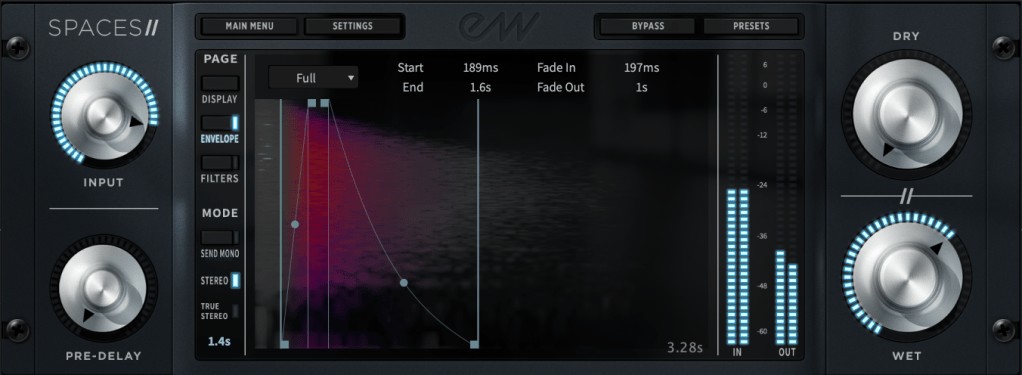
The reverb sound can be finely adjusted with envelope and filter controls (such as high/low-cut). In my opinion, these features are the core strengths of this reverb, and those two functions work seamlessly to shape the perfect space.
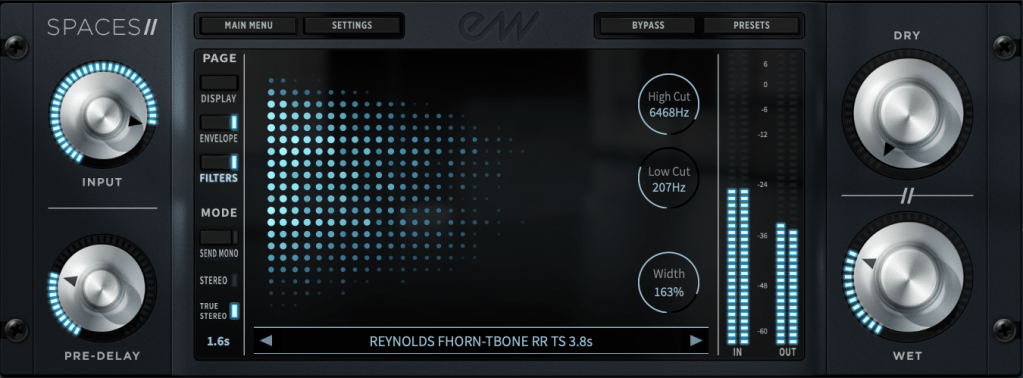
Spaces II features over 1,020 presets, including 353 new snapshots. What sets it apart is the True Stereo (S-S) processing. Unlike standard reverbs that sum the input to mono, True Stereo preserves the actual stereo imaging of your instruments, providing an incredibly realistic and wide orchestral stage.
Decisively, the reverb sounds that this plugin is included are really great!
Final Thoughts
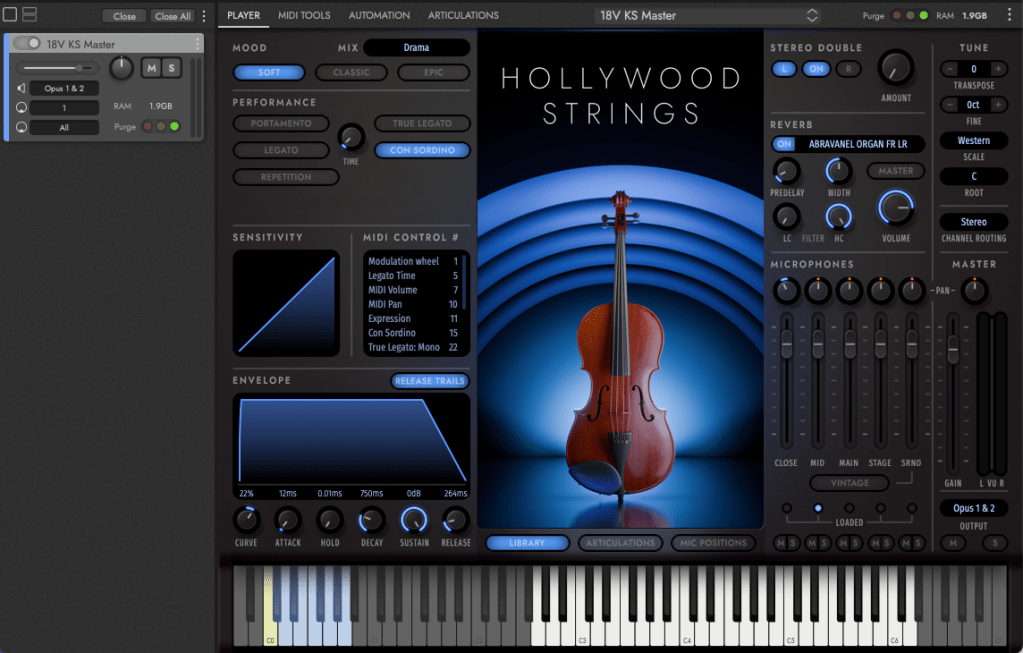
For my final thoughts, my best advice is: Buy it when it’s on sale!
Currently, the Hollywood Orchestra Opus is priced at just $196.90 (including tax), which is an unbeatable value for the sound quality you get. I remember investing around $600 in the BBC Symphony Orchestra in the past, but I believe the Opus bundle offers superior versatility, making it suitable for a much wider range of genres beyond just classical music.
Additionally, it layers beautifully with other orchestral libraries, making it easy to create a more complex and rich sound. The results are outstanding even when used alongside different brands.
I’ll see you in my next post!

 Jooyoung's Music Blog