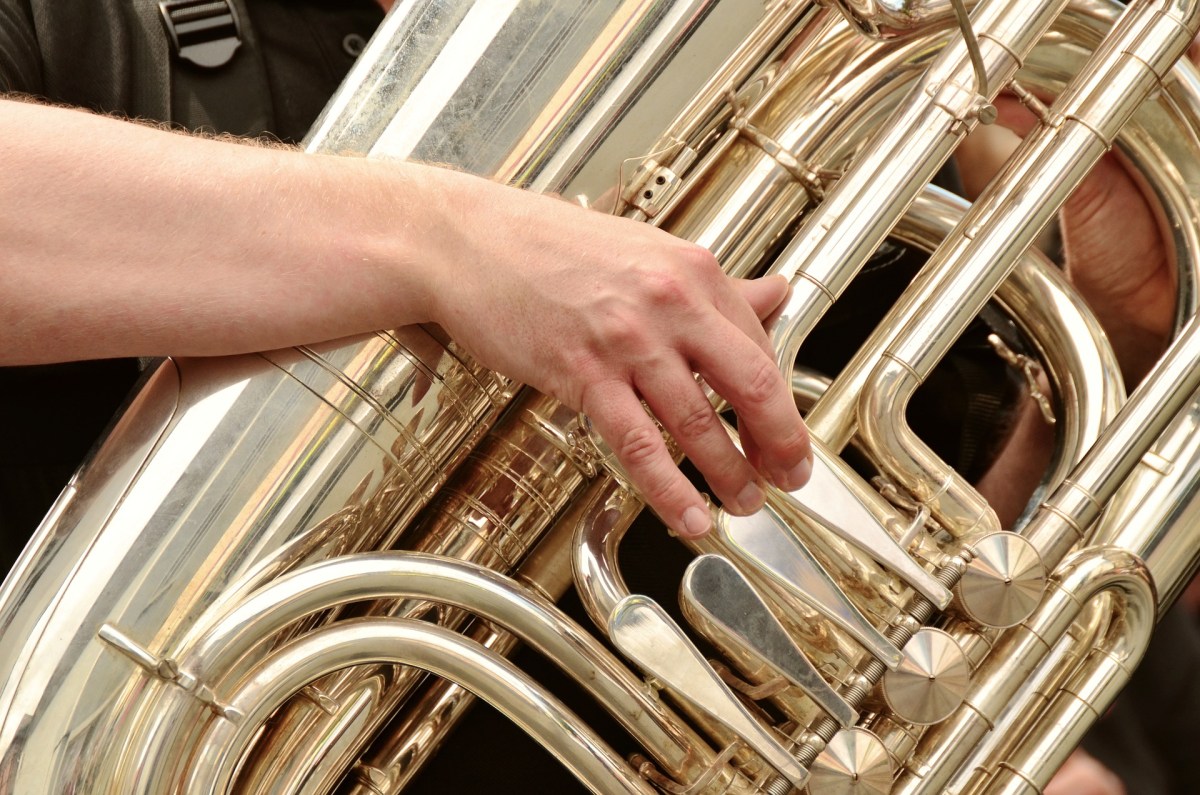
Orchestration Basics – Brass (1)

Hi! This is engineer and music producer Jooyoung Kim.
Today, following woodwinds, I would like to talk about brass.

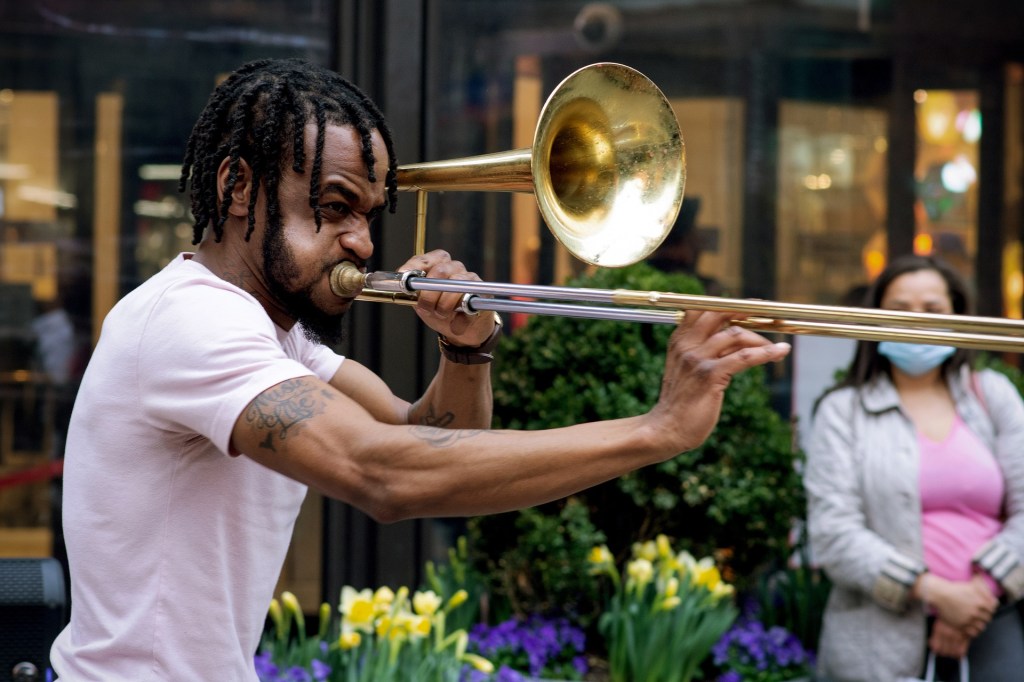
Before dealing with brass instruments, brass instruments can be divided into two categories: brass in the classical sense and brass in the modern sense.

  • Brass of classical orchestra: Horn, Trumpet, Trombone, Tuba
  • Jazz brass: Horn, Trumpet, Trombone, Tuba, Saxophone

Therefore, we will deal with the four types of brass used in classical orchestras first, and the modern big band-style jazz brass later.

Brass is literally called brass because the material of the instrument is brass. It has no reeds and is characterized by using lips and several valves or slides to control the sound. (Saxophones have reeds, so in classical music, saxophones are classified as woodwind instruments. In modern Jazz Brass, Saxophones are simply lumped together and called Brass. )

In a traditional orchestra, the Tuba plays the role of the bass, the Trombone the tenor, the Horn the alto, and the Trumpet the soprano.

  • Valves

In the classical era, because the sound had to be controlled only with a tube without a valve, only the overtones of the natural frequency of the tube could be played.

​Accordingly, the performer played with a tube that had a basic tone that suited the orchestra’s composition, and when modulation was needed, the length of the tube was adjusted using tubes called crook.

​At this time, notes were controlled only with the lips, so rapid and rapidly changing performances were not often used. In particular, if you look at Mozart’s music, you can see that the Trumpet is used like a percussion instrument along with the Timpani, and the Horn is also often used for sounds that are easy to make in overtones, such as fifth chords or octave playing.

Crook

However, since the length of the pipe could be adjusted using a valve system, the need for these cumbersome crooks was reduced, and relatively fast playing became possible.

In particular, in the Jazz Brass arrangement, this fast performance makes it possible to quickly change chords and create a unique, full sound.

  • Harmonics

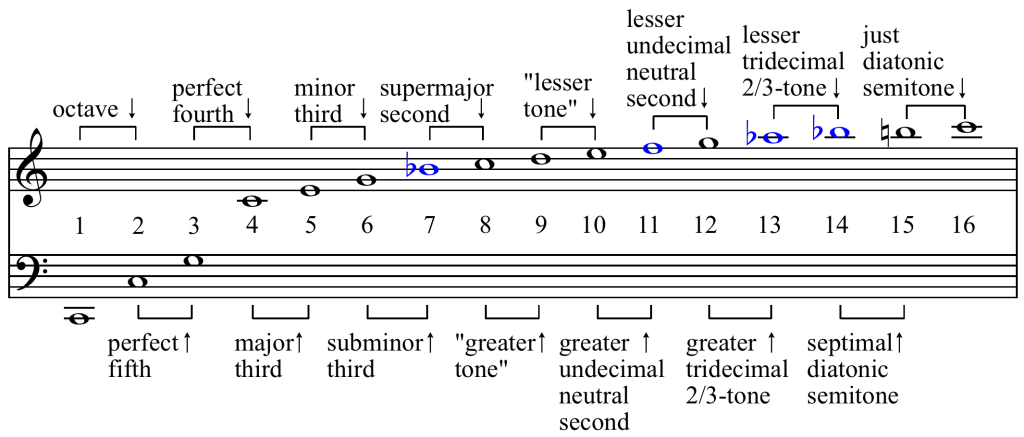
Wind instruments are designed to play natural overtones from birth, so natural overtones sound best. Therefore, it is best to keep natural overtones in mind when writing songs.

Generally, it is difficult to blow the fundamental tone, so start with the second overtone. Playing something like Glissando on a brass instrument is only possible with a series of these overtones.

  • Mouthpiece & Embouchure

Vibration of air is necessary to produce sound in a tube. In woodwind instruments, the reed plays that role, but in brass instruments, the lips are dropped to vibrate the air. This method of controlling performance with the lips is collectively called Embouchure.

​In modern improved instruments, valves can control notes, but not all notes. Therefore, the embouchure is very important because the lips must be able to produce tube overtones.

  • Slides

Trombone uses slides rather than valves, so it is not easy to change notes quickly, not overtones. Instead, you can play the extremely effective Glissando technique through Slide.

There are a total of 7 stages of Slide, which will be covered separately in the Trombone section.

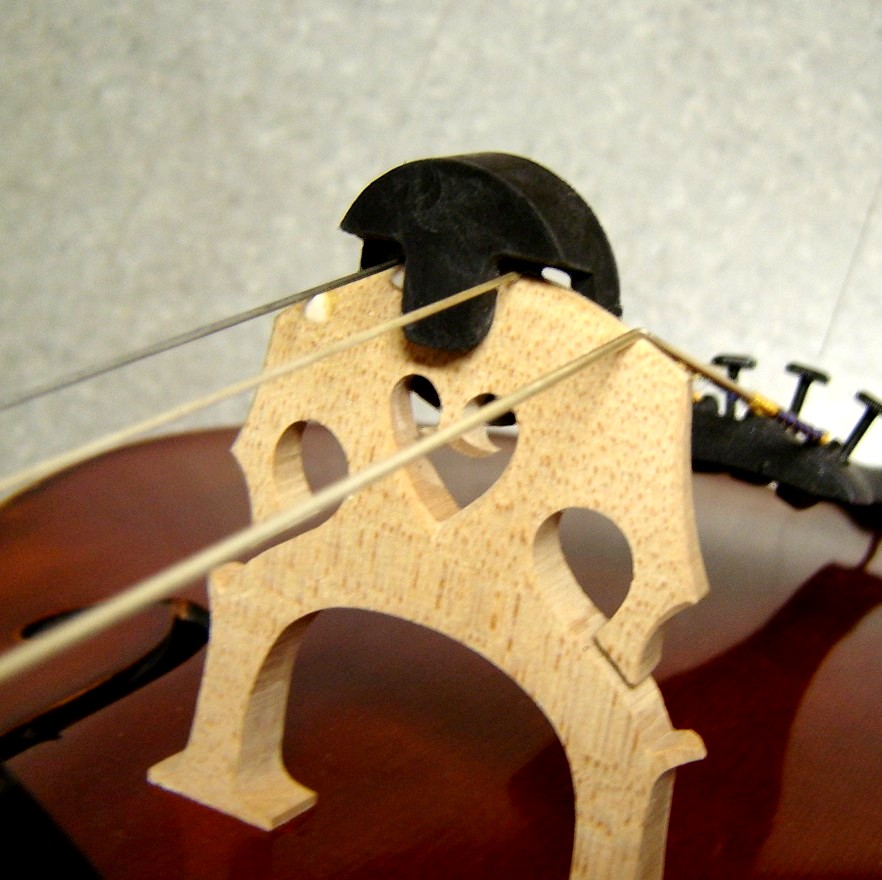
  • Mutes

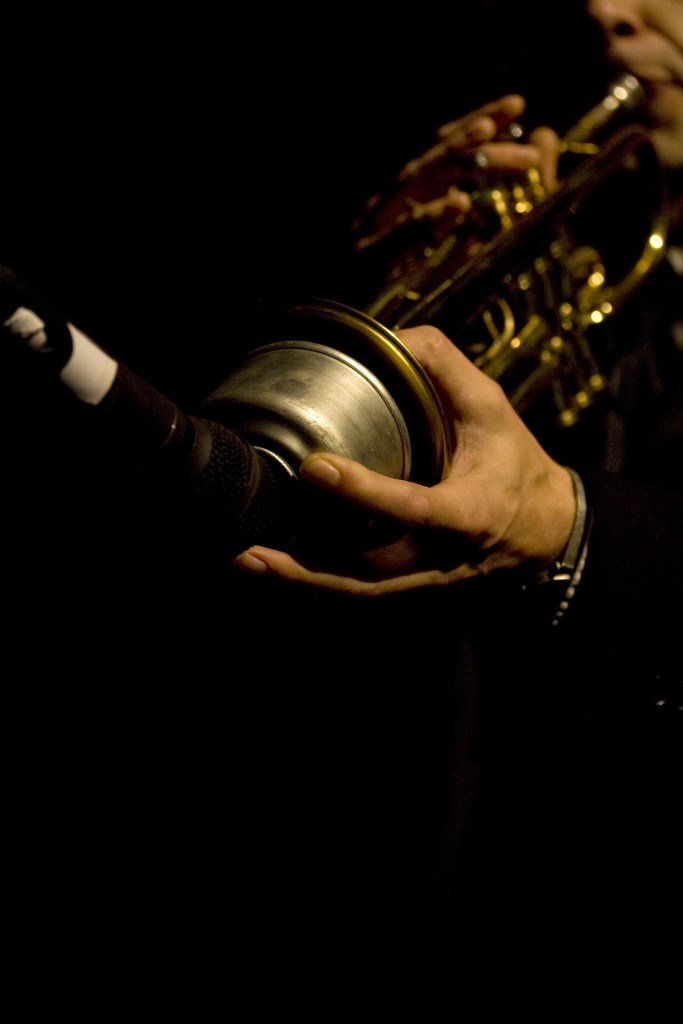
There are various Mutes in brass instruments. It is especially often used on trumpets. Mutes not only attenuate the sound but also change the timbre of brass instruments.

Therefore, if you use mutes like this to weaken the sound when working on an orchestra arrangement, the tone may become sharper and the sound will stick out more, which may work in the opposite direction of what you want.

The five most commonly used Mutes are Straight Mute, Cup Mute, Harmon (Wah-wah) Mute, Plunger Mute, and Bucket Mute.

Mutes that are not made of metal are generally not used in orchestral pieces, but are mainly used in modern or jazz music.

​In the score, putting on Mutes is written as Con Sordino, and taking off Mutes is written as Senza Sordino.

​That’s all for today, and I will explain Horn, Trumpet, Trombone, and Tuba in the next article. I hope it helps you study.

See you again in the next article 🙂

Orchestration Basics – Woodwinds (2)

This article was written on January 12, 2023.

Hello? This is Jooyoung Kim, a mixing engineer and music producer.

It’s already been almost a month since I wrote Woodwinds(1)… I’ve been so busy these days that I’ve been spending time just thinking about it, but after seeing a comment from a subscriber saying that he was enjoying it and that he was waiting for it, I cheered up and wrote this article… haha.

​So, let’s get started right away!

  • Flute & Piccolo

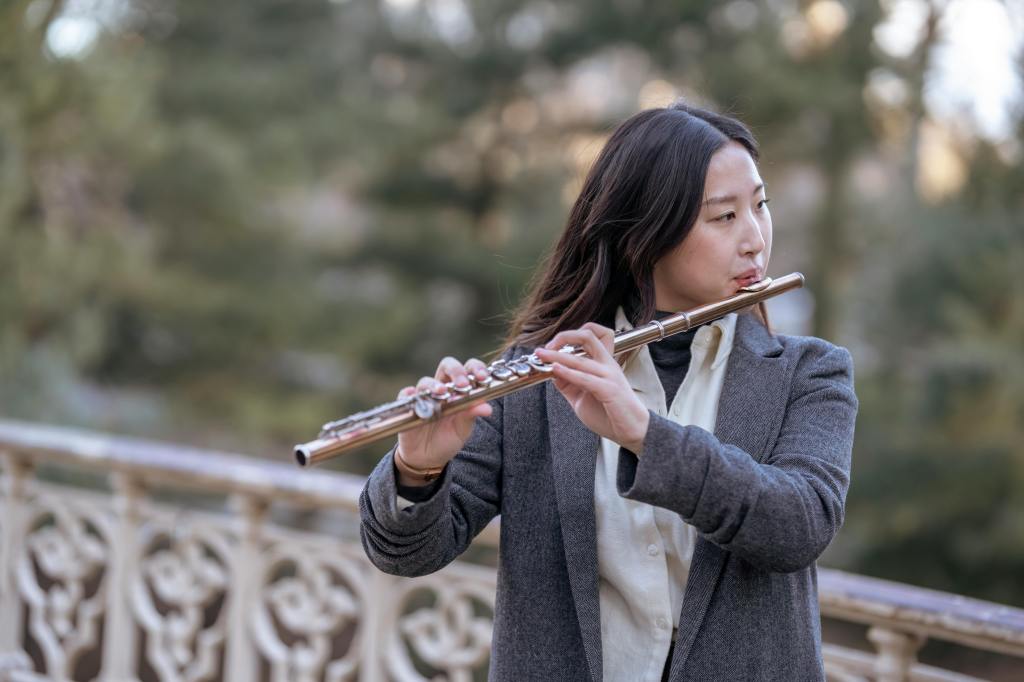
The flute we generally think of is the Western Concert Flute, which is an instrument based on the key of C. Additionally, the Piccolo is about half the length of the Flute and sounds exactly one octave higher.

Piccolo is a transposing instrument whose notation and actual sound differ by one octave.

In addition, the Alto Flute is also often used. It is a transposed instrument whose actual sound is a full 4 degrees lower than the notated sound, and is also called a G-key instrument.

Flute range

Because the sound of the piccolo is high and small, it is often used together with the flute for doubling, and in most cases, it is not used independently. You can think of it as similar to the relationship between Cello and Contrabass.

The flute is in charge of the soprano among woodwind instruments, so it produces the clearest and highest-pitched sound.

Therefore, in general orchestration, the notes above the lines on the staff are mainly used.

  • Oboe

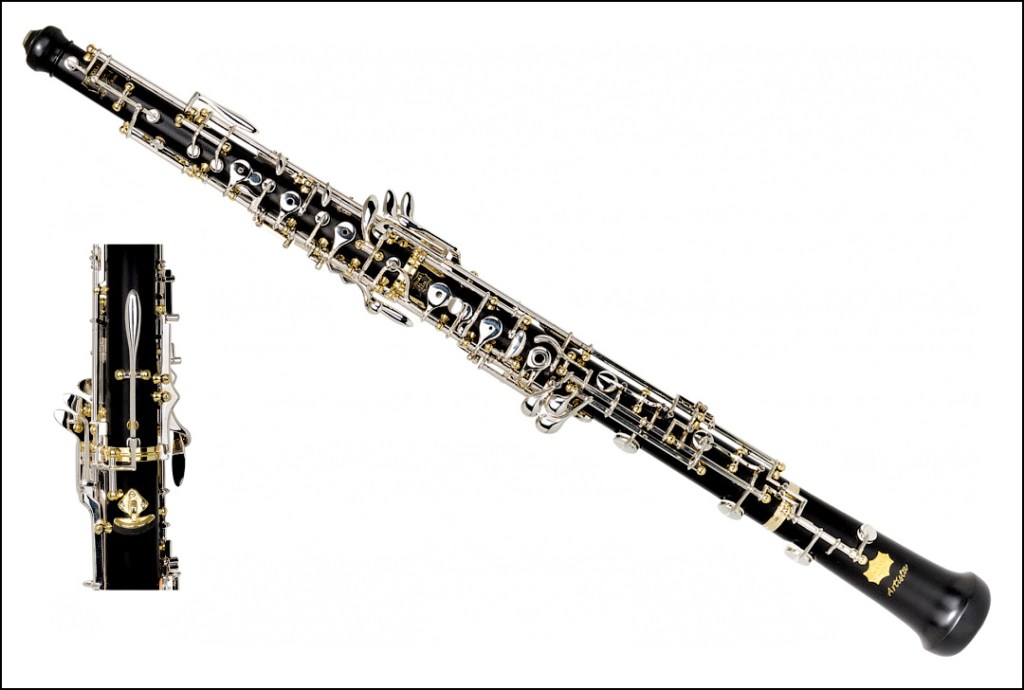
Oboe is often made of ebony or rosewood and is dark in color.

It has a very strong melodic character, making it difficult to use as an accompaniment instrument, and its tone is unrivaled. Therefore, in orchestration, when an interesting dissonant interval such as an augmented fourth is required, it is almost always used in the Oboe.

As a side note, in the final exam for the orchestration class at the school I attended, points were deducted if the augmented fourth was placed on another instrument instead of on the oboe…^^;;

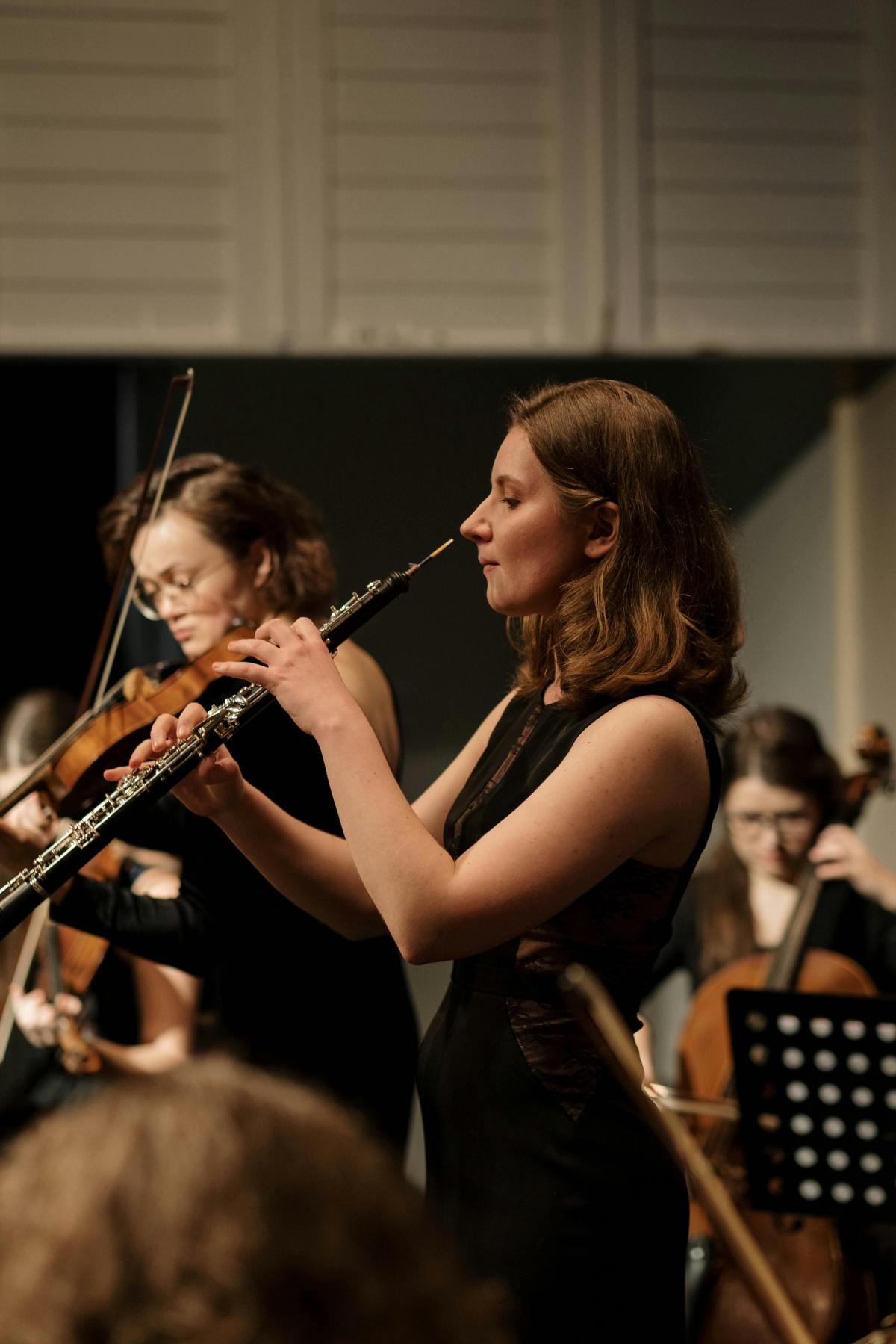
​Also, it is a double reed instrument that uses two reeds, and one of its characteristics is that it is difficult to play.

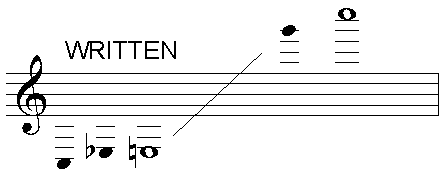
English Horn written
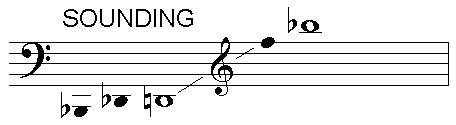
English Horn actual sound

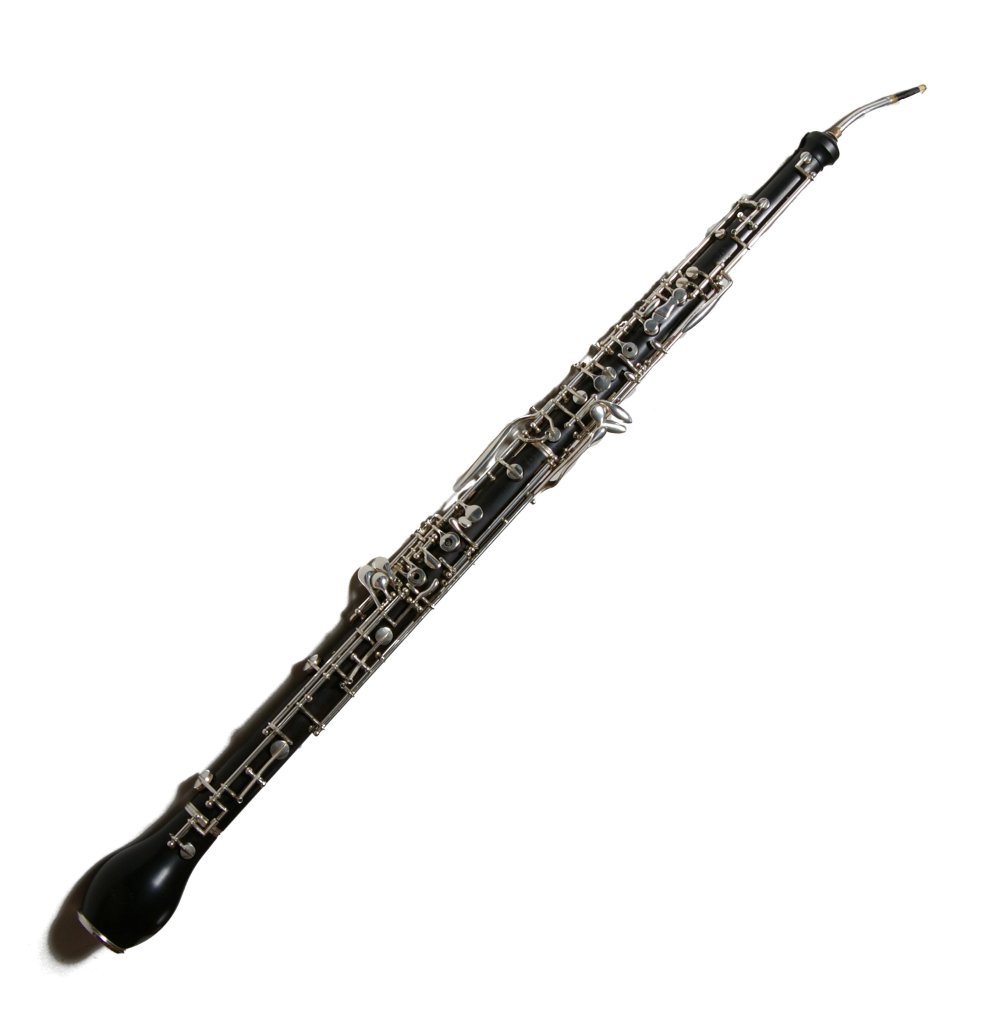
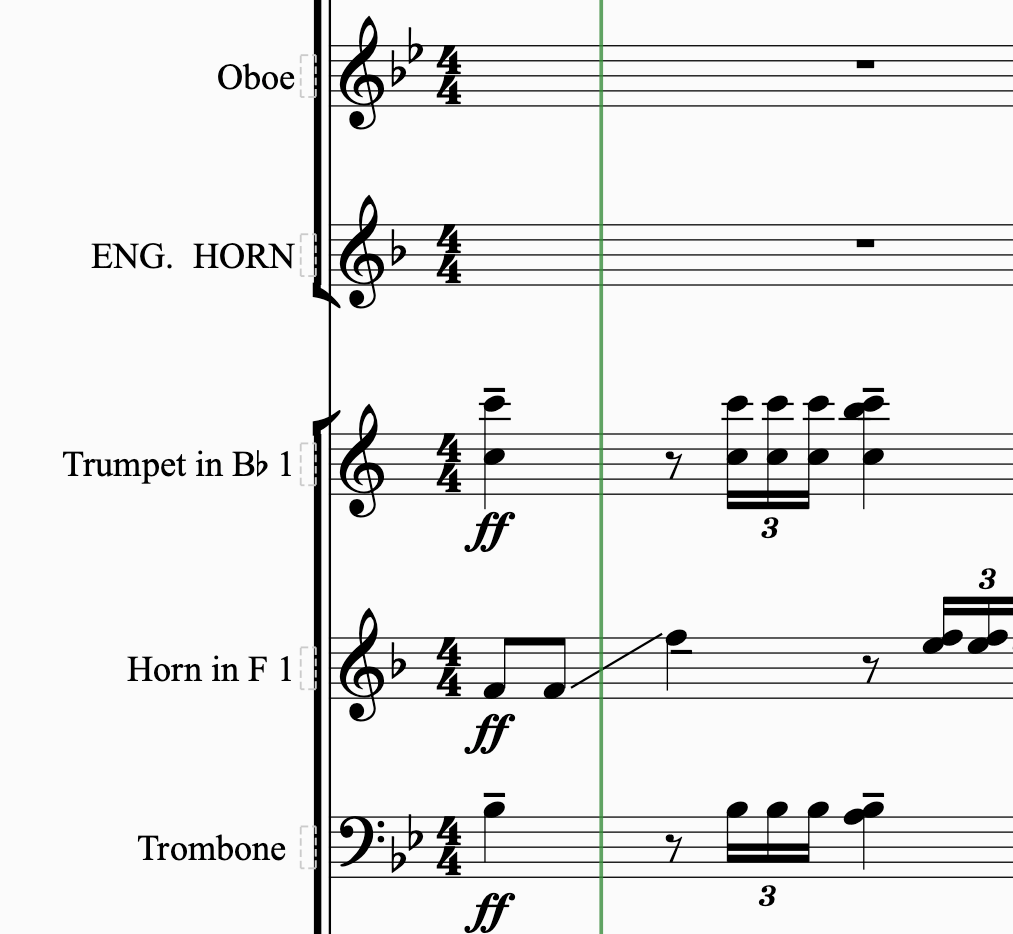
The English Horn (Cor Anglais) is the most commonly used Oboe instrument. It is an instrument in the key of F, a perfect fifth lower than the Oboe, and similarly, the actual sound sounds a perfect fifth lower than the notated sound.

Since the length is 1.5 times that of Oboe, if you think about the relationship between frequency and wavelength, you can understand why there is a complete 5 degree difference in sound.

There is a curved pipe called Crook, and the name Cor Anglais comes from the meaning that this Crook has an angle (Anglais).

  • Clarinet

Clarinet is an instrument created by combining the instruments Clarino and Chalumeau. Therefore, it contains the characteristics of both instruments, and the tones are specially distinguished according to these characteristics.

It has a wide range of sounds and a variety of techniques, so it is used a lot in modern music. The color is not too flashy, so it blends in well with the ensemble and has a good effect.

There are instruments in the key of Bb and key of A, and the A-key Clarinet has a heavier and more profound tone than the Bb. The written pitch below is based on Clarinet on Bb.

In Clarinet, the sound ranges are divided into five categories and given names. The characteristics are different accordingly.

1) Chalumeau: This is the lowest register of the Clarinet and has a profound and lyrical tone.

2) Throat tone: It has a thin and narrow tone as if a foreign substance is stuck in the throat, and is a very vulnerable sound range. Therefore, it is also a vocal range favored by modern music composers.

3) Break: This is the semitone section between Throat Tone and Clarino. It is difficult to trill quickly with a conventional Clarinet. So be careful when you need Trill. These days, there are cases where this has been improved.

4) Clarion, Clarino: This is a stable and melodic part. All playing techniques are possible, and even difficult and fast passages are possible.

5) High Range: The range above that is stable up to G, but if it goes up further, it can sound sharp and irritating. In soft sounds, it can sound similar to a flute. It is used a lot in modern music.

Bass Clarinet written
Bass Clarinet actual sound

In addition, the most commonly used instrument among the Clarinet Family is the Bass Clarinet. The Bass Clarinet sounds one octave lower than the regular Clarinet, and is also a transposition instrument in the key of Bb. Like Flute and Piccolo, it is often used for doubling.

There are two types of transposition notation: the German method, which uses a major 2nd upward, and the French method, which uses a major 9th upward. Most of the time, the French method is used.

  • Bassoon

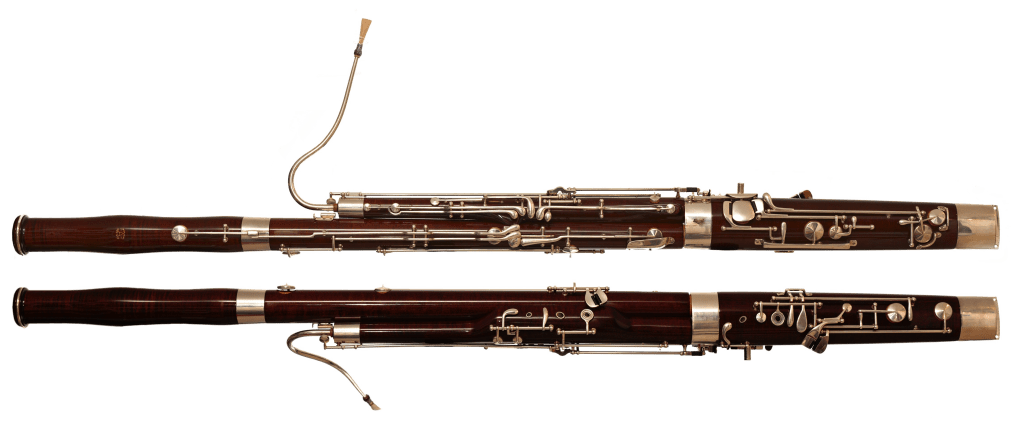
Bassoon is an instrument that plays the bass part of a woodwind instrument. Like Cello and Contrabass, Contrabassoon, which doubles in the low notes due to the sound tab, is also often used.

Compared to other instruments responsible for low sounds, the volume is not very loud, and assuming that all the wound tubes are stretched out, it is a very large instrument at 2.95 meters.

Also, like the Oboe, it is a double reed instrument, and is played with a reed attached to the end of a curved tube called a “crock”. Various playing techniques such as Staccato, Double, and Triple Touging are possible, and Tremolo is also effective, but Tremolo above 4 degrees is difficult. Like the Cello, the Tenor staff is also often used.

Because it is not a transposed instrument, the actual sound and notation are the same. It is difficult to produce a very soft sound like PPP, and the midrange works well. High registers don’t sound good, so the effect is somewhat reduced.

It is effective if you add the sound in the low range so that it is heard more clearly than the melody.

MINOLTA DIGITAL CAMERA

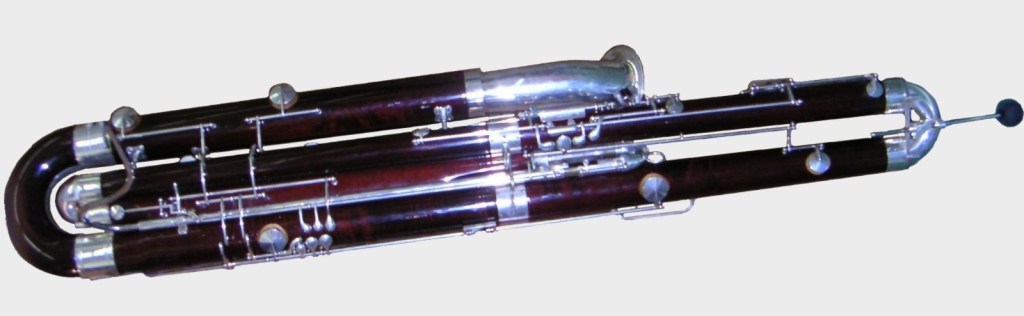
Contrabassoon, like Contrabass, focuses more on bass reinforcement. It is one octave lower than the Bassoon and can sound three degrees lower than the Contrabass.

Like the contrabass, it is a transposition instrument whose actual notes are played one octave lower than the notated notes. It has poor agility and quickness, and double and triple tonguing is difficult. Therefore, it is not suitable for strong drinks.

There is also an instrument called Subcontrabassoon, which is one octave lower than Contrabassoon.

  • Woodwinds Organization

Unlike strings, woodwind instruments each have a unique sound, so when put into an orchestra, the number of instruments is very small compared to strings.

Even in full orchestras, there are usually two or three groups per woodwind instrument, and sometimes four groups. For a chamber size, 1 to 2 units are sufficient.

If it is an orchestra piece that includes woodwind instruments, it is usually a large orchestra, so panning can be done according to the normal orchestra composition. Since most virtual instruments in an orchestra composition are recorded at a fixed location, panning is often pre-configured, so you don’t have to think about panning.

In a woodwind quartet or quintet, it is common for instruments responsible for the low range, such as the Bassoon, Horn, and Oboe, to be placed in the middle.

The remaining instruments are used in various ways, including left and right.

Orchestration Basics – Woodwinds (1)

This article was written on December 18, 2022.

As discussed in string instruments, old classical instruments are based on the roles of the four voices: soprano, alto, tenor, and bass.

The same is true for woodwind instruments, and each instrument can be paired with the roles below.

​1) Soprano – Flute
2) Alto – Clarinet
3) Tenor – Oboe
4) Bass – Bassoon

If it is difficult to determine the role of an instrument, it is a good idea to infer it from the length of the instrument. In general, the longer the tube, the lower the pitch, so it is responsible for the lower register, and the shorter the tube, the higher the pitch, so it is responsible for the high register.

As a side note, in woodwind quintets, horns, a brass instrument, are used, and they say they are included because they fill out the sound by gently enveloping the sound of the woodwind instruments.

The saxophone is also classified as a woodwind instrument, but it is often used like brass instruments, such as in big band brass, and is used more in jazz than classical music, so we will not cover it here.

  • Transposing Instrument

Among wind instruments, there are particularly many transposed instruments. The reason why so many transposed instruments were created was to avoid frequent temporary accidental by using instruments that match the key.

Transposing the score to fit the instrument and changing the transposed score back to its original key are very important when learning orchestral music. However, personally, I think there is no need to do it because all programs these days have a transpose function.

Still, there are some things I feel when I write them down on staff paper.

If you practice arranging in a classical style without many instruments, it might be a good idea to give it a try.

The photo above is pages 1 and 2 of an arrangement I wrote as a midterm assignment during my school orchestration class. Looking at it like this, I don’t want to write it again…

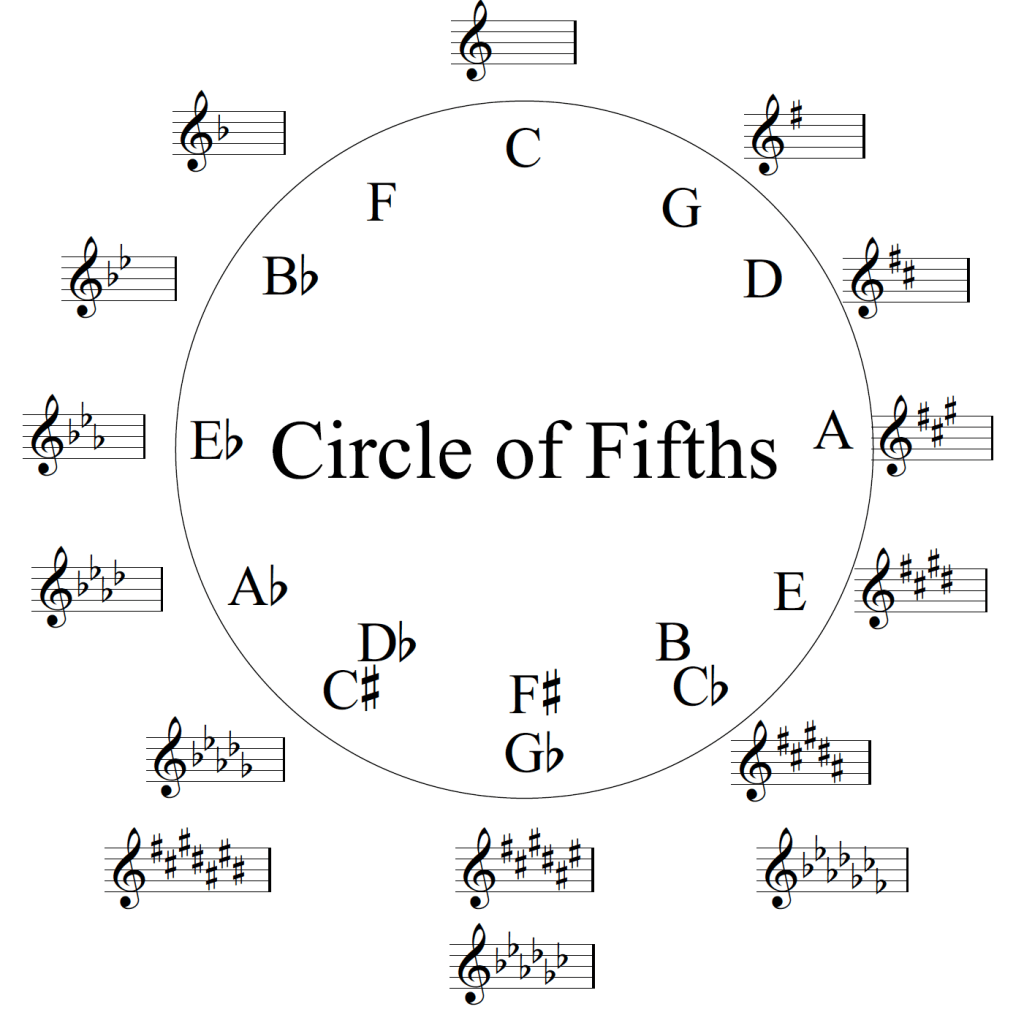
Oh, and when studying old scores, they are all written in transposed instruments, so you need to learn the notation method for transposed instruments to read them easily. When you transpose, the key signature also changes. If you think of the circle of 5th in the name of the transposed instrument, you can easily change the key signature.

First, find the note behind the transposed instrument.
If we take Clarinet in Bb in C Major as an example, it would be Bb, right?

Find how far this note is from C, the very center of the circle of 5th. In the picture above, Bb is 2 spaces to the left of C, right?

Then, just write the opposite key in C of circle of 5th on the score.

So Clarinet in Bb goes from the key of C Major to the key signature of D Major. It’s confusing at first. But if you try a few things, you’ll get used to it.

  • Reed

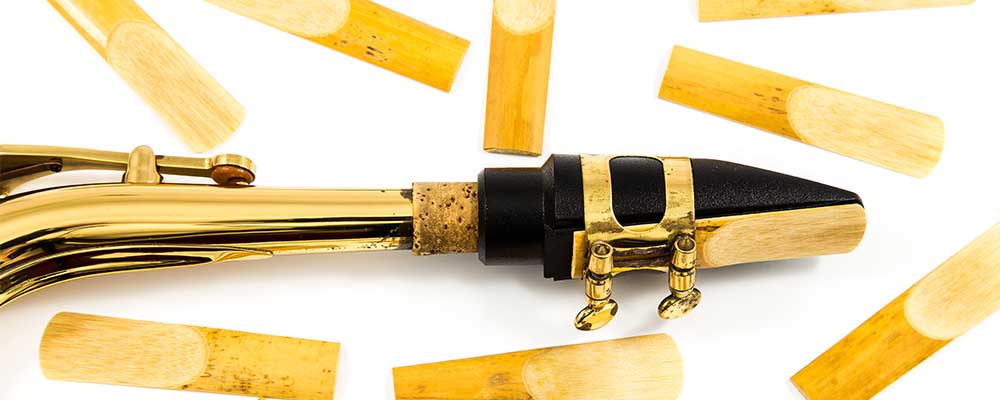
Reed originally means ‘reed(plant)’, and since it is made by processing the stem of a reed, this piece of wood is also called a reed. The reed vibrates through interaction with the lips, causing the instrument to produce sound.

This method of playing with the lips is called embouchure.

​Flute and recorder groups have no reeds, saxophones and clarinets have single reeds, and oboes and bassoons have double reeds with overlapping top and bottom reeds.

  • Common Basics of Woodwinds

First, let’s look at the common characteristics of woodwind instruments.

Woodwind instruments were originally made of wood, but due to their vulnerability to temperature and humidity, they are now made using metal and synthetic materials as well.

All woodwind instruments have holes that can be closed or opened to create a column of air of a certain length. Depending on the length of this air column, the resonance frequency changes, creating different sounds.

At first, it was difficult to finger because it had only holes, but as a technician named Theobald Bohm developed a ‘Key’ that fits the hole, fingering became easier and the range of sounds became wider.

Also, woodwind instruments are divided into three parts, Mouth Piece, Body, and Tail, like the head, chest, and abdomen of an insect. Manage and store these parts separately.

Among woodwind instruments, there are commonly used playing techniques called Overblowing and Tonguing. Overblowing is a playing technique in which the wind is blown very strongly to produce a sound one octave higher than the original sound. The clarinet has the unique characteristic of producing a sound that is 12 degrees higher than the original sound.

Tonguing refers to the technique of blocking the wind and playing again using the tongue, such as tu, tuku, tukutu. Tonguing is decided through Slur.

​I don’t know if you enjoyed it… 🙂
I will stop here and write explanations for each instrument in the next article.

Orchestration Basics – Strings (4)

Today, continuing from last time, we will look at the remaining playing techniques and arrangements for string instruments.

– Con Sordino (Mute), Pizzicato, Bartok Pizzicato, Harmonics
– Glissando, Sul Ponticello, Sul Tasto, Col Legno (Tratto & Battuto)

This is the state law that was not covered last time.

  • Con Sordino(Mute)

Sordino means to play with a muted instrument, and Con Sordino means to play with a muted instrument. It is made of various materials such as wood, metal, and rubber, and its function is to reduce the volume and change the tone.

It is sometimes written as Muted, and when it returns to its original state, it is written as Senza Sordino, Without Mute, etc.

When working on a song, in order to achieve a richer sound, additional recordings are made with a muted sound on top of the basic recorded sound. These techniques can also work effectively with virtual instruments. If you feel like the sound is lacking for something, it might be a good idea to give it a try.

  • Pizzicato, Bartok Pizzicato

Pizzicato refers to a playing method where you pluck the strings with your hands to make a sound, like a guitar. It can be used with both the left and right hands, and a cross is placed on the note only when playing Pizzicato with the left hand.

It is usually written as Pizz.

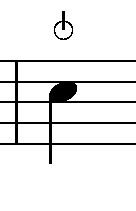
Bartok Pizzicato is a playing technique that involves plucking the string very hard and hitting the fingerboard to make a sound.

It was invented by a composer named Bartok and given this name, and a symbol that looks like a power button is used as shown in the picture above, or a symbol such as ◎ is used. ​It is very effective because it can give a percussion-like effect even though it is not a percussion instrument.

Both Bartok Pizzicato and Pizzicato are playing techniques found on most virtual instruments, so if you use them when writing songs, you can create very effective sounds.

  • Harmonics

Harmonics means overtones. However, the playing technique refers to playing the overtones of the strings.

There are two types of Harmonics: Natural Harmonics and Artificial Harmonics.

Natural Harmonics is a playing technique in which you play by gently placing your fingers on integer multiples, such as 1/2, 1/3, and 1/4 of the open strings, without touching the fingerboard. The notation is done by placing a circle on top of the note, and sometimes drawing a diamond below along with the circle.

Sometimes it just displays a diamond.

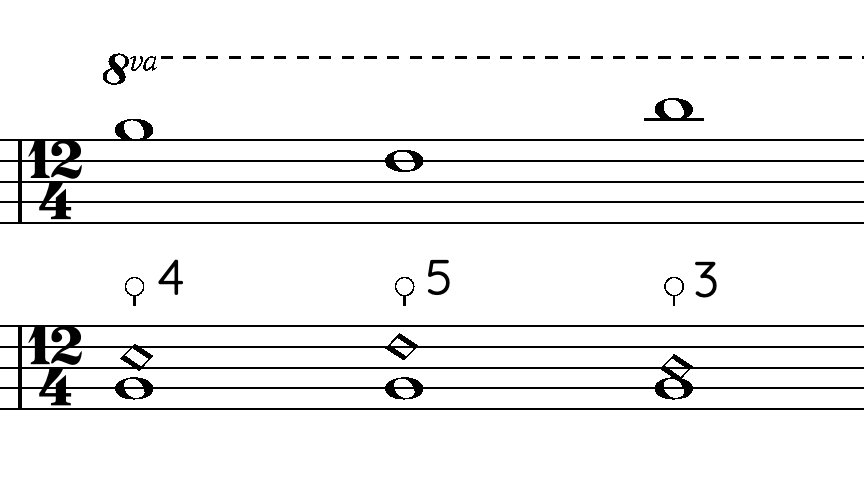
Artificial Harmonics is a playing method that produces overtones while holding the fingerboard. Due to the nature of the string, 4th harmonics are used most often, and in notation, the point above the desired frequency is indicated with a diamond on the regular note.

In order from left to right, they are 4th, 5th, and 3rd harmonics.

  • Glissando

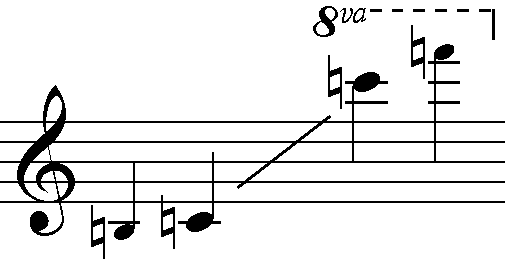
Glissando is a technique of skimming through the middle notes by sliding slowly or quickly between two notes. In some cases, all middle notes are written down. A straight line notation, as shown in the photo above, is also often used. It is also indicated as Sweep or Run.

It is a very effective playing technique for string instruments, and it would be a shame if it did not appear in pop that uses strings. It is also my favorite playing method among string instruments..^^

You can create great effects with virtual instruments as well, so I think it would be a good idea to use them.

  • Sul Ponticello, Sul Tasto

Sul Ponticello means play on the bridge side, and Sul Tasto means play on the fingerboard side.

Anyone who has played the guitar will understand that, just as playing close to the bridge of a guitar produces a hard and solid sound, playing with Sul Ponticello produces a loud, rough, and metallic sound. Conversely, playing with Sul Tasto produces a soft and delicate sound.

​The notation is Sul Ponticello, Sul Tasto, and to return to the legato, it is written as arco.

  • Col Legno

Col Legno, which is disliked by players, is a playing technique where the bow is turned upside down. It is divided into Tratto and Battuto. Tratto is a playing method where you simply play the string with a bow, and Battuto is a playing method where you hit the string with a bow.

As shown above, the notation is col legno, col legno tratto, col legno battuto, etc. If you want to return to the basic performance, write mode natural or arco.

  • Conclusion

Musicians who compose popular music should look at the virtual instrument manual to see how the staff is organized. Whether it has a rough chamber feel or a full orchestra feel, and if it is a chamber, whether it is a large or small chamber, you should listen to the demo sample and think carefully about when to use it.

This is how I learned about string instruments. I don’t know if it was helpful…^^

In fact, the requirements are completely basic, the theory of Voicing, its use as a pad, Run and the use of the 6th High String, etc. are very diverse.

However, this is a large amount, so I will deal with it later when I have time.

Have a good day!