Takamine Guitar Pro Series Lineup Overview

Hello, this is Jooyoung Kim, a mixing engineer and music producer. Following my previous discussion on the G Series, I’m here to provide an overview of Takamine’s Pro Series guitars.

Let’s dive right in!

  • Pro Series
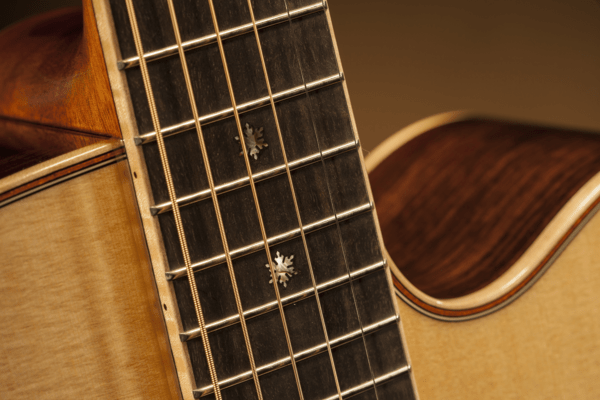
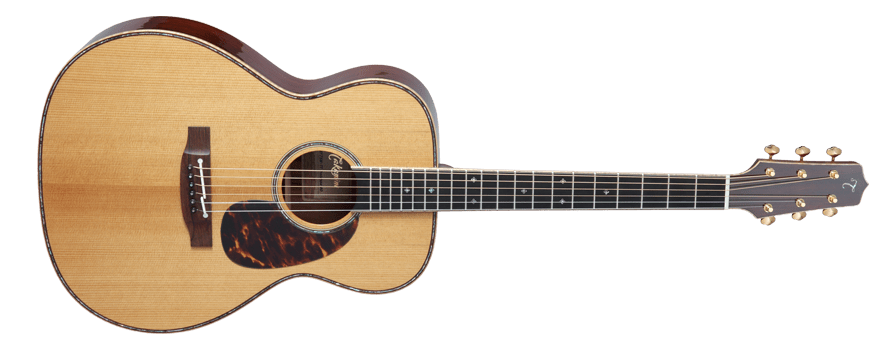
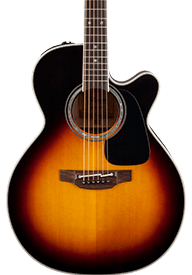
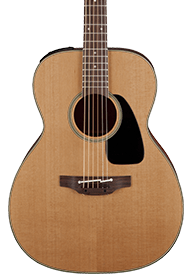
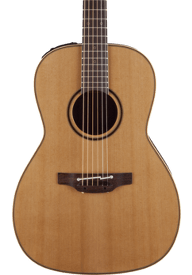
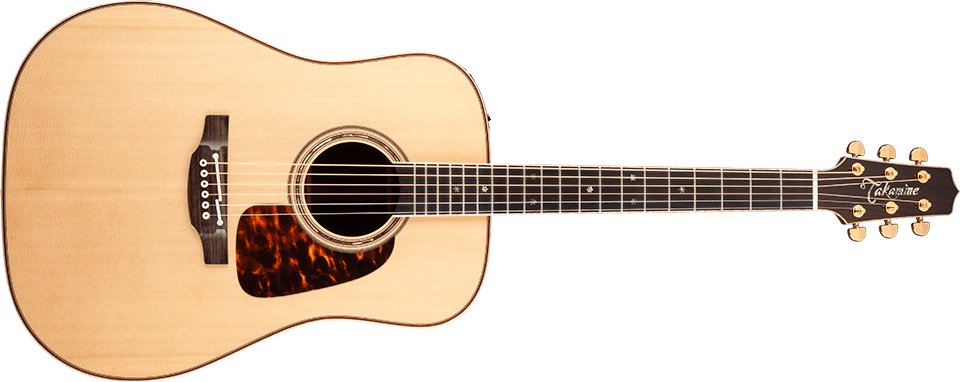
The Pro Series features guitars with wood bindings and snowflake inlays, like the P7 series, which I personally love.

All Pro Series guitars come with built-in preamps and are manufactured in Japan. The preamps in the Pro Series are interchangeable, allowing you to swap them as needed.

Here’s a detailed breakdown of the Pro Series:
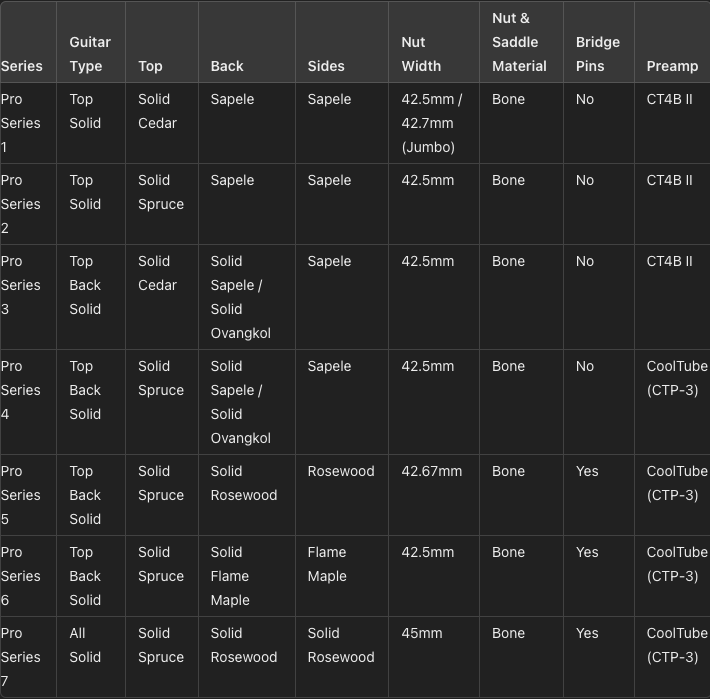
One interesting observation is that some high-priced models are top-back solid rather than all-solid. This might be because the Takamine preamps are larger, making it difficult for solid wood sides to support them.
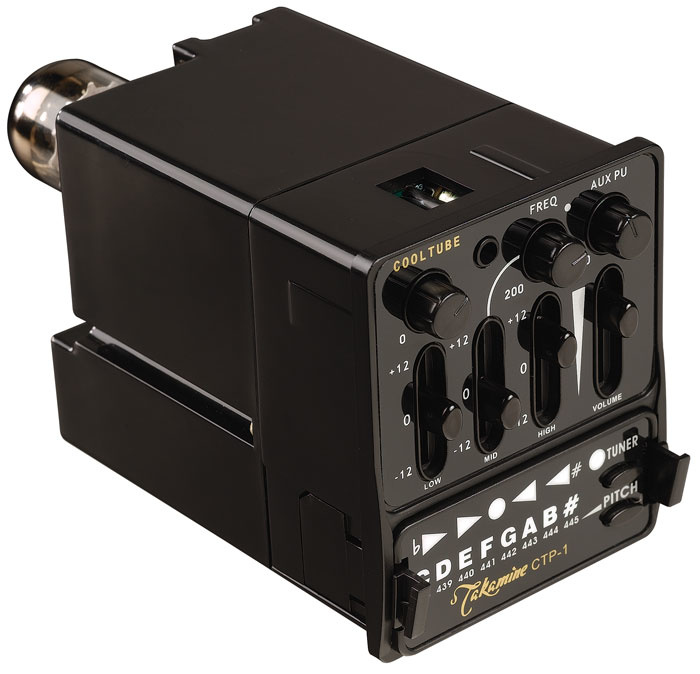
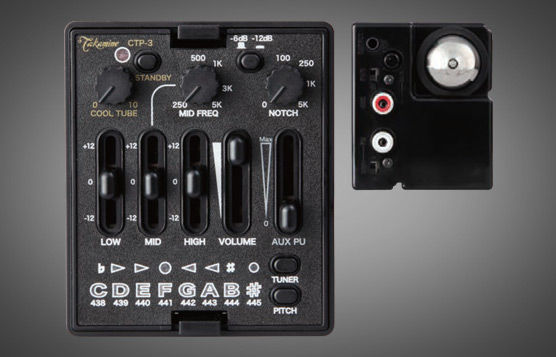
Takamine’s CoolTube preamp (CTP-3) actually contains a tube, making it quite large. Personally, I love the Pro 7 series for its specifications and design, but the price is… quite high.

The Pro Series guitars are best suited for those who lead worship frequently or perform often. However, the G Series offers excellent value for the price.

Although the Pro Series guitars are entirely made in Japan and feature unique pickups, if you don’t need Takamine’s pickups, you might want to look for models without them. There are all-solid models available without pickups, which are much cheaper than the Pro 7 Series.

The roasted tops, which have become a trend in the acoustic guitar market, have brought meaningful changes and continue to be popular.

The Pro Series is denoted as P□△○:

  • □ indicates the Pro Series number.
  • △ indicates the body shape.
  • ○ indicates whether it’s a cutaway (C) or not.
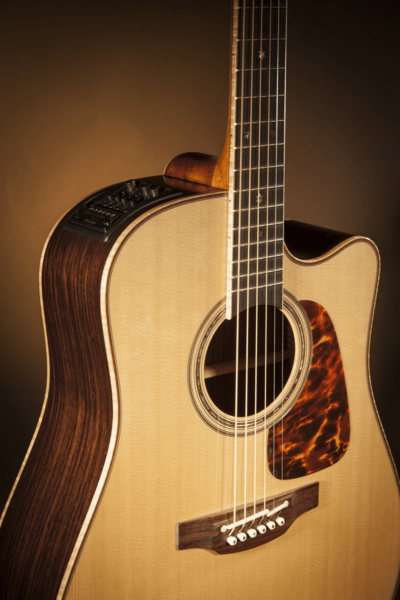
P7DC

For example, P7DC means:

  • 7th in the Pro Series
  • Dreadnought model
  • Cutaway model

P3MC means:

  • 3rd in the Pro Series
  • OM model
  • Cutaway model

The body shapes are:

  • D – Dreadnought
  • J – Jumbo
  • N – NEX (Takamine’s little jumbo body)
  • F – FXC (Takamine’s grand concert body)
  • M – OM
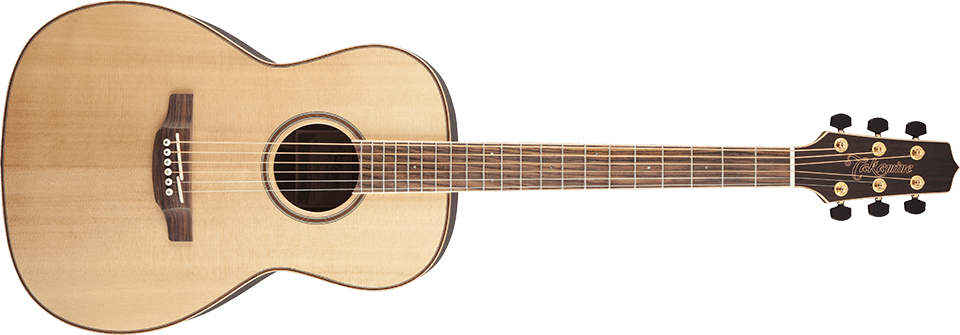
  • NY – New Yorker (Takamine’s parlor body)
  • Final Thoughts on the Pro Series
EF75M-TT

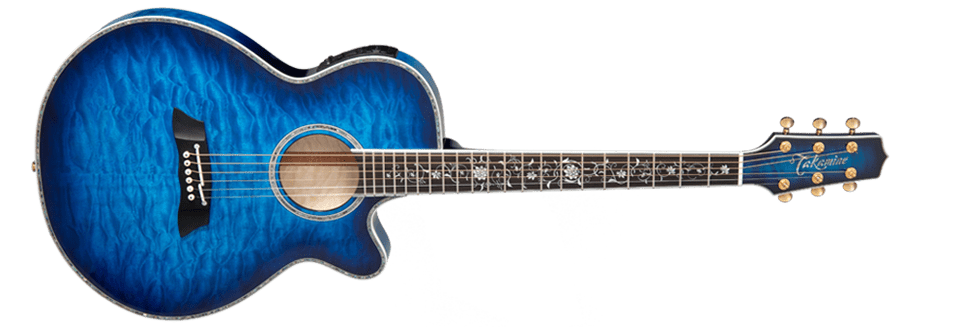
The top-tier products are incredibly beautiful, like the EF75M-TT, which is limited to 100 units worldwide. Other lines such as TT (Thermal Top/Roasted Top), LTD (Limited), and TSP (Thinline) have smaller product ranges and will be discussed in future reviews.

I hope this overview of the G Series and Pro Series has been informative. It took quite some time to compile this information directly from the site, but I hope it helps those looking for information on Takamine guitars.

My next Takamine post will likely be a review. I’ve requested demos of some models with the best specifications for their price, which I’ll be picking up tomorrow. I plan to include sound samples and detailed photos.

See you in the next post!
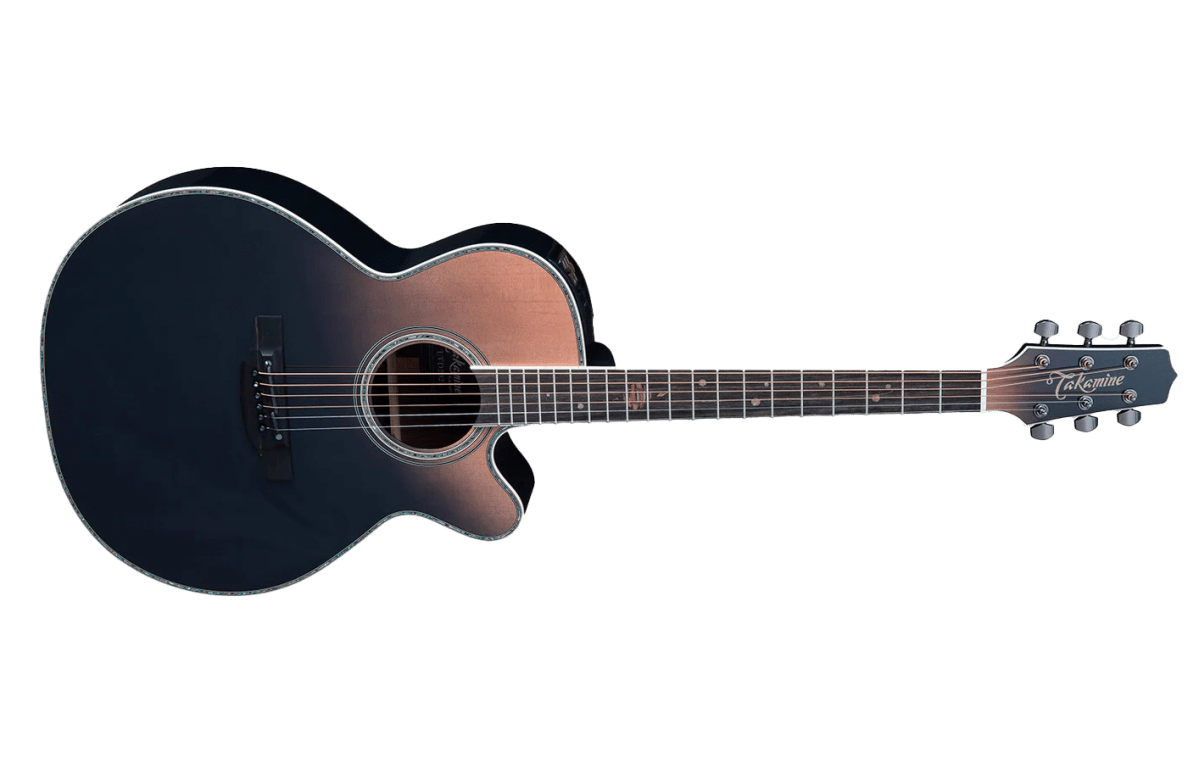
Takamine Guitar Bodies and G Series Lineup

Hello, I’m Jooyoung Kim, an engineer and music producer. Today, I’d like to go over the body types and lineups of Takamine guitars.

Shall we begin?

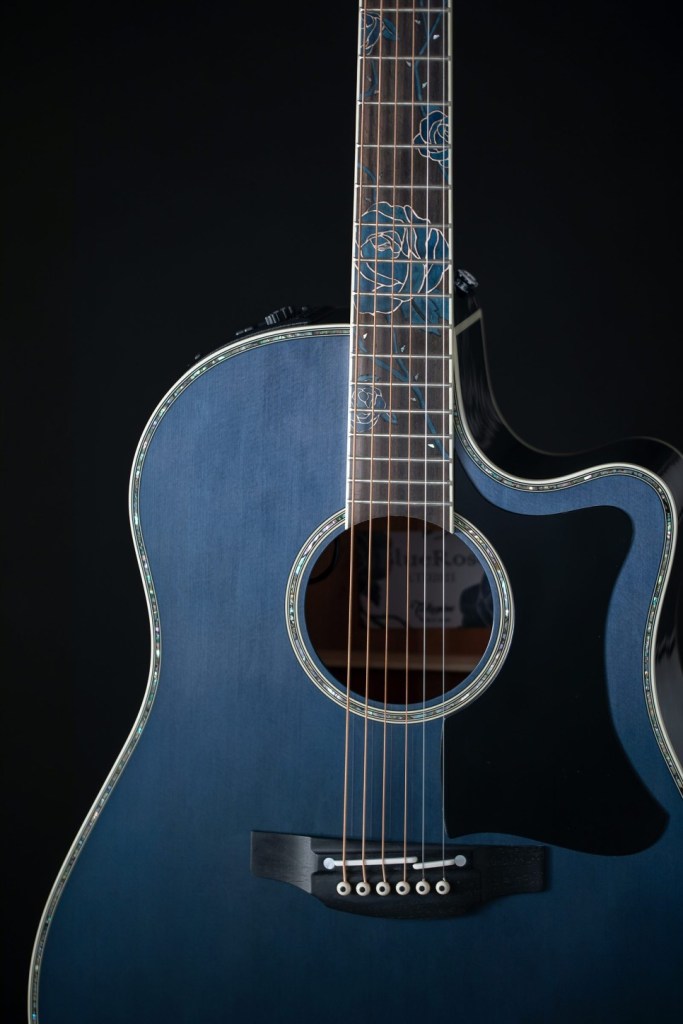
Limited 2021 Blue Rose, which I really want… The 2020 model in olive was also great… The problem is always the wallet…
  • Body Types

Takamine guitars have seven body types: Dreadnought, FXC, NEX, Jumbo, New Yorker, OM, and Thinline.

The FXC is similar to a typical grand concert body, the NEX body is a small jumbo, and the New Yorker is a parlor body.

Jumbo
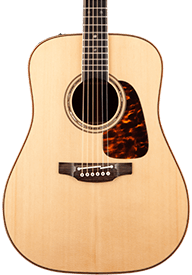
Dreadnought
NEX
OM
FXC
New Yorker

Most people are familiar with the Dreadnought and OM bodies, so you can use them as a reference to gauge the size of other bodies.

TSP100 DBS of the Thinline series

Thinline is a completely different body type, with a thinner body making it easier to play. This should cover the acoustic guitar bodies that use steel strings.

Now, let’s look at the lineup.

  • Takamine Guitar Lineup

Takamine guitars are broadly divided into the G Series and Pro Series.

Additionally, there are Thin Line, Limited Line, and Signature Line as special editions.

SeriesDescription
G SeriesGuitars produced in other countries such as China, Korea, and Taiwan to provide affordable options.
Pro SeriesGuitars produced at the main factory near Mount Takamine in Gifu Prefecture, Japan.
ThinlineGuitars with a thin body.
Limited LineLimited edition guitars.
Singnature LineArtist signature guitars.

Breakdown by Series

G Series:
– Improves in quality and price from 10, 20, 30, 50, 70 to 90 series.
– Even the highest value-for-money
– G90 series does not exceed $1000 overseas.
– Also includes acoustic basses, classical guitars, Takamine minis, and ukuleles.

Pro Series:
– Improves in quality and price from 1, 2, 3, 4, 5, 6 to 7 series.
-Even the lowest Pro 1 series is quite expensive as it is made in Japan.

Thin Line:
– A single line dedicated to thin body guitars.

Limited Line:
– As the name suggests, these are limited edition guitars and tend to be quite expensive due to their often flashy appearance.

Signature Line:
– No separate sub-categories, similar to the Thin Line.

Let’s first take a look at the specifications and features of the G Series.

  • G Series
GN30CE model from the G30 line of Takamine G Series

10 Series:
– Body: Laminate
– Top: Spruce (10), Mahogany (11)
– Sides/Back: Mahogany
– Nut Width: 42.5mm
– Nut/Saddle: Synthetic bone
– Split Saddle: Yes
– Remarks: Bridge pinless string change method

20 Series:
– Body: Top Solid
– Top: Solid Cedar
– Sides/Back: Mahogany
– Nut Width: 42.8mm
– Nut/Saddle: Synthetic bone
– Split Saddle: Yes

30 Series:
– Body: Top Solid
– Top: Solid Spruce
– Sides/Back: Mahogany
– Nut Width: 42.8mm
– Nut/Saddle: Synthetic bone
– Split Saddle: Yes
– Remarks: Available as 12-string guitar, 3-piece back option

50 Series:
– Body: Top Solid
– Top: Solid Spruce
– Sides/Back: Rosewood or Black Walnut
– Nut Width: 42.8mm
– Nut/Saddle: Synthetic bone
– Split Saddle: Yes

70 Series:
– Body: Top Solid
– Top: Solid Spruce
– Sides/Back: Quilted or Flame Maple, Black Walnut
– Nut Width: 42.5mm/42.8mm
– Nut/Saddle: Synthetic bone
– Split Saddle: Yes
– Remarks: 3-piece back option

90 Series:
– Body: Top Solid
– Top: Solid Spruce
– Sides/Back: 3-piece Black Walnut, Maple, Bocote, Madagascar Rosewood
– Nut Width: 42.8mm/43mm
– Nut/Saddle: Synthetic bone
– Split Saddle: Yes
– Remarks: Black Walnut sides/back standard, available as 12-string guitar, 3-piece back option

  • Naming Convention

The naming of G Series guitars follows the pattern G□△△○○-☆☆☆.

1) □: Body type (D-Dreadnought, N-NEX (small jumbo), F-FXC (grand concert), Y-New Yorker (parlor), J-Jumbo)
2) △△: Line and wood type
3) ○○: Cutaway and pickup presence
4) ☆☆☆: Color

GD93CE-NAT

For example, from the name GD93CE-NAT:
1) G Series
2) D: Dreadnought
3) 90 series
4) 3-piece back
5) CE: Cutaway with pickup
6) NAT: Natural color

However, older models seem to follow a different naming convention, which I’m not familiar with.

There are also classical guitars, acoustic basses, Takamine minis, and ukuleles, which I will organize separately if time allows.

Personally, I think the 20 and 30 series offer good value for money. Although I haven’t received demo units yet to hear their sound, I believe they could be recommended if they offer decent sound, intonation, pickup quality, and neck feel.

I will review and post about the demos as soon as I receive them.

I intended to cover the Pro Series, Thin Line, and Limited Line all at once, but it’s taking longer than expected.

I will organize the Pro Series and other lines in a separate post.

See you in the next post!

The History of Takamine Guitars

Hello, This is Jooyoung Kim, an engineer and music producer.

This post is a review-style article I wrote when I was working at Soop Records(Jan. 2023), where I had the opportunity to use Takamine guitars. I covered the history and lineups of Takamine guitars, including reviews of some mid-range models. Instead of letting this post remain only in Korean, I decided to translate it into English.

When I previously searched for information, I couldn’t find a comprehensive summary of how Takamine was established and what guitar lineups they offer.

Whether it’s due to my personality or not, I feel the need to organize these basic details before diving into more specific topics.

Let’s start with the history of Takamine guitars.

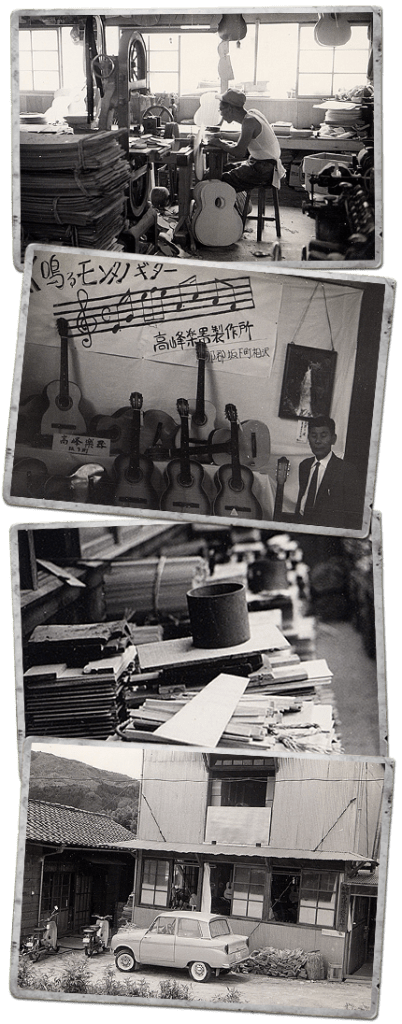
Takamine began in 1959.

Ohzone(大曽根), who worked at a musical instrument factory in the Nagoya region, decided to leave after the factory suffered severe damage from a typhoon and settled on Mount Takamine in Sakashita, Nakatsugawa City, Gifu Prefecture.

It started under the name Ohzone Musical Instruments(大曽根楽器製作所).

Mount Takamine in Gifu Prefecture (岐阜県 高峯山)
Almost 1000 meters!(3300 feet!!)

In 1962, dissatisfied with the company name, they changed it to Takamine Gakki (Takamine Musical Instruments, 高峰楽器製作所), named after the mountain.

(Side note: There are many mountains named Takamine in Japan. It was quite challenging to find pictures… haha)

By 1968, nearly ten years after the company was founded, it had grown into a sizable company with 60 employees, gaining fame for its classical guitars and mandolins.

During this period, guitarist Hirade, who played a significant role in the company, joined Takamine.

Pictures from the Takamine website

With Hirade as the president, in the 1970s, they anticipated a growing demand for steel-string acoustics and entered the international market. At the time, the guitars were reasonably priced and well-made, which helped them gain a foothold in the market.

1970s Martin-style Takamine guitar

However, Takamine couldn’t escape the shadow of Martin copies during this period.

Martin even sent Takamine a letter asking them not to copy their headstock design exactly.

Although Martin didn’t sue, the story got slightly distorted, leading to old Takamine Martin-style guitars being called “Lawsuit guitars.”

Regardless, this marked a turning point for Takamine, leading them to create their iconic pointed headstock and develop unique split saddles for better intonation.

The iconic pointed headstock and split saddles commonly found in their guitars

In 1978, Takamine developed their renowned Palathetic pickup.

The Palathetic pickup, with six individual piezo transducers, one for each string, is still highly regarded today and has been widely copied by other manufacturers.

Even though the company name was Takamine Gakki, previous guitars had names like Elite and Nashville. After the introduction of the pickup, they started using the name Takamine exclusively.

This solidified Takamine’s place in the market. It’s said that the Eagles used a Takamine 12-string guitar for “Hotel California” during this period.

In 1988, Takamine introduced a parametric EQ to their preamps, and in 1989, they developed an external battery box and a replaceable preamp system, making their guitars more suitable for performances.

CoolTube – not just a name, it actually has a tube!

This innovation continued with the introduction of the CoolTube, the first onboard tube preamp, in 2004, along with other replaceable preamps.

Unfortunately, this feature is not available in the lower-priced G Series.

It would be great if these preamps could be swapped in lower-priced guitars, as they would be perfect as a second guitar for gigs, but it remains a bit of a drawback.

This covers the main points of Takamine’s history. In the next post, I will summarize Takamine’s lineup and price ranges.

See you in the next article!

I purchased a bow for an acoustic guitar (+ brief thoughts)

Hello, this is Jooyoung Kim, a mixing engineer and music producer.

Some time ago, I briefly saw a bow for an acoustic guitar. I wanted to buy it, but it was too expensive to justify purchasing it as a novelty.

Time passed, and when I was ordering a toroidal transformer for device repair from AliExpress, I wondered if they might also sell guitar bows. To my surprise, they were selling them very cheaply. I decided to purchase from a seller with a decent number of reviews and buyers.

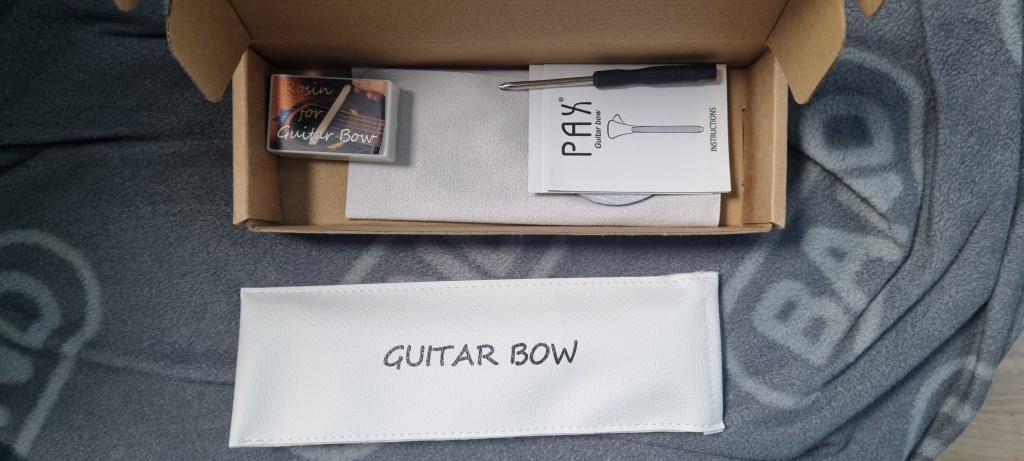
The packaging was quite neat, which was surprising. Including shipping, I think I paid around 15$, and they even included rosin. The package contents seemed quite substantial.

Below is a video I recorded with my phone camera, so the quality isn’t great.

Due to the structure of the guitar and the bow, you can play double stops.

I also tried bowing sideways to see if I could play all six strings simultaneously, but the bow was too short, and I couldn’t apply enough pressure to produce a sound. A better guitar might produce a smoother and richer sound, but I didn’t want to use too much rosin and risk it absorbing moisture and becoming sticky.

When playing, I noticed that if the bow touched the guitar’s harmonic points, the sound would break. It was quite challenging to play, and I realized I might have underestimated it.

Originally, I planned to use this bow to dub MIDI recordings of violin parts, since recording strings can be expensive. However, it might be too difficult. The bow is too short for fast pieces, and the speed required would make it even more challenging.

On the other hand, it seems quite effective for fiddle techniques often used in country music, such as tremolo effects and repeated staccato chords. I think I’ll try writing some pieces incorporating these elements.

I have some songs I’ve been working on, but I haven’t released anything recently. This year, I plan to release at least three songs.

See you again in the next article!