Hello, this is Jooyoung Kim, mixing engineer and music producer.
SSL is known for creating excellent plugins but rarely offers deep discounts. This time, they’re offering a significant discount exclusively on the Fusion plugins, so I wanted to share an overview of the SSL Fusion Bundle for those on the fence about purchasing it.
Purchasing through the link above supports me with a small commission, which helps me keep creating content. Thank you!
Now, let’s dive in.
What is SSL Fusion?
The SSL Fusion was introduced in late 2018 as a hardware unit.
This piece of gear falls under the category of enhancers, akin to the SPL Vitalizer or the Overstayer MAS.
It became quite popular due to its feature set and relatively affordable price. However, ever since the Fusion plugin series launched, I’ve noticed an increase in second-hand listings for the hardware on various marketplaces.
While the hardware offers unique textures, I personally don’t use it heavily due to the inconvenience of recall. Many might have switched to plugins for similar reasons. Also, let’s be honest—printing and tweaking can be quite a hassle!
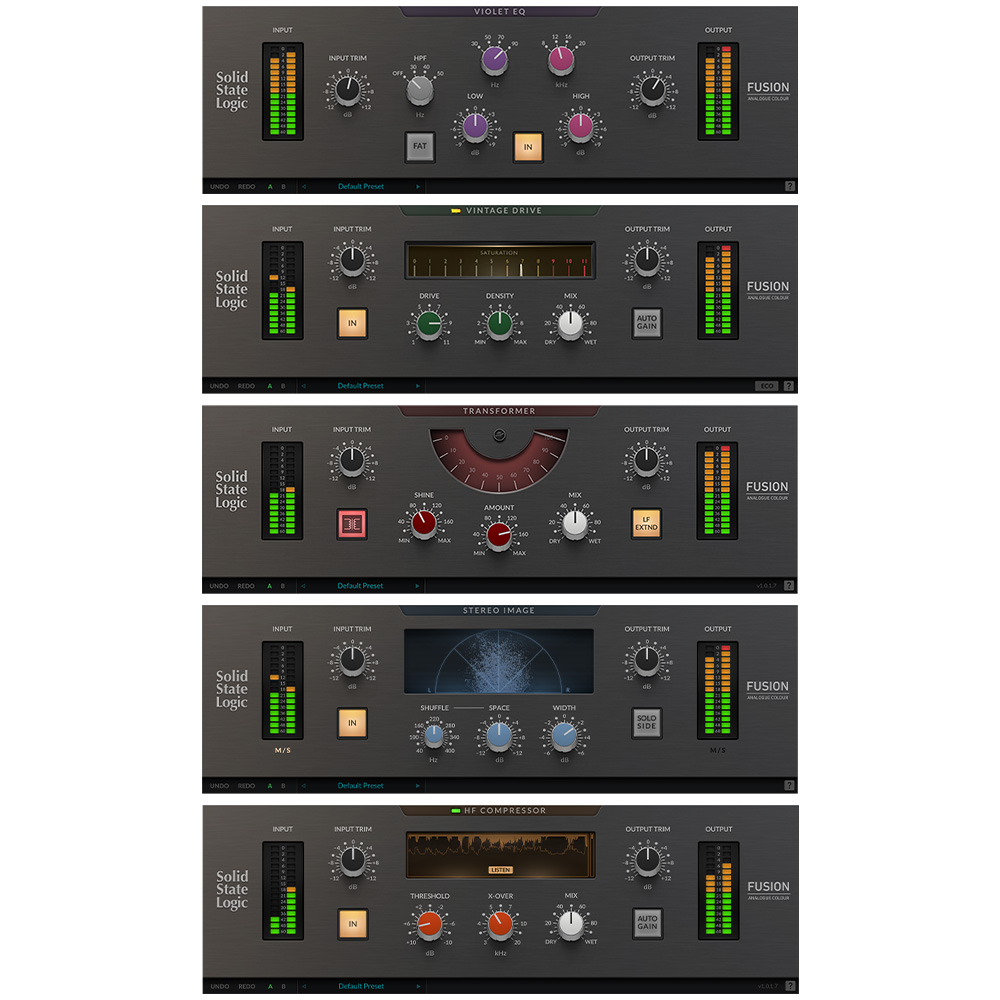
The SSL Fusion Bundle includes five core functions from the hardware (excluding the hidden “LMC” or Listen Mic Compressor feature). Personally, I was most impressed with the Transformer and Stereo Image plugins. Let’s take a closer look at each.
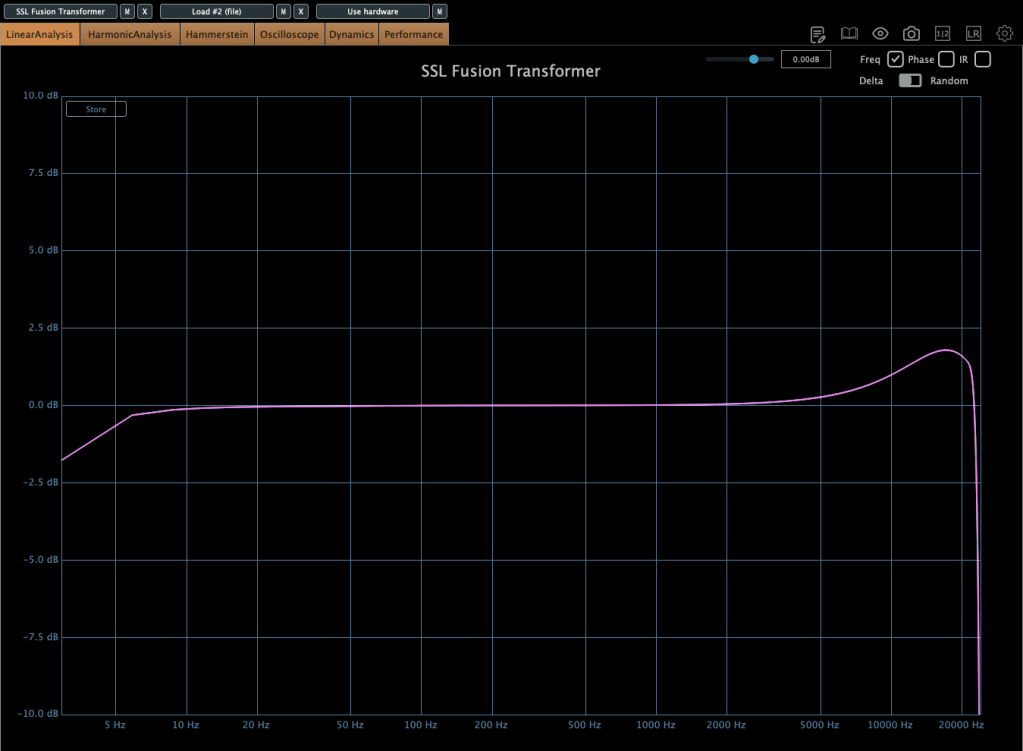
The Transformer plugin replicates the hardware transformer circuit. Clicking the transformer symbol activates it.
Shine: Enhances high frequencies.
LF EXTND: Gently boosts sub-lows.
Amount: Controls the level of harmonic distortion.
In essence, it’s an enhancer that adds harmonics and high-end sheen. Right from the first test, it added pleasing high frequencies and harmonics, making it versatile for various tracks.
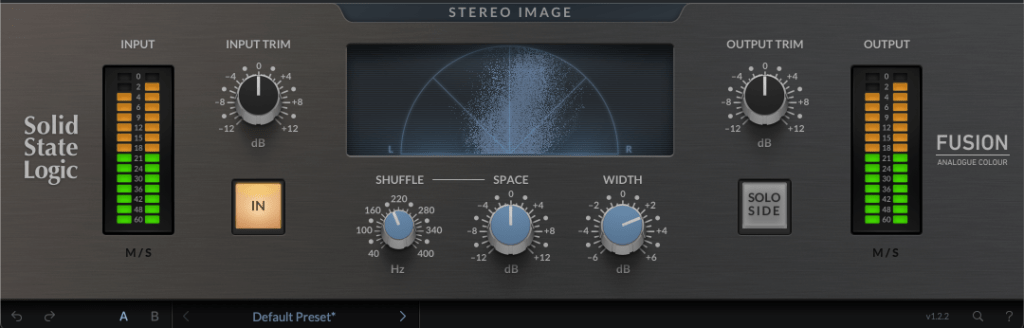
The Stereo Image plugin recreates the stereo enhancer from the Fusion hardware.
It offers more than just a width adjustment by including Stereo Shuffling, which allows control over stereo imaging in low-frequency bands.
Shuffle: Sets the cutoff for low frequencies.
Space: Adjusts the stereo width of these frequencies.
Width: Adjusts overall stereo width using M/S processing.
If you’re hesitant about pricier alternatives like Leapwing Audio’s StageOne 2, this plugin provides excellent stereo imaging control, especially for modern music where low-end stereo imaging is critical.
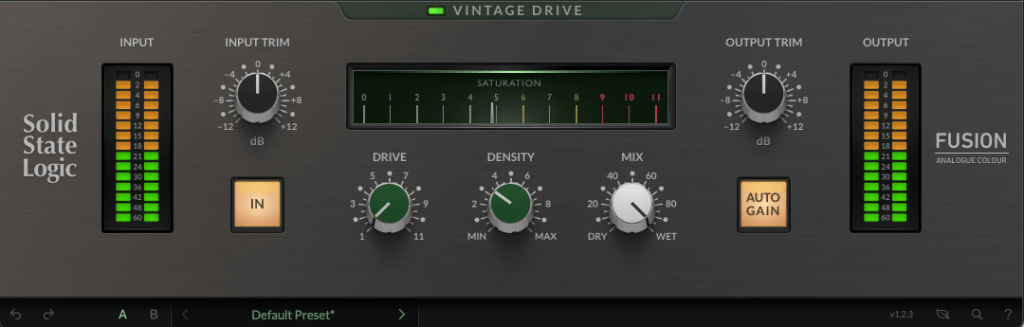
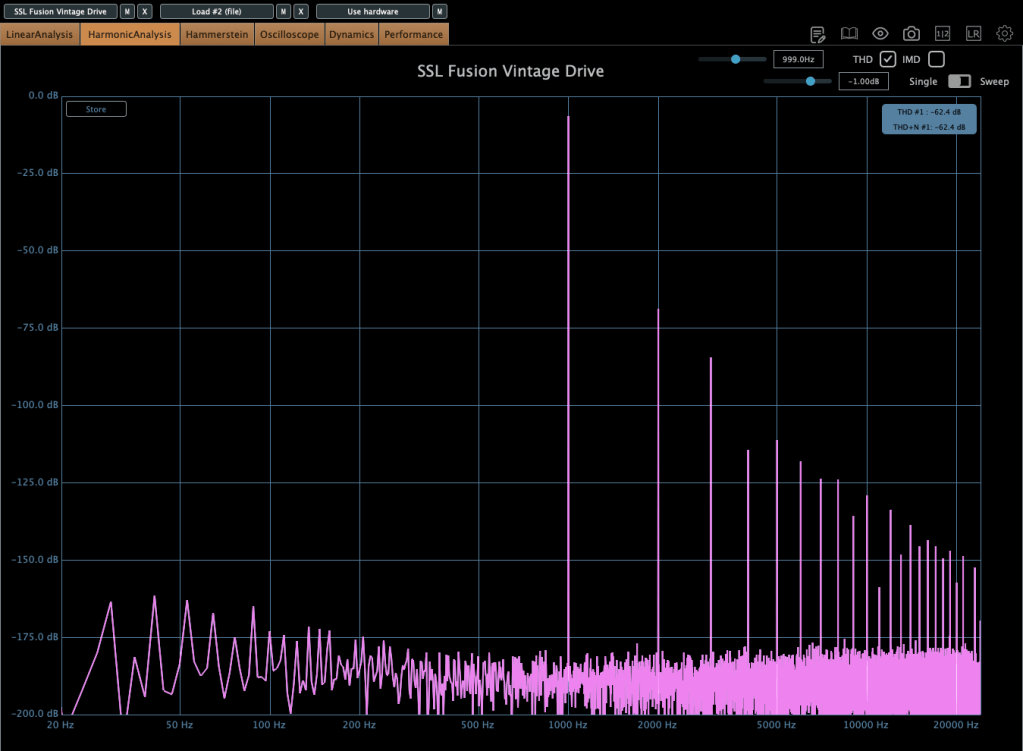
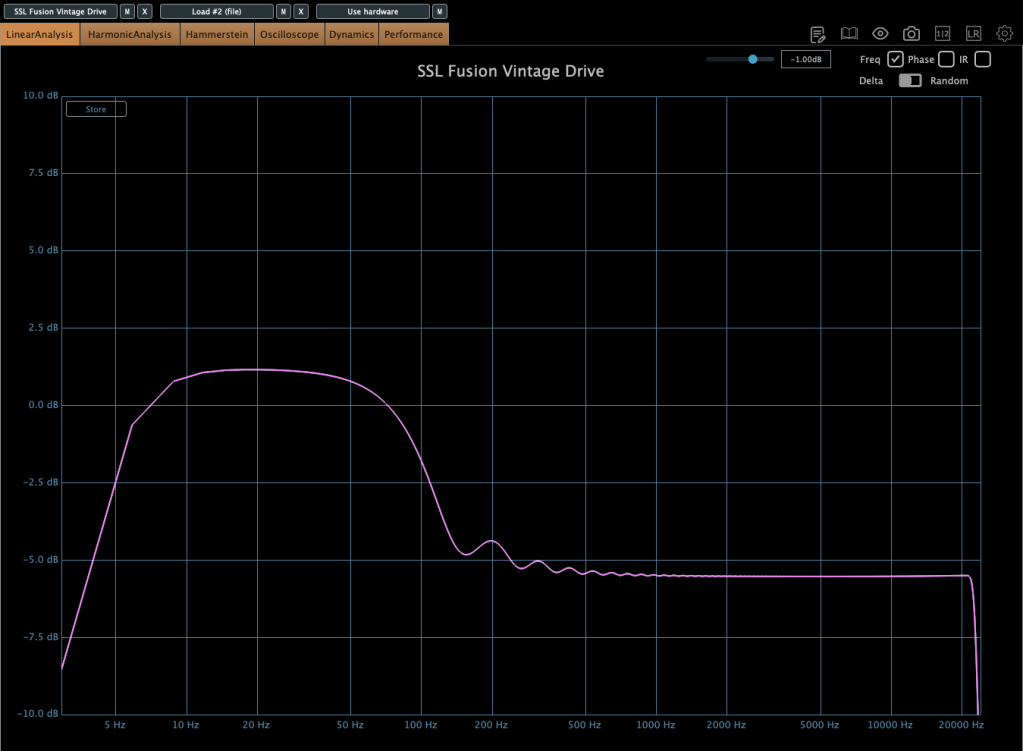
The Vintage Drive plugin adds saturation and harmonic distortion while increasing low-end warmth.
With subtle settings, the low-end boost is manageable, but when pushed, it creates a more aggressive drive. If you’re a fan of the Soundtoys Decapitator or Arturia Dist TUBE-CULTURE, you might find this plugin fits your workflow.
The Violet EQ is a shelving EQ, also available as a 500-series hardware unit.
Its FAT feature subtly boosts specific frequency bands when the HPF is set to 30, 40, or 50 Hz. Otherwise, it’s a clean and straightforward EQ with no added harmonics.
Final Thoughts
The Fusion Bundle is currently available for under $100 during this sale. Whether on a mix bus or master bus, these plugins deliver exceptional results.
Given the sound quality, I now understand why so many hardware units have hit the used market. It also makes me curious about the actual hardware’s performance—maybe I’ll get one someday!
I hope this overview helps those considering the Fusion plugins.
Hello, this is Jooyoung Kim, mixing engineer and music producer!
For this year’s Black Friday deals, I believe the best bang-for-the-buck offer is IK Multimedia’s Total Studio 4 Max. Let me introduce it in detail for those who are curious!
This product was provided to me by Plugin Boutique in an NFR (Not For Resale) format. If you purchase using the links provided in this article, I’ll receive a small commission that helps me greatly. (Rest assured, buying through these links doesn’t cost you more than purchasing directly from Plugin Boutique!)
What is Total Studio 4 Max?
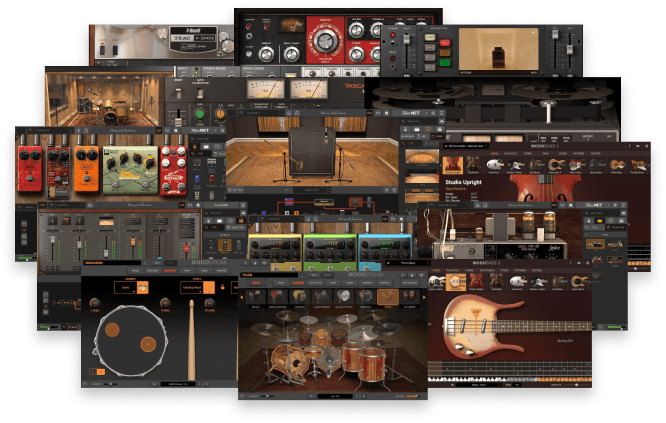
Total Studio 4 Max is a comprehensive music production suite containing 170 plugins across multiple categories. Below is a neatly organized overview of the included plugins:
Virtual Instruments
Product
Description
SampleTank 4 MAX v2
Comes with 34 expansion libraries, offering diverse loops, sounds, and effects such as Beat Machines, Bionic Drums, and Salsa Percussion.
Syntronik 2 MAX v2
A hybrid sampled and modeling engine synthesizer featuring 34 synths and over 5,000 presets.
Miroslav Philharmonik 2
A sample-based workstation for classical symphonic instruments, including rich strings and brass.
Hammond B-3X
Accurately recreates the legendary Hammond B-3 organ sounds, perfectly integrated with AmpliTube Leslie for authentic organ tones.
MODO BASS 2
Adds fretless and upright basses, totaling 8 additional instruments with advanced performance controls for lifelike realism.
MODO DRUM 1.5
Provides 13 customizable drum kits with modal synthesis and advanced sampling technology for realistic, flexible drum tracks.
Guitar & Bass Tones
Product
Description
AmpliTube 5 MAX v2
Includes 18 brand/artist collections with 435 gear models and thousands of AmpliTube presets.
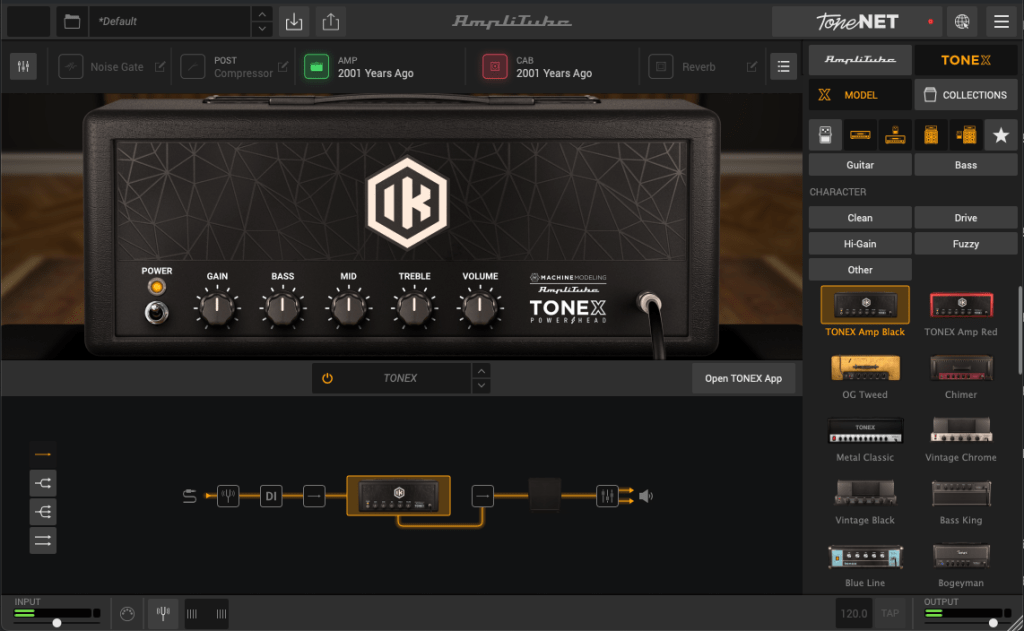
AmpliTube TONEX MAX
Utilizes AI Machine Modeling™ technology to model amps, cabinets, and pedals, offering 1,100+ tone models with options for user-created tones.
Mixing & Mastering
Product
Description
T-RackS 5 MAX v2
Adds 15 new processors on top of 38 existing ones, supporting album creation and project finalization.
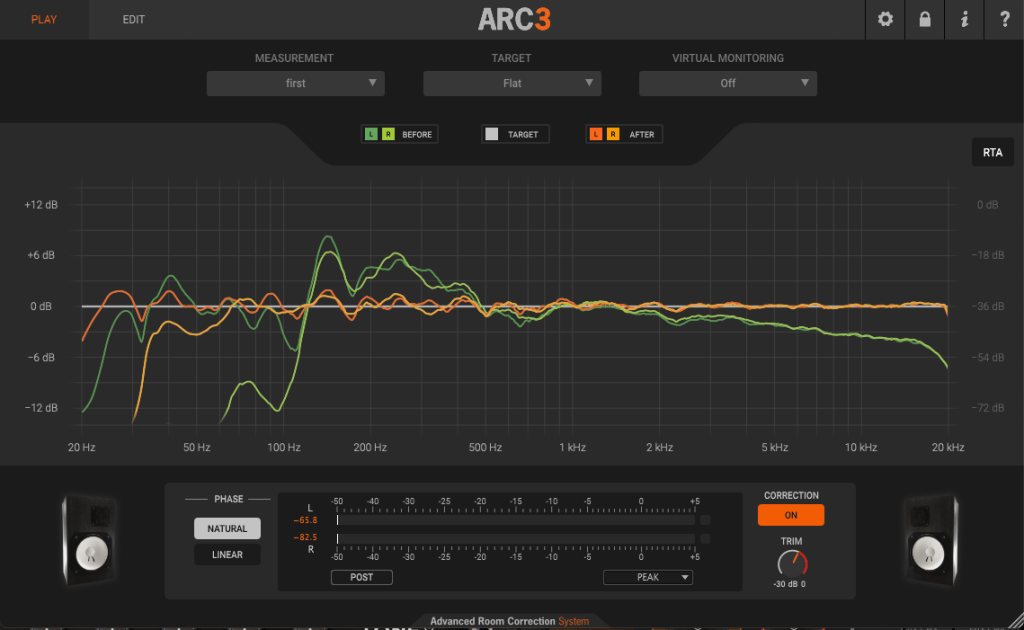
ARC 3.5
Features 3D analysis and correction algorithms to minimize acoustic issues in your room and provide natural sound correction.
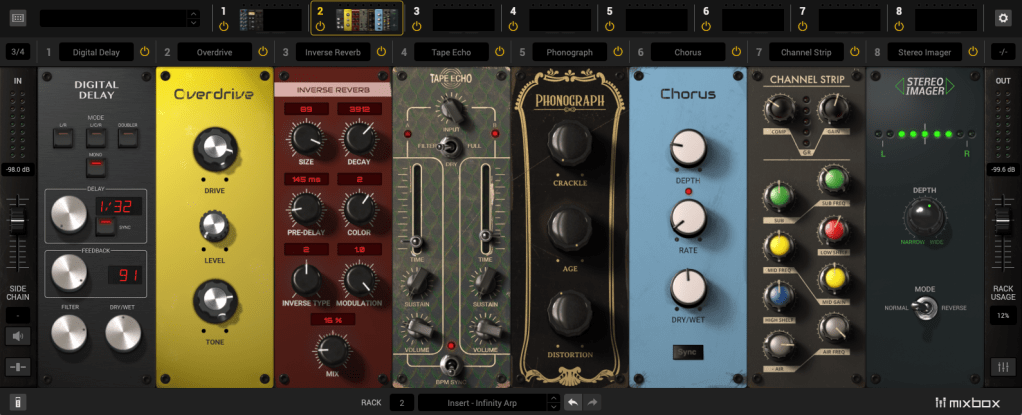
MixBox
Offers 72 mixing processors and creative effects, enabling custom channel strips and multi-FX chains with over 600 presets.
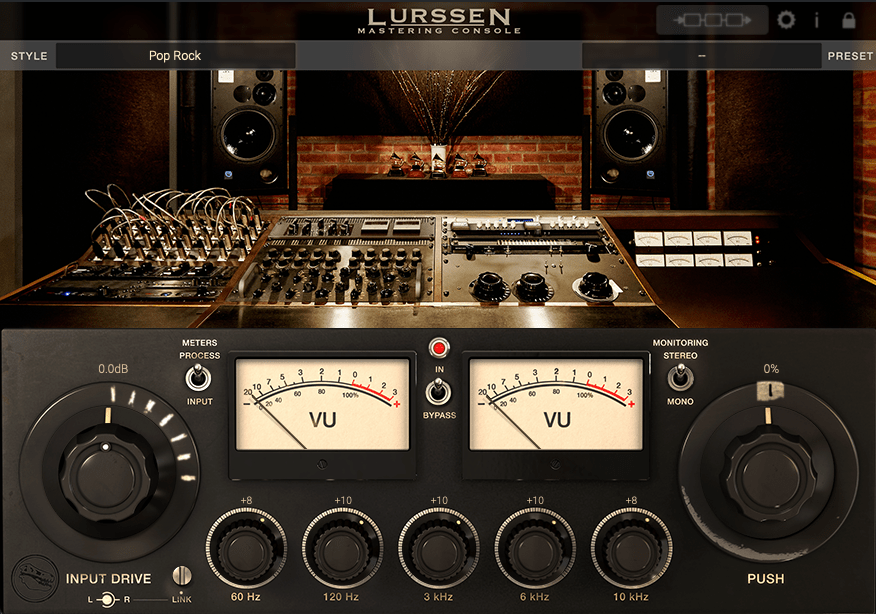
Lurssen Mastering Console
Reproduces the mastering chain and setup of GRAMMY-winning mastering engineer Gavin Lurssen for various genres.
My Personal Favorites
Out of all these fantastic plugins, my personal top five favorites are:
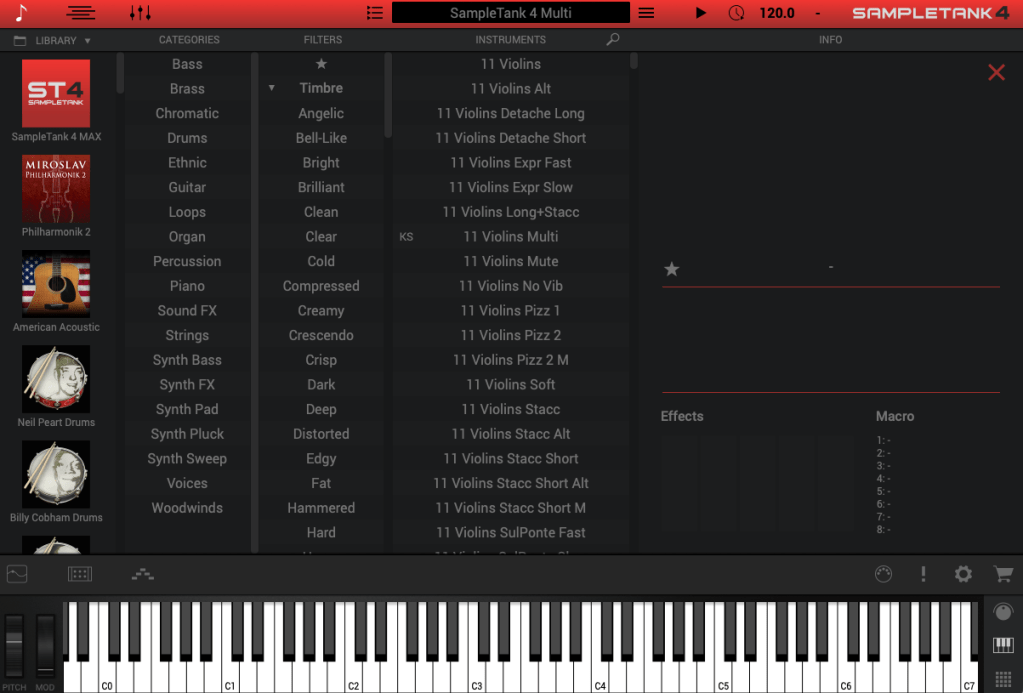
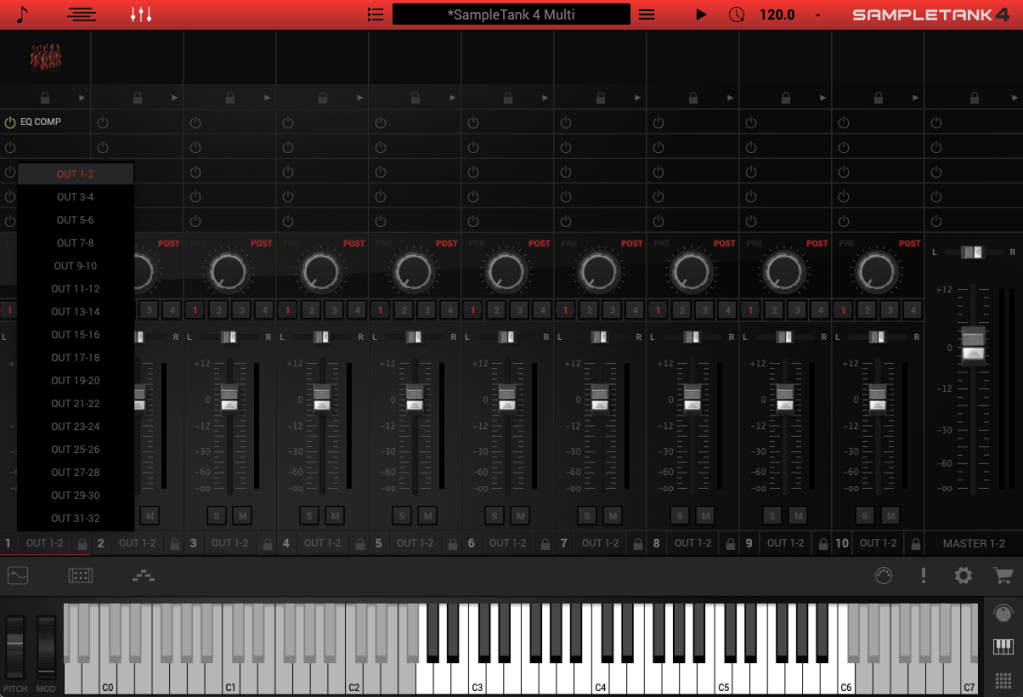
SampleTank 4 MAX v2 functions similarly to Native Instruments’ Kontakt, serving as an engine to load virtual instruments. While the orchestral library Miroslav Philharmonik 2 has its own standalone engine, it can also be loaded into SampleTank for convenience.
Like other sample-based virtual instrument engines, SampleTank allows individual output assignments and offers a built-in mixer, making it incredibly versatile. With a massive library of 88 virtual instruments and over 600 GB of content, it offers plenty of material for any production.
During initial tests, many instruments provided high-quality sounds. However, keep in mind that IK Multimedia often includes preset effects within their mixer. To fully understand and adjust the raw sound, it’s best to turn off these effects and listen without additional processing.
2) Syntronik 2 MAX v2
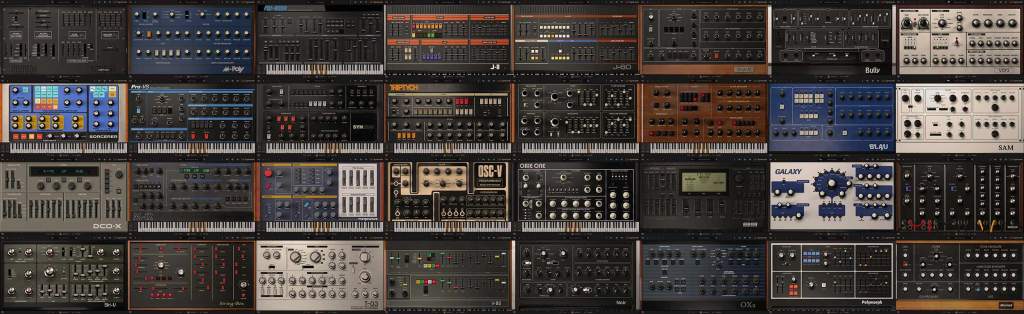
Syntronik 2 MAX v2 is a sample-based virtual synthesizer that recreates 34 legendary synthesizers. Instead of listing every model, the variety is extensive—just imagine the classics.
As a sample-based instrument, Syntronik requires significant storage space, similar to SampleTank. While it doesn’t offer the sonic flexibility or dynamic textures of physically modeled synths like those from Arturia, its affordability in this bundle makes it an appealing option.
Despite its limitations, Syntronik delivers excellent value, particularly for its breadth of iconic sounds. It’s an easy recommendation if you’re looking for an all-in-one solution for synth-based tones.
3) Miroslav Philharmonik 2
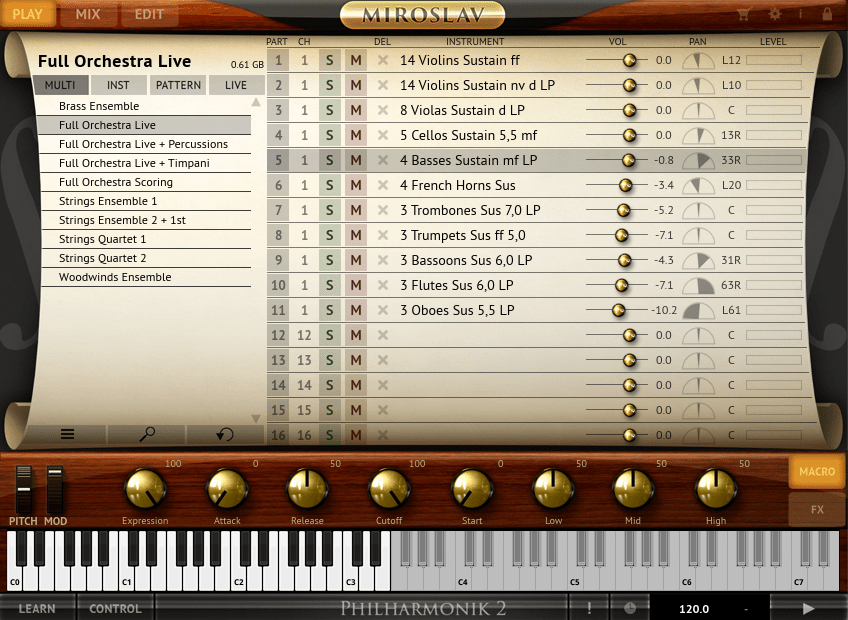
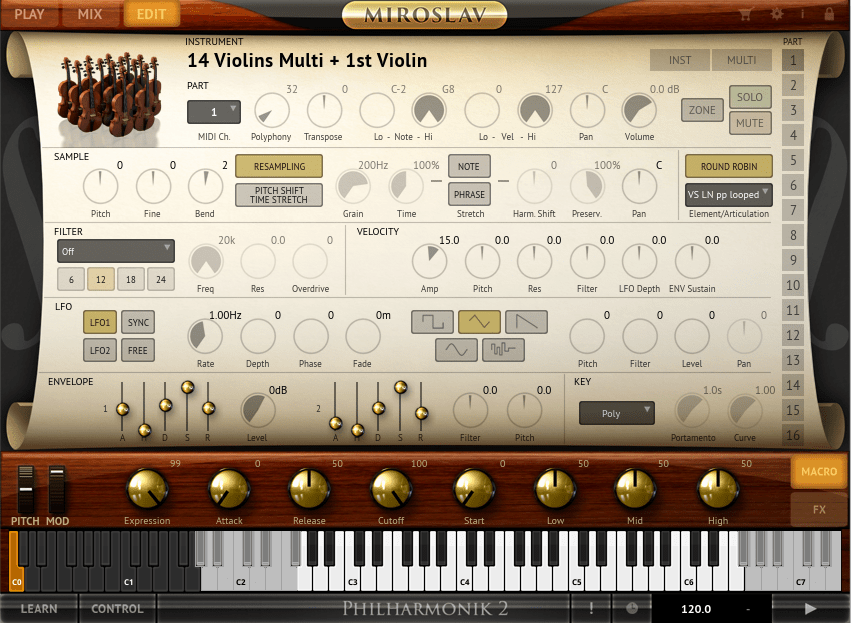
Miroslav Philharmonik 2 is IK Multimedia’s orchestral virtual instrument. At first listen, its sound might strike you as overly classical and dated. However, by tweaking the Filter setting in the Edit window (turning it Off), you can bring back a brighter, more balanced tone.
Another key feature is its Velocity-based attack nuances, which might confuse users expecting modulation-based dynamics. By linking the Expression parameter to your modulation wheel via the LEARN function, you can gain better control and make the instrument much more expressive.
Though its presets may initially seem underwhelming, with some adjustments, Miroslav offers an enjoyable orchestral experience perfect for adding traditional textures to your compositions.
4) Hammond B-3X
Hammond B-3X is a must-have for any producer seeking the iconic tone of a Hammond organ. Officially licensed by Hammond, this virtual instrument perfectly captures the authentic character of the B-3.
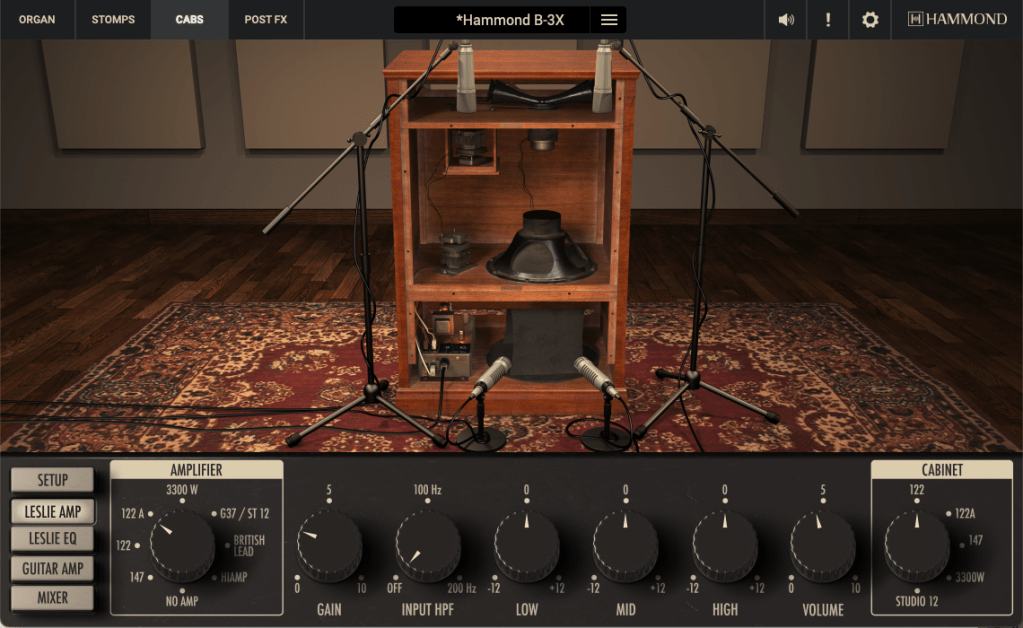
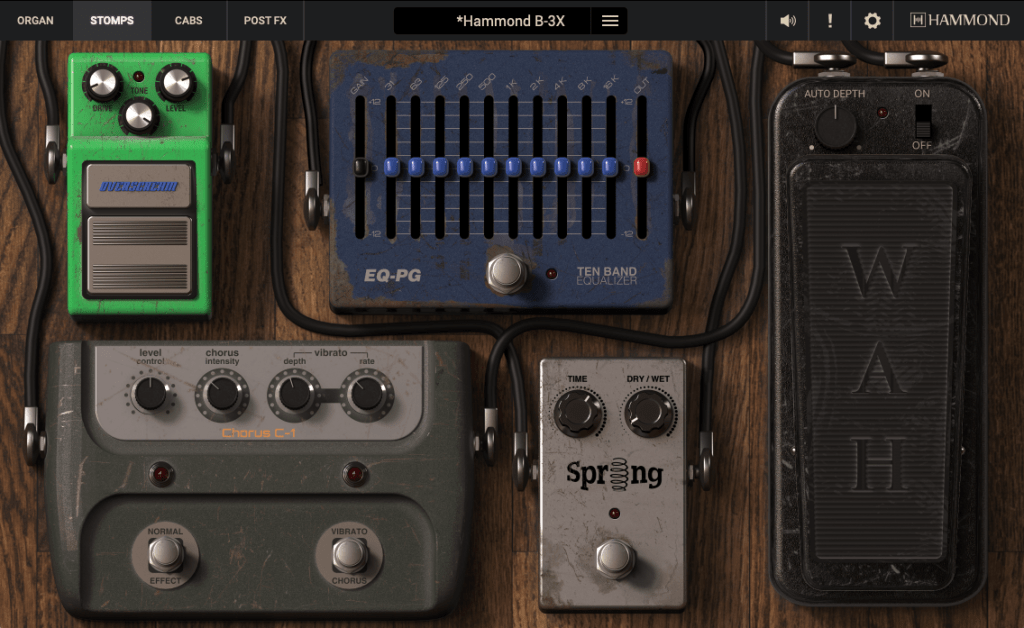
In addition to replicating the organ itself, the B-3X includes Leslie rotary speaker simulations, as well as various effects to refine and customize your sound. These features make it more than just a simple organ plugin—it’s a complete tone-shaping toolkit.
Having compared it to Arturia’s B-3 V2, Logic Pro’s Vintage B-5, and NI’s Vintage Organs, Hammond B-3X stands out as one of the most well-crafted virtual organs available. If you’re looking for unparalleled realism combined with extensive customization, this plugin is a fantastic choice.
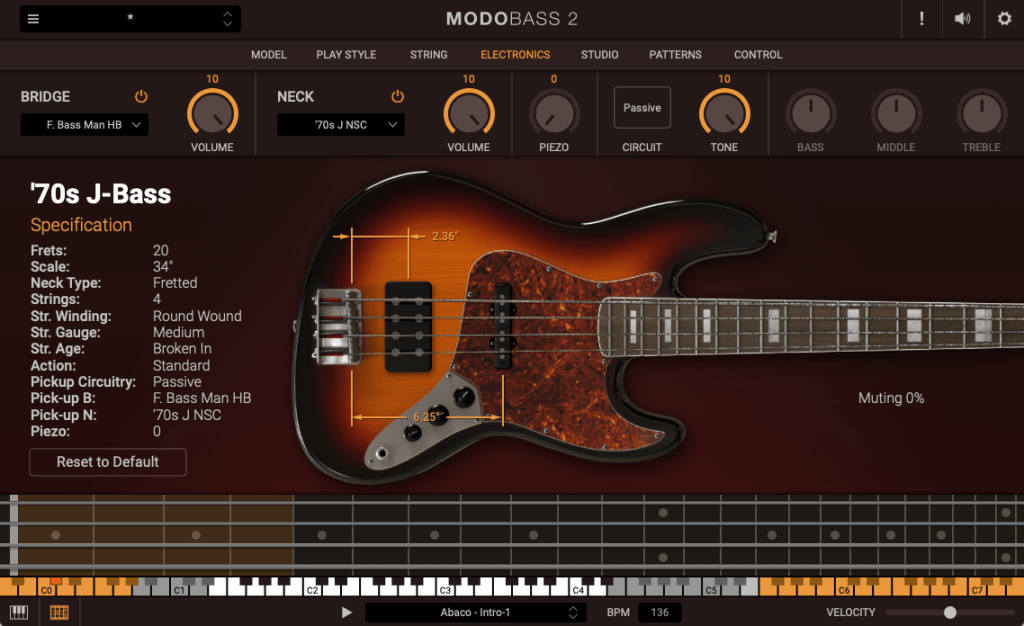
MODO Bass 2 uses physical modeling technology to recreate the physical structures and sound characteristics of various bass guitars. Unlike sample-based instruments, MODO Bass is incredibly lightweight yet still provides rich, realistic tones.
This plugin allows you to customize nearly every aspect of a bass guitar—pickup type and position, playing style, fret position, number of strings, and more. The sound quality holds up impressively, even with these vast customization options.
Its wide array of features makes it an excellent choice for both beginners and professionals. Whether you’re fine-tuning grooves or crafting intricate basslines, MODO Bass provides the flexibility and performance needed for any project.
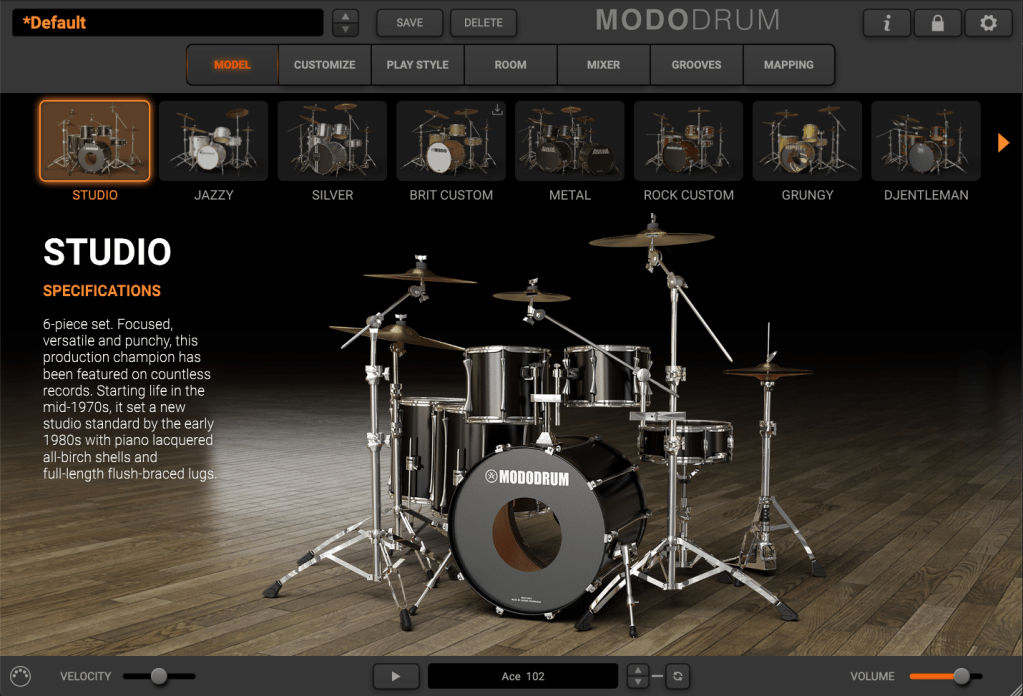
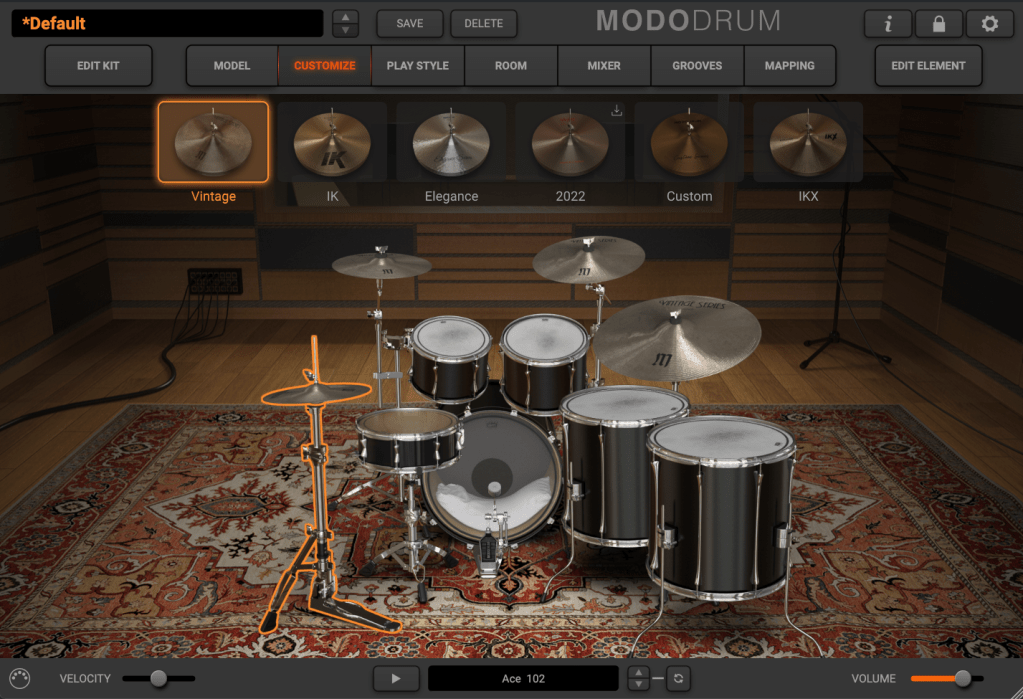
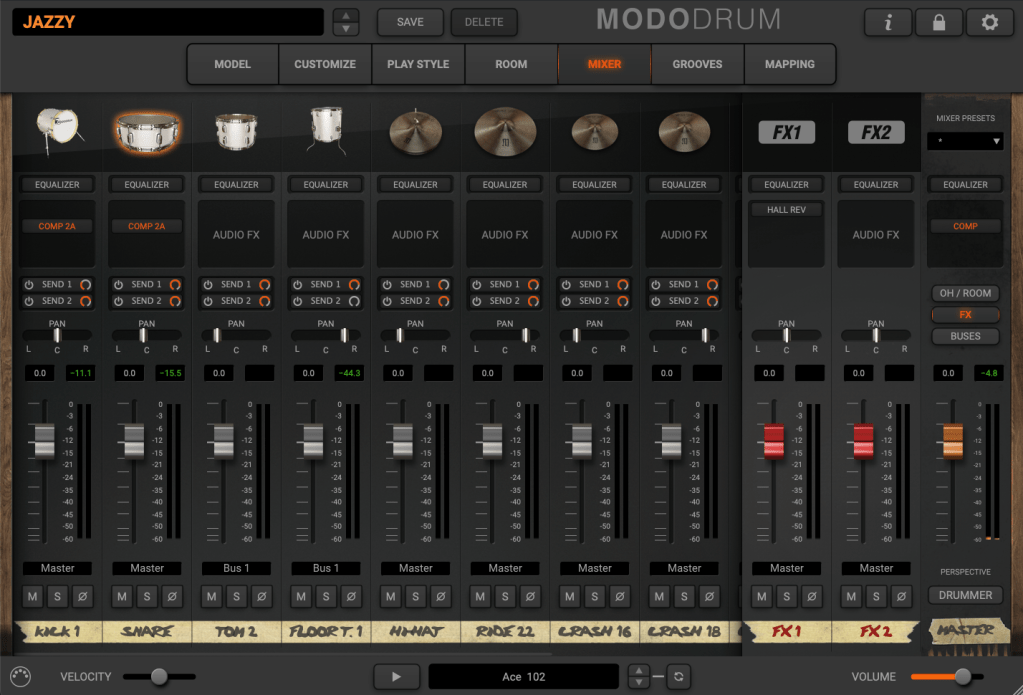
MODO Drum 1.5 is another physical modeling-based instrument, this time focused on acoustic drum kits. Its smaller file size compared to sample-heavy libraries reflects its modeling-based architecture.
When working with acoustic drum plugins, multiple factors must be considered:
Kit configuration: Decide on the instruments and arrangement.
Tone and timbre: Adjust parameters like attack, release, tuning, cymbal size, and stick type.
Mic placement: Balance close mics, overheads, and room mics for optimal sound.
MODO Drum simplifies mic placement by limiting multi-mic setups, which speeds up the process. It also allows real-time kit customization, such as altering kick or snare drum shapes to achieve desired tones.
While its presets may not be particularly inspiring, starting from scratch often yields better results. Customizing your own kits and settings within MODO Drum can help you create highly personalized and professional drum tracks.
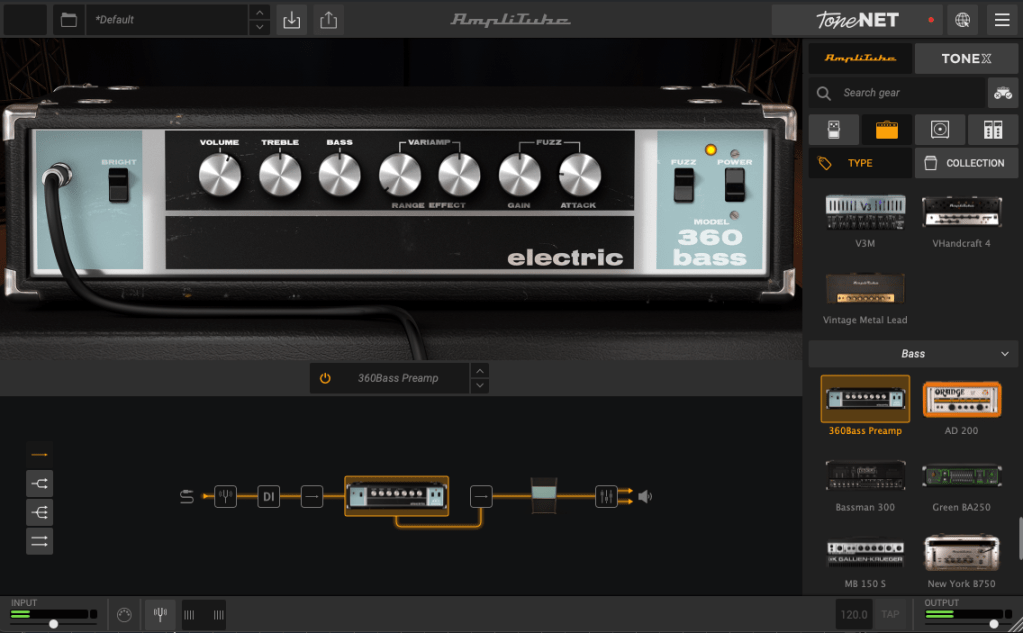
Amplitube 5 MAX v2 is already widely known and needs little introduction. In my opinion, it’s one of the most user-friendly and intuitive guitar effect and amp simulators available. Although I’m not a particularly skilled guitarist and primarily play acoustic rather than electric, I’ve found Amplitube 5 MAX v2 more than sufficient for creating tracks without any significant limitations.
It’s also great for bass amp and effect purposes, and pairing it with Modo Bass can deliver very satisfying results. Since it’s packed with so many features, it’s hard to go into detail about each one, but guitarists who are familiar with their gear will likely find everything they need here.
For bass users who might feel unsure about their setup, a simple configuration with a compressor in front and a preferred Ampeg amp model can often yield excellent tones.
2) Amplitube TONEX MAX
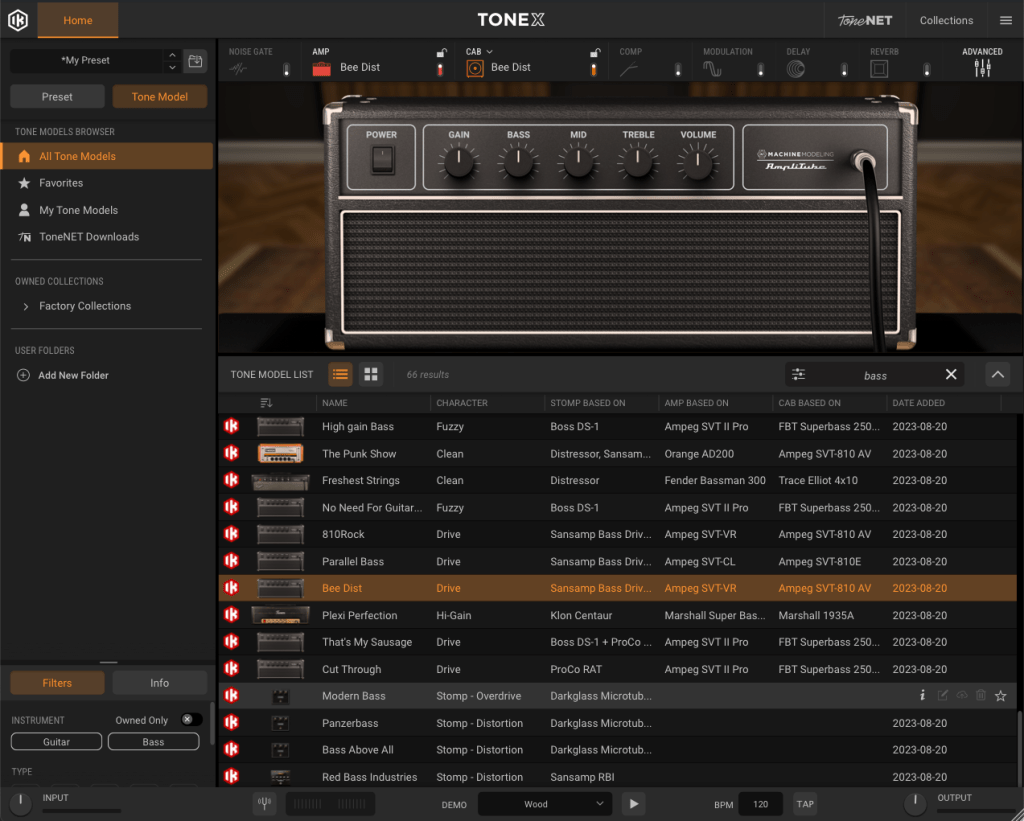
Amplitube TONEX MAX utilizes AI-driven machine modeling to replicate the sound of real amps, cabinets, and pedals. It integrates seamlessly with Amplitube 5 and also has a mobile app (TONEX App) for additional compatibility. In addition to the 1,150 professionally modeled tones offered by IK Multimedia, users can capture their own gear and upload it to ToneNET, where others can download and use it.
While the standalone TONEX plugin might feel slightly inconvenient or less streamlined, using TONEX within Amplitube 5 makes it much more accessible and easier to explore the diverse range of modeled tones available. For those willing to invest time into exploring and experimenting, it can be a powerful addition to their setup.
I’ve reviewed T-RackS 5 MAX v2 before and found it to be a solid mixing suite with many impressive tools. Over time, I’ve been particularly impressed by its tape simulation, which stands out for its quality. If you’re considering the Total Studio 4 MAX bundle, the mixing plugins alone make it a great value and justify the purchase. The wide array of features and tools in T-RackS 5 MAX v2 can significantly enhance your workflow and results.
2) ARC 3.5
ARC 3.5 is a room correction tool designed to optimize your monitoring environment. To use it, you need to perform measurements with a calibration microphone. While there are budget options like the Behringer ECM8000, I’d recommend the UMIK-1 or IK Multimedia’s own microphone for more accurate results, as these come with calibration files.
The measurement process involves capturing data across three layers (low, mid, high) with seven measurements per layer, which takes roughly 10 minutes in total. Once completed, the results can be saved and loaded into the ARC plugin within your DAW. For 2-way speaker setups, ARC 3.5 offers a straightforward and effective way to enhance your monitoring accuracy, though multi-subwoofer setups may require additional fine-tuning.
3) MixBox
MixBox is a plugin that consolidates 72 effects derived from T-RackS, AmpliTube, and SampleTank into a streamlined interface modeled after a 500-series rack. It allows you to build custom signal chains without needing to open multiple plugin windows, offering a more efficient and intuitive workflow for sound shaping.
4) Lurssen Mastering Console
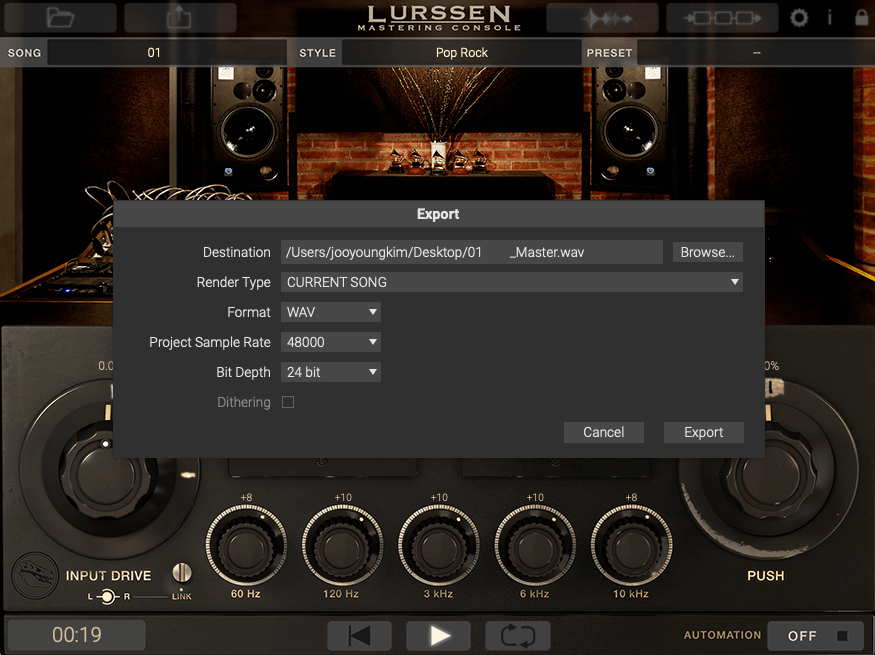
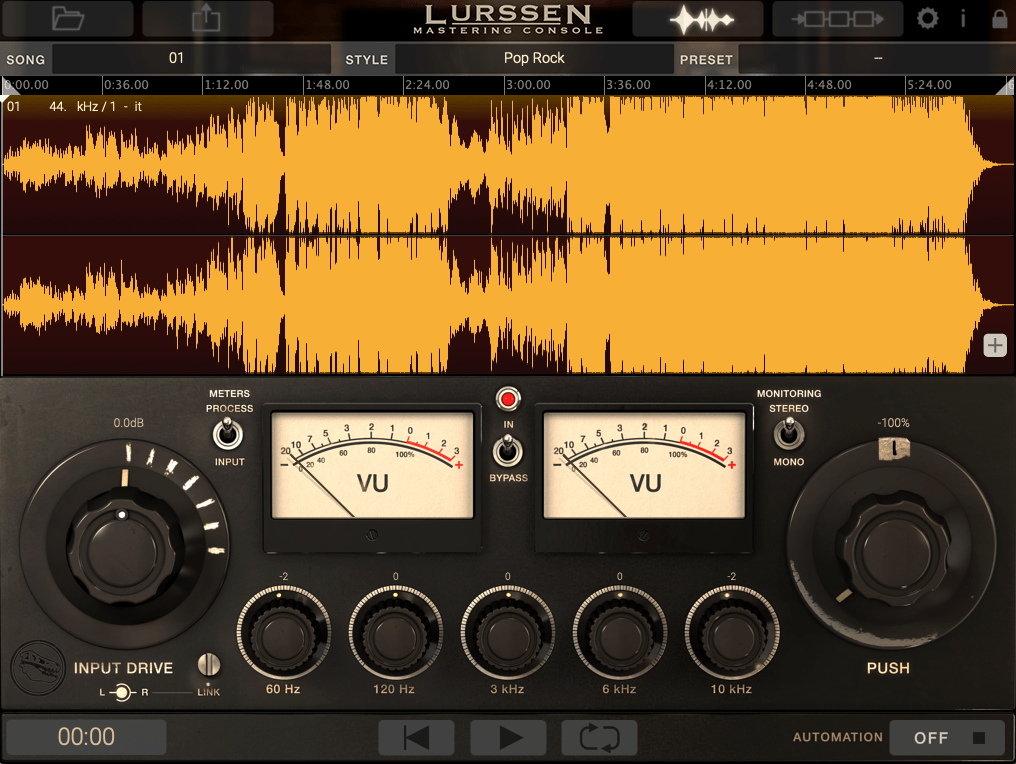
The Lurssen Mastering Console, developed in collaboration with Grammy-winning engineer Gavin Lurssen, is a mastering-focused plugin that combines multiple processes like compression, EQ, and saturation into a simplified interface. While it appears minimalistic, all essential parameters are working in the background, which can be confirmed via the signal chain view.
Interestingly, it also includes a standalone mode with automation support, effectively functioning as a dedicated mastering DAW. It’s a unique tool that’s easy to use yet capable of delivering professional results, making it a valuable addition for anyone focused on mastering.
This wraps up my introduction to IK Multimedia’s Total Studio 4 MAX bundle. It’s one of the best deals I’ve encountered recently, offering tools for everything from tone creation to mixing and mastering. I hope this overview helps you explore these plugins effectively—until next time!
Hello, I’m Jooyoung Kim, a mixing engineer and music producer.
This post is Part 3, focusing on other plugins (mixing tools or those that don’t fit neatly into earlier categories but are still highly recommended).
As with previous posts, I’ve partnered with Plugin Boutique, so plugins available on their platform will be linked accordingly. If you purchase through these links, I’ll earn a small commission, which helps me a lot. Thank you for your support!
Let’s dive right in!
1) Vocal Tuning Tools
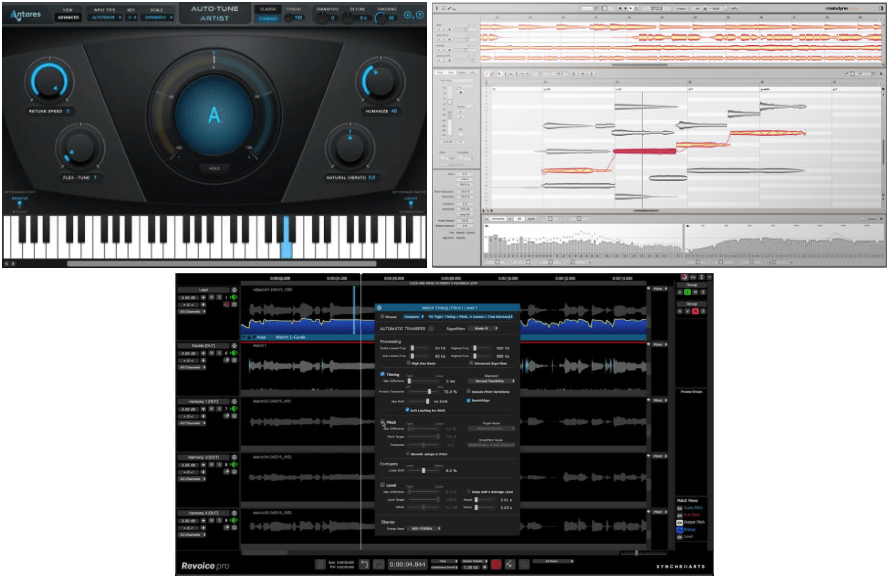
Three industry-standard vocal tuning tools dominate the market:
Antares Auto-Tune Pro 11 ($252.45): A powerful tool for manual pitch correction. With skilled adjustments, this plugin delivers highly natural-sounding results. Antares also offers various vocal processing plugins worth exploring.
Celemony Melodyne 5: Highly intuitive and fast for general tuning needs, though it lacks graphical pitch drawing capabilities. It’s my go-to plugin for vocal tuning. Multiple versions are available, but eventually, you’ll want the Studio edition. If you own a previous version, upgrading ($31.90) is most affordable. Otherwise, take advantage of the Black Friday deal ($327.80). Alternatively, you can start with Melodyne Essential ($53.90) and upgrade to Studio ($273.90) for the same cost.
Synchro Arts Revoice Pro 5 ($275): With an improved UI in version 5, it excels at aligning chorus and lead vocals, as well as matching timing and volume. It might take some getting used to, but it’s indispensable once mastered. Revoice’s specialized tools, Vocalign 6 Standard ($97.9) and Vocalign 6 Pro ($229.9), are also great for vocal alignment. Among the three, I recommend Revoice Pro 5 the most.
2) Analyzers & Plugin Diagnostic Tools
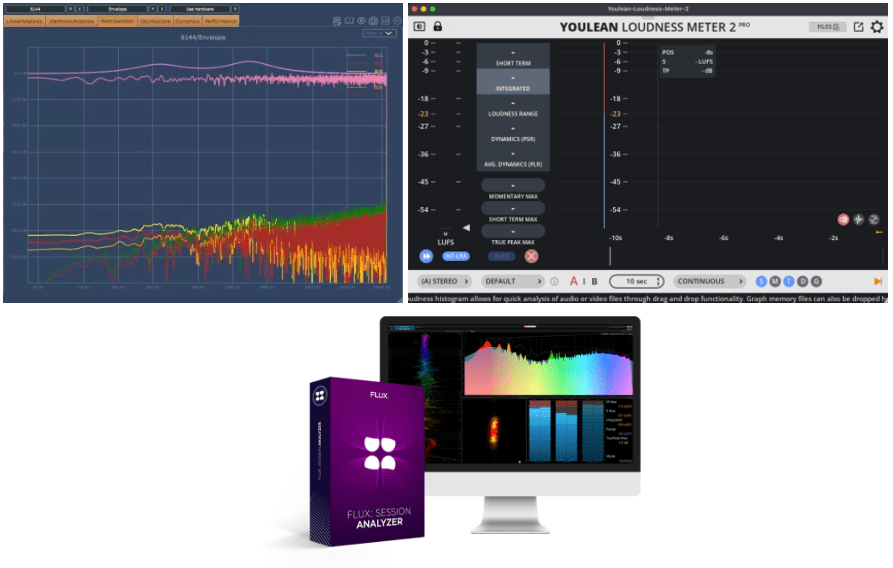
DDMF Plugin Doctor (~$30): An invaluable tool for analyzing and testing plugins or hardware. It helps you make informed decisions when buying plugins.
Yolean Loudness Meter ($29.7): A fantastic analyzer for measuring LUFS values. The free version is solid, but the paid version allows file-based loudness analysis. A reliable reference tool for mastering engineers.
Flux:: Session Analyzer (Studio Session Pack, ~$70): A versatile tool for analyzing multiple metrics simultaneously. It’s more cost-effective to buy the Studio Session Pack than individual tools. For advanced users, consider the Analyzer Essential ($478.8), which supports offline analysis and multichannel setups.
(Unfortunately, iZotope Insight 2 isn’t discounted yet, but it’s another excellent choice.)
3) Filters and Creative Effects
Moog MoogerFooger ($163.9): Moog is known for both synths and filters. This plugin bundle emulates the MoogerFooger pedals beautifully. If the full bundle feels expensive, consider smaller bundles: 4 plugins ($108.9) or 2 plugins ($60.5). I highly recommend the MF-101 Lowpass Filter ($31.9) as a must-have.
Denise Audio: Known for tools like the Motion Filter ($42.9) and other effects such as enhancers, gates, and saturators. The Motion Filter stands out for its unique capabilities.
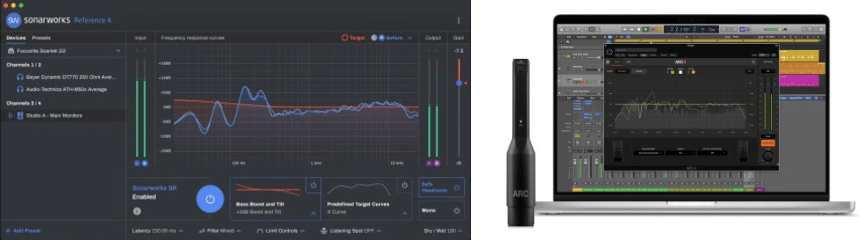
Sonarworks Reference 4: Adjusts frequency responses for speakers and headphones. While the bundled mic (Behringer ECM8000) has its critics, it’s still a useful tool for improving your monitoring environment.
Other tools like Dirac Live and Trinnov Audio Optimizer are popular in the hi-fi world, but they’re on the pricier side. Personally, I use an Earthworks M30 measurement mic with a routing program (Audio Storm LiveProfessor) to manage my dual subwoofer setup.
I’ve compiled as much information as I could over the past two days. There may be additional discounts on the actual day, so I’ll update this post if needed.
Hello! This is Jooyoung Kim, mixing engineer and music producer, and singer-songwriter.
Now, let’s dive into Part 2 – Virtual Instruments (Synthesizers, Sample-Based Instruments, Orchestration Tools).
As mentioned in Part 1, I’ve collaborated with Plugin Boutique for this guide. Links to products on Plugin Boutique will direct you there, while those unavailable on their platform will link to their respective websites or other discount pages.
Purchasing through Plugin Boutique links provides me with a small commission, which helps support my work. Your support is greatly appreciated!
This section is organized by instrument type for easier navigation.
Virtual Instruments
1) Acoustic Drums
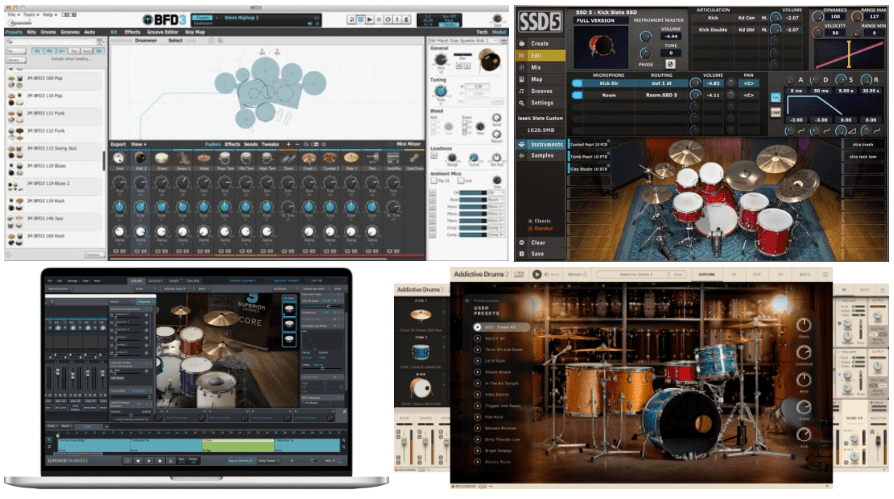
BFD3: My go-to acoustic drum plugin. While the initial setup might seem tricky, just a bit of knowledge about drum recording will let you create realistic drum tracks. At $42.9, it’s a steal! However, you’ll likely need to invest in some expansion packs for serious use.
SSD5.5: Another solid acoustic drum plugin. Currently priced at $49. It also requires expansion packs for full functionality. I used to use the free version back on Cubase 10 with Windows, though there were compatibility issues back then. These should be resolved now.
Superior Drummer 3: Although I haven’t used this personally, it’s a favorite among pop producers. It comes with a wealth of preloaded sounds but is quite pricey at €299 (Black Friday price).
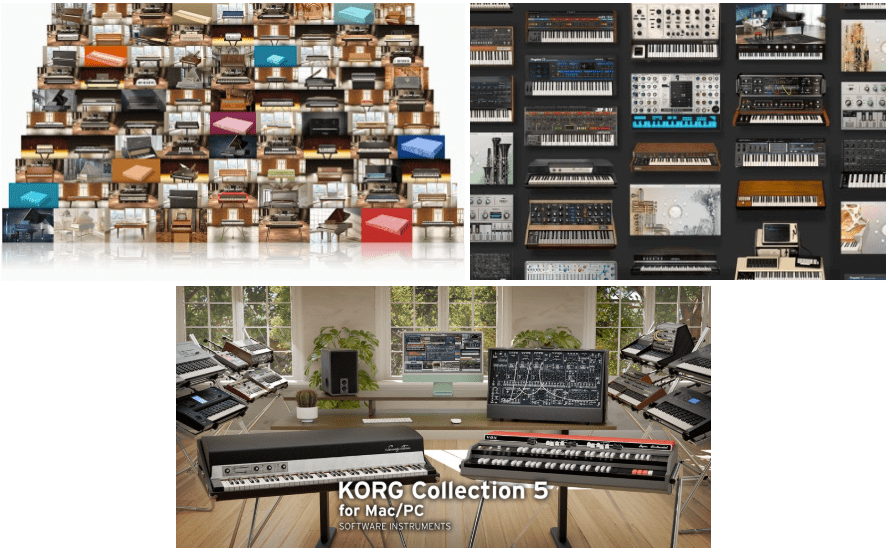
UVI Key Suite: Offers an extensive and diverse library of sampled pianos and synthesizers, surpassing even Keyscape. At $224, this is a great deal if you’re looking for an all-in-one bundle.
Arturia V Collection X: Arturia excels at emulating classic synthesizers. This collection features 39 instruments, including acoustic pianos (Piano V, with nine piano types), electric pianos, and synthesizers. Priced at $328.9, it’s worth exploring if you love classic sounds.
Korg Collection 5: This bundle includes 15 emulations of iconic Korg synthesizers and is priced at $328.9.
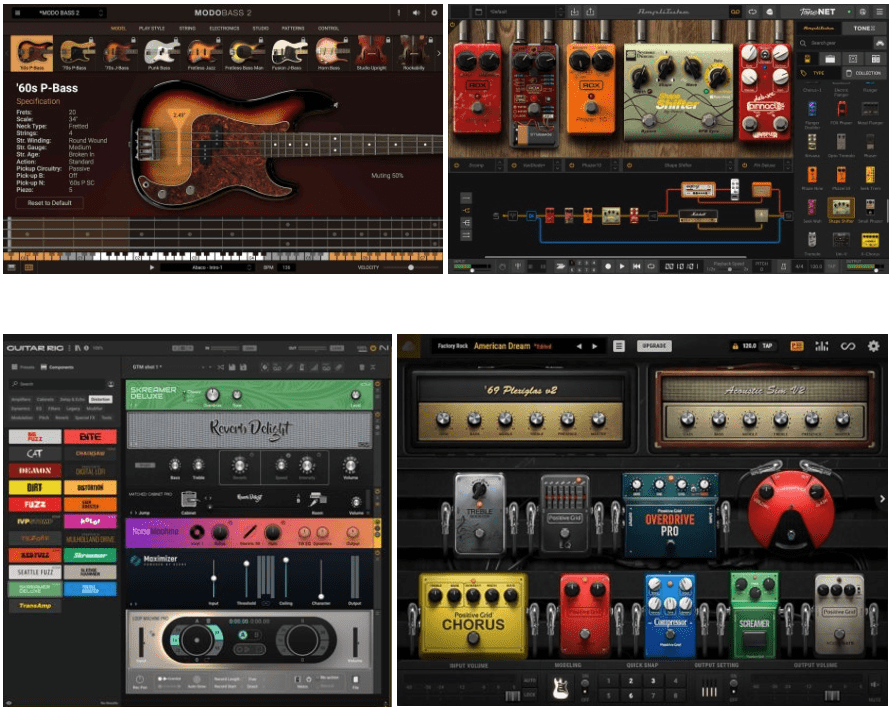
IK Multimedia Modo Bass 2: Instead of purchasing the bass plugin alone ($54.99), consider the IK Multimedia Total Studio 4 MAX bundle ($164.99) for better value. Many are transitioning from Trilian to this plugin, though I ended up buying a physical bass instead.
Scarbee Series: Decent bass libraries, but it’s better value to purchase them as part of Native Instruments Komplete during sales.
NI Guitar Rig 7 Pro: Another top-tier effects processor for guitarists. However, for composers, it’s wiser to wait for a Komplete sale rather than buying this standalone ($103.4).
Bias FX2: Widely used among guitarists. Currently 50% off at $149—definitely worth checking out.
Brainworx Guitar & Bass Bundle: Includes 24 amp models, 7 pedals, and various effects, all for $69.3. With 34 plugins in total, it’s an excellent value for its price.
Unfortunately, Trilian, the staple of bass virtual instruments, doesn’t seem to be on sale either. Perhaps closer to the day?
4) Strings & Orchestration Tools
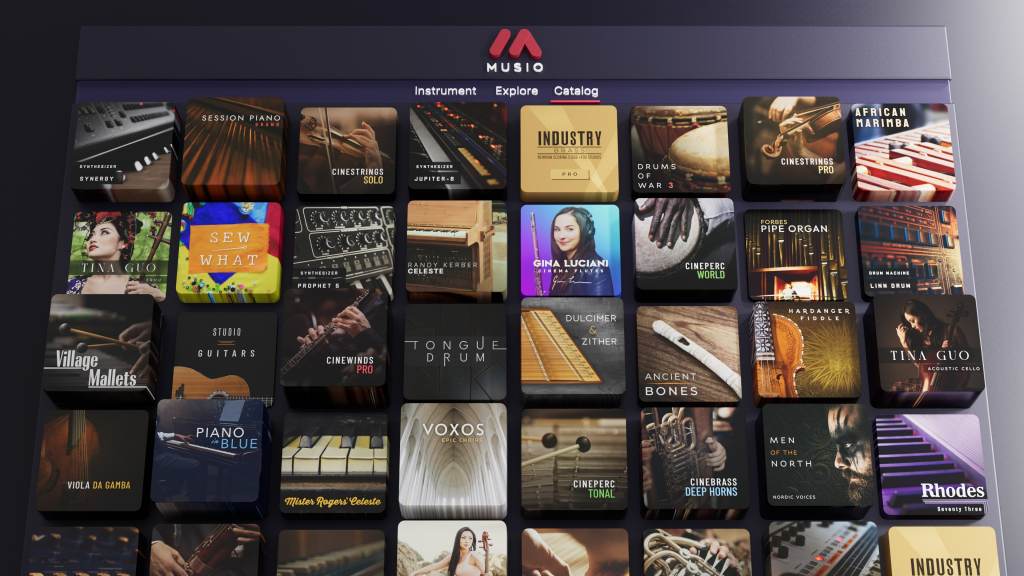
Musio 1: Amazing value! With over 80 instruments (including the iconic Cinesamples library) at $163.9, this is a no-brainer. Updates are ongoing, and though a “2” version may be on the horizon, this is still an unbeatable deal.
Spitfire Audio: A classic name in orchestration. Albion One is great for cinematic sounds, while Chamber Strings suits pop strings. BBCSO is excellent for classical vibes, and their Abbey Road and Studio series are worth exploring.
EastWest Sounds: Known for their Hollywood Orchestra OPUS Edition and Symphonic Orchestra. Their Pop Brass and Voices series are also excellent. Their ComposerCloud subscription is discounted at $149/year for Black Friday.
VSL (Vienna Symphonic Library): Produces ultra-realistic orchestral libraries with a steep price tag and a learning curve. Ideal for professionals dedicated to orchestration.
Orchestral Tools: A long-established brand, now offering 50% off. Their Berlin series is highly recommended.
Project SAM: Known for their Symphobia series, which is great for cinematic sound design. Symphobia 1 and 2 are staples, while 3 and 4 add more nuanced effects.
Audiobro: Popular for Korean pop strings, particularly the LA Scoring Strings series. They’re now pushing their Modern Scoring series as well.
Closing Thoughts
I wanted to include samplers or sound effects for video work, but I’m less familiar with these areas. I primarily use Logic’s built-in sampler and NI Battery. Also, since I play guitar myself, I didn’t cover virtual electric or acoustic guitars here.
Hopefully, this guide helps you navigate this year’s deals!
Stay tuned for the final part, covering effects plugins and miscellaneous tools—coming soon. Time to recharge before tackling the rest!













 Jooyoung's Music Blog