Hi! This is Jooyoung Kim, mixing engineer and music producer. Today, we’ll talk about digital cables and connectors. This article is based on my book “Basics of Mixing“, published in South Korea.
Let’s start!
In the previous post, I categorized digital cables into the following formats:
- AES/EBU (AES3)
- ADAT
- S/PDIF
- MADI
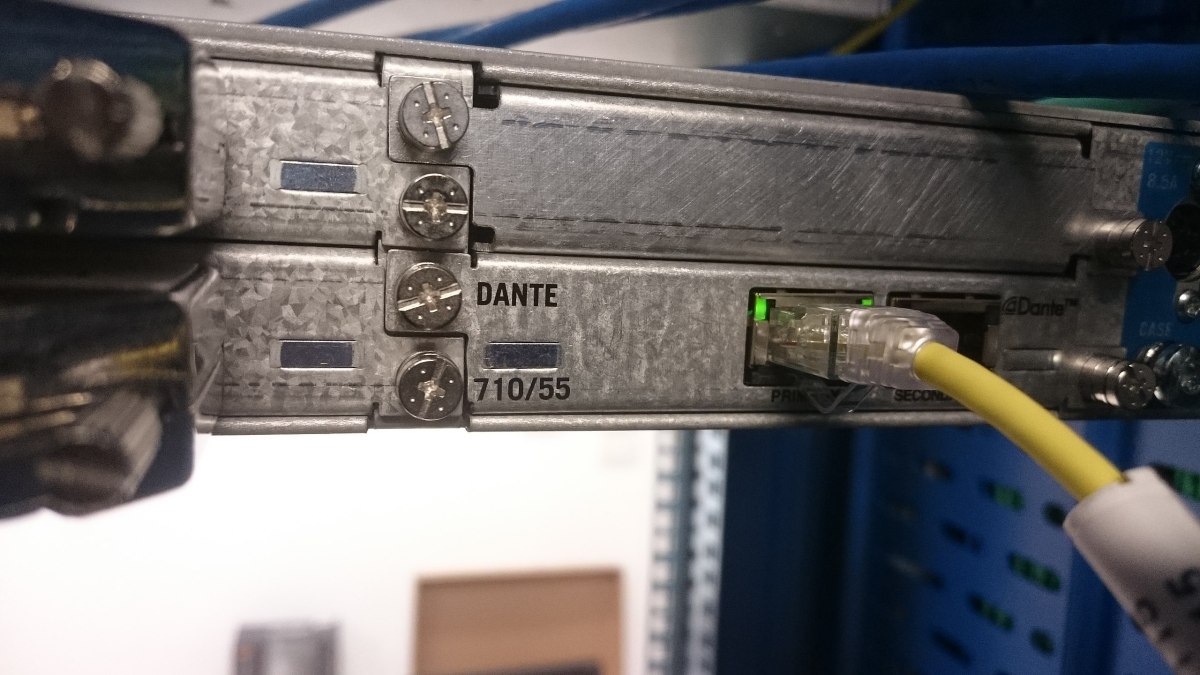
- Ethernet-based formats (e.g., UltraNET, CobraNet, Dante)
Now, let’s take a closer look at each of these.
AES/EBU (Audio Engineering Society/European Broadcasting Union, AES3)
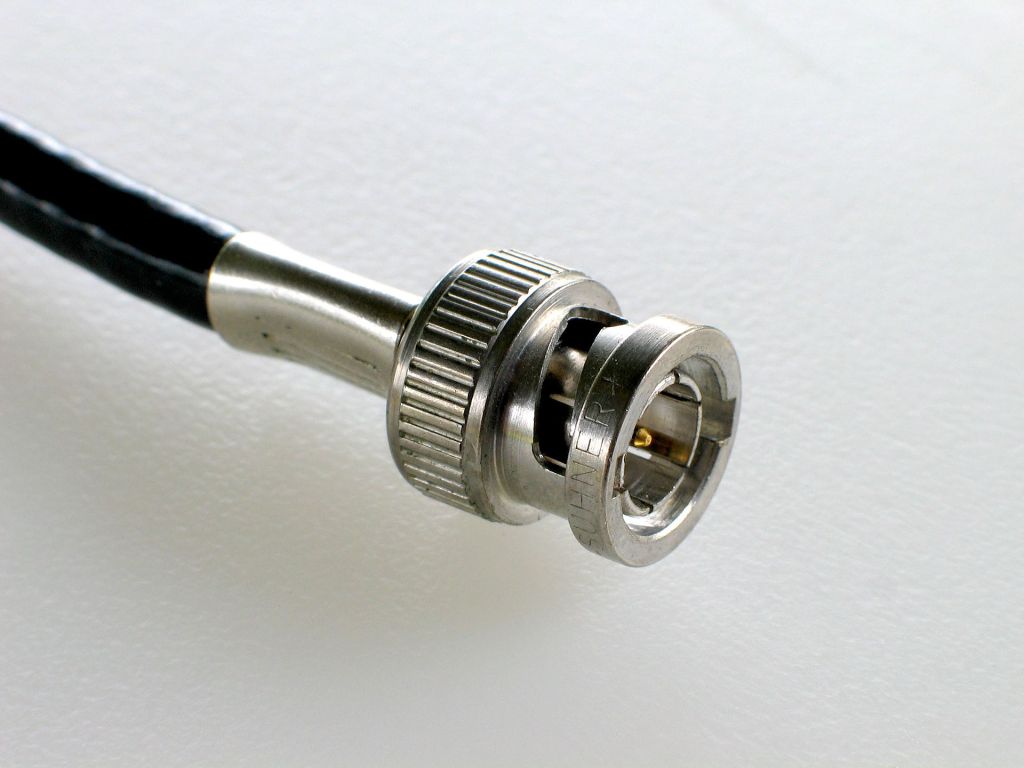

AES/EBU is a digital audio standard co-developed by the Audio Engineering Society (AES) and the European Broadcasting Union (EBU). It is also defined under the IEC 60958 standard.
This format is compatible with S/PDIF and utilizes XLR and BNC coaxial connectors.
- When using XLR connectors, a balanced cable with an impedance of 110 ohms is required.
- When using BNC connectors, an unbalanced cable with an impedance of 75 ohms is used.
AES/EBU supports up to 24-bit audio with a maximum sampling rate of 192 kHz for 2-channel stereo.
ADAT Lightpipe (Alesis Digital Audio Tape)
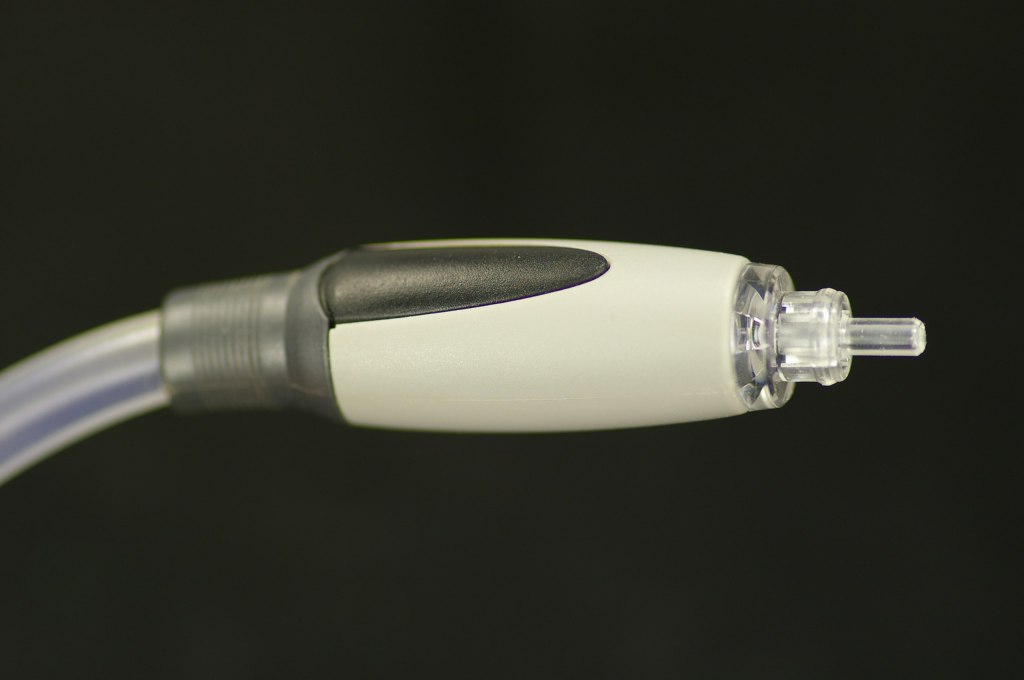
ADAT, short for Alesis Digital Audio Tape, was developed by Alesis to transfer digital signals.
This format uses optical fiber for signal transmission and connects via Toslink connectors.
It supports:
- Up to 8 channels at 44.1 kHz or 48 kHz,
- 4 channels at 88.2 kHz or 96 kHz,
- 2 channels at 176.4 kHz or 192 kHz.
S/PDIF (Sony/Philips Digital Interconnect Format)
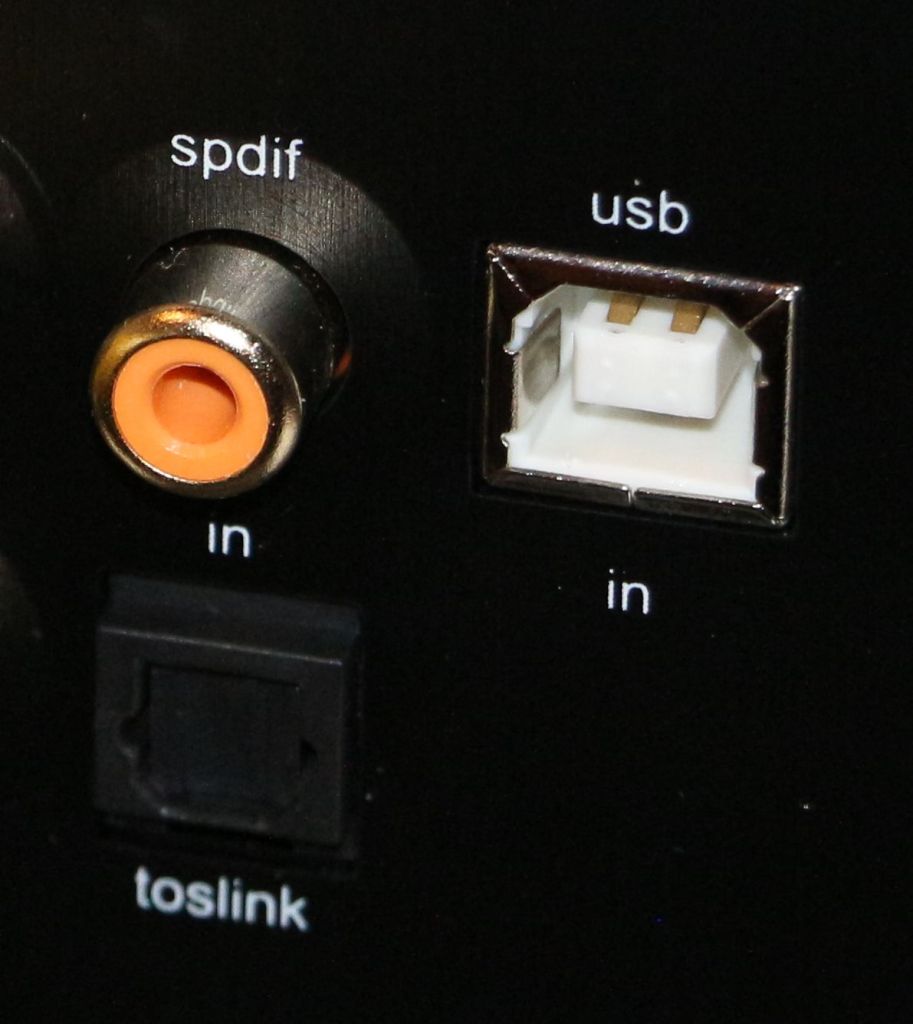
S/PDIF is also defined under the IEC 60958 standard and serves as the consumer version of AES/EBU, maintaining compatibility with it.
It uses RCA coaxial connectors and Toslink connectors.
- With RCA connectors, an unbalanced cable with 75-ohm impedance is required.
S/PDIF supports a maximum of 24-bit audio at 192 kHz for up to 2 channels.
MADI (Multichannel Audio Digital Interface)
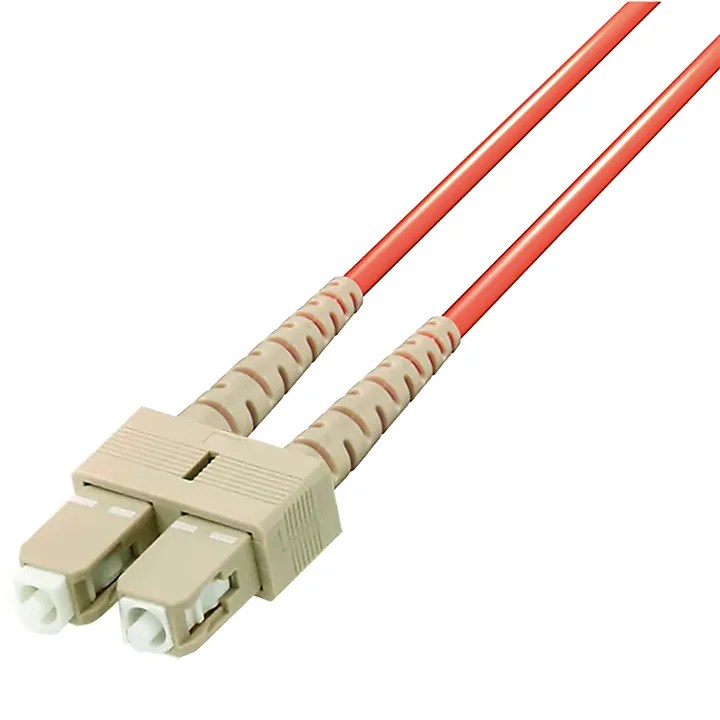
MADI is defined under the AES10 standard and uses coaxial cables (75 ohms) or optical fiber for transmission.
- With coaxial cables, it supports distances of over 100 meters.
- With optical fiber, it can reach up to 2 kilometers.
Typically, MADI can transmit:
- 64 channels at 32 kHz–48 kHz with a bit depth of 24 bits per channel,
- Higher sample rates (e.g., 96 kHz or 192 kHz) by combining multiple channels.
Ethernet-based Formats
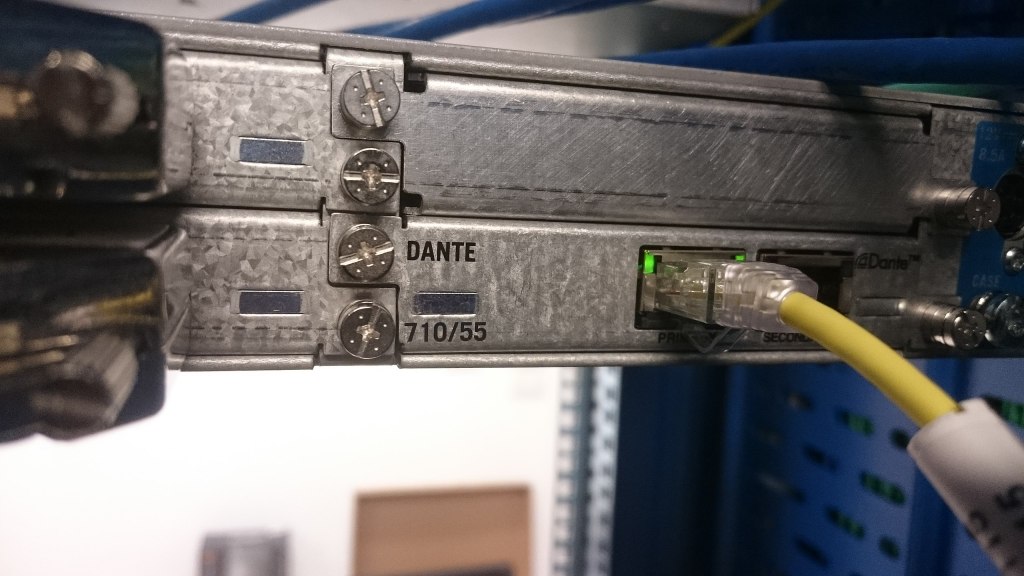
There are various standards that utilize Ethernet cables, with Dante being one of the most prominent.
- Dante can transmit up to 1,024 channels at 192 kHz, with a maximum bit depth of 32 bits.
Due to its scalability and cost-efficiency, Ethernet-based formats are often used in large-scale studio setups.
That wraps up the basics of digital cables and connectors!
Nowadays, many people work with just an audio interface and a mic preamp, so it’s common for digital cable standards to be overlooked. However, understanding these formats is crucial when purchasing digital equipment.
Being aware of the available formats and connectors can save you from the frustration of buying incompatible equipment.
Remember: a little knowledge now can save a lot of headaches later!
See you in the next post! 😊
 Jooyoung's Music Blog