Hello, everyone! I’m Jooyoung Kim, an audio engineer and music producer.
Today, we’ll dive into saturation and its role in mixing.
This post is based on my book, Basics of Mixing, written for a Korean audience.
https://product.kyobobook.co.kr/detail/S000214306169
Let’s get started!
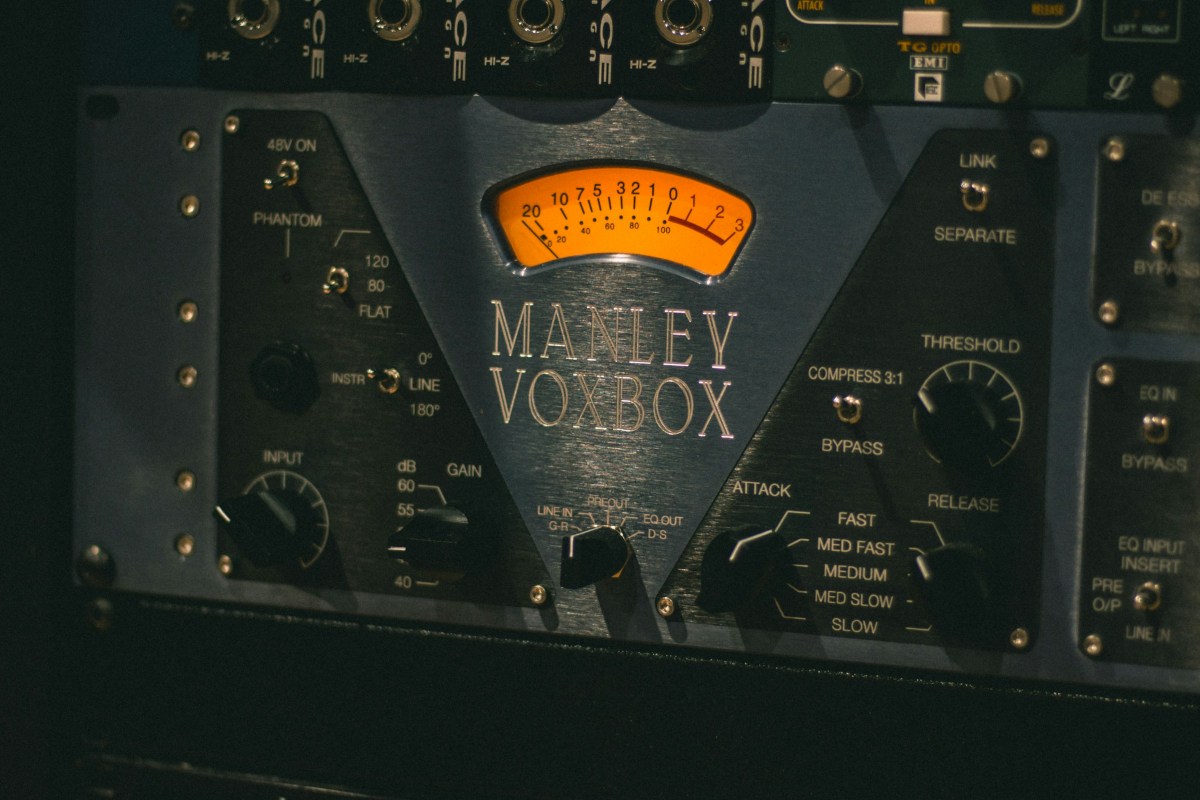
In previous posts, we explored why certain hardware adds color to the sound.
Software emulations of hardware are programmed to replicate these tonal characteristics. However, due to a phenomenon known as aliasing in digital audio, the results aren’t always identical.
Thus, software can’t completely replace hardware. In fact, it’s better to consider them as entirely different tools.
Even hardware units of the same model have subtle variations, and software characteristics differ depending on the developer.

Mixing engineers often own multiple emulations of the same hardware for this reason.
For instance, I use several LA-2A emulations, each with its unique character:
- UAD – For adding sparkle to the high end
- Waves – To slightly lower the position and soften the tone
- IK Multimedia – For a more transparent sound
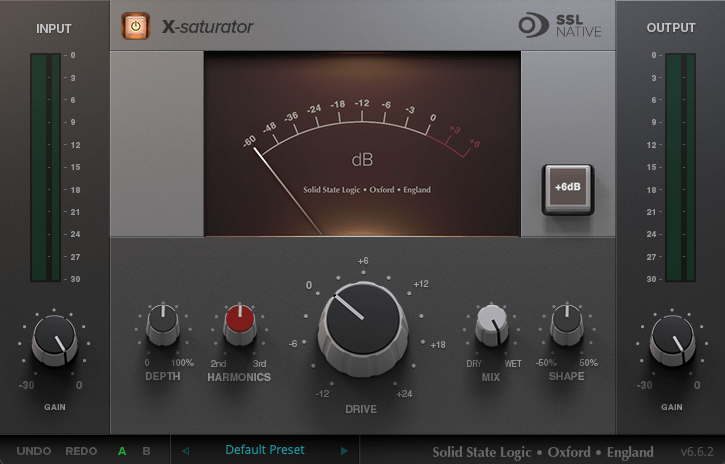
Some SSL hardware includes knobs labeled 2nd Harmonics and 3rd Harmonics to add harmonic saturation.
The SSL X-Saturator plugin replicates these features, allowing users to add harmonics independently.
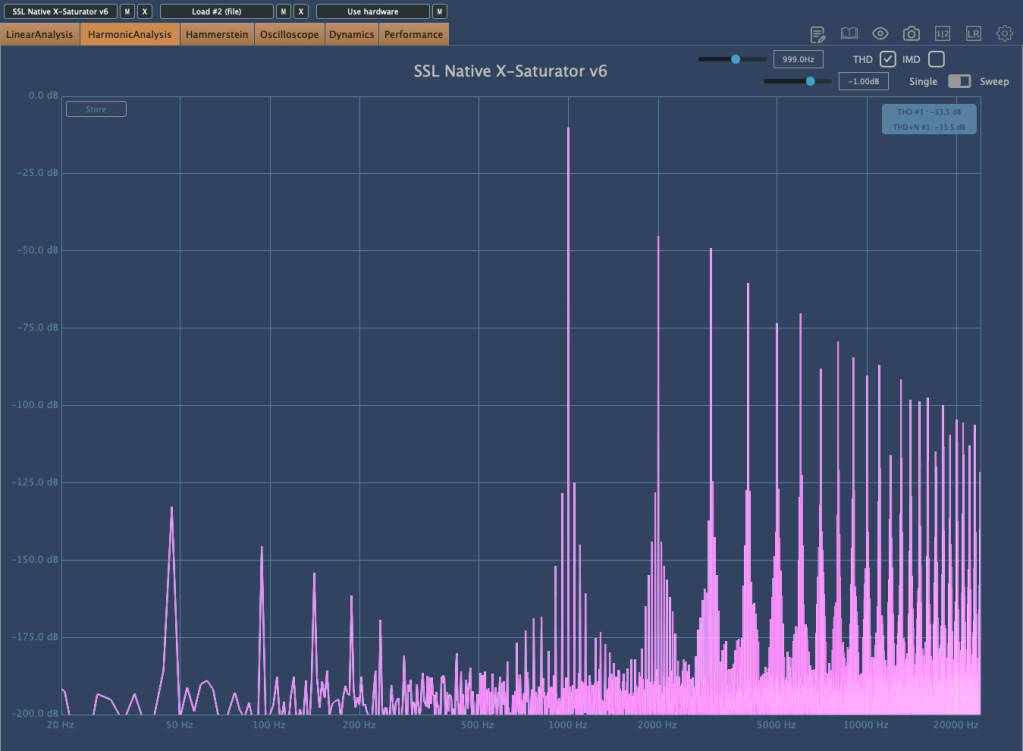
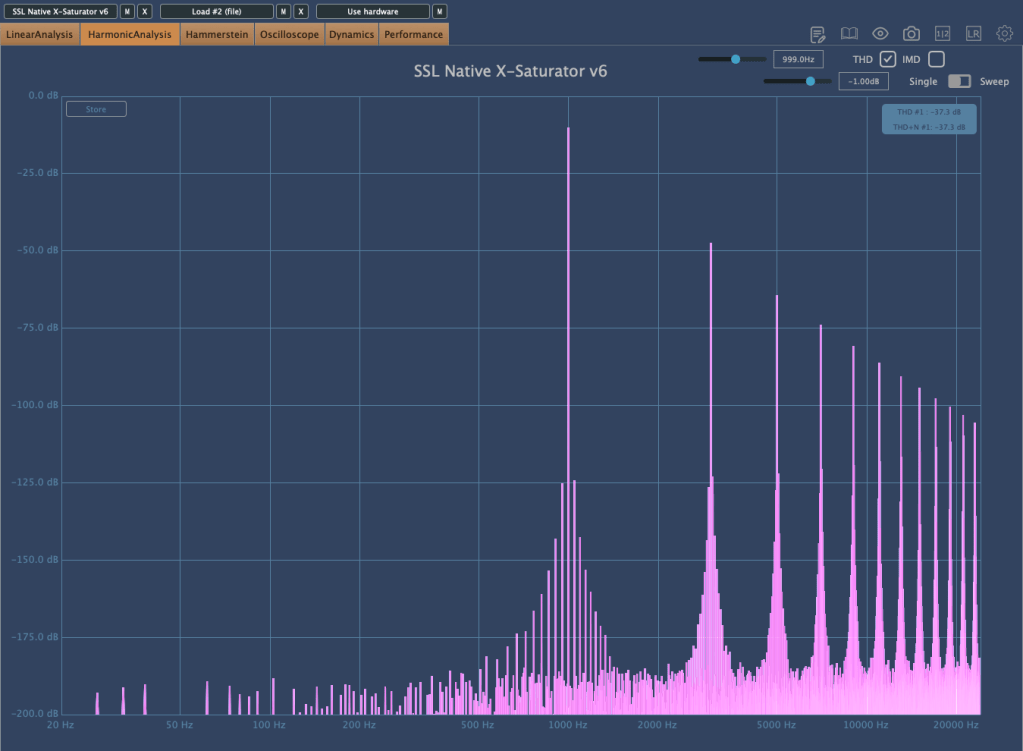
Upon analysis, the plugin shows that:
- 2nd Harmonics boosts both odd and even harmonics
- 3rd Harmonics emphasizes odd harmonics only
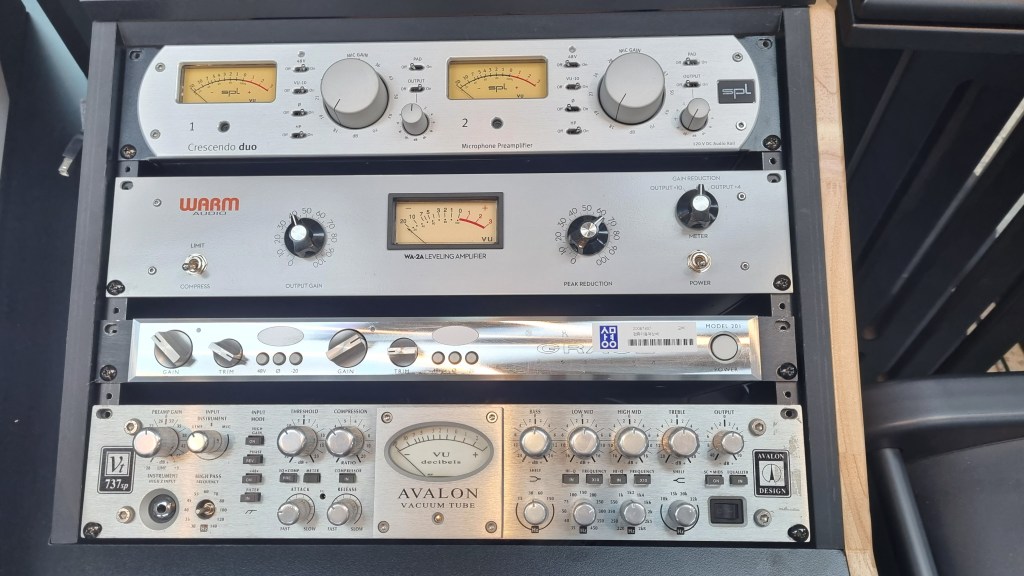
The same logic applies to microphones and mic preamps.
- Neve and API preamps are beloved for their bold color.
- Grace Design and Millennia preamps are praised for their clean, subtle coloration.
While minimal coloration is ideal for playback systems, some listeners still prefer the warmth of analog mediums like LPs and tape.
Similarly, tube amplifiers were standard before transistors and remain popular for their unique sound, even in speakers.
Though such choices aren’t ideal for professional engineering work, understanding consumer preferences is important point too.
Conclusion
- Understand how each piece of gear applies saturation to your source.
- Think about how to use that saturation effectively in your mix.
Hope this post clarified things for you. See you in the next one!
 Jooyoung's Music Blog