Basics of Mixing – 14.1 Pre-Mastering Audio

Hi! This is Jooyoung Kim, mixing engineer & music producer.

Before, we talked about hardware. Today, I’ll begin by introducing mastering. This article is based on my book, Basics of Mixing, published in South Korea.

Let’s dive in!

What is Mastering?

Why do we master audio?

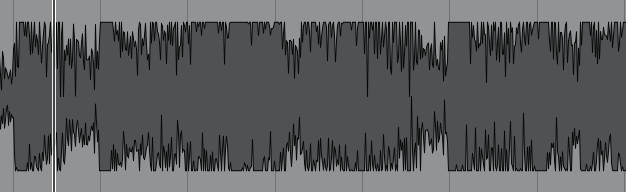
  1. The loudness of mixed music is too low
  2. So gain more volume for the mixed music, maintaining the instruments’ balance

Of course, mastering involves many aspects. You can easily understand mastering with the two sentences above.

Simply put, mastering is the final step in music production. It can also be described as packaging the mixed music. The package does not change after mastering.

Room acoustics are the most important factor in building a mastering studio. Also, great quality ADC(Analog-Digital Converter)/DAC(Digital-Analog Converter), speakers and hardware are necessary too.

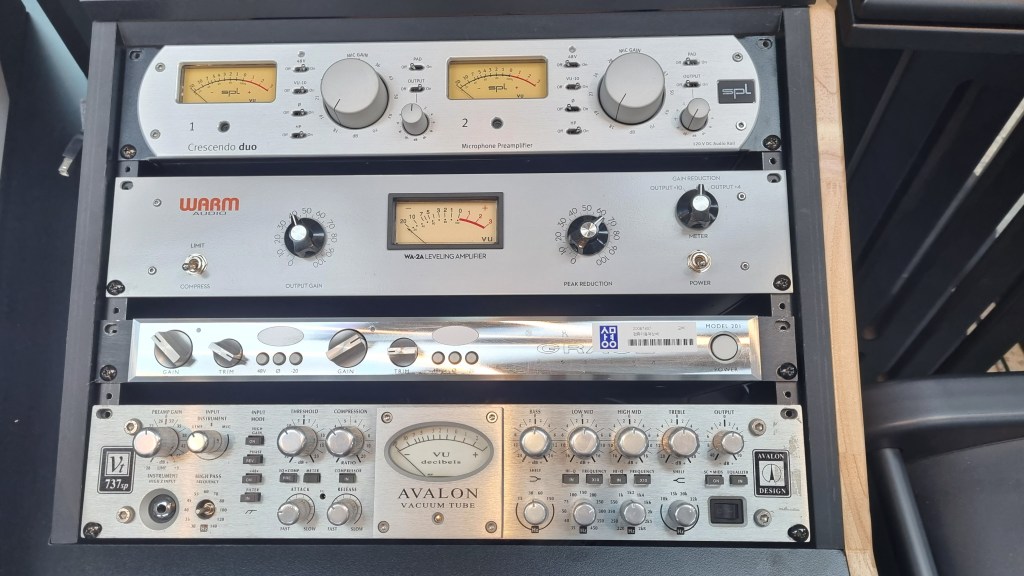
Building a mixing studio is also expensive. However, in mixing studio, audio hardwares take quite large volumes-they make room acoustics worse.
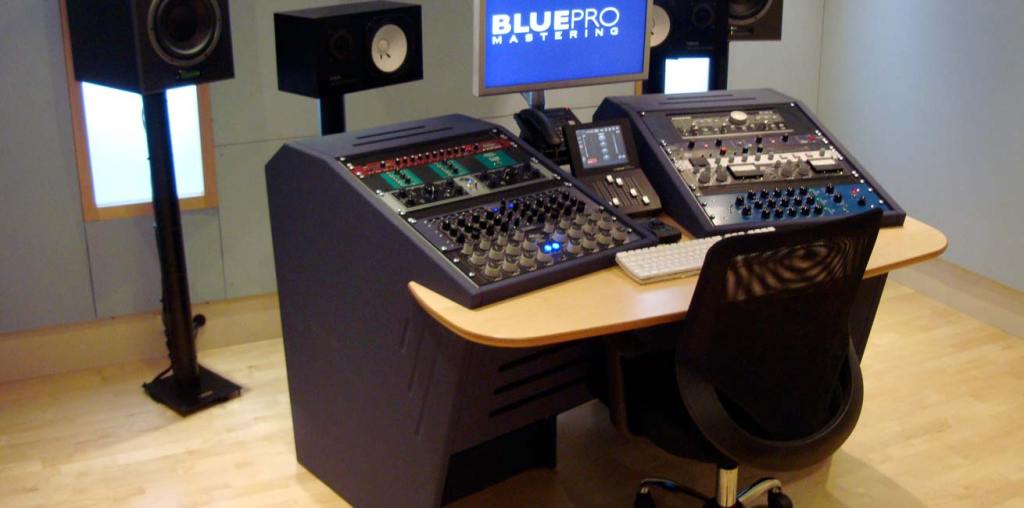
A desk with hardware may look good and fancy, but it takes up a lot of space. This can lead to comb-filtering effects. Removing the desk is a great solution, but as you know, it’s easier said than done..

One more thing, a mixing engineer listens to a song too many times, making it hard for them to recognize problems. Therefore, when you need to master a song or an album, I recommend hiring a mastering engineer.

Nevertheless a mixing engineer should provide a louder monitor file to clients than the mixed file. Due to budget constraints, mixing engineers sometimes have to master their own files.

In this chapter, for those situations, I’ll talk about the process and concepts about mastering.

The full details start next post! 🙂
Basics of Mixing – 9.5 Why Use Gear with Saturation?

Hello, everyone! I’m Jooyoung Kim, an audio engineer and music producer.
Today, we’ll dive into saturation and its role in mixing.

This post is based on my book, Basics of Mixing, written for a Korean audience.

https://product.kyobobook.co.kr/detail/S000214306169

Let’s get started!


In previous posts, we explored why certain hardware adds color to the sound.

Software emulations of hardware are programmed to replicate these tonal characteristics. However, due to a phenomenon known as aliasing in digital audio, the results aren’t always identical.

Thus, software can’t completely replace hardware. In fact, it’s better to consider them as entirely different tools.

Even hardware units of the same model have subtle variations, and software characteristics differ depending on the developer.

During a recent visit to my professor at Yonsei University’s music department recording studio, I noticed they’d added a Millennia Preamp and CL-1B to their Avid MTRX Studio setup. Quite the setup—if only I could afford it!

Mixing engineers often own multiple emulations of the same hardware for this reason.

For instance, I use several LA-2A emulations, each with its unique character:

  1. UAD – For adding sparkle to the high end
  2. Waves – To slightly lower the position and soften the tone
  3. IK Multimedia – For a more transparent sound

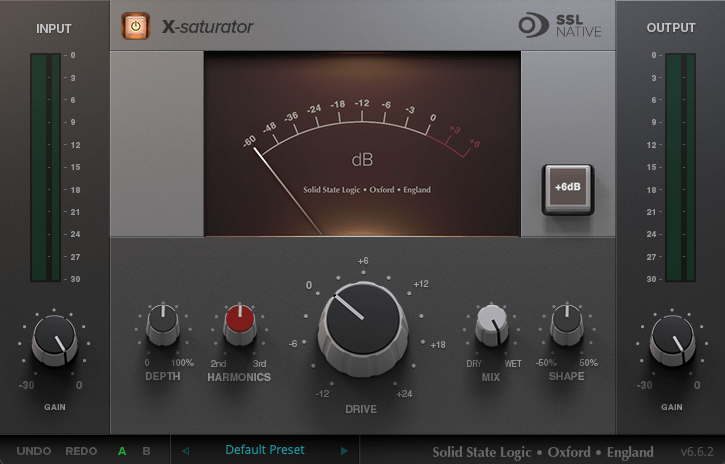
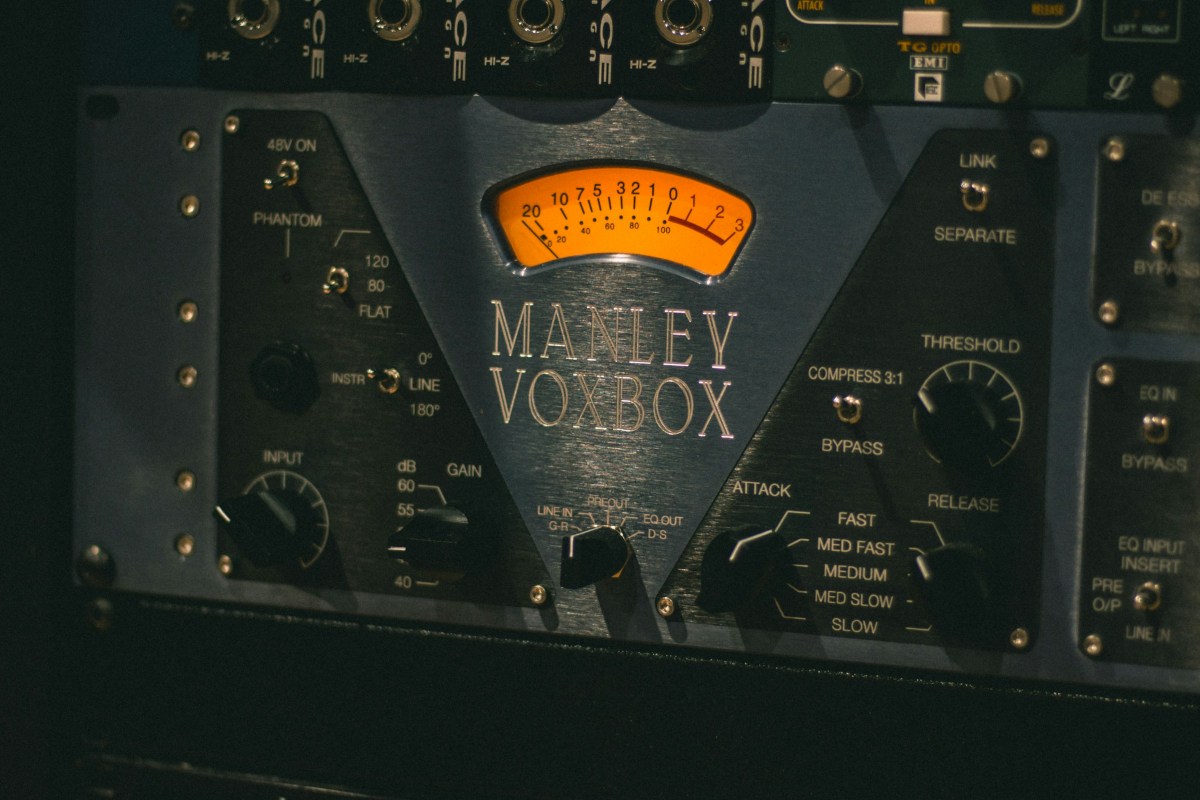
Some SSL hardware includes knobs labeled 2nd Harmonics and 3rd Harmonics to add harmonic saturation.

The SSL X-Saturator plugin replicates these features, allowing users to add harmonics independently.

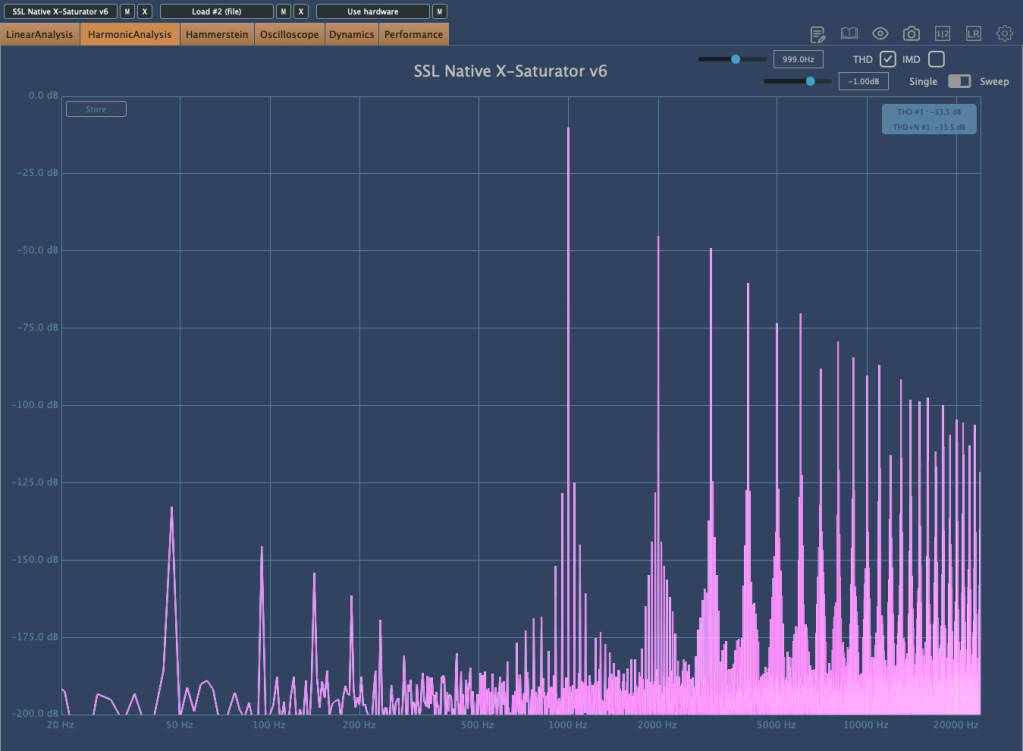
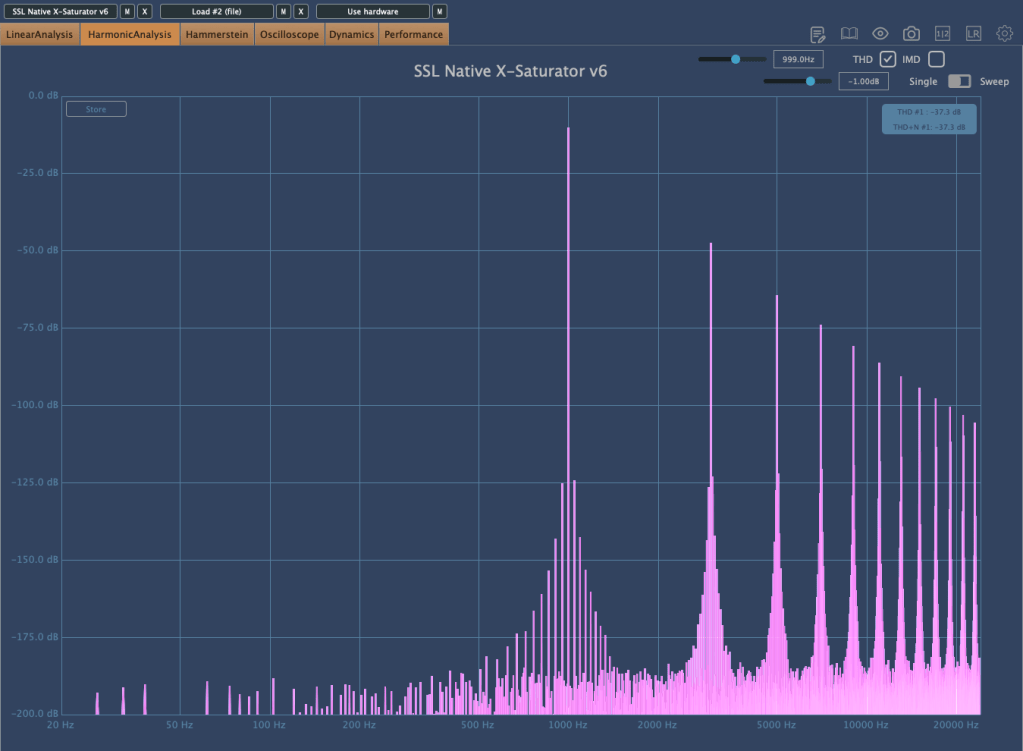
Upon analysis, the plugin shows that:

  • 2nd Harmonics boosts both odd and even harmonics
  • 3rd Harmonics emphasizes odd harmonics only

The same logic applies to microphones and mic preamps.

  • Neve and API preamps are beloved for their bold color.
  • Grace Design and Millennia preamps are praised for their clean, subtle coloration.

While minimal coloration is ideal for playback systems, some listeners still prefer the warmth of analog mediums like LPs and tape.

Similarly, tube amplifiers were standard before transistors and remain popular for their unique sound, even in speakers.

Though such choices aren’t ideal for professional engineering work, understanding consumer preferences is important point too.


Conclusion

  1. Understand how each piece of gear applies saturation to your source.
  2. Think about how to use that saturation effectively in your mix.

Hope this post clarified things for you. See you in the next one!