Hello, this is Jooyoung Kim, an engineer and music producer.
Today, we’ll discuss the basic principles of how a compressor works.
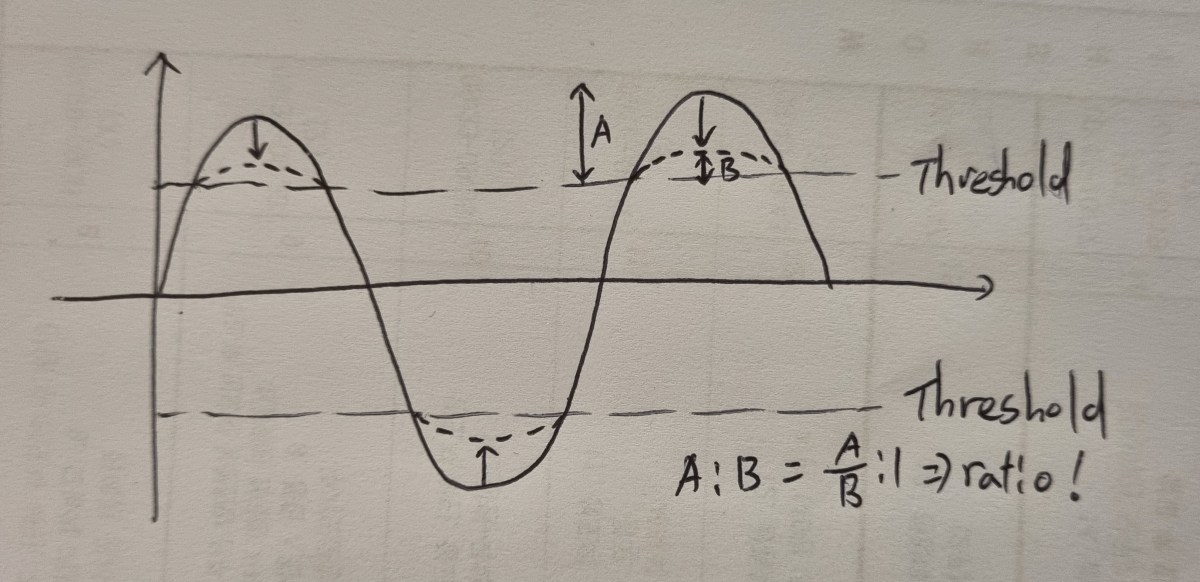
A compressor is a device that reduces sounds exceeding a set volume threshold by a certain ratio.
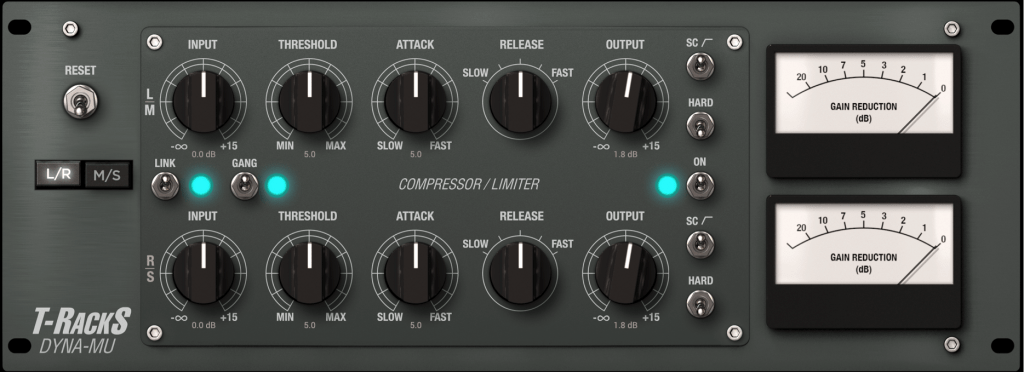
You can set how quickly the compressor reacts when the sound exceeds the threshold (Attack) and how quickly it stops compressing when the sound drops below the threshold (Release).
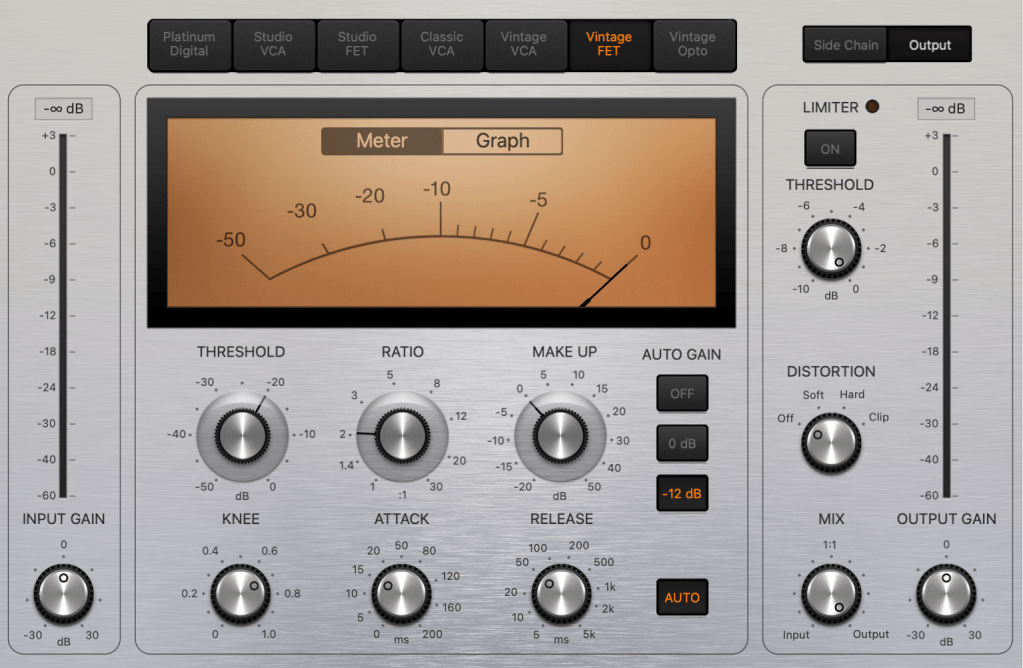
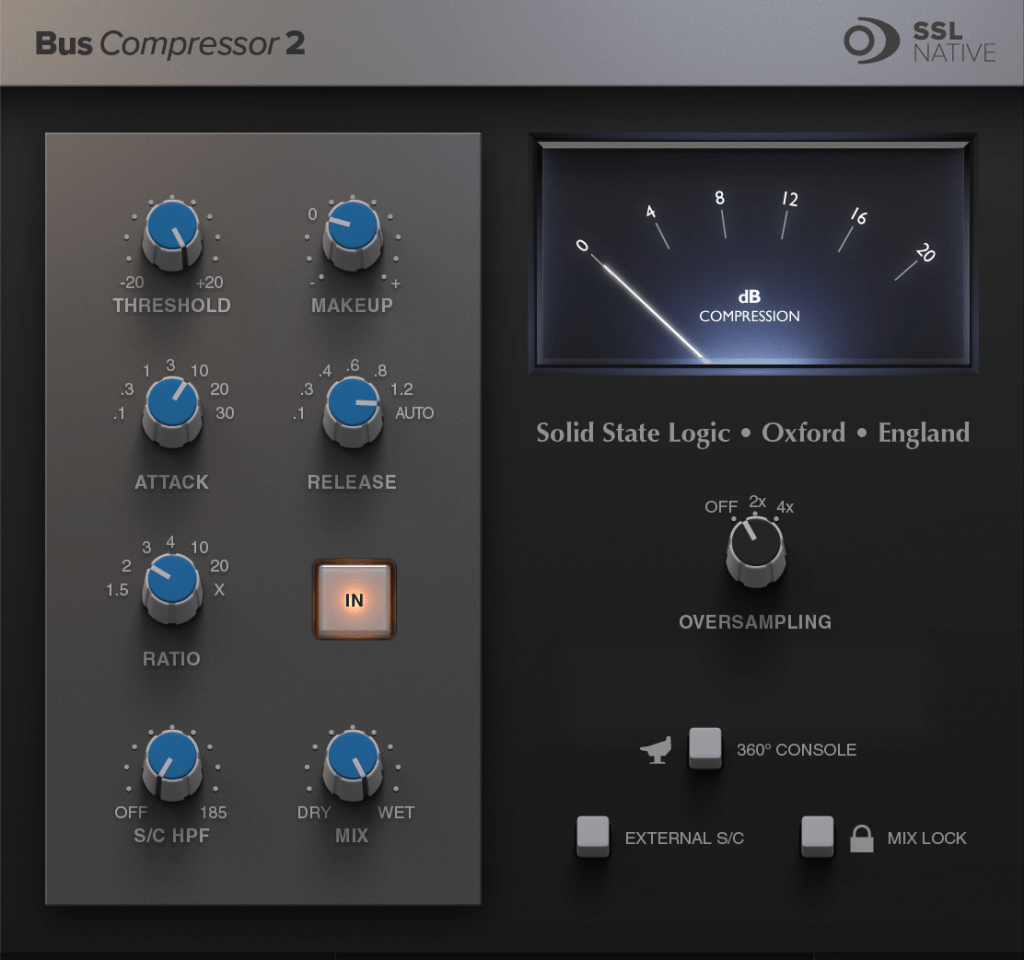
The four basic parameters of a compressor are Threshold, Ratio, Attack, and Release. By making louder sounds quieter and leaving quieter sounds as they are, a compressor helps to level out the volume.
Compressed sounds tend to become quieter. Therefore, to match the volume back to the original level, you use the Output Gain parameter.
Many compressor plugins have an Auto Gain feature that automatically adjusts the volume, but in my experience, none of them have worked well enough. So, if your compressor has an Auto Gain feature, it’s best to turn it off.
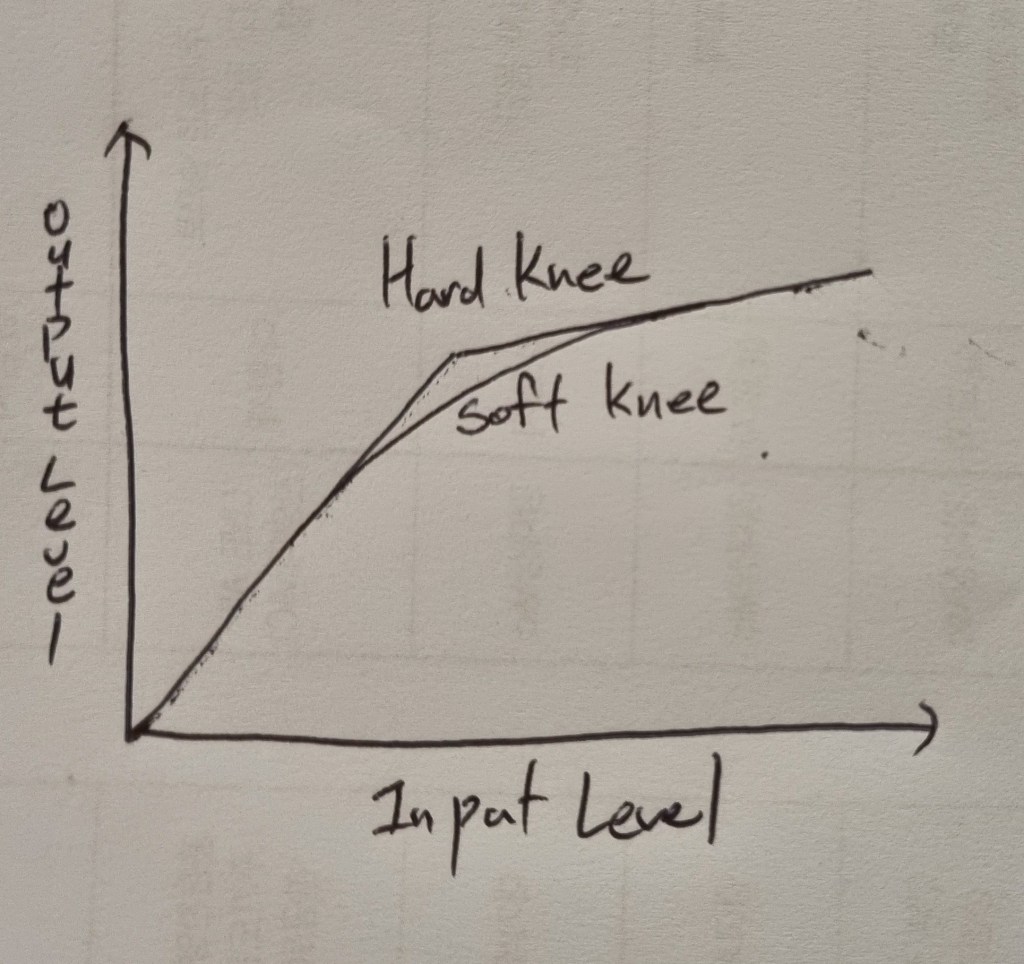
Another setting to consider is the Knee. Hard Knee means the compressor kicks in immediately once the threshold is exceeded, while Soft Knee allows for a more gradual compression as the sound approaches the threshold.
This covers the most basic operation and usage of a compressor.
However, just explaining the parameters and telling you to try them out isn’t enough guidance, right?^^;;

For example, the classic compressor LA-2A has a fixed ratio of 4:1.

Similarly, most versions of the 1176 compressor (excluding the AE version) start with a minimum ratio of 4:1. Starting around these settings can be a good approach.
The appropriate threshold setting varies greatly depending on the desired effect. If you’re new to this and have no idea where to start, try aiming for a Gain Reduction of around -3dB.
Other considerations include:
- Setting a fast Attack can change the transient feel of the sound, affecting the instrument’s groove.
- Setting a fast Release can cause the sound to pump as it recovers quickly.
Each instrument and sound source is different, so there’s no one-size-fits-all guide. Additionally, many compressors include saturation, which adds coloration to the sound, so various factors need to be considered.
Still, it’s important to start experimenting! By testing out different compressors, you’ll begin to understand which settings work best in different situations.
In the next post, we’ll look at the different types of compressors. Understanding their characteristics will give you a better grasp of how to use them effectively.
See you in the next post!

 Jooyoung's Music Blog