
Hello, everyone! This is Jooyoung Kim, mixing engineer and music producer.
If you’ve been following along with the previous posts, you already have enough knowledge to start mixing. The rest comes down to practice.
I skipped over automation because it’s something you really need to experiment with hands-on. Whether it’s volume automation or parameter automation, try as many creative approaches as possible!
Starting from Chapter 11, we’ll move into more advanced applications.
Today, let’s talk about enhancing the highs and lows in a mix. This content is based on my book Basics of Mixng.
Shall we dive in?
Enhancing the Highs
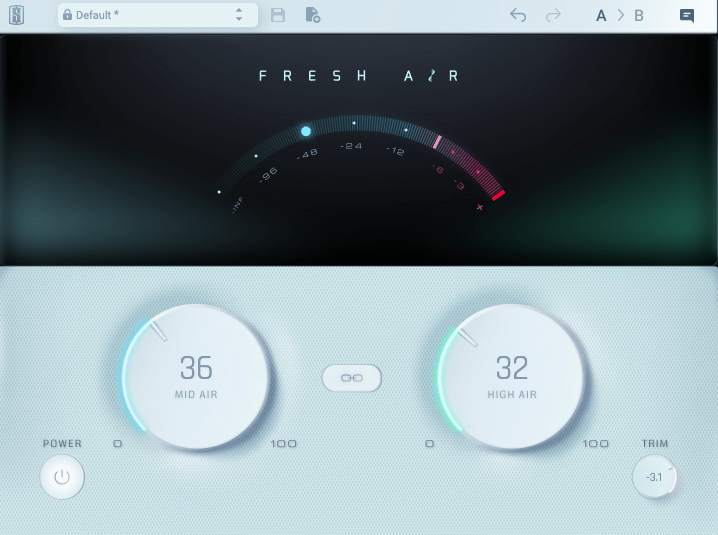
Boosting the highs? It’s pretty simple—just use an EQ, right?
But have you ever thought about which EQ, which frequency range, and how you should boost?
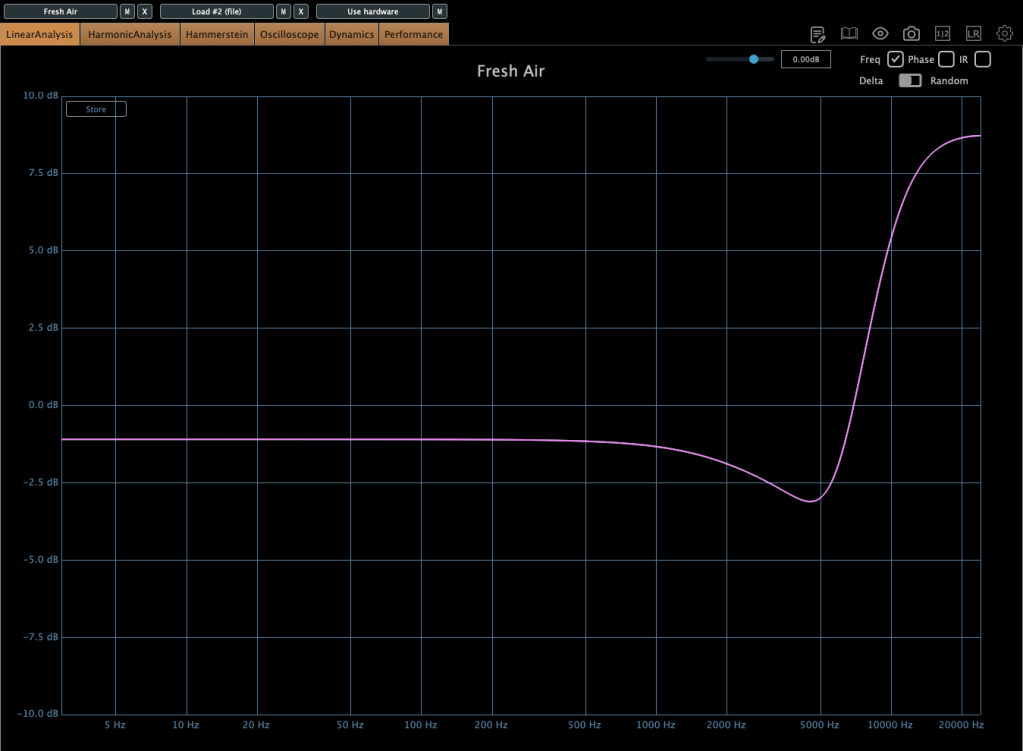
The image above shows the frequency response when using Slate Digital’s Fresh Air. It’s a popular tool for adding “airiness” to vocals.
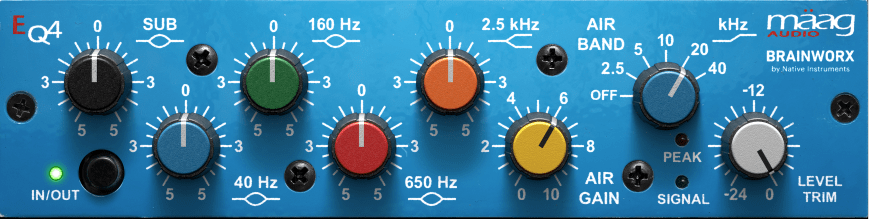
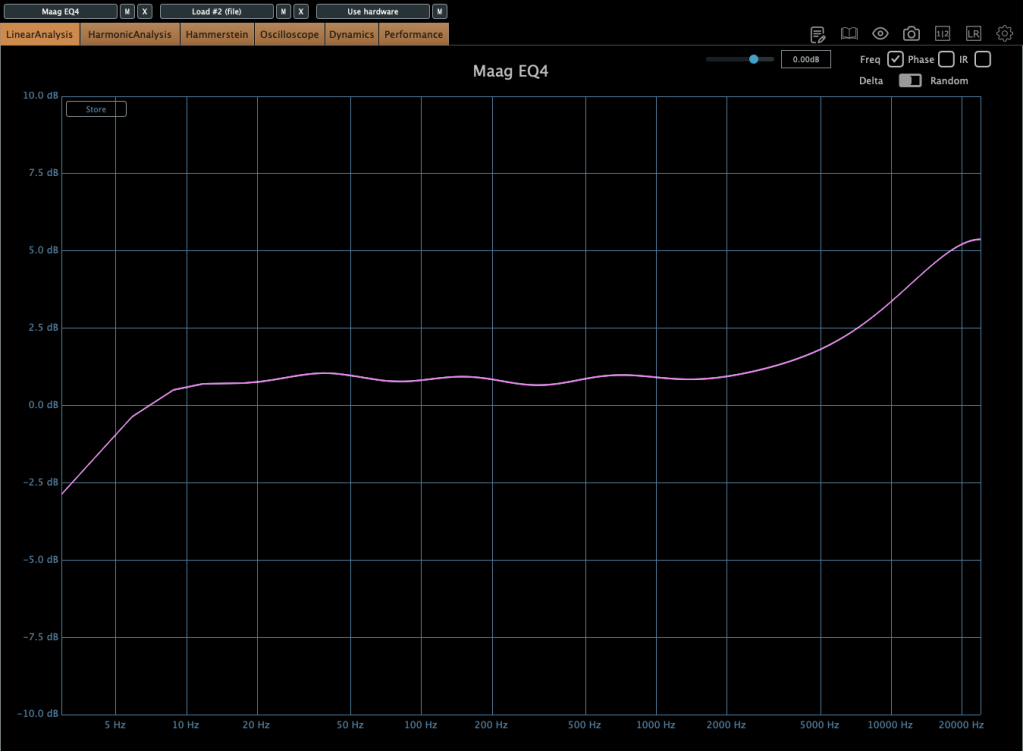
The Maag EQ4, on the other hand, offers a different character.
Each EQ introduces varying amounts of harmonic distortion, which impacts how and when they’re used.
For example, the Air Band on the Maag EQ4 reaches up to 40kHz, a frequency far beyond the human hearing range (20Hz–20kHz).
Why does this matter if we can’t hear it?
Research dating back to 1991 suggested that sounds beyond the audible range can influence brain activity.
- 1991 Study: High-Frequency Sound Above the Audible Range Affects Brain Electric Activity and Sound Perception.
- 2014 Study: Frequencies of Inaudible High-Frequency Sounds Differentially Affect Brain Activity: Positive and Negative Hypersonic Effects.
The latter found that frequencies above ~32kHz significantly increased alpha-2 EEG activity (associated with a calm mental state).
Even if your session’s sample rate is 48kHz or 44.1kHz, boosting ultra-high frequencies can indirectly affect the audible range based on the Q-factor.
Of course, you won’t always need to get this scientific about it—experience is the best teacher here!
While boosting highs can create pleasing clarity, it’s important to avoid overdoing it. Excessive use can result in a mix that feels “floaty” and leaves no lasting impact after the song ends. Use it judiciously.
Enhancing the Lows
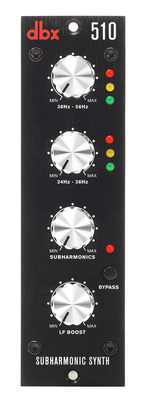
For the low end, you can use EQ, but there’s another option: the subharmonic synthesizer.
This tool generates ultra-low frequencies by synthesizing them based on an incoming signal. It’s often triggered by kick drum signals to reinforce their sub frequencies.
Personally, I’m not a big fan—it’s challenging to perfectly match the kick’s attack and timing.
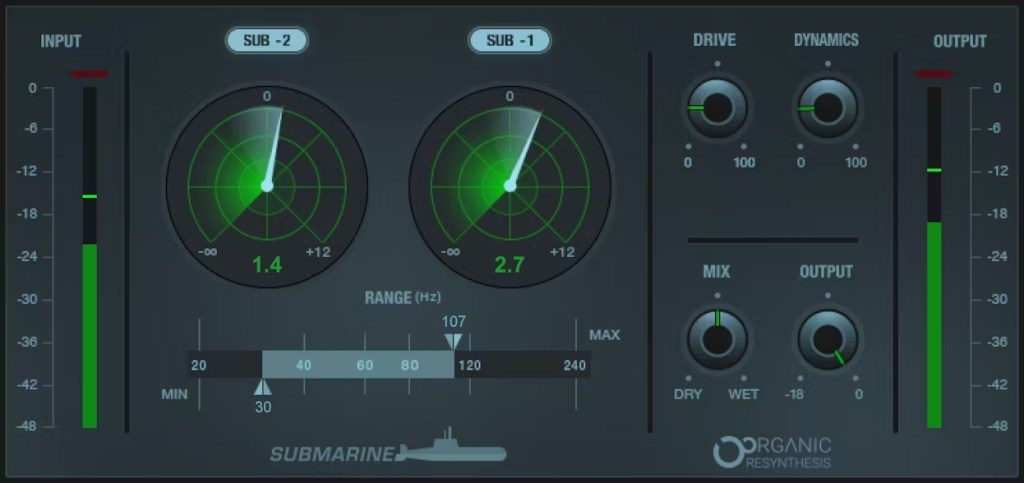

Popular plugins include Waves’ Submarine, Brainworx’s Subsynth and Subfilter, and UAD’s Voice of God.

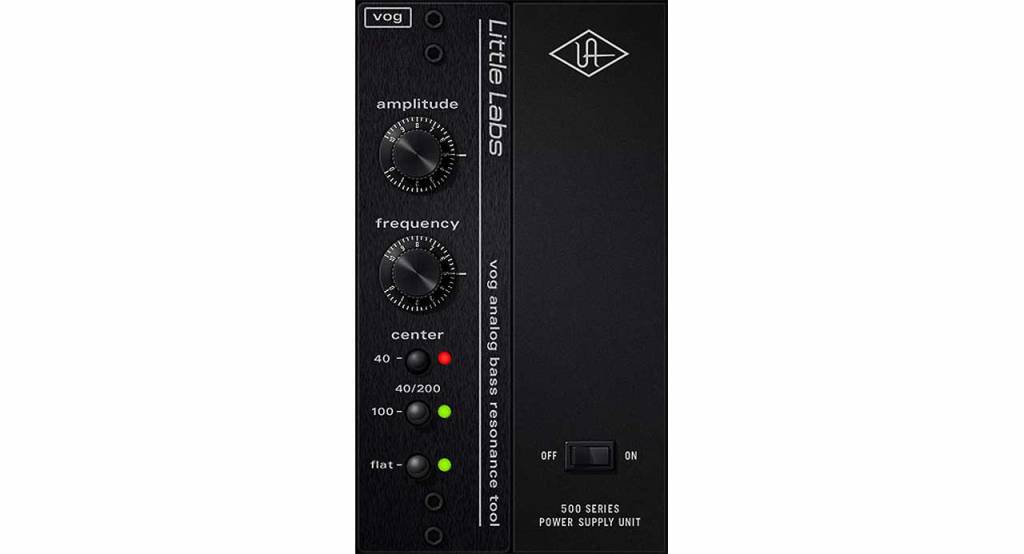
Hardware options like the dbx510 are also available, but if you’re on a budget, the free Bark of Dog plugin by Boz Digital Labs is a fun alternative.

While it’s best to start with well-recorded source material, subharmonic synthesis can be a lifesaver when the source lacks sufficient low-end.
That’s all for today. See you in the next post! 😊
 Jooyoung's Music Blog