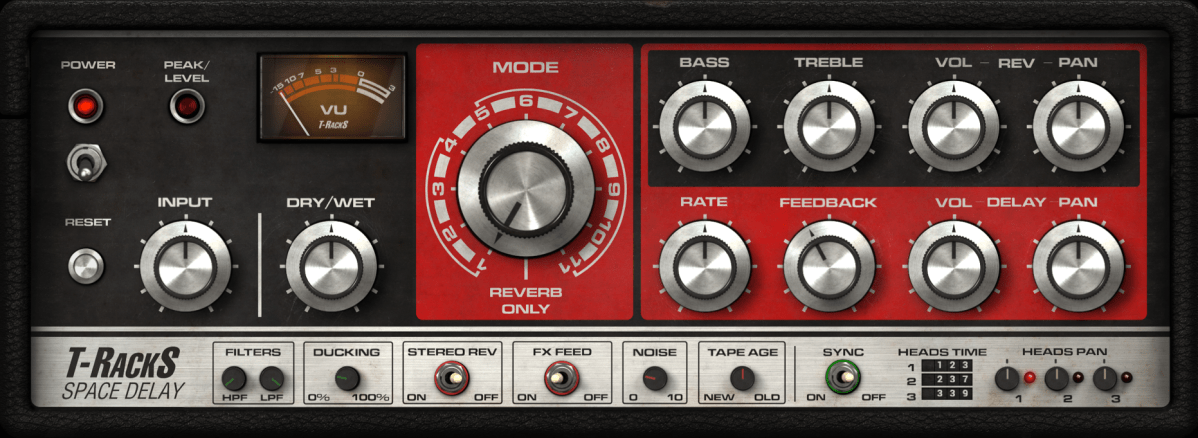
Hello, I’m mixing engineer and music producer Jooyoung Kim. Last week, I had so much to write about for the blog that I had to skip a week..;;
Today, I’d like to talk about the history of delay. Shall we get started?
Analog Delay
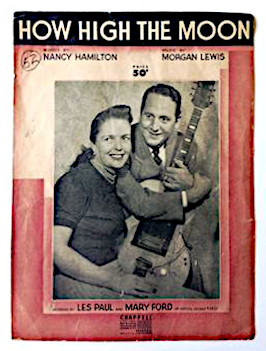
Like most effects, delay began in the analog realm, using tape to repeatedly play back the original sound.
The first person to use delay in music was Les Paul. If you listen to “How High the Moon,” you can hear the early sounds of tape delay.
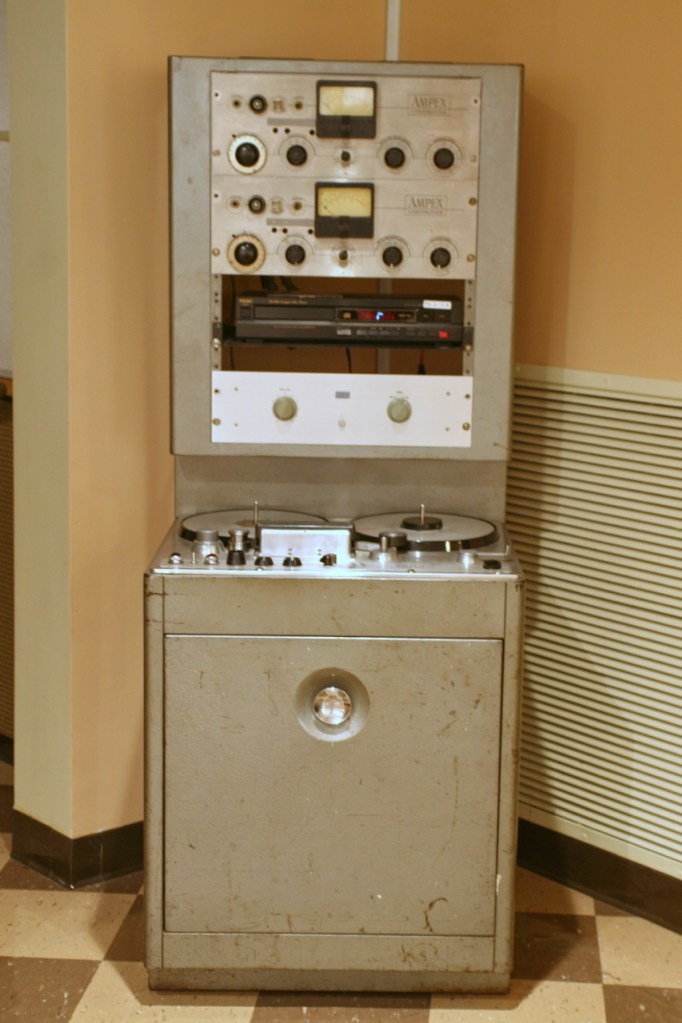
Another notable figure who used delay was Sam Phillips, the founder of Sun Records. He produced Elvis Presley’s tracks using two Ampex 350 tape recorders to create the delay effect.
(Though it doesn’t actually include tape, Warm Audio recently released a replica of this with the WA-MPX!)


The first commercial product featuring delay was the EchoSonic, a guitar amp with built-in tape delay.

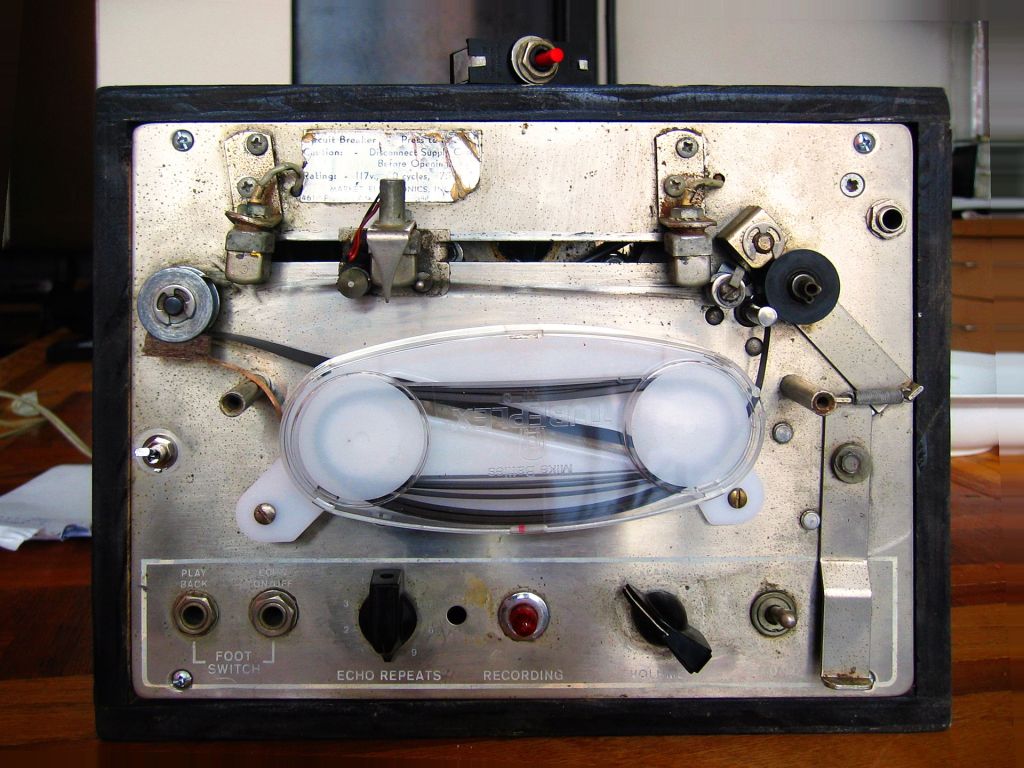
Among commercially famous delays that focused solely on the effect was the Echoplex.

For guitarists, the Roland Space Echo RE-201 is likely the most well-known tape delay. It used multiple playback heads to create a more sophisticated delay effect.
Next came the Oil Can Delay.
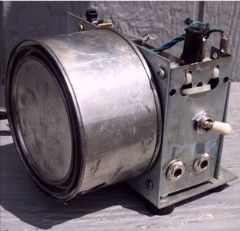
Oil Can Delay worked by storing and replaying signals as magnetic patterns on the side of a can through electromagnetic induction. The can was filled with a high-dielectric oil to keep the signal intact for longer periods, hence the name Oil Can Delay.

Following that, the Echorec was introduced, which utilized a Magnetic Drum for delay.

Urei, the precursor to Universal Audio, created the Cooper Time Delay, which used a long tube to produce the delay.
With the advent of Solid State technology, Philips developed the Bucket Brigade Device (BBD), a discrete analog delay device that led to the creation of various delay units.

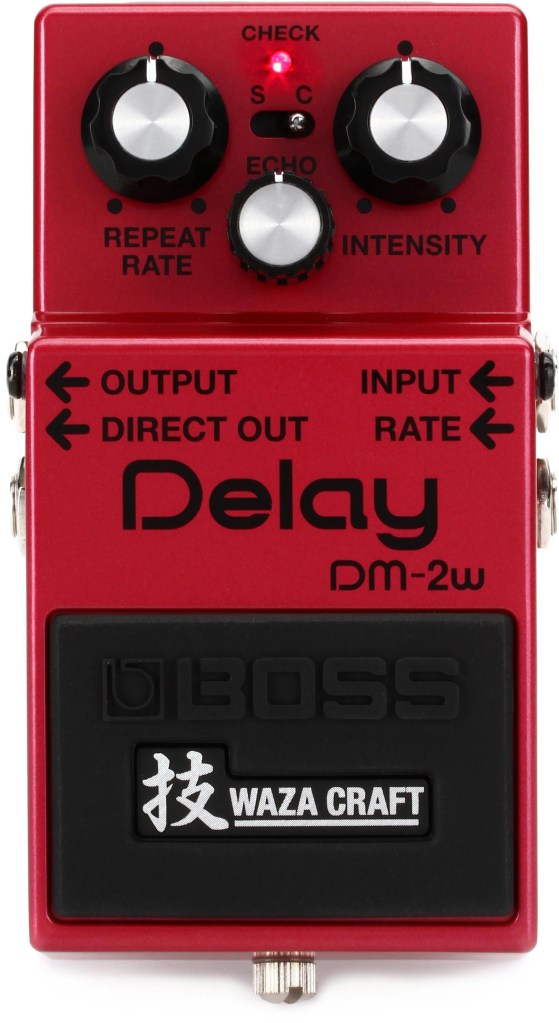
Examples of BBD delays include the Electro-Harmonix Memory Man and the Boss DM-2 Delay.
Digital Delay
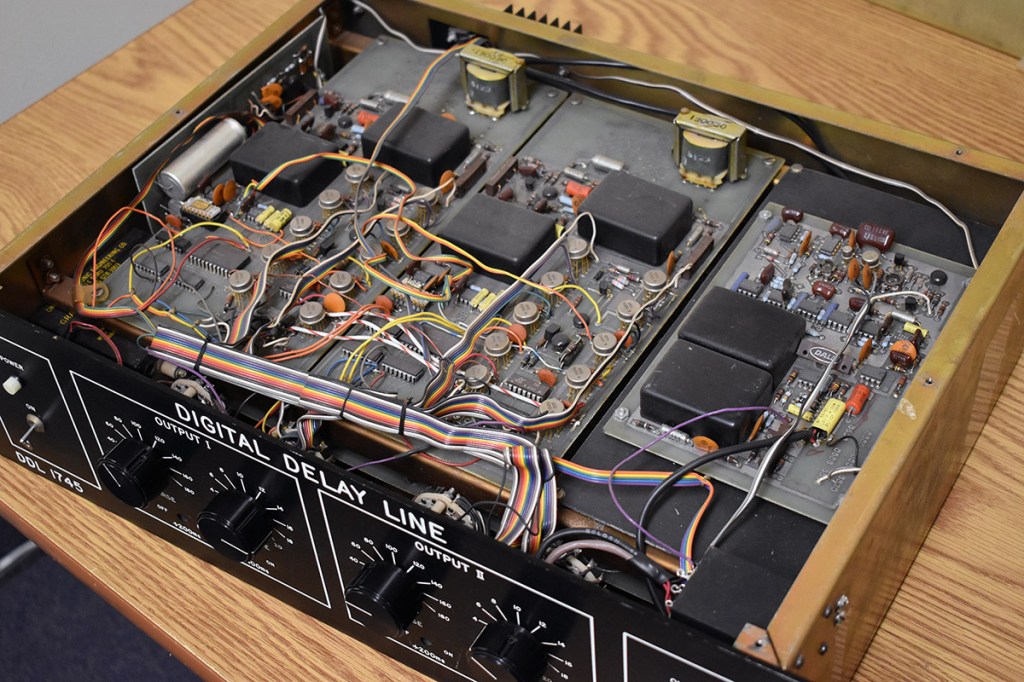
The earliest digital delays were introduced for studio and film effects. The first digital delay was the Eventide DDL 1745, which was released in 1972 for an astounding $3800.. quite pricey!

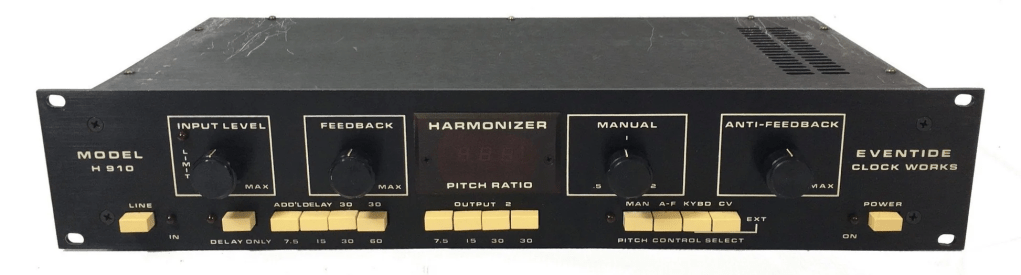
Subsequent models included the Lexicon PCM 41 and Eventide’s Model H910, which came packed with multiple effects.
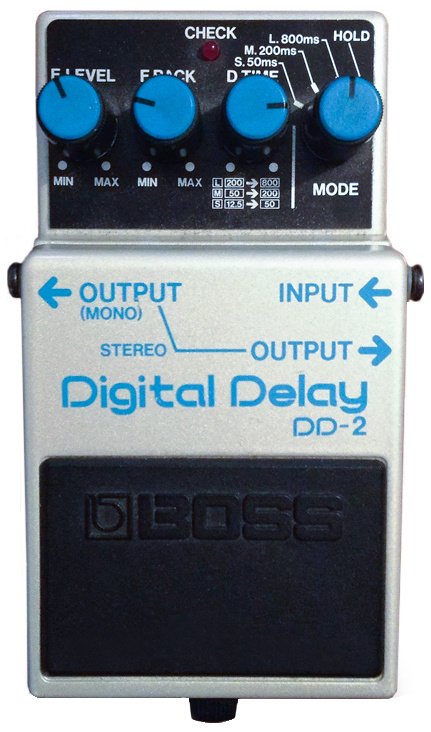
The first digital delay pedal was the Boss DD-2, marking the transition to computer-based delays.
Well, that wasn’t much, was it? History is simple when you look at it this way. The key takeaways are:
- Vintage analog delays were saturated based on the medium they used. (Tape, Oil Can, BBD, etc.)
- Early digital delays had low sample rates due to computational limitations, resulting in rolled-off high frequencies.
Remembering these two points should suffice. Ultimately, this explains why modern basic plugins don’t capture the vintage delay feel.
I’ll see you in the next post~:)
 Jooyoung's Music Blog