Basics of Mixing – 5.3 Using EQ for Different Purposes

Hello, I’m Jooyoung Kim, an audio engineer and music producer.

Today, we’ll explore the use of EQ for different purposes. EQ is generally categorized into two types: Tone Shaping and Surgical.

1) Tone Shaping EQ
Tone Shaping EQ is used for:

  1. Altering the tone of instruments
  2. Changing the tone of instruments through the saturation provided by the EQ itself
  3. Adjusting the vertical position of instruments within the stereo image

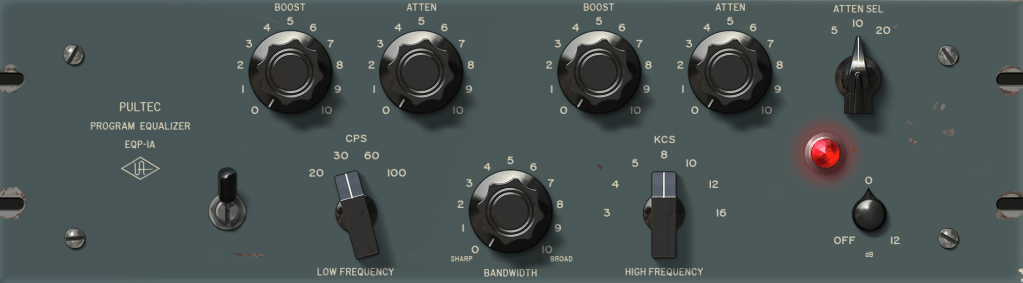
Examples of Tone Shaping EQs include the Pultec EQ,
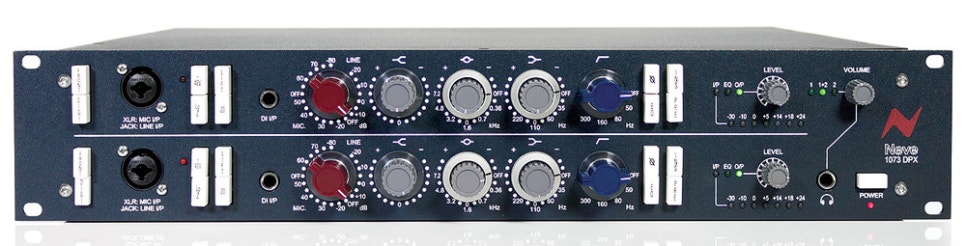
The renowned Neve 1073,
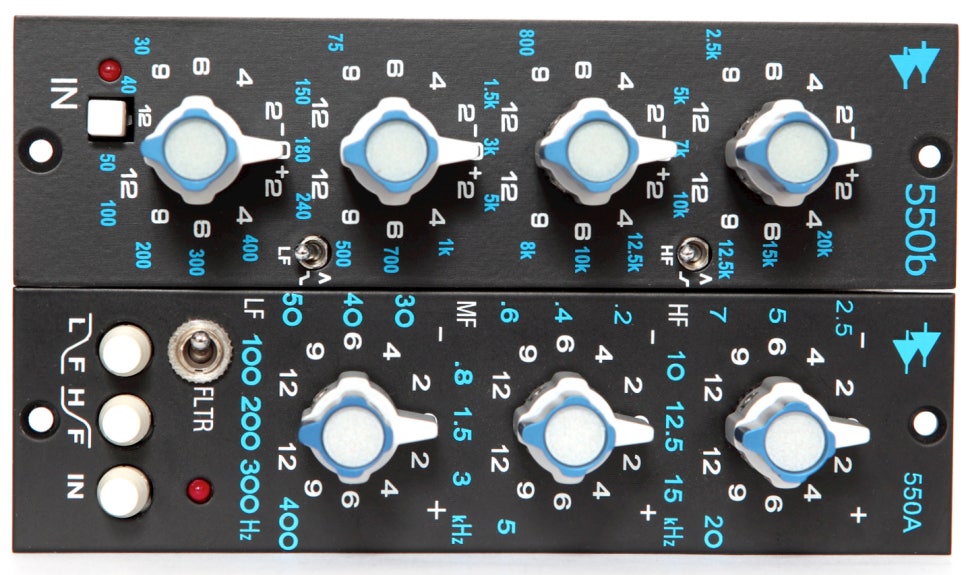
And the API 550 and 560 EQs.

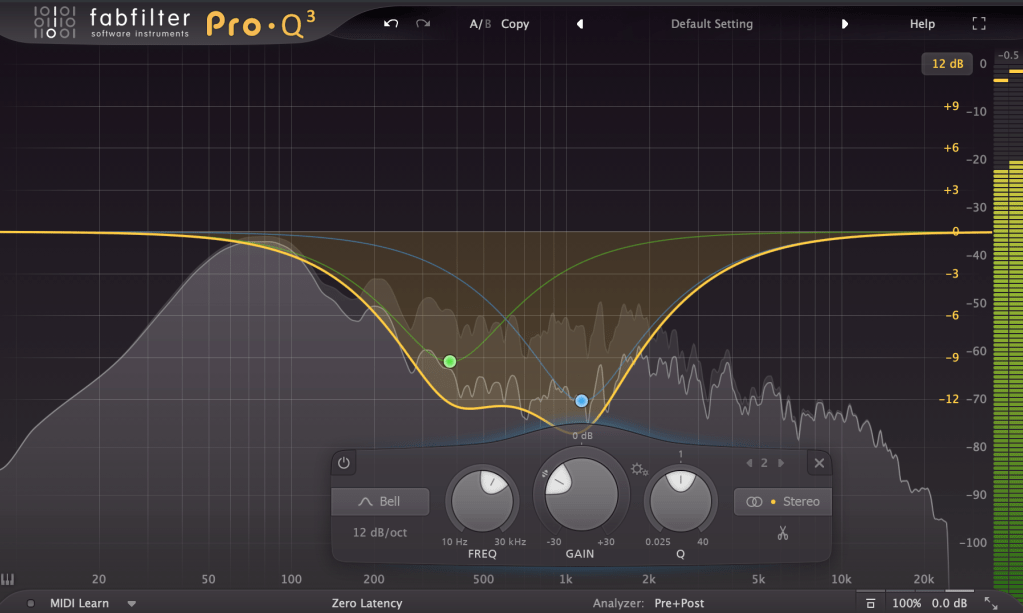
Digital EQs like the Pro Q3 can also be used for Tone Shaping, though they lack saturation.

2) Surgical EQ
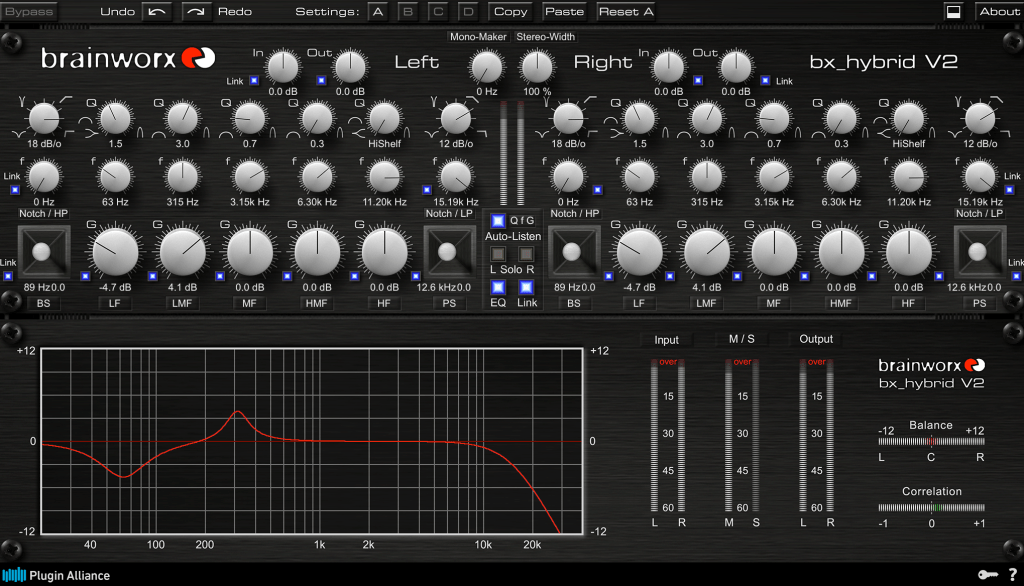
Surgical EQ is used to solve problems in the audio source. It’s used for addressing proximity effects, resonances, sibilance (often handled by a de-esser but sometimes with EQ), and various other unpleasant sounds that can occur during recording.

For these tasks, EQs without inherent coloration are preferred, typically with a high Q factor (narrow bandwidth). It’s beneficial to use EQs with an internal sidechain function (often labeled as an audition feature) that allows you to listen to the affected frequencies in isolation.

I mainly use the bx_hybrid V2 because I’m familiar with it, but most modern digital EQs come with an internal sidechain function, so any of them should work fine.

  • Conclusion

Using Tone Shaping EQ effectively requires an understanding of stereo imaging and tonal concepts. Surgical EQ, on the other hand, necessitates the ability to identify problems by ear. Ultimately, it takes practical experience to develop these skills.

I’m not claiming to be a highly experienced or notable expert, but I’ve found that there’s a significant difference between knowing these concepts in theory and applying them in practice.

Good luck to everyone studying sound engineering!

Basics of Mixing – 5.1 What is EQ (Equalizer)?

Hello, this is Jooyoung Kim, engineer and music producer.

Today, I want to talk about the basics of EQ. There’s so much to cover, I’m not sure where to begin… But let’s dive in!

EQ is a tool that allows you to adjust the volume based on frequency. Why would we need something like this?

The main reasons are:

1) To alter the tone of an instrument
2) To change the position of an instrument in the stereo image
3) To prevent sounds from different instruments from overlapping
4) To fix issues with recorded sources

    We’ll go into more detail on the types of EQ in a later post, but for now, let’s discuss these reasons in more depth.

    • To Alter the Tone of an Instrument

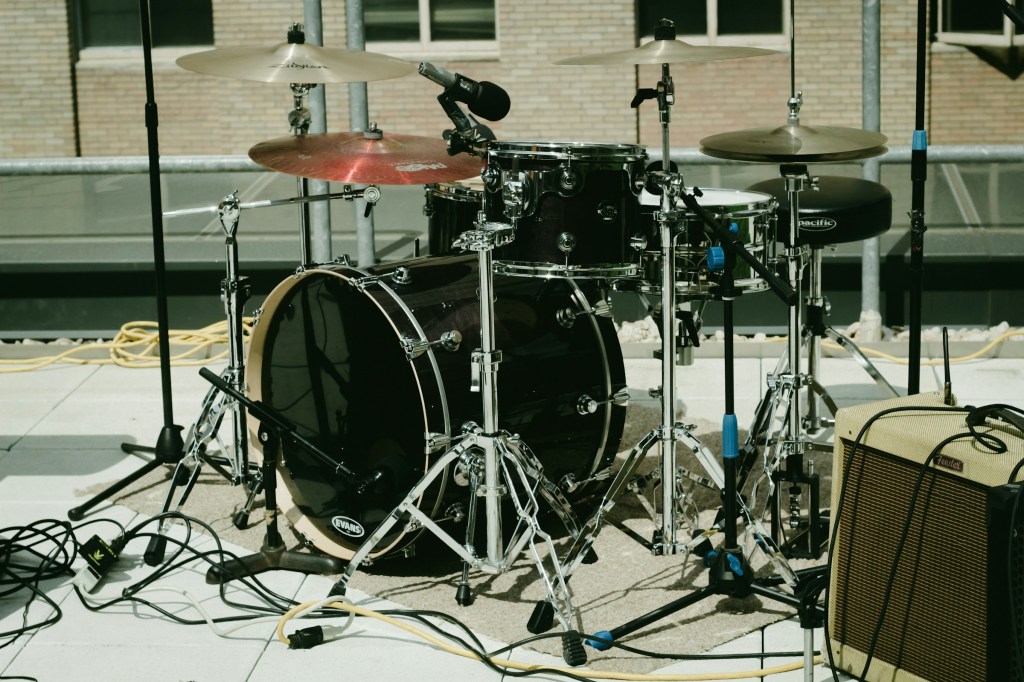
    A drum kick typically handles low frequencies. But is it only low frequencies? Of course not.

    High frequencies contribute to the attack, giving it a punchy feel, while the midrange can be quite prominent and can mask other instruments.

    Thus, by using EQ, you can adjust these frequencies to create a balance that fits the song. This applies not just to kicks but to other instruments as well.

    • To Change the Position of an Instrument in the Stereo Image

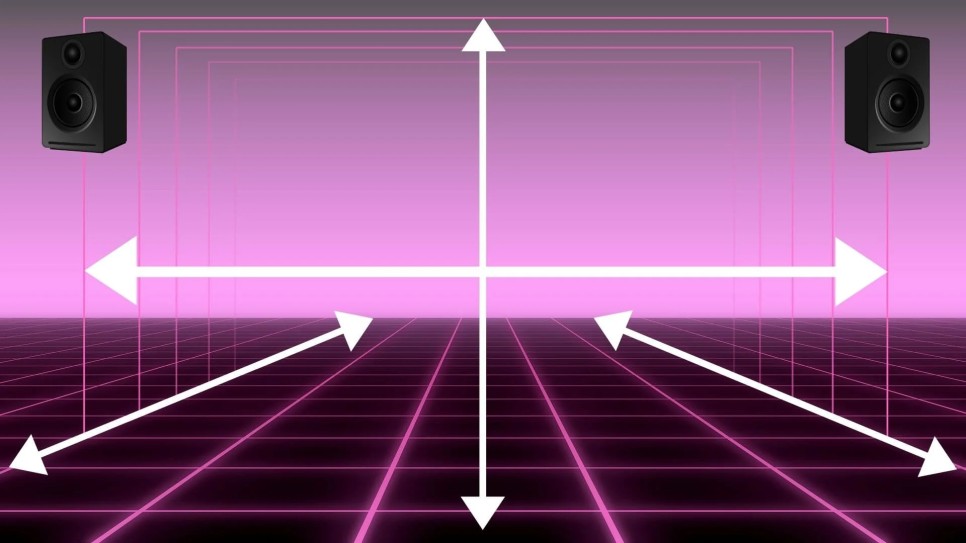
    Using EQ to adjust an instrument can change its position in the stereo image. In typical speakers with a tweeter on top and a woofer on the bottom, cutting high frequencies can make a sound seem to move lower, while cutting low frequencies can make it seem to move higher.

    You can also adjust just the left or right side with EQ to move the sound diagonally.

    • To Prevent Sounds from Different Instruments from Overlapping

    Instruments like acoustic piano, acoustic guitar, and synth pads produce sounds across a wide range of frequencies, which can cause other instruments, like vocals, to be masked.

    This phenomenon, where instruments obscure each other, is known as masking. Kick and bass are classic examples of instruments that can mask each other. EQ is a traditional and fundamental way to address this issue.

    • To Fix Issues with Recorded Sources
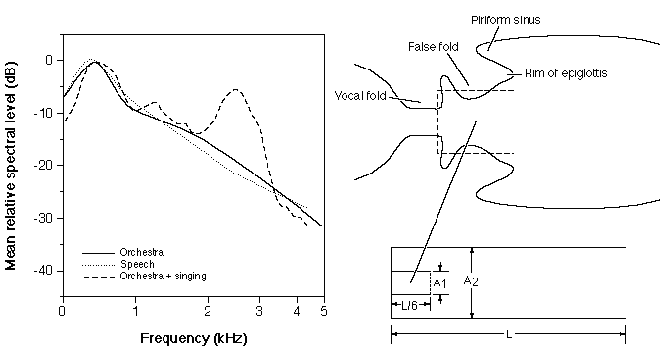
    Millhouse, Thomas & Clermont, Frantz. (2006). Perceptual characterization of the singer’s formant region: A preliminary study. 253-258.
    Singer’s Formant

    When recording instruments, resonance in the room can cause certain frequencies to be overly emphasized.

    There is also something called the Singer’s Formant, a specific resonance found in trained opera singers. Instruments, too, can have unique resonances or harsh sounds. For example, when recording a violin, the bow can produce a squeaky sound at certain high frequencies.

    EQ is used to resolve these resonances.

    Today, we covered why EQ is used. In the next post, we’ll discuss the different types of EQ and their uses. See you next time!