
Hello! I’m Jooyoung Kim, a mixing engineer and music producer.
Today’s topic is tape saturation. This content is based on my Korean book, Basics of Mixing.
Let’s get started!
Before CDs, tape was the main storage medium, recording sound through magnetic properties. There was even digital tape during the transition from analog to digital. Tape’s unique magnetic characteristics create distinct audio qualities.
Hysteresis Loop
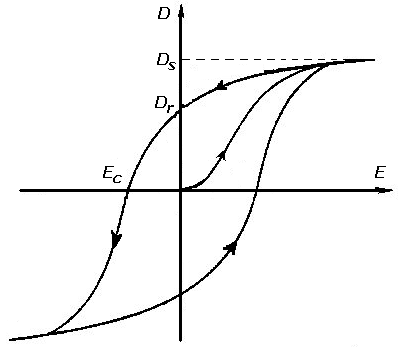
Do you remember playing with magnets and needles as a kid? If you rubbed a needle with a magnet and then removed it, the needle retained some of the magnet’s properties. This phenomenon, where output doesn’t completely disappear even when the input stops, is called hysteresis.
In tape recording, hysteresis causes non-linear recording, meaning quiet sounds are recorded even quieter. This is a fascinating trait unique to tape.
Mixing Basics – 9.1 Harmonics and Saturation – I previously discussed how non-linear outputs inevitably produce harmonic distortion.
Additionally, because quiet sounds are recorded even quieter, a high-frequency tone (bias) is added, increasing sound pressure to prevent this quieting effect.
The Tape Head and Other Characteristics
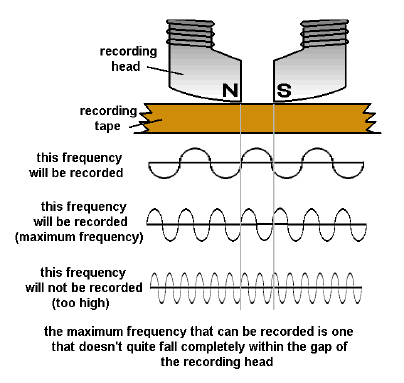
The tape head has a very narrow gap. Sounds with wavelengths smaller than this gap (i.e., higher frequencies) cannot be recorded accurately, causing high frequencies to roll off.
Over time, other tape-specific effects emerge: pitch variation due to tape stretch, wow and flutter noise from tape movement and dust, among others.
All these factors create tape’s unique saturation characteristics.
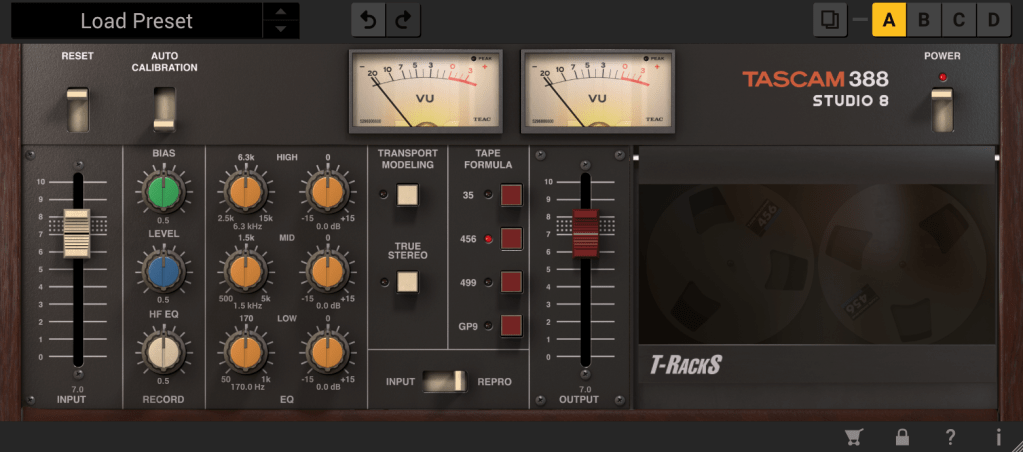

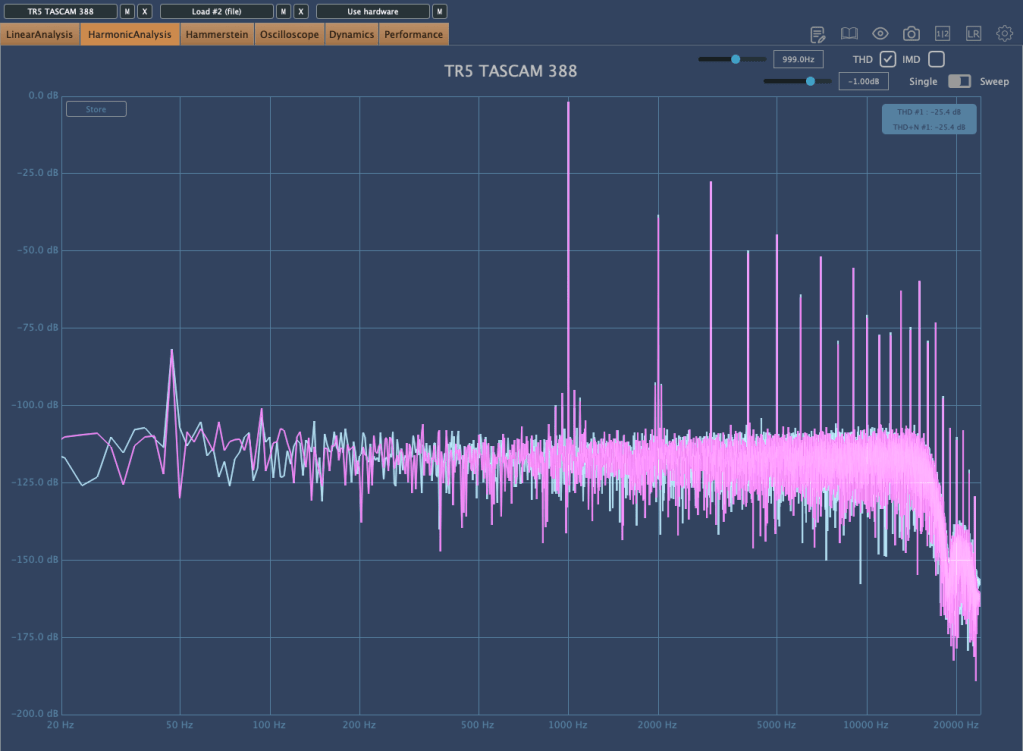
This is why tape plugins often include frequency response, harmonic distortion, and other distinctive features. Some plugins even emphasize high frequencies unexpectedly.
So why use tape? Simply put, it sounds good! Understanding these characteristics also helps in adjusting plugin parameters effectively.
That’s all for today. See you in the next post!
 Jooyoung's Music Blog