2024 Black Friday Virtual Instruments and Plugins Sale Guide: Part 2 – Virtual Instruments

Hello! This is Jooyoung Kim, mixing engineer and music producer, and singer-songwriter.

Now, let’s dive into Part 2 – Virtual Instruments (Synthesizers, Sample-Based Instruments, Orchestration Tools).

As mentioned in Part 1, I’ve collaborated with Plugin Boutique for this guide. Links to products on Plugin Boutique will direct you there, while those unavailable on their platform will link to their respective websites or other discount pages.

Purchasing through Plugin Boutique links provides me with a small commission, which helps support my work. Your support is greatly appreciated!

This section is organized by instrument type for easier navigation.


Virtual Instruments

1) Acoustic Drums
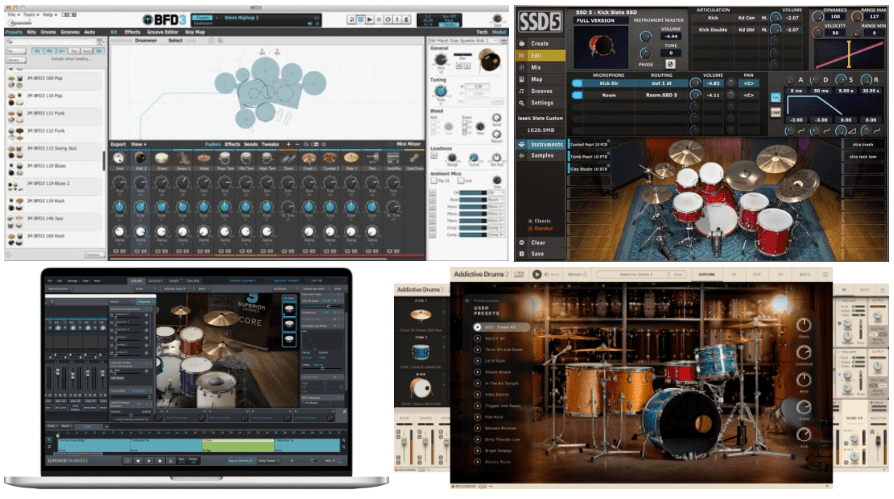
  • BFD3: My go-to acoustic drum plugin. While the initial setup might seem tricky, just a bit of knowledge about drum recording will let you create realistic drum tracks. At $42.9, it’s a steal! However, you’ll likely need to invest in some expansion packs for serious use.
  • SSD5.5: Another solid acoustic drum plugin. Currently priced at $49. It also requires expansion packs for full functionality. I used to use the free version back on Cubase 10 with Windows, though there were compatibility issues back then. These should be resolved now.
  • Superior Drummer 3: Although I haven’t used this personally, it’s a favorite among pop producers. It comes with a wealth of preloaded sounds but is quite pricey at €299 (Black Friday price).
  • Addictive Drums 2: I haven’t tried this one either, but it seems to be a popular choice for simpler setups. Their discounted collections include the Custom Collection (3 kits for $92.4), Custom XL Collection (6 kits for $178.2), and Custom XXL Collection (10 kits for $273.9).

2) Piano & Synthesizer Emulations

  • UVI Key Suite: Offers an extensive and diverse library of sampled pianos and synthesizers, surpassing even Keyscape. At $224, this is a great deal if you’re looking for an all-in-one bundle.
  • Arturia V Collection X: Arturia excels at emulating classic synthesizers. This collection features 39 instruments, including acoustic pianos (Piano V, with nine piano types), electric pianos, and synthesizers. Priced at $328.9, it’s worth exploring if you love classic sounds.
  • Korg Collection 5: This bundle includes 15 emulations of iconic Korg synthesizers and is priced at $328.9.

Other honorable mentions include Native Instruments Komplete, Roland Cloud subscriptions, Xfer Serum, Keyscape, and Omnisphere, though they don’t seem to have discounts at the moment. Perhaps on the day itself?


3) Bass Virtual Instruments & Guitar Effects
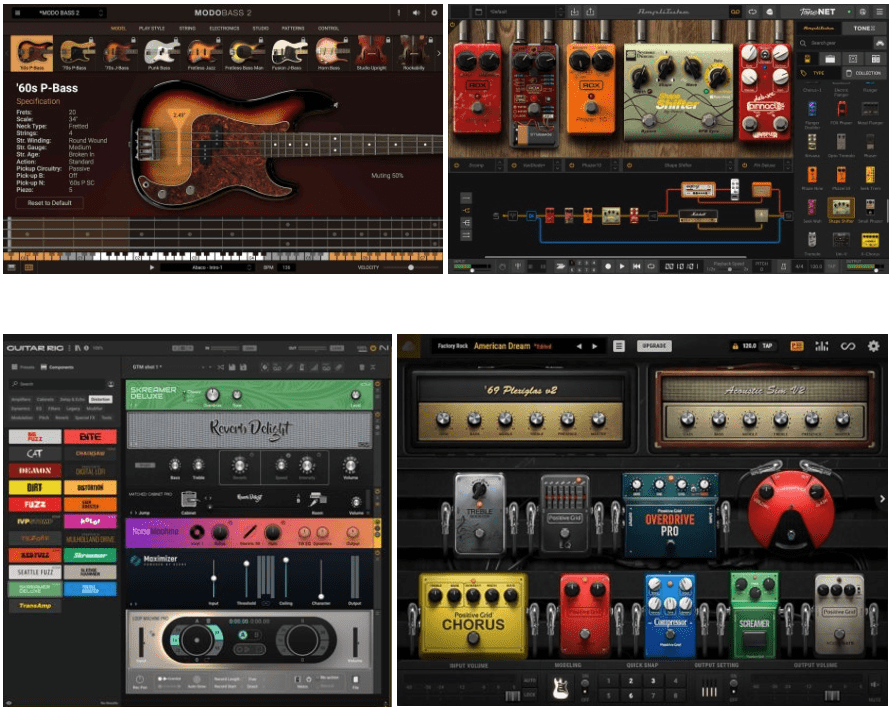
  • IK Multimedia Modo Bass 2: Instead of purchasing the bass plugin alone ($54.99), consider the IK Multimedia Total Studio 4 MAX bundle ($164.99) for better value. Many are transitioning from Trilian to this plugin, though I ended up buying a physical bass instead.
  • Scarbee Series: Decent bass libraries, but it’s better value to purchase them as part of Native Instruments Komplete during sales.
  • IK Multimedia Amplitube 5 MAX v2: A must-have for guitarists. With both bass and guitar amp simulations, it’s a versatile tool priced at $109.99. Again, Total Studio 4 MAX is more cost-effective.
  • NI Guitar Rig 7 Pro: Another top-tier effects processor for guitarists. However, for composers, it’s wiser to wait for a Komplete sale rather than buying this standalone ($103.4).
  • Bias FX2: Widely used among guitarists. Currently 50% off at $149—definitely worth checking out.
  • Brainworx Guitar & Bass Bundle: Includes 24 amp models, 7 pedals, and various effects, all for $69.3. With 34 plugins in total, it’s an excellent value for its price.

Unfortunately, Trilian, the staple of bass virtual instruments, doesn’t seem to be on sale either. Perhaps closer to the day?


4) Strings & Orchestration Tools

  • Musio 1: Amazing value! With over 80 instruments (including the iconic Cinesamples library) at $163.9, this is a no-brainer. Updates are ongoing, and though a “2” version may be on the horizon, this is still an unbeatable deal.
  • Spitfire Audio: A classic name in orchestration. Albion One is great for cinematic sounds, while Chamber Strings suits pop strings. BBCSO is excellent for classical vibes, and their Abbey Road and Studio series are worth exploring.
  • EastWest Sounds: Known for their Hollywood Orchestra OPUS Edition and Symphonic Orchestra. Their Pop Brass and Voices series are also excellent. Their ComposerCloud subscription is discounted at $149/year for Black Friday.
  • VSL (Vienna Symphonic Library): Produces ultra-realistic orchestral libraries with a steep price tag and a learning curve. Ideal for professionals dedicated to orchestration.
  • Orchestral Tools: A long-established brand, now offering 50% off. Their Berlin series is highly recommended.
  • Project SAM: Known for their Symphobia series, which is great for cinematic sound design. Symphobia 1 and 2 are staples, while 3 and 4 add more nuanced effects.
  • Audiobro: Popular for Korean pop strings, particularly the LA Scoring Strings series. They’re now pushing their Modern Scoring series as well.

Closing Thoughts

I wanted to include samplers or sound effects for video work, but I’m less familiar with these areas. I primarily use Logic’s built-in sampler and NI Battery. Also, since I play guitar myself, I didn’t cover virtual electric or acoustic guitars here.

Hopefully, this guide helps you navigate this year’s deals!

Stay tuned for the final part, covering effects plugins and miscellaneous tools—coming soon. Time to recharge before tackling the rest!
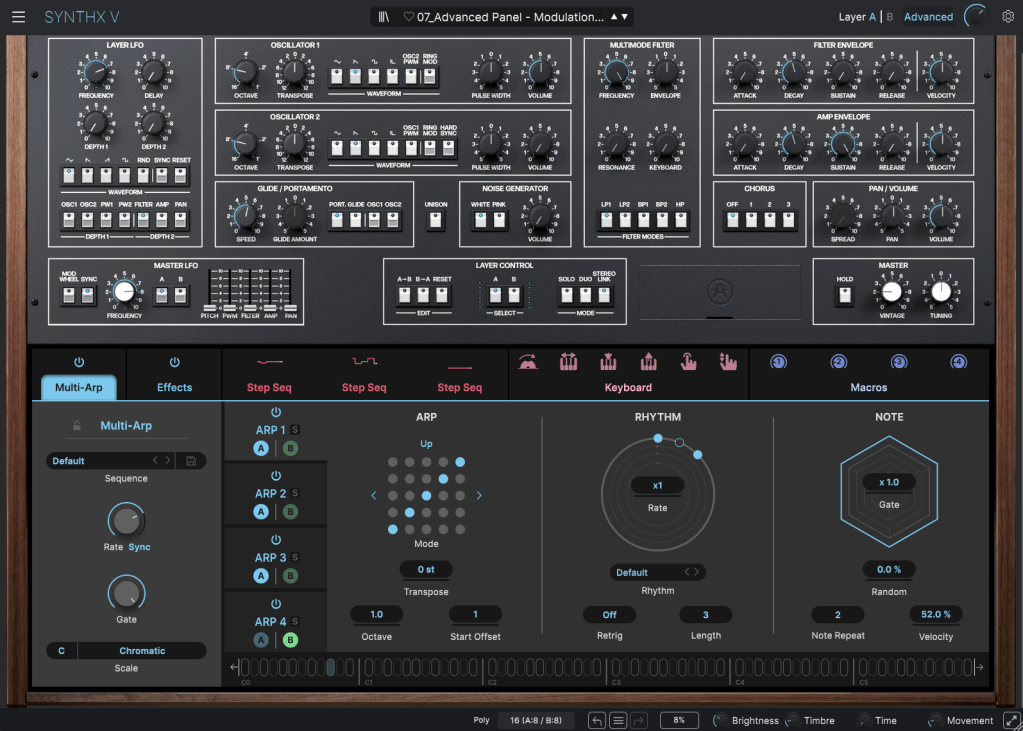
Introduction to Arturia Synthx V

Hello, everyone! I’m Jooyoung Kim, an audio engineer and music producer.

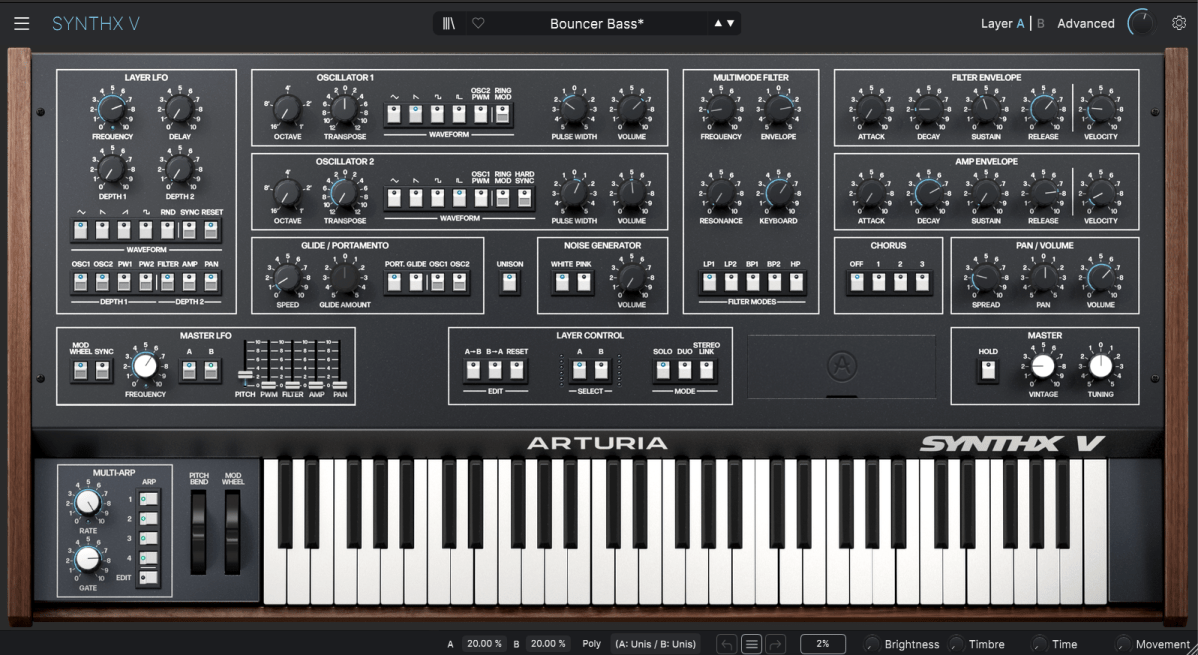
Recently, Arturia released a virtual instrument called Synthx V, a recreation of the legendary Elka Synthex. Today, I’ll introduce this fascinating plugin and share my thoughts on its features.

As always, this post reflects my honest opinions, despite receiving a complimentary NFR (Not for Resale) copy from Plugin Boutique and Arturia.

Purchasing through the links in this post helps support my blog. I truly appreciate your support!


The Legacy of Elka Synthex

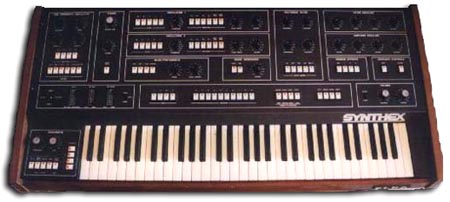
Elka Synthex, the inspiration behind Synthx V, was a polyphonic analog synthesizer produced by the Italian manufacturer Elka between 1981 and 1985. Designed by Mario Maggi, it stood out with several groundbreaking features for its time.

One of its key innovations was the use of digitally controlled oscillators (DCOs), ensuring stable tuning regardless of changes in temperature or humidity. It also featured a 4-track sequencer, dual-layering, and stereo voice separation.

Moreover, its joystick modulation control allowed for more expressive real-time performance compared to conventional pitch bend or modulation wheels. Users could assign custom sounds through layering and keyboard splitting, and later models even supported MIDI.


What’s in Synthx V?

Arturia’s Synthx V faithfully reproduces the original Elka Synthex’s functionalities while adding modern enhancements.

The plugin allows you to work with two layers (A & B) and up to 16 voices (8 per layer), creating a rich stereo image.

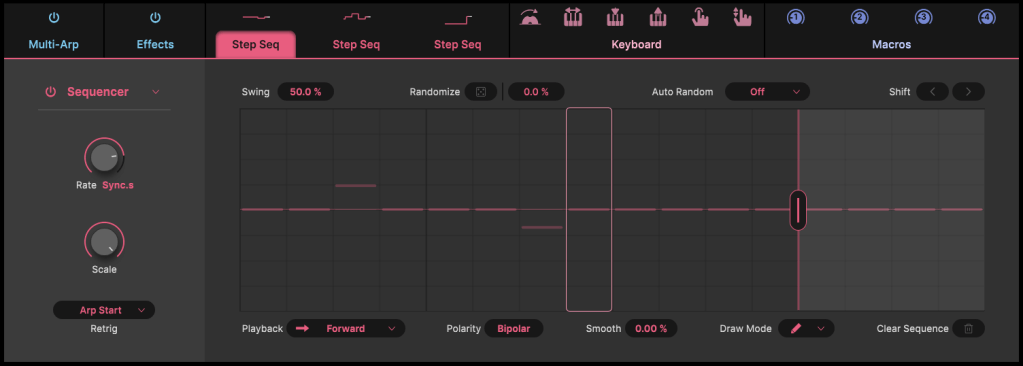
It also includes advanced features like a multi-arpeggio mode and step sequencer, which are perfect for crafting intricate patterns and pads.

Additionally, you can apply up to four effects from a selection of 17, offering even more versatility for sound design.


Should You Buy It Now?

While Synthx V isn’t currently part of Arturia’s Black Friday sale, it may become available in a future V Collection 11 bundle. So, unless you’re in a rush, it’s worth waiting for a sale.

Plus, Plugin Boutique is running a special promotion this month. With any purchase, you can choose a free bonus: Ujam Beatmaker VICE, Native Instruments Monark, or a mastering course.

Be sure to check out these offers if you’re planning to buy plugins this month. Thanks for reading, and see you in the next post!

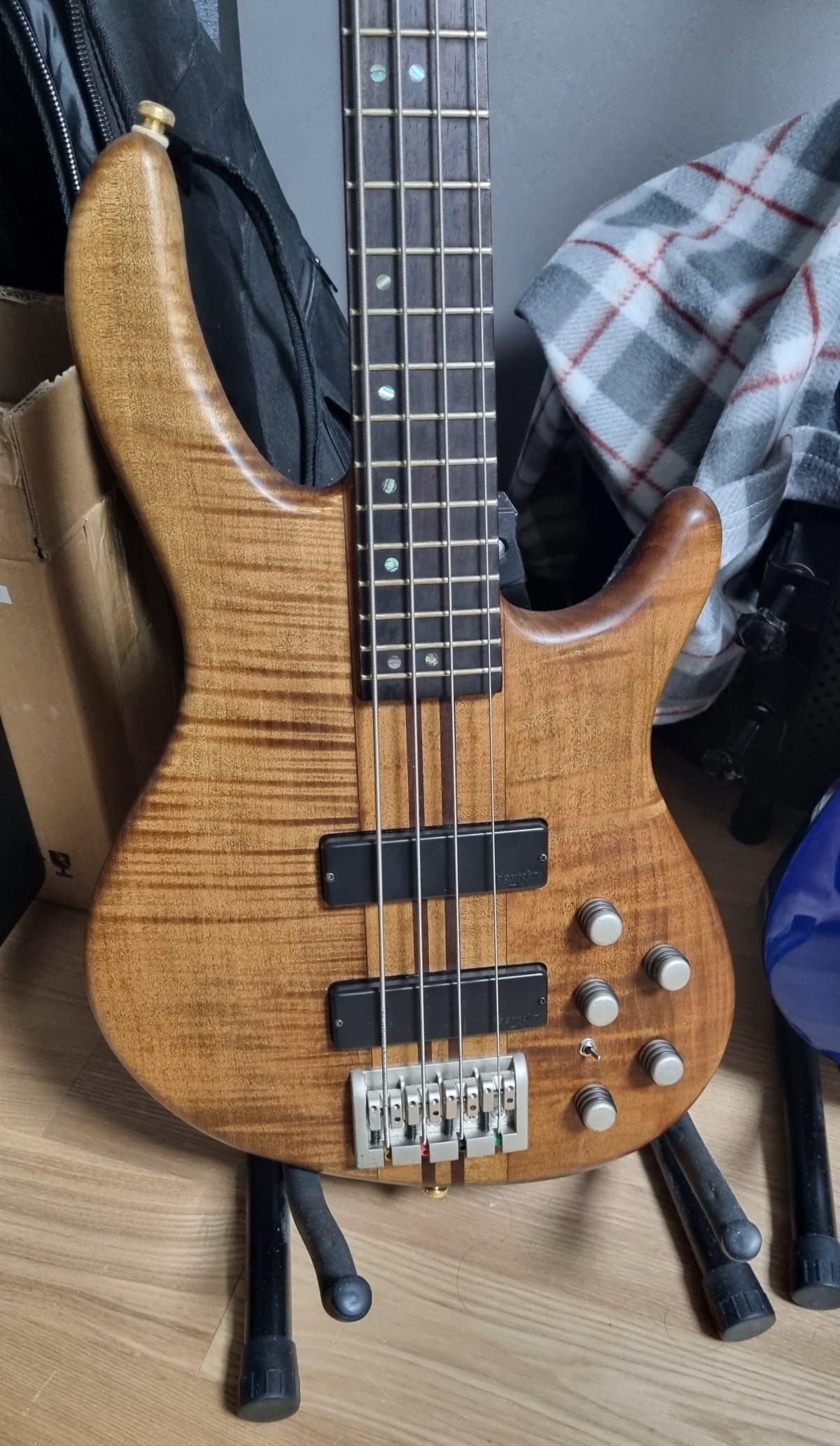
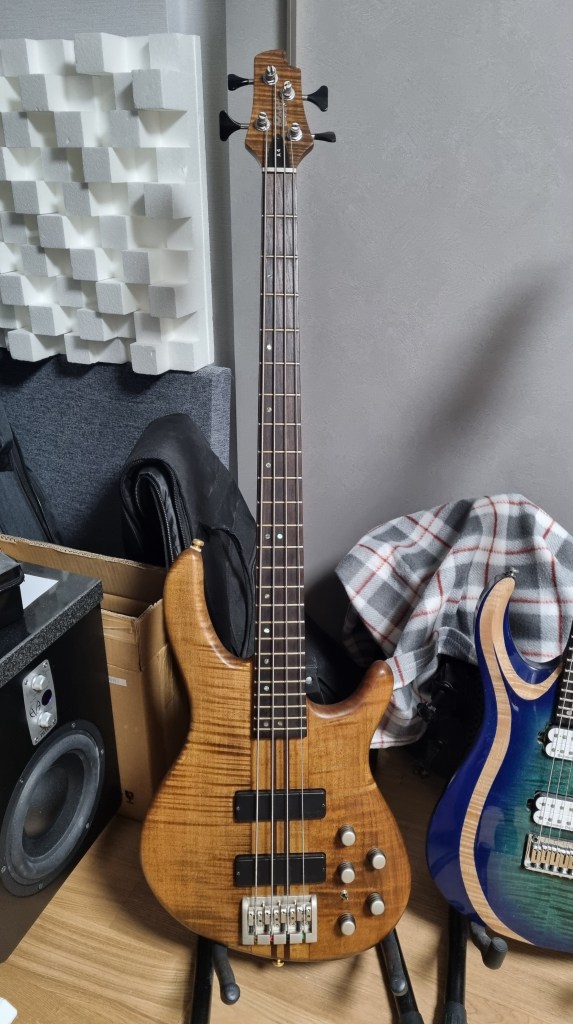
I Bought a Vintage Cort A4 Bass!

Hello, I’m Jooyoung Kim, an audio engineer and music producer.

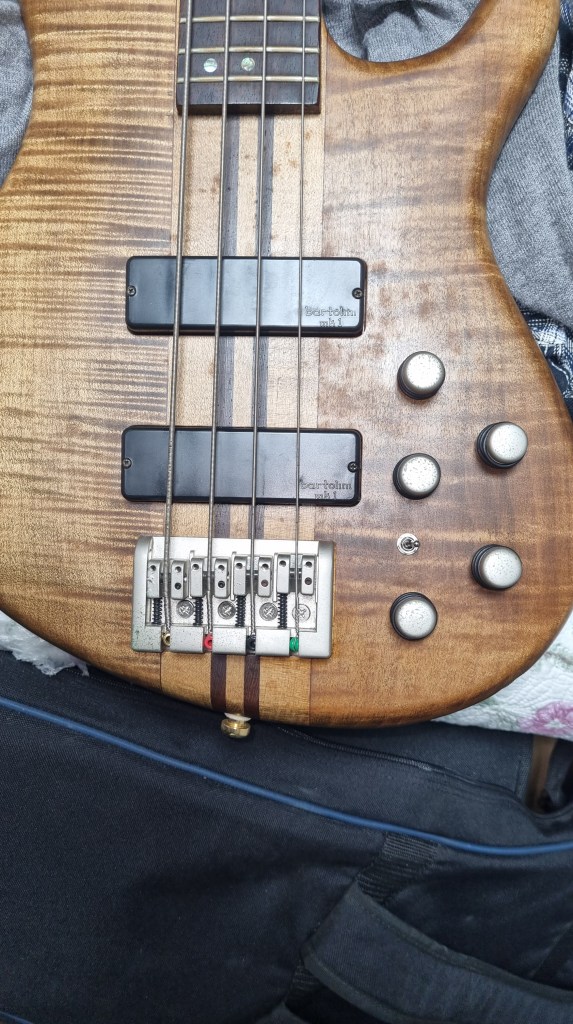
For a while now, I’ve been wanting to have more control over certain articulations, like sliding, vibrato, and slap techniques. That led me to decide that I should start playing the bass myself.

Since I’ll be using it for music production, I didn’t want to settle for a cheap, entry-level instrument. At the same time, I didn’t have the budget for a high-end one…

This is where a solid domestic brand comes in handy!

Yes, I’m talking about Cort. My electric guitar is Cort, and now my bass is too.

It’s an older model, so unfortunately, it only works in active mode with no option to switch to passive. There’s also some rust on the knobs and bridge, which is a slight drawback. However, after trying it out, I really liked the sound—it’s exactly what I was looking for.

I had borrowed a Squier bass from an older friend for a few days (though I’m not sure what model it was), and I have to say, this Cort bass feels way more comfortable in my hands.

The strings are a bit old, so I’m curious how it will sound once I change them.

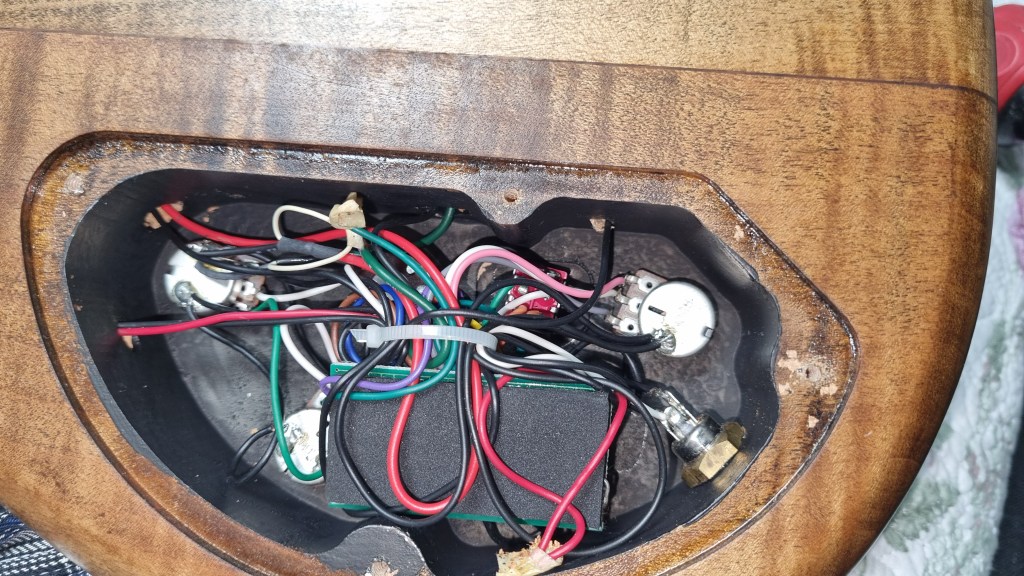
Then I thought about adding a switch for active/passive mode and took a look inside the back panel.

The wiring looks like a bit of a mess, so I’ll have to think it over when I get more time.

The goal is to practice more and eventually record most of the bass parts myself! But honestly, I feel like I might end up buying a Precision bass too… It never ends!

I’ve also been wanting to learn drums—am I becoming a one-man band? Haha.

See you in the next post!

Basics of Mixing – 9.2 Saturation of Transistors and Vacuum Tubes

Hello, I’m Jooyoung Kim, an audio engineer and music producer. I’ve been quite busy lately, and my blog posts have been delayed…^^;;

Today, I want to talk about the saturation effects of transistors and vacuum tubes.

Shall we get started?

First of all, why do we use transistors and vacuum tubes? Let’s start with this question. Why exactly are they used?

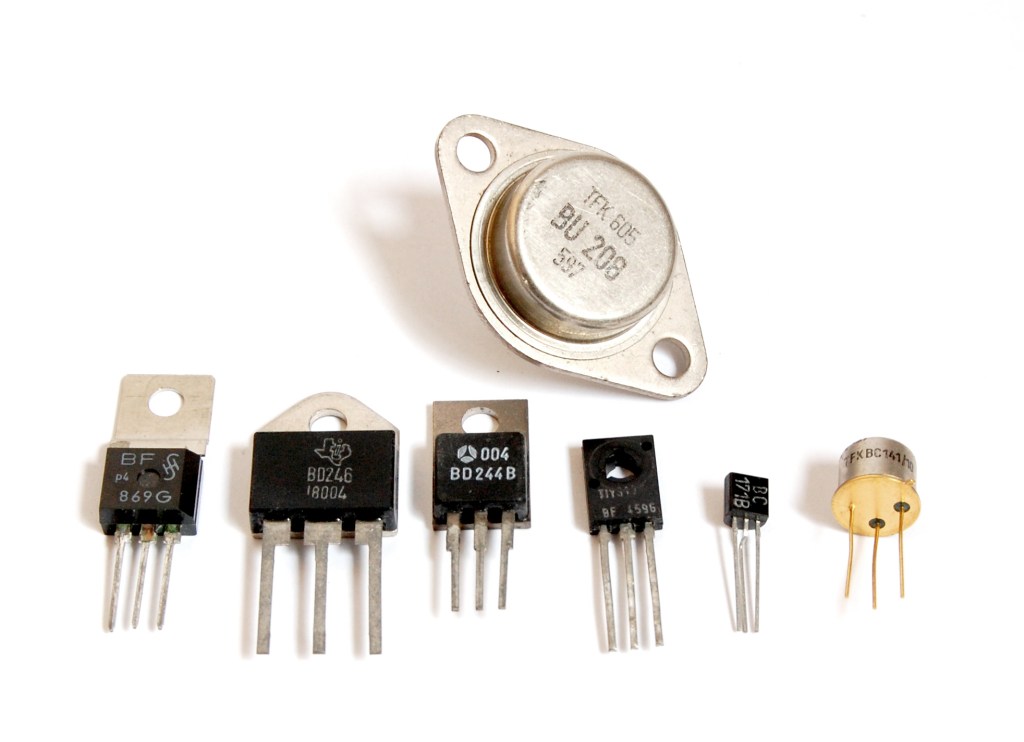
In the past, they were found in speakers, amplifiers, and even microphone preamps used by musicians—basically everywhere. The primary reason we use them is to “amplify” small electrical signals.

Now, I believe you understand why components like vacuum tubes or transistors are included in speaker power amps, integrated amps, microphone preamps, and why they are called “amps” in the first place.

In my previous post, “[Link – 9.1 Harmonics and Saturation],” I explained from a non-linear signal perspective why harmonics are produced when signals pass through these devices.

Let’s dive into how these harmonics are generated.

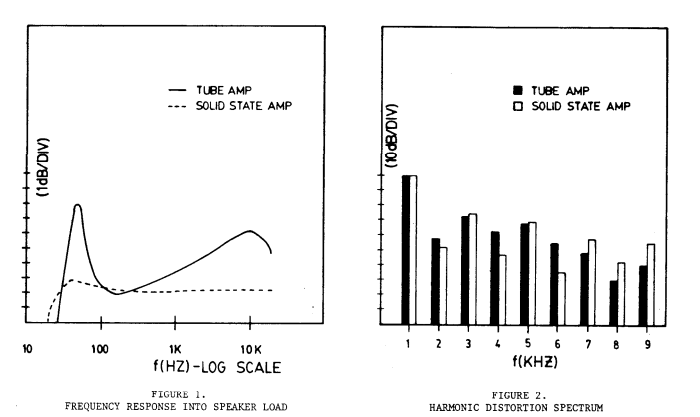
W. Bussey and R. Haigler, “Tubes versus transistors in electric guitar amplifiers,” ICASSP ’81. IEEE International Conference on Acoustics, Speech, and Signal Processing, Atlanta, GA, USA, 1981, pp. 800-803, doi: 10.1109/ICASSP.1981.1171205.

The image above is from a 1981 paper titled Tubes versus Transistors in Electric Guitar Amplifiers. It shows the response of electric guitar amps that use vacuum tubes or transistors.

The graph on the left shows the frequency response, while the one on the right displays harmonic distortion. It’s clear how different they are, even without further explanation.

References
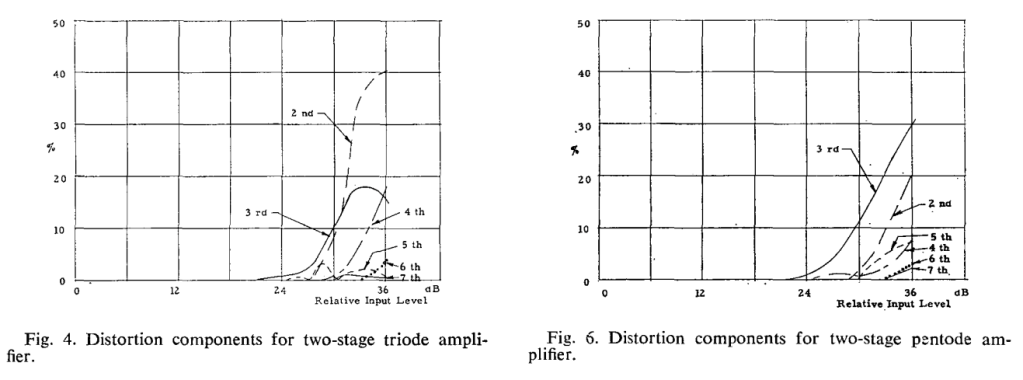
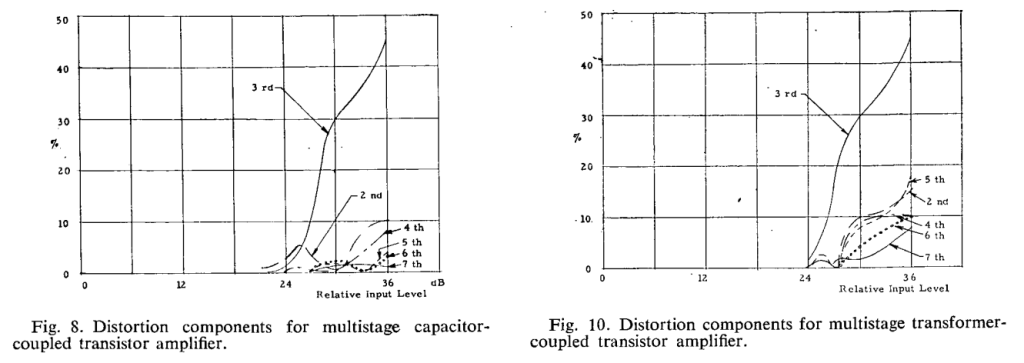
O., H. R. (1973). Tubes Versus Transistors – Is There an Audible Difference? Journal of the Audio Engineering Society, 21, 267–273.

If you search online for Tubes Versus Transistors – Is There an Audible Difference?, you’ll find this paper. It’s originally an AES paid article, so if there’s any issue with the image, I’ll remove it…^^;;

Anyway, the top left graph shows two triodes (vacuum tubes), and the top right shows two pentodes (vacuum tubes). The bottom left graph combines capacitors and transistors, while the bottom right combines transformers and transistors.

So, what is this measuring? It’s measuring harmonic distortion based on input level. Rather than focusing on specific meanings, it’s enough to note that they are all very different.

If each vacuum tube and transistor has different harmonic distortion characteristics, is it really meaningful to define sound solely based on whether it’s a tube or a transistor? In my view, it’s not that significant.

What’s important for music production, in my opinion, is not differentiating between these categories but understanding how each specific device affects sound individually.

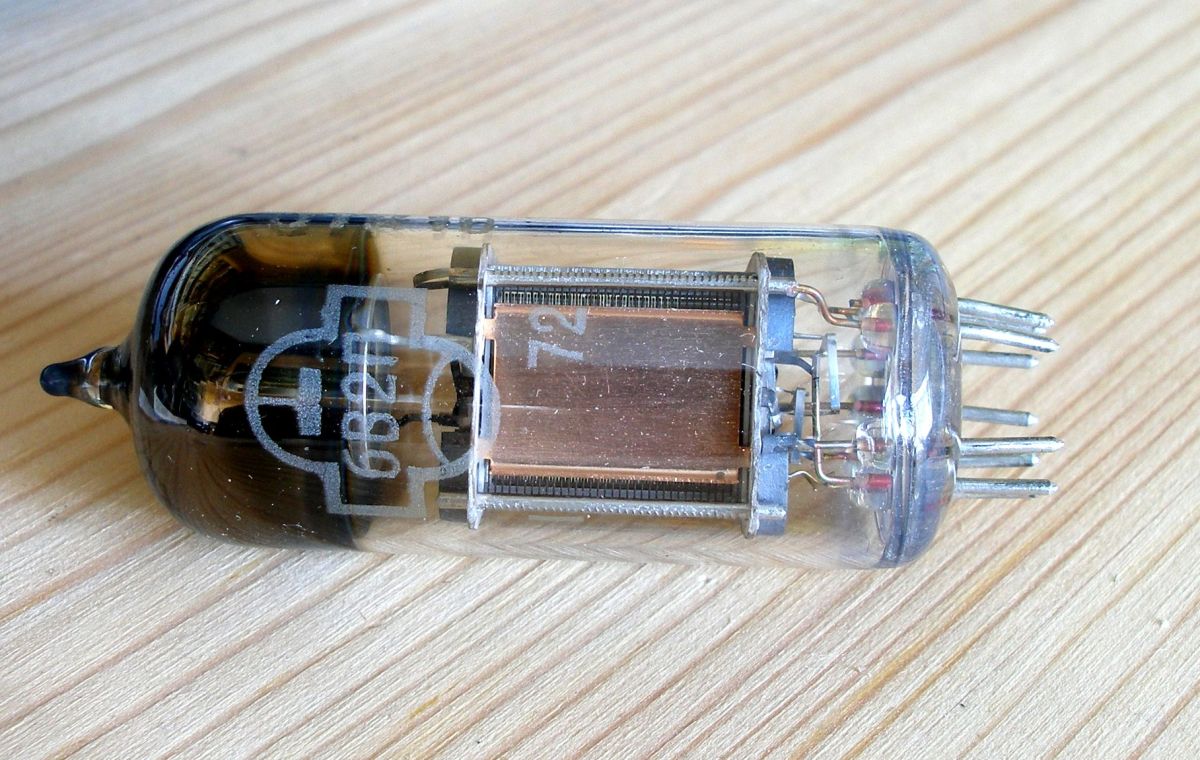
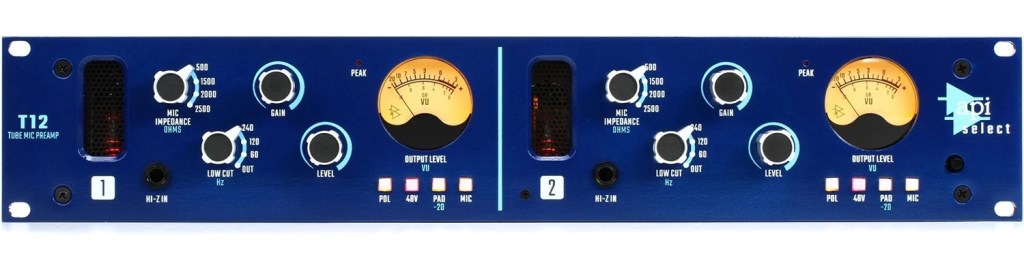
This is a microphone preamp with a vacuum tube… Doesn’t it make sense that different brands of tube preamps have their own distinct characteristics?

As an equipment enthusiast, I find myself trying to understand each piece of gear one by one, and my bank account… well… haha… ha… ha…

To make matters worse, I also play instruments, so it’s quite the struggle… I’ve been hunting for a second-hand bass recently because I’ve decided to play bass myself. It looks like I’ll be carrying this gear addiction with me for the rest of my life.

That’s it for today. In the next post, I’ll discuss the saturation effects of tape 🙂