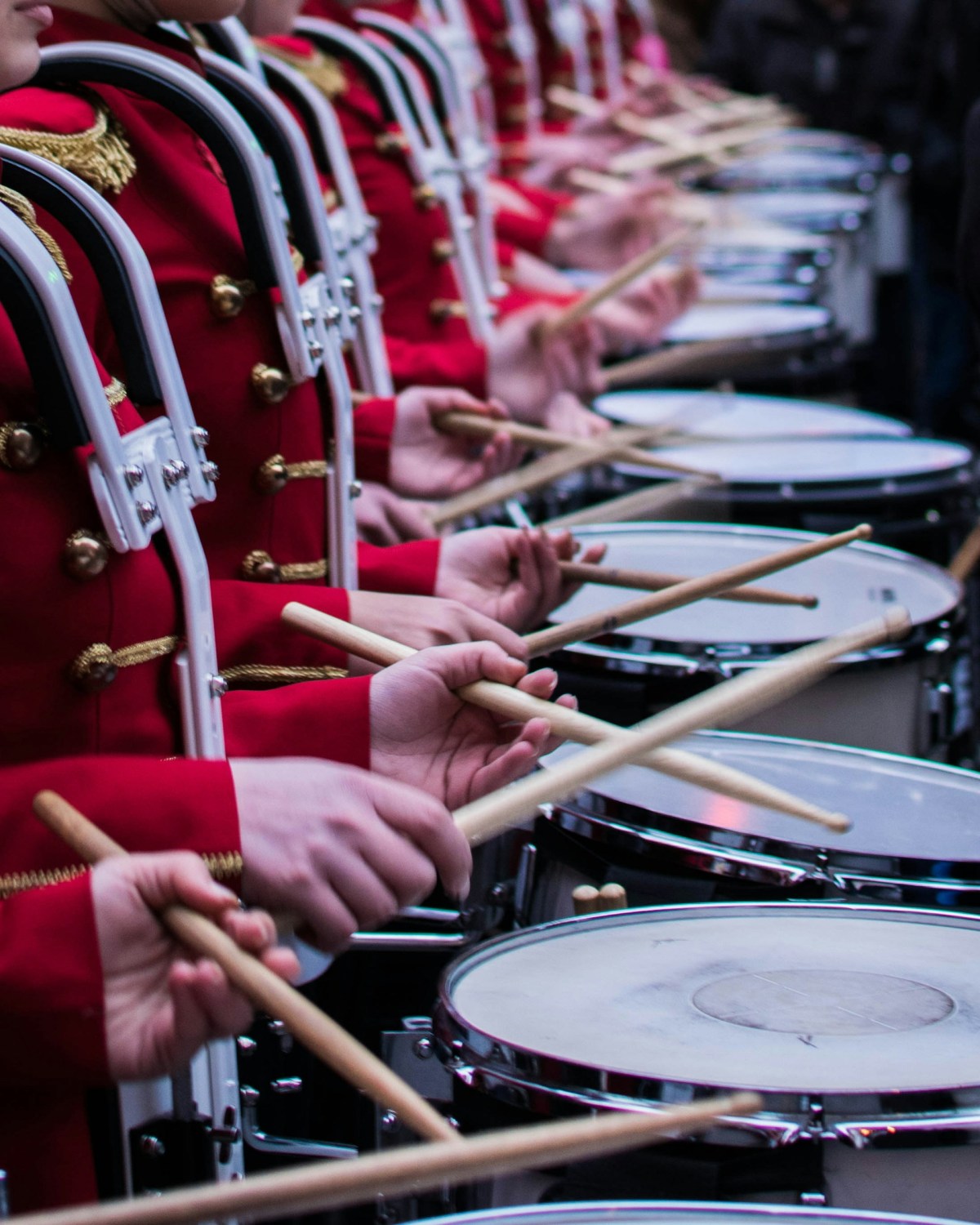
Orchestration Basics – Percussion (2)

Hello, this is Jooyoung Kim, a mixing engineer and music producer.

Today, I’ll continue from my previous post on the basics of orchestration, focusing on percussion instruments.

Shall we begin?

  • Triangle

The triangle is a metallic, triangular instrument that is suspended by a loop made of gut or nylon string, which is worn on the finger and struck with a metal beater of the same material.

Because it involves metal striking metal, it produces a sharp, clear sound. Despite its small size, it can cut through an entire orchestra due to its metallic timbre.

Playing techniques include single strokes, drags, and triangle rolls, where the beater trills along the edges. A unique feature is that you can mute the triangle by touching the body with your fingers. Like most percussion instruments, the intensity of the stroke determines the volume.

  • Crotales

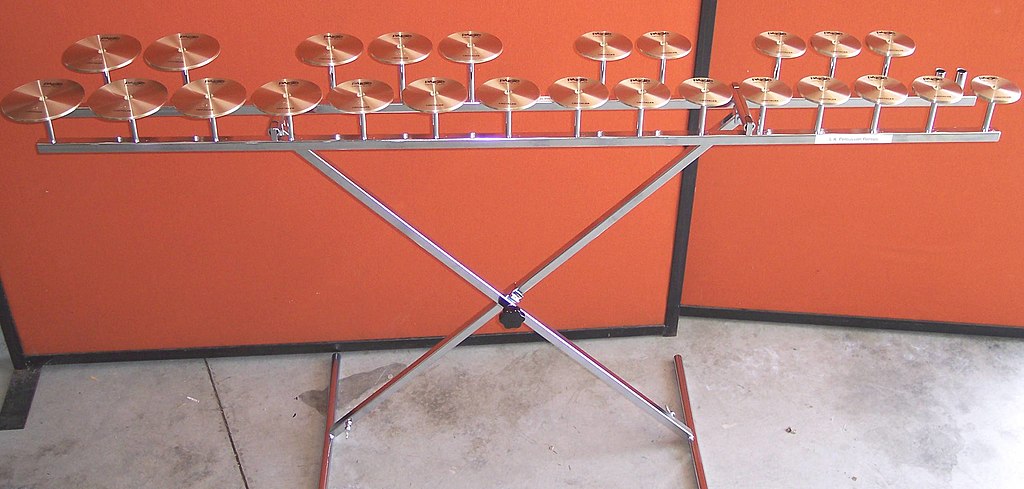
Also known as antique cymbals, crotales are small cymbals about 4 inches (10 cm) in diameter, each with a specific pitch.

They can produce about two octaves of sound, extending the range by adding additional sets. These instruments are transposing, sounding two octaves higher than written, and are typically tuned to A=442Hz.

Crotales are fixed to stands with nuts, similar to cymbals. The nuts must be adjusted correctly to avoid dampening the sound or losing control of the vibration. Their metallic sound can pierce through an orchestra. Unlike glockenspiels, which are made of steel, crotales are usually made of brass, resulting in a different timbre. They produce a long sustain and are often struck with mallets that have hard heads.

Crotales can also be muted by hand or played with rolls. A unique technique involves using a string bow to scrape the edge, producing a distinctive sound.

  • Castanets

Castanets, also known as clackers or palillos, are instruments that produce sound by clapping two pieces together. Their exact origin is unknown, but they are widely used, especially in Latin music and flamenco dance, where female dancers rhythmically play them in both hands.

Traditionally made of wood, modern versions can be made from fiberglass. Castanets do not have a definite pitch, but the size difference between the pairs (macho for the larger, deeper-sounding one and hembra for the smaller, higher-sounding one) gives a perceived pitch variance.

Castanets are connected by a string loop, worn on the thumb, and struck with the other fingers. While single notes can be played, rolls are often more effective, especially in fast and complex pieces.

  • Mark Tree

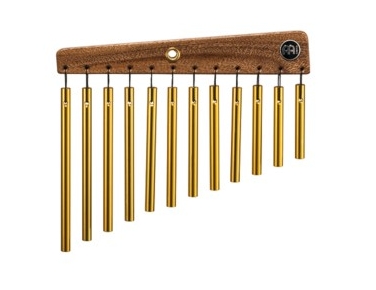
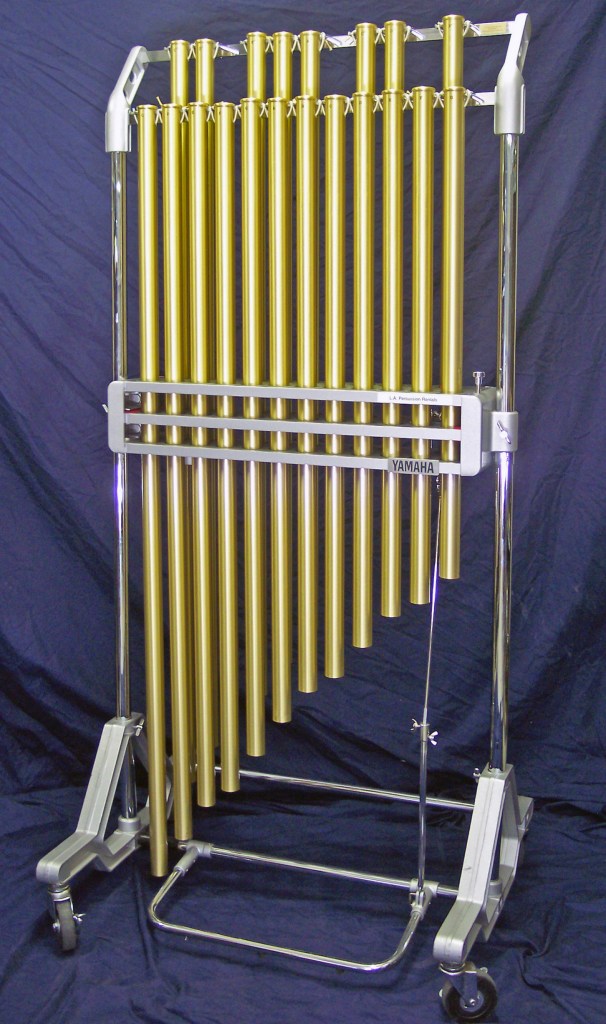
Also known as bar chimes, nail tree, or chime tree, this instrument consists of aluminum or brass tubes, either hollow or solid. Instead of striking each bar individually, players typically use their hands or fingers to create a glissando by sweeping across the bars.

Mark Trees are used across various musical genres, including orchestral and popular music, to create a shimmering sound. The instrument’s range isn’t usually notated.
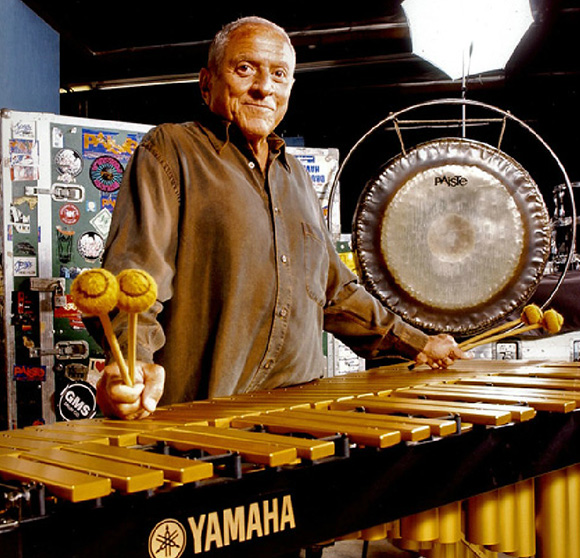
Emil Richards

Invented by Mark Stevens in 1967, the instrument was named by the legendary percussionist Emil Richards, who referred to it as the Mark Tree. The instrument is also known by other names like bar chimes or chime tree due to its chime-like quality.

  • Jingle Bells

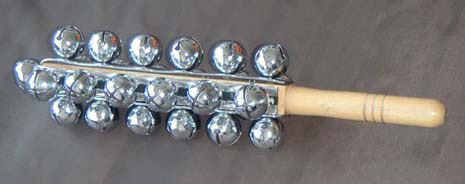
The jingle bell, famously known from the Christmas song “Jingle Bells,” is also called sleigh bell because it’s attached to sleighs. It’s a quintessential instrument for holiday music, producing a recognizable jingling sound.
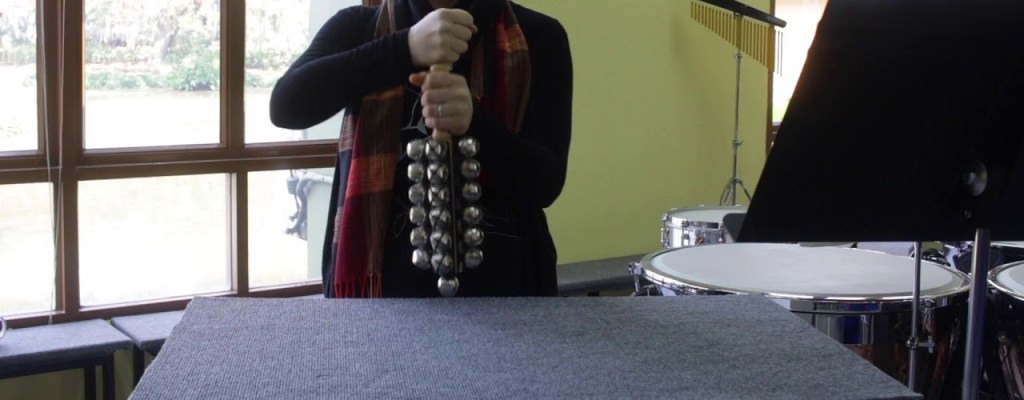
Jingle bells are typically mounted on a stick, played by shaking or striking with another hand. This method ensures precise timing and clean sound release.

  • Bell Tree

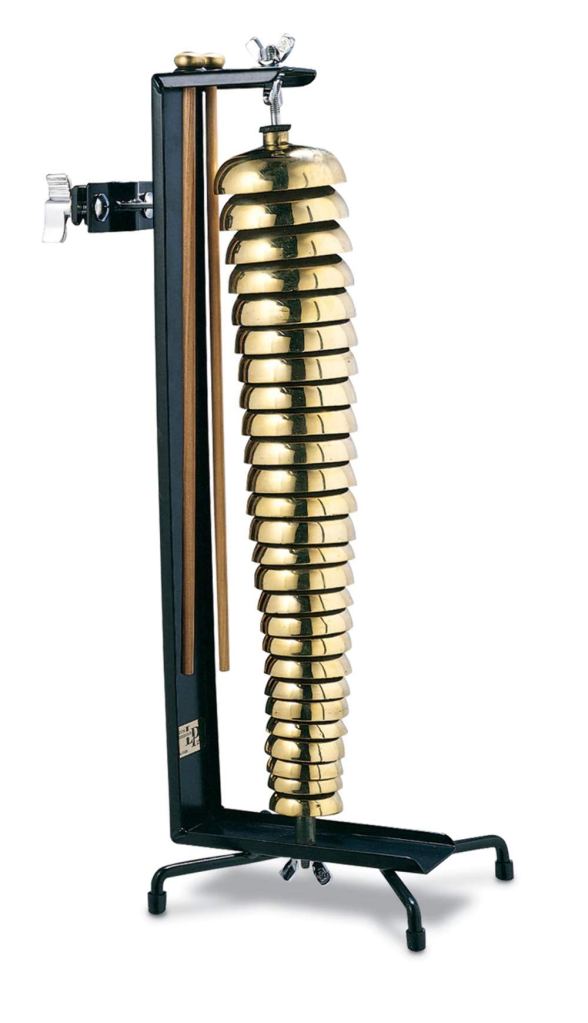
The bell tree, also known as tree bells or Chinese bell tree, consists of 14 to 28 bells arranged vertically. Unlike the Mark Tree, it is played by sweeping a beater, usually a triangle beater or a glockenspiel/xylophone mallet, from top to bottom for a glissando, or striking individual bells for single notes.

The bell tree has a long sustain and can pierce through an orchestra, often used for sound effects in film and commercial music. Its relatively short history dates back to its first studio use in the 1990s.

  • Conclusion

This concludes the basics of orchestration for percussion instruments. I hope this information has been helpful!

See you in the next article~:)

Orchestration Basics – Percussion (1)

Hello, this is Jooyoung Kim, a mixing engineer and music producer.
Today, I’d like to finish the final part of my orchestration basics series, focusing on percussion instruments.

Percussion instruments are a category of musical instruments that produce sound by being struck, shaken, or scraped. They consist of a striking object A and a struck object B, and the sound changes based on the material of each object.

Percussion instruments are generally divided into those with definite pitches and those without, but their playing techniques share similarities.

Therefore, we will first cover effective playing techniques for percussion instruments before moving on to descriptions of individual instruments.

1) Flam

Flam is a technique used to produce a quick “ta-da” sound, often used as an embellishment. Also known as a drag, it is commonly used on instruments like timpani, snare drums, and tom-toms.

2) Roll

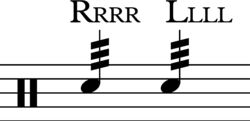
A roll, also referred to as a trill, involves continuous tremolo and is a very impactful technique frequently used across many percussion instruments.

3) Mallet

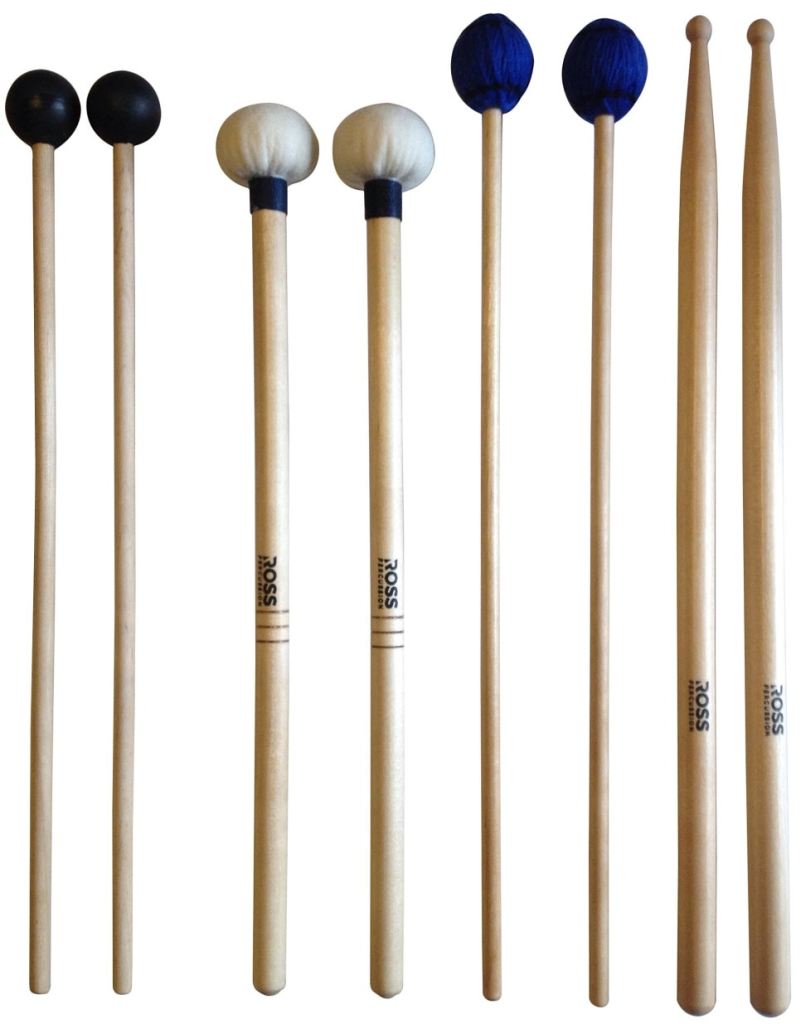
A mallet consists of a stick and a head. Generally, the stick is made of rattan, while the head can be made of various materials, resulting in different timbres. Performers typically prepare several mallets to choose from, depending on the desired nuance, ranging from hard, medium, soft, wire brushes, timpani/bass drum mallets, to drumsticks.

  • Timpani

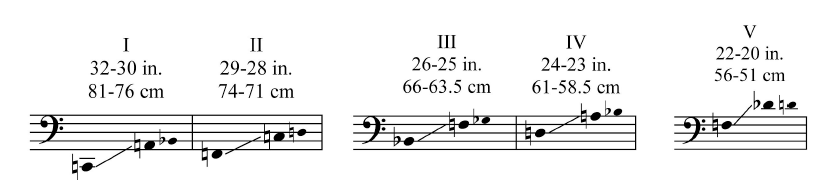
Timpani, also known as kettledrums or temple drums, are pitched percussion instruments. Originally used in military settings, they became essential in orchestras by the late 18th century. Classical composers like Mozart and Haydn typically used two timpani in symphonies, tuned to the tonic and dominant (or subdominant) of the key. Beethoven expanded their use to include four timpani, and Berlioz, known as the father of orchestration, even wrote pieces requiring 16 timpani played by 10 musicians. Modern compositions usually feature one player handling four timpani.

Timpani range and pitch are controlled by adjusting the tension of the drumhead. The shells are made from materials like copper, aluminum, or fiberglass, with hemispherical shells producing a brighter tone and parabolic shells a darker tone. The pedal at the bottom is used to tune the timpani, and while tuning during a performance is challenging, it can be done to produce glissando effects. Though not transposing instruments, their sound is typically perceived an octave lower than written.

  • Xylophone

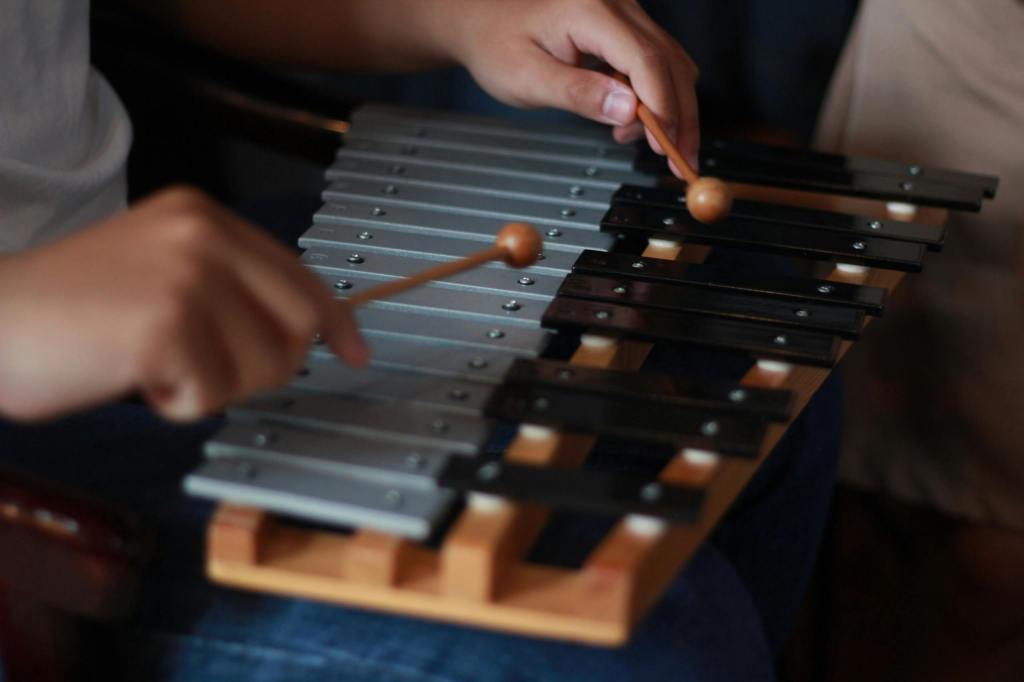
The xylophone has wooden bars arranged like a piano keyboard and is sensitive to strong impacts, so its attack is not very forceful. It’s usually played with four mallets (two in each hand), and the resonators beneath the bars amplify the sound.

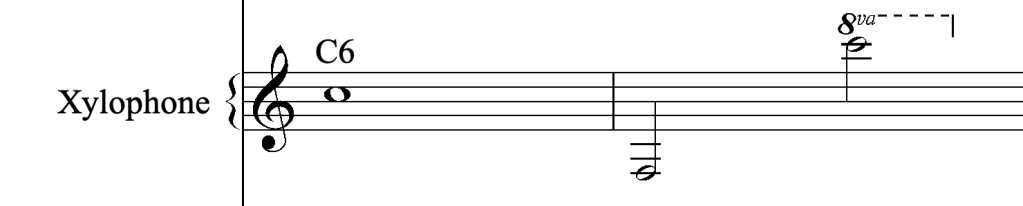
Xylophones come in various sizes and can cover up to four octaves. They are transposing instruments, sounding an octave higher than written. For longer note values, rolls are the primary technique.

  • Marimba

Similar to the xylophone, the marimba typically spans five octaves. Bass marimbas exist but are rarely used. Marimbas are larger than xylophones and produce a softer, richer sound. Unlike the xylophone, marimbas are not transposing instruments.

  • Glockenspiel

The glockenspiel, also known as orchestra bells, has metal bars and produces a bright, penetrating sound.

It is played with metal mallets and has a range of about three octaves, sounding two octaves higher than written.

  • Vibraphone

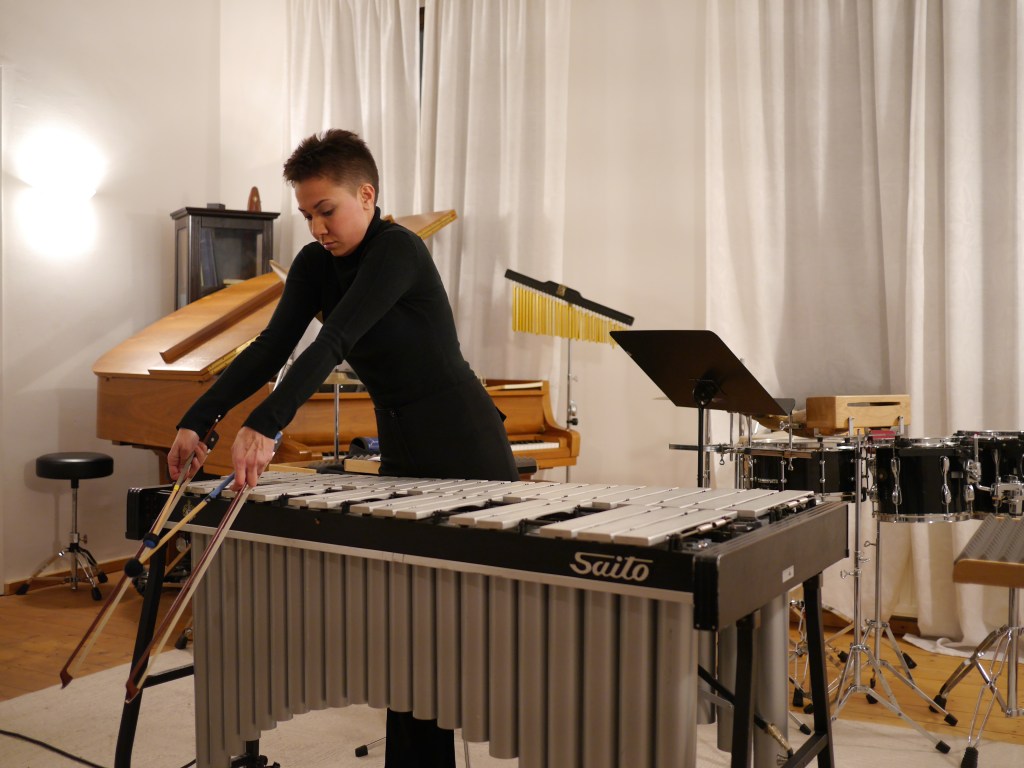
The vibraphone features a damper pedal to sustain or mute sounds and has electric fans that create vibrato. The mallets, referred to as beaters, have metal heads. Soft and hard mallets are used, with soft mallets being more common. The vibraphone is a non-transposing instrument.

  • Tubular Bells

Tubular bells, or chimes, consist of metal tubes and are struck with wooden or metal hammers. They produce a long, resonant sound controlled with a damper.

Tubular bells are transposing instruments, sounding an octave higher than written, but their sound is often perceived as lower. They are effective for creating church bell sounds.

  • Snare Drum

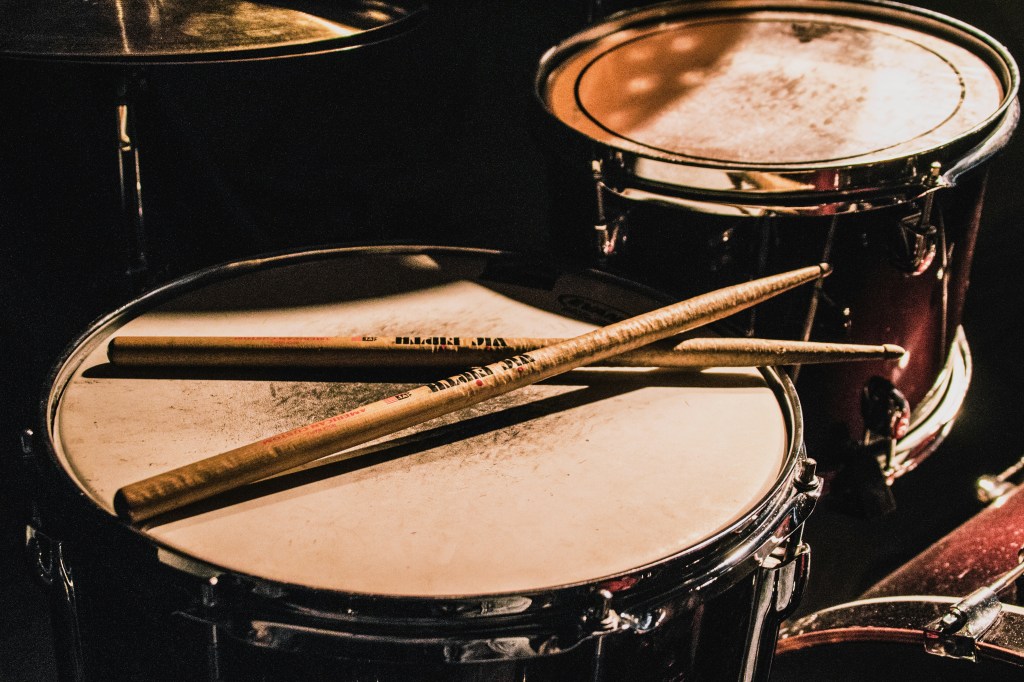
The snare drum’s characteristic sound comes from the metal wires (snares) on its underside. These can be tightened or loosened to alter the sound. Techniques like the rim shot, where the drum’s rim is struck, and playing with wire brushes for different textures are common. The snare drum doesn’t have a definite pitch, but it can have resonant frequencies.

  • Bass Drum

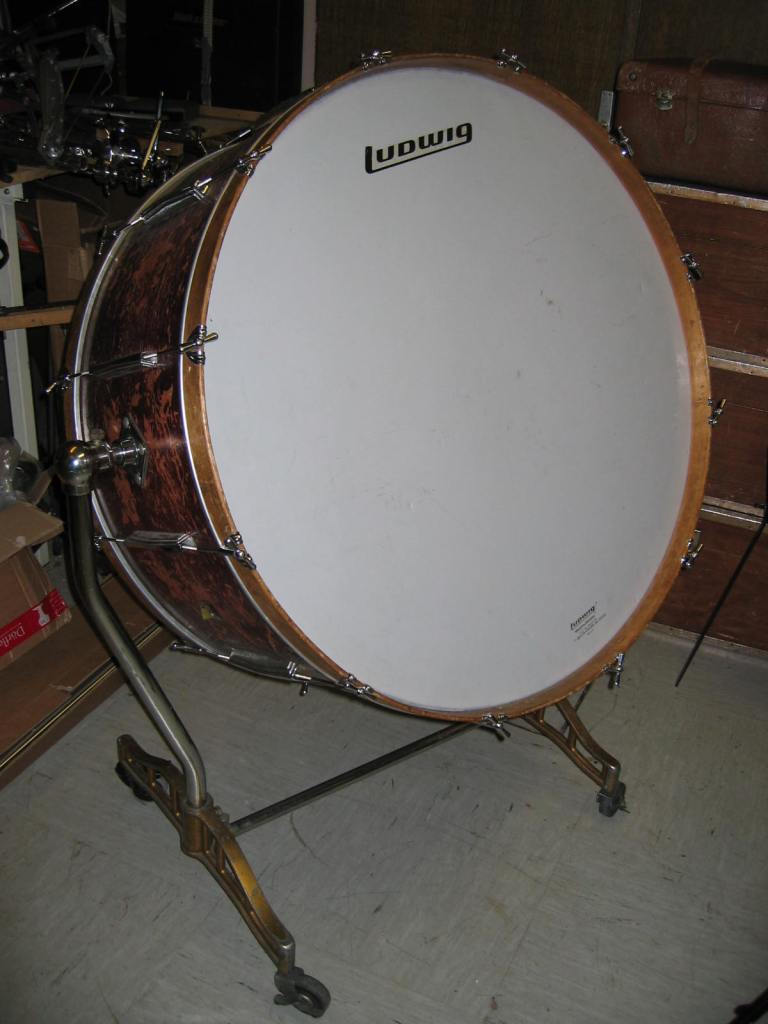
The bass drum, ranging from 24 to 36 inches, is played while standing and typically dampened by hand. It is notated on a single line in the score.

  • Cymbals

Cymbals are metal discs played by striking them together (clash) or by rubbing them for a roll. They can also be played with a bow for a unique sound. Stopping the cymbals’ vibration is indicated as a choke.

  • Tam-tam

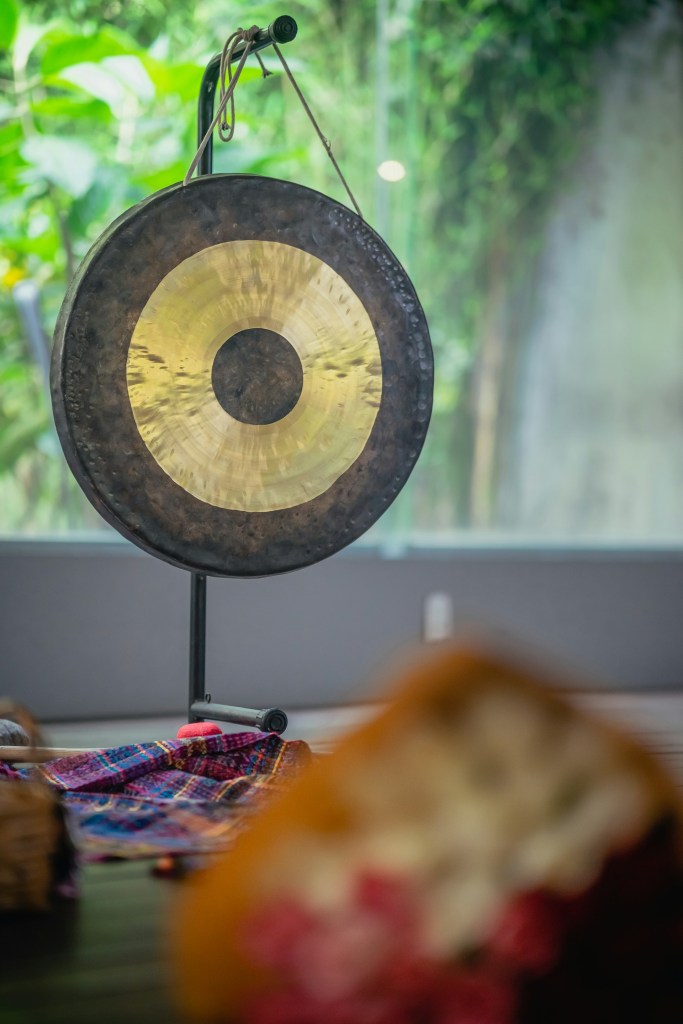
The tam-tam, similar to a Chinese gong, can produce different sounds depending on the playing technique, such as scraping with a coin for a unique effect. It is usually played with mallets that have cloth or felt heads.

More percussion instruments will be covered in the next post. See you in the next article~:)

Orchestration Basics – Brass (2)

Hello! This is Jooyoung Kim, an engineer and music producer. Today, I would like to continue with the basics of orchestration, brass instruments in part two.

This article will primarily cover four instruments: the Horn, Trumpet, Trombone, and Tuba.

Let’s get started!

  • Horn

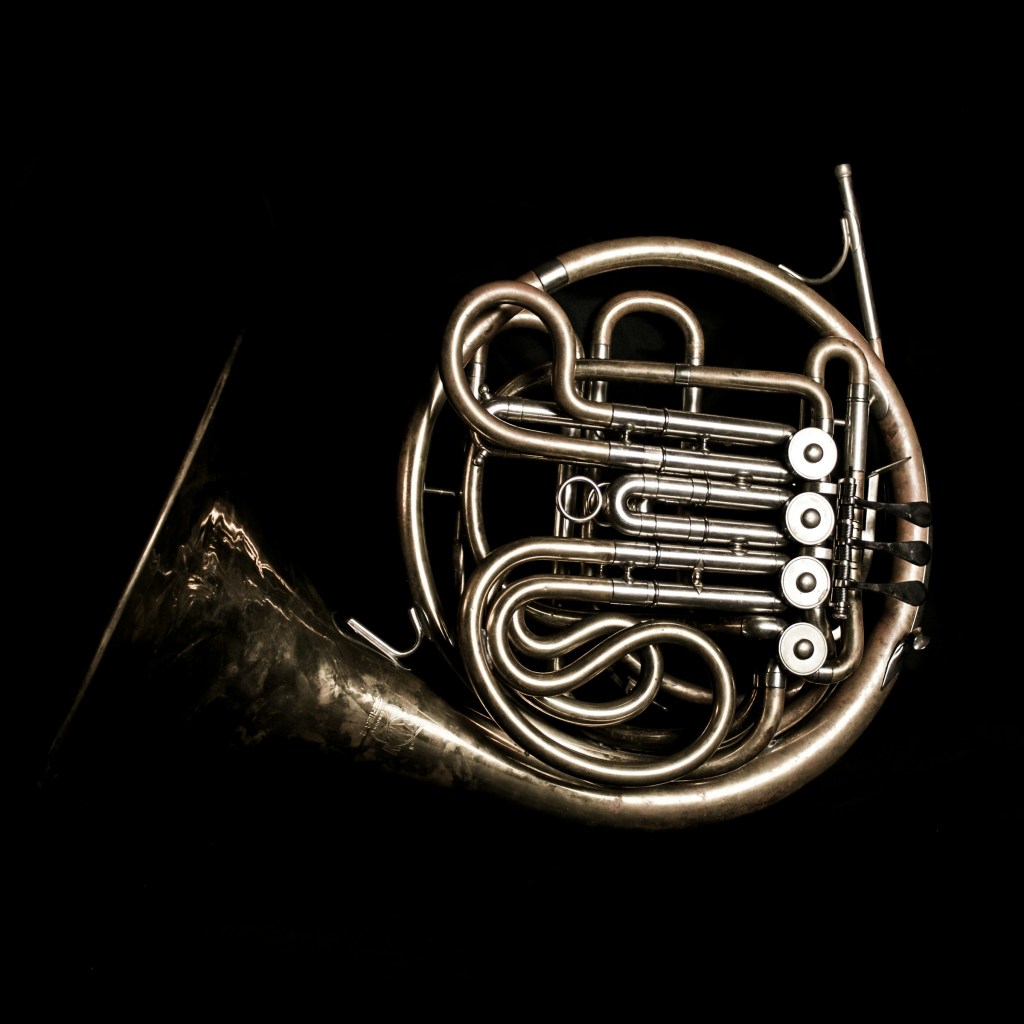
The Horn is responsible for the Alto range in the brass family and has the softest sound among all brass instruments. In a woodwind quintet, it is often used alongside the Flute, Oboe, Clarinet, and Bassoon, bridging the timbres of brass and woodwind instruments.

In an orchestral setting, the Horn is usually arranged in pairs or groups of four. When there are four players, the 1st and 3rd players cover the high notes, while the 2nd and 4th players handle the lower notes. In the score, 1st and 2nd, as well as 3rd and 4th, are paired together.

Horn Range (Actual Sound)

The Horn has the widest range among brass instruments, utilizing both the treble and bass clefs. Being a transposing instrument in F, it sounds a perfect fifth lower than written. For clarity, it is commonly notated in the treble clef. When using the bass clef, remember that it sounds a perfect fifth higher than written. Accidentals are used instead of key signatures.

The Horn often carries the melody in the brass section due to its ability to change notes more smoothly than the Trumpet and blend well without overpowering other orchestral instruments. When considering melodic lines in the brass section, the Horn should be your first choice.

A unique technique for the Horn is Hand Stop, where the hand is placed inside the bell to produce notes outside the natural harmonic series. This is notated with a cross (+) and results in a lower pitch than the written note.

  • Trumpet

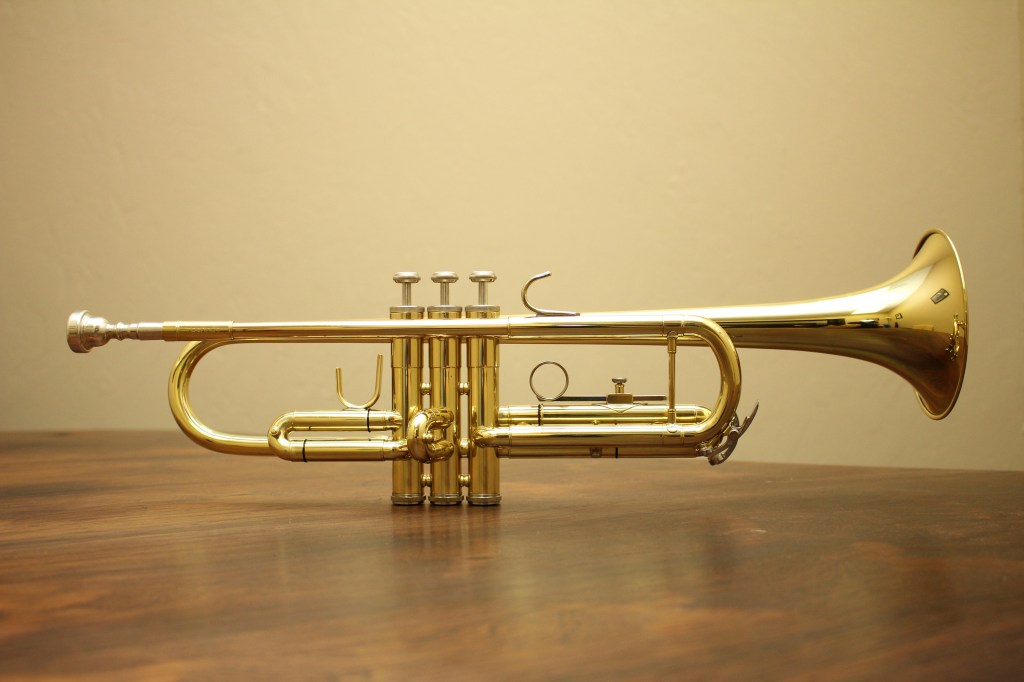
The Trumpet covers the Soprano range in the brass family. Historically, it was often used like percussion alongside the Timpani, but in modern times, especially in Jazz, it frequently takes on melodic roles.

Today, the most commonly used Trumpets are in C and Bb. The C Trumpet is non-transposing, sounding as written, while the Bb Trumpet transposes down a whole step. Like the Horn, Trumpets use accidentals instead of key signatures.

Trumpet Range (Actual Sound)

In an orchestra, Trumpets are usually arranged in pairs or groups of three. Their distinct sound and volume make them ideal for tutti sections or moments requiring emphasis.

Brass instruments, including Trumpets, generally avoid stacking harmonies in thirds when used in pairs or more. Instead, they use open intervals like fifths, sixths, sevenths, or octaves. This practice originated from the natural brass instruments which could not easily produce third intervals in the lower register and produced less resonant third intervals in the upper register.

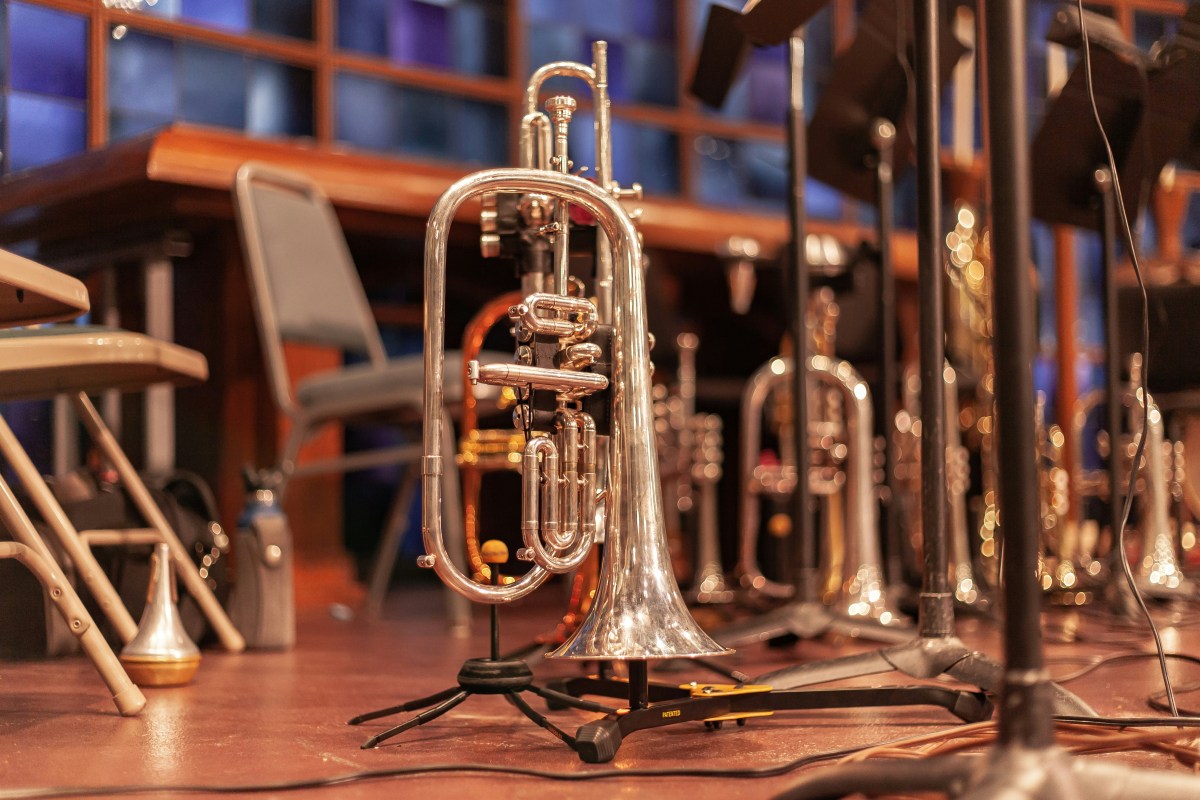
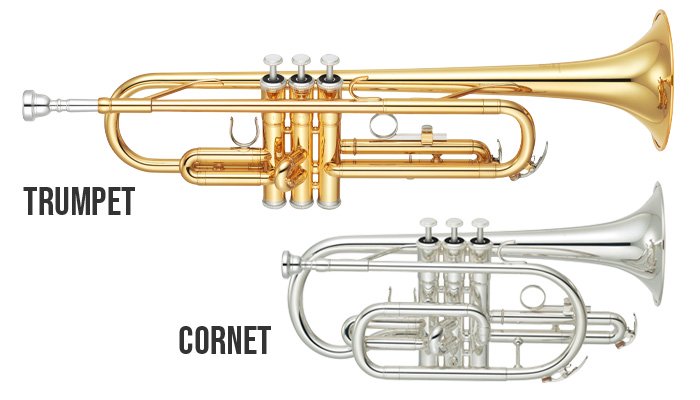
The Trumpet family includes the Cornet, a smaller instrument in Bb. Though it shares the same range as the Trumpet, its tone is different, making it suitable for more agile, intricate music passages.

  • Trombone

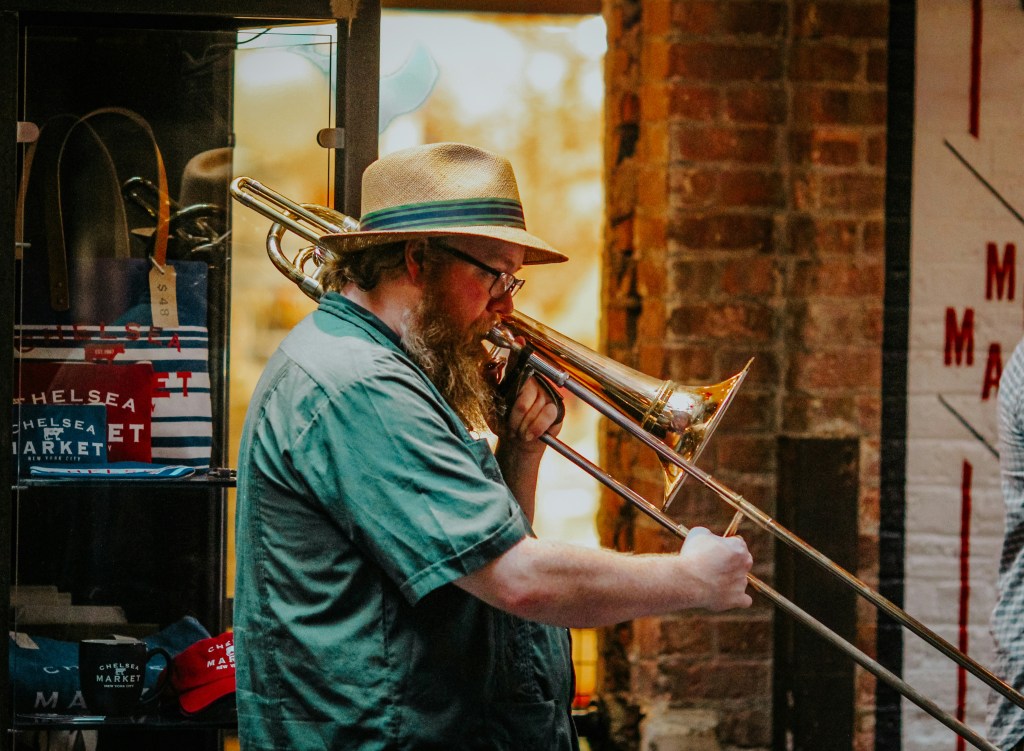
The Trombone is unique among brass instruments for using a slide to adjust pitch and covers the Tenor range. This allows for effective use of techniques like Glissando and Portamento, though it can limit some melodic movements due to physical constraints.

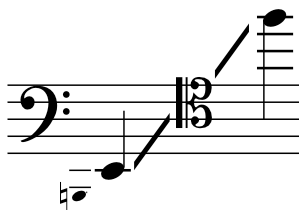
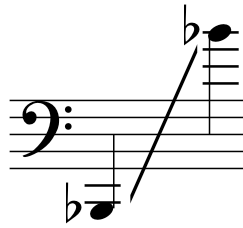
In orchestration, the Trombone typically supports other instruments’ bass lines or enhances resonance rather than carrying the bass or melody alone. It has seven slide positions, each producing specific fundamental notes and their harmonics, from Bb to E.

Tenor Trombone (Actual Sound)
Bass Trombone (Actual Sound)

Commonly used Trombone types include the Tenor Trombone and the Bass Trombone, the latter being used in larger orchestral settings. Unlike the Horn and Trumpet, the Trombone is non-transposing.

  • Tuba

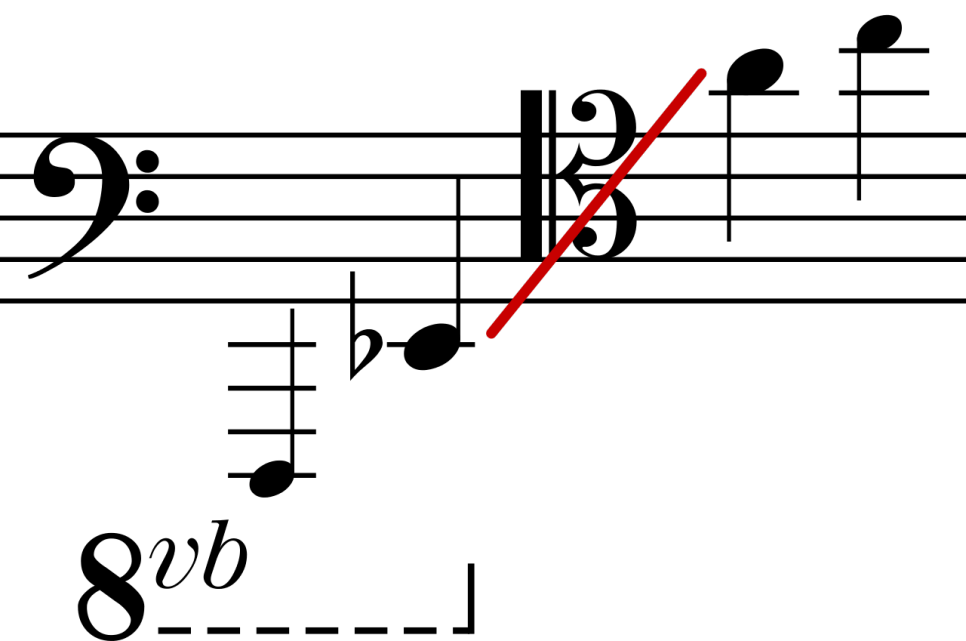
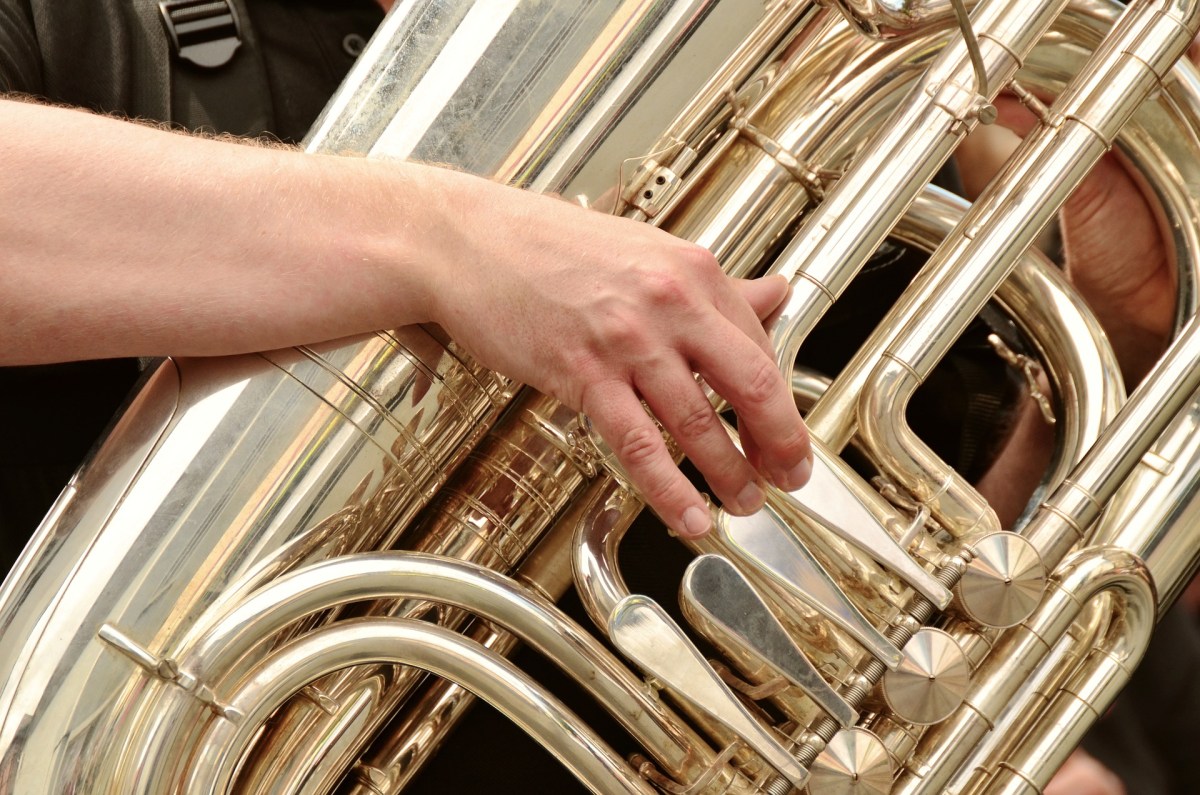
The Tuba occupies the lowest bass range in the brass family. Its imposing size matches its powerful sound, which can dominate the orchestra or project prominently in large ensembles.

The Tuba is effective in tutti or fortissimo passages, emphasizing the music. It also serves well for bass melodic movements due to its rich harmonics, provided it has sufficient support from other instruments.

Tuba Range (Actual Sound)

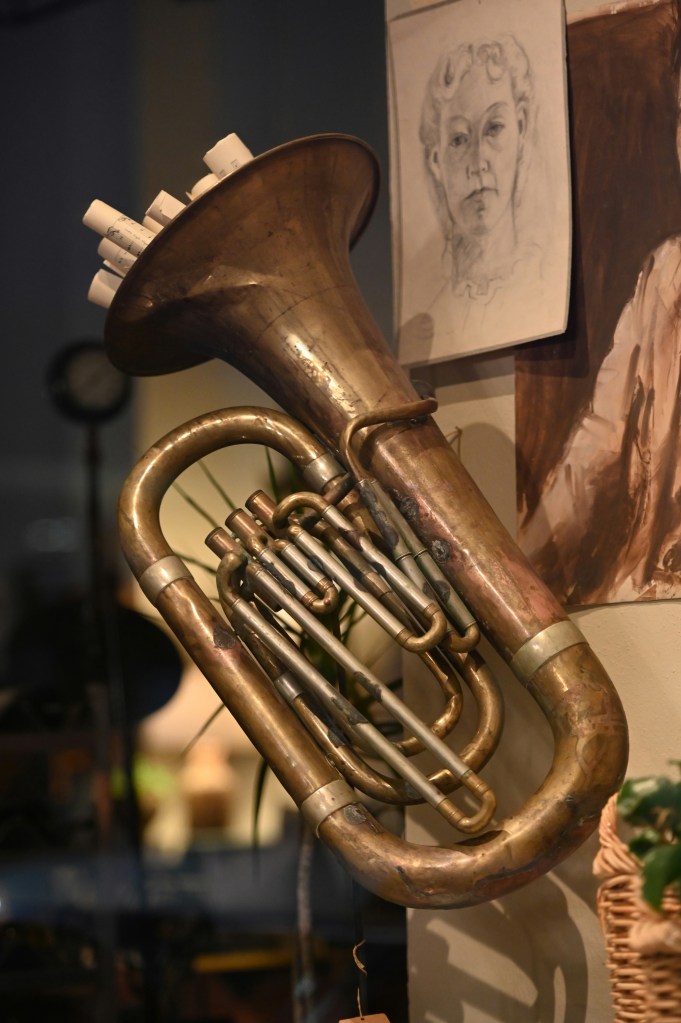
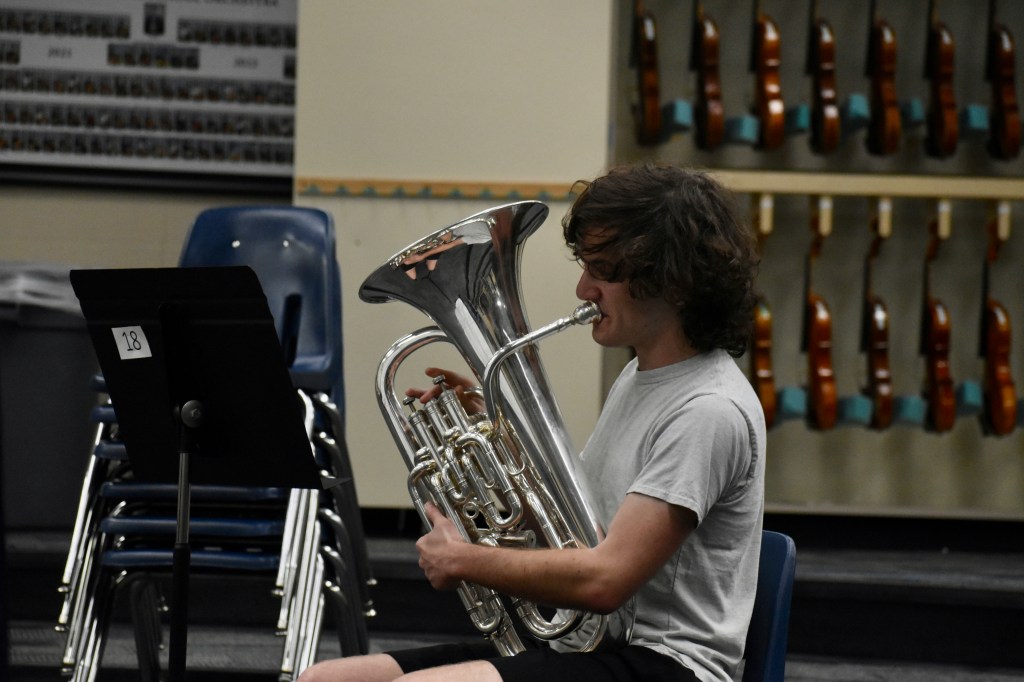
The Tuba is a non-transposing instrument in C, and a smaller, tenor-range Bb instrument called the Euphonium is sometimes used as well.

Euphonium
  • Orchestral Arrangement

In a two-player setup, it is common to have two Trumpets and two Horns. A three-player setup typically includes three Trumpets, four Horns, three Trombones (or two Tenor Trombones and one Bass Trombone), and one Tuba.

In larger setups, the number of Horns usually increases in even numbers, such as six or eight, with other brass instruments being added according to the woodwind arrangement.

This concludes our discussion on classical brass instruments. I hope you found it interesting!

In the next post, I’ll cover Saxophones and Jazz Brass. Stay tuned!

Orchestration Basics – Brass (1)

Hi! This is engineer and music producer Jooyoung Kim.
Today, following woodwinds, I would like to talk about brass.

Before dealing with brass instruments, brass instruments can be divided into two categories: brass in the classical sense and brass in the modern sense.

  • Brass of classical orchestra: Horn, Trumpet, Trombone, Tuba
  • Jazz brass: Horn, Trumpet, Trombone, Tuba, Saxophone

Therefore, we will deal with the four types of brass used in classical orchestras first, and the modern big band-style jazz brass later.

Brass is literally called brass because the material of the instrument is brass. It has no reeds and is characterized by using lips and several valves or slides to control the sound. (Saxophones have reeds, so in classical music, saxophones are classified as woodwind instruments. In modern Jazz Brass, Saxophones are simply lumped together and called Brass. )

In a traditional orchestra, the Tuba plays the role of the bass, the Trombone the tenor, the Horn the alto, and the Trumpet the soprano.

  • Valves

In the classical era, because the sound had to be controlled only with a tube without a valve, only the overtones of the natural frequency of the tube could be played.

​Accordingly, the performer played with a tube that had a basic tone that suited the orchestra’s composition, and when modulation was needed, the length of the tube was adjusted using tubes called crook.

​At this time, notes were controlled only with the lips, so rapid and rapidly changing performances were not often used. In particular, if you look at Mozart’s music, you can see that the Trumpet is used like a percussion instrument along with the Timpani, and the Horn is also often used for sounds that are easy to make in overtones, such as fifth chords or octave playing.

Crook

However, since the length of the pipe could be adjusted using a valve system, the need for these cumbersome crooks was reduced, and relatively fast playing became possible.

In particular, in the Jazz Brass arrangement, this fast performance makes it possible to quickly change chords and create a unique, full sound.

  • Harmonics

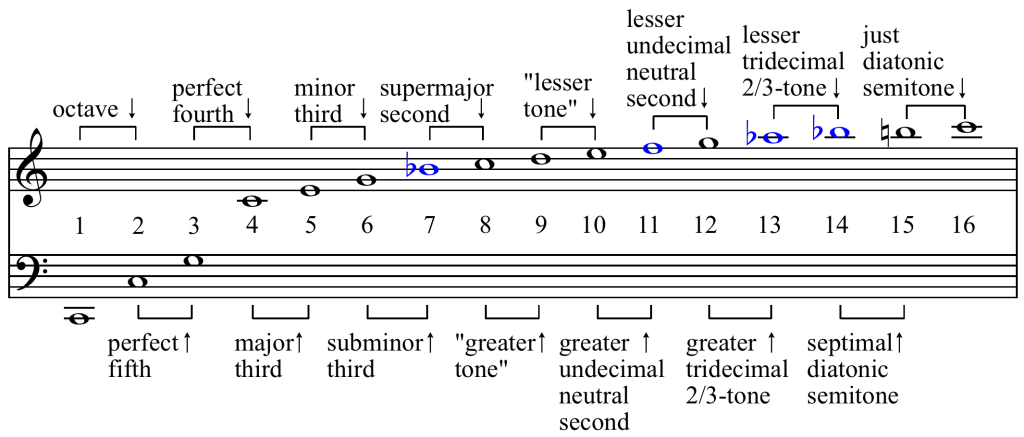
Wind instruments are designed to play natural overtones from birth, so natural overtones sound best. Therefore, it is best to keep natural overtones in mind when writing songs.

Generally, it is difficult to blow the fundamental tone, so start with the second overtone. Playing something like Glissando on a brass instrument is only possible with a series of these overtones.

  • Mouthpiece & Embouchure

Vibration of air is necessary to produce sound in a tube. In woodwind instruments, the reed plays that role, but in brass instruments, the lips are dropped to vibrate the air. This method of controlling performance with the lips is collectively called Embouchure.

​In modern improved instruments, valves can control notes, but not all notes. Therefore, the embouchure is very important because the lips must be able to produce tube overtones.

  • Slides

Trombone uses slides rather than valves, so it is not easy to change notes quickly, not overtones. Instead, you can play the extremely effective Glissando technique through Slide.

There are a total of 7 stages of Slide, which will be covered separately in the Trombone section.

  • Mutes

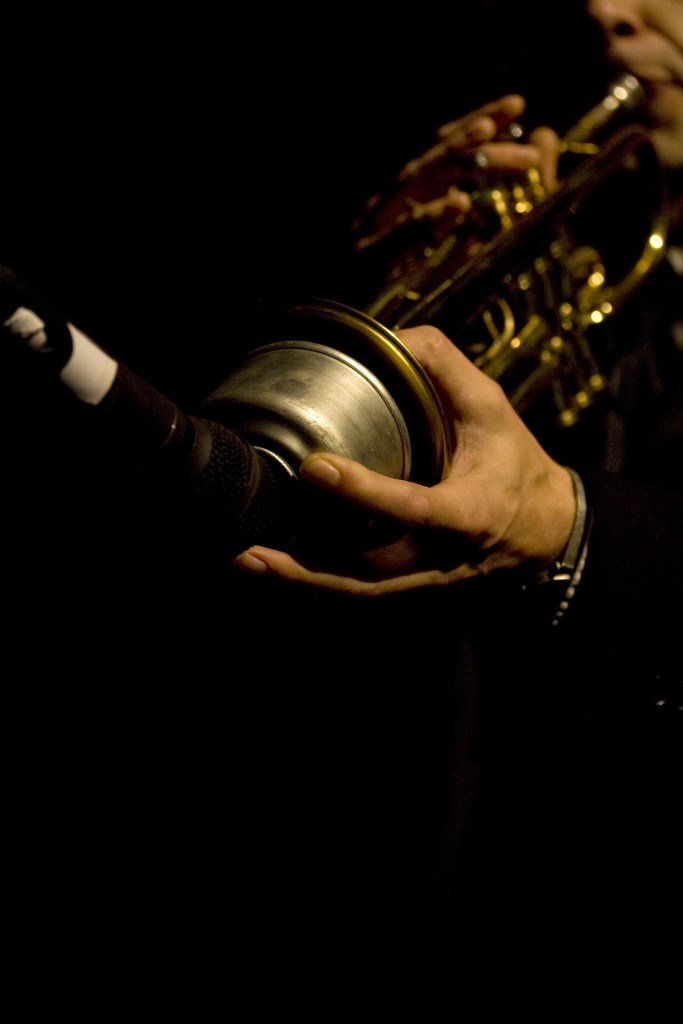
There are various Mutes in brass instruments. It is especially often used on trumpets. Mutes not only attenuate the sound but also change the timbre of brass instruments.

Therefore, if you use mutes like this to weaken the sound when working on an orchestra arrangement, the tone may become sharper and the sound will stick out more, which may work in the opposite direction of what you want.

The five most commonly used Mutes are Straight Mute, Cup Mute, Harmon (Wah-wah) Mute, Plunger Mute, and Bucket Mute.

Mutes that are not made of metal are generally not used in orchestral pieces, but are mainly used in modern or jazz music.

​In the score, putting on Mutes is written as Con Sordino, and taking off Mutes is written as Senza Sordino.

​That’s all for today, and I will explain Horn, Trumpet, Trombone, and Tuba in the next article. I hope it helps you study.

See you again in the next article 🙂