
Hello, this is Jooyoung Kim, a music producer and mixing engineer.
Today, I’m going to review the Takamine GN30CE NAT guitar. Let’s get started!
- Appearance
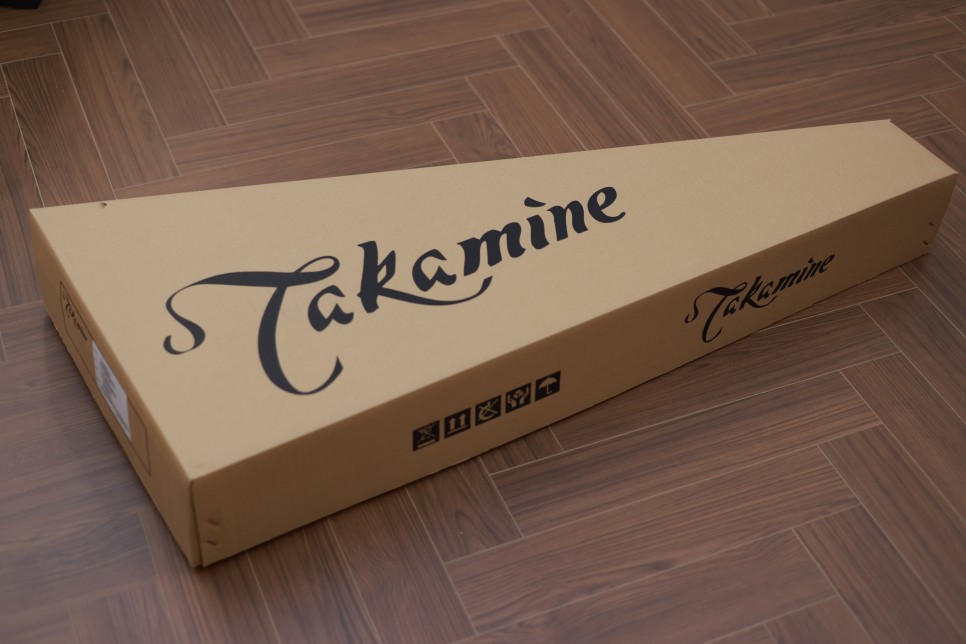



The packaging is the same as the GD30CE NAT model I reviewed before. It includes a truss rod and a QC card.

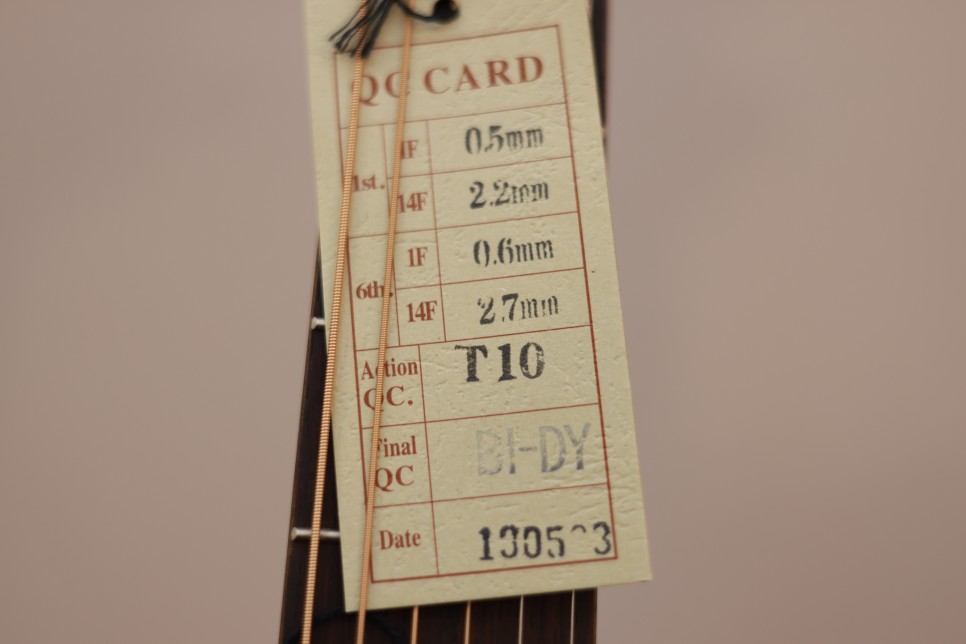

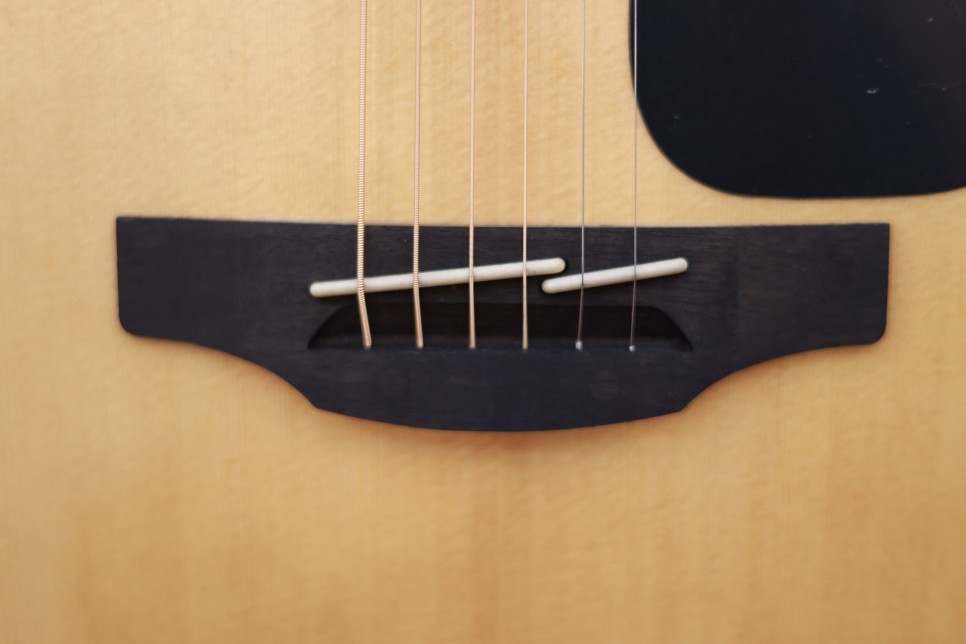
Like the GD30CE NAT, this model passed QC in 2019. Additionally, it has a pinless bridge.
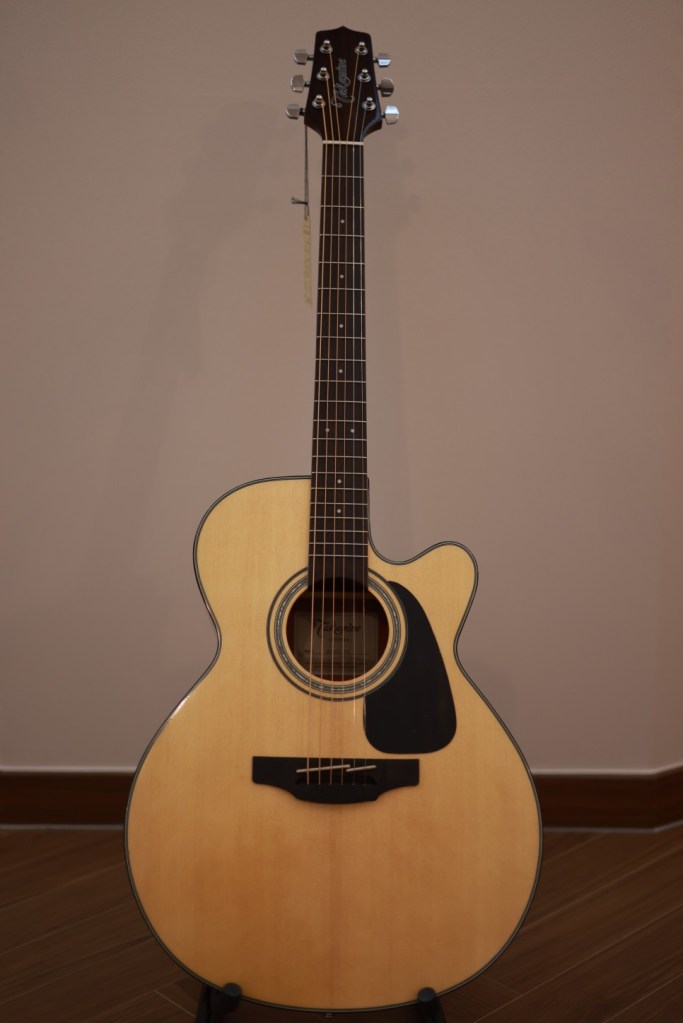
The overall look is clean.
The outer binding is black, so there’s no worry about discoloration over time. Personally, I prefer black plastic binding.
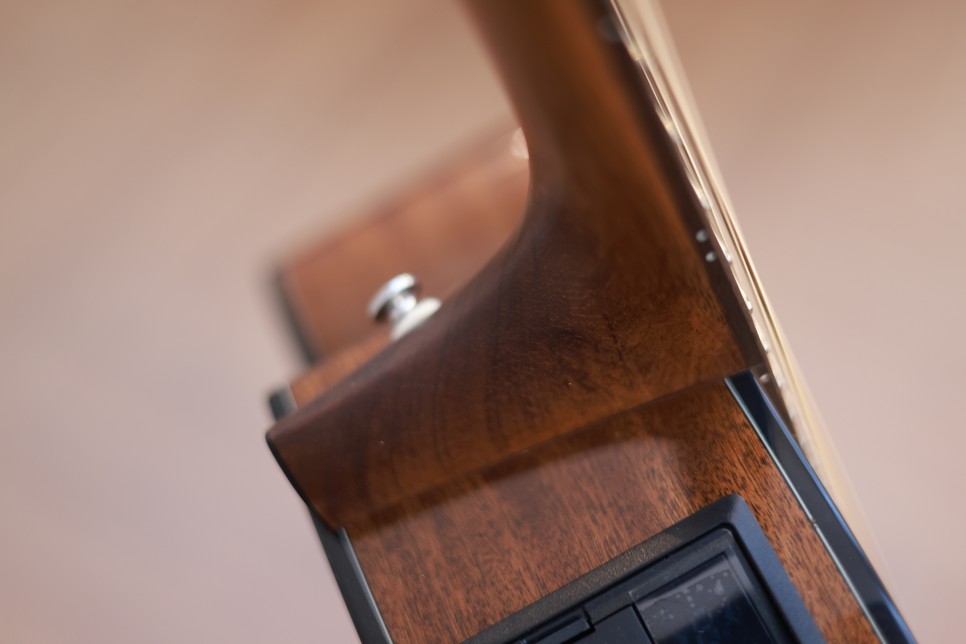
Though it’s hard to tell, the body has a glossy finish, while the neck has a matte finish. This makes it easier to play.

- Specifications
The GN30CE NAT is a top-solid model with a NEX-style body. The NEX body is Takamine’s version of a little jumbo, and it looks similar to a slightly larger GA (Grand Auditorium) body.
As you can see, it has a cutaway and is equipped with Takamine’s TP-4TD preamp.
Other specifications include:
- Solid spruce top
- Mahogany back and sides
- Synthetic bone nut and saddle
- 42.8mm nut width
- Ovangkol fingerboard
- Sound
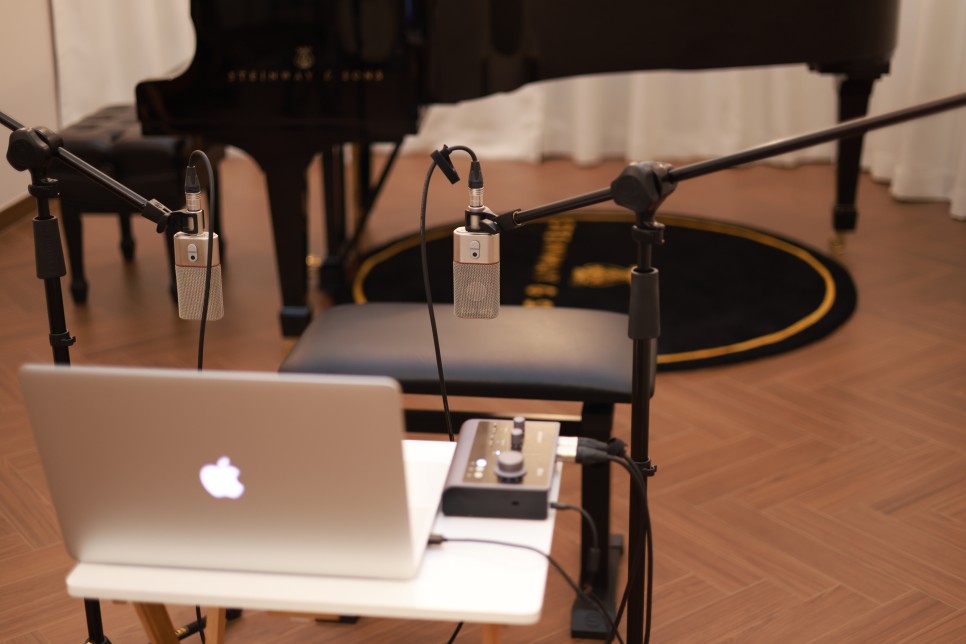
The sound was recorded together with previous recordings, using the same setup: a 2015 MacBook Pro with Audient id14 mk2 and oc818 for stereo recording.
As I mentioned before, I haven’t played the guitar in a long time, so please focus on the sound rather than my playing skills. Also, please listen in the highest quality possible, as YouTube lowers the high frequencies if not set to the maximum quality.
Let’s listen!
1) Strumming
2) Fingerpicking (please increase the volume as it’s low. When I increased it myself, there was too much noise.)
As with the previous review, I also recorded the sound from a Roland AC33 amp in mono.
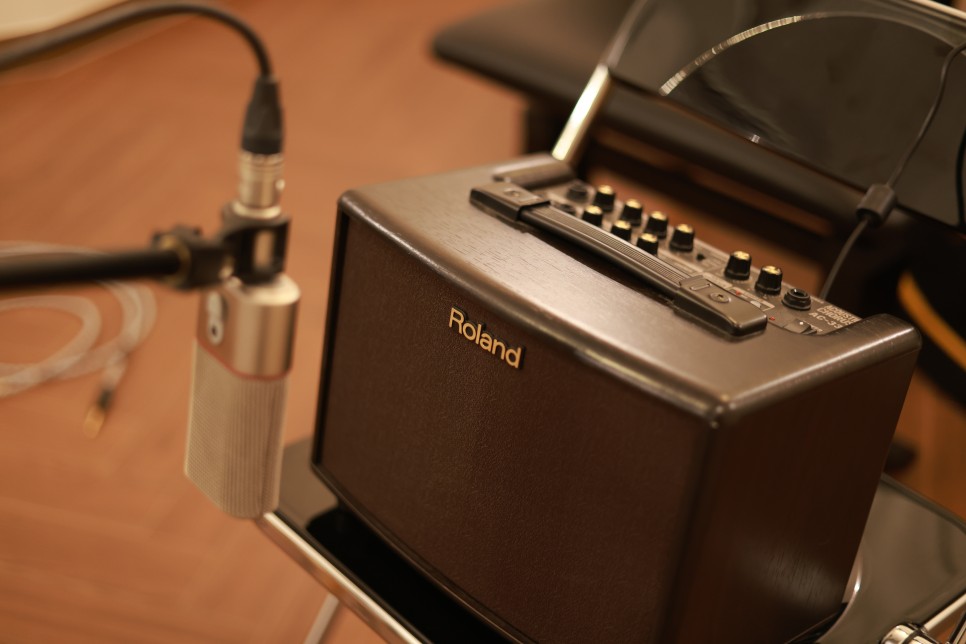
3) Amped strumming
4) Amped strumming + adjusting the guitar preamp (I accidentally forgot to take a picture, but I set the lows to neutral, mids down, and highs up.)
- Personal Overall Assessment
Before playing, I expected it to be similar to a scaled-down jumbo body as described by Takamine. However, it felt more like a Taylor 14 or 16 in terms of body size and feel.
The sound is neither completely thin like a parlor body nor fully resonant like a dreadnought, making it suitable for both strumming and picking.
For those who find it difficult to handle guitars with large bodies like dreadnoughts, the NEX body is a good alternative as it’s smaller. Choosing a guitar that matches your body type can be an important criterion.
Personally, I have a small stature and hands but prefer dreadnought bodies for their encompassing sound over the sharp clarity of smaller bodies.
To diverge slightly, larger guitar bodies tend to have better resonance, making them ideal for strumming, while smaller bodies produce clearer single notes, which are better for melody. Typically, dreadnought bodies are used for strumming, OM or parlor bodies for melody, and NEX bodies can be used for both.
Though I’m not particularly fond of GA or NEX bodies, they are stylish and well-designed. Taylor guitars, for example, have better sound in their 12 and 16 or 10 models, but the GA body (14) is the most popular in the second-hand market, likely due to its attractive appearance.

This guitar has specs and looks comparable to Yamaha’s LS16. If you don’t prefer Yamaha’s characteristic high tones, the GN30CE NAT is worth considering.
While it’s not my personal favorite compared to the GD30CE NAT, which I highly recommend, the GN30CE NAT has decent finish and sound quality.
When purchasing, consider the following:
- It might be an older model like the QC date suggests.
- The neck might need adjustment with the truss rod.
If these two points are acceptable, it’s a good choice.

 Jooyoung's Music Blog