Basics of Mixing – 9.3 Vinyl Saturation

Hello! I’m Jooyoung Kim, an audio engineer and singer-songwriter.

Today, I want to dive into the topic of vinyl saturation. Let’s get started!
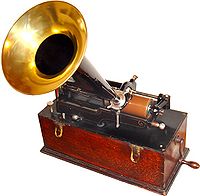
The history of the LP (vinyl) began with Edison’s invention of the phonograph. In its earliest form, audio was recorded and played back on cylindrical records.

After the phonograph, vinyl records in disk format emerged as a new storage medium. Edison initially resisted the disk format, as the playback speed varied from the outer to inner edge, affecting the sound quality. Instead, he continued to advocate for the cylindrical format.

However, vinyl disks became the standard due to their better storage capabilities, cost-efficiency, and convenience—qualities the market prioritized over audio fidelity. In retrospect, the sound quality differences weren’t that significant.

Vinyl records come in various sizes based on rpm (revolutions per minute), with the 12-inch disk being the most common.

Vinyl’s sound characteristics are primarily defined by two key elements:

  1. Stereo limitations and lower frequency cutoff
  2. High-frequency roll-off

1) Stereo Limitations and Low-End Cutoff

Stereo imaging in the low end results in rapid vertical movement of the groove, causing the cartridge to move intensely. To avoid tracking errors, bass was typically kept in mono. Similarly, very low frequencies can cause excessive lateral movement in the groove, so bass roll-off was often applied during production.

2) High-Frequency Roll-Off
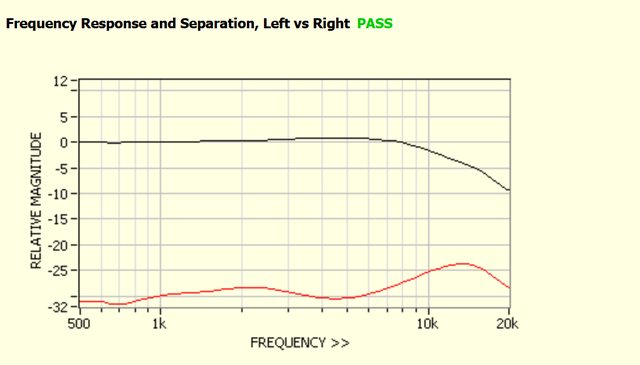
Excessive high frequencies can cause the cartridge to vibrate at short intervals, leading to overheating and potential noise and distortion. As a result, high-frequency roll-off was applied during production. Due to cartridge limitations, ultra-high frequencies (15kHz and above, depending on the cartridge) are also naturally rolled off.

Other characteristics include noise caused by dust in the grooves, wow and flutter from inconsistent turntable speeds, and crosstalk between channels due to the physical reading of the sound. Harmonic distortion can also be introduced due to the nonlinear interaction between the needle and groove.

All these factors together create vinyl’s unique saturation. Today, there are vinyl emulation plugins designed to reproduce these characteristics.
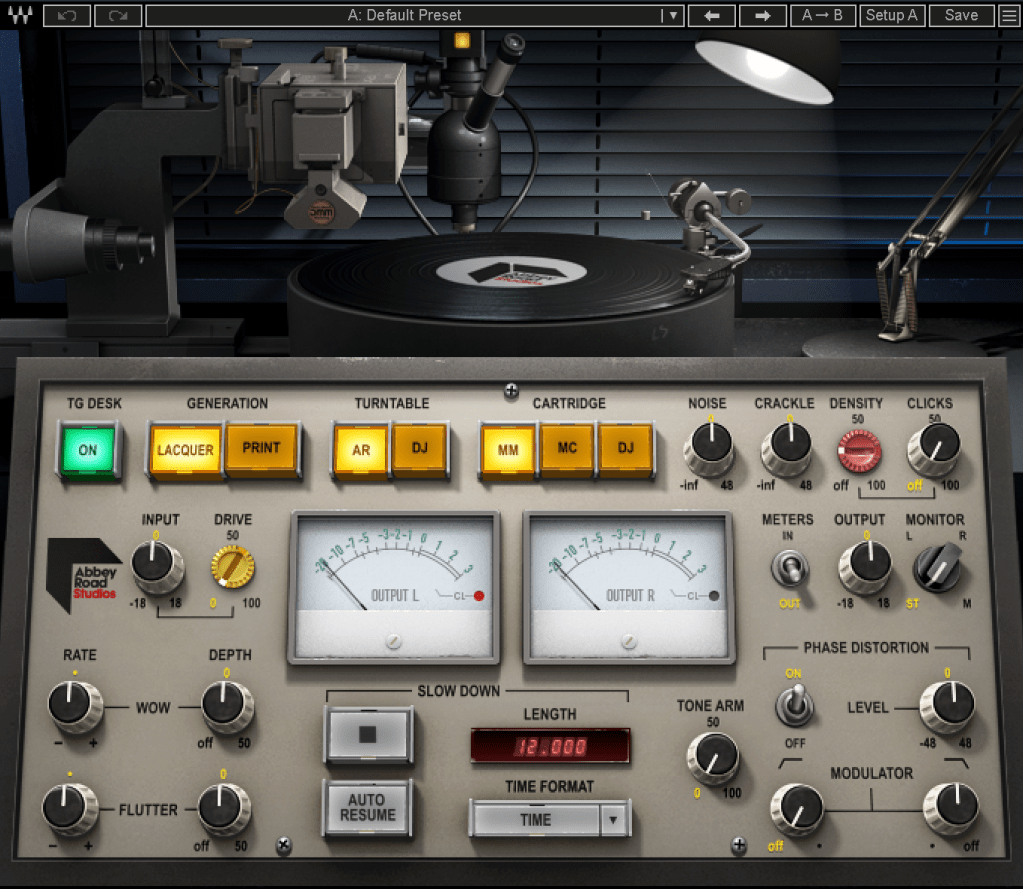
The Abbey Road Vinyl plugin by WAVES is a notable example. Taking a closer look…
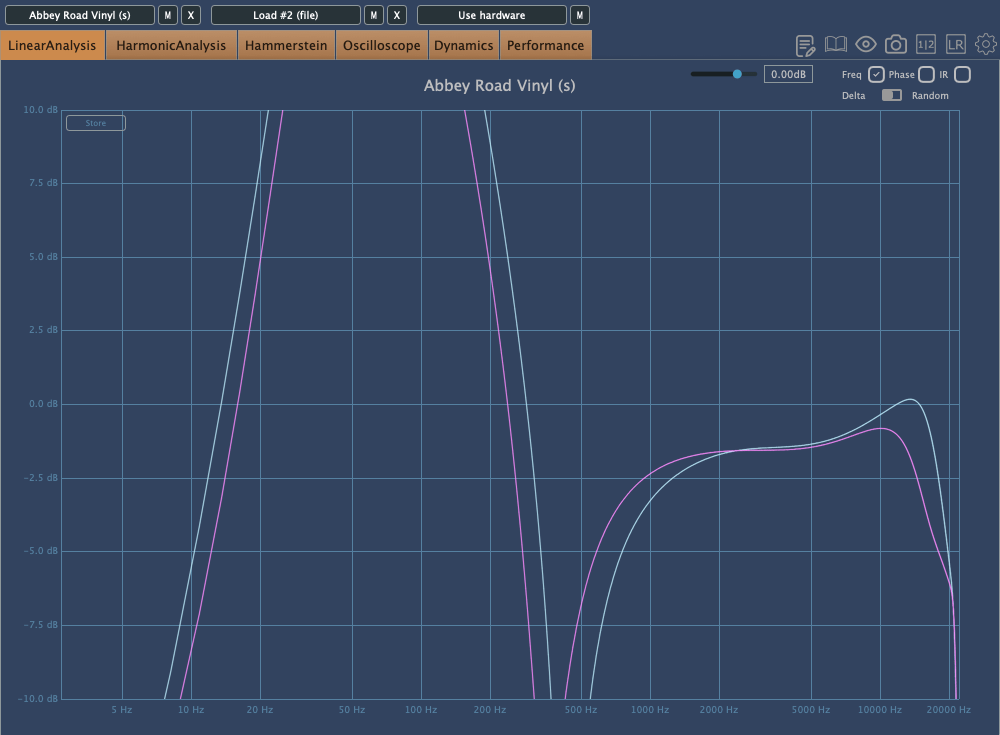
As expected, it adds quite a bit of distortion.

Each turntable and cartridge setup yields unique sonic characteristics.

As I always say, if you like the sound a vinyl plugin adds to your mix, that’s all that matters! But as an audio professional, it’s essential to understand the background behind these effects. This knowledge helps when approaching retro-style mixing requests without getting lost in the process.

Maybe I went on a bit too long here… Haha.

I’ll wrap up for today. See you in the next post!

Sonnox Drum Gate & Envolution Plugin Sale (~10/27)

Hello, I’m Jooyoung Kim, an audio engineer and music producer.

Today, I’d like to introduce a few Sonnox plugins that are currently on sale. The products were provided by Plugin Boutique as NFR (Not for Resale) versions.

Let’s dive right in!

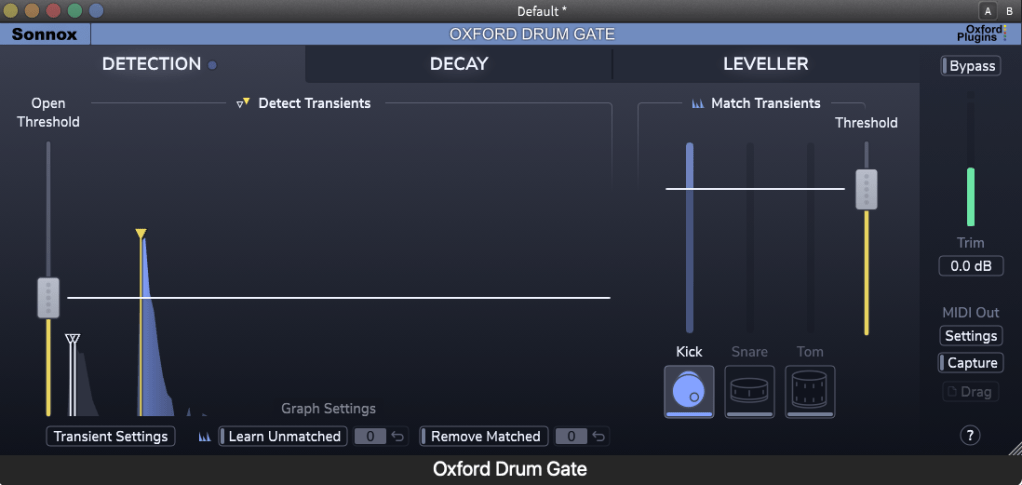
Sonnox Drum Gate

Sonnox Drum Gate is a gate plugin specifically designed for drums. On the left side, you can set the threshold like a typical gate using the Open Threshold. For kicks, snares, and toms, the Match Transients feature on the right allows for more precise separation.

When working with real drum recordings, it’s often better to avoid using a gate due to various issues. However, if you plan to use one, I can confidently recommend this plugin as it’s very well-made.

This plugin isn’t just a simple gate. Instead of a traditional release control, it offers a frequency-based delay adjustment, and you can boost the transient levels using the Leveller. The Leveller feature also allows you to set a Loud Target and Soft Target, enabling you to manage dynamic ranges effectively.

I tested it on some live-recorded drum tracks, and it did a great job isolating them. It seems particularly useful for handling tracks with heavy bleed.

Moreover, the MIDI Out feature allows you to extract MIDI from drum tracks with great grooves. This could be quite helpful for those learning to program drum MIDI.

Sonnox Envolution

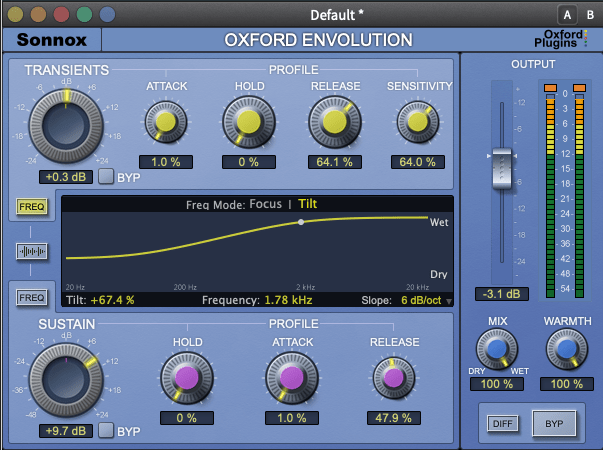
There are many plugins that adjust envelopes, but Sonnox’s Envolution, even after nearly 10 years since its release, remains one of the most powerful and highly recommended plugins.

It’s intuitive and easy to use. The oscilloscope shows what adjustments you’ve made, and it produces exactly the sound you’re expecting. It’s one of the best transient-focused plugins out there.

As for the parameters, the upper section controls the transients, while the lower section manages the sustain. Additionally, if you click on FREQ on the left:

You’ll see options for Tilt EQ or Parametric EQ, allowing you to EQ the sound precisely.

The Warmth knob on the right is simply a harmonic generator… haha.

This month, if you make a purchase from Plugin Boutique, you’ll receive either Air Music Technology’s Solina virtual instrument or Zynaptiq’s Orange Vocoder Nano for free. Both plugins are excellent, so if you’re considering any plugin purchase this month, I recommend checking out Plugin Boutique.

See you in the next post~:)

Basics of Mixing – 9.2 Saturation of Transistors and Vacuum Tubes

Hello, I’m Jooyoung Kim, an audio engineer and music producer. I’ve been quite busy lately, and my blog posts have been delayed…^^;;

Today, I want to talk about the saturation effects of transistors and vacuum tubes.

Shall we get started?

First of all, why do we use transistors and vacuum tubes? Let’s start with this question. Why exactly are they used?

In the past, they were found in speakers, amplifiers, and even microphone preamps used by musicians—basically everywhere. The primary reason we use them is to “amplify” small electrical signals.

Now, I believe you understand why components like vacuum tubes or transistors are included in speaker power amps, integrated amps, microphone preamps, and why they are called “amps” in the first place.

In my previous post, “[Link – 9.1 Harmonics and Saturation],” I explained from a non-linear signal perspective why harmonics are produced when signals pass through these devices.

Let’s dive into how these harmonics are generated.

W. Bussey and R. Haigler, “Tubes versus transistors in electric guitar amplifiers,” ICASSP ’81. IEEE International Conference on Acoustics, Speech, and Signal Processing, Atlanta, GA, USA, 1981, pp. 800-803, doi: 10.1109/ICASSP.1981.1171205.

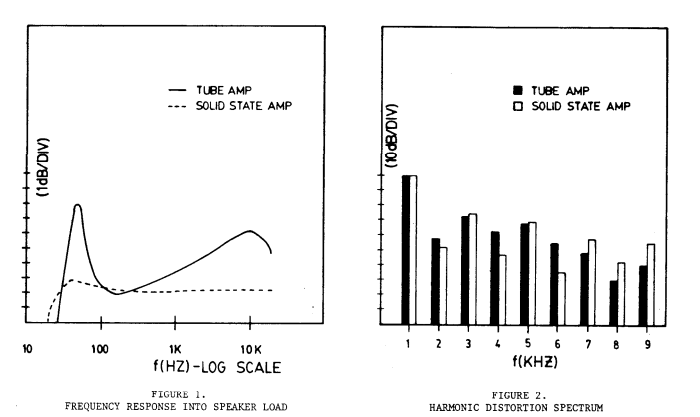
The image above is from a 1981 paper titled Tubes versus Transistors in Electric Guitar Amplifiers. It shows the response of electric guitar amps that use vacuum tubes or transistors.

The graph on the left shows the frequency response, while the one on the right displays harmonic distortion. It’s clear how different they are, even without further explanation.

References
O., H. R. (1973). Tubes Versus Transistors – Is There an Audible Difference? Journal of the Audio Engineering Society, 21, 267–273.

If you search online for Tubes Versus Transistors – Is There an Audible Difference?, you’ll find this paper. It’s originally an AES paid article, so if there’s any issue with the image, I’ll remove it…^^;;

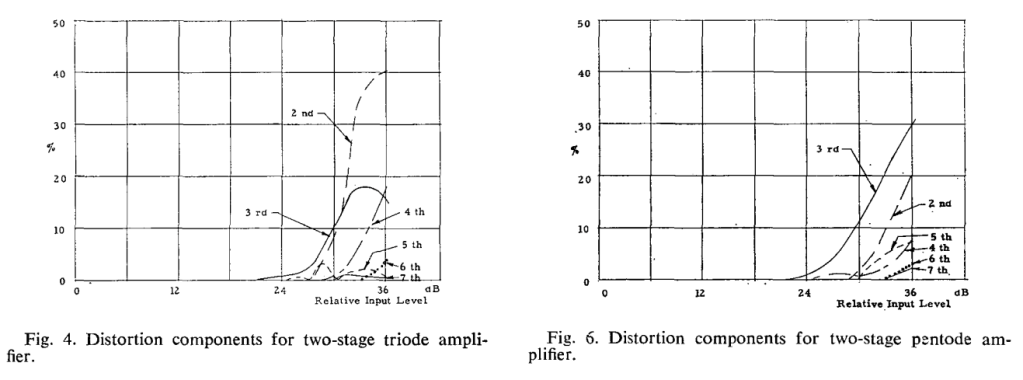
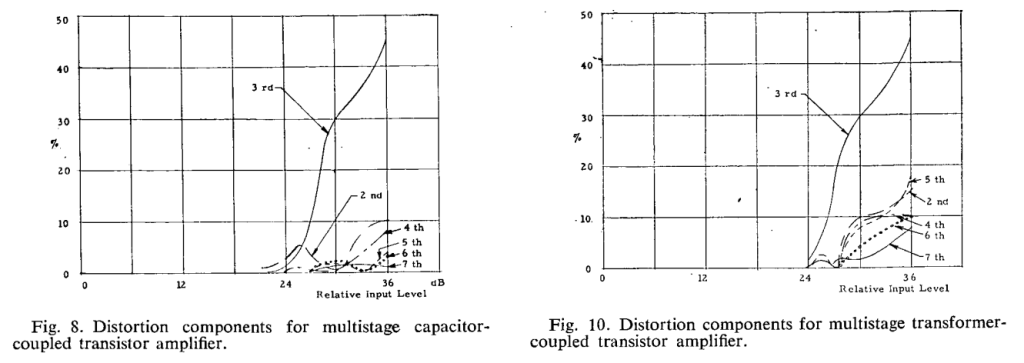
Anyway, the top left graph shows two triodes (vacuum tubes), and the top right shows two pentodes (vacuum tubes). The bottom left graph combines capacitors and transistors, while the bottom right combines transformers and transistors.

So, what is this measuring? It’s measuring harmonic distortion based on input level. Rather than focusing on specific meanings, it’s enough to note that they are all very different.

If each vacuum tube and transistor has different harmonic distortion characteristics, is it really meaningful to define sound solely based on whether it’s a tube or a transistor? In my view, it’s not that significant.

What’s important for music production, in my opinion, is not differentiating between these categories but understanding how each specific device affects sound individually.

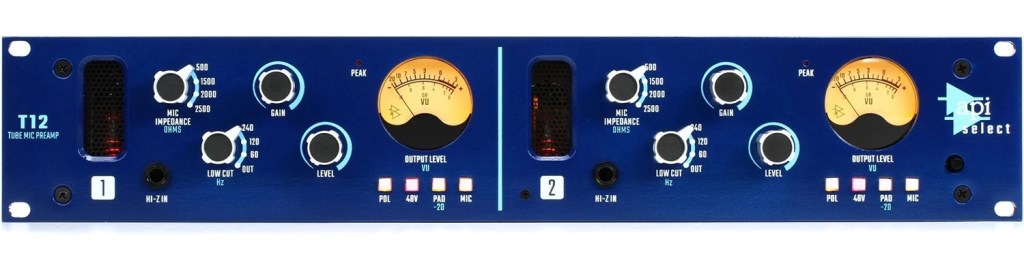
This is a microphone preamp with a vacuum tube… Doesn’t it make sense that different brands of tube preamps have their own distinct characteristics?

As an equipment enthusiast, I find myself trying to understand each piece of gear one by one, and my bank account… well… haha… ha… ha…

To make matters worse, I also play instruments, so it’s quite the struggle… I’ve been hunting for a second-hand bass recently because I’ve decided to play bass myself. It looks like I’ll be carrying this gear addiction with me for the rest of my life.

That’s it for today. In the next post, I’ll discuss the saturation effects of tape 🙂

Basics of Mixing – 9.1 Harmonics and Saturation

Hello, I’m Jooyoung Kim, an audio engineer and music producer.

Today, I’d like to talk about two crucial aspects of sound: harmonics and coloration. As audio engineers, we know from experience—and from measurements—that the audio signal changes when it passes through hardware or plugins.

For example, why do sounds processed through vacuum tubes and tape machines end up so different from each other?

It’s a topic worth considering for anyone involved in sound production: how exactly does the signal change, and why?

Of course, if it sounds good, that’s all that matters. But if we take that approach, we could say the same for EQs and compressors—if it sounds good, it’s good enough, right?

That said, this chapter will focus on explaining the devices that introduce coloration to sound.

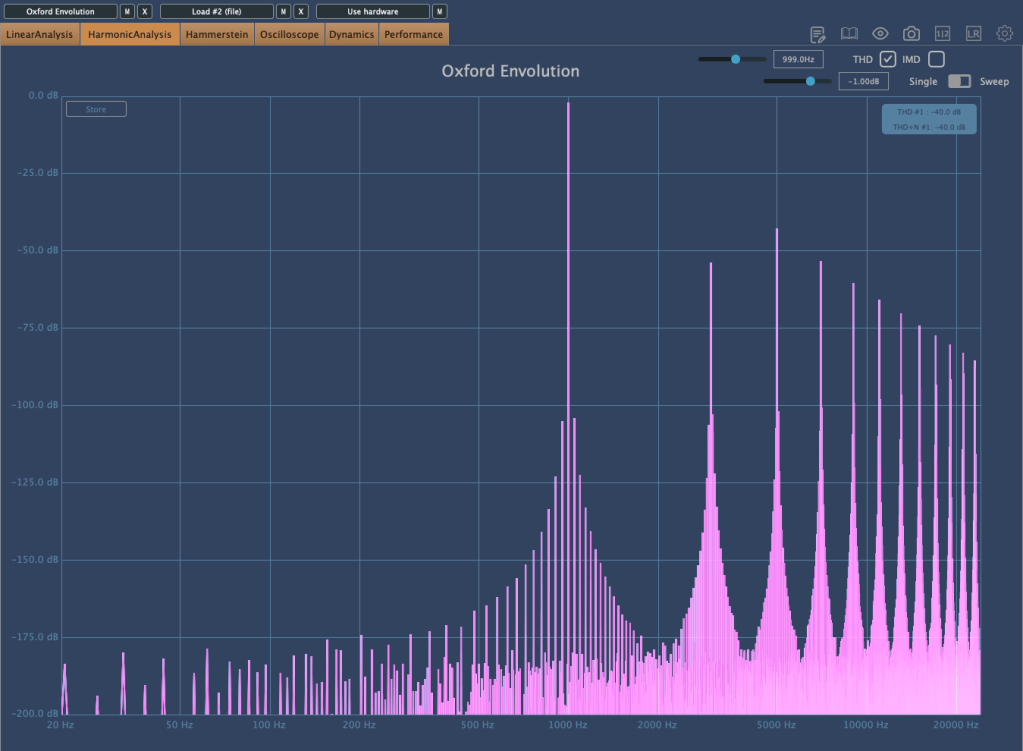
When an analog audio signal passes through analog devices, harmonics are generated due to the non-linear behavior of these devices.

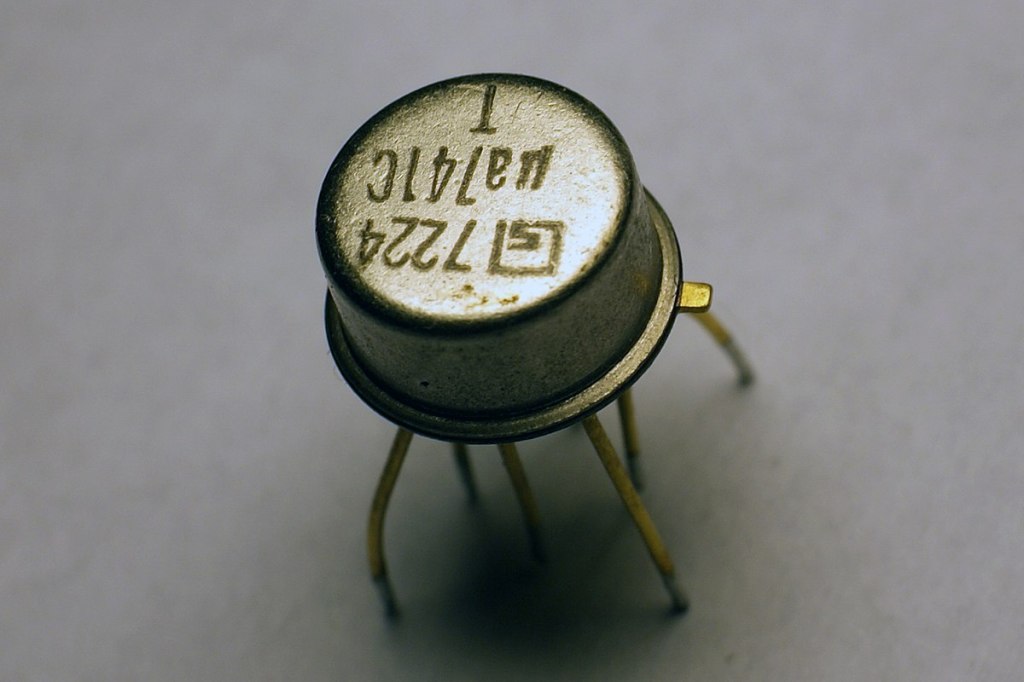
OP Amp
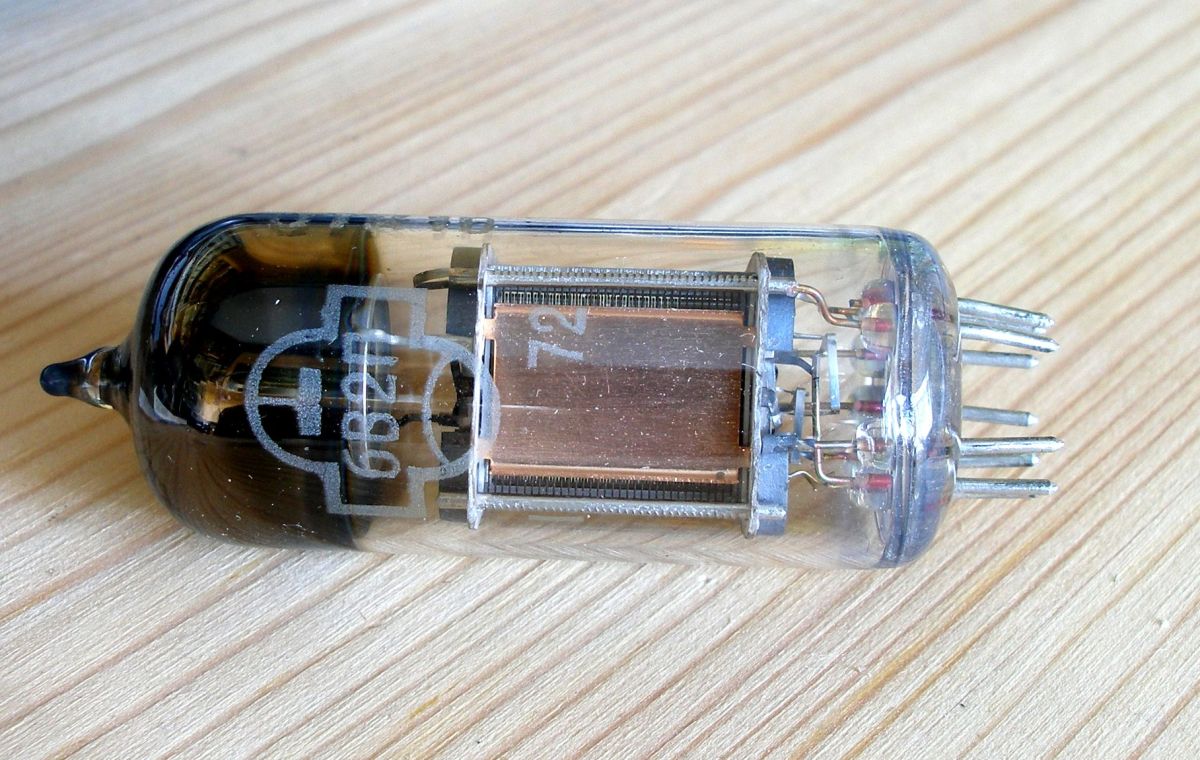
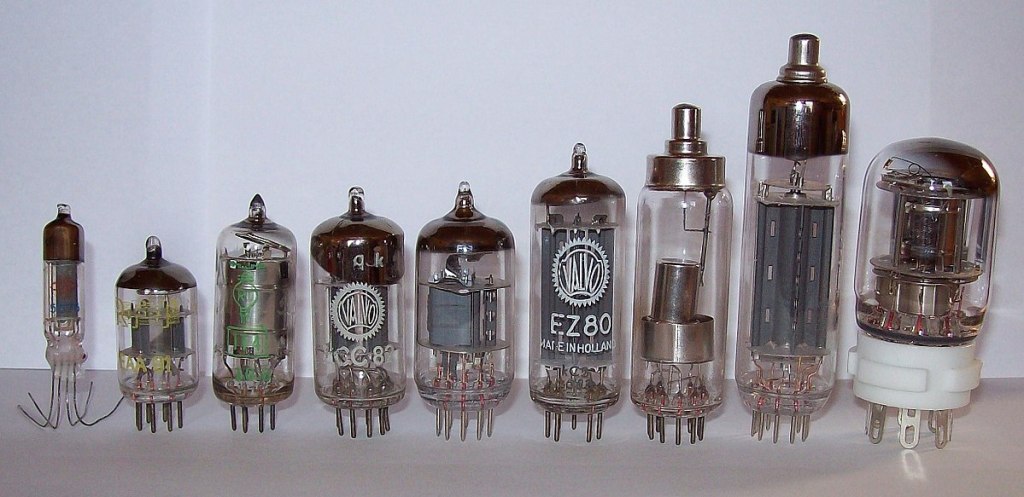
Vacuum Tubes

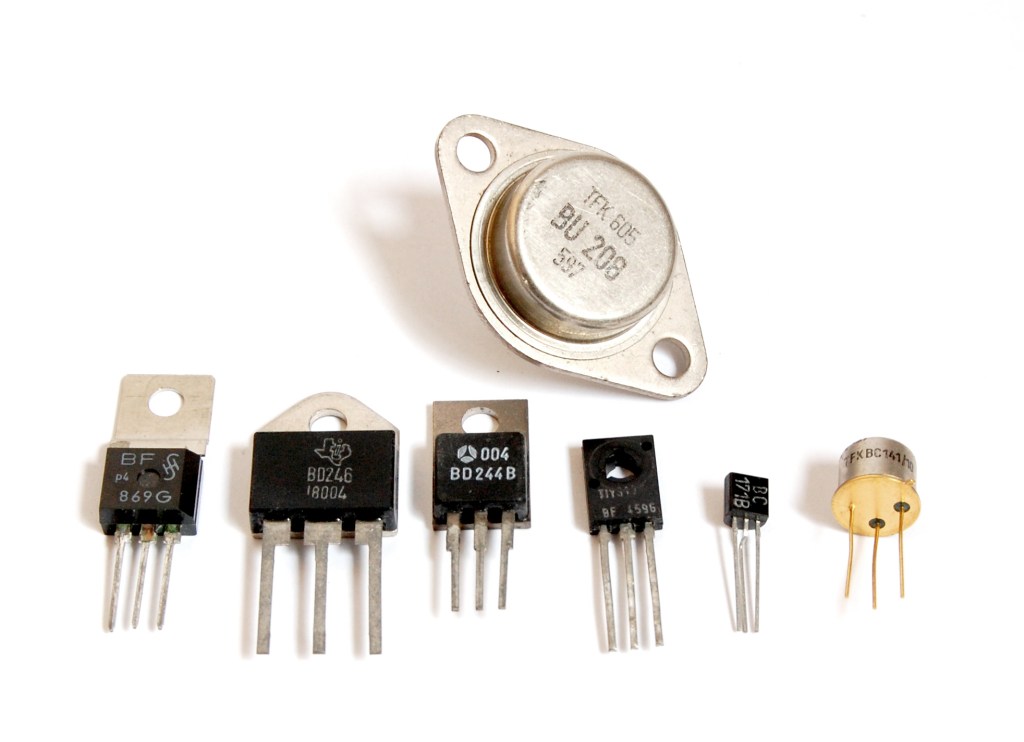
For example, when components like transistors (such as OP Amps) or vacuum tubes are part of the circuit, they create non-linear responses in the output, which results in harmonic distortion.

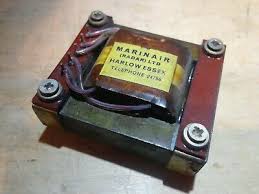
Legendary Marinair Transformer used in Neve Hardware (Photo from AMS Neve)

If you’re a fan of hardware, you’ve probably heard the term “transformer.” When you insert a transformer like the one shown above at the input or output stage of hardware, it creates non-linearities that result in harmonics.

This is why different components alter the character of a device, and why those who modify gear often swap out transformers, tubes, or transistors!

Why do non-linear behaviors generate harmonics? We could explain this through Fourier analysis, but I’ll spare you the math to keep things interesting.

(If you’re curious, look up non-linear systems and functions.)

Harmonics

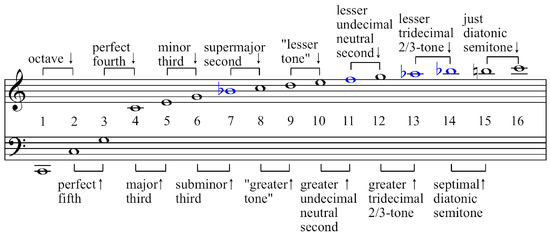
If you’ve studied music, you might recall learning about harmonics and harmonic series in class. Generally speaking, even-order harmonics sound more harmonious and pleasant, while odd-order harmonics tend to create dissonance and can sound harsher.

So, if a device emphasizes odd-order harmonics, it will sound sharper. On the other hand, if it emphasizes even-order harmonics, it will blend more smoothly into the mix.

Now, are there analog devices that exclusively boost even or odd harmonics? Not really.

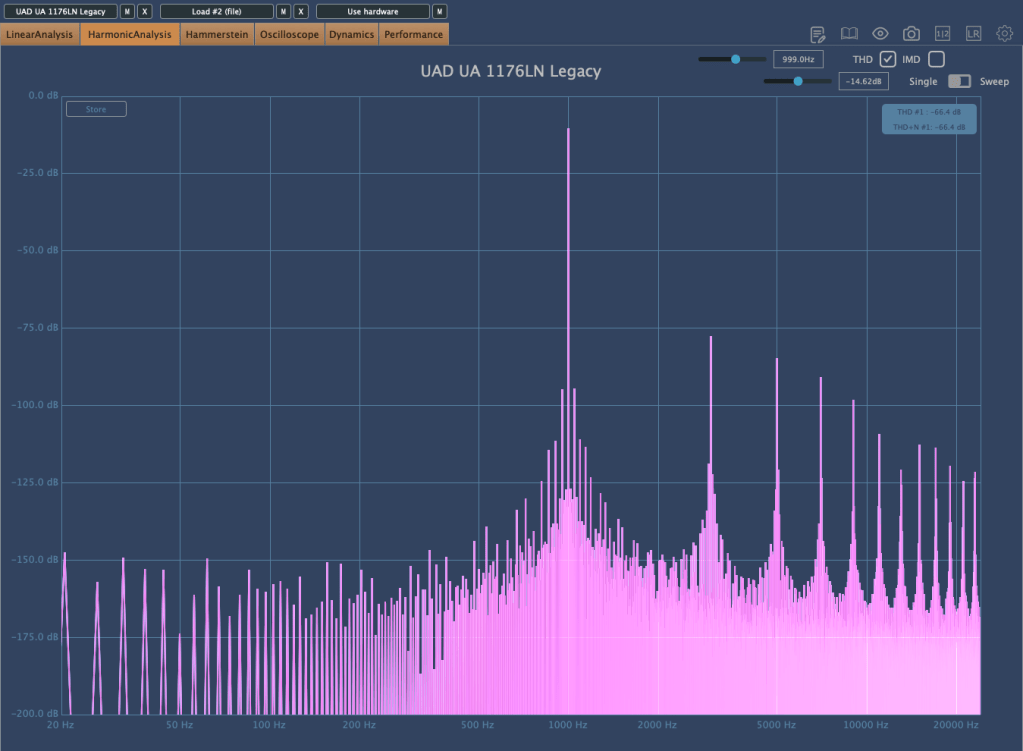
UA 1176LN Legacy Plugin that boosts only odd harmonics

As shown above, you’ll find this kind of control in plugins, but not in analog hardware.

Additionally, because of non-linear responses, the levels of second, third, fourth, and other harmonics also vary in non-linear ways.

So how should we understand these devices? Do vacuum tubes and transistors have unique characteristics?

We’ll continue exploring these questions in the next post.