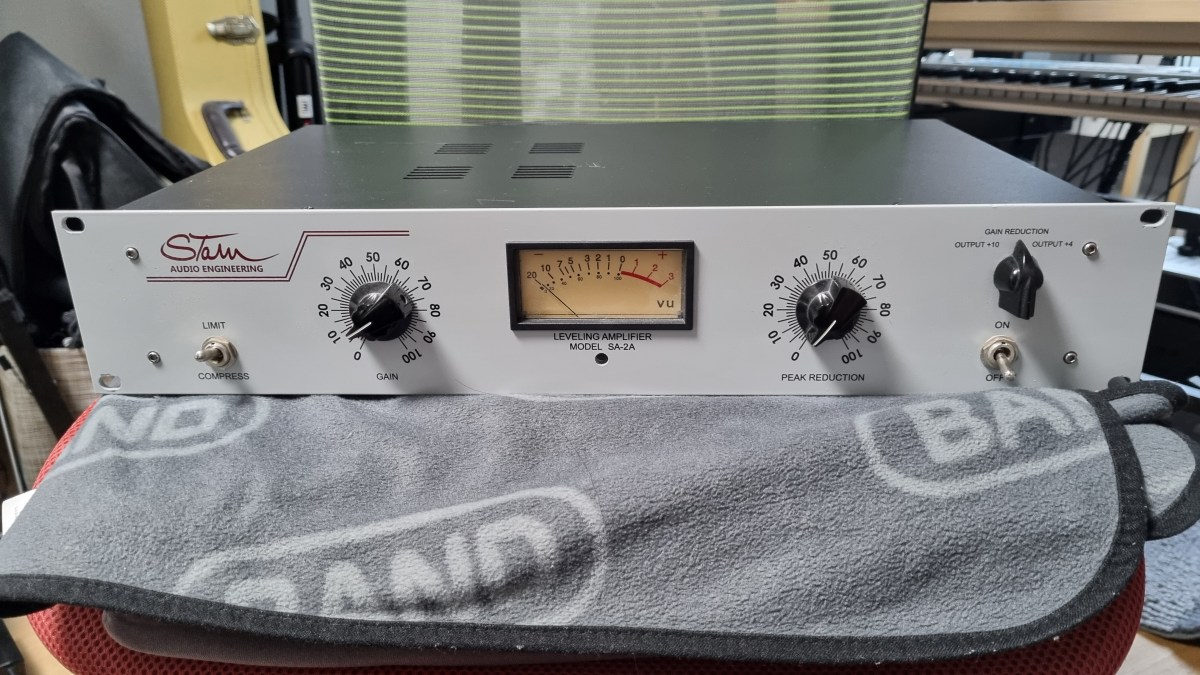
Stam Audio SA-2A Compressor Review

Hello, I’m Jooyoung Kim, a mixing engineer and music producer.

Today, I’m excited to share my review of the SA-2A, something I’ve been eagerly anticipating! Let’s dive right in.

The Struggle with the Gear
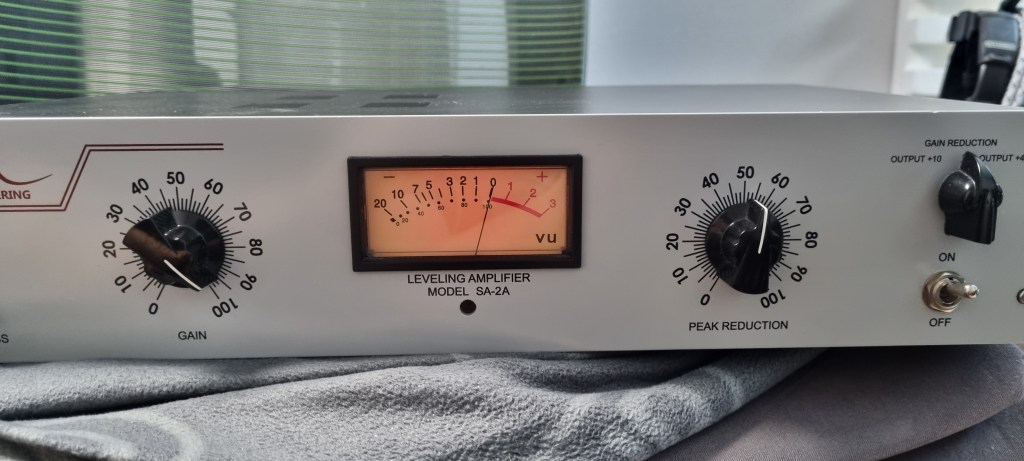
If you’ve been following my blog, you might know that this unit had quite a journey before it landed in my studio. Initially, I bought a faulty one with the idea of enhancing my understanding of circuits and practicing some soldering by fixing it myself.

I thought it might just be a simple fuse issue… But after blowing through about five fuses, I took a closer look at the circuit board.
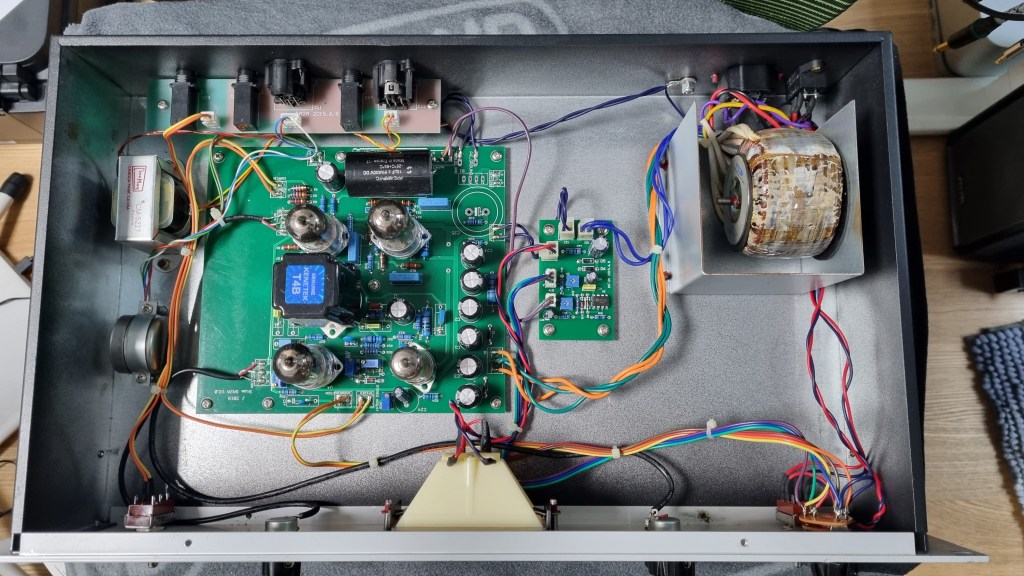
Despite my inspection, I couldn’t find any blown capacitors or burnt resistors. So, I decided to take it to a repair shop after seeking advice.

The culprit turned out to be a burnt toroidal transformer, damaged by overcurrent.

The challenge was that this early version of the SA-2A used a Cinemag transformer, and Stam Audio wasn’t sure if they had any spares left.

After two weeks of waiting for a response with no luck, I asked them to send me the specifications so I could have a custom transformer made.
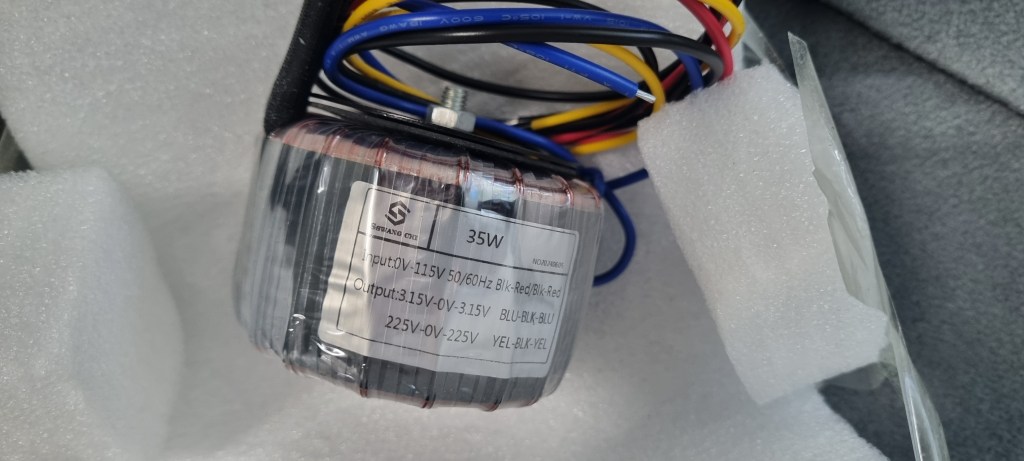
After installing the custom transformer, the unit finally came to life!

I purchased the broken unit in January, and the repair was completed by early July, marking a nearly six-month battle.

Of course, I was a bit busy, which contributed to the delay, but it was quite the saga nonetheless!

Measurements
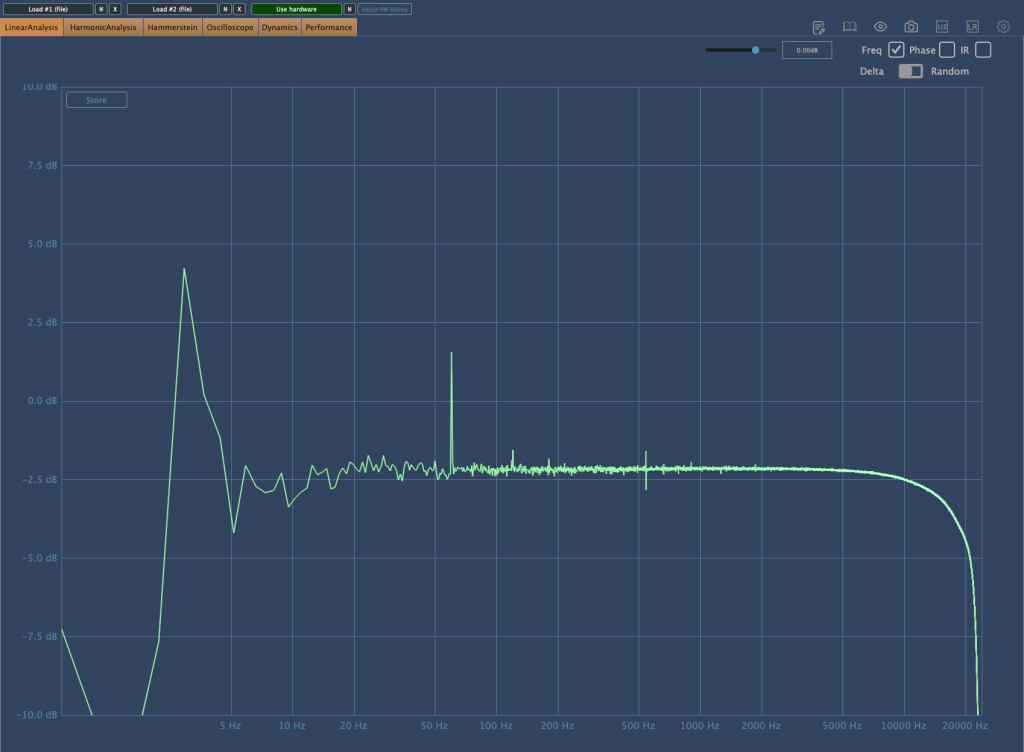
As regular readers of my blog know, I like to run measurements on gear, whether it’s hardware or plugins. While measurements don’t tell the whole story, they do help in explaining things more clearly.

I find it especially useful to compare my impressions from using the gear with the measured data, which can sometimes reveal if my ears are having an off day.

The frequency response graph above shows the response with no compression applied. (Keep in mind the peaks and valleys you see are typical of analog gear.) You can see a noticeable roll-off in the high frequencies.
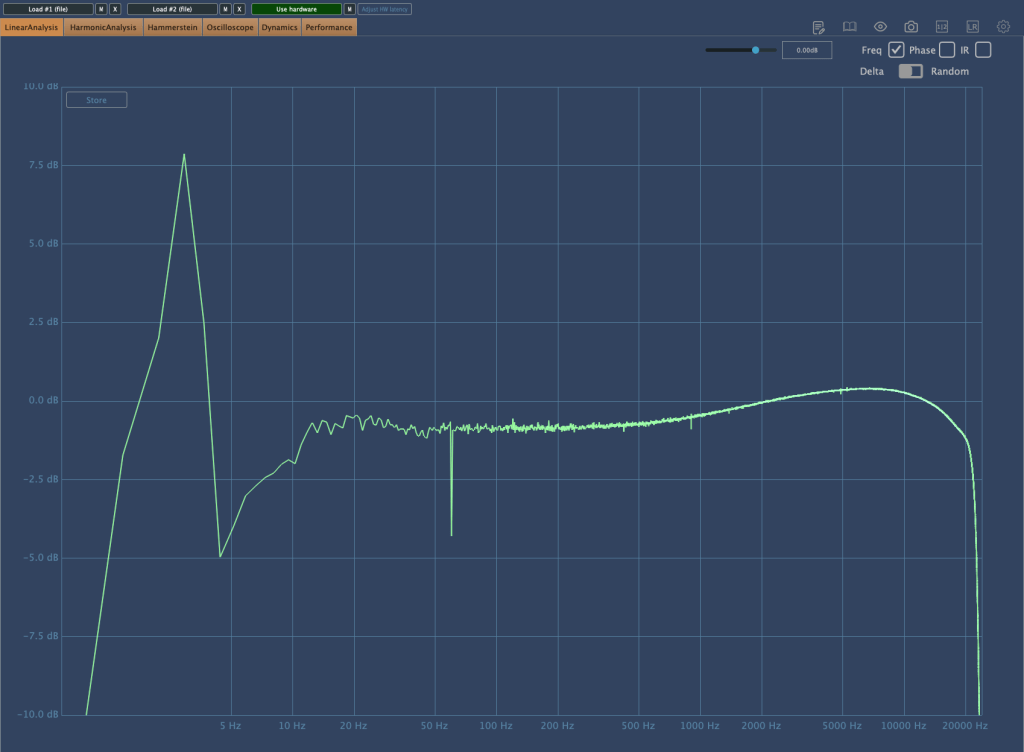
Here’s the frequency response graph with compression applied and gain compensated. There’s a rise in the high frequencies, and the right-hand graph shows noticeable distortion.

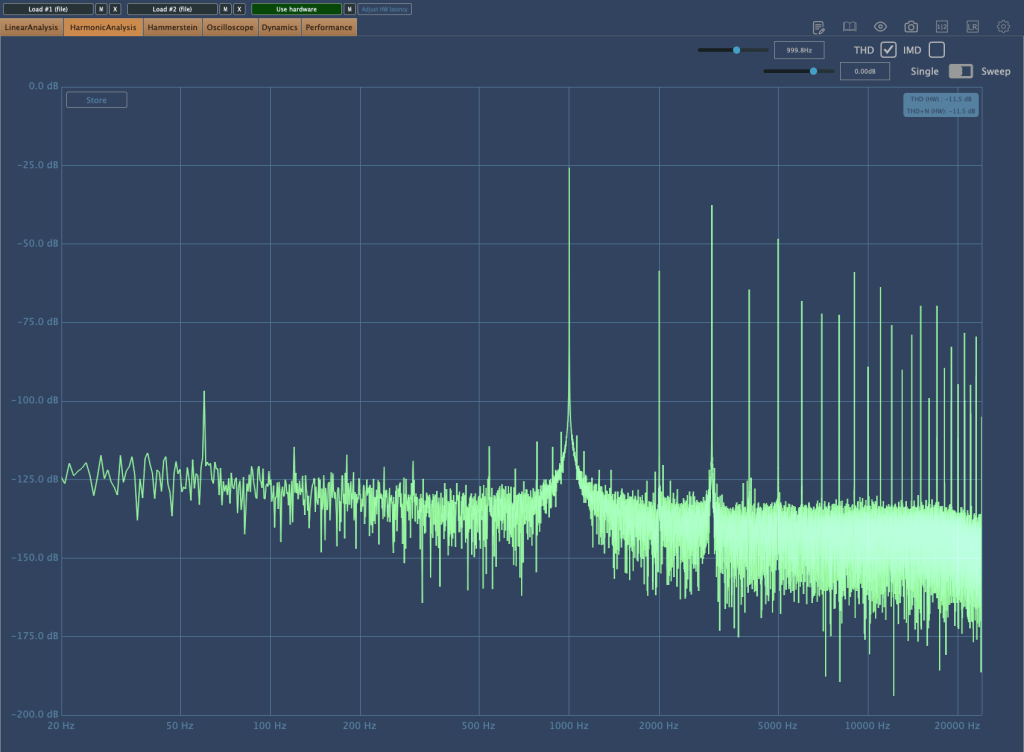
As the Peak Reduction increases, harmonic distortion also changes. It seems much more dynamic than using a plugin.
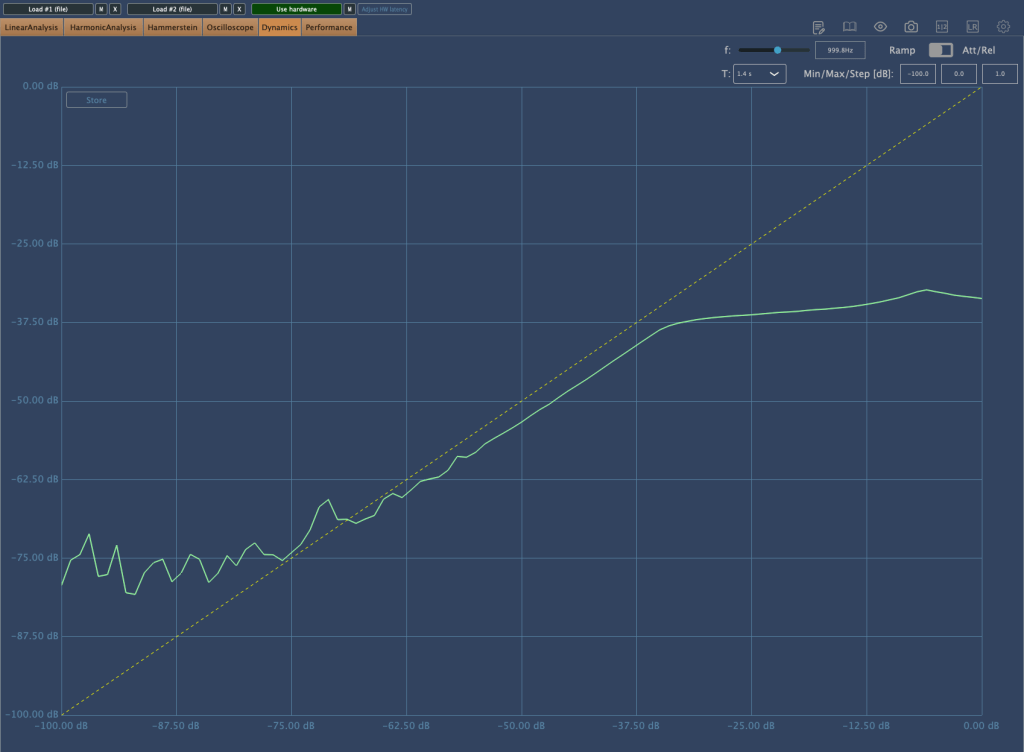
This is the compression curve graph. Strangely, the left side shows the settings for “Comp,” and the right side shows the settings for “Limit.” They seem switched, don’t they? Perhaps it’s just a labeling issue.

Even when using the device, it felt like the settings were somewhat reversed.

Practical Use
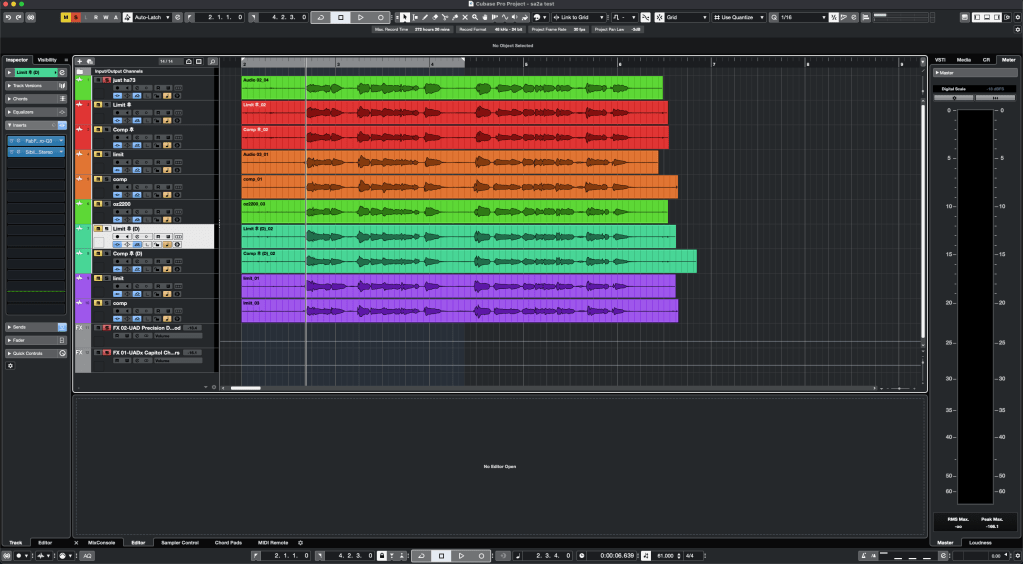
I tested the SA-2A on vocals and lead acoustic guitar in a project I’m currently mixing, as well as on some demo vocals for a production I’m working on. Additionally, I conducted a few simple tests.

My observations are as follows:

  1. It’s a saturation machine that adds a hefty amount of color.
  2. It can sound a bit rough, so careful EQing or the use of de-essers/multiband compressors may be necessary to tame it.
  3. As you increase the Peak Reduction, the high frequencies rise, so setting the Input Gain properly beforehand is crucial.
  4. It’s challenging to use on sources that are already colored.
  5. The lack of an Emphasis knob is a drawback.

I wouldn’t say I’m in love with it, but it certainly has its uses.

Since 2017, there’s been an option to use Sowter transformers, and it seems they’ve started custom ordering these transformers from the two companies they work with.

While the raw sound isn’t spectacular, it integrates nicely into a mix. I plan to experiment more with transformer and tube swapping in the coming months.

I hope you enjoyed reading this review. See you in the next post!

I’m always open to reviewing hardware products! If you’d like me to review a product, please feel free to reach out at joe1346@naver.com.

Basics of Mixing – 6.6 De-Essers and Multiband Compressors

Hello, I’m Jooyoung Kim, an engineer and music producer.

Today, we’ll delve into two subtypes of compressors: De-Essers and Multiband Compressors.

Let’s get started!

De-Essers

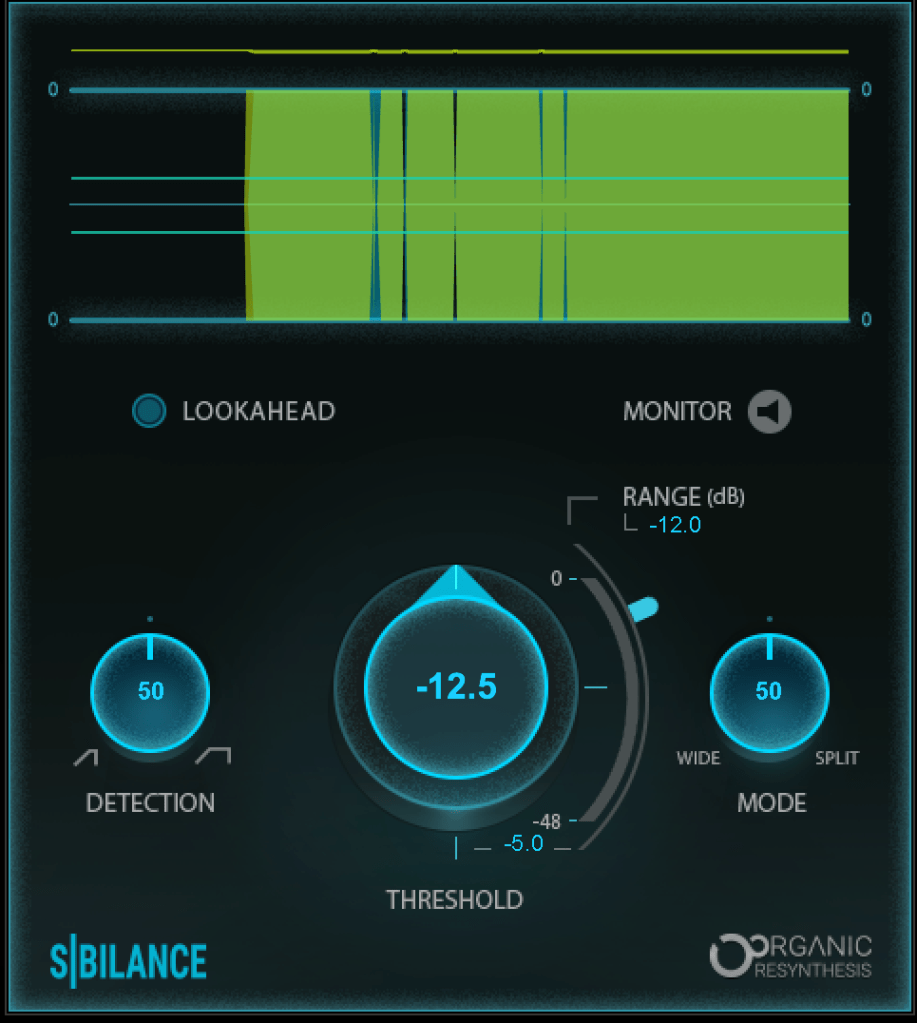
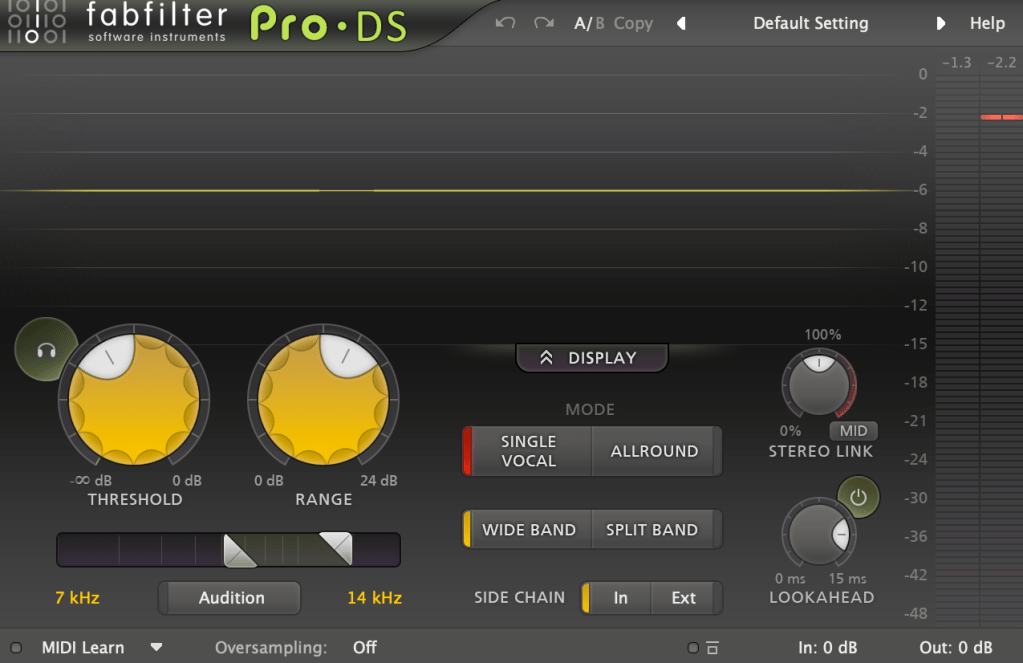
A De-Esser is a type of compressor that reduces “ess” sounds, also known as sibilance. Waves even has a De-Esser named “Sibilance” specifically for this purpose.

Sibilance typically falls between 3kHz and 10kHz. A De-Esser works by activating the compressor when the sound in this specific range exceeds a certain threshold. Unlike using an EQ, which reduces the selected frequency range across the entire source, a De-Esser targets only the problem area. You can think of it as a single-band compressor.

De-Essers are not only useful for reducing vocal sibilance but also for taming harsh high frequencies in acoustic guitar strums and other similar sounds.

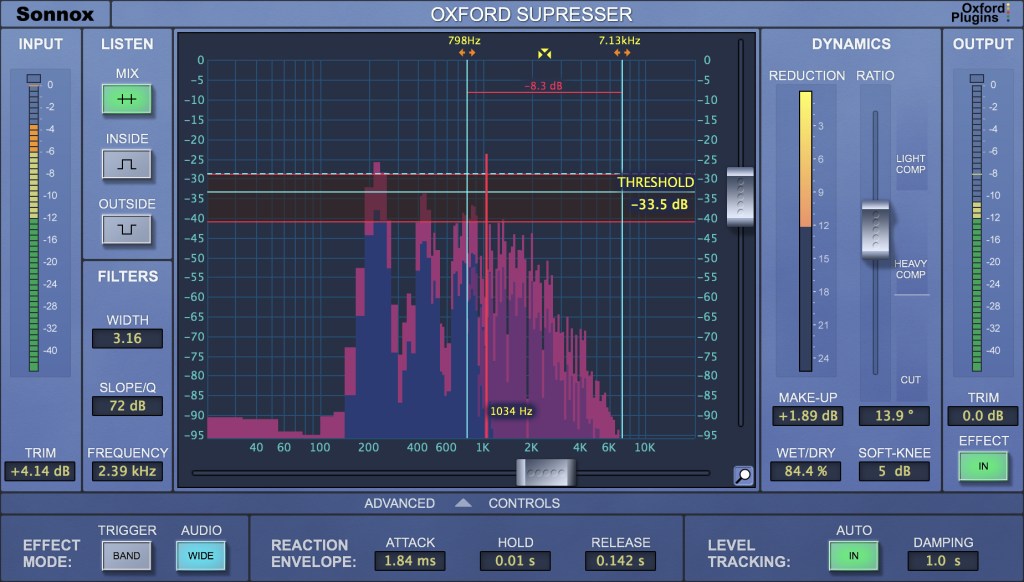
For instance, the Oxford SuprEsser by Sonnox offers a wide range of frequencies to adjust, making it versatile for various applications beyond its primary function of reducing high frequencies.

Multiband Compressors

A Multiband Compressor allows you to set different compression parameters for different frequency ranges. This is particularly useful when dealing with audio sources containing multiple instruments, which can be challenging to manage with a simple compressor.

For example, you might use a Multiband Compressor on a drum bus or to handle looped sources from platforms like Splice. It’s also commonly used in mastering.

Sidechain functionality in these compressors can add an interesting and effective dynamic to your tracks. For example, you can sidechain the low frequencies of other instruments to duck when the kick drum hits, or use it to carve out space for the vocal’s frequency range.

I’ll cover sidechain techniques more thoroughly in a future post, but mastering sidechain within dynamic plugins can significantly enhance the fun and effectiveness of your mixing. I’m not an expert yet, but I’m learning alongside you.

That’s all for today. See you in the next post!

Basics of Mixing – 6.4 Analyzing Compressors

Hello! I’m Jooyoung Kim, a mixing engineer and music producer.

Today, I was initially planning to talk about historically famous compressors. However, I realized that discussing the characteristics of these famous compressors might not be as effective since many of their plugin emulations don’t faithfully reproduce the original characteristics.

You might wonder how I can make such a claim without trying every famous compressor. Well, simply measuring their frequency response often shows no changes, and many plugins are designed to produce only odd or even harmonic distortions, which is unrealistic given the nature of tubes and transistors.

Instead of delving into the history of famous compressors, I decided it would be more beneficial to explain how to analyze compressors, whether they are plugins or hardware, once you purchase them.

1) Understanding Frequency Response

To measure this, you’ll need a program called Plugin Doctor by DDMF. Unfortunately, I couldn’t find any viable alternatives.

With this program, you can immediately see how the frequency response changes when a plugin or hardware is applied. Experienced mixers and producers might already have a feel for the frequency response just by listening, but visual aids can be incredibly helpful for study purposes.

For example, some plugins alter the frequency response depending on how the input gain is set.

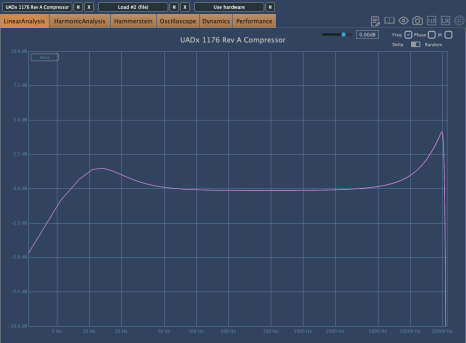
The above graph shows the frequency response of the UAD 1176 Rev A compressor. The left side shows the response with no changes, and the right side shows the response after increasing the input gain and adjusting the output gain.

Even a quick glance reveals significant differences.

2) Analyzing Phase Changes

Phase changes can greatly assist in identifying affected frequency bands. The graph below illustrates the phase changes of a tape machine emulation, indicating substantial alterations across the spectrum.

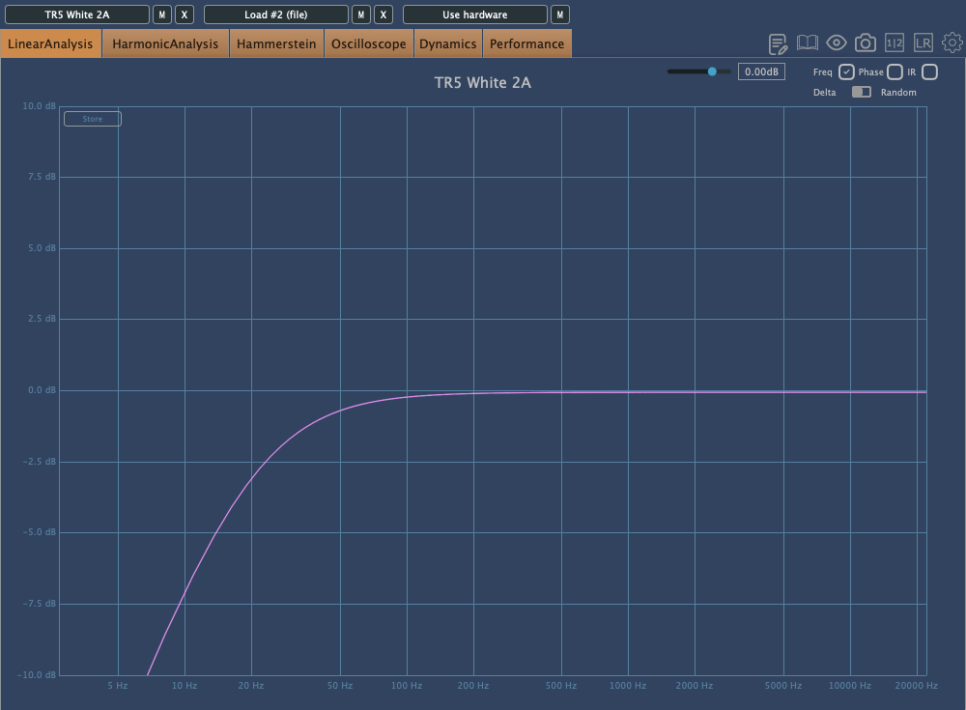
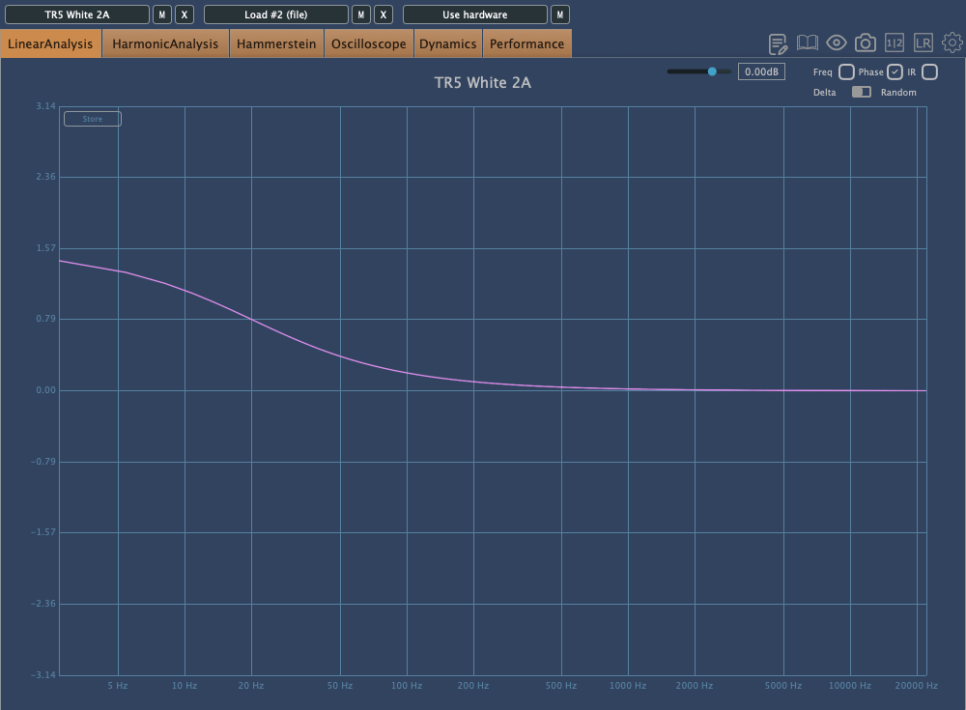
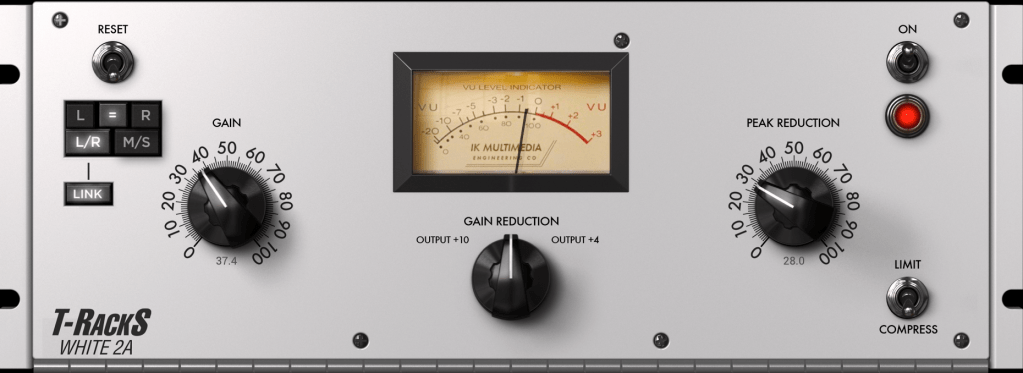
This graph shows the frequency response and phase changes of the White 2A compressor by IK Multimedia, which emulates the LA-2A.

From the frequency response, you can infer a low-cut filter was applied. The phase change graph suggests a π/2 shift, indicative of a -6dB/oct low-cut filter.

3) Assessing Harmonic Distortion

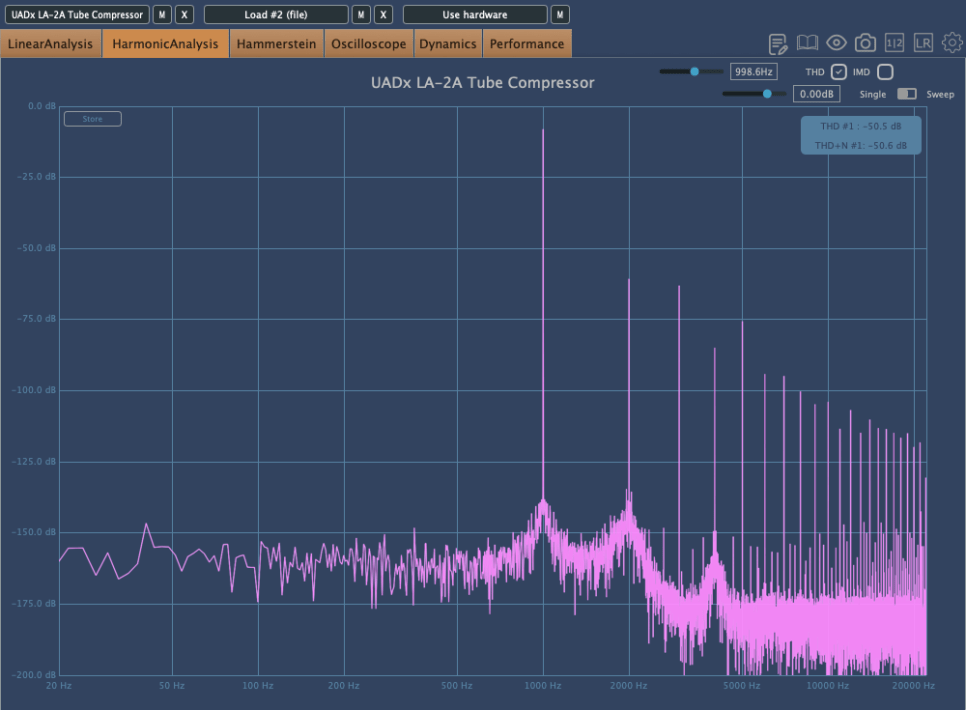
Harmonic distortion often refers to the presence of even and odd harmonics. Even harmonics tend to create a more pleasant sound due to their consonant nature, while odd harmonics can introduce dissonance and sound harsher.

By measuring and listening, you can identify whether a compressor produces more even or odd harmonics and how it affects your perception.

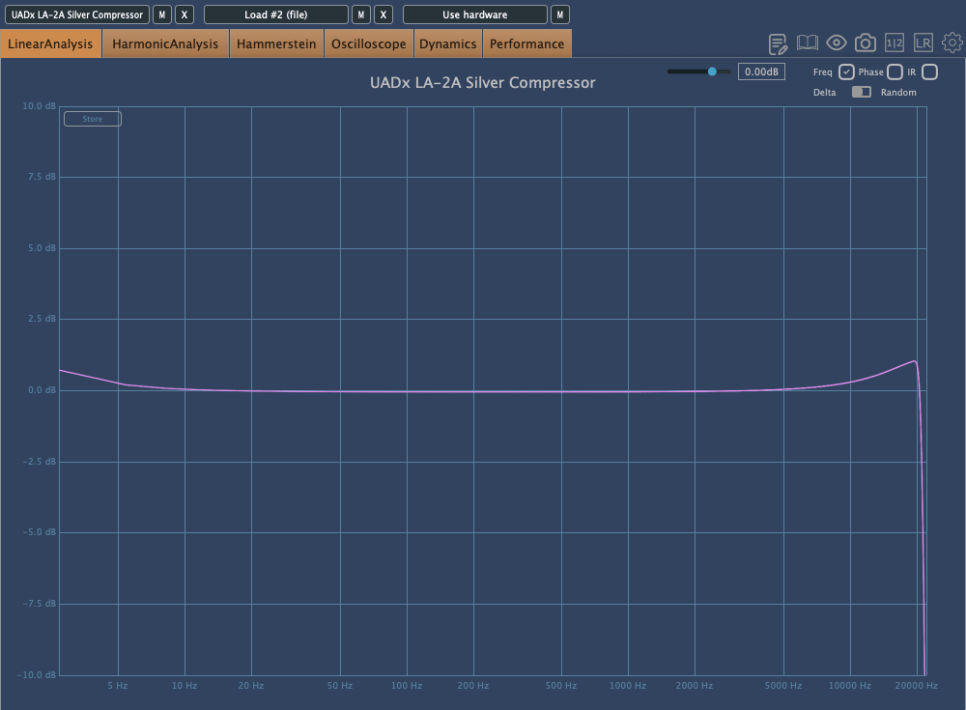
For example, I find the White 2A compressor somewhat dull, whereas the UAD LA-2A Silver feels richer in color.

This perception might be influenced by its slight high-frequency boost and the more complex harmonic distortion it introduces.

However, it’s important to note that more harmonic distortion doesn’t necessarily mean a better plugin. It simply provides insights into how and where to use it effectively.

4) Evaluating Attack and Release

Although many plugins specify their attack and release times, some do not, necessitating manual measurement.

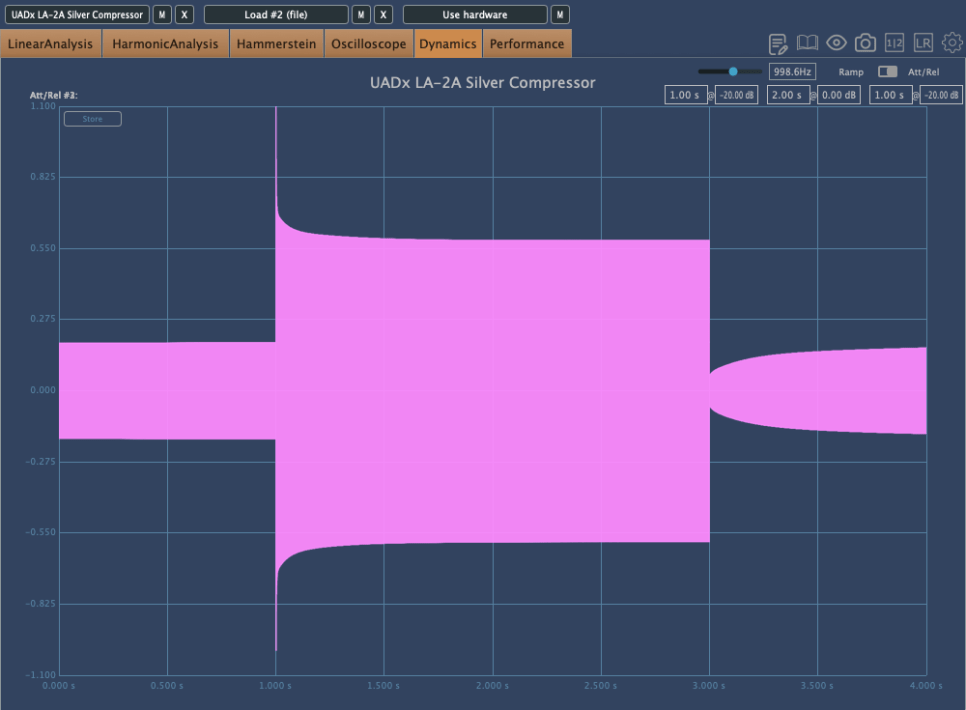
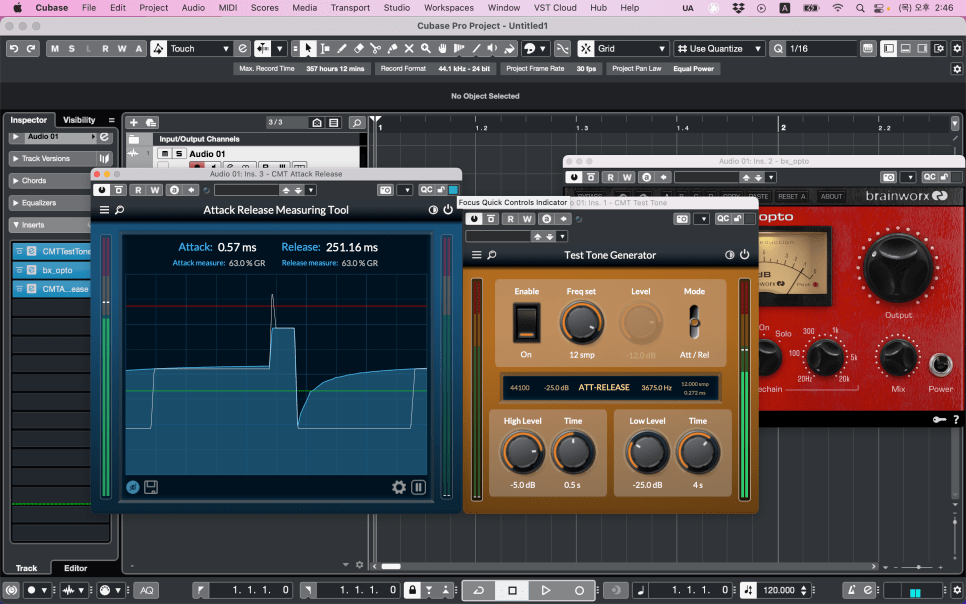
Using Plugin Doctor, you can visualize attack and release times with an oscillator. However, it doesn’t precisely indicate the time, which can be inconvenient.

A free tool called CMT can help here. You can download it from the description in a related YouTube video.

Knowing attack and release times is crucial because they influence how the compressor affects the source material’s groove and dynamics. Fast attacks can flatten a track’s groove, while fast releases can cause pumping effects.

Conversely, slow attacks may fail to control loud transients, and slow releases can cause continuous compression, making the sound feel squashed.

5) Examining Ratio Curves

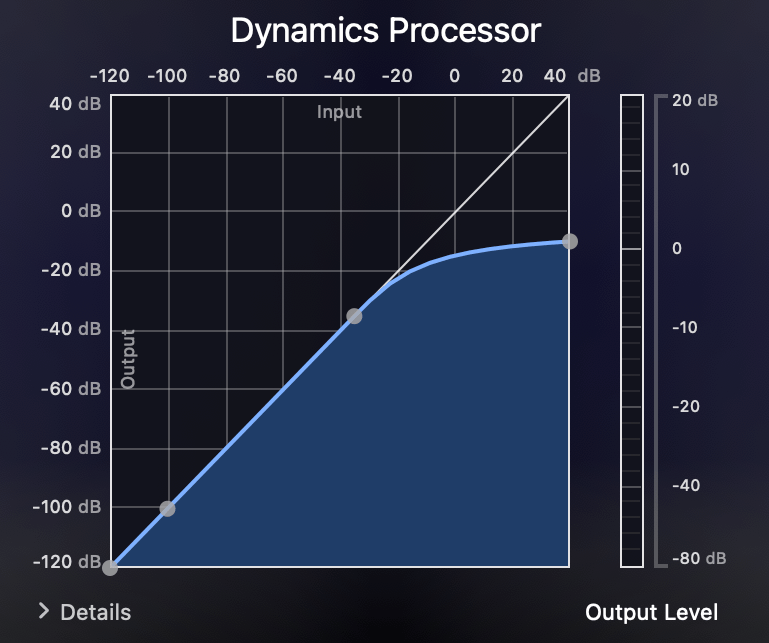
Ratio curves reveal whether a compressor uses a soft or hard knee. A soft knee compressor starts compressing gradually before the threshold, resulting in smoother compression.

Manuals often don’t specify the knee type, so you might need to measure it yourself.

Understanding the knee type helps in grasping the compressor’s behavior and its suitability for different sources.

6) Soft Clipping in Mastering Compressors

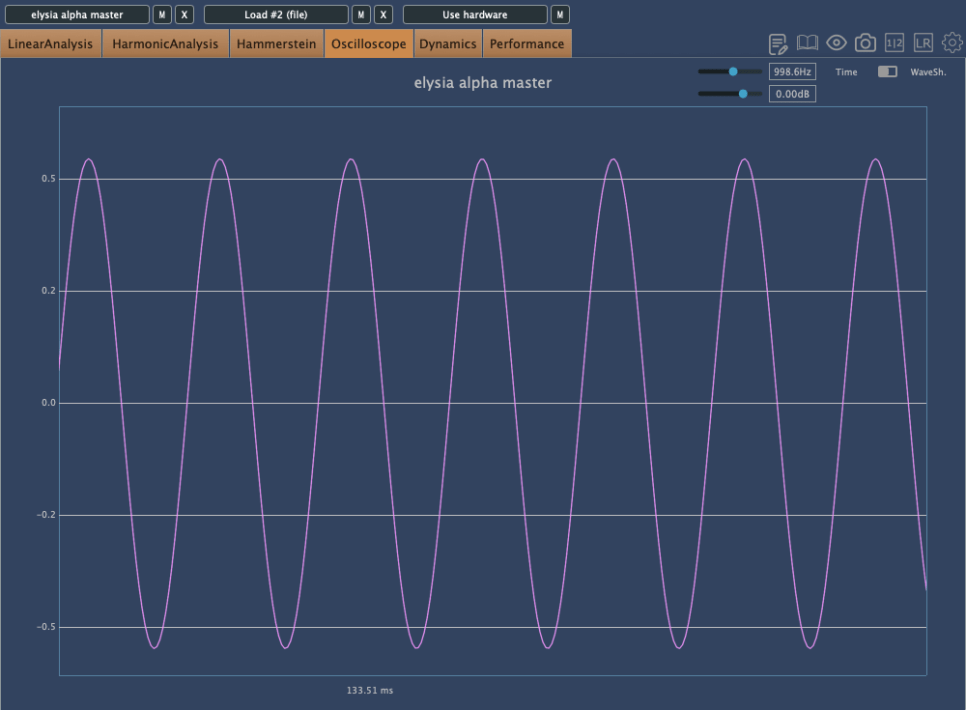
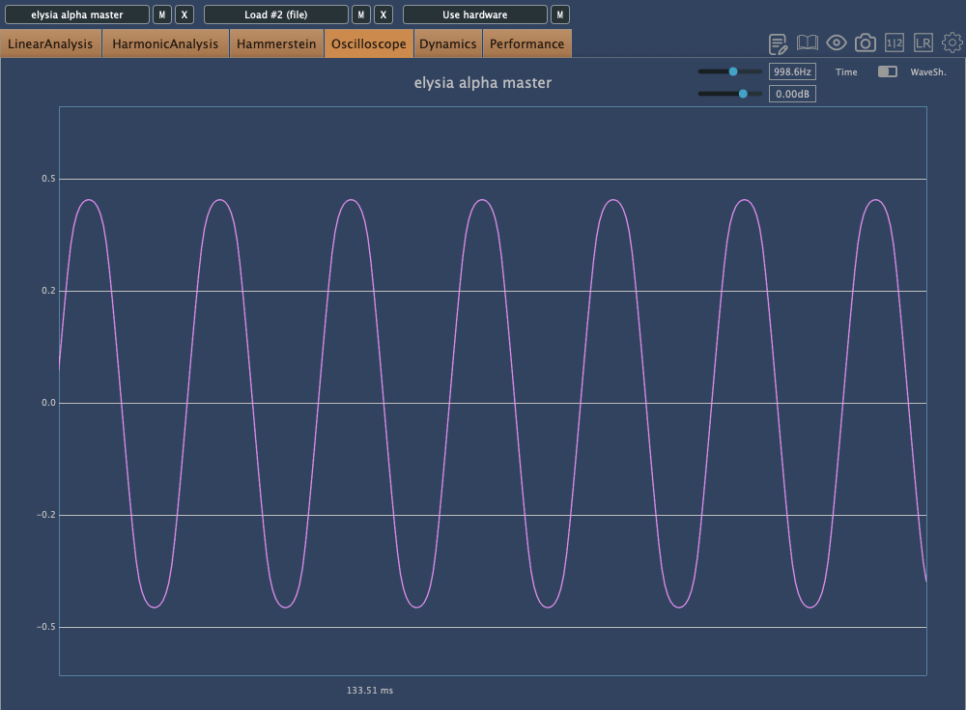
Some mastering compressors offer a soft clipping feature, which we’ll cover in detail later. Soft clipping changes harmonic distortion and waveform shape, as shown below.

Soft clipping rounds off waveform peaks, introducing non-linear harmonic distortion. The more it resembles hard clipping, the more noise-like it becomes.

Think of a guitar distortion pedal for hard clipping and an overdrive pedal for soft clipping to understand the concept better.

Conclusion

Understanding these aspects will give you a solid grasp of a compressor plugin or hardware. Remember, you don’t need to memorize these values.

The key questions are:

  • How does it sound when applied?
  • How can it be used musically?

Measure and analyze your plugins/hardware, and listen to how they affect various sources. This combination of measurement and auditory experience will solidify your understanding.

Pay attention to how the source moves (up/down as discussed in Mixing Basics 2.4), how the tone changes, and how the compression feels. Being able to describe these in your own terms is a significant achievement.

I continue to buy and use hardware because of these nuanced changes. Emulation plugins often lack the detailed frequency response and harmonic distortion of their hardware counterparts due to digital reproduction limitations.

However, using hardware doesn’t automatically improve your tracks. The key lies in understanding and using these changes appropriately to enhance your mixing and sound design.

Mixing is always challenging, as each track requires a different approach. With numerous plugins at your disposal, the choices can be overwhelming.

That’s it for today. See you in the next post!

Basics of Mixing – 6.3 Types of Compressors

Hello, this is Jooyoung Kim, an engineer and music producer.

Today, we will discuss the different types of compressors based on their operating principles.

Before we begin, it’s important to note that most compressors we talk about today are named after the specific components used as attenuators in each type. These components give each type its unique characteristics, so understanding these classifications is essential.

Shall we get started?

1) Variable-Mu (Vari-Mu)

Vari-Mu compressors use vacuum tubes as attenuators. (Note that just because a compressor has vacuum tubes doesn’t automatically make it a Vari-Mu compressor.)

“Variable” means adjustable, and “Mu” (μ) stands for gain. So, Variable-Mu essentially means variable gain.

This might sound confusing, but essentially, as the input signal increases, the current to the vacuum tube’s grid decreases, thus varying the output level and creating adjustable gain.

Vari-Mu compressors have a non-fixed ratio and typically feature a soft knee. They also impart significant coloration to the sound due to the nature of vacuum tubes.

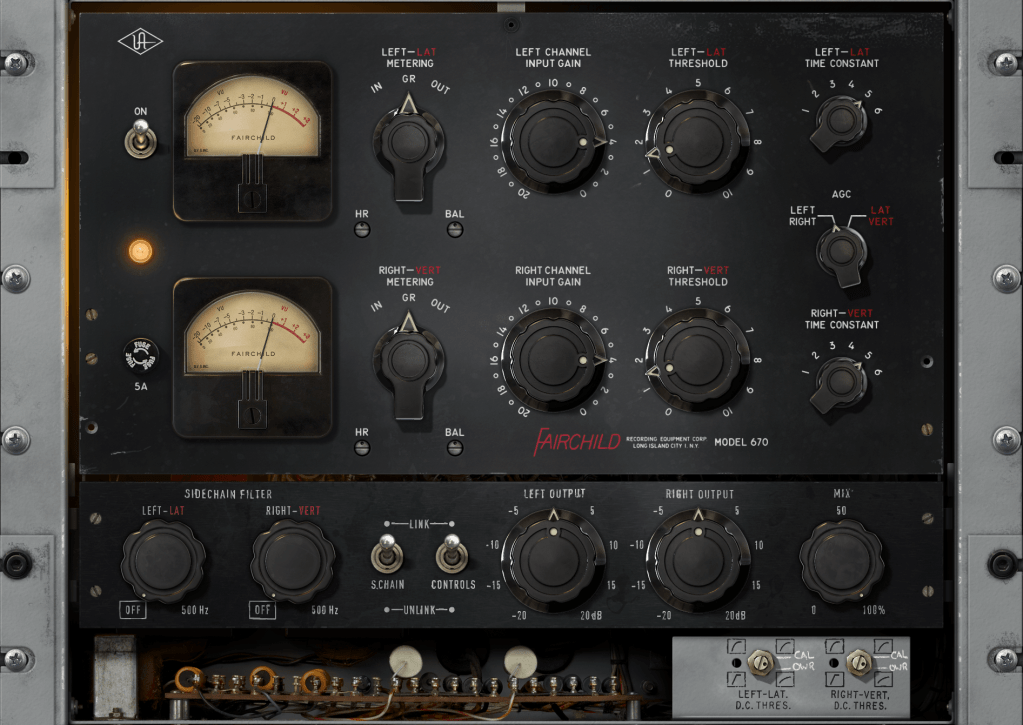
Famous examples include the Fairchild 670, Manley Variable Mu, and Chandler Limited RS124. These were predominantly used in the early days of compressors.

2) Optical (Opto)

Opto compressors use an optical isolator (photo transistor) as the attenuator. The intensity of the light changes according to the input signal, which in turn adjusts the compression. The release time varies significantly depending on the amount of compression.

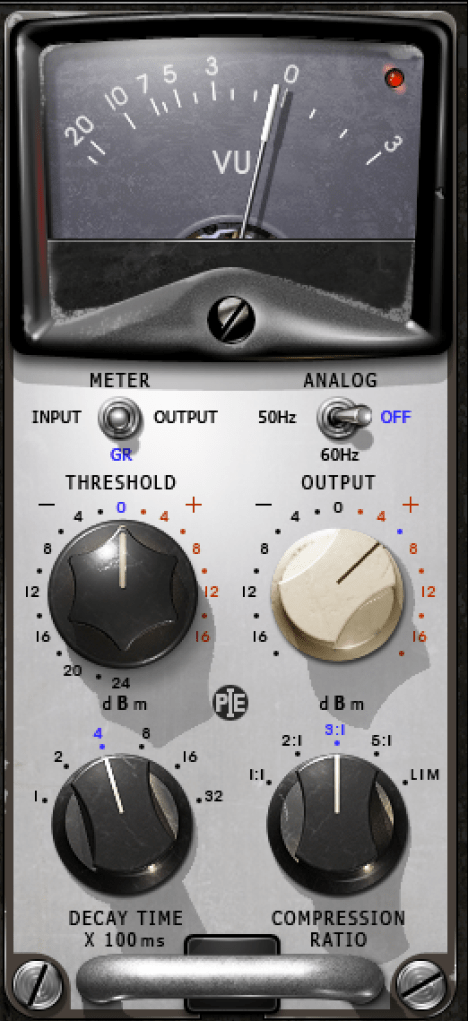
A well-known Opto compressor is the LA-2A, which was also called a 2-step compressor due to the significant difference in reduction levels around -3dB. This characteristic makes it popular for vocal sources.

Both vacuum tubes and transistors can be used for gain control in Opto compressors. For instance, the LA-2A uses vacuum tubes, while the LA-3A replaced these with transistors.

The Tube-Tech CL1B is another common Opto compressor found in studios.

3) Solid State

Solid State compressors use transistors or diodes as the attenuators. When transistors first became available, they replaced vacuum tubes due to their lower power consumption and smaller size.

The UA 1176 is a prime example and remains one of the most famous Solid State compressors. It is known for its very fast attack and release times. The Blue Stripe version of the 1176 is especially noted for its strong coloration, making it a favorite for drum sources.

4) Diode Bridge

Diode Bridge compressors use a diode bridge circuit for signal attenuation. These became popular in the 1960s for their faster response compared to typical Opto compressors and lower distortion compared to many FET designs.

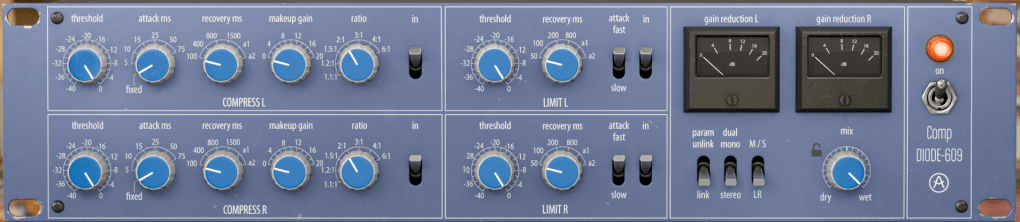
Notable examples include the Neve 33609, 2254, Chandler Limited Germanium, and EMI TG12345.

5) VCA (Voltage Controlled Amplifier)

VCA compressors use a Voltage Controlled Amplifier as the attenuator. A VCA adjusts the amplification based on the input signal’s voltage, allowing precise control over the input signal level. VCA designs typically have low distortion and less coloration compared to Vari-Mu, Opto, and Solid State compressors.

The dbx 160 is a representative VCA compressor, along with the Amek 9098 Compressor Limiter, SSL G Compressor, API 2500, Vertigo VSC-3, and Shadow Hills Mastering Compressor (excluding the Opto section).

6) PWM (Pulse Width Modulation)

PWM compressors use pulse width modulation to control signal strength. They can turn on and off in less than 1 nanosecond, making them extremely responsive with even less distortion than VCA compressors.

Famous PWM compressors include the Crane Song STC-8 and the Pye 4060 and 5060.

7) Digital

Digital compressors are not replicas of analog compressors but are designed to detect the signal level in real-time and apply compression based on the set threshold and ratio.

Digital compressors may introduce harmonic distortion due to nonlinear responses and aliasing, although many modern plugins mitigate aliasing with oversampling.

Despite potential distortion, digital compressors typically have less coloration and are cleaner than analog counterparts. Most basic DAW compressor plugins fall into this category.

Conclusion

Nowadays, most compressors used are plugins. Even if they replicate the same vintage hardware, their characteristics can differ, making memorizing all these details unnecessary.

When purchasing or using a compressor for the first time, it’s helpful to understand its operating principle to get a rough idea of its characteristics.

Also, remember that digital replicas may still suffer from aliasing issues. The only way to completely avoid this is by using the actual hardware.

That’s it for today. See you in the next post!