Life Update: Live Sound Engineer, Mixing Instructor, and Thesis Work (Oct 26, 2025)

Hello everyone, this is mixing engineer and music producer Jooyoung Kim.

It’s been another busy week, so this one’s going to be a short life update post. ^^;
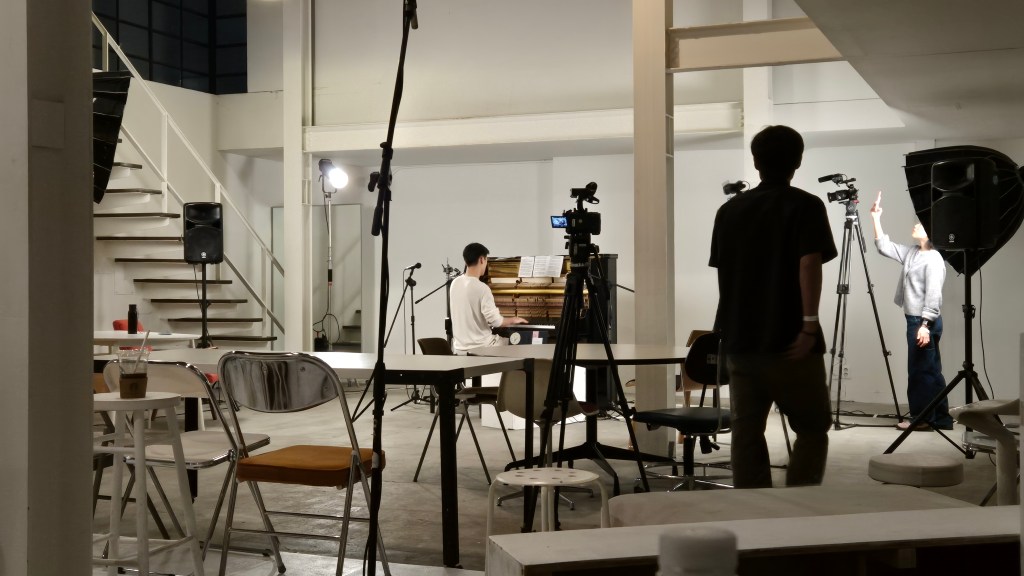

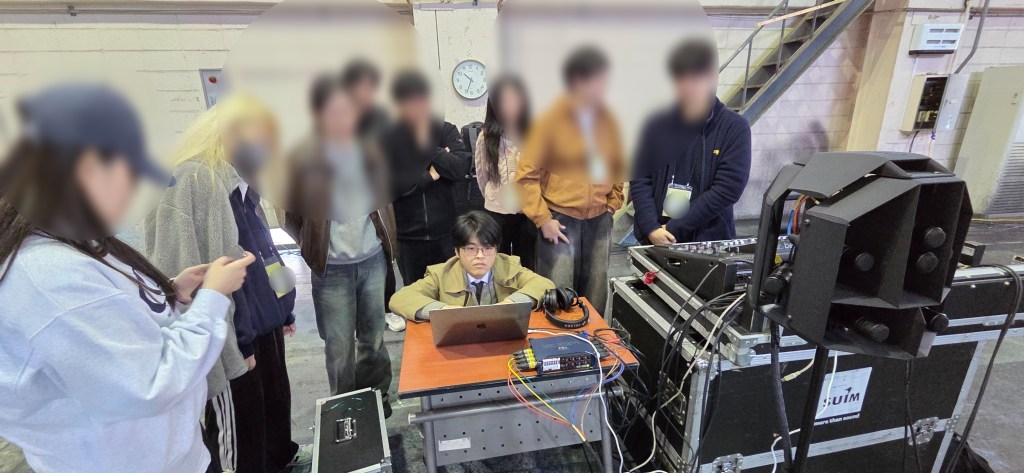
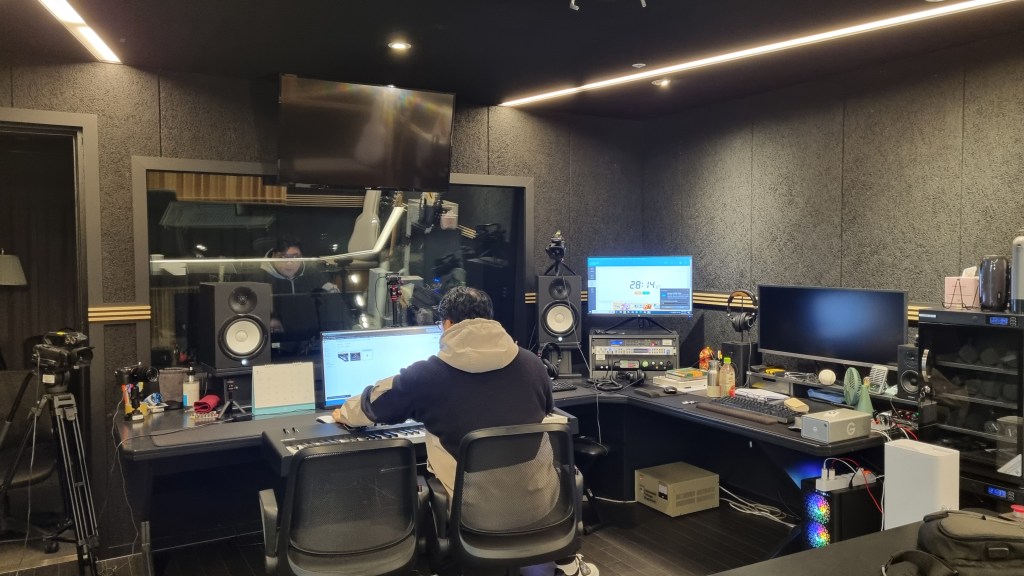
Last Saturday, we held the second “Frisketch x Yeonjun Yoon | Um” concert.

I worked as the sound director again. We used the same venue as the June concert, but this time we positioned the piano differently.
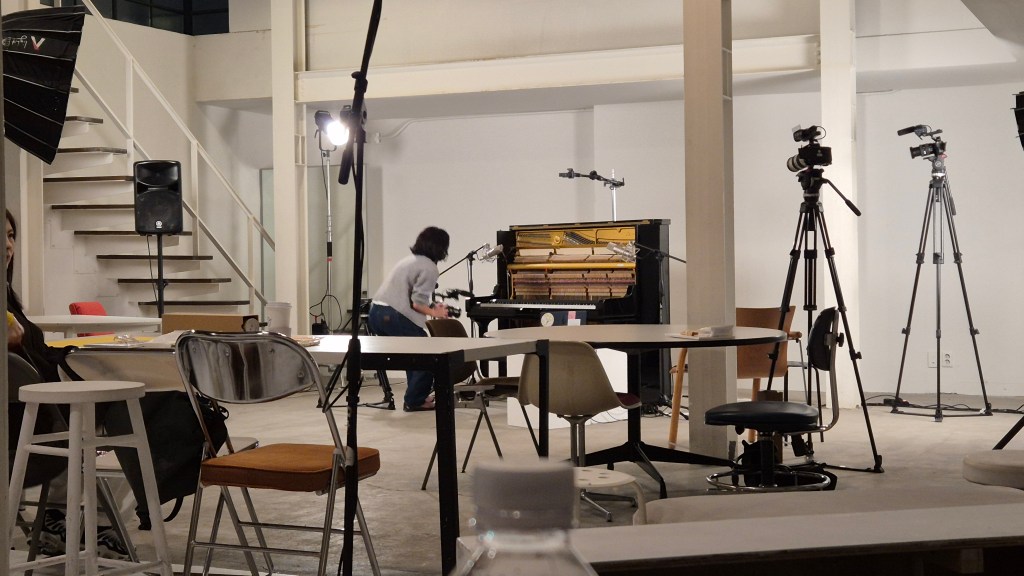
In the meantime, I picked up another Peluso P87 and added two RØDE NT55s for ambience. The sound came out much closer to what I had in mind this time.

Because of the speaker placement, I decided to run the mix in mono. Since the only instrument was the piano, the main mic (P87) captured it beautifully.

That said, when the artist mentioned, “I wish the piano tone were a bit less metallic,” I completely agreed. Haha.


Then on Tuesday and Wednesday, I assisted Sound Director Sung-won Yang in his class “Mixing with IR Reverb” at the Arko Arts Human Resources Institute in Ilsan.

On Wednesday afternoon, I took over and led the mixing lecture myself.
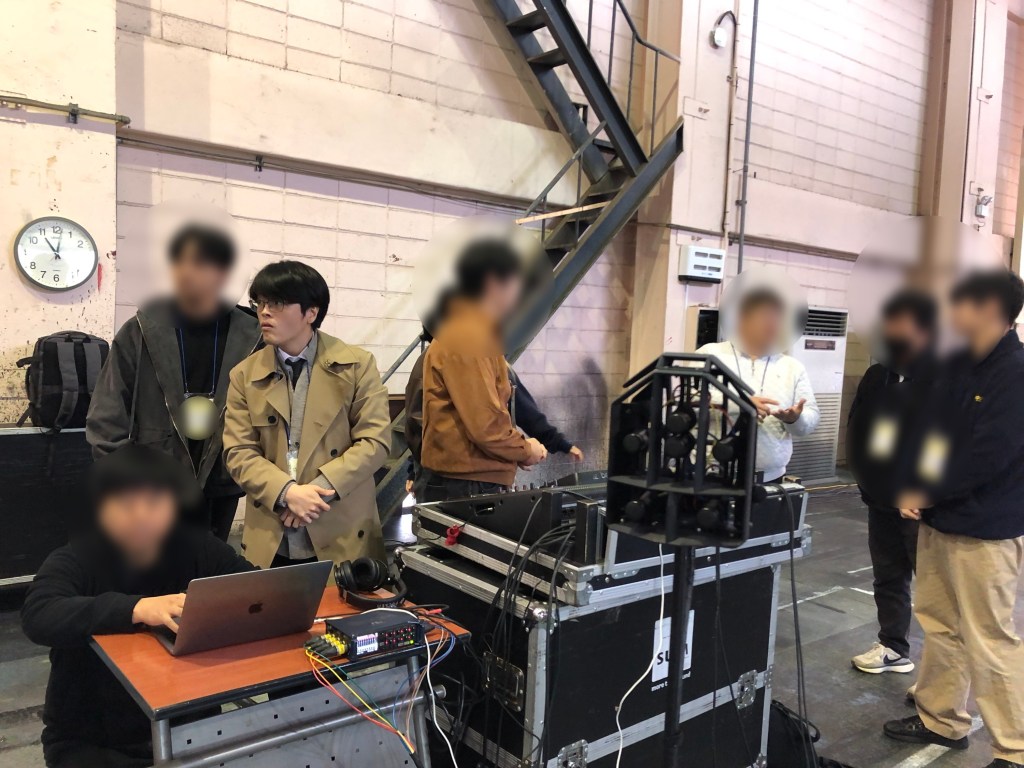
Sometimes I wonder if I made things too difficult, but the topics I consider most important in mixing tend to be the challenging ones.

So I told the students, “It’ll all make sense later—trust me,” and just went for it. Haha.

Honestly, I had so much I wanted to cover, but time was short. I trimmed and trimmed until the lecture fit the schedule perfectly—but it still felt a bit like a Spartan session.

Hopefully it wasn’t too much to absorb all at once.


By the way, I don’t think I’ve mentioned this here before, but I’ve been teaching major practical courses at my graduate school since finishing my master’s degree.

I used to give private lessons only to a few close acquaintances, but now that I’m officially teaching as part of the program, I’ve been thinking a lot more seriously about pedagogy and teaching methods.


Also, my master’s thesis has finally appeared on D-Collection (The archive of theses in South Korea).

The topic is the same as my journal publication, though since it’s an earlier research version, the experimental conditions may feel a bit rougher.

I wanted to cite my published journal paper in the thesis abstract (which is normally standard practice), but unfortunately the publication and submission dates overlapped too closely.

I even contacted the university library afterward, but they said the submission was already finalized and online revisions weren’t possible.

Still, since the journal was published first, there’s no real issue academically.

(For context: a thesis isn’t considered an official publication—once your advisor approves it, the degree is granted.)

Interestingly, I couldn’t find another case online where the timing overlapped this perfectly. ^^;
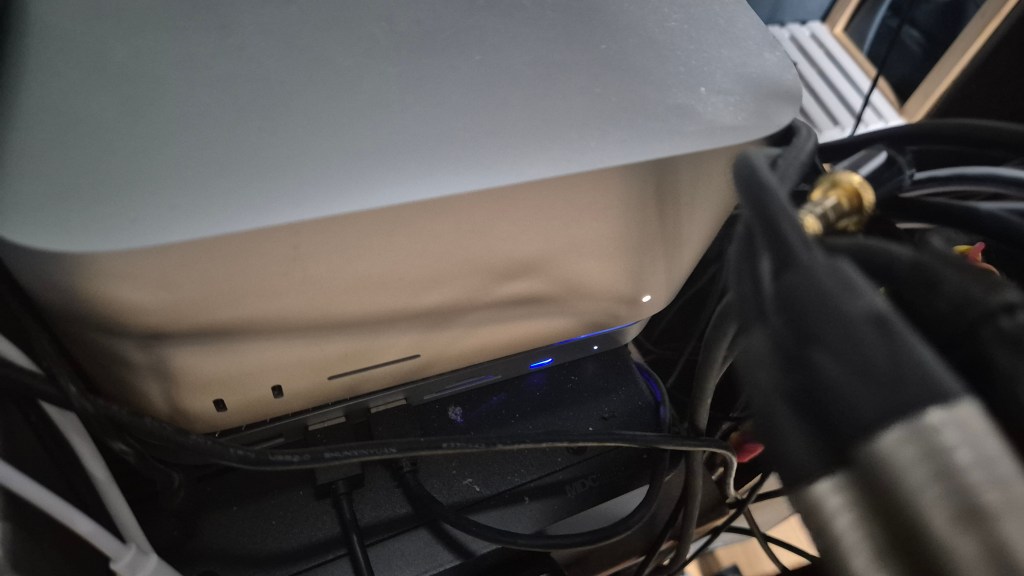

As for my recent live recordings, I’ve finished most of the mixing, and now my Mac Studio is running endless deep learning sessions again.

Compared to my old Windows PC with a GTX 1080, the Mac runs quieter and stays much cooler.

I’m redoing the experiment I failed back in May, and this time I plan to take my time and turn it into a proper paper.

I already got IRB approval, so I’m hoping the training finishes soon.

(Each CNN run takes about 20 days, by the way… hahaha… ha… 😭)

I’m planning to try a WaveNet model as well, but I’m slightly worried it might overrun the IRB deadline. 😭


That’s how things have been lately.
See you in the next post!
Basics of Mixing – 14.1 Pre-Mastering Audio

Hi! This is Jooyoung Kim, mixing engineer & music producer.

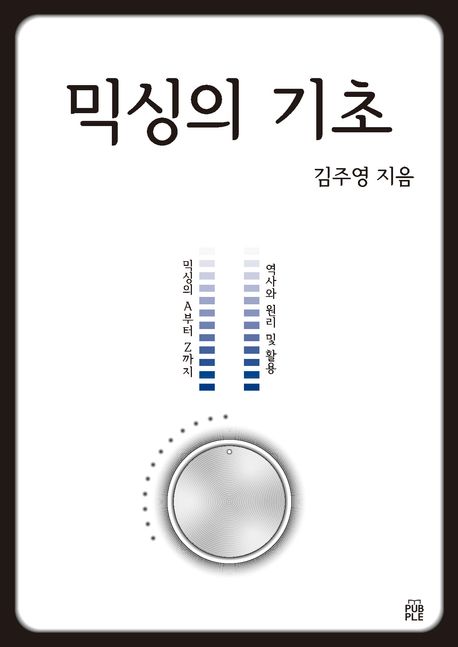
Before, we talked about hardware. Today, I’ll begin by introducing mastering. This article is based on my book, Basics of Mixing, published in South Korea.

Let’s dive in!

What is Mastering?

Why do we master audio?

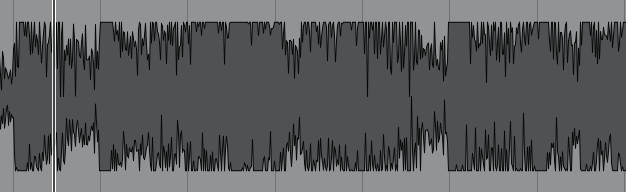
  1. The loudness of mixed music is too low
  2. So gain more volume for the mixed music, maintaining the instruments’ balance

Of course, mastering involves many aspects. You can easily understand mastering with the two sentences above.

Simply put, mastering is the final step in music production. It can also be described as packaging the mixed music. The package does not change after mastering.

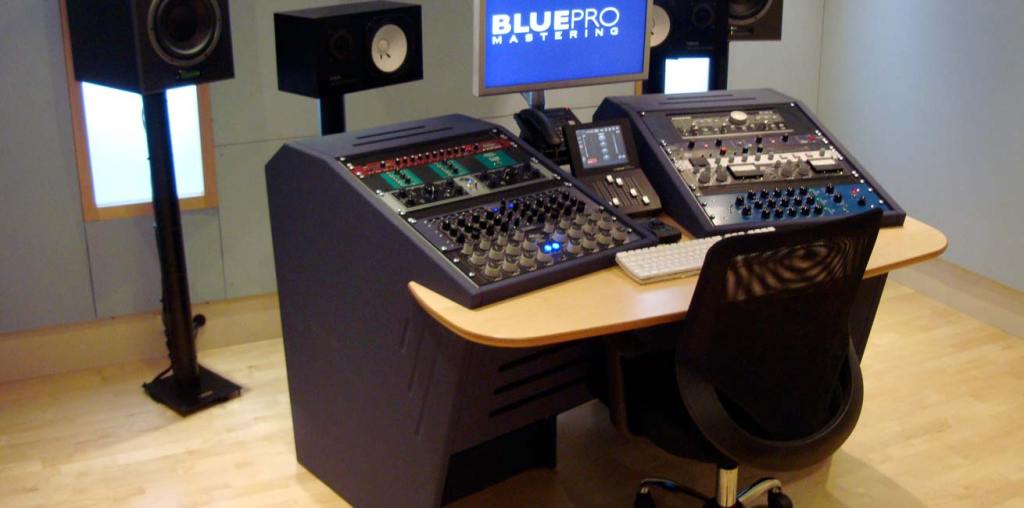
Room acoustics are the most important factor in building a mastering studio. Also, great quality ADC(Analog-Digital Converter)/DAC(Digital-Analog Converter), speakers and hardware are necessary too.

Building a mixing studio is also expensive. However, in mixing studio, audio hardwares take quite large volumes-they make room acoustics worse.

A desk with hardware may look good and fancy, but it takes up a lot of space. This can lead to comb-filtering effects. Removing the desk is a great solution, but as you know, it’s easier said than done..

One more thing, a mixing engineer listens to a song too many times, making it hard for them to recognize problems. Therefore, when you need to master a song or an album, I recommend hiring a mastering engineer.

Nevertheless a mixing engineer should provide a louder monitor file to clients than the mixed file. Due to budget constraints, mixing engineers sometimes have to master their own files.

In this chapter, for those situations, I’ll talk about the process and concepts about mastering.

The full details start next post! 🙂

2024 Year in Review

Hello! I’m Jooyoung Kim, an engineer and music producer.

It’s already the last day of 2024…
It feels like I’ve barely done anything, yet the end of the year has come around again. 😊
This year, I want to take a moment to look back on what I’ve done.


First Half of the Year

In January, I started writing introductory posts about mixing techniques.
I’d been wanting to publish articles elsewhere, but after receiving rejections from various outlets, I decided to focus on writing consistently on my blog instead.

I lost count of how many times I revised those posts! Eventually, I submitted them to Kyobo Bookstore’s POD (Print on Demand) service. To my surprise, Joongpil Goo, an engineer from Klang Studio with extensive experience as an SM engineer, graciously wrote a recommendation for the book. Even now, it feels surreal! 😊

This was finally completed by late September, and it was quite an intense journey just to publish a single book.

From January to April, I worked with a studio called Studio Dolphin, producing YouTube videos where AI collaborated with indie musicians to create songs.
We used Soundraw for the AI-generated music, ChatGPT for lyrics, and melodies were composed by indie musicians. The challenge was to create a full song in just 90 minutes.

I participated as both an engineer and a panelist, but unfortunately, the videos didn’t garner much attention, and they’ve since been taken down.

At the start of January, I was extremely busy with various recording and mixing tasks for school projects. In February, I spent a lot of time preparing paperwork to apply for government-sponsored projects. Sadly, none of these applications were successful, which left me feeling rather deflated.

In March, I returned to school, and things got busier from there.

In May, I launched my English blog and started promoting Plugin Boutique products more actively, which kept me even busier.


Summer

From July to August, I worked on producing Danny Boy’s EP from start to finish.
I handled everything—recording, arranging, mixing, and mastering. 😊

At the same time, I collected measurement data for my thesis. The data turned out well enough that I’m now preparing to submit it to an international academic journal.

While processing the data, I found myself delving into coding—a field I never thought I’d explore! Surprisingly, tools like Copilot and ChatGPT were lifesavers. At first, I barely understood anything, but after asking countless questions, things started making sense. 😊


Second Half of the Year

September was tough. I applied for several positions but didn’t get any of them. My final interview was with the Gyeonggi Arts Center, but, well… things didn’t work out. Back in May, I’d also made it to the final round for a position at Kumho Art Hall at Yonsei University but was ultimately rejected. I guess that’s just how life goes. 😊

In October, I filmed a music video, and November passed without anything particularly noteworthy.

In December, I wrote a short paper about loudness in audio and submitted it to a domestic academic journal. It was accepted and will be published in early January.

Also, during this semester, a professor from Sorigeo joined the faculty, and I took his class. In collaboration with him, I gathered data for another research paper, spending two days on measurements. The data looks promising, but I haven’t organized it yet. Once I do, I plan to publish another paper and share the details. 😊

In addition to all this, I continued working on my own music, doing external mixing/mastering, composing/arranging, and providing guide vocals.


Unforgettable Projects

One of the most memorable projects this year was mastering the EP for the Bulkuksa Team’s Random Game. My favorite track was definitely “Microdust.”

A heads-up: the song contains explicit language. 😊

A friend had asked if I could master the track using only an MP3 demo, as they’d lost the original files. I was initially concerned about the sound quality but was blown away by how creative the music was. I couldn’t say no!

Some tracks were well-balanced, while others were completely off, but I managed to improve them significantly through proactive mastering. While the sound quality wasn’t ideal due to the limitations of MP3, the sheer fun of the music made up for it. 😊


Gear Purchases

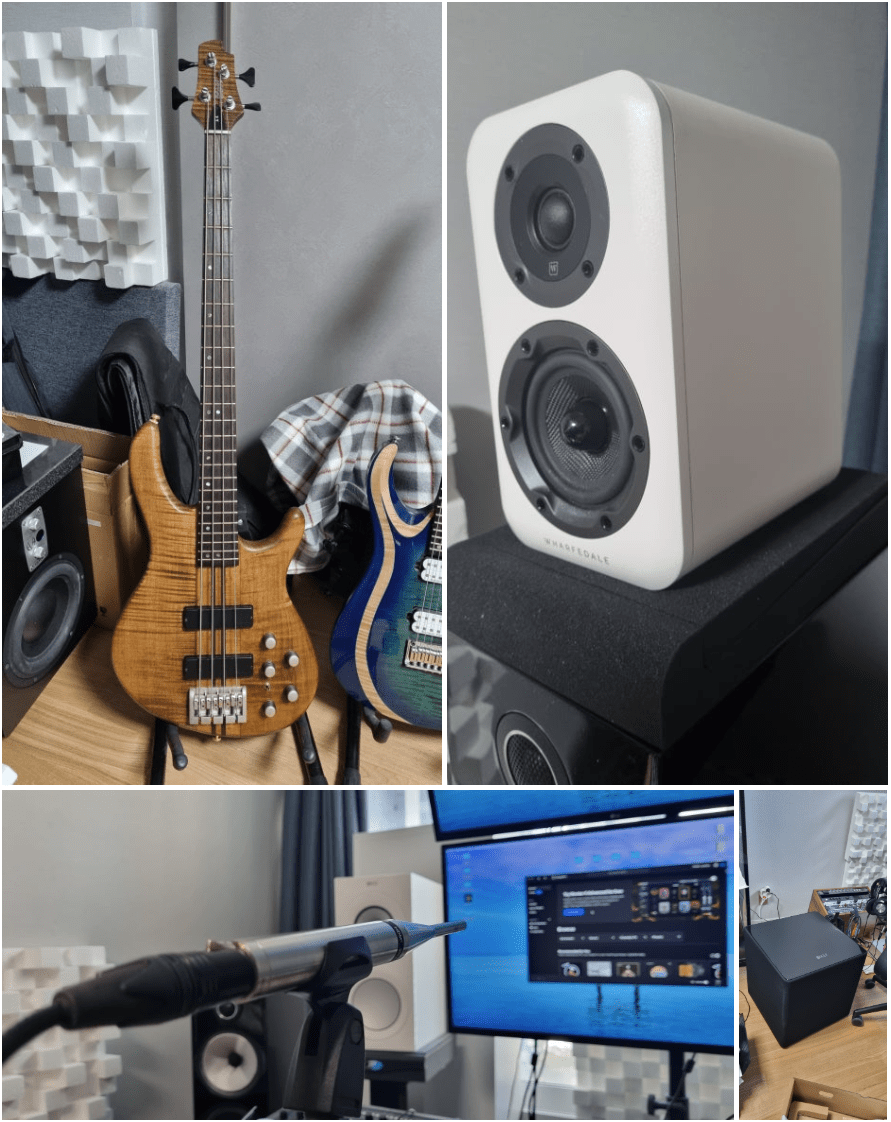
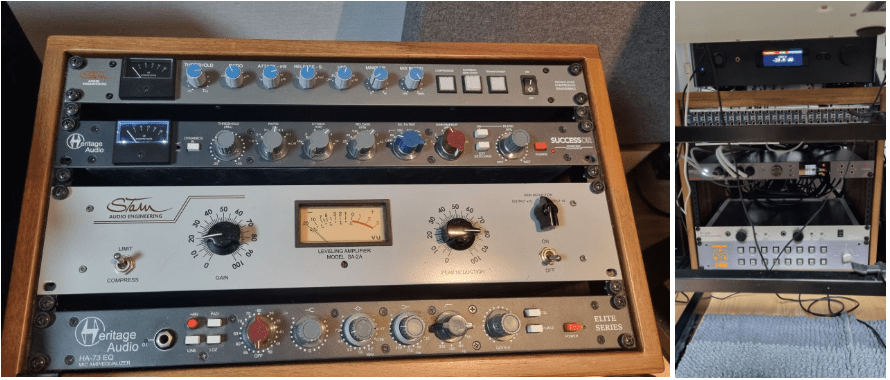
  1. Stam Audio SA-4000 MK2 Compressor
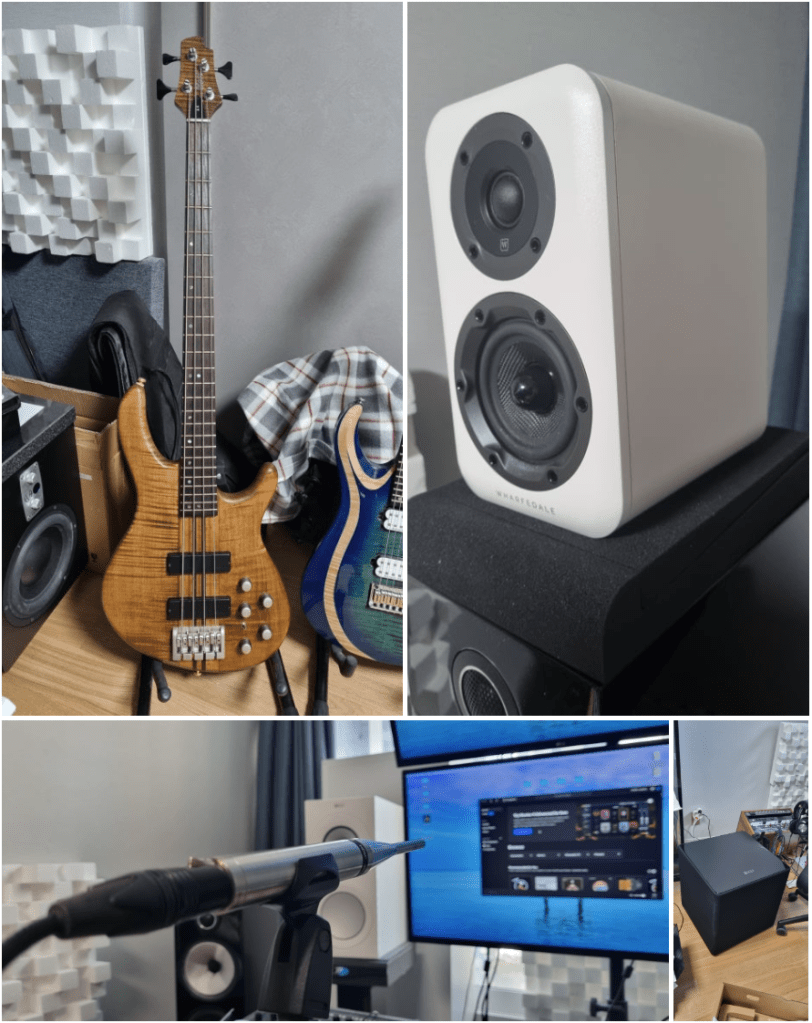
  2. KEF Kube 15 MIE Subwoofer
  3. Stam Audio SA-2A Compressor
  4. Earthworks M30 Measurement Microphone
  5. Rack Cabinet and Patch Bay
  6. Wharfedale D310 Passive Speakers
  7. Cort A4 Bass
  8. A broken Heritage Audio Successor Compressor

I bought quite a bit this year…

Next year, I’m thinking of adding a tube microphone preamp and an EQ. Maybe another compressor or a mic too? The gear wishlist never ends! 😊

Basics of Mixing – 9.1 Harmonics and Saturation

Hello, I’m Jooyoung Kim, an audio engineer and music producer.

Today, I’d like to talk about two crucial aspects of sound: harmonics and coloration. As audio engineers, we know from experience—and from measurements—that the audio signal changes when it passes through hardware or plugins.

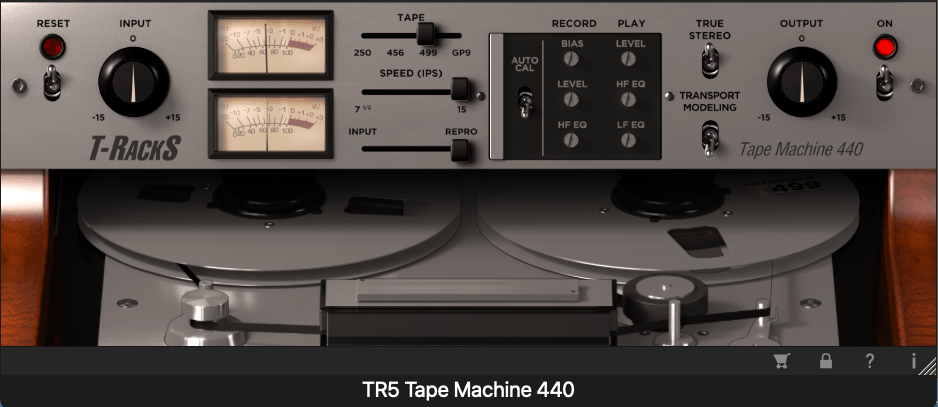
For example, why do sounds processed through vacuum tubes and tape machines end up so different from each other?

It’s a topic worth considering for anyone involved in sound production: how exactly does the signal change, and why?

Of course, if it sounds good, that’s all that matters. But if we take that approach, we could say the same for EQs and compressors—if it sounds good, it’s good enough, right?

That said, this chapter will focus on explaining the devices that introduce coloration to sound.

When an analog audio signal passes through analog devices, harmonics are generated due to the non-linear behavior of these devices.

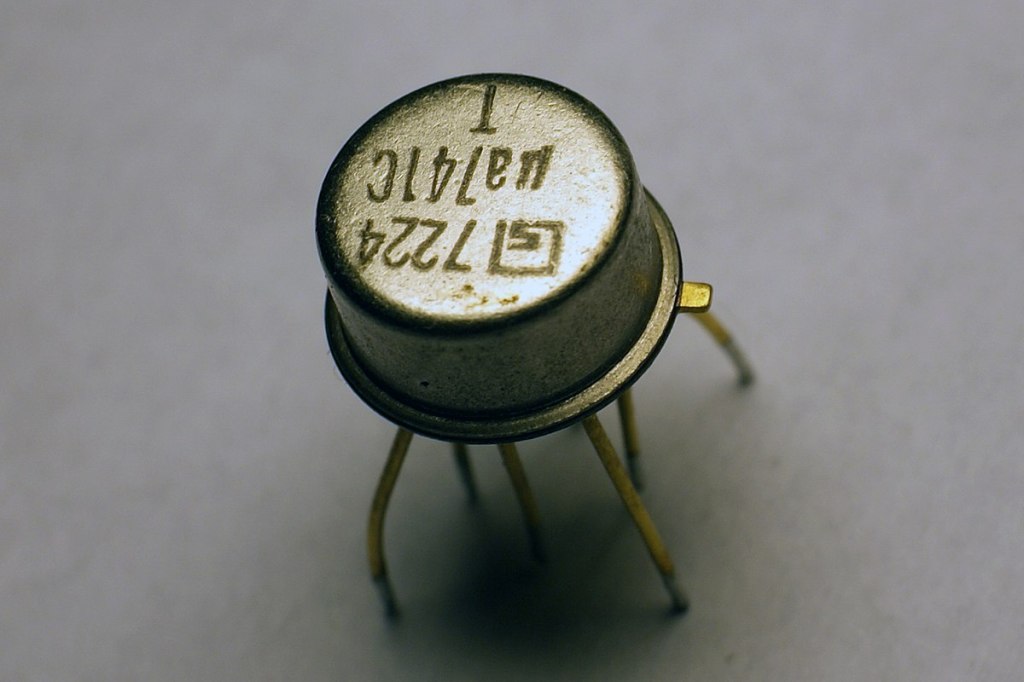
OP Amp
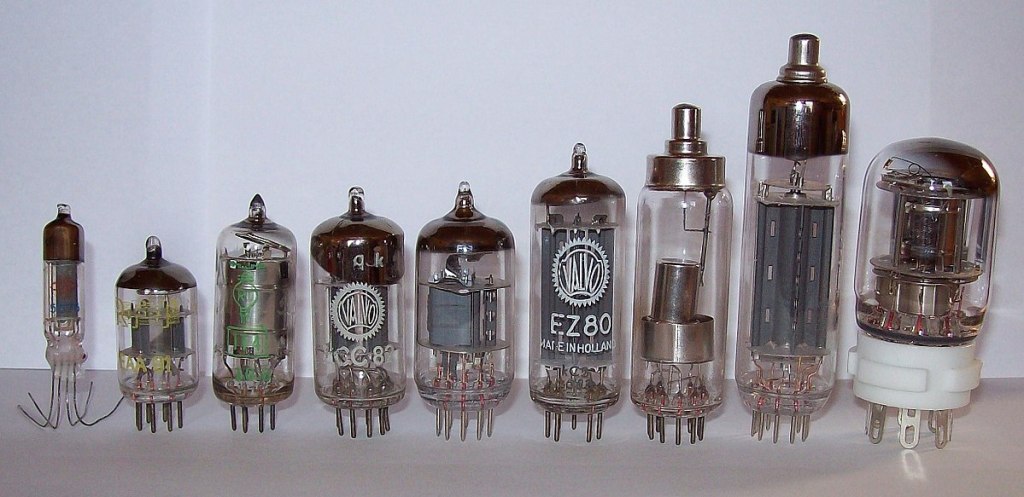
Vacuum Tubes

For example, when components like transistors (such as OP Amps) or vacuum tubes are part of the circuit, they create non-linear responses in the output, which results in harmonic distortion.

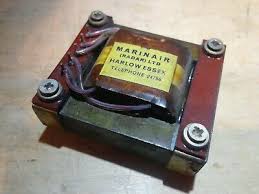
Legendary Marinair Transformer used in Neve Hardware (Photo from AMS Neve)

If you’re a fan of hardware, you’ve probably heard the term “transformer.” When you insert a transformer like the one shown above at the input or output stage of hardware, it creates non-linearities that result in harmonics.

This is why different components alter the character of a device, and why those who modify gear often swap out transformers, tubes, or transistors!

Why do non-linear behaviors generate harmonics? We could explain this through Fourier analysis, but I’ll spare you the math to keep things interesting.

(If you’re curious, look up non-linear systems and functions.)

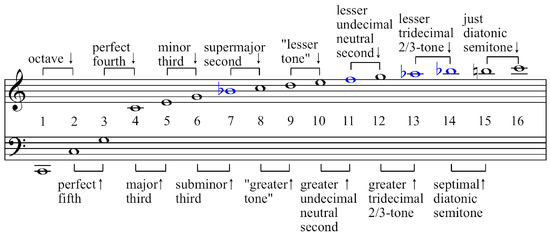
Harmonics

If you’ve studied music, you might recall learning about harmonics and harmonic series in class. Generally speaking, even-order harmonics sound more harmonious and pleasant, while odd-order harmonics tend to create dissonance and can sound harsher.

So, if a device emphasizes odd-order harmonics, it will sound sharper. On the other hand, if it emphasizes even-order harmonics, it will blend more smoothly into the mix.

Now, are there analog devices that exclusively boost even or odd harmonics? Not really.

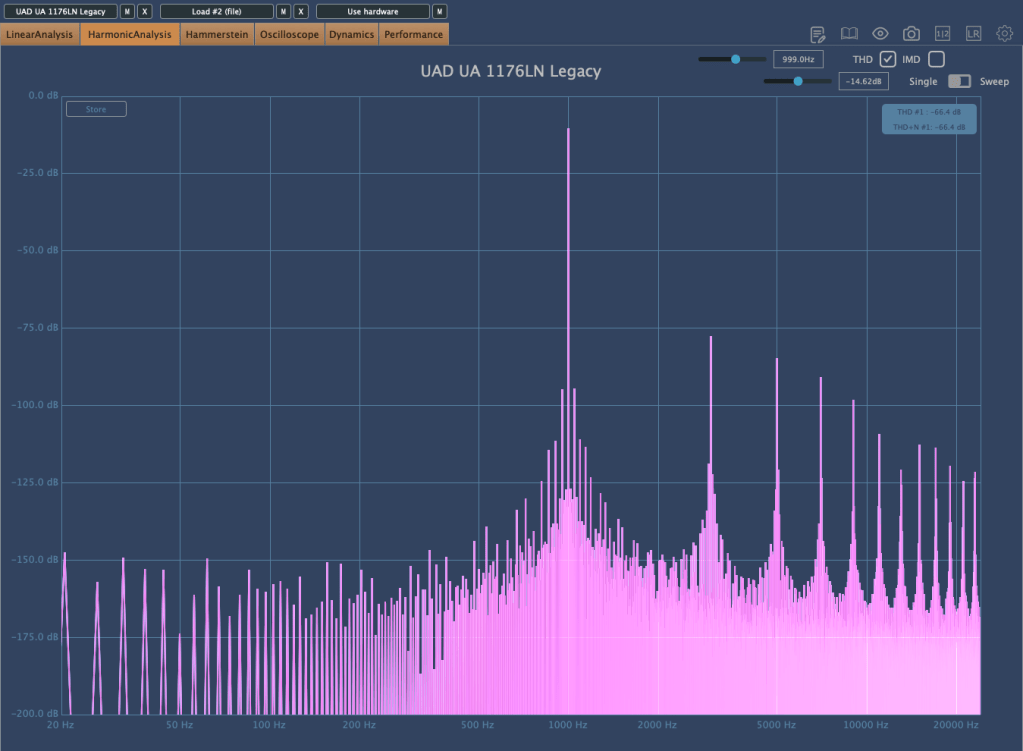
UA 1176LN Legacy Plugin that boosts only odd harmonics

As shown above, you’ll find this kind of control in plugins, but not in analog hardware.

Additionally, because of non-linear responses, the levels of second, third, fourth, and other harmonics also vary in non-linear ways.

So how should we understand these devices? Do vacuum tubes and transistors have unique characteristics?

We’ll continue exploring these questions in the next post.