
Hello! I’m Jooyoung Kim, a mixing engineer and music producer. In this post, I’ll be sharing the process behind my single album released in 2021. Although the timeline might feel a bit off since I wrote this a while ago, I hope you enjoy reading about the journey.
The inspiration for the song began near a construction site close to my home.
From the year before last to last year, there was continuous construction right next to my house, which was extremely noisy. Towards the end of the construction, they seemed to be in a hurry, working even in the early mornings and sometimes on weekends, which was incredibly stressful. At the same time, I was dealing with some personal family issues that made things even more suffocating.
So, I pre-wrote the lyrics to express my desire to escape this situation. I started composing the song more concretely from February this year.
I wanted the lyrics to be fairly simple but impactful, so I aimed to incorporate rock elements. I also thought using unconventional industrial percussion could effectively convey the feeling of noise.
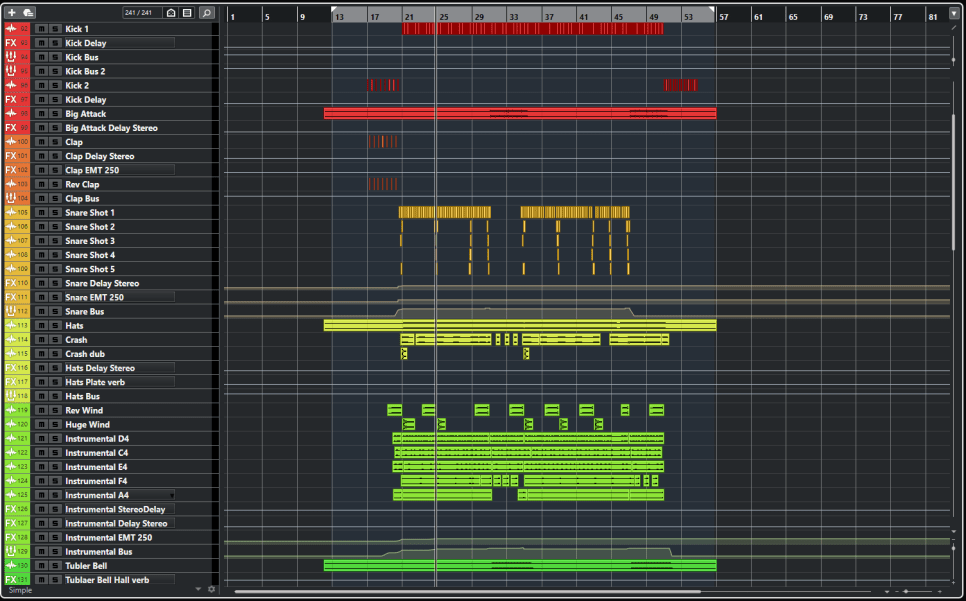
Thus, I used a snare drum with significant reverb and a strong attack, along with various metal percussion sounds and tubular bells used in orchestras.
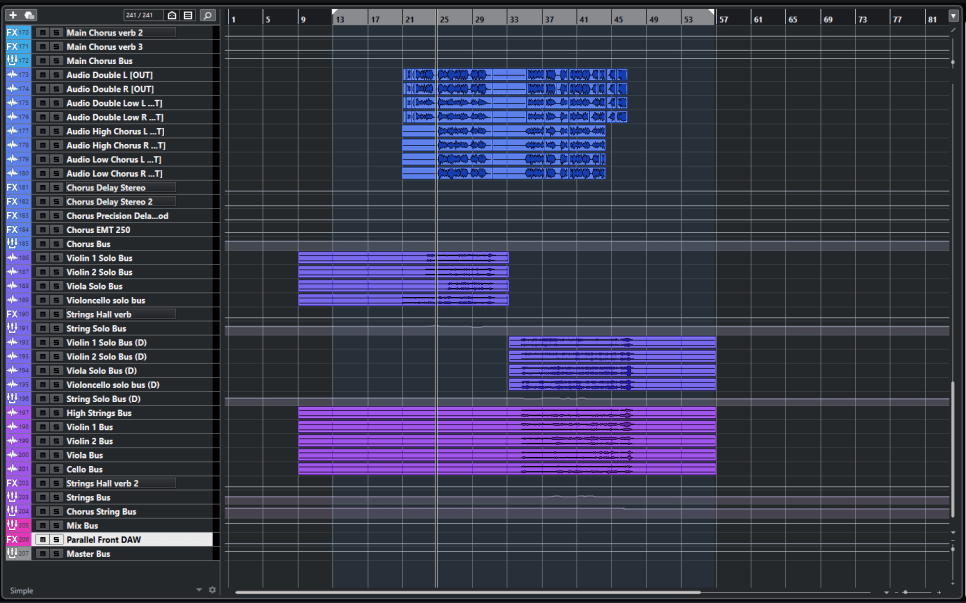
When I reopened the project file, I noticed I had used over 100 tracks for the mix (with 46 tracks for the instruments).
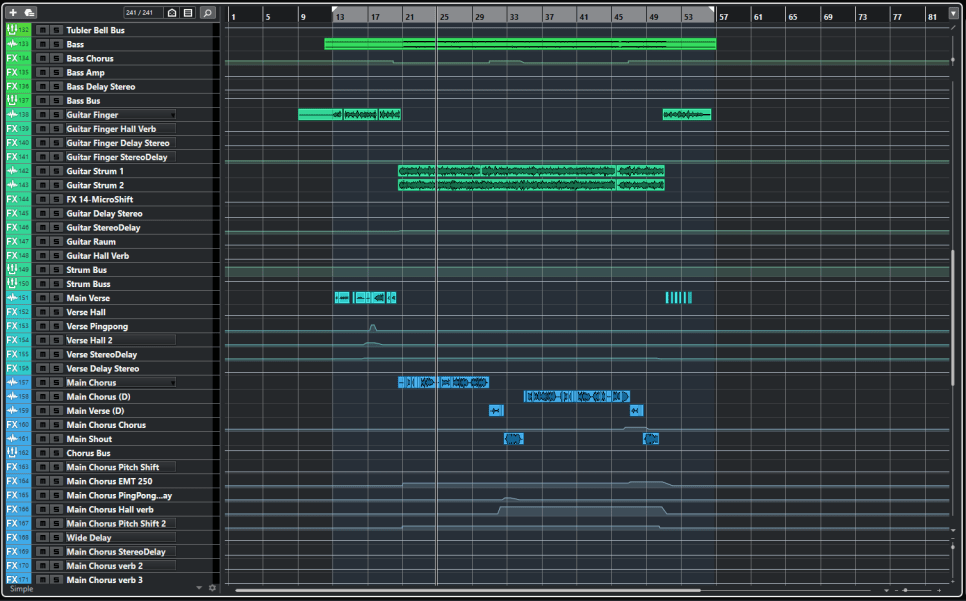
For the vocals, I used a Peluso P87 microphone, and for the guitar, a Peluso CEMC6. Both were recorded through the HA-73EQ.
Additionally, I recorded the guitars using different Nashville tunings for the left and right channels.
Apart from the percussion, I paid special attention to the strings. I arranged the parts separately using sheet music and included them through BBCSO.
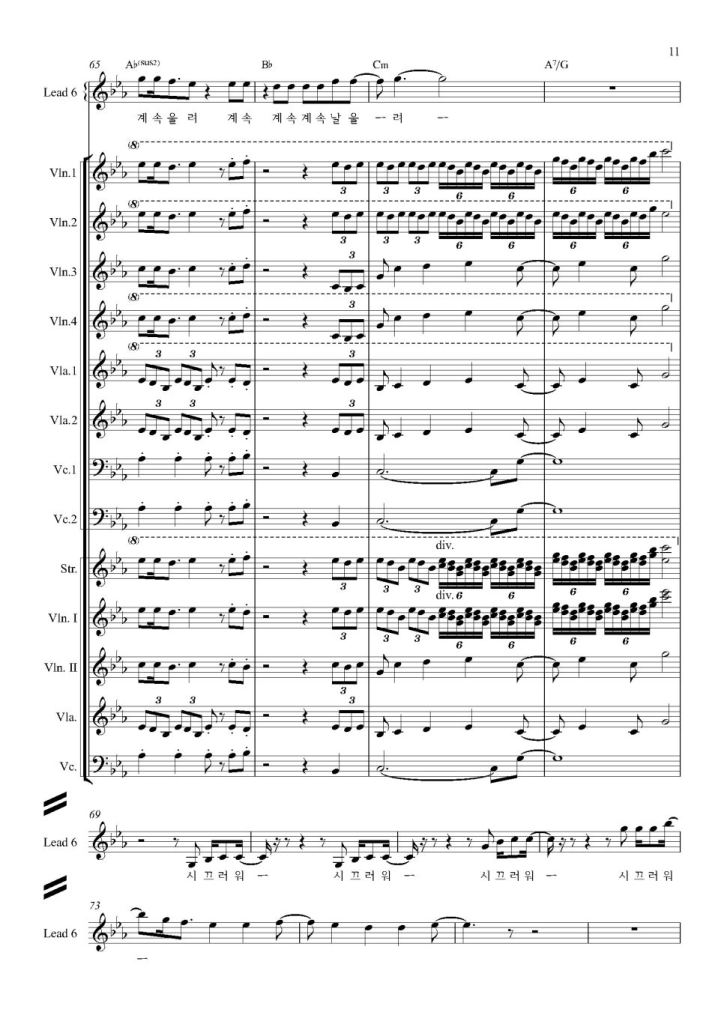
Looking at some of the sheet music, you can see there are quite a few notes.. ^^;;
Orchestrating these instruments took as long as mixing them. Once I get more familiar with it, I’ll be able to work faster, but for now, I put a lot of intent into each part.
Another critical part I focused on was the beginning and end guitar sections. I tried to enhance the groove and rhythm through bass movement, and I hope it came across as intended.
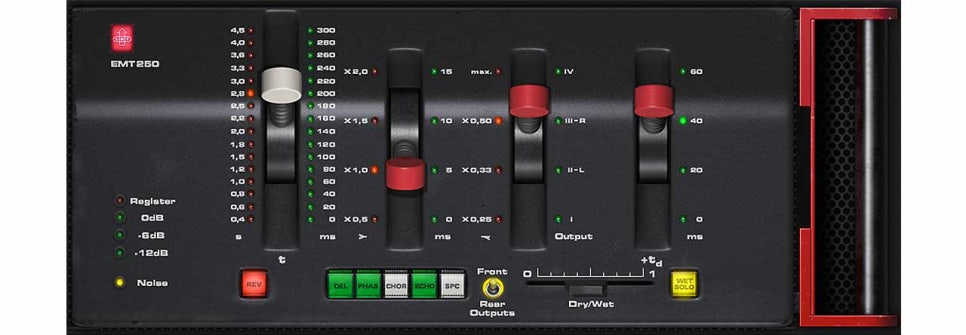
In terms of mixing, the EMT250 I purchased at the time played a significant role. Its broad and expansive reverb matched the song perfectly.
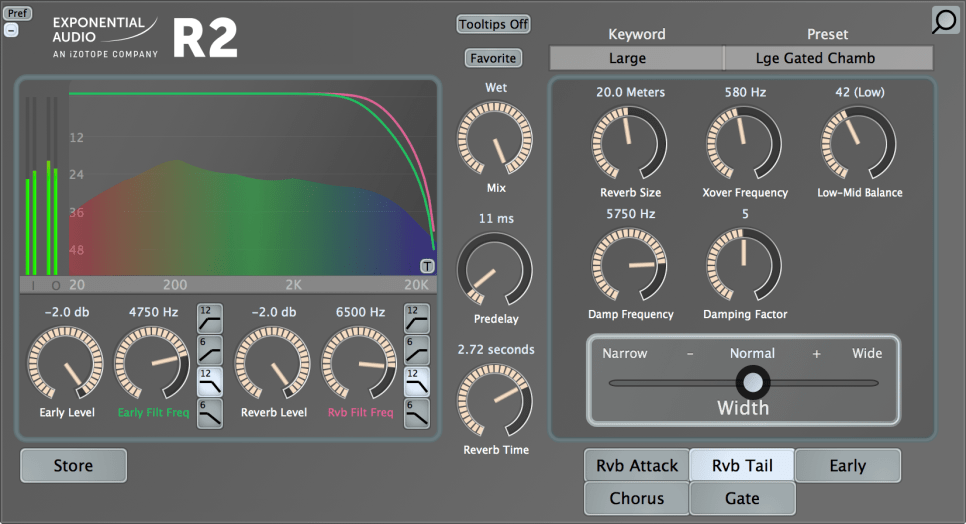
I got the R2 at a very reasonable price, yet its natural reverb exceeded its cost. So, I used it for the overall hall reverb.
Explaining every detail of the mix would take too long.. Another unique aspect of this mix was adding parallel saturation and heavy compression at the final mix stage to make the sound a bit noisier.
Other than that, there wasn’t any notable processing. The pitch and rhythm tuning, along with the volume automation, took the most time. Aligning the string tracks with the timing and articulation was a painstaking process, revisited countless times.
Thus, after completing all the composing, arranging, recording, and mixing, I sent the track to a mastering studio.

I’m always curious about how different places produce sound, and I wanted to visit the studio to check the sound directly if possible. So, I booked a session at 821 Sound Studio but had to conduct it online due to COVID-19.
On the mastering day, the engineer sent me the files, and I was immediately impressed by how well the sound was captured, so I gave my approval right away.
I had been focusing on the higher frequencies and missed some details in the lower range, but the engineer brought out the groove in the low end perfectly, which was very satisfying.
(The engineer provided two versions: one with more aggressive processing and another balanced version. The aggressive one brought out the groove I intended.)
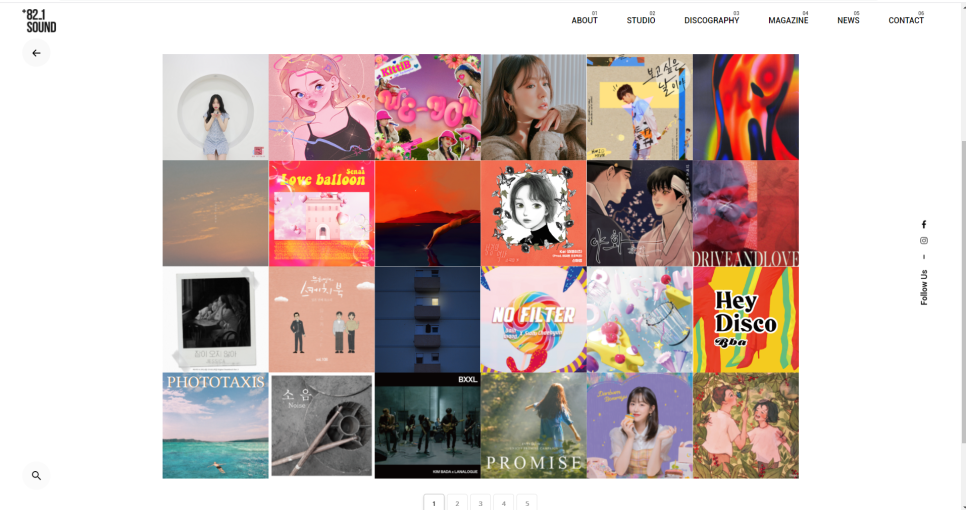
My track is listed in the discography on the lower left side of the 821 Sound website.
Examining the waveform later, I was surprised by how dynamic it remained despite looking heavily compressed. It reaffirmed the importance of mastering engineers.
I had to wait for about three weeks for the appointment and felt bad about not being able to visit the studio. The engineer kindly invited me to visit once the COVID-19 situation improved, and I promised to do so when possible.

I also worked on the music video simultaneously. I collaborated with PD Kilsangmun, who operates as a one-man team.
We had a Zoom meeting before the shoot to discuss the direction, color, and feel of the music video.

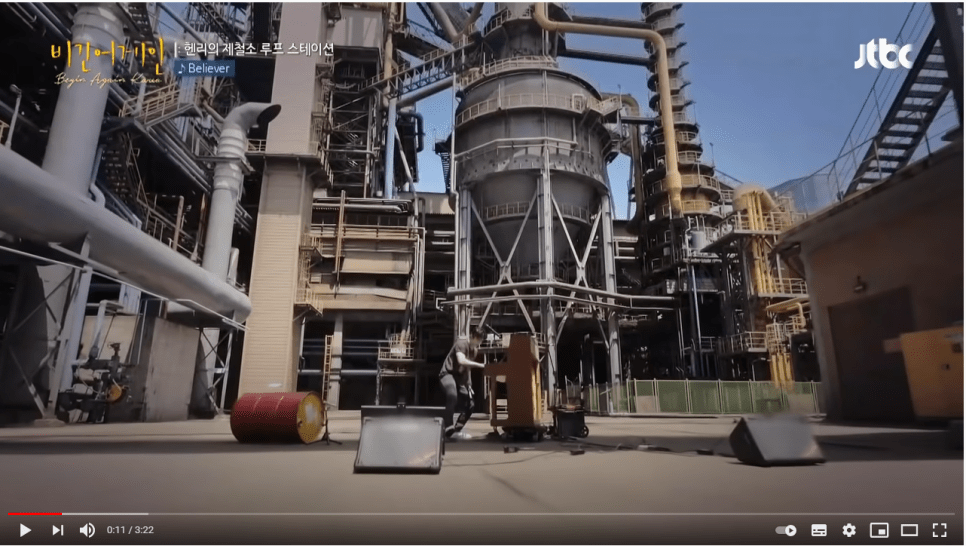

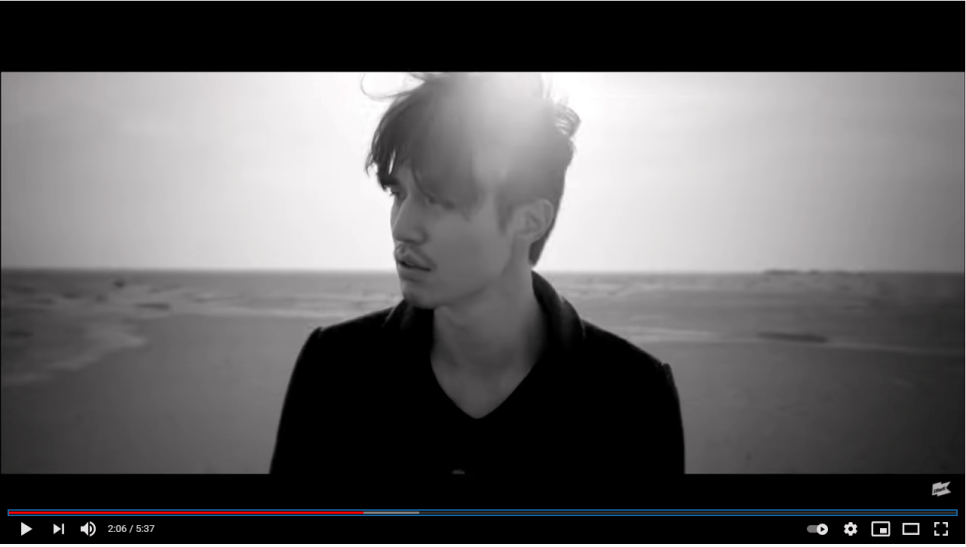
I wanted to shoot in a setting similar to the backgrounds in Rain’s “Gang” music video and Henry’s loop station scenes from JTBC’s “Begin Again.” I also wanted the color tones similar to Kim Dong-ryul’s “Lonely Voyage” and Replay by Wonder K.
The PD had a different interpretation of “noise,” viewing it as the overwhelming information in the world and wanting to depict an escape from it.
After exchanging ideas, the PD sent a plot. Unlike my previous music videos, the PD handled the entire story this time.

The initial plan was to film people overwhelmed by information like noise in a 3D effect, but we decided to go with a more traditional music video approach if that proved too challenging.
We chose an abandoned factory in Pohang for its low cost and nearby sea for additional shooting locations.
A few days before the shoot, I realized we hadn’t discussed costumes. Since I didn’t have the budget to buy new outfits, I used my own clothes.
The PD wanted a work uniform or khaki pants look, but I mostly had semi-formal or denim styles. So, we decided on a white t-shirt and blue jeans, with the PD providing an additional shirt.
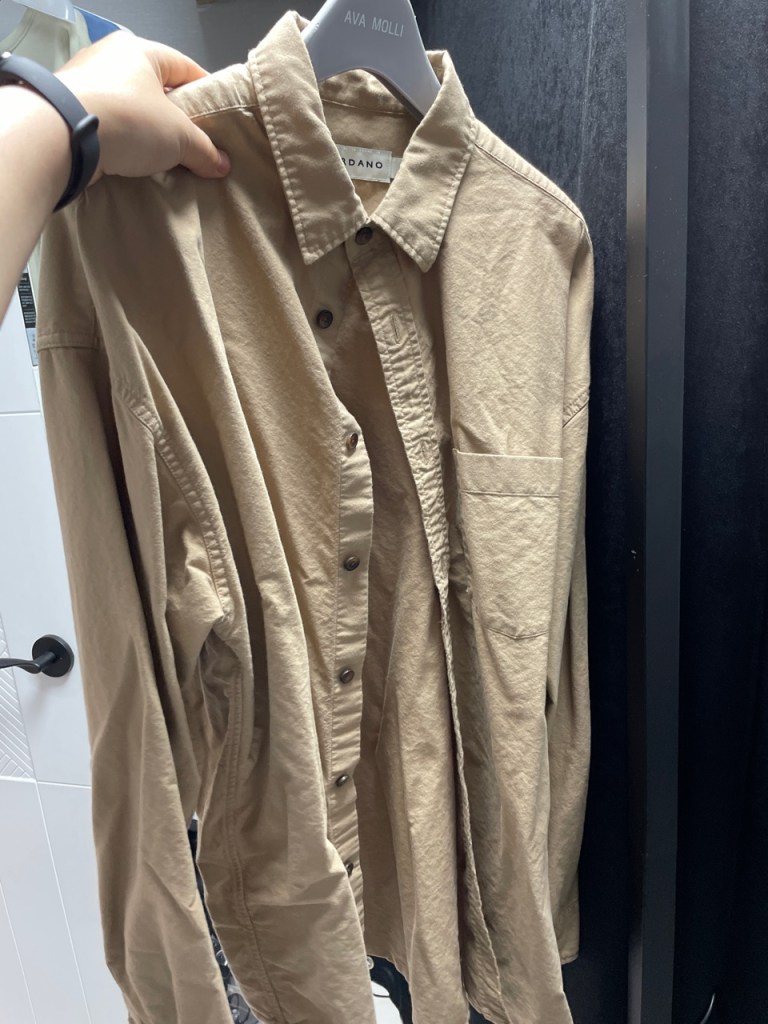

We scheduled the shoot for Sunday, July 18th. As the PD works solo, he drove us to the location (I felt bad since I have a dormant license..).
We started early at 5 AM and arrived at the beach in Pohang around 10 AM. We began with the beach scenes as it would be difficult to shoot after sunset.
The sky seemed ready for rain, and the forecast predicted rain in the afternoon.

We shot the beach scenes, including multiple takes of running scenes from various angles. The PD ran alongside me, both of us sweating but with some relief from the breeze.


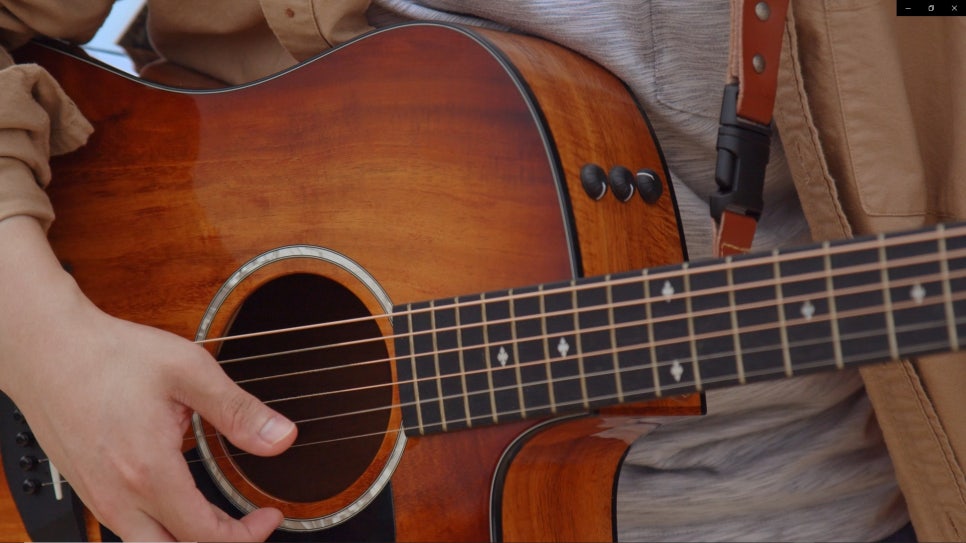
After about two hours of shooting until noon, we debated whether to eat. Both of us tend to feel unwell if we eat on important days, so we skipped lunch as well.
Instead, we had some snacks and rested at a cafe before heading to the abandoned factory.
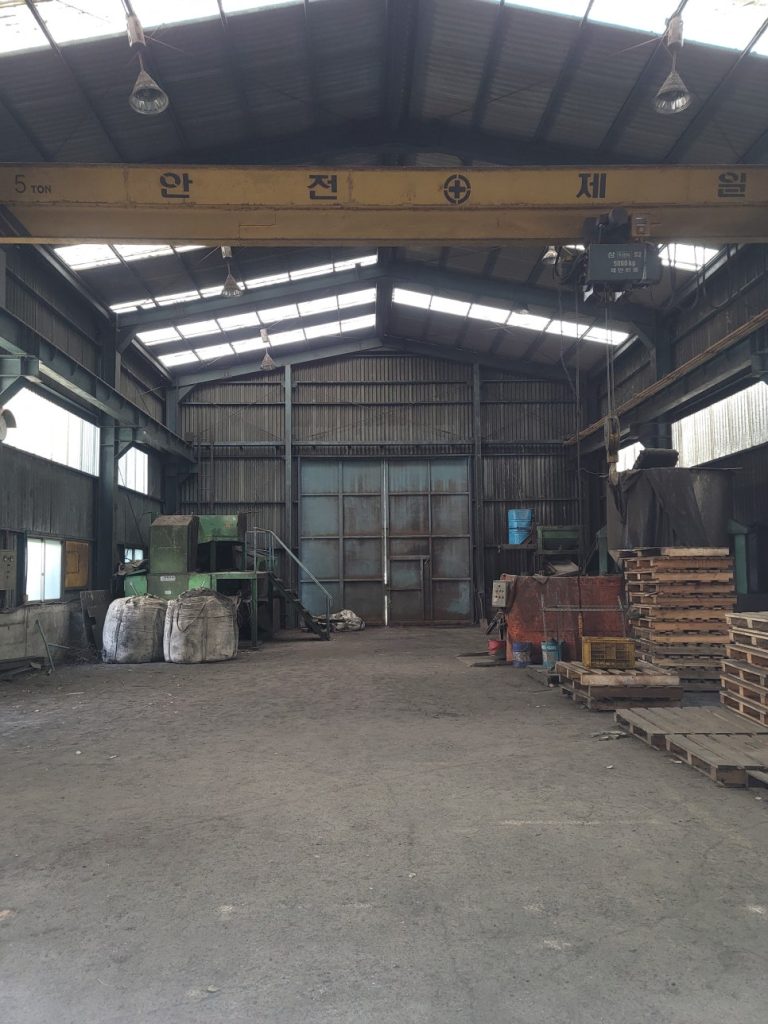
The factory was dusty, with lots of dust kicked up during drone shots.. ^^;;
Eventually, my clothes were soaked, and shooting became difficult. I had a spare white t-shirt, so I switched between the two.
Despite the physical toll, it felt liberating once everything was done. As we hadn’t eaten all day, I offered to treat the PD to anything he wanted on the way back. However, most places at the rest stop were closed except for a few restaurants.
Feeling sorry, I promised to buy him a drink once the music video was out, but COVID-19 has made meeting up difficult.
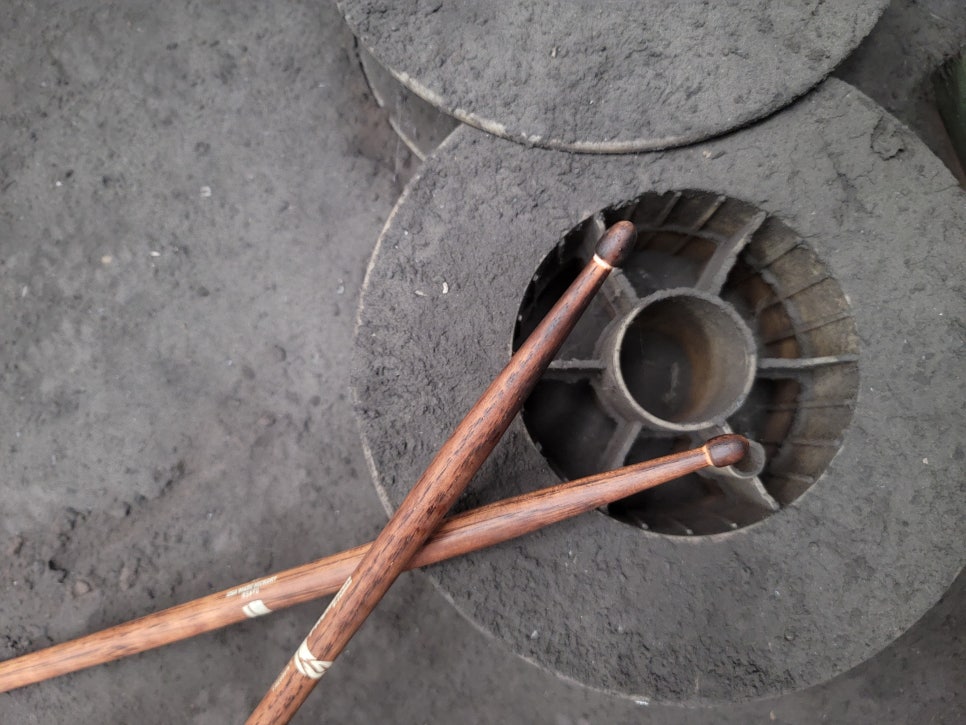

We also took photos for the album cover at the factory. Ironically, the first photo we took turned out to be the best, which I edited for the album cover.
The PD drove us back, and we returned around midnight.
Two weeks later, on July 27th, the editing was complete. We decided to go with the second option without the 3D effects as the PD found it challenging.
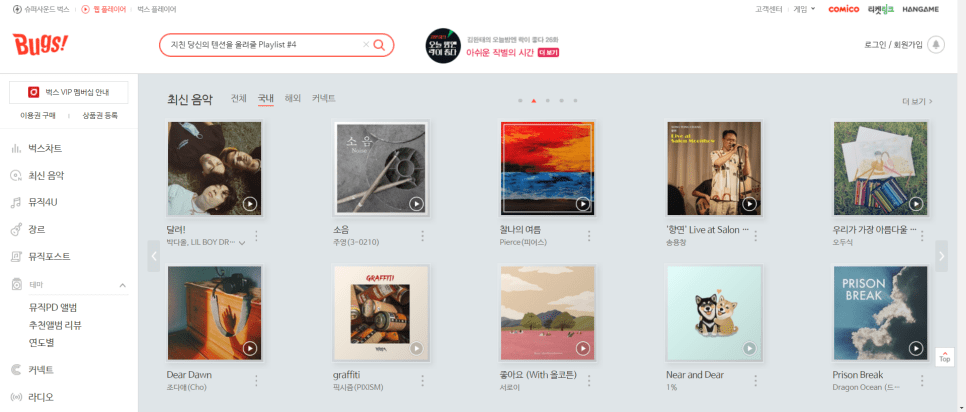
This time, it seemed more niche, and it didn’t get featured prominently elsewhere, but thankfully Bugs featured it on their main page.
That’s the end of this song’s production diary. I couldn’t write in great detail as time has faded some memories, but I hope you found it interesting! 🙂
I’ll see you in the next post~!
 Jooyoung's Music Blog