2025 Summer Virtual Instrument & Mixing/Mastering Plugin Sales Roundup (Part 1)

Hey there! I’m Jooyoung Kim, a mixing engineer and music producer.

I finally submitted a new paper yesterday after about a month and a half of work. It’s a pretty straightforward paper, but building the program took forever… ugh. It’s a tool for measuring crosstalk, THD, and stuff like that. I’ve released it on my GitHub [Link], but I’ll write a detailed post about the program later.

Also, the paper wasn’t that critical, but I’ve been so busy running around for listening experiments that I totally neglected this blog. I’ll get back to writing posts diligently until I find my next topic!

Today, I want to talk about summer plugin and virtual instrument sales. I probably should’ve done this earlier, but since these sales usually happen between June and July, I think we’re still good… right? Haha.

If you purchase through the links below via Plugin Boutique [Link], I get a small commission, which really helps me keep things going. So, let’s dive in!


1) IK Multimedia

Total VI MAX
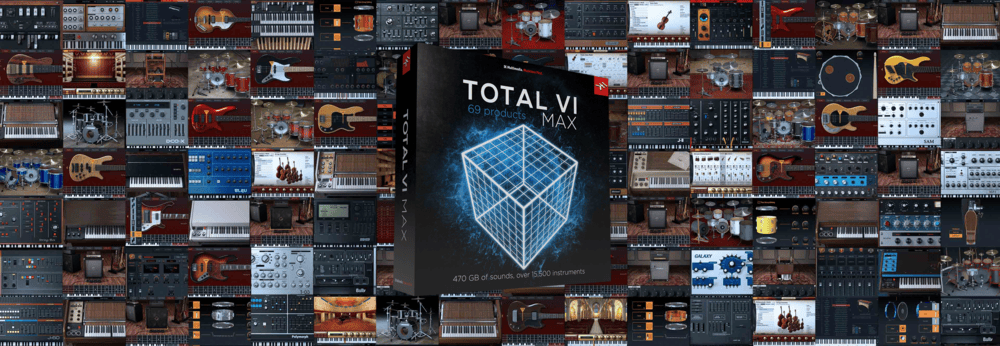
You’ve probably heard of this one! I previously introduced Total Studio 4 Max , but Total VI MAX is the version that includes only virtual instruments.

Right now, it seems they’re focusing on virtual instrument sales. I’m guessing come July, they’ll shift to mixing/mastering effect plugins. Personally, I think IK Multimedia offers the best bang for your buck, so for beginners, I’d say just grab Total Studio when it’s on sale without overthinking it.


2) Universal Audio

UAD Summer Mixtape Bundle

Since the UADx (Native) versions came out, Universal Audio plugins have become super affordable. The Summer Mixtape Bundle, at about $100 for 10 plugins, is a fantastic deal for first-time buyers.

My recommended plugins:

  • Teletronix LA-2A Tube Compressor
  • UA 1176 Classic FET Compressor
  • Fairchild Tube Limiter Collection
  • Teletronix LA-3A Audio Leveler
  • Pultec Passive EQ Collection
  • Lexicon 224 Digital Reverb

These six are solid picks, and you can choose the rest based on your taste.

That said, after years of working with audio and music, I’ve noticed UAD plugins tend to have pretty aggressive saturation. They’re not like, “Wow, UAD is the best!!” for me, haha. Still, they add a punchy vibe to flat recordings or budget mics, so they’re great when used in the right context.

UAD Analog Classics Pro Bundle
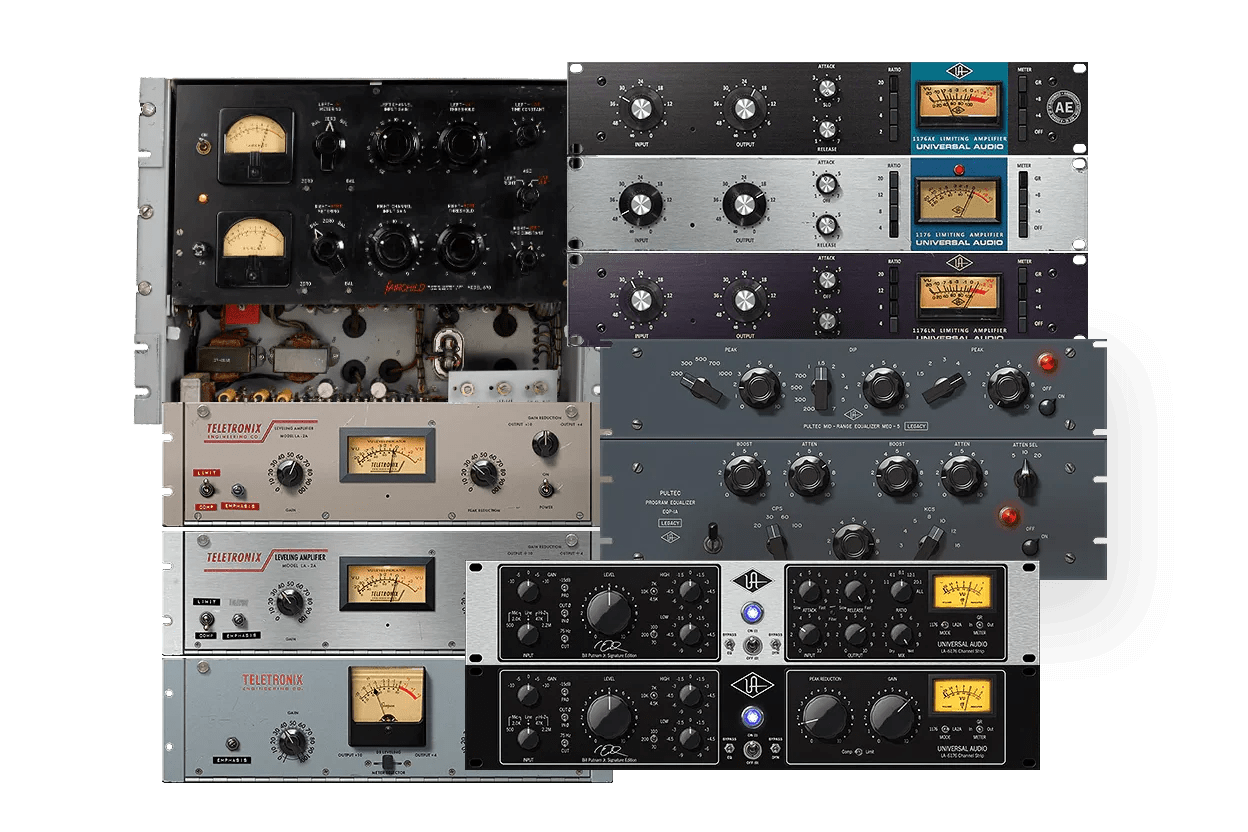
If you want even better value, the UAD Analog Classics Pro Bundle is the way to go. The LA-2A and 1176 series get used in projects all the time, so they’re super reliable.


3) Waves

Horizon
Waves isn’t quite the value king anymore with IK Multimedia’s crazy sales, but if you want something lightweight and industry-standard, Waves is still the go-to. You’ll likely find the best deal at EveryPlugin .

Waves’ update plan gets a lot of flak (I’m not a fan either). Switching from Intel to Mac Silicon cost me like $200, which was annoying, haha. That said, newer Mac OS updates don’t seem to cause major issues with older Waves plugin versions.

Horizon is the best value, and if you feel it’s not enough, grabbing the SSL 4000 Collection or API Collection should cover you. Waves’ SSL compressor is really well-made.


4) Eventide Audio

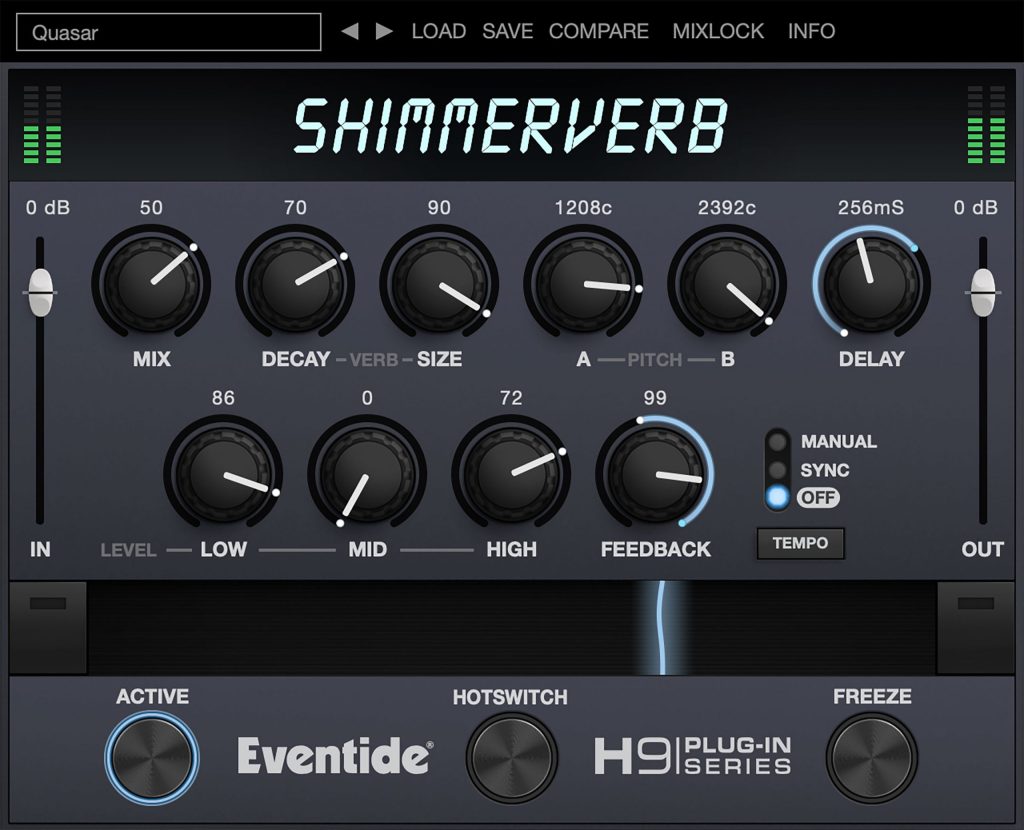
ShimmerVerb
Blackhole
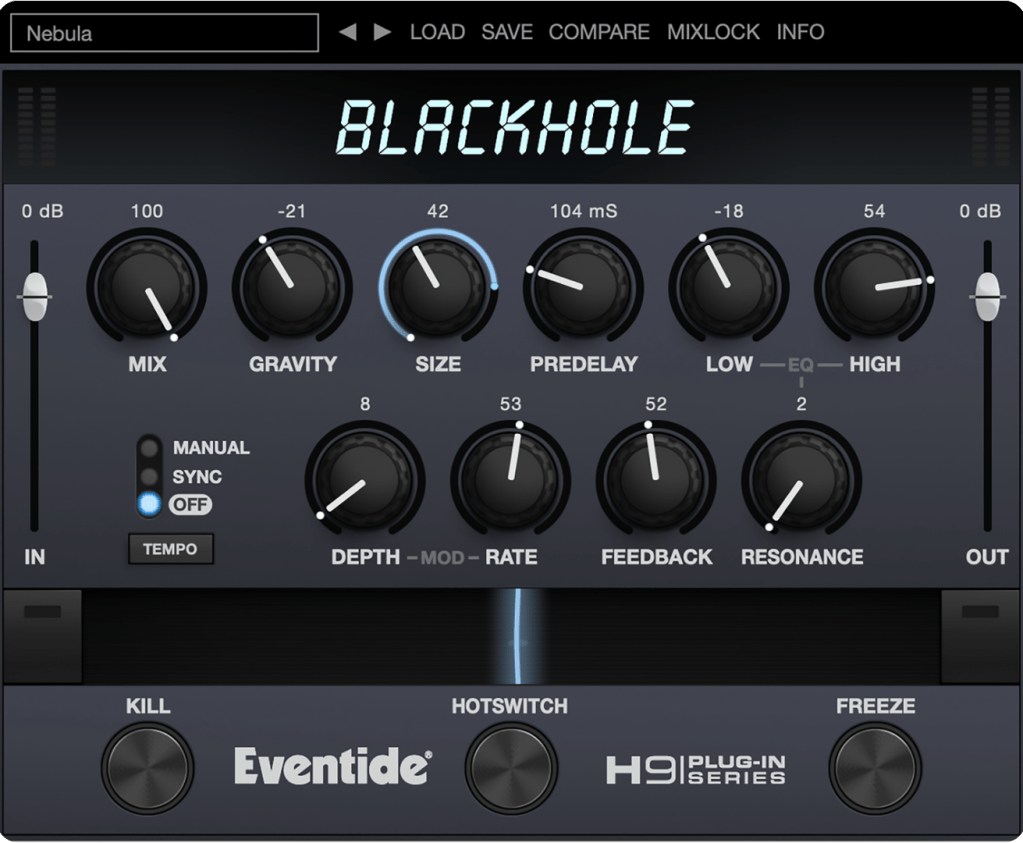
If you’re into ambient music, Eventide Audio’s ShimmerVerb and Blackhole are pretty much must-haves. They’re great for creating expansive vibes and are consistent bestsellers, so grabbing them during a sale like this is a smart move.


5) Mastering The Mix

EQ Excellence Bundle
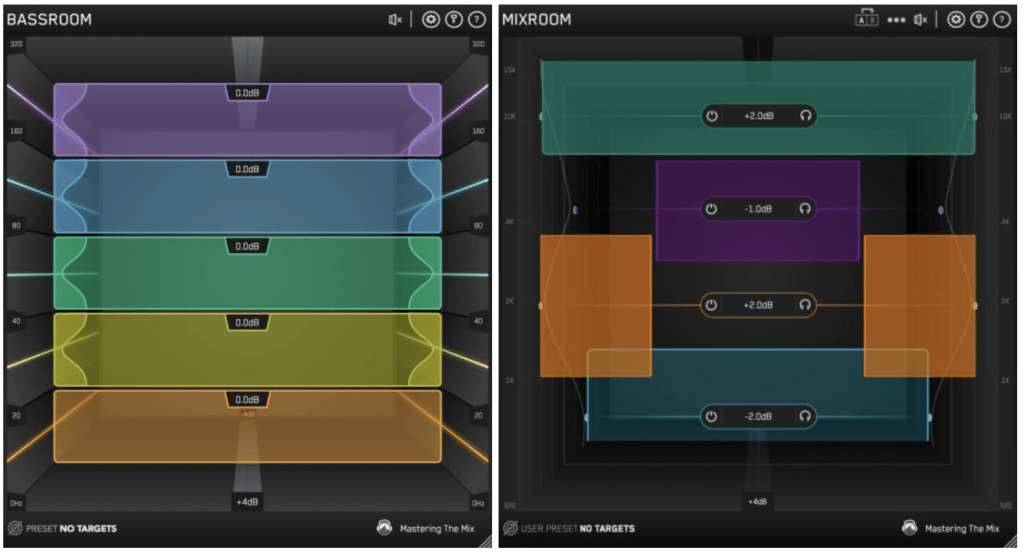
Mastering The Mix makes some really solid plugins, and I especially recommend their EQ series. Plugins like Bassroom and Mixroom visually show how frequencies pop out or sit back based on loudness, which makes tweaking super intuitive.


6) Native Instruments

Oops, this one’s got just one day left! I should’ve posted this sooner… sorry! Personally, I think getting the Standard version of Komplete is enough. Ultimate or Collector’s Editions feel a bit overkill, haha. You’ll barely use half the stuff in Standard as it is.


7) Synchro Arts

Revoice Pro 5
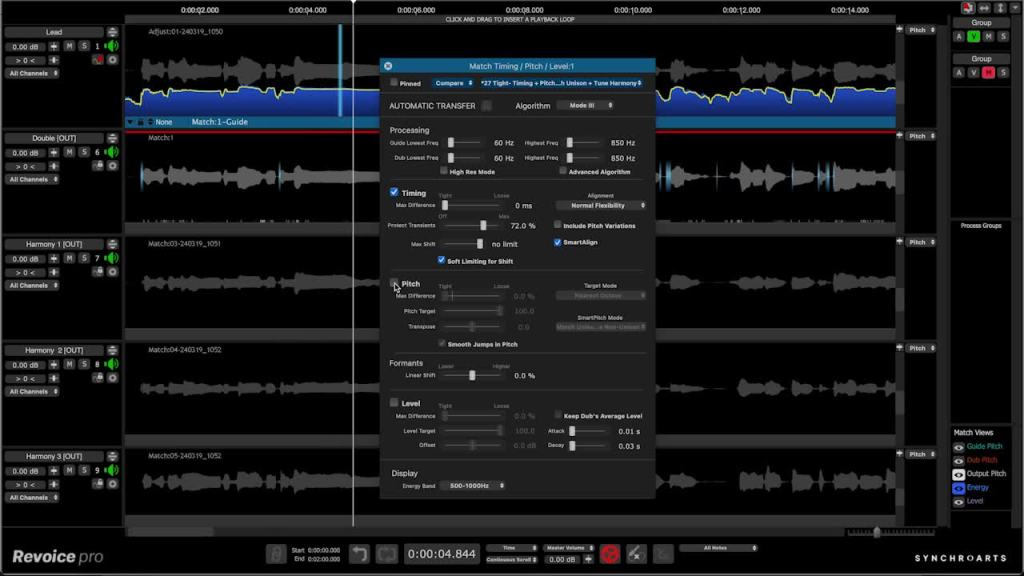
VocAlign 6 Pro
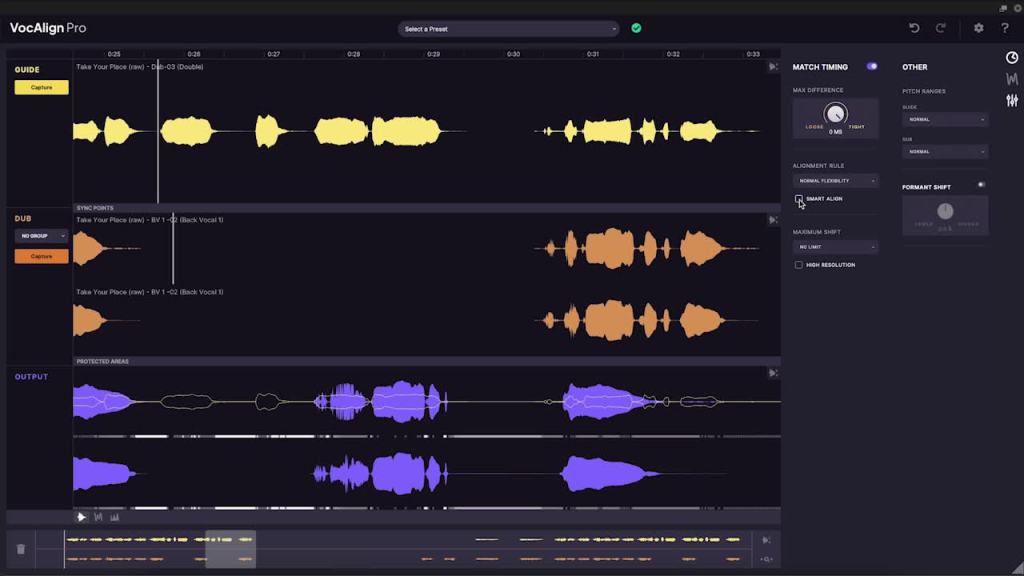
Synchro Arts’ VocAlign Pro and Revoice Pro are pretty awesome. I reviewed them last Black Friday,

and they’re still on a 50% sale. If you don’t have a tuning program, I’d recommend Revoice Pro over Antares Auto-Tune or Celemony Melodyne.


8) BFD

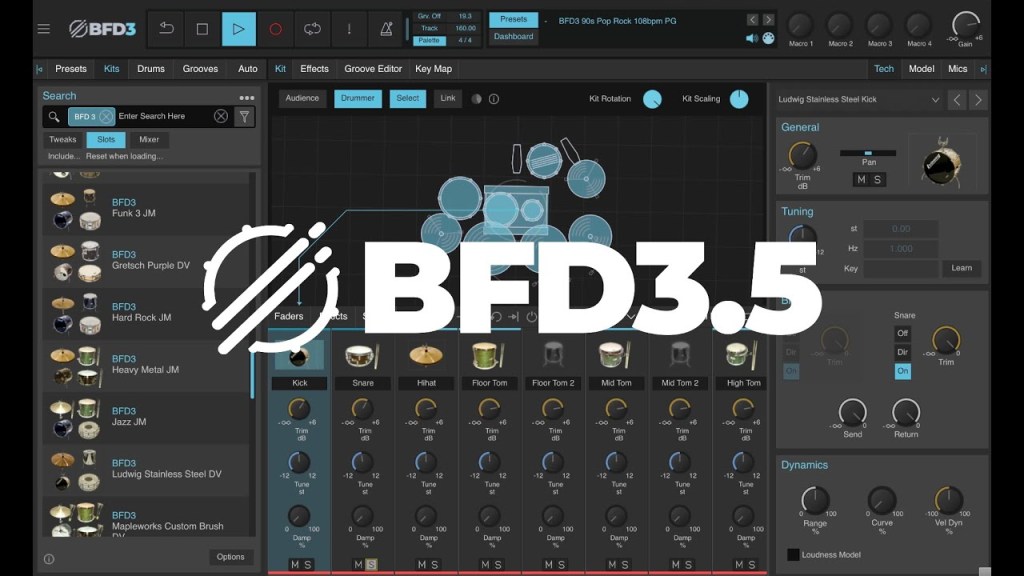
BFD 3.5
BFD London Sessions
BFD’s expansion packs are on a crazy 70% sale right now—never seen a discount like this! Grab BFD 3.5 and the London Sessions kit, and you’re set for most genres. If you need more, snare add-ons or jazz kits are great options.


There’s probably more coming in July, but these are the standout sales right now. Some of these end today, so if you’re thinking about buying, act fast!

I’ve got a ton of topics in mind, so I’m not sure what the next post will be, but I’ll see you there!

Where’s the Future of Virtual Instruments and Performers Headed? Meet Melisma AI Strings & Woodwinds

Hey there! I’m Jooyoung Kim, an engineer and music producer.

AI-generated music has been making waves in the media for a while now, with research and commercial applications popping up left and right. But there are still some lesser-known AI projects in the music world—especially those leveraging unique learning methods—that deserve more attention.

Today, I want to introduce you to what I think is the most composer-friendly AI music tool I’ve come across lately. (No, this isn’t sponsored… haha!)

[link: https://kagura-music.jp/melisma]

Developed single-handedly by a creator in Japan, Melisma is seriously impressive—give it a listen, and you’ll be floored. This is still beta-stage audio, mind you. I first stumbled across it last year during its beta phase, and even then, it blew me away.


What’s Melisma All About?

Melisma takes sheet music in MusicXML format, sorted by instrument parts, and spits out incredibly natural-sounding audio. The quality hinges a lot on how well you write the articulations—those little details can totally change the vibe.

It’s got a list of supported and unsupported articulations, but even with that in mind… wow. It’s way cheaper than hiring real musicians and sounds so much more authentic than your average virtual instrument. I couldn’t help but wonder: are live performers, virtual instrument makers, and even string-focused studios in real danger now?

This got me thinking about my own future as a musician… 😢 I’ve actually started dabbling in AI learning research myself lately, but as a music creator, it’s a bittersweet feeling.


Mind-Blowing Realism

It’s not just strings either—check out the demo sounds, and you’ll hear woodwinds with breath noises so lifelike it’s insane. It almost feels like we’re entering a new era of score-writing. When I first heard it, I was hit with a wave of mixed emotions—excitement, awe, and a little dread.

They’ve got vocal synthesis too, but honestly, that part still feels a bit rough around the edges… haha. It’s not quite there yet.

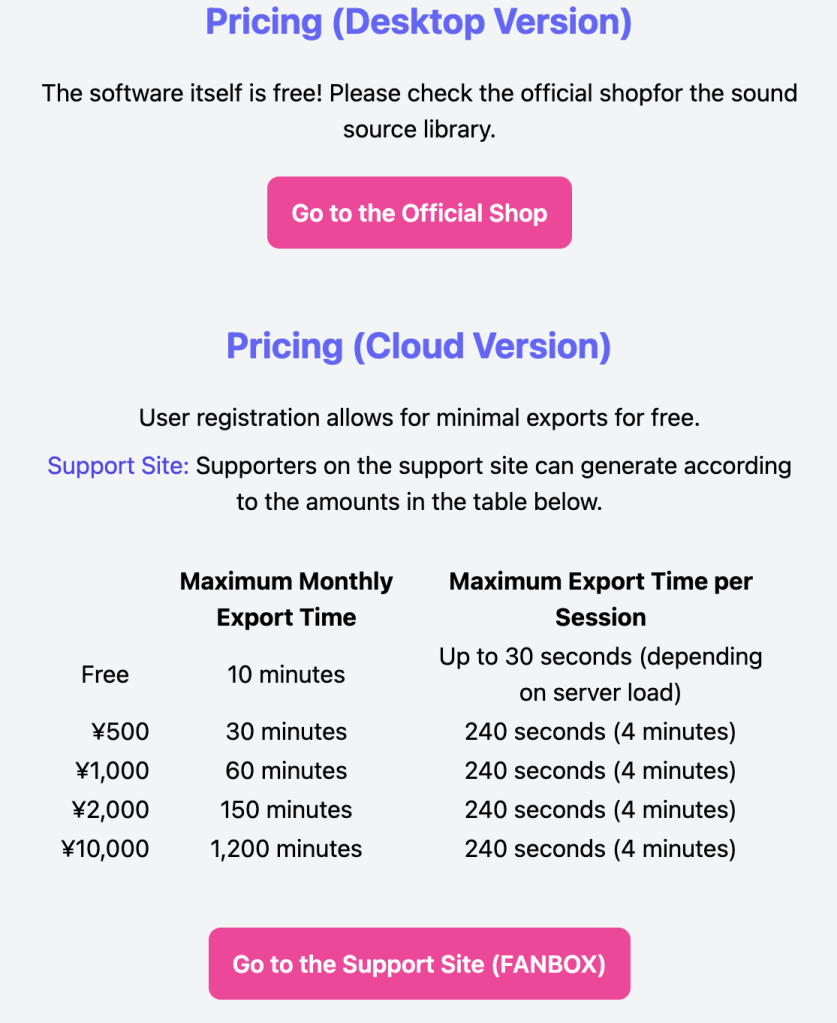
What really shocked me, though? The price. The standalone version (Windows-only for now) is just 15,000 yen per instrument—about the cost of a single virtual instrument plugin. Could this be the future of virtual instruments? I’m starting to think so.


Trying It Out

I mixed Melisma with some traditional string virtual instruments in an unreleased track of mine, and the results were pretty darn good. That said, every now and then, you get some odd, glitchy sounds popping up. It’s not perfect—sometimes you’ve got to tweak and regenerate to get it just right.

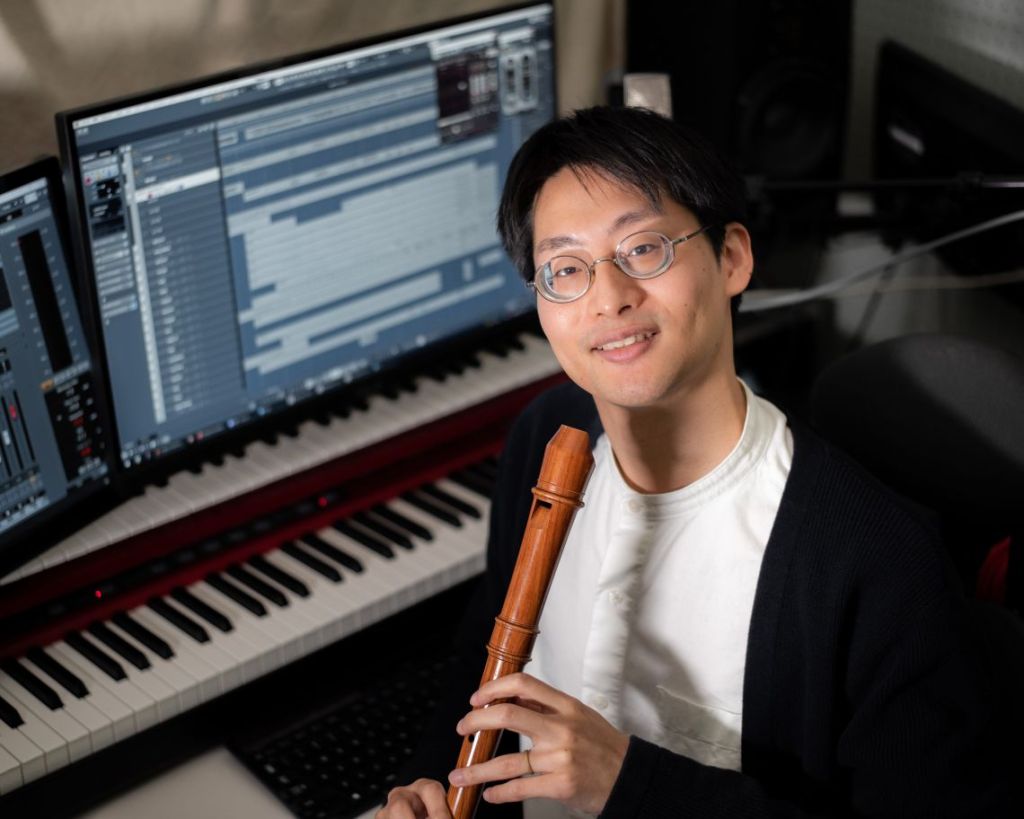
The developer, by the way, has a fascinating background—used to play recorder, composes a ton, and has a pretty unique resume. You can read more about them here: [link: http://nakasako.jp/about].


Recognition and Reflections

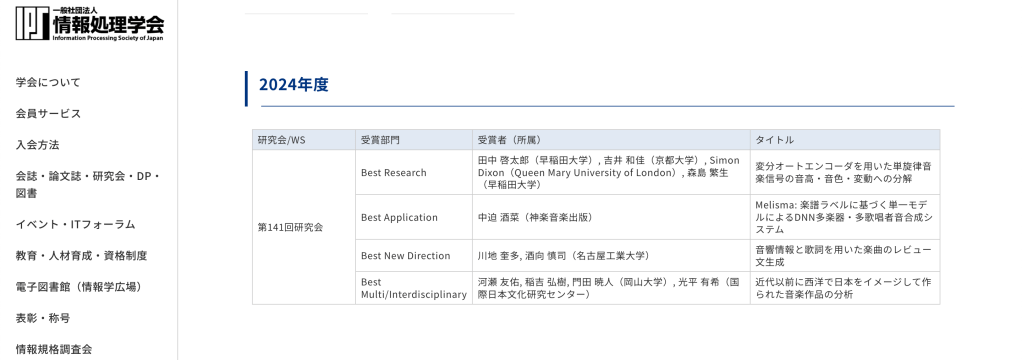
Last year, Melisma won the Best Presentation Award in the Best Application category at the Music and Computer (MUS) Research Group’s session during Japan’s Information Processing Society conference. That’s some serious cred!

It’s a reminder that the world doesn’t reward just one kind of obsession anymore. Old jobs fade, new ones emerge—it’s bittersweet to watch, but there’s no fighting the tide. That’s why I think it’s worth diving into all sorts of skills and studies; you never know what’ll come in handy.

Even I’m struggling to make ends meet sometimes, but to all my fellow musicians out there—let’s keep pushing forward!


Closing Thoughts

Melisma’s potential has me both excited and a little nervous about where music creation is headed. It’s a tool that could shake up how we think about virtual instruments and live performance—and at a price that’s hard to argue with.

That’s it for now—see you in the next post! 😊

Orchestration Basics – Strings (1)

This article was written on July 30, 2022

Hello? This is Jooyoung Kim, a mixing engineer and singer-songwriter.

In this orchestration basics, we will not cover much about arrangement or composition, but will mainly talk about instrument theory. Today is the first chapter on string instruments.

  • Strings

There are many musical instruments that use strings to produce sound. The piano is also an instrument that makes sound by hitting metal strings with a hammer, the guitar is an instrument that makes sound by plucking the strings, and the violin is an instrument that makes sound by rubbing the strings.

We can call them all string instruments.

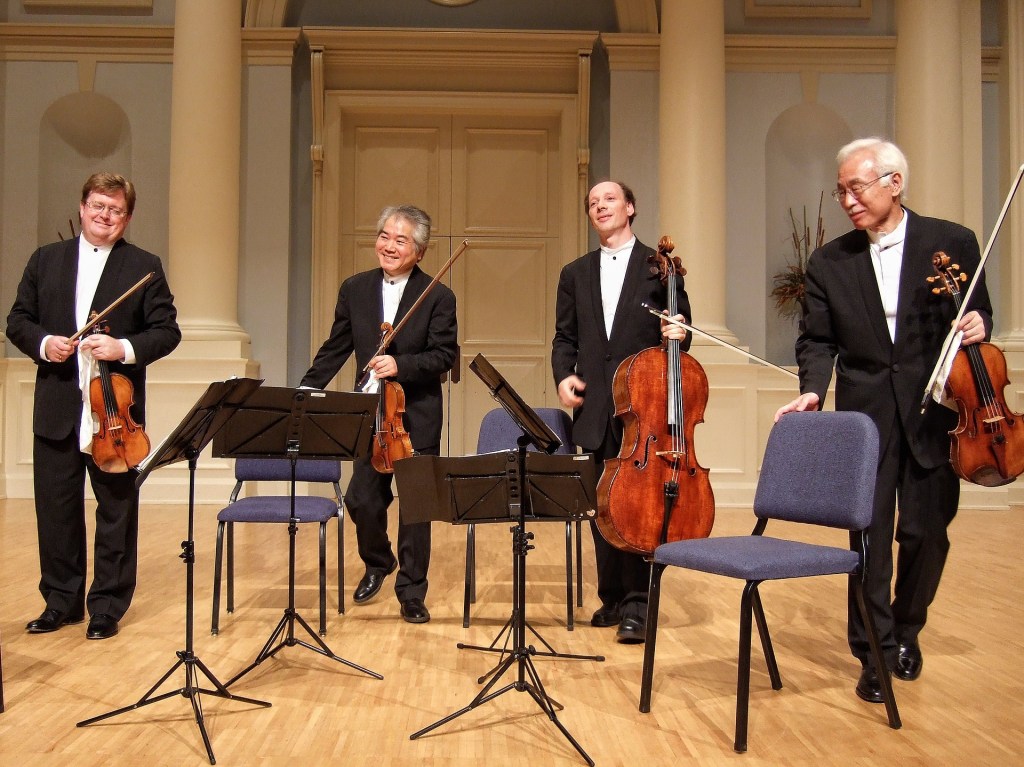
However, in an orchestra, strings mainly refer to the violin family that makes sound by rubbing the strings.

Therefore, in the ‘Orchestra Basics’ article, please read the article as if the word ‘Strings’ refers to violin families.

  • Characteristics of the violin family

1) It consists of 4 instruments: Violin, Viola, Violoncello, and Contrabass.

2) Each instrument has a total of 4 strings (Contrabass also uses 5 strings), and the playing techniques are similar.

3) It has the largest number of members in the orchestra, making up more than half of the members.

4) All together, it has a wide range of about 7 octaves, which is almost similar to that of an 88-key piano, which is about 7 and a half octaves.

5) Delicate expressions are possible.

6) Compared to wind instruments, there is less fatigue, so you can play for a longer period of time.

Because of these characteristics, it is used as a central part of the orchestra and plays such an important role.

  • Structure of violin

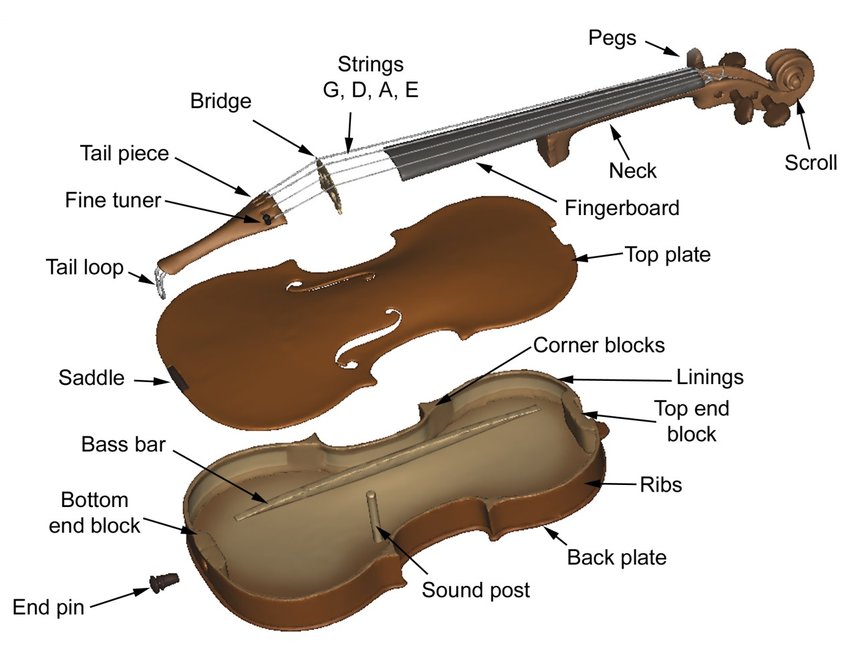
Anyone who has played guitar will know that the structures are quite similar. Like a guitar, playing from the bridge side produces a harder sound, and playing from the neck side produces a softer sound.

Additionally, the fingerboard is not flat but has a curvature, so when three or more strings are played simultaneously, an short arpeggio-like effect can be achieved due to the natural time difference.

​Cello and contrabass do not have a chin rest, but instead have a long bottom end pin, which acts as a pillar to support the instrument from the bottom.

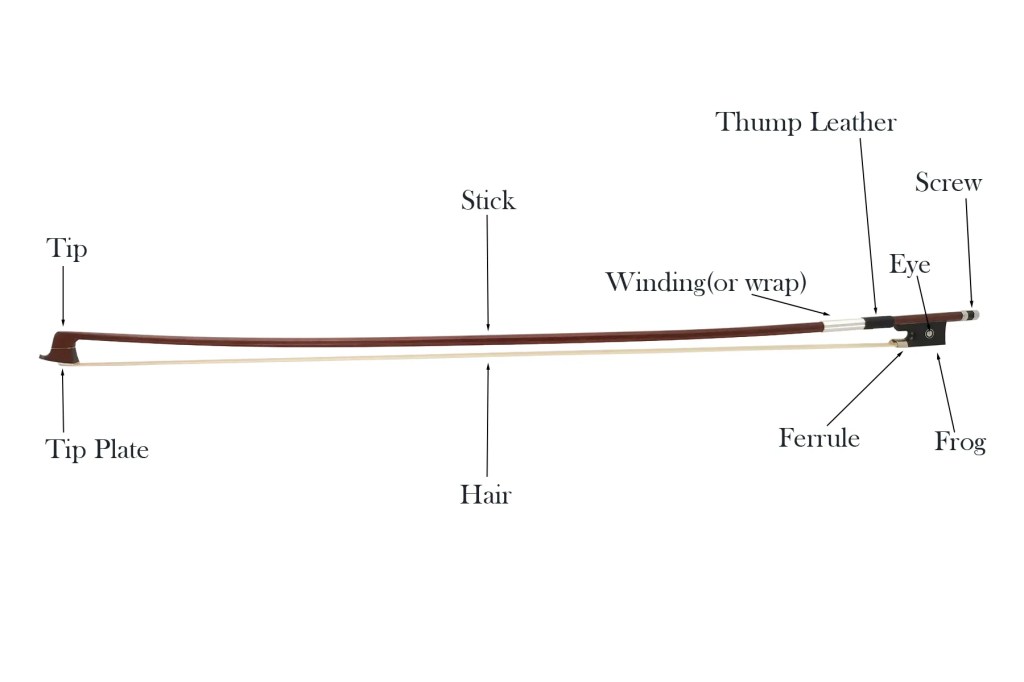
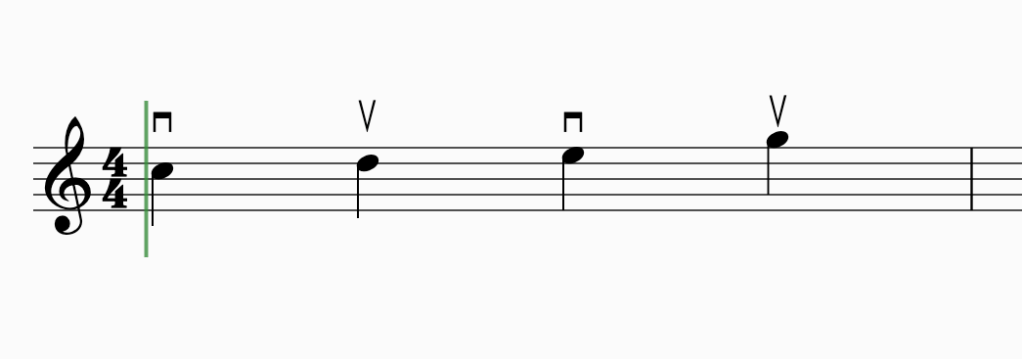
The upper part of the bow is called Tip and the lower part is called Frog, and the Up bow and Down bow signs come from this shape.

The guitar also adopts this same method and indicates the up stroke and down stroke in this way.

The closer you play to the Frog, the closer it is to your hand, making the sound stronger. The closer you play it to the Tip, the softer the sound becomes, as it moves further away from your hand.

  • Open strings and positions

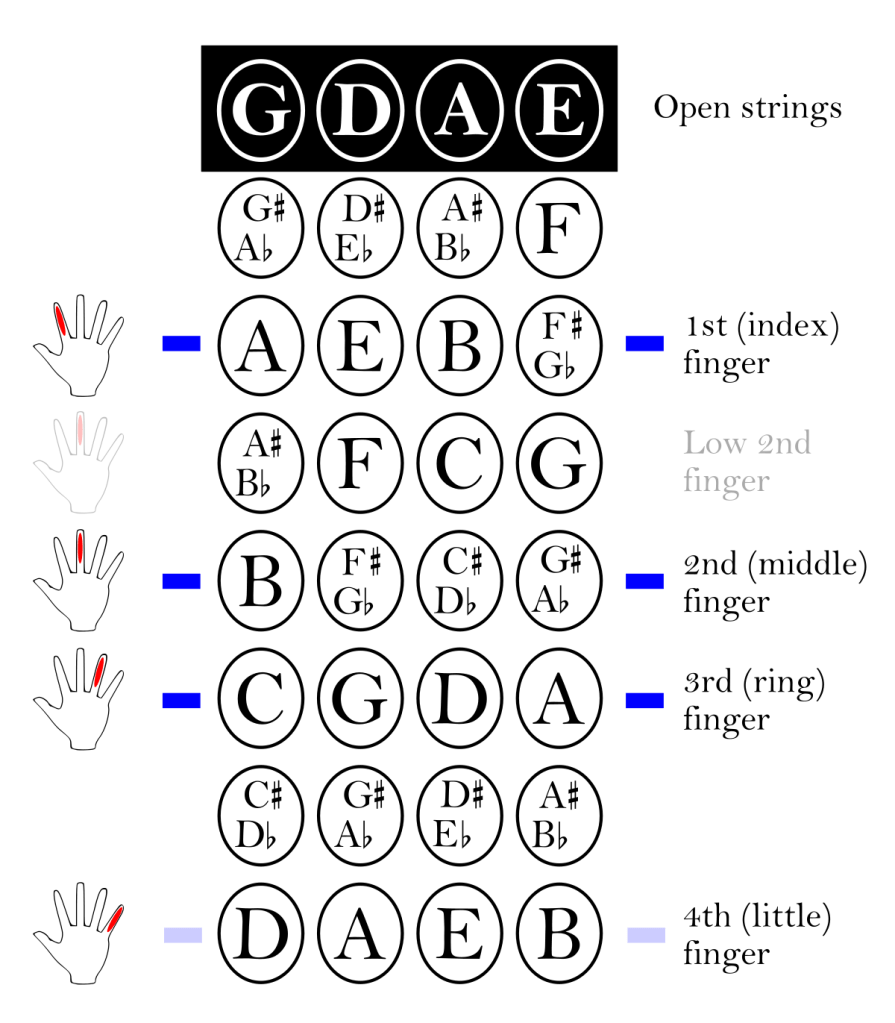
Violin – G3, D4, A4, E5
Viola – C3, G3, D4, A4
Violoncello – C2, G2, D3, A3
Contrabass – C1 (if 5 strings), E1, A1, D2, G2

Position refers to where you place your finger on the fingerboard. I will omit the detailed explanation because it is difficult to explain in writing. These days, we use virtual instruments, so there is no need to know the details..^^

If you have an understanding of open strings and positions, you can write songs by distinguishing whether they can actually be played or not. Determining whether or not you can point out a chord with your fingers is a very important and basic factor when using chords in actual performance.

However, there is a formula that allows you to easily determine this even without understanding the position of the string instrument. I will explain this formula when I explain how to play string instruments in the next article.

Have a good day!