Basics of Mixing – 2.1 Wave

Hello, This is Jooyoung Kim, a mixing engineer and music producer.

To effectively mix, it’s essential to understand the nature of sound. Today, I’d like to talk about waves.

What is a wave?

There are various ways to define it, but a wave is fundamentally a method of transferring energy. When energy is transferred, some ‘things’ that carries this energy vibrates, and those ‘things’ is called the “medium.”

The medium for water waves is water!

There are two types of wave:
– Transverse Wave
– Longitudinal Wave

If the direction of the medium’s vibration and the direction of the energy’s travel are the same, it’s a longitudinal wave. If they are different, it’s a transverse wave.

Sound is a longitudinal wave with air as its medium. However, representing a longitudinal wave as a waveform can be complex, so in a DAW, it’s often converted into a transverse wave for simplicity.
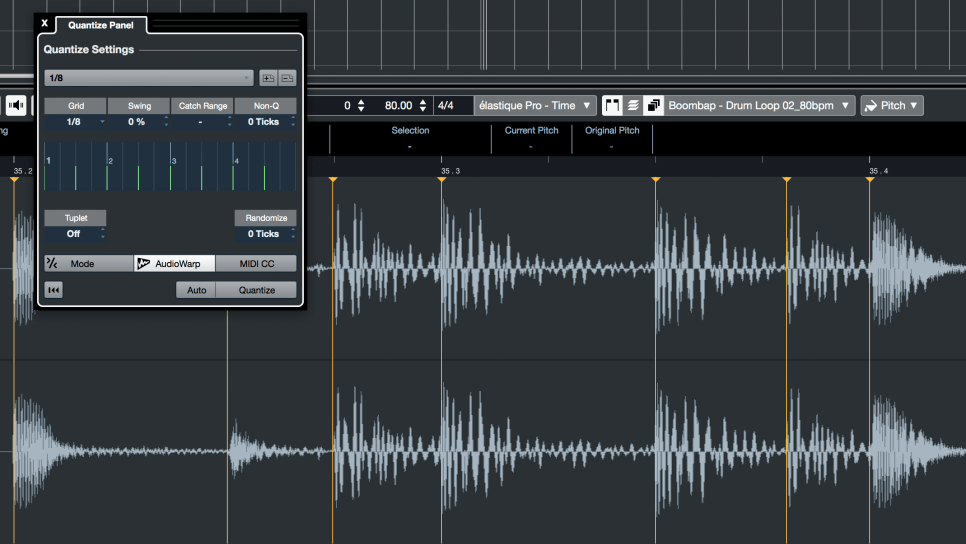
A waveform commonly seen in DAWs

From now on, when explaining waves, I’ll use the transverse wave model. Although sound is a longitudinal wave, think of it as being converted into a transverse wave for easier understanding.
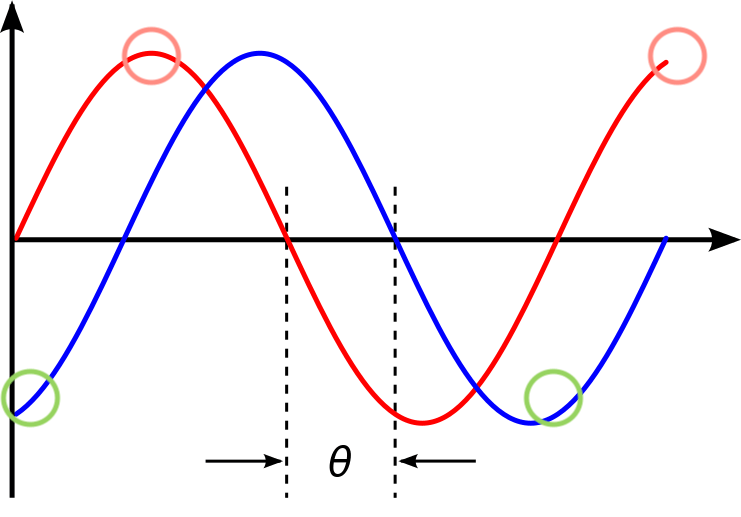
Each Circles(Reds, Greens) have same ‘Phase’

The first concept you need to understand is ‘phase.’

When I first learned physics, this was a confusing concept. According to my high school physics teacher, phase represents the ‘position and state‘ of a wave.

Simply put, if the movement direction and position of the medium at a specific point are the same, the phases are said to be identical.

Phases are expressed in degrees, which relates to representing waves as simple harmonic motion.

If the image is confusing, think of it as: “Waves can be represented by rotational motion, and thus can be expressed in degrees.”

All waves can be expressed as a combination of simple harmonic motions. However, delving into this topic would be too lengthy, so I’ll skip it for now.

You might wonder why understanding phase is important. It’s because it helps define other terms related to waves.

The shortest distance between points with the same phase is called the ‘wavelength.’ The shortest time to reach the same phase again is called the ‘period.’ The number of times the phase changes per second at a given point is called the ‘frequency.’

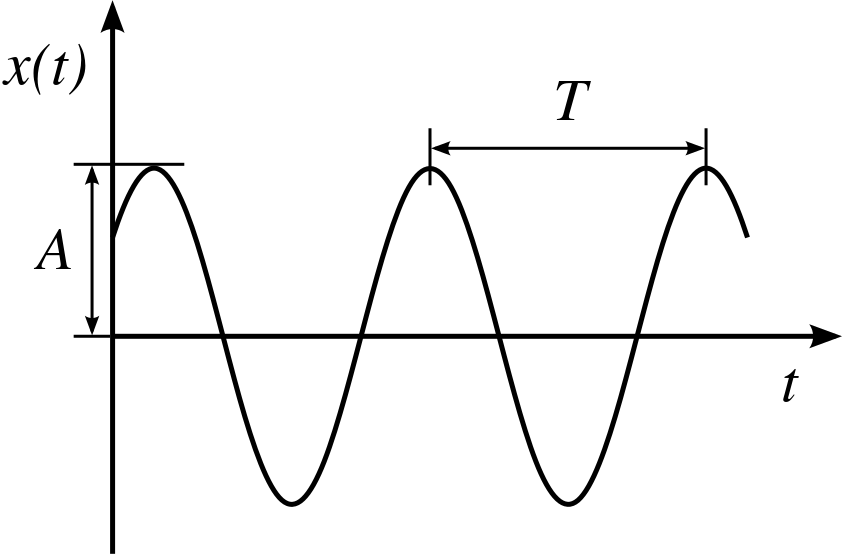
λ(lambda) is wavelength
T(time) is period

For instance, if a sound has a frequency of 1000 Hz, it means the sound vibrates 1000 times per second, and it takes 0.001 seconds for one vibration.

In waves, if you divide the speed by the frequency, you can find the wavelength. The speed of sound at room temperature is roughly 340 m/s, so with a simple calculation, you can find the wavelength for a specific frequency. Conversely, if you know the wavelength, you can find the frequency.

Mixing engineers might wonder why they need to calculate wavelengths when they only need to know the frequency. This is related to studio resonance.
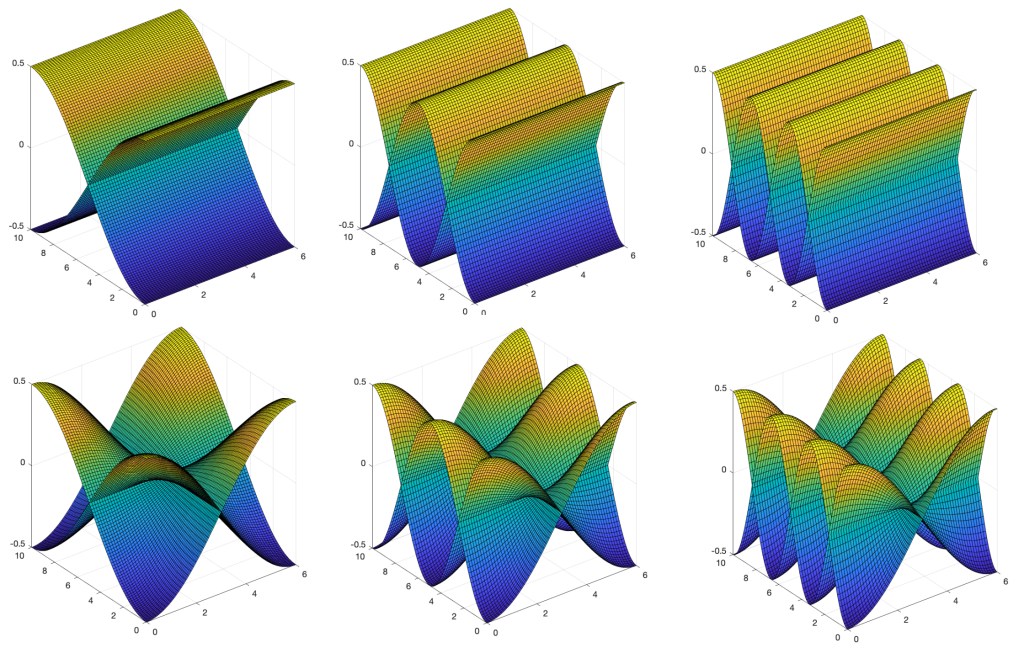
When the wavelength’s length matches the room dimensions in specific ways, resonance occurs. This is known as Room Modes.
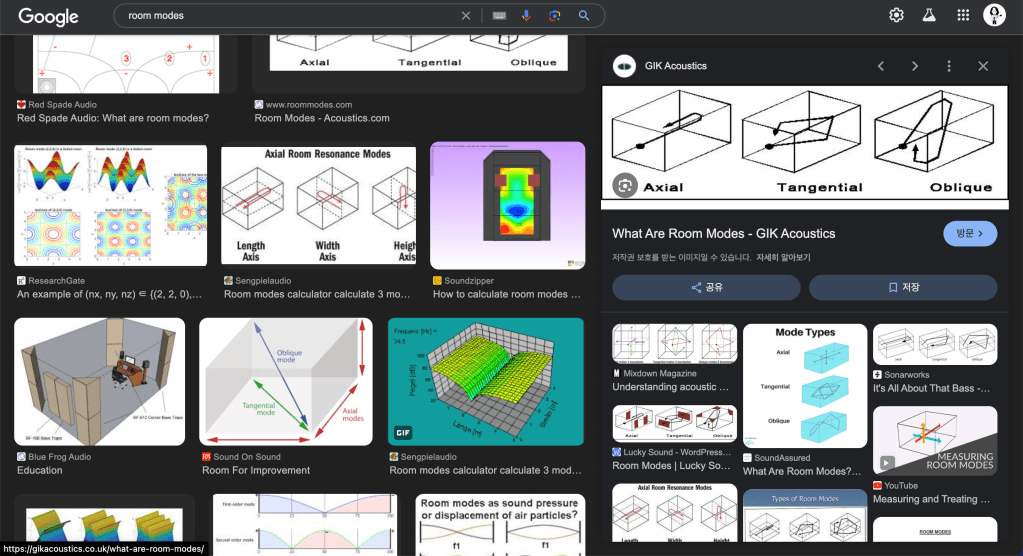
There are lots of articles about Room Modes

If you notice resonance at a specific frequency while listening or mixing, you can calculate the wavelength and compare it to your room dimensions. This helps determine if the issue is with the recording or the room itself.

There are websites that calculate these for you, but understanding the principle allows you to make calculations even in irregular-shaped rooms or environments where you can’t use such tools.

Today, we covered the concepts of phase, wavelength, period, frequency, and room modes.

I’ll stop here for now. See you in the next post!
Basics of Mixing – 1. What is mixing?

Hello, This is Jooyoung Kim, a mixing engineer and music producer.

In the field of audio engineering, where a certain degree of autonomous judgment is essential, I believe it’s important to continuously ask yourself questions.

So, let me start with a question for you.

What do you think mixing is?

Take some time to ask yourself this question and ponder over it. What is your definition of mixing?…

The answers might vary: balancing sounds, making them commercially appealing, combining multiple tracks into one format, and so on.

Personally, putting aside balance and everything else, I believe mixing is “the process of sonically realizing the composer’s intent.”

For instance, if the lyrics need to be clearly heard, that’s how they should be mixed. If a cello line needs to have a rich sound with a long reverb, then that’s what needs to be done. Furthermore, it’s crucial to understand the composer’s intent and sometimes provide sonic ideas that they might not have considered.

To achieve this, you need to use plugins or hardware that suit the characteristics of each track, and naturally, the settings must be tailored accordingly. This is why learning about audio technology and knowledge is important.

Since sound is a wave, the initial content will be closer to physics. If you’re not from a science background like me, it might feel tedious, and you might question why you need to learn this.

When that happens, remind yourself that “this knowledge is necessary to effectively realize the intent of my song or my client’s song sonically.” This will help you stay focused and on track.

Through my experience with mixing, I got my own definition. I hope you, too, will take the time to think about what mixing is and why you are doing it as you study and practice mixing.

In the next post, I will explain the scientific background knowledge that is essential for mixing.

See you in the next post!
Before starting the ‘Basics of Mixing’

This article was written on February 19, 2024. I will speed up as much as possible to match the speed of the blog I am currently running in Korea.

Hi, this is mixing engineer, music producer Jooyoung Kim.

I’ve spent a lot of time studying and delving into audio engineering on my own, but I’ve realized I haven’t written much about it on my blog.

Last December, I completed a manuscript on mixing and sent it to several publishers. While waiting for a response, I planned to write blog posts based on the manuscript once the book was published. However, the responses are taking longer than expected, and if it doesn’t work out, I don’t want to keep delaying. So, I’ve decided to start writing now.

The content might be a bit challenging. The primary goal of my writing is to address the lack of advanced mixing topics in Korea. While there are plenty of books covering the basics, there’s a shortage of resources for more in-depth knowledge.

If I simply transfer the manuscript directly to the blog, some parts might be difficult to read. Therefore, I’ll be adapting the content to fit the blog format, making it more accessible.

Some might wonder why I’m writing about mixing. I admit that my career isn’t particularly long or illustrious, and my academic background(major in Physics) isn’t in this field, which makes me feel somewhat apprehensive. Nevertheless, I’m convinced that many people are eager to learn more about advanced mixing techniques. Despite feeling a bit of pressure, I’m determined to share my knowledge.

Given the extensive nature of the topic, it will take quite some time to cover everything. I aim to write a post on this subject roughly once a week. However, I won’t focus solely on mixing; I’ll continue to write about a variety of topics, just as I have been.

Looking forward to diving into the main content with you in the next post. See you then!

IK Multimedia T-Racks Max v2 Unprecedented Discount (Until June 30th)

Hello, this is Jooyoung Kim, an engineer and music producer. Today, I’ve come across an amazing discount, and I requested an NFR (Not for Resell) code from Plugin Boutique to review about those plugins.

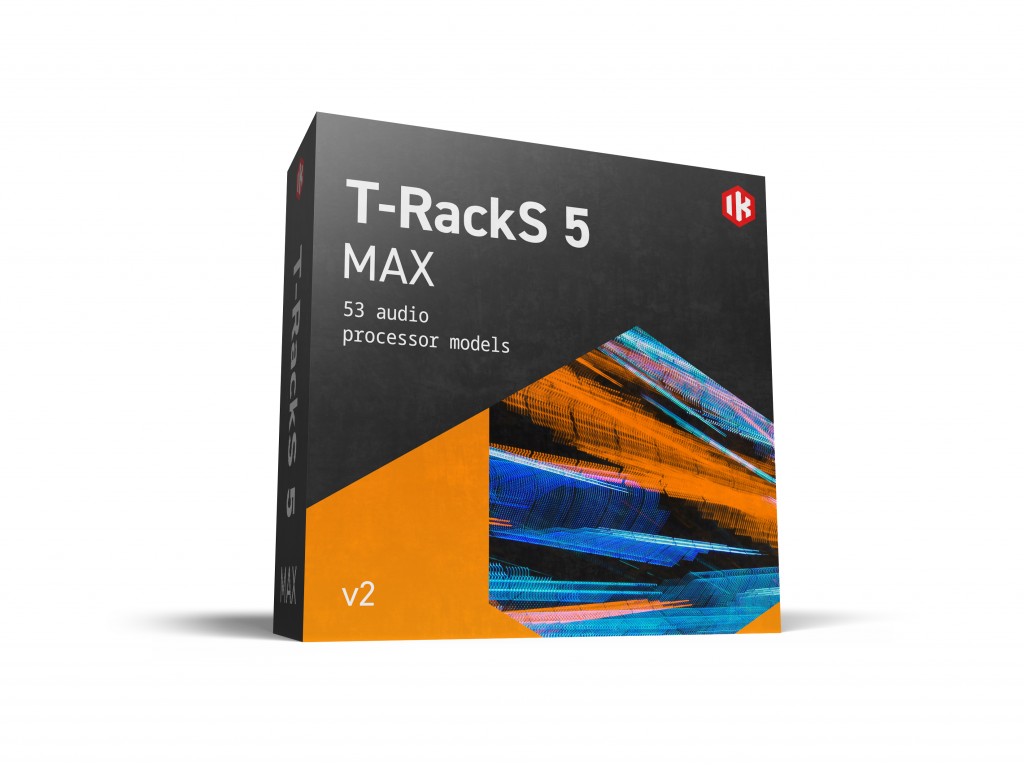
The T-Racks 5 Max on sale this time is a package of plugins from IK Multimedia used for mixing and mastering. It includes a total of 53 plugins, and it has never been offered at such a low price before. You can think of it as getting each plugin for about $1.

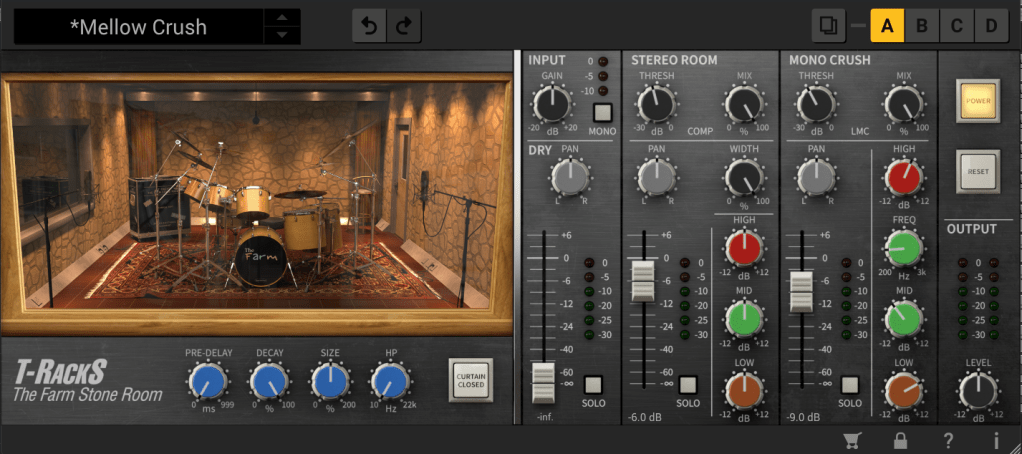
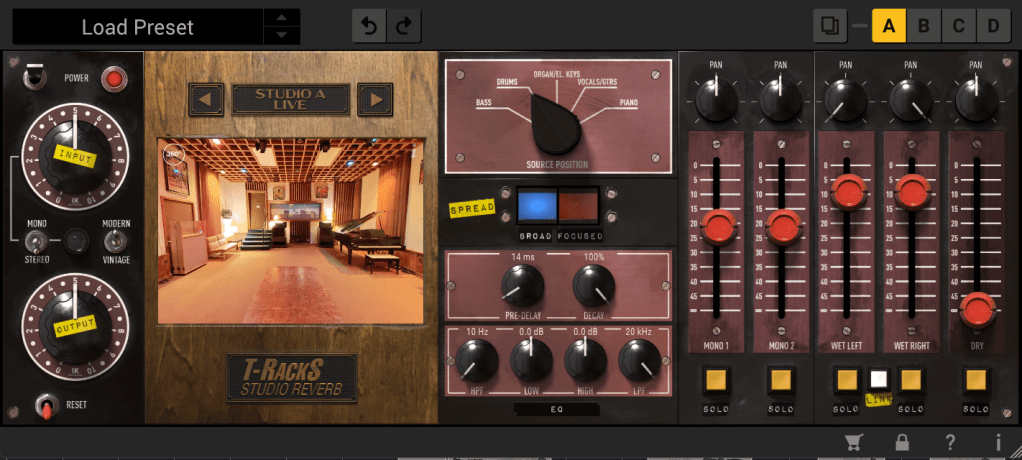
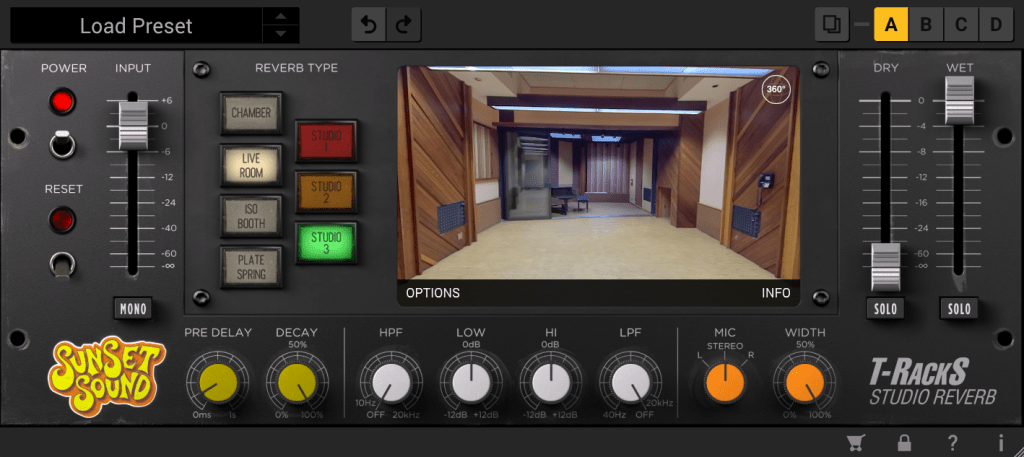
Personally, I’m amazed that they’re offering all these reverbs at this price. If I remember correctly, Sunset Sound Studio Reverb was initially sold at a launch discount of $99, and Fame Studio Reverb wasn’t bundled with T-Racks and had to be purchased separately.

In addition to that, there are well-known emulation plugins such as Urei 1176, LA-2A, SSL Bus Comp, SSL Channel Strip, Neve 33609, Manley Vari-Mu, Empirical Labs Distressor, Neve 1073, 1081, Sontec 432c, Fairchild 670, Pultec EQP-1A, API 550a, b, API 560, etc. The names might be slightly different, but they are familiar and famous emulation plugins.

In the past, I used to recommend the Waves Horizon bundle for beginners due to its cost-effectiveness, but at this price, I would now actively recommend IK Multimedia.

I wish I could measure and test all the processors and upload the results, but there’s too much data, so I’ll focus on the well-known ones like 1176, LA-2A, Neve 33609, Fairchild 670, and SSL Bus Comp.

  • Black 76

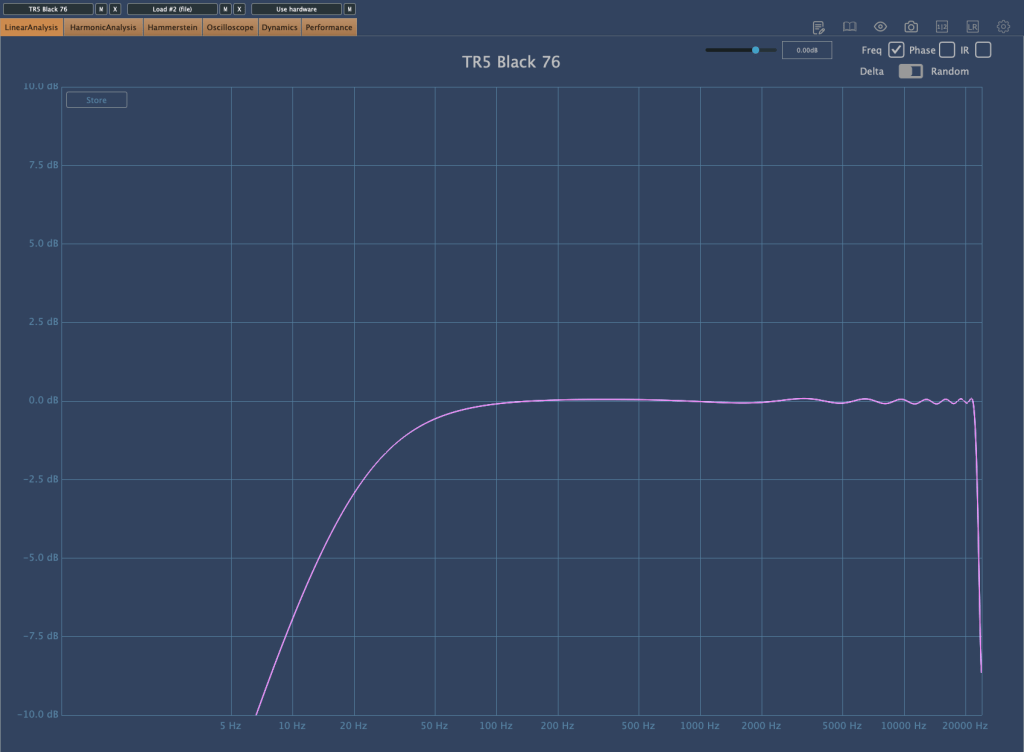
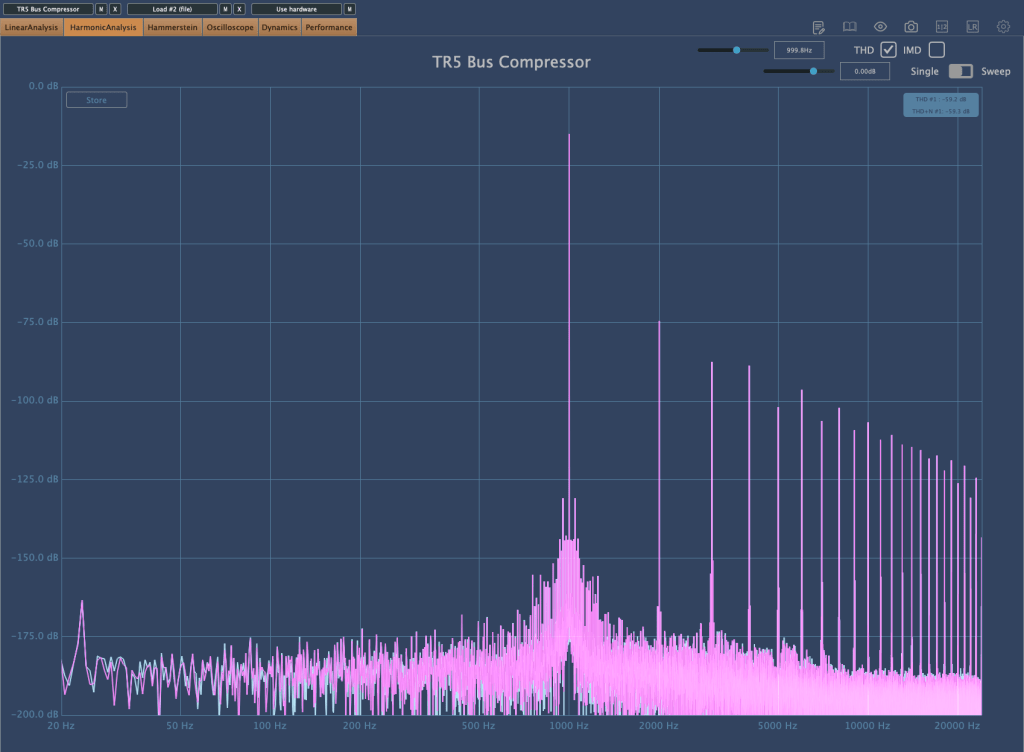
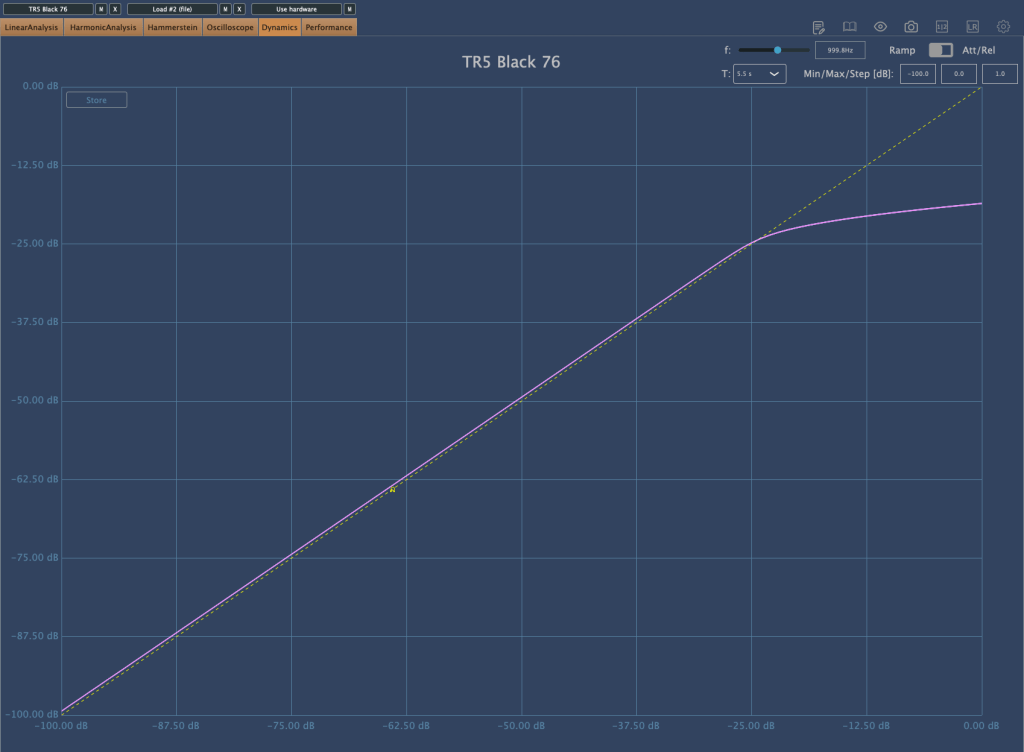
First, the Black 76 which emulates the 1176. The harmonics come out well, and it slightly compresses with a Soft Knee. When applied, it seems to reduce the low-end power and emphasize the attack.

  • White 2A

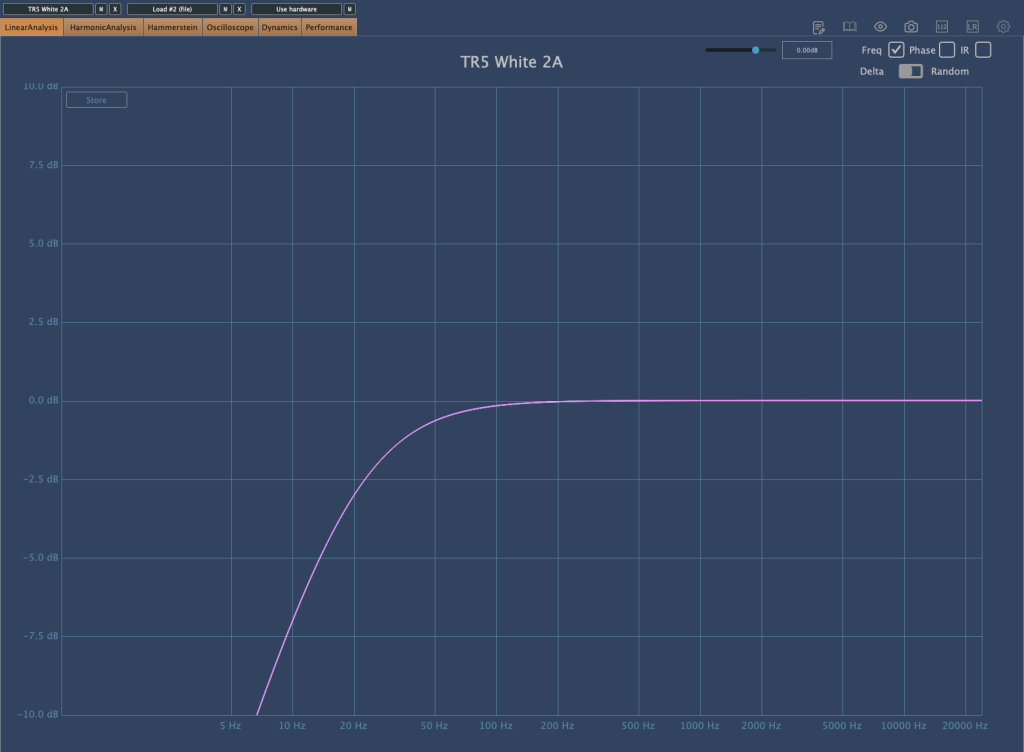
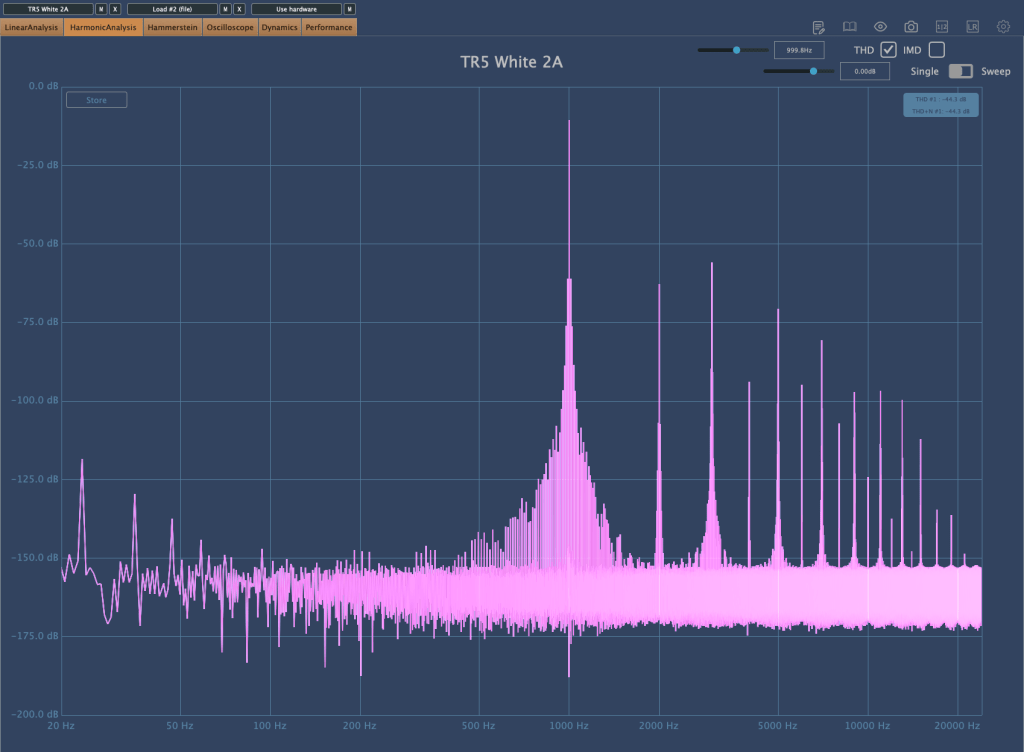
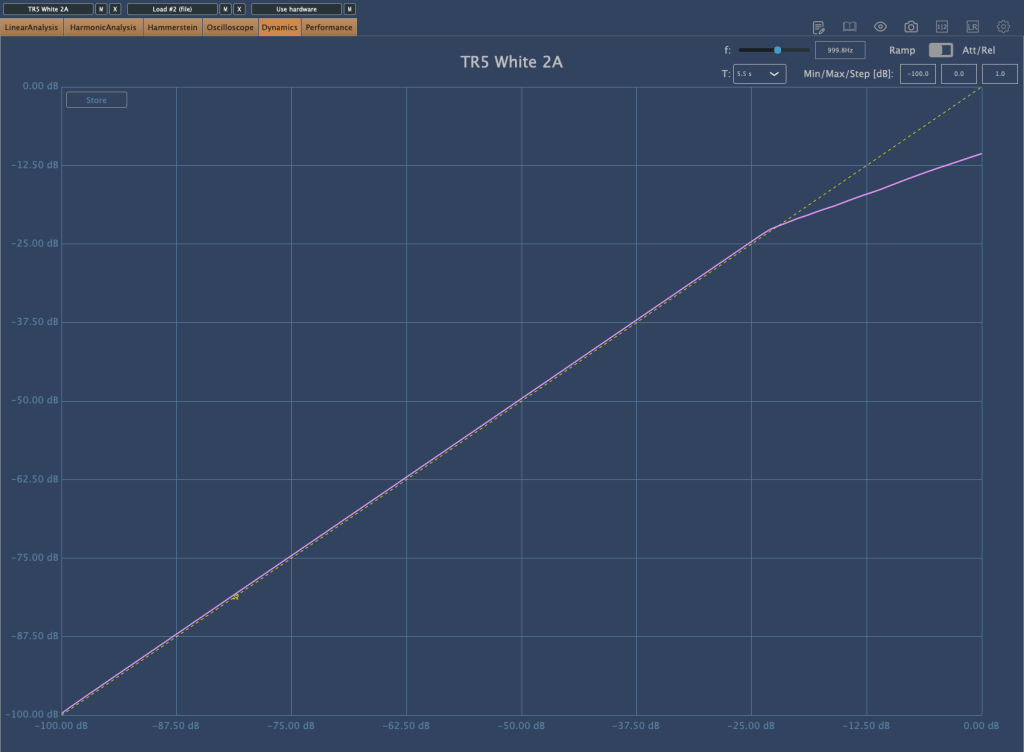
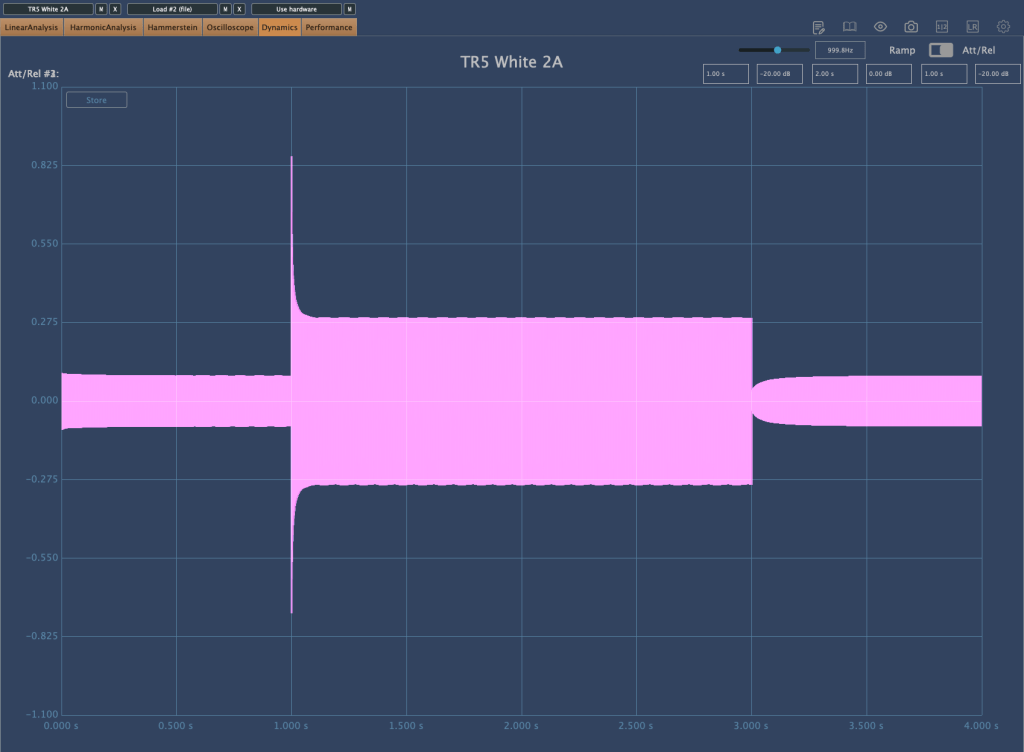
The White 2A, emulating the LA-2A, shows in its Release time that it faithfully reproduces the characteristics of an Opto compressor. It also slightly cuts the extreme low-end. Note that when first applied, the Limit/Compress switch is set to Limit, so switch it to Compress if you want to use it as a compressor.

  • Precision Comp/Lim

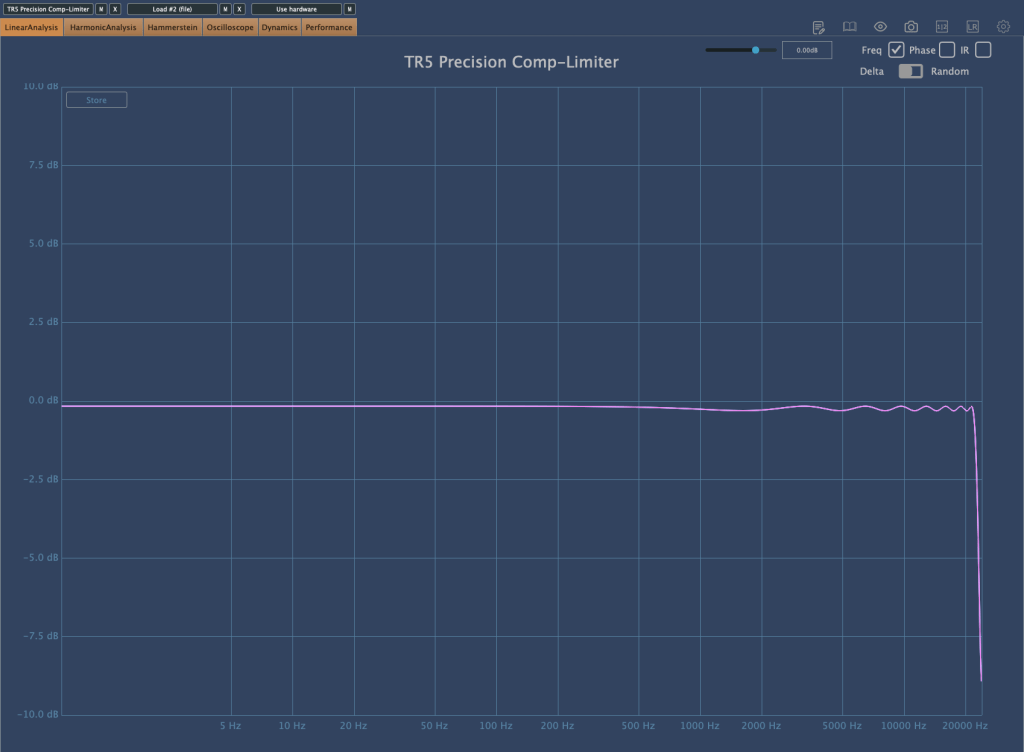
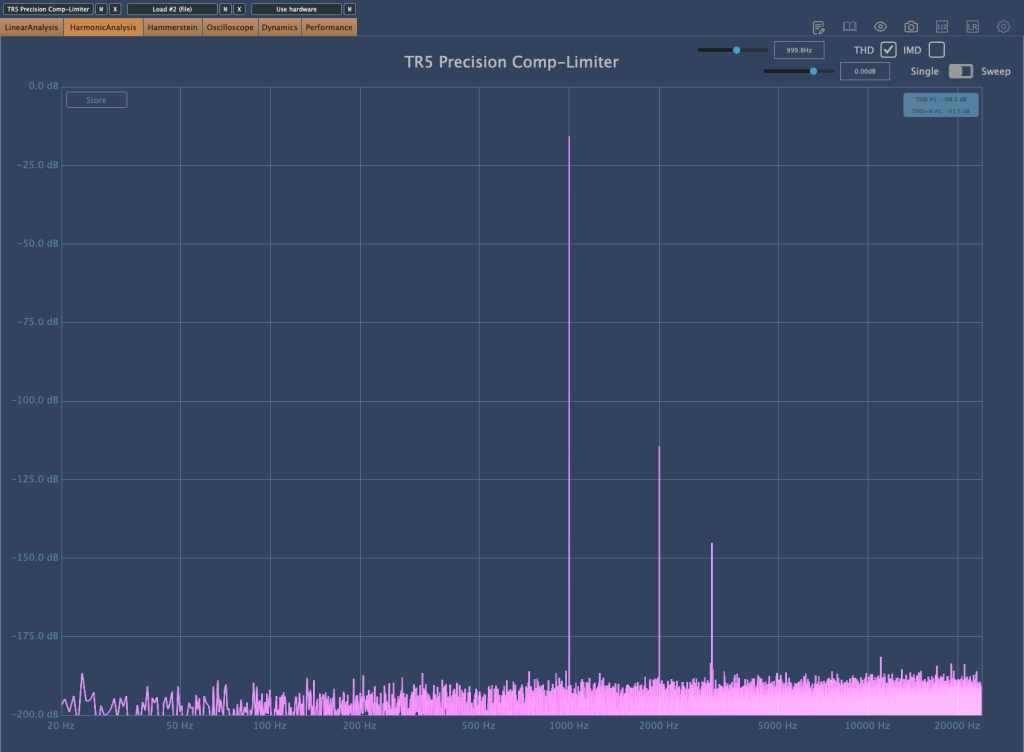
The Precision Comp/Lim, which copies the Neve 33609, seems to boost the high frequencies when applied, possibly due to its harmonics. It’s quite good, and I find myself using it often.

  • Bus Compressor

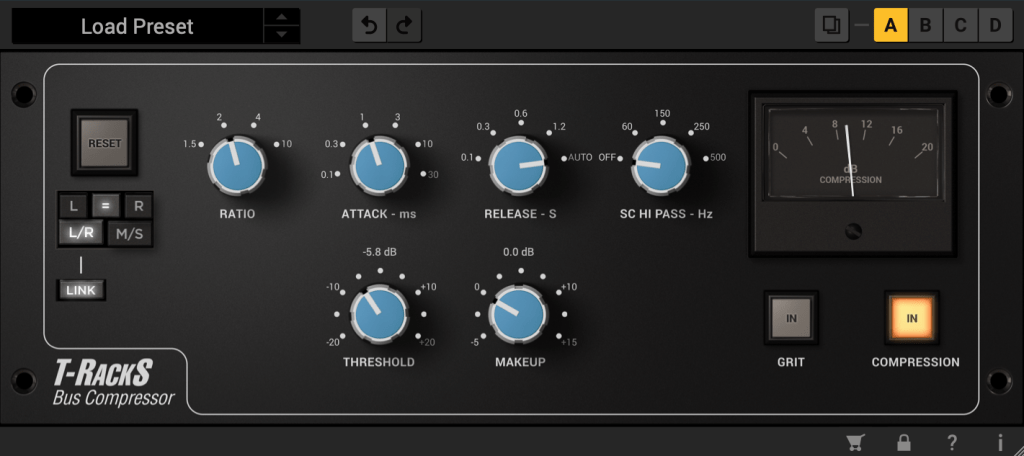
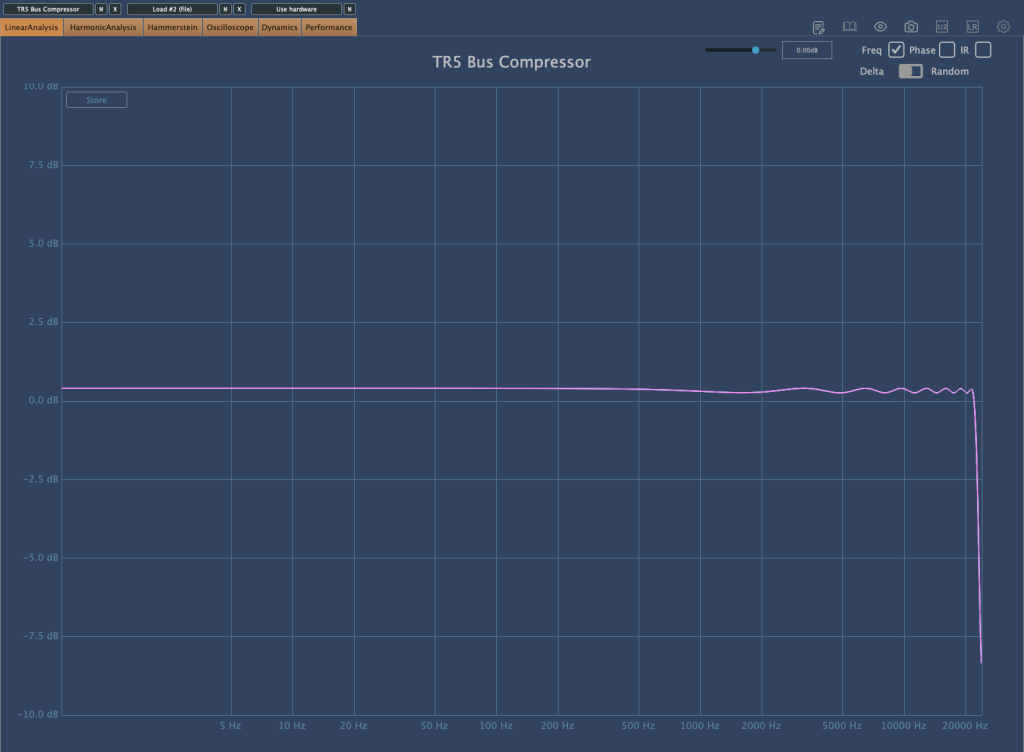
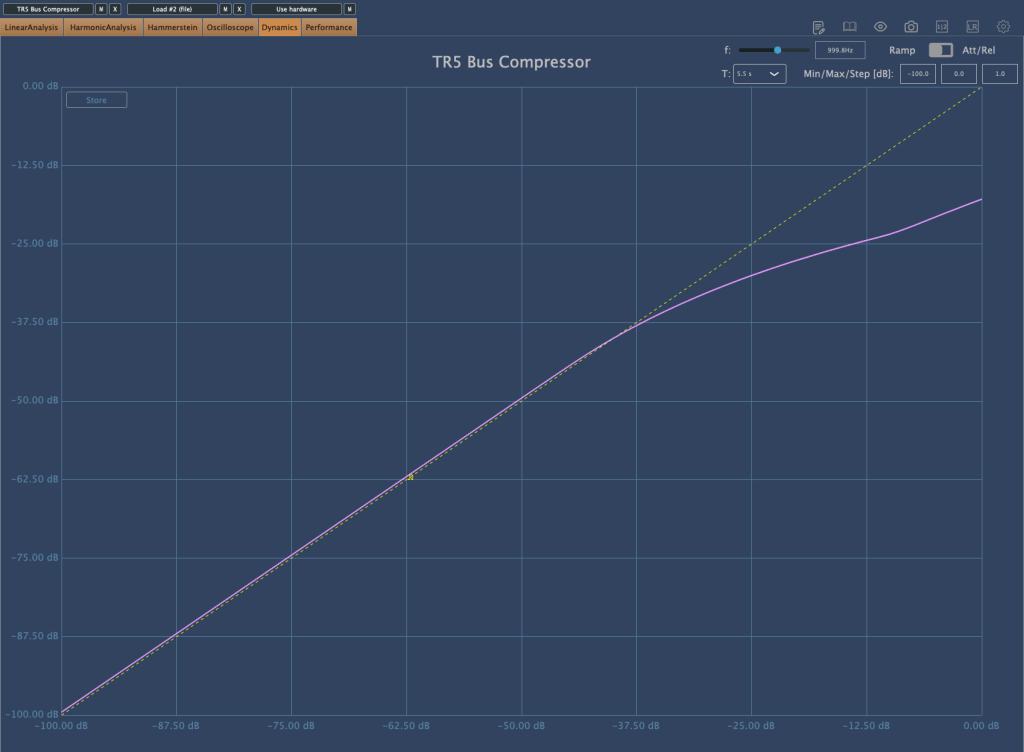
The Bus Compressor, emulating the SSL Bus Comp, operates with a Soft Knee when selecting ratios of 1.5 and 2, compressing very smoothly. It also gently tidies up the high frequencies, which I really like.

  • Vintage Tube Compressor/Limiter Model 670

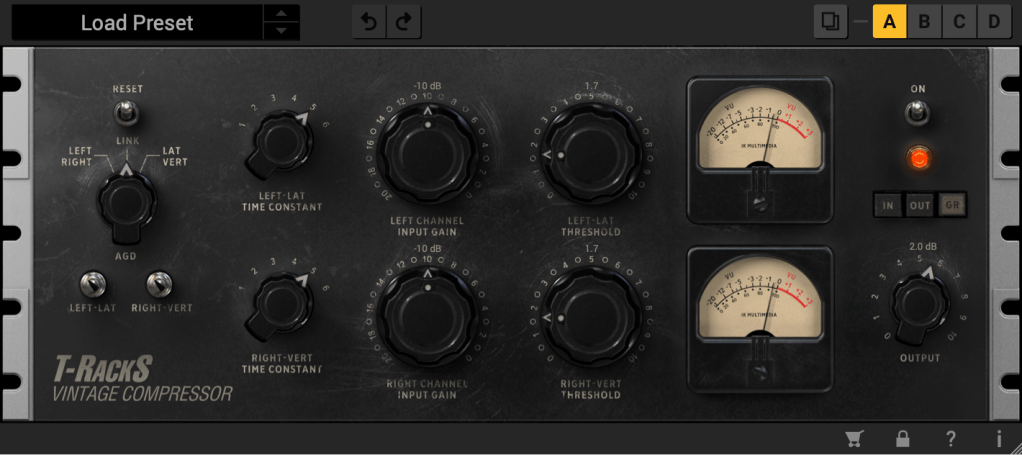
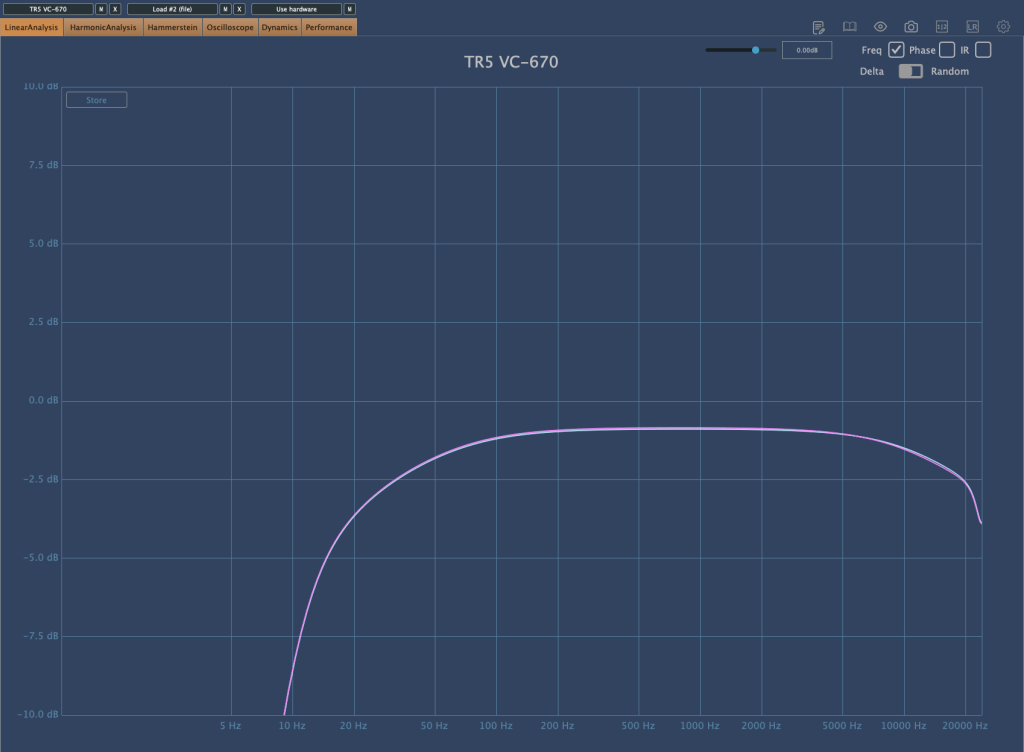
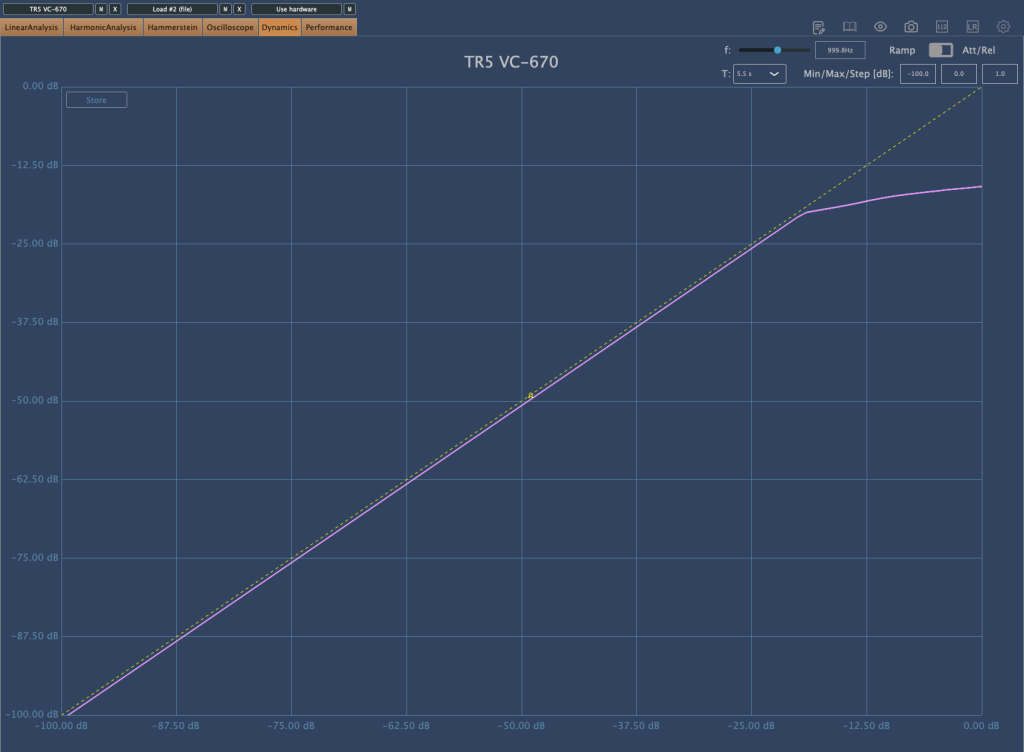
The Vintage Tube Compressor/Limiter Model 670, emulating the Fairchild 670, has a high ratio and is set with a Hard Knee. It slightly trims the frequency range, which sounds natural and not bad for acoustic tracks. However, for modern tracks that emphasize high and ultra-low frequencies, it might not be as suitable.

There are many other plugins that can be immediately used for your projects, so if you have the budget, I highly recommend this bundle.

As I’ve mentioned before, buying from Plugin Boutique adds about 10% tax, making it slightly more expensive than other places. Here it’s $54.99.
However, the benefits of buying from Plugin Boutique include:

1) Free plugin giveaways with purchases (the free plugins change every month)
2) Points accumulation

I usually buy expensive plugins from other places, but for plugins under $100, I decide whether to buy from Plugin Boutique or elsewhere based on the free plugin offered.

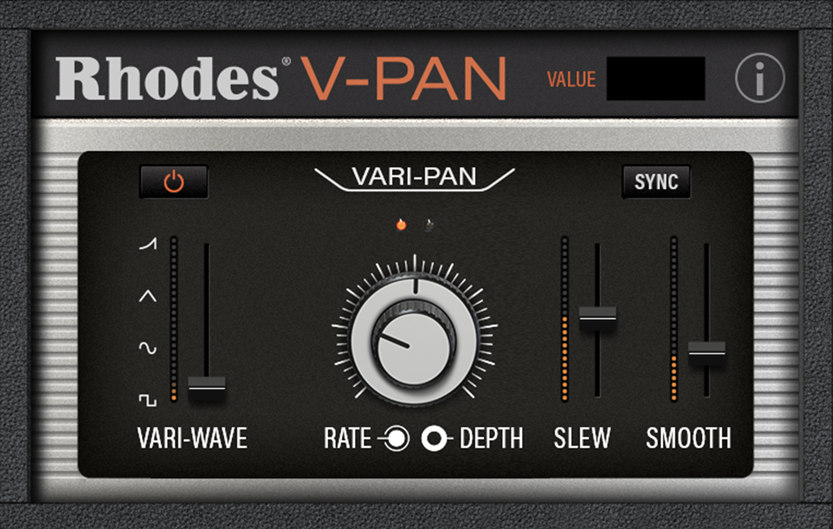
This month, the free plugins are Rhodes V-Pan, a unique Auto Pan, or Dehumaniser Simple Monsters, which creates monster-like voices used in special effects. Both can be quite useful musically.

Especially for Logic Pro users who lack a built-in Auto Pan and often use the Tremolo plugin instead, getting the feature-rich Rhodes V-Pan for free with the purchase of T-Racks 5 Max would be a very satisfying deal.

I rarely recommend sales or plugins this strongly, but this one is genuinely worth buying.
Writing this makes me feel like a salesperson…^^;;

See you in the next post!