Hello! I’m Jooyoung Kim, a mixing engineer and music producer.
Today, I’ll continue from last time and briefly classify synthesizers. Let’s dive in!
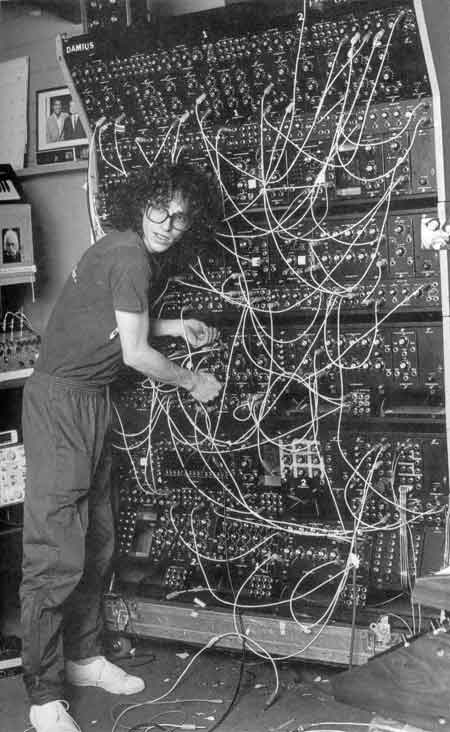
Synthesizers can be categorized based on their synthesis methods. Here’s a breakdown:
| No. | Synthesis Method | Description |
|---|---|---|
| 1 | Subtractive Synthesis | Applies filters to a signal to shape the sound. |
| 2 | Additive Synthesis | Combines waveforms to create sound. |
| 3 | Modulation Synthesis | Modulates one signal using the values of another. |
| 4 | Sampling | Modulates pre-recorded sounds (not strictly a synthesizer but often integrated). |
| 5 | Physical Modeling | Mathematically models the principles of how real sounds are produced. |
| 6 | Phase Distortion | Distorts the speed of phase changes to synthesize sound. |
| 7 | Vector Synthesis | Uses a basic wavetable approach, often with a joystick to shape sounds. |
| 8 | Spectral Modeling | A type of modeling that uses white noise and variable filters to create sound. |
| 9 | Linear Arithmetic | Combines subtractive synthesis with PCM (Pulse Code Modulation) sampling. |
| 10 | Formant | A modeling technique based on the frequency spectrum peaks that occur in human speech, called formants. |
| 11 | Granular | A sampling method that synthesizes sound by manipulating small units called grains. |
| 12 | Wavetable | Synthesizes sound using waveform tables. |
| 13 | AI (Neural / Deep Learning) | Trains models to synthesize sounds based on specific parameters. |
Quite a list, right?
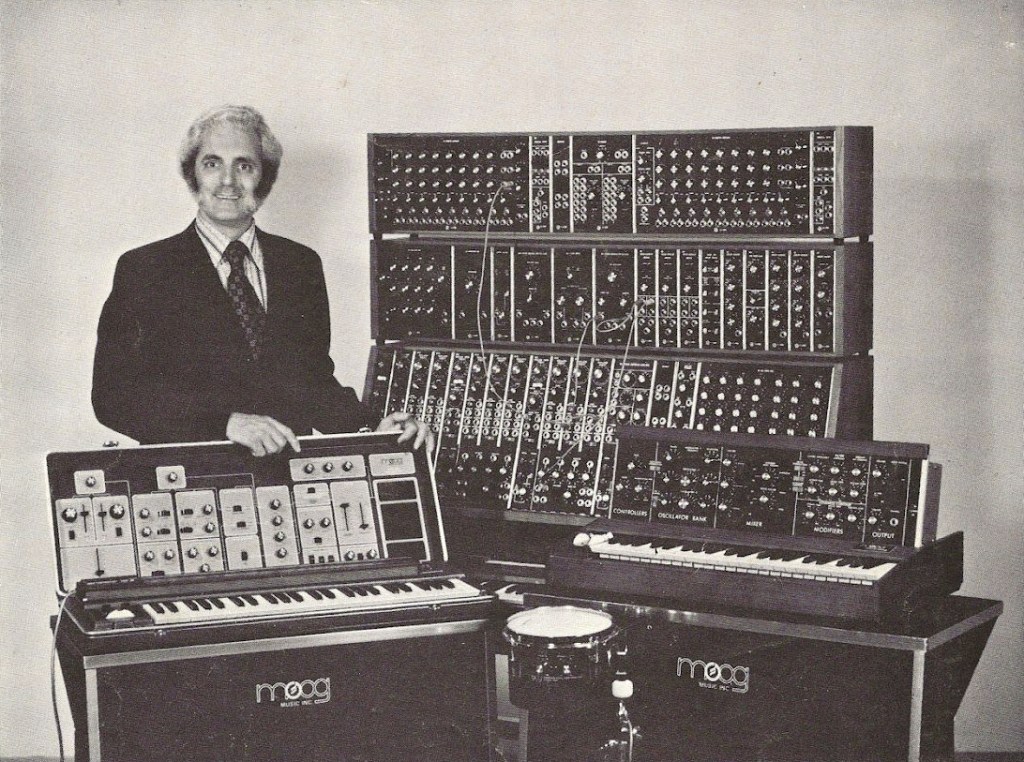
After the first commercially successful analog synthesizer from Moog appeared, many companies saw the potential for a profitable synthesizer industry. At the same time, academia recognized its research value, leading to numerous collaborations. This fueled rapid advancements in synthesizer development.
As a result, most synthesizer instruments we know today were fully developed before the 2000s.
Today, technologies like Physical Modeling and AI synthesis have advanced synthesizer creation, but we don’t always think of these as “synthesizers.” For example, a modeled piano is perceived as a piano, and a modeled woodwind as a woodwind.

I previously introduced a tool that uses AI and sheet music to synthesize strings that sound incredibly realistic. I believe this is the direction future synthesizers will take.
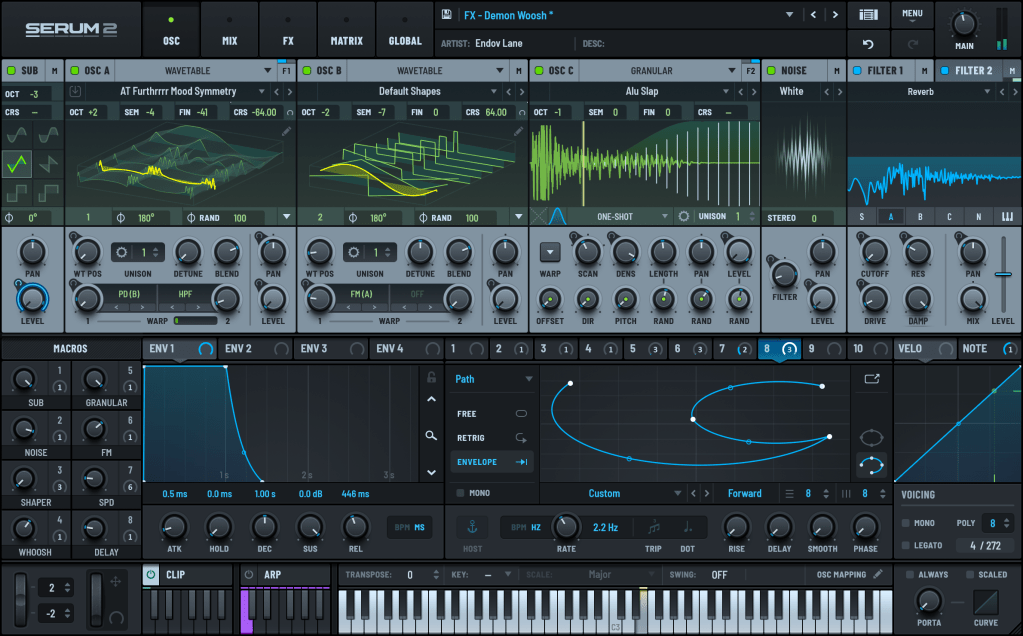
Once you master a few synthesizers, you’ll find that the parameters are largely similar across others. In upcoming posts, I’ll explore representative synthesizers for each synthesis method and how to use them. Reading through these will help you navigate complex synthesizer workflows.
Until next time!


 Jooyoung's Music Blog