Hey there! I’m Jooyoung Kim, a mixing engineer, and music producer.
It’s been a whirlwind week with listening experiments, live performance recordings, and mixing, so I haven’t had much time to focus on the blog… haha. I worked on a pretty unconventional setup for a recent gig—more on that in the next post!
Today, I’m excited to introduce Pulsar Audio’s Vocal Studio, a new plugin designed specifically for vocals, brought to you thanks to Plugin Boutique.
If you purchase through the link on my blog, I’ll earn a small commission, which really helps me keep things going… thank you! 😊
Think of this as an all-in-one vocal effect and channel strip. It’s packed with everything you need: compression, EQ, gain, saturator, gate, de-esser, delay, reverb—you name it, it’s here.
Top Section
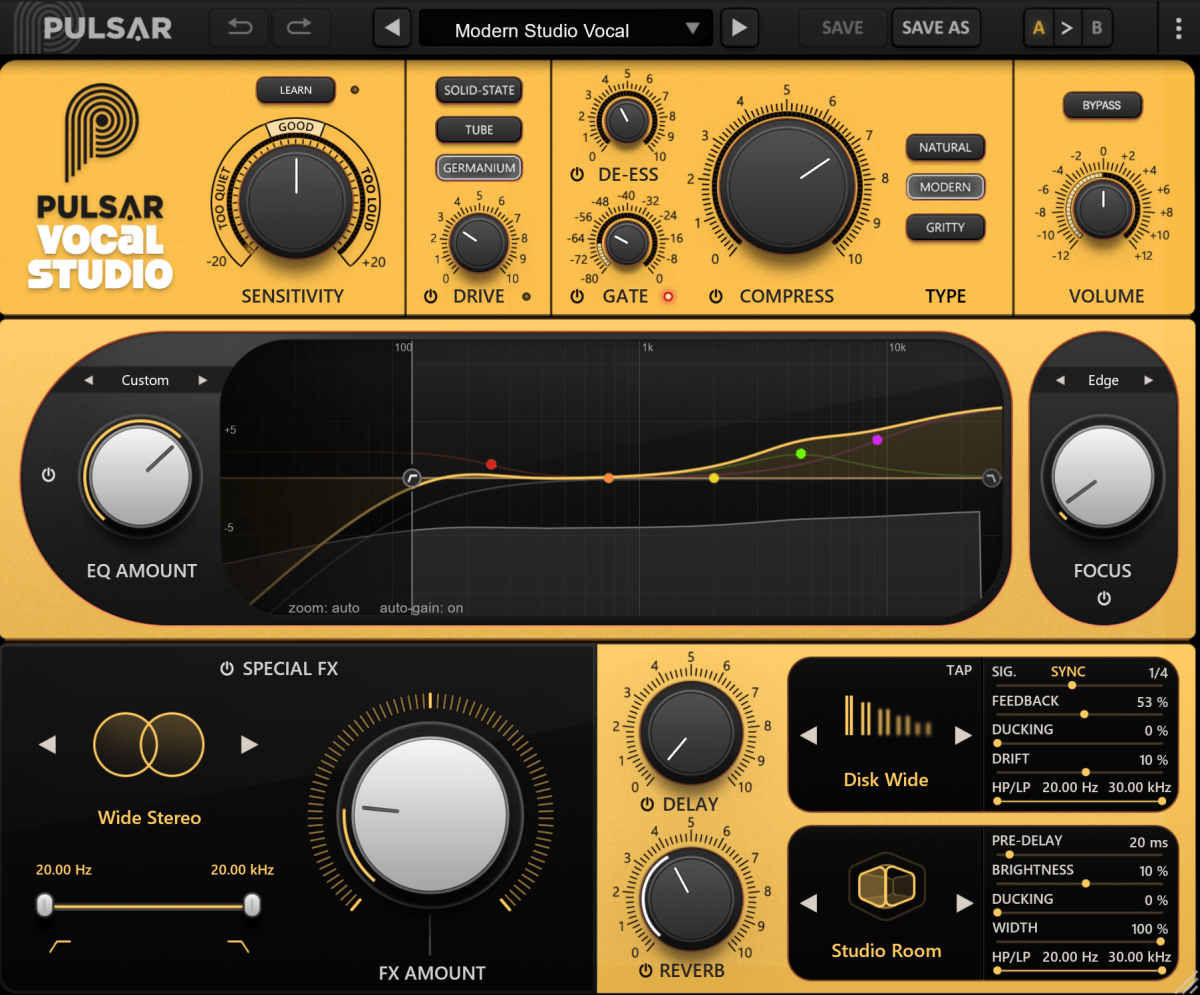
Let’s break down the controls in the Top Section of the Pulsar Vocal Studio interface:
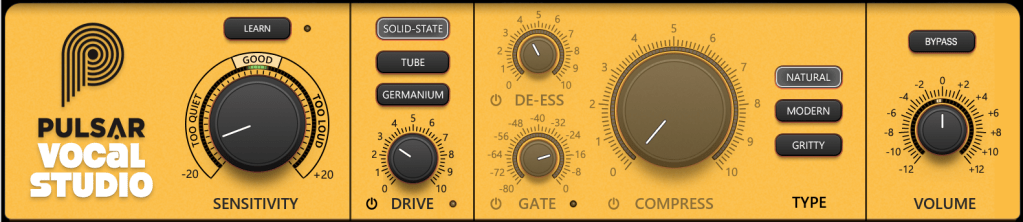
Sensitivity: Automatically adjusts volume to maintain consistent levels, working independently of the compressor.
Drive: A saturator offering three distinct flavors—Solid State (inspired by Neve-style circuits), Tube (emulating a pentode preamp), and Germanium (mimicking a germanium transistor preamp).
De-ess: Reduces sibilance by attenuating frequencies around 4kHz and above.
Gate: Exactly what it sounds like—a gate! 😄
Compress: Offers three compression modes—Natural (FET-based, smooth and transparent), Modern (faster attack/release with added saturation), and Gritty (the fastest and most aggressive for a bold effect).
Volume: Adjusts the final output level of the plugin.
Mid-Section
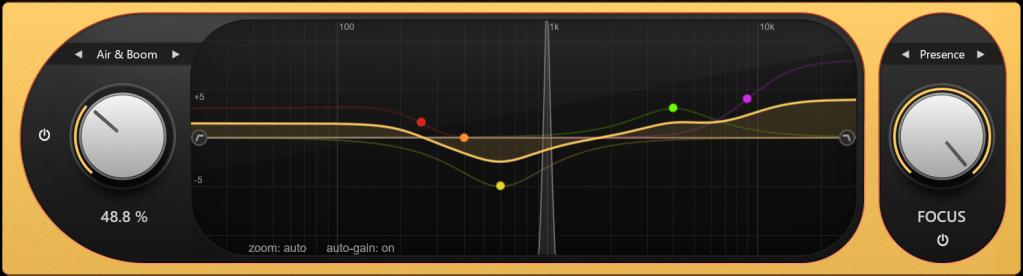
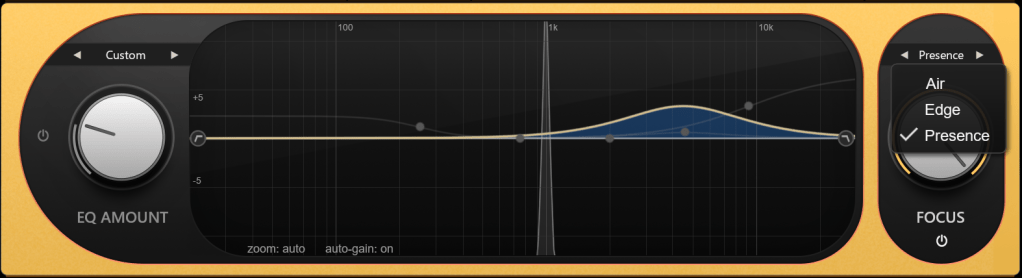
On the left, you’ve got controls for how much EQ to apply. On the right, the Focus section offers three dynamic EQ presets: Air, Edge, and Presence.
Bottom Section
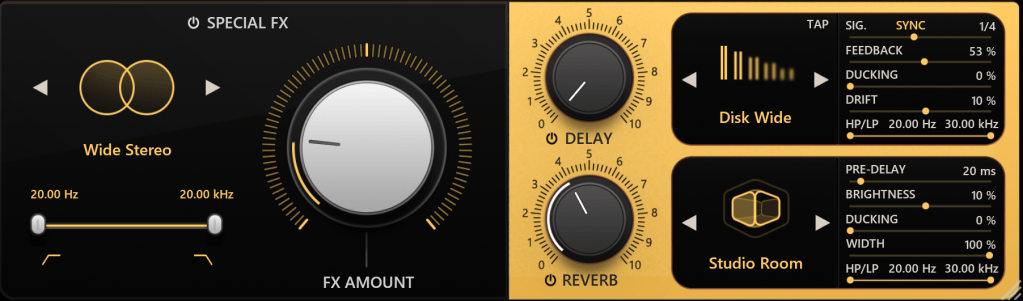
Down below, the Special FX section lets you add creative effects.
Delay: Includes standard delay, ping-pong, slap delay, and more.
Reverb: Offers a wide range of types—hall, plate, spring, room, chamber, ambience, you name it.
All delay and reverb parameters are fully tweakable, of course.
Impressions
This plugin is a bit heavy on CPU due to its many effects, but if you think of it as a one-stop shop for an entire vocal track, it’s well worth it. Personally, I think the reverbs are so clean and polished that I’d love to see them sold separately at a lower price. They’re some of the best digital reverbs I’ve come across!
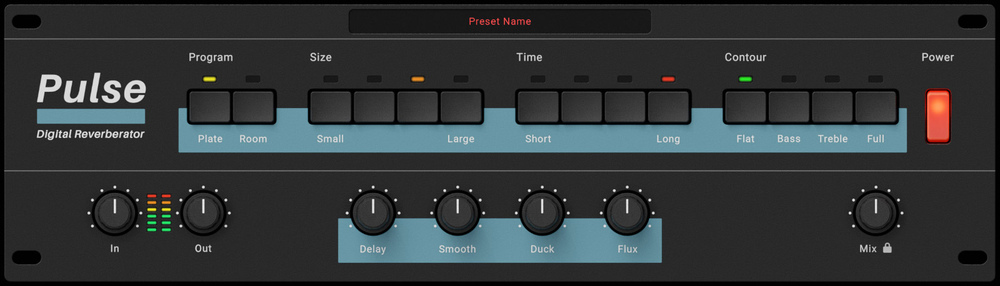
This month, if you buy any plugin from Plugin Boutique, you’ll get Wave Alchemy’s Pulse—a faithful recreation of the Lexicon PCM-60 reverb—for free. Don’t miss out!
If you’re in the market for a vocal channel strip, Pulsar Vocal Studio is definitely worth checking out.
This post is a translation of a Korean blog post I wrote on February 27, 2022.
Hello, I’m Jooyoung Kim, a mixing engineer and music producer. I recently had the opportunity to review the new Lewitt LCT 1040 microphone, thanks to Sound & Music, Lewitt’s distributor in Korea. They provided me with a demo unit for a week, with no other compensation.
Since I was going to be busy soon, I conducted a quick two-day test as soon as I received the unit and wrote this review. Let’s dive in!
Unboxing and Appearance
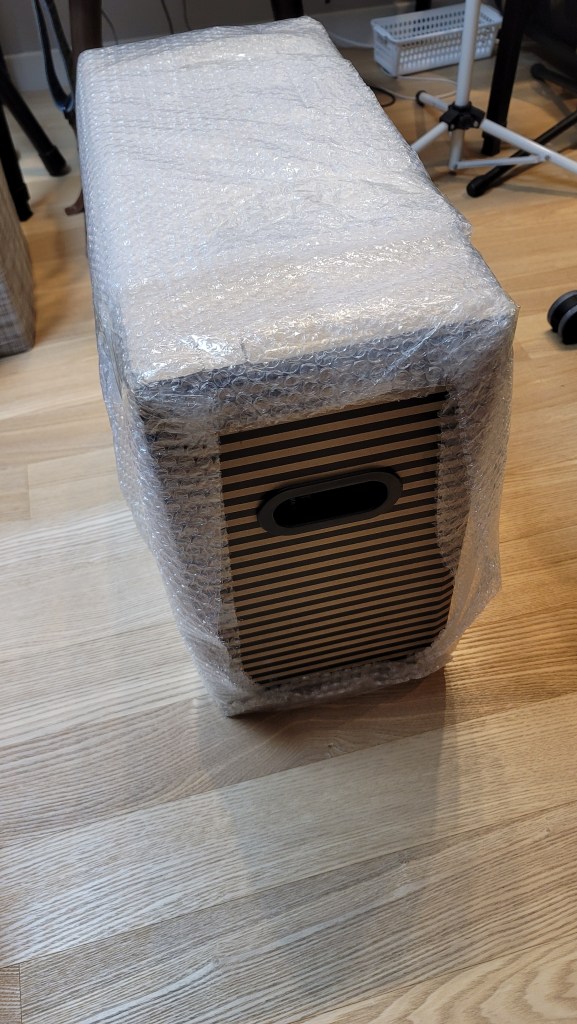
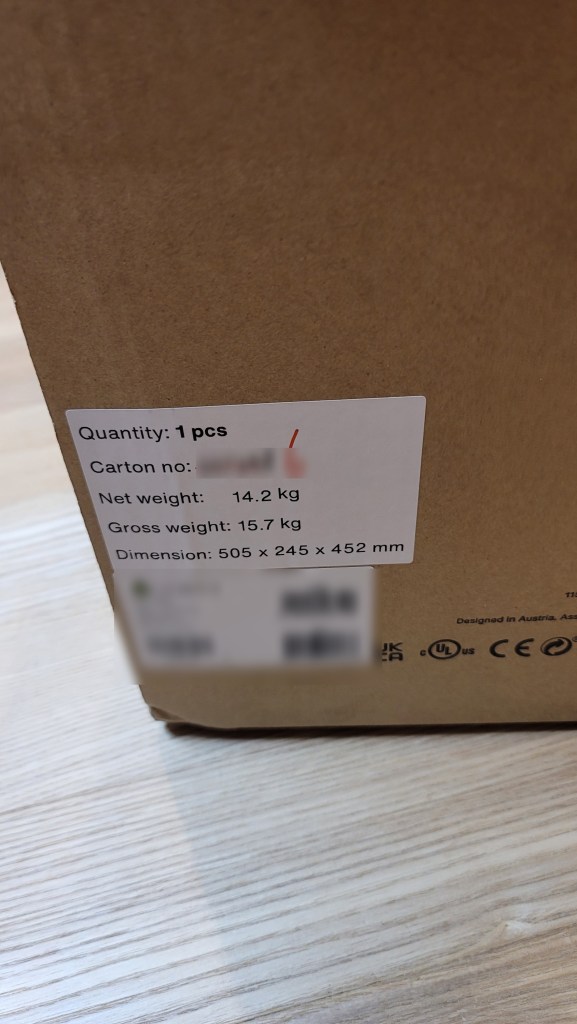
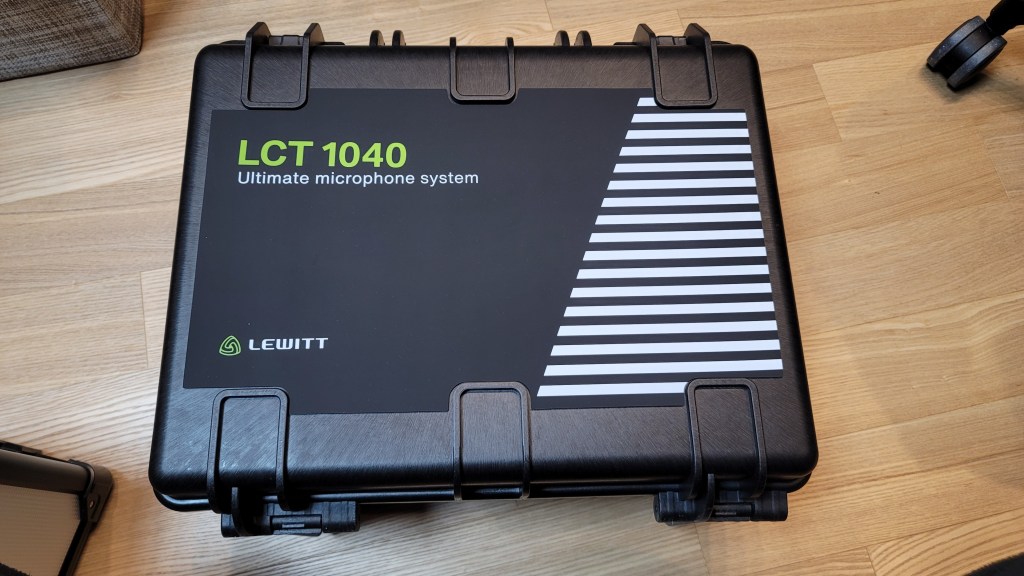
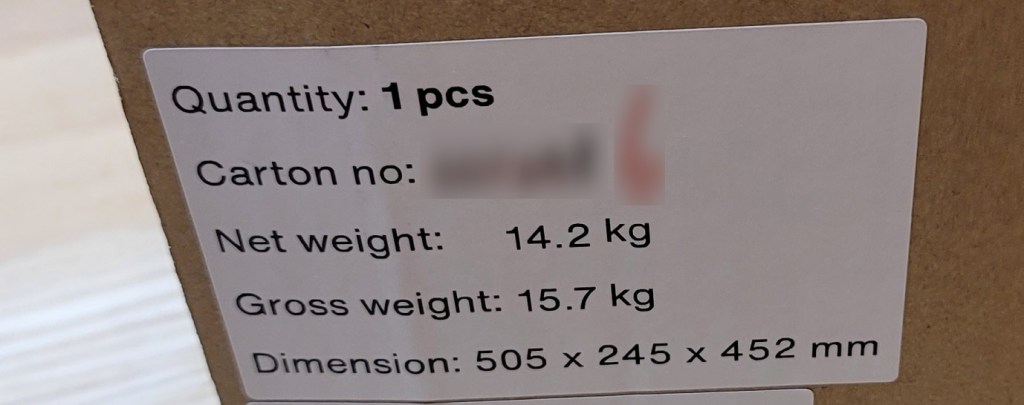
I received a brand-new, unopened demo unit, which was a pleasant surprise. The package was quite heavy. The box design was unique, with tear-off strips to open it.
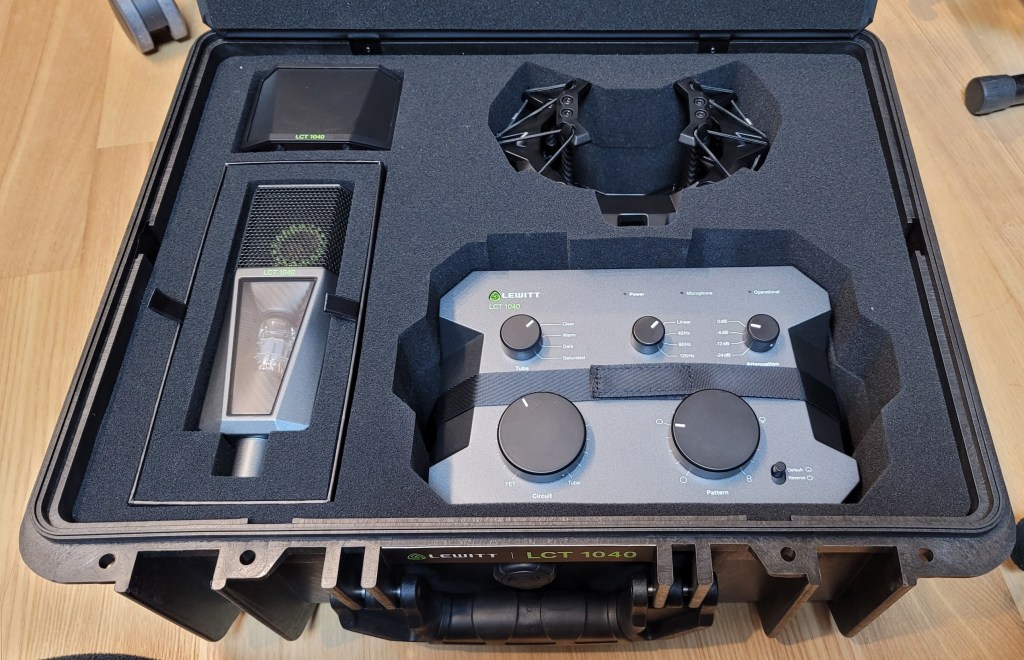
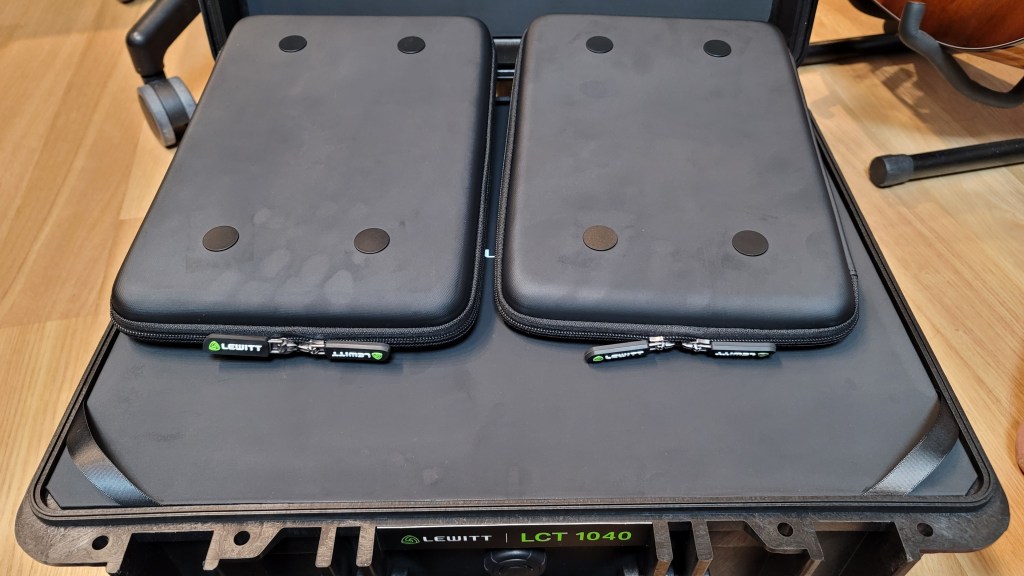
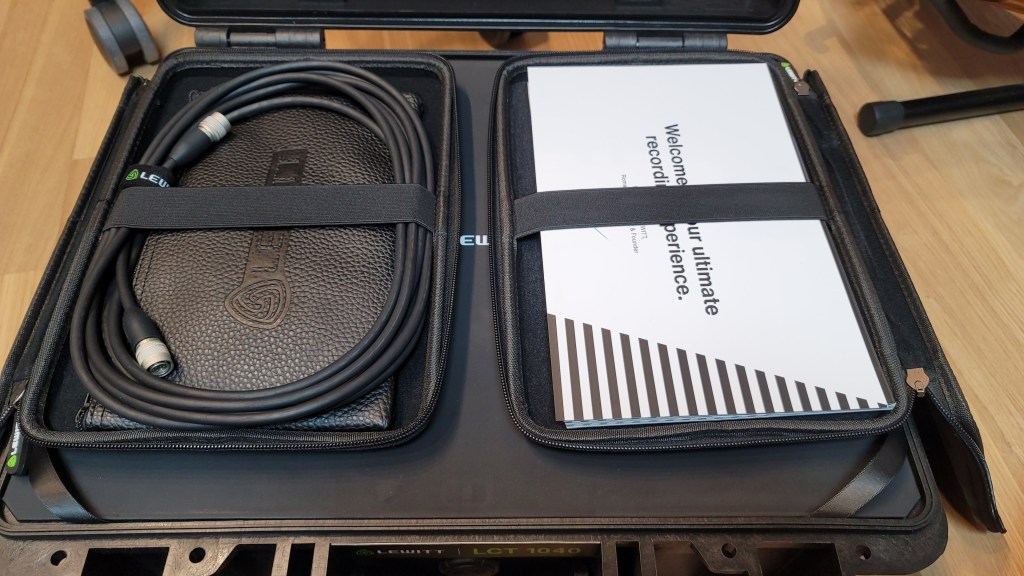
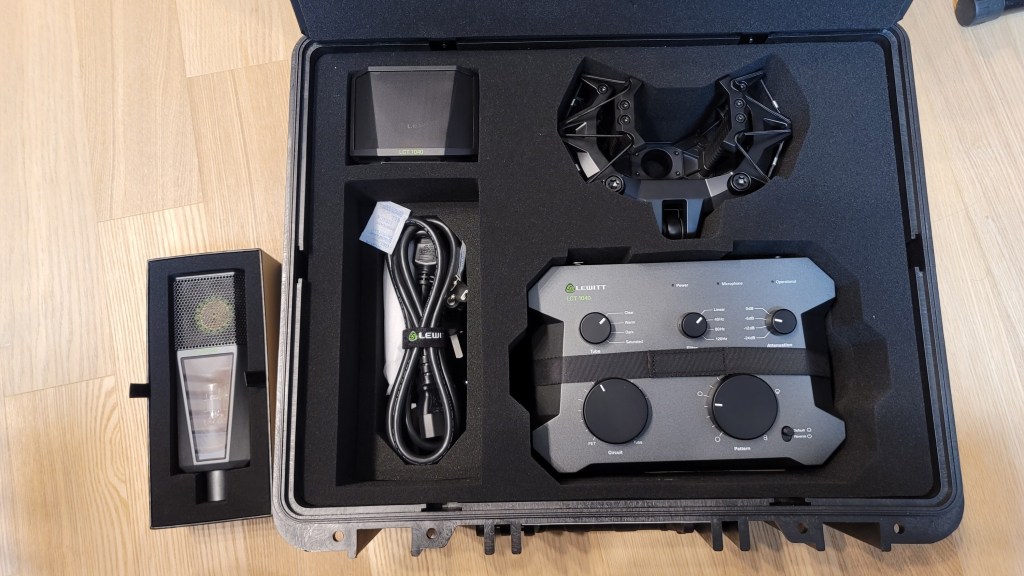
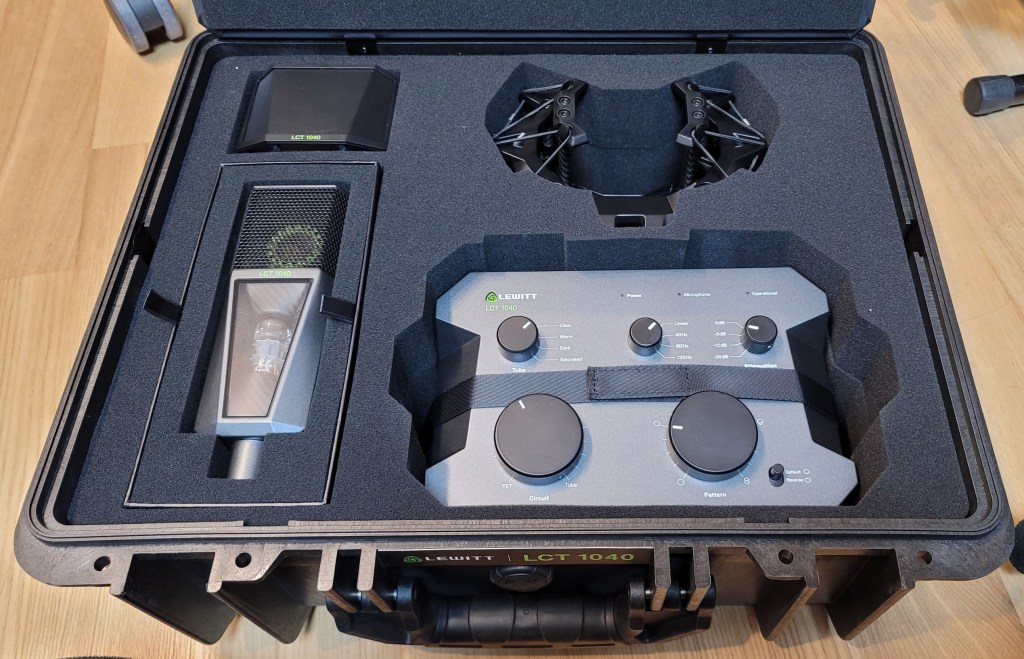
Inside the box, there were two pouches containing cables, manuals, and other documents. Below them were the microphone components.
The photo was taken immediately upon delivery, and you can see some handprints, probably because it was cold.
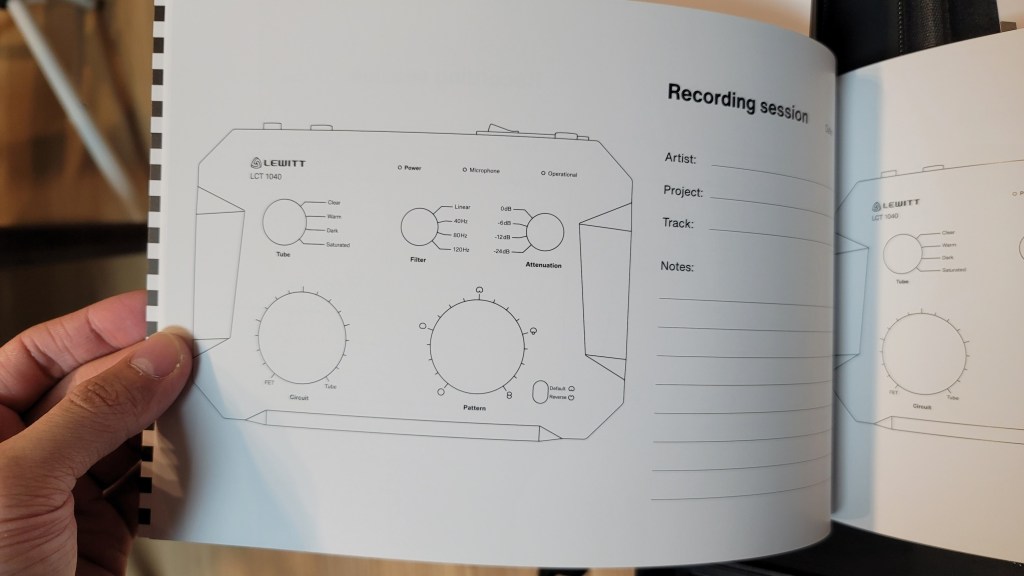
The pouches are attached magnetically and can be easily removed. The contents include manuals, a recall sheet, and a booklet detailing the development process of the LCT 1040.
They included the names of beta testers, and I was pleased to see my name included!
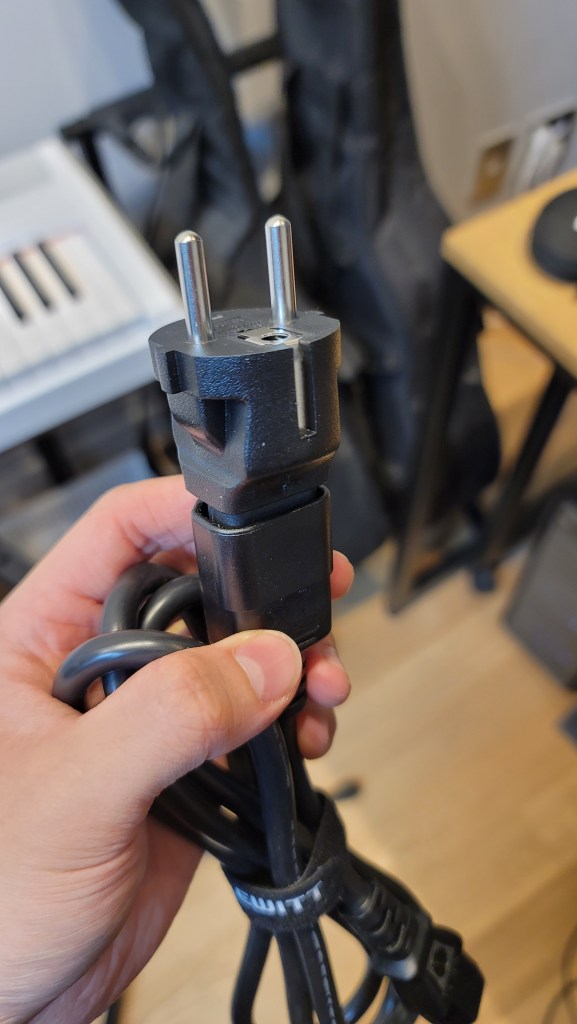
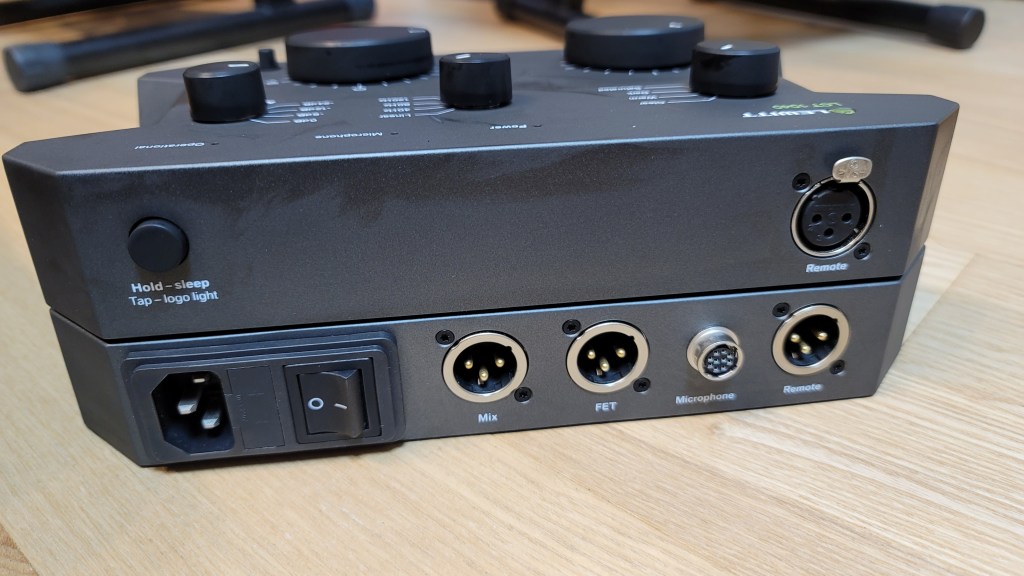
Underneath the microphone, there were power cables and adapters for different types of outlets. I found this modular system quite innovative.
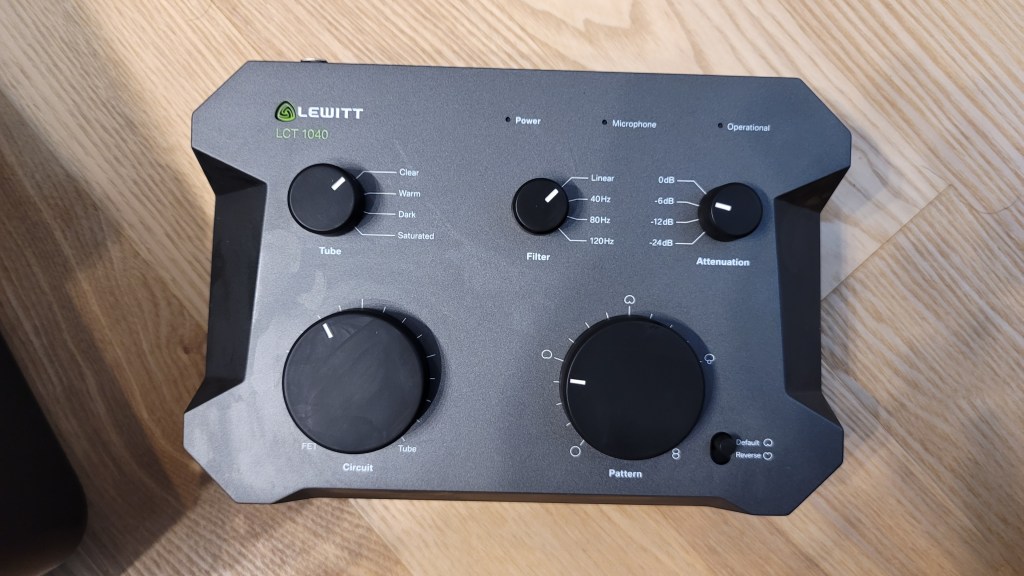
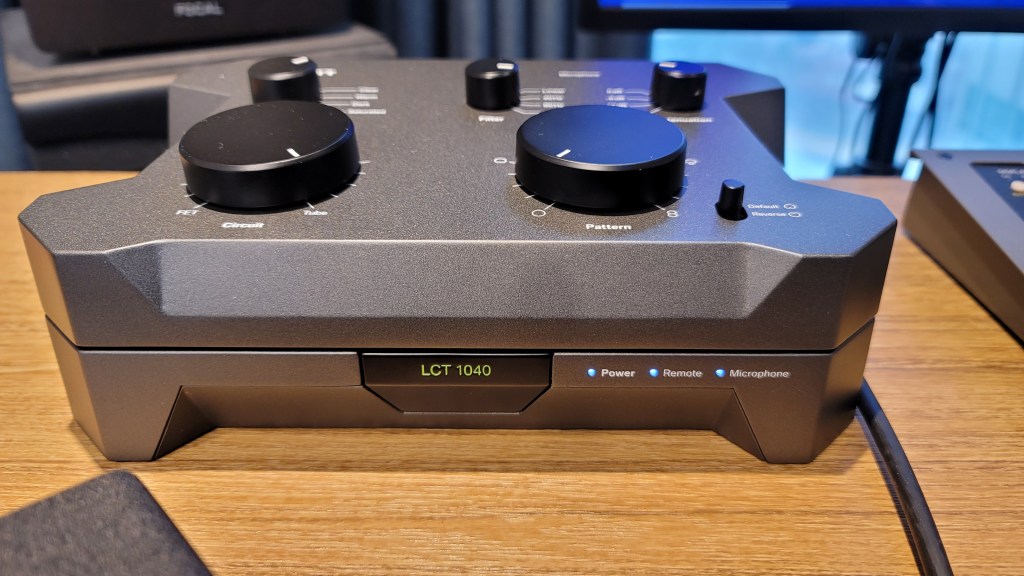
The control unit is entirely metal and feels hefty. The knobs are both linear and stepped, providing a smooth and convenient experience.
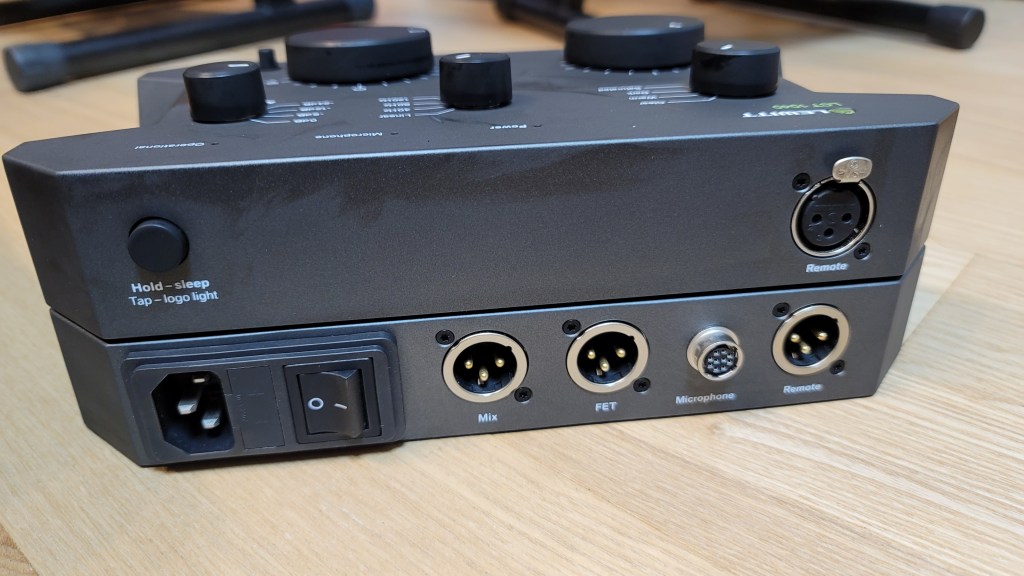
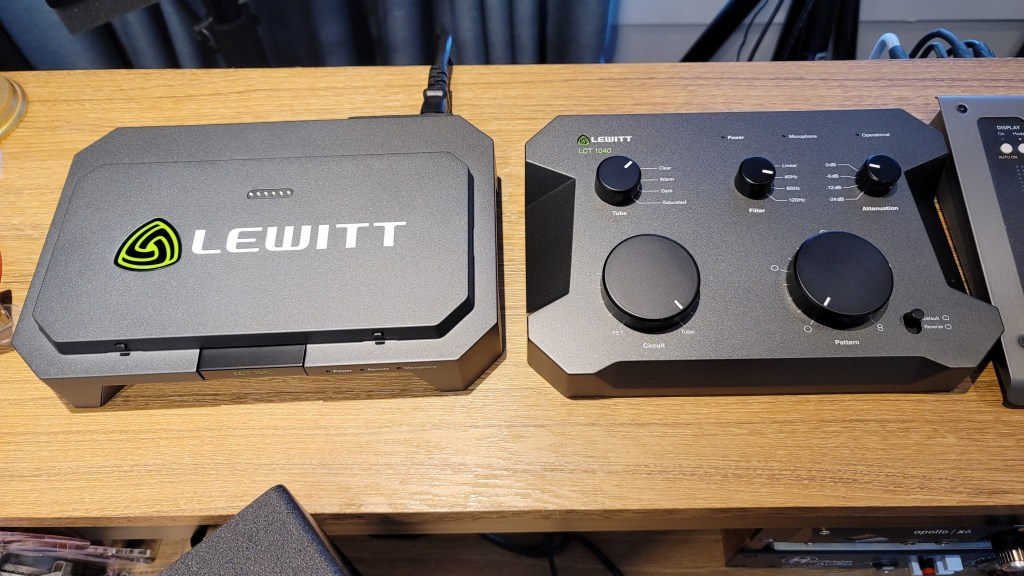
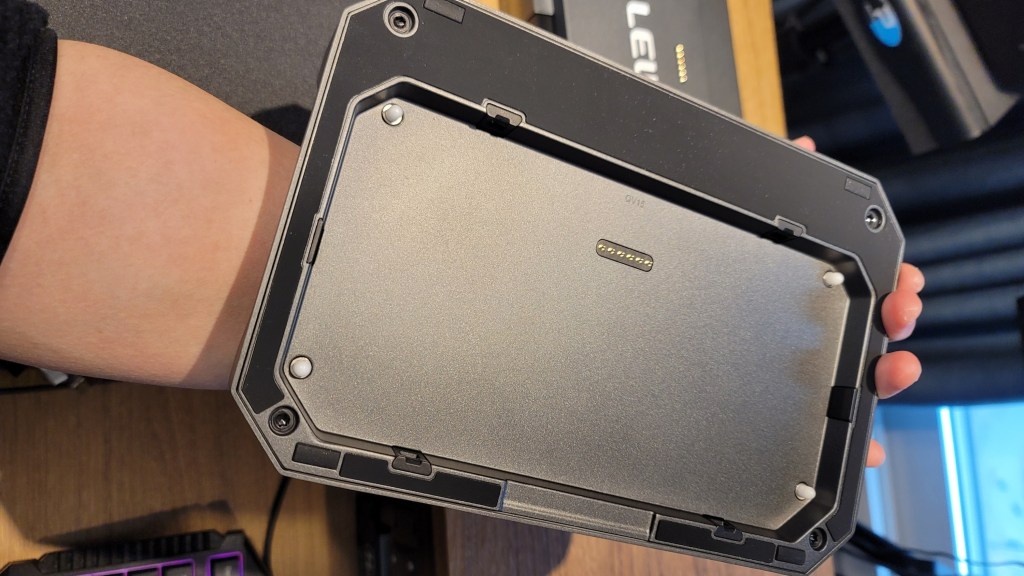
Pressing the “LCT 1040” label in the center allows for the remote to be detached. The remote can then be connected to the microphone using an XLR connector. This is a pretty innovative feature!
Once everything is connected, the lights turn on as shown in the photo below.
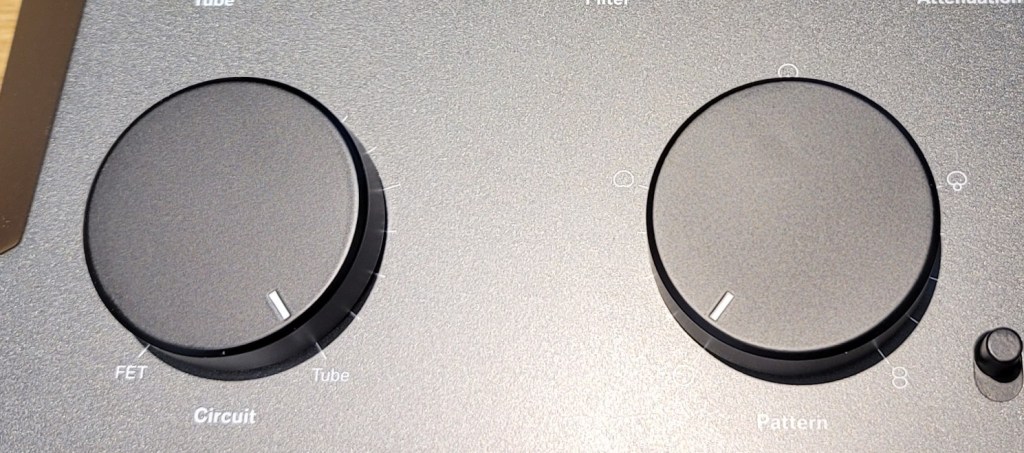
The Operational indicator blinks when adjusting the Attenuation (Pad) and Pattern settings, indicating a brief processing time. However, adjustments to Circuit, Tube, and Filter settings are immediate. There’s also a button for switching the front and back diaphragms.
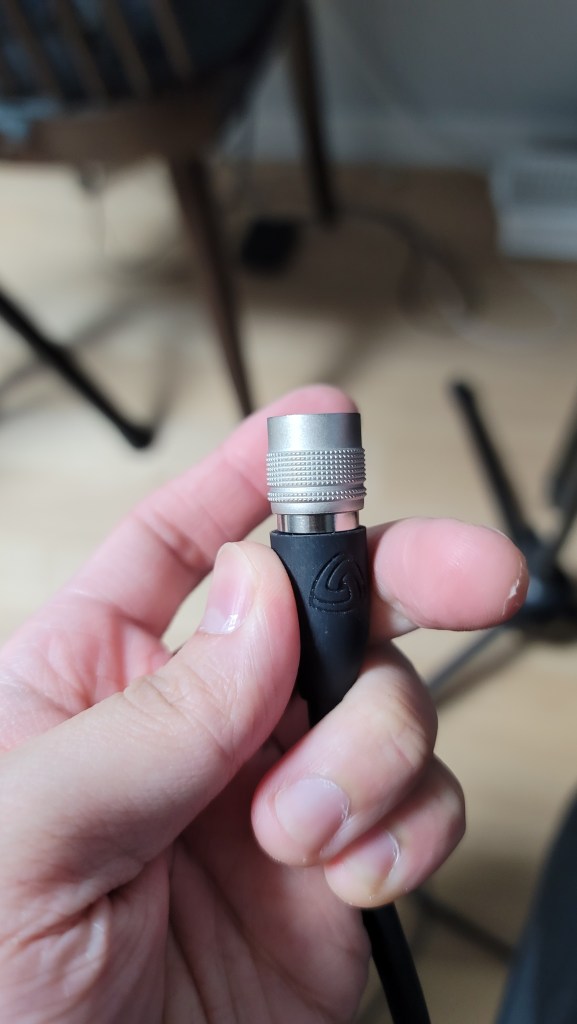
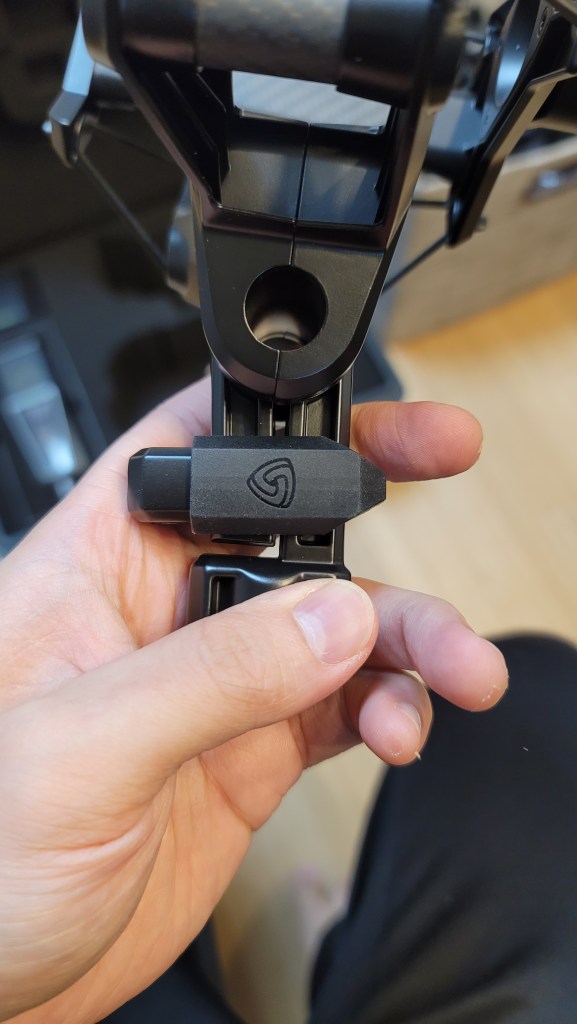
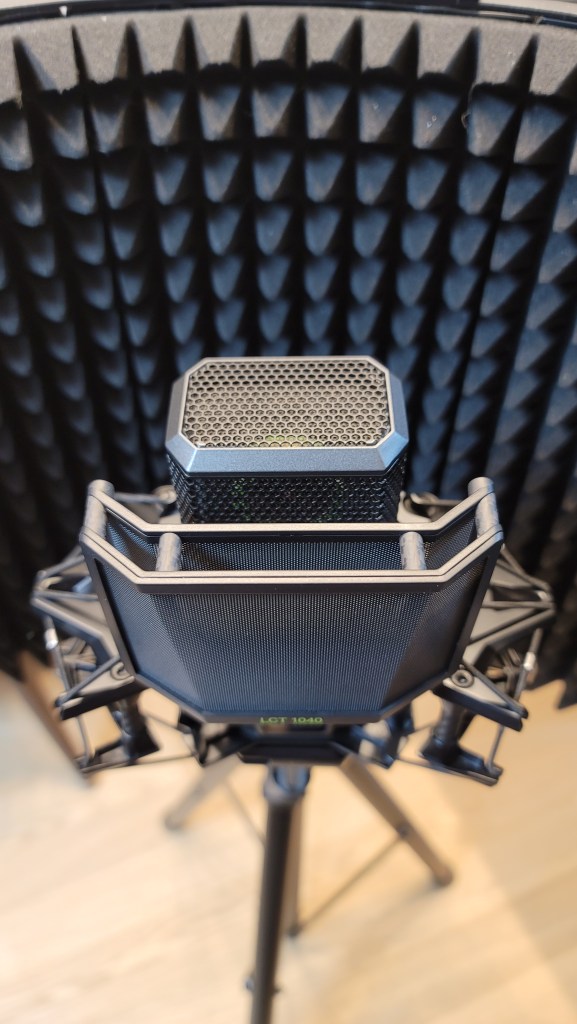
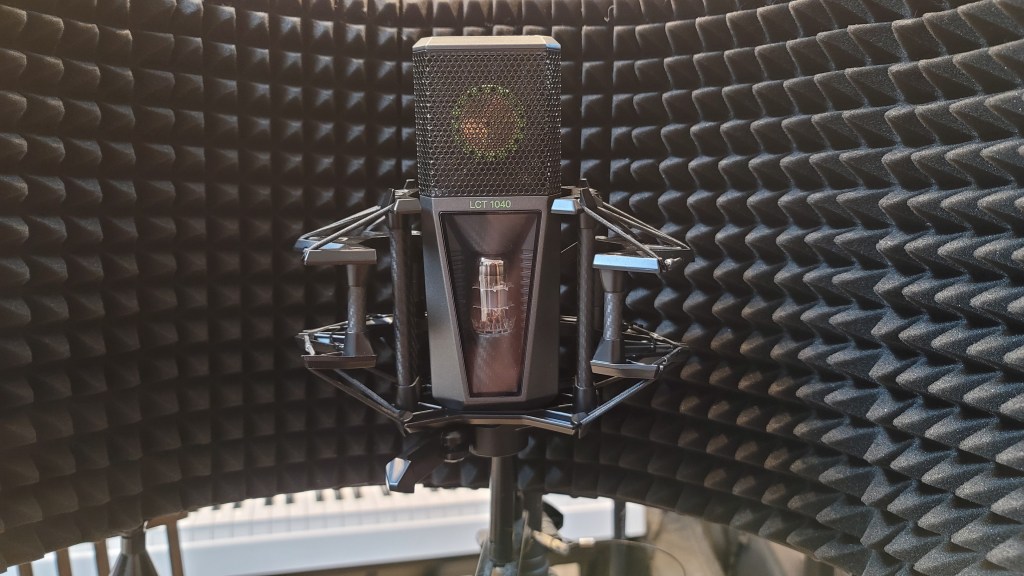
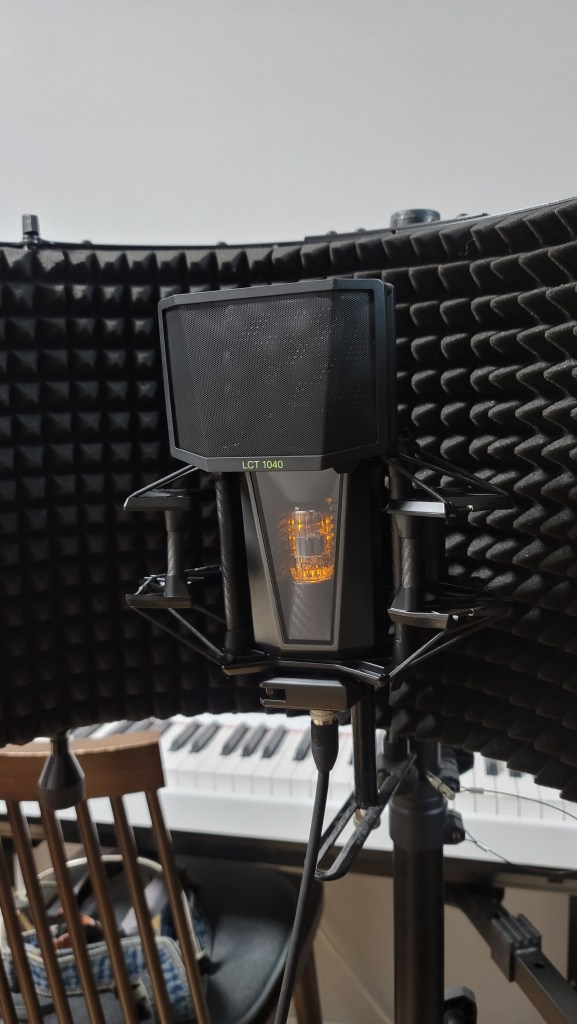
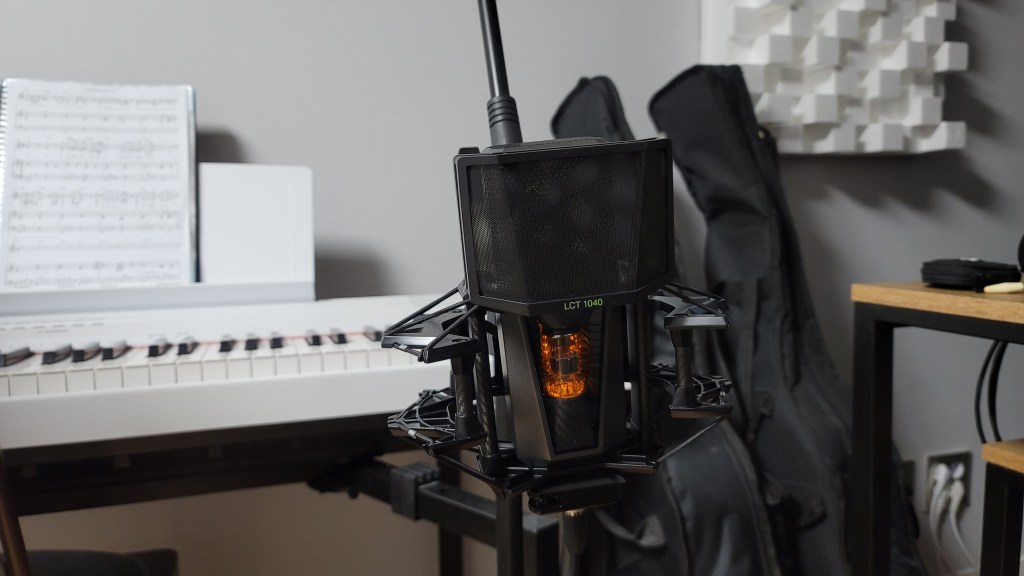
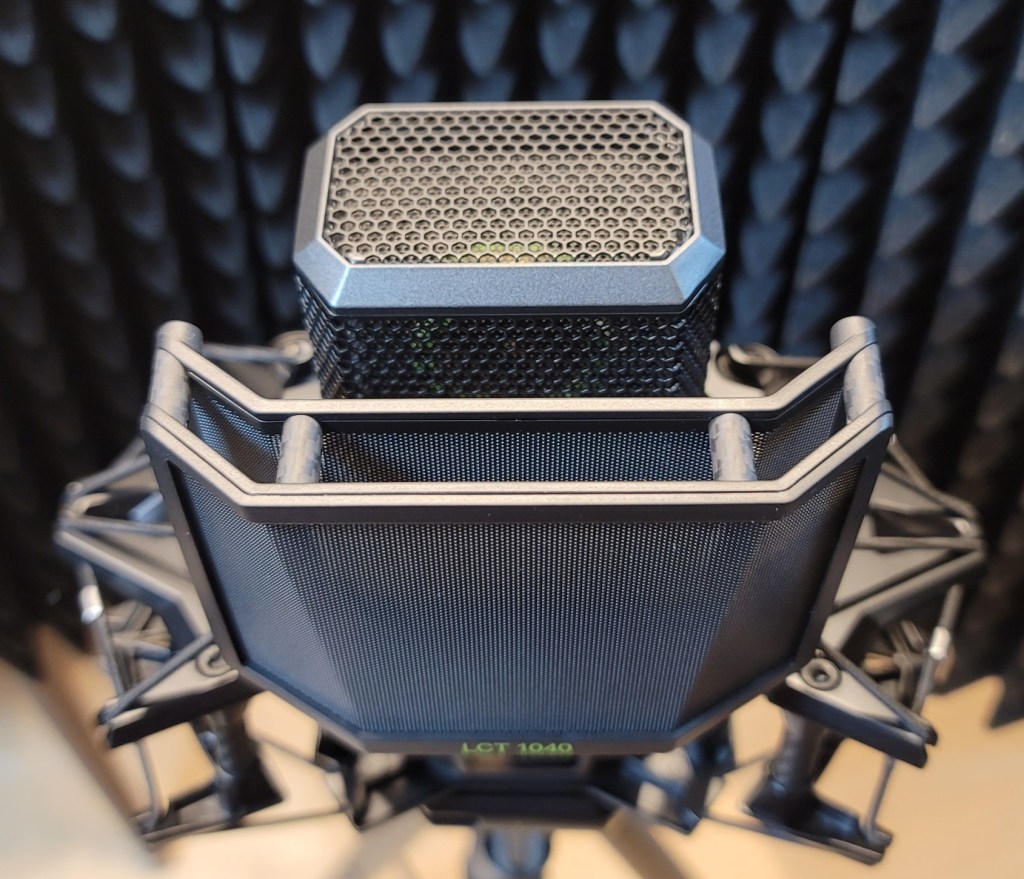
The microphone cable connector clicks securely into place when inserted correctly. The shock mount includes carbon material and features a unique, easy-to-use clamping mechanism.
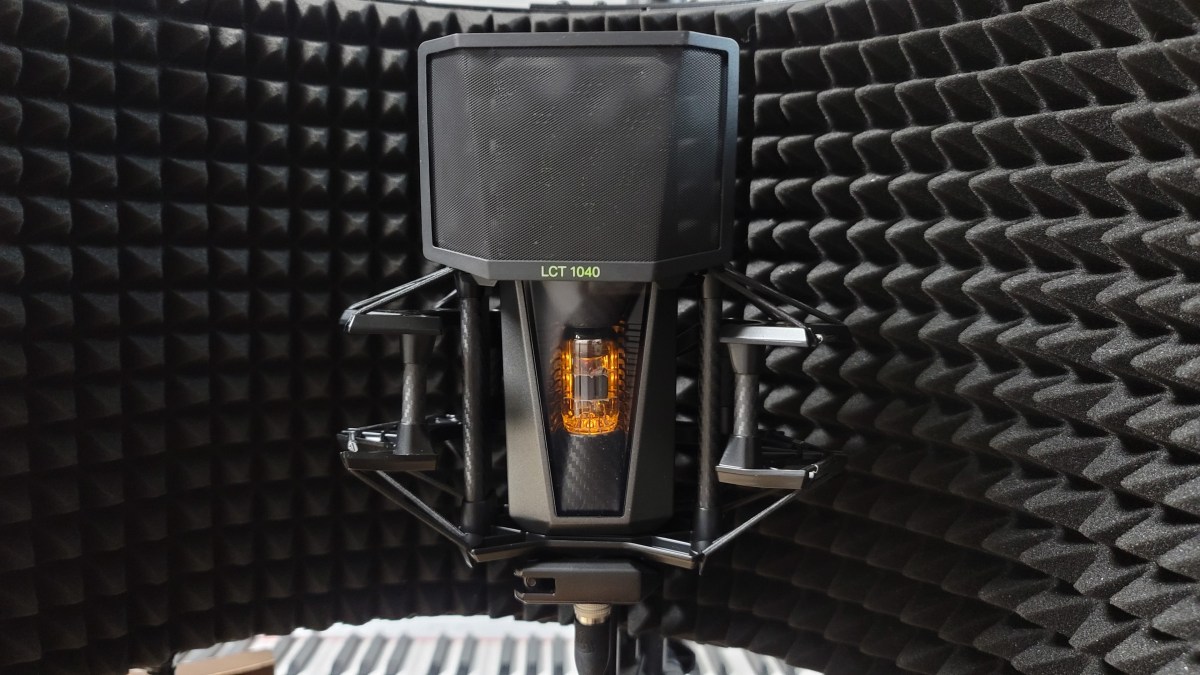
The pop filter and the microphone’s grill both have double layers, which shows attention to detail. The pop filter, also made of carbon material, attaches magnetically, making it easy to use.
The bottom clamp for mounting the microphone is simple and effective.
The microphone, when powered, looks like this. I think this gives you a good overview of its appearance. Now, let’s move on to the sound test.
Recording Test
For the test, I recorded both vocals and guitar. For vocals, I used a reflection filter and recorded in Clear, Warm, Dark, and Saturated modes with Omnidirectional, Cardioid, and Figure-8 patterns, using three settings: FET, FET=5:5, and Tube.
(Note: FET 100% sounds consistent across Clear, Warm, Dark, and Saturated, so I grouped them under FET.)
Due to the number of recordings, I might have missed some distorted parts in the song. I hope you’ll understand. My voice was a bit worn out, too… 😢
I used a low cut at 80Hz and lightly reduced 148Hz and 179Hz where noted.
For the guitar, I couldn’t use a reflection filter, so I placed the mic in a standard holder. I recorded only in Cardioid, as Figure-8 and Omnidirectional were not necessary. I used a Guild D-150ce with new D’Addario XS Phosphor Bronze light gauge strings.
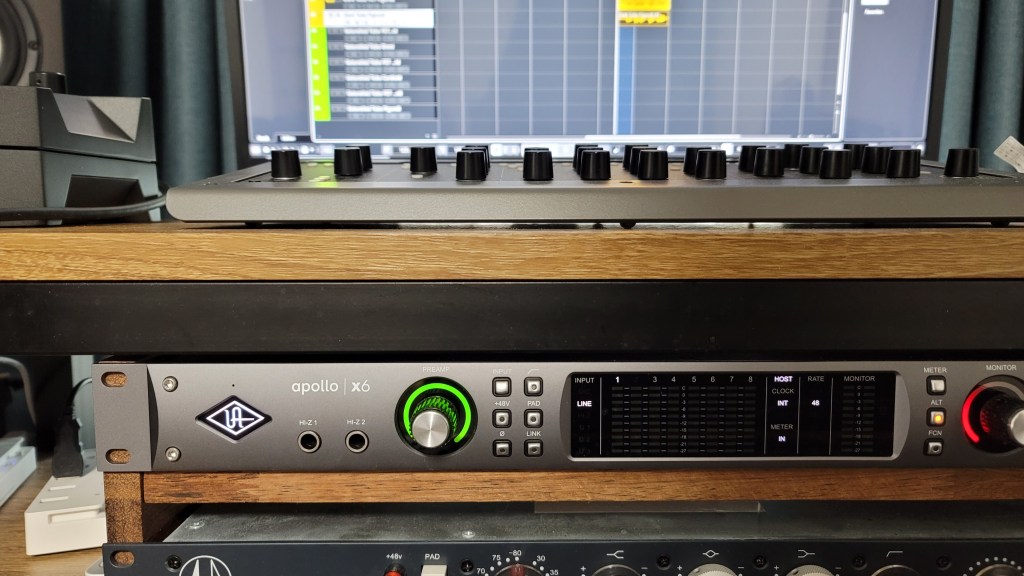
I applied a low cut at 80Hz and reduced the boominess at 138Hz and 179Hz for fingerstyle, while strumming did not require cuts. The recordings were captured directly into an Apollo x6 interface, with gain set around 53-55dB.
Impressions
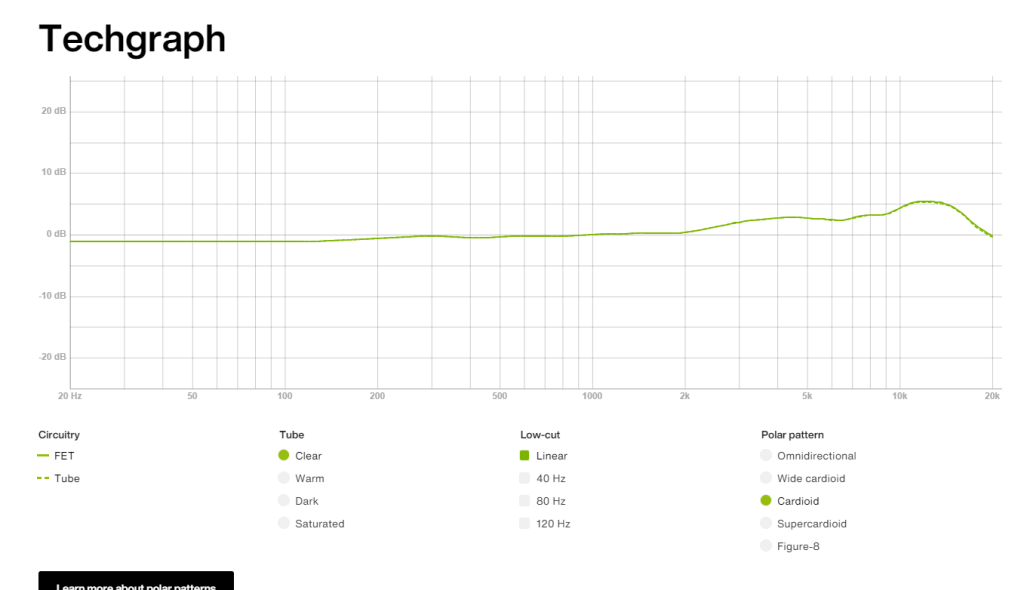
FET, Clear
The high frequencies are pleasantly clear. However, the low-mid range feels slightly lacking, making the FET sound somewhat thin and sharp. Still, both the FET and Tube modes produce the expected quality sound.
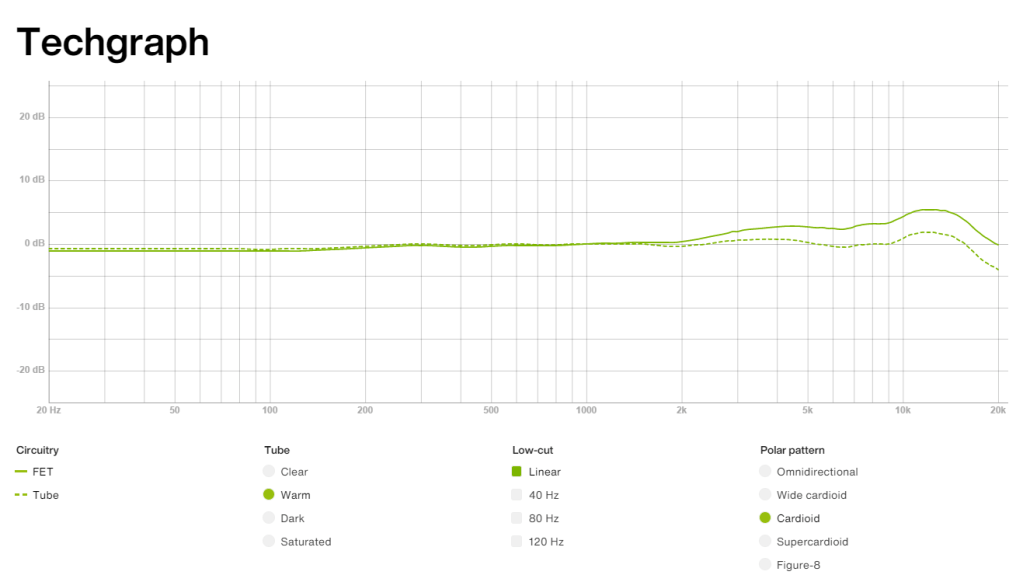
Warm
The highs are a bit subdued compared to Clear, but they still maintain a presence.
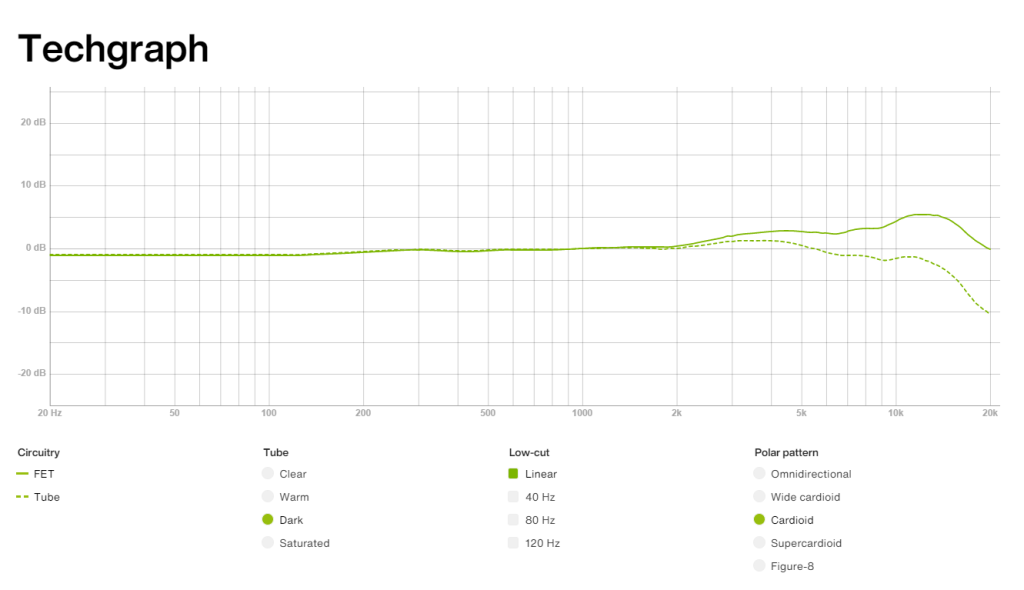
Dark
The highs feel significantly reduced, which might highlight the mids and make the sound somewhat nasal. This could be useful for creating a distant or lo-fi effect.
Saturated
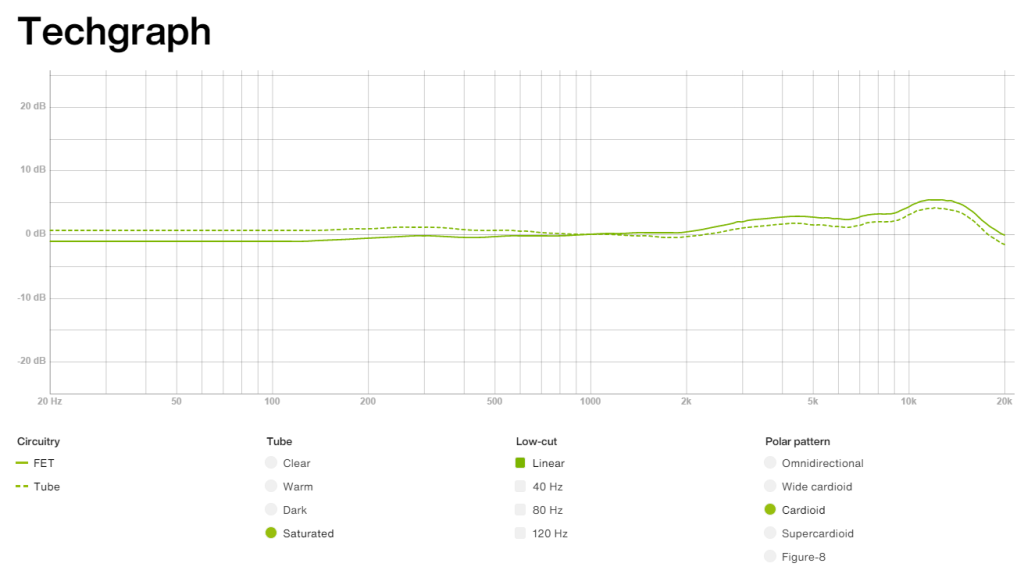
This was my favorite among Warm, Dark, and Saturated. It retains high-frequency clarity while boosting the lows, providing a pleasing sound without much EQ.
The frequency response graphs matched my impressions, which was quite satisfying.
Additionally, the Mix and FET can be recorded separately, which could be handy for saving FET as a backup.
Pros
The detachable remote makes it versatile for studios of all sizes. The dual-layered grill and pop filter demonstrate careful design.
The knobs provide a satisfying tactile response, and the build quality is excellent. They even included a recall sheet, which can likely be requested in PDF form.
Cons
The unit is heavy, and there’s no volume control on the remote, which can be slightly inconvenient. However, this is common for tube microphones, so it’s hard to consider it a significant downside.
Conclusion
The sound quality and attention to detail are impressive, and the price seems justified. Although the absolute price is high, considering you effectively get five distinct tones—FET, Clear, Warm, Dark, Saturated—and can blend Tube with FET, it’s a compelling value.
Buying five high-quality microphones for the price of one LCT 1040 would be challenging. Given the rising cost of equipment, with AKG C414s nearing 2 million KRW, and considering the versatility and quality of this mic, I’d choose the LCT 1040 over a Neumann U87ai. It’s also an excellent option for those looking for a secondary mic.
While I haven’t used it long enough to comment on durability or long-term use, Sound & Music offers a 10-year warranty, which is reassuring.
I hope you enjoyed this review. See you in the next post!
I’m always open to reviewing hardware products! If you’d like me to review a product, please feel free to reach out at joe1346@naver.com.










 Jooyoung's Music Blog