※This article is a review written on July 21, 2021 after being selected for the FX Collection 2 experience group run by ‘Samick’ and receiving product support for a certain period of time. I only received support for the product and wrote the rest myself.
Before starting
Hello? This is engineer and singer-songwriter Jooyoung Kim!
This time, I was selected as a member of the experience group for Arturia FX Collection 2 conducted by Samick and wrote a review.
Although my skills and knowledge are still lacking, I would appreciate it if you could be lenient.
So shall we begin?
The reason I applied to the Arturia FX Collection 2 experience group
Was it around the beginning of this year?.. Music Tribe, the parent company of Behringer, and companies such as Sweetwater and Thomann formed a direct partnership, making it possible to purchase Music Tribe products at a much cheaper price than before.
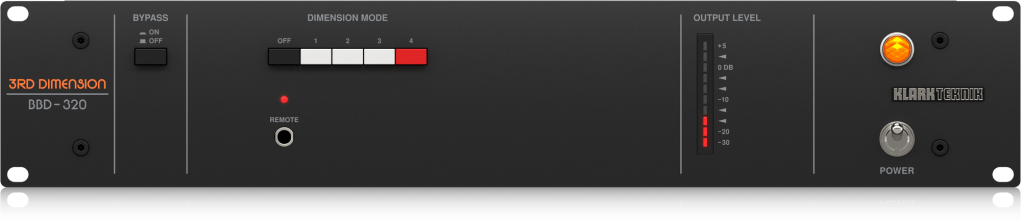
I was also curious about reprinted products, so I was looking around and came across a reprint of the Roland Dimension-D SDD-320, which Klark Teknik has been selling since around October of last year.
Above all, the price was about $150, and even including the shipping cost, it was only $200, so I thought a lot about whether or not to buy it because I thought there would be no tariffs. However, it was too risky to buy it blindly, so I looked up some reviews.
Fortunately, Gearslutz, now Gearspace, has conducted tests on all Dimension-D clones.

There were a lot of different things, including reprinted hardware, but surprisingly, the one I liked the most was Arturia’s Dimension-D.
So, I decided to put aside the hardware clone and buy a plug-in later.
Time passed like that, summer came, and I heard that Arturia had released the FX2.
As well as Roland’s Dimension-D, there was a Neve 33609 clone, an STA clone, and a bunch of other good-looking plugins. I was quite interested in it because I knew that the quality of the plug-ins bundled with Arturia’s audio interfaces was not bad.
However, it was sold for $149 as a launch discount, but I was not able to purchase it because I had already bought a lot of plugins due to other companies’ summer sales.
Meanwhile, I saw a post on a community ‘Cuonet'(Korean music community) that was recruiting FX Collection 2 experience groups, so I applied for the experience group.
Features of FX Collection 2
The existing FX Collection is
3 Filters: MINI, M12, SEM
3 preamps: 1973, TridA, V76
3 Reverbs: Plate-140, Intensity, Spring-636
3 Delays: Tape-201, Memory-Brigade, Eternity
3 Comps: VCA-65, Tube-STA, FET-76
It consisted of a total of 15 plugins.
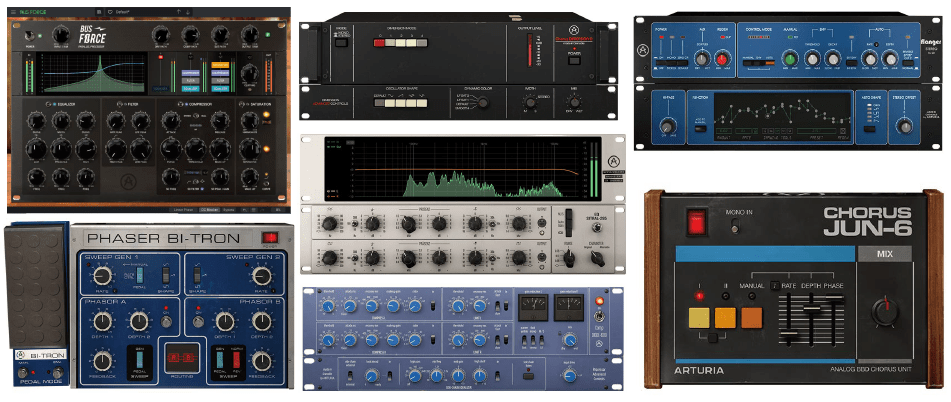
4 Modulations: Dimension-D, Jun-6, BI-Tron, BL-20
3 Mix Buses: Force, Diode-609, Sitral-295
With these 7 plugins added, it consists of 22 plugins.
Introduction to newly added plugins
The seven plug-ins added this time are all clones of existing hardware.
(BUS Force is slightly different. It is based on hardware, but it can be said to be a unique plug -in of Arturia)
Personally, I will take a closer look at Diode-609 and Dimension-D, which I personally find most interesting among the newly added plug-ins, and briefly look at the rest of the plug-ins along with their plug-in descriptions.
(I think it would take too much time to organize the remaining plugins..^^;;)
Bus Force
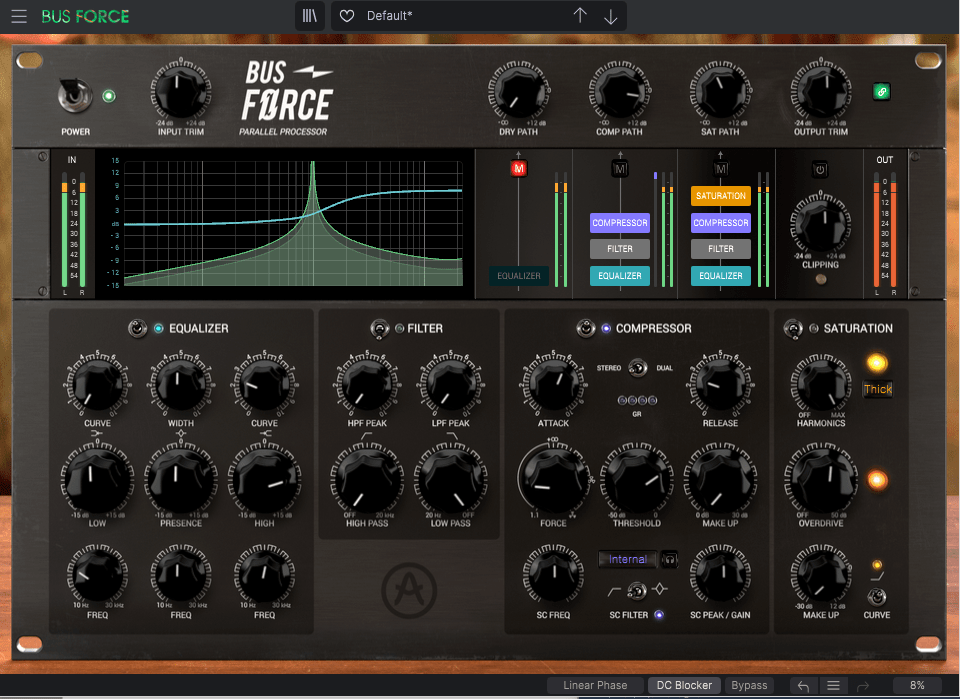
Bus Force is a plug-in designed to be attached to a bus stage like a typical Channel Strip plug-in.
They didn’t say exactly which one was cloned, but judging from the nuances in the manual and website description, it seems like the EQ was a clone of Pultec EQ and the filter was a clone of SEM’s Filter.
The compressor is only listed as a VCA type, but since it can even achieve negative compression, I think it is a combination of compressors such as dbx160, SSL G Comp, and API 2500 (I’m not sure about this). Saturation also seems to have various functions by combining several devices.
Signal Path is designed to solve all problems with one plugin.


The signal entering Bus Force is divided into three in the plug-in and subjected to parallel processing.
The first signal only takes EQ, the second signal takes Eq, Filter, and Compressor, and the third signal takes Eq, Filter, Compressor, and Saturation.
Each signal can be muted or its gain can be adjusted, and effects on each path can be removed. And finally, after the three signals are combined, they go through clipping and are sent to the final output stage.
- EQ
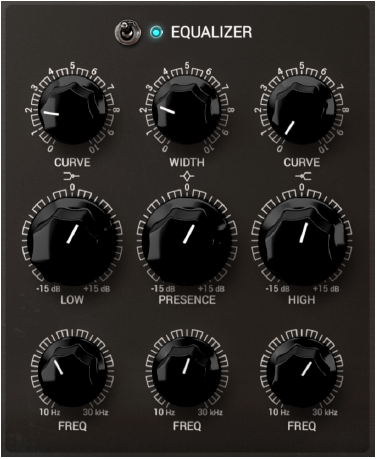
This EQ is said to be a reprint of Pultec. After experimenting with some samples myself and checking with Plugin Doctor, I was a little disappointed that Harmonic Distortion (Saturation) was not included.
(There is Saturation in the 3rd signal path, so I think you should use that)
However, I liked that the Q value and frequency value could be adjusted more flexibly than other Pultec EQ clones, and it seemed to create a smooth EQ effect well.
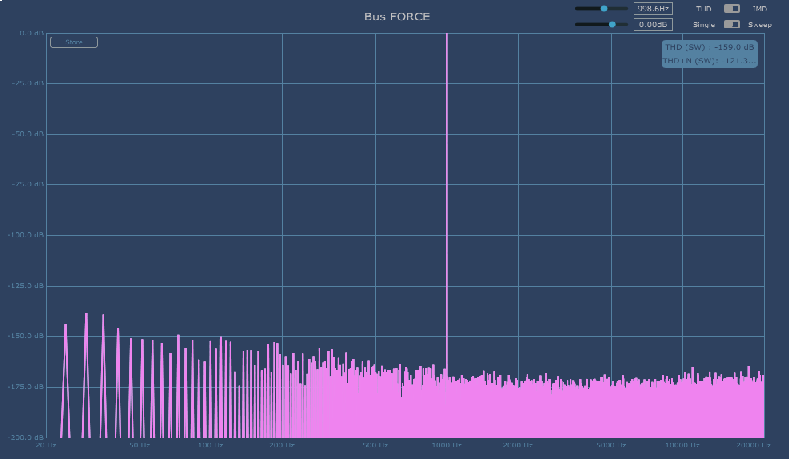
The manual says that if you want to preserve the feeling of air, try adjusting the Hi Frequency Curve to about 4.5.
In fact, if you adjust it like that, the air feel of the sound will come out a lot.
- Filter
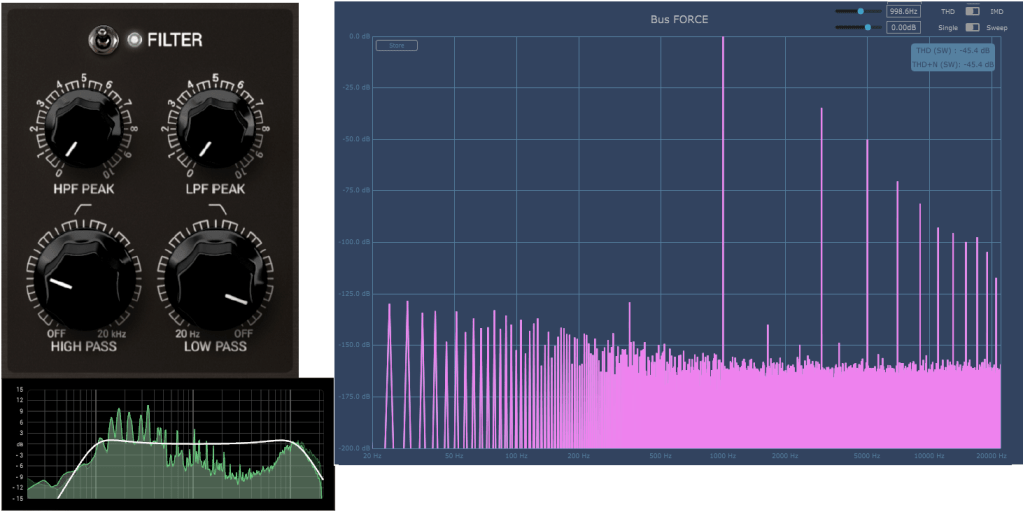
I don’t know much about filters in synthesizers, so I can’t say whether the clone was good or bad.
However, since it can create peaks, it seems to be convenient to use when organizing the bass, and it also seems to be useful for smoothing out the high frequency part.
The slope of each filter is 12dB/oct, which is commonly used in filters. Also, when the Filter is activated, Harmonic Distortion is added and Saturation is added.
- Compressor
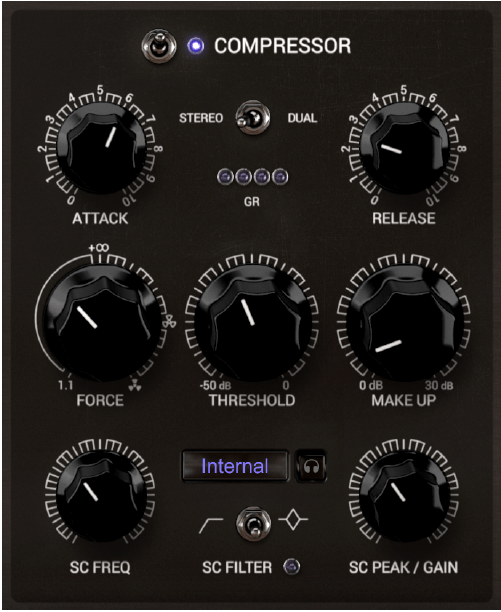
This VCA type compressor can receive internal sidechain and external sidechain signals and compress them. As a compressor attached to the bus, I was surprised that it expressed the feeling of glue better than I expected.
In particular, it was nice to be able to provide a frequency of up to 2000Hz when using the internal sidechain. This may be useful when giving signals using hi-hats or high-frequency percussion.
However, one thing that is disappointing is the GR lamp. One light comes on every time 8dB is attenuated, but in fact, it is not common to apply that much compression at the bus stage… Of course, you can apply strong compression and mix it in a parallel way…^^;;

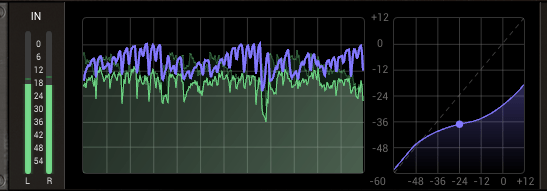
Ratio (Force) can range from 1:1 to minus, Attack can be adjusted from 1 to 300ms, and Release can be adjusted from 1 to 500ms. I think it would have been a little better if there had been an Auto Release like SSL G Comp or Neve33609.
Still, it was a compressor that seemed to be useful when you wanted clean compression.
- Saturation
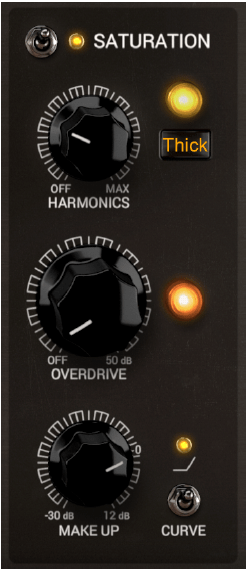
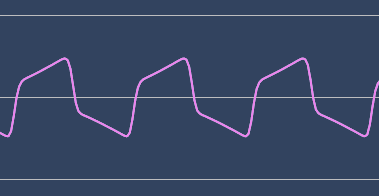
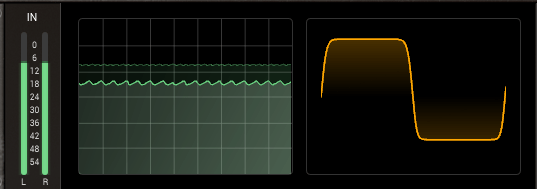
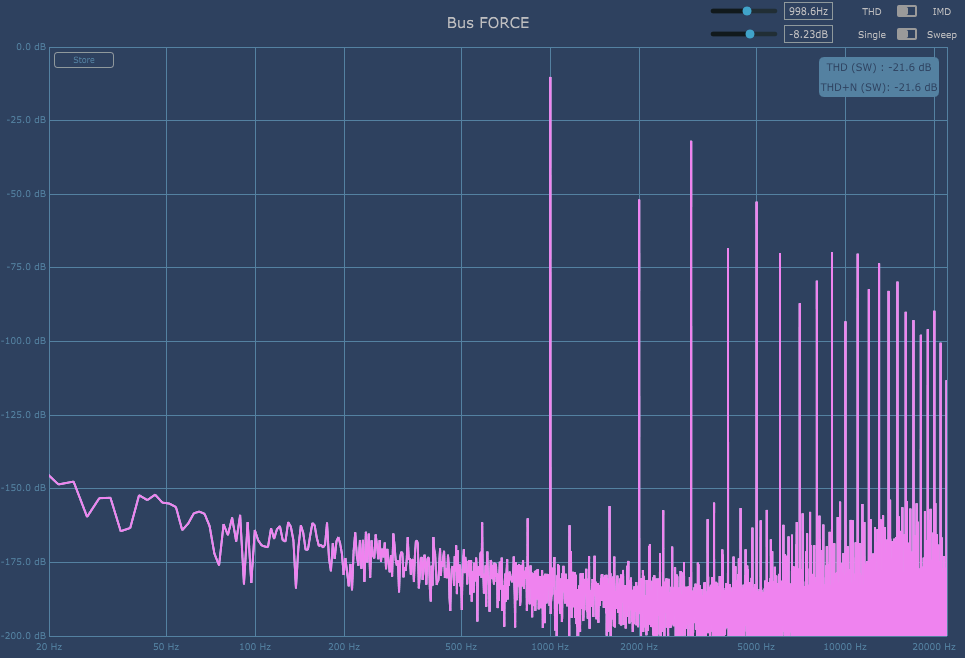
Saturation was very interesting. You can choose from three saturations: Thick, Odd, and Even, and the saturation is quite strong.
In particular, the saturation is quite strong in Thick. Even the slightest touch to Overdrive will result in significant saturation. The larger the value of both parameters, the more the waveform is affected.
- Clipping

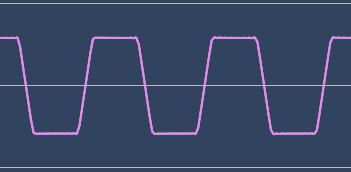
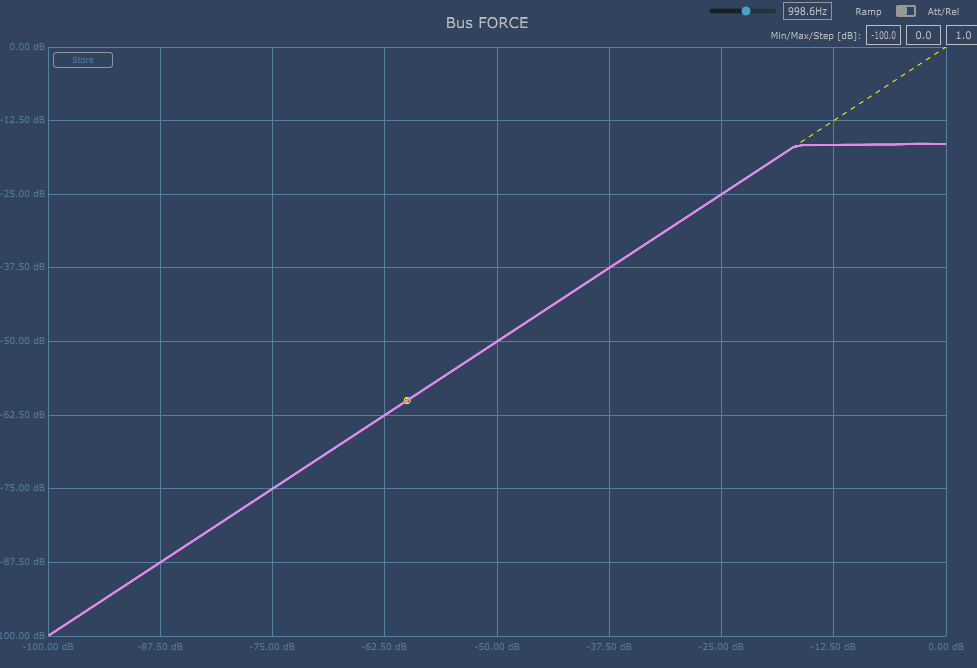

Clipping is literally a clipper. I expected it to be soft clipping, but it was just a very strong limiter.
The waveform is distorted into a square like a typical distortion pedal, and the compression is cut very cleanly. Harmonic Distortion also comes up. It was a bit disappointing that it wasn’t soft clipping.
- Bus Force overall review

There are one or two things that are disappointing, but I think the Compressor alone would be useful. However, the biggest drawback of this plugin is that it consumes a lot of CPU.
Even though I only used 3 inserts, it took more than 1/4 of the space… (The CPU was using an Intel 8th generation i7-8700)
I think it would be a bit difficult to use it multiple times other than literally attaching one or two to the final stage, such as the Bus stage or Master stage.
I really liked the Compressor.
If you purchase through the link above, I will receive a small commission, which greatly helps in running the blog.

 Jooyoung's Music Blog
One thought on “Arturia FX Collection 2 Plug-In Review (Part 1, Bus Force)”