Hello! I’m Jooyoung Kim, an audio engineer and music producer.
This semester, the CEO of Sorigio (a Korean acoustic construction company) is teaching one of our graduate courses. As part of the course, we visited Sorigio this past Thursday, so I wanted to share my experience!
Let’s get started!
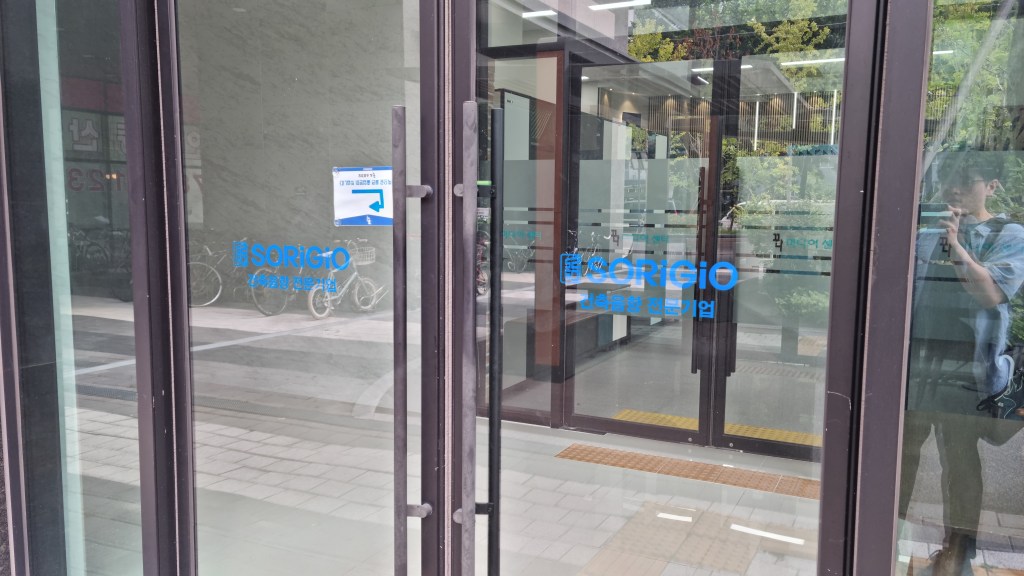
Sorigio is located on the first floor of the Jungheung S-Class residential-commercial complex in Yeongdeungpo. The door that faces the street is locked, but you can find the entrance around the side.
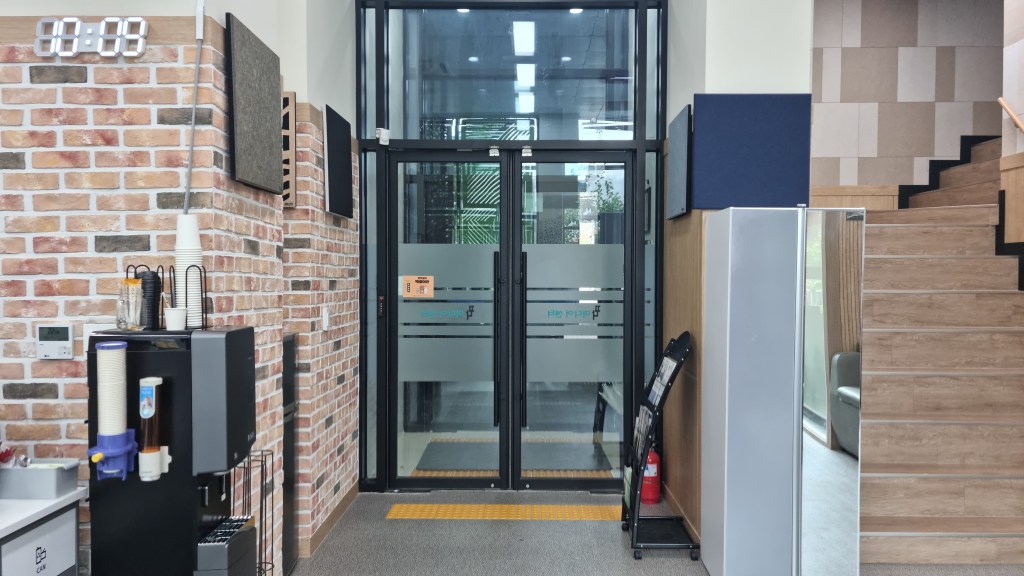
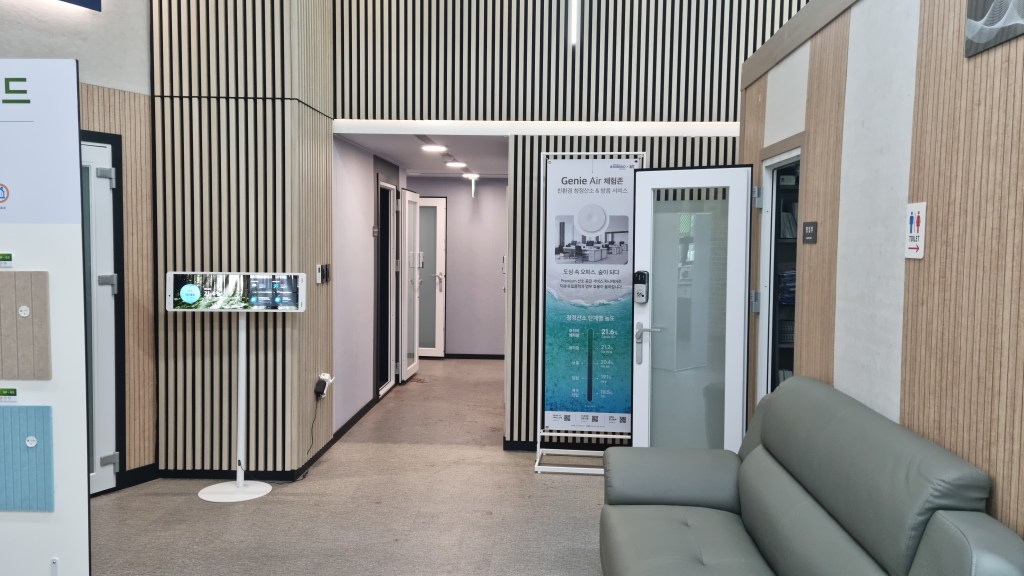
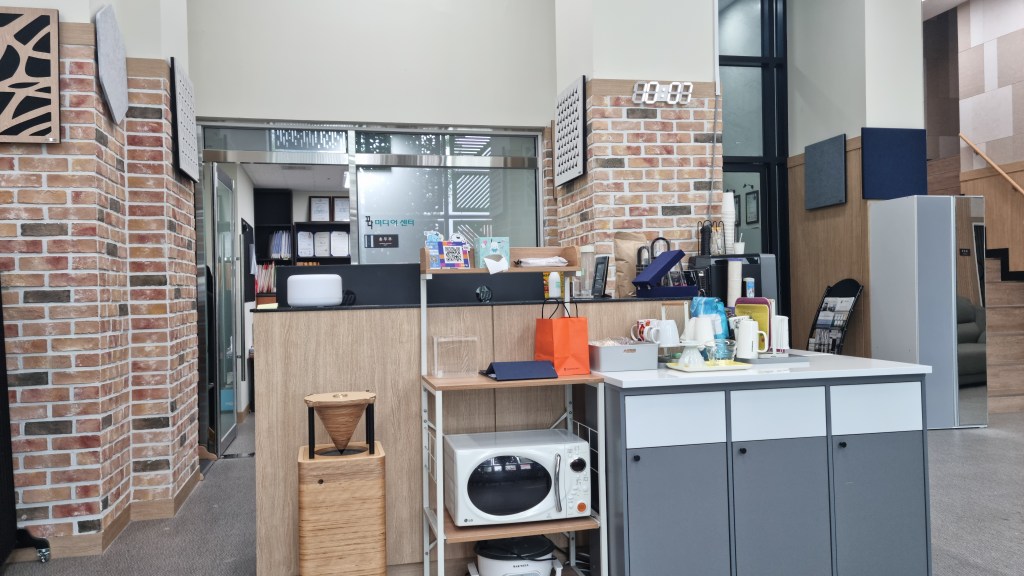
Once you step inside, this is what you’ll see.
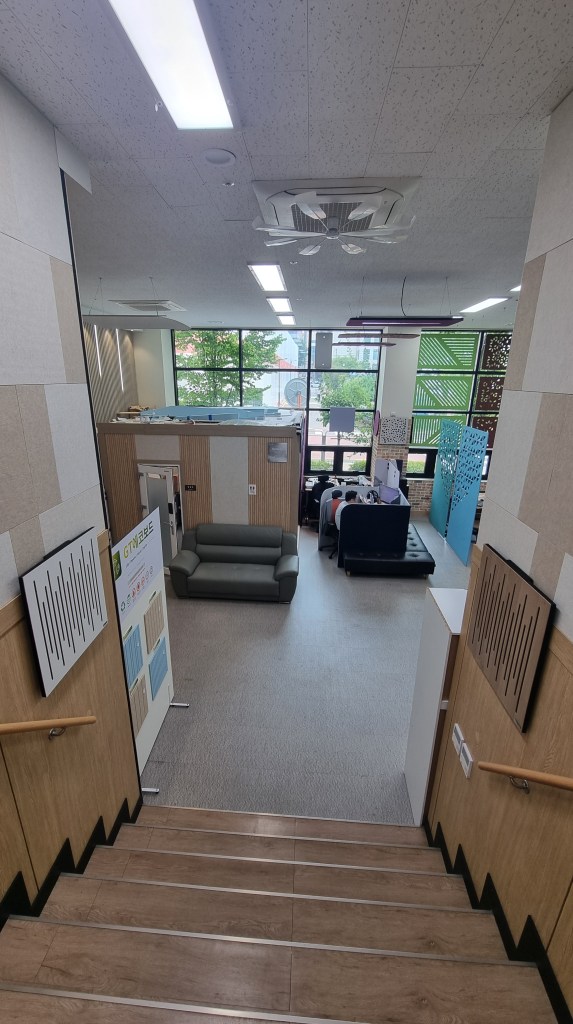
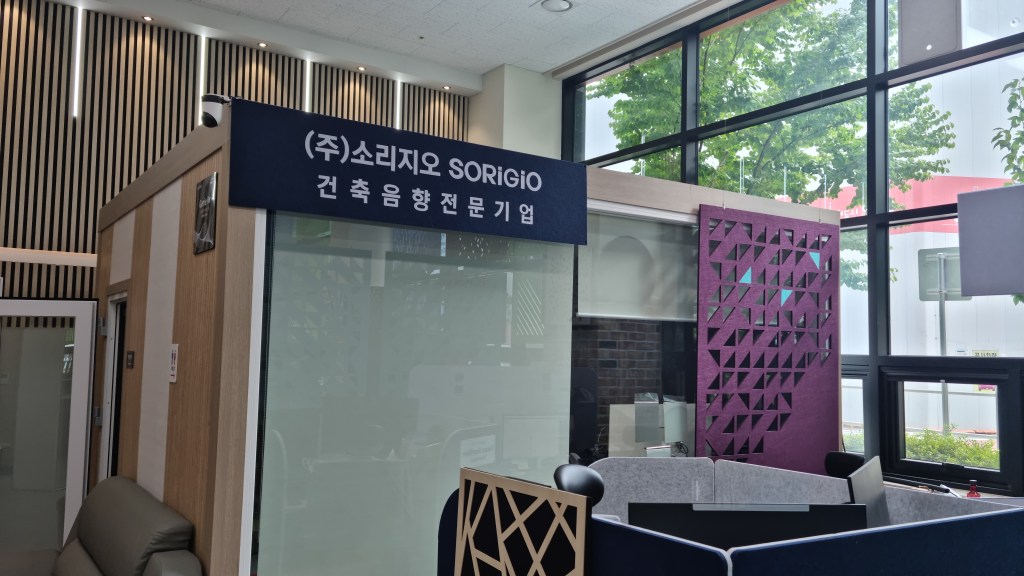
Here’s a view from the top of the stairs:
That area looks like it’s used as an office, and even the soundproof booths are repurposed as workspaces. I didn’t capture the ceiling in detail, but it’s quite high, and they’ve installed artboard clouds for sound absorption.
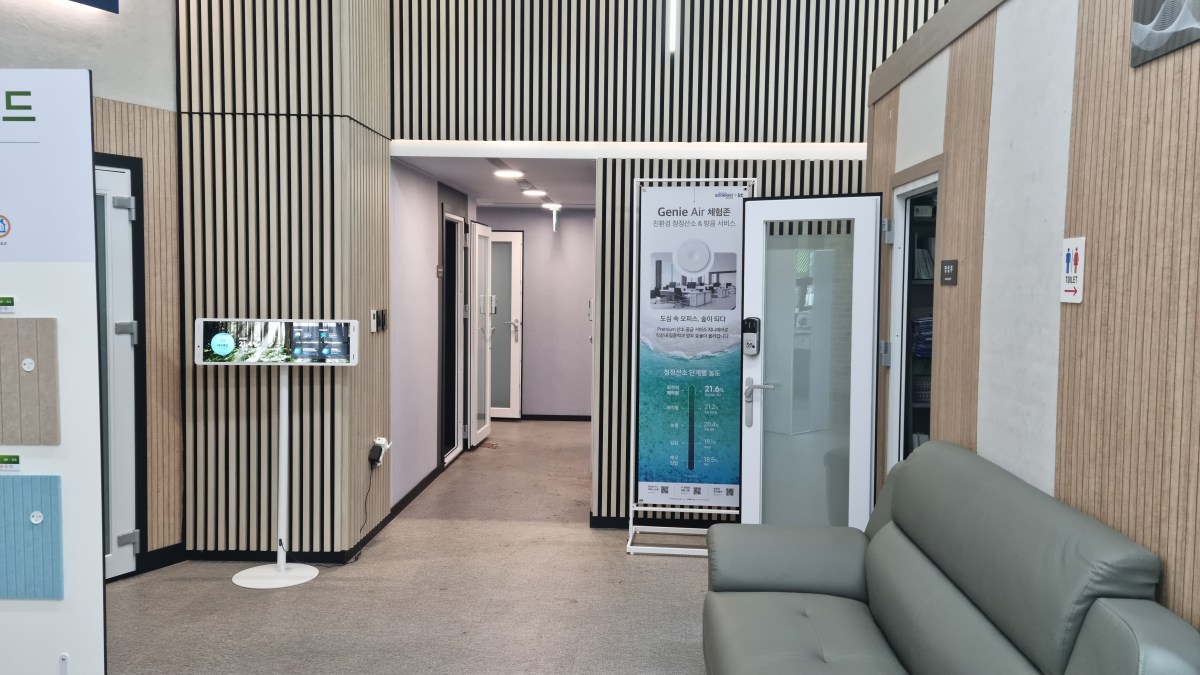
Next to the stairs, it looks like this.
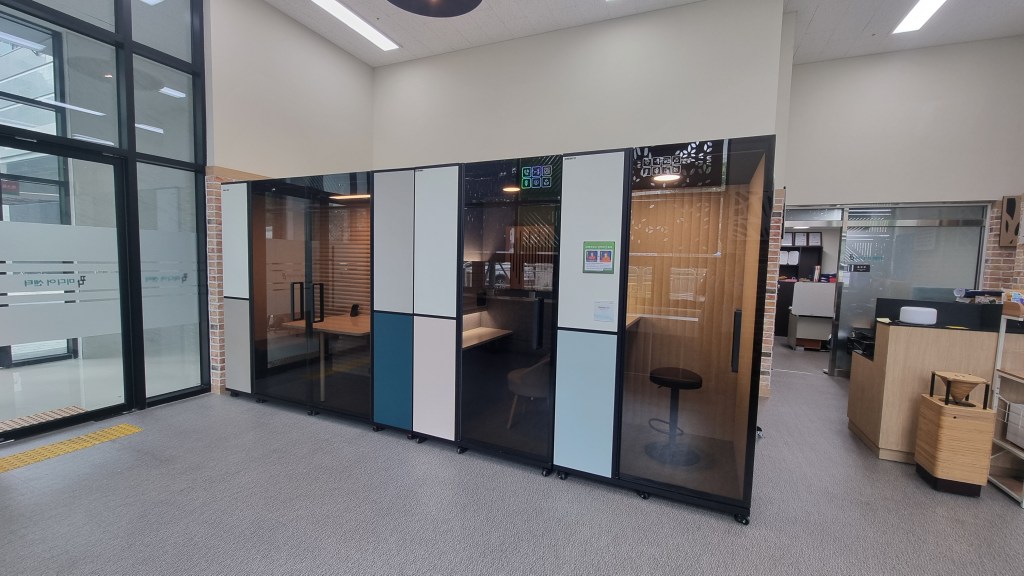
If you go further in, there are several soundproof booths. Originally, they planned to rent these out to artists, but due to the pandemic, they are now used as AI virtual interview rooms.
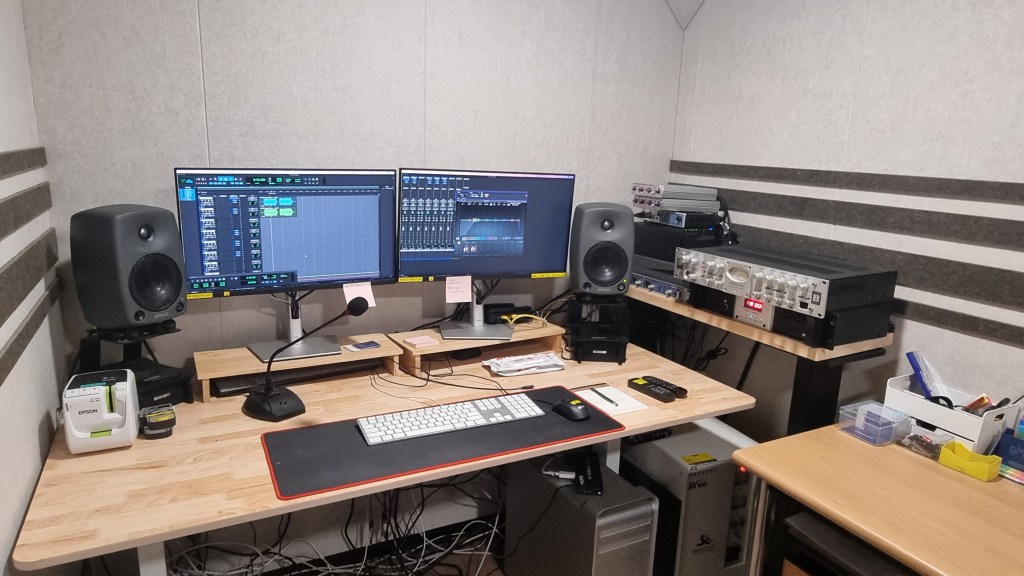
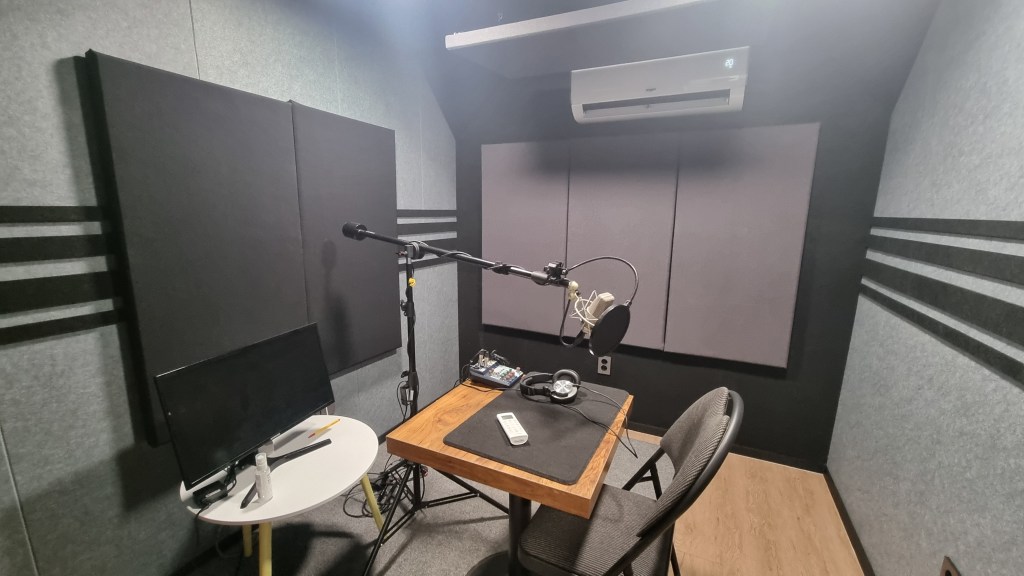
However, one of the booths is still used as the professor’s studio, and another is a recording booth. Recording is done with an Avalon VT-737 and a Neumann TLM 103.
You’ll notice that artboards are installed throughout the studio. During class, the professor showed us test results and examples of previous projects using REW (Room EQ Wizard). He mentioned that artboards have been Sorigio’s flagship product and technology since the early days.
What stood out to me was how the bass absorption rate changes significantly depending on how far the artboards are mounted from the wall, even though they’re just artboards!
Besides soundproofing and room acoustics, Sorigio also manufactures phone booths for businesses.
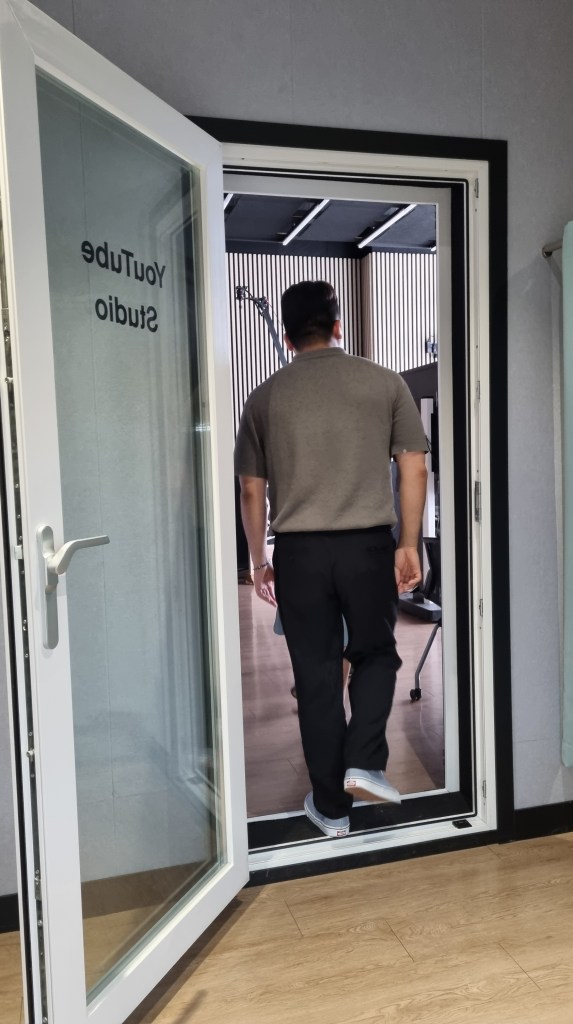
If you head back towards the stairs and go up…
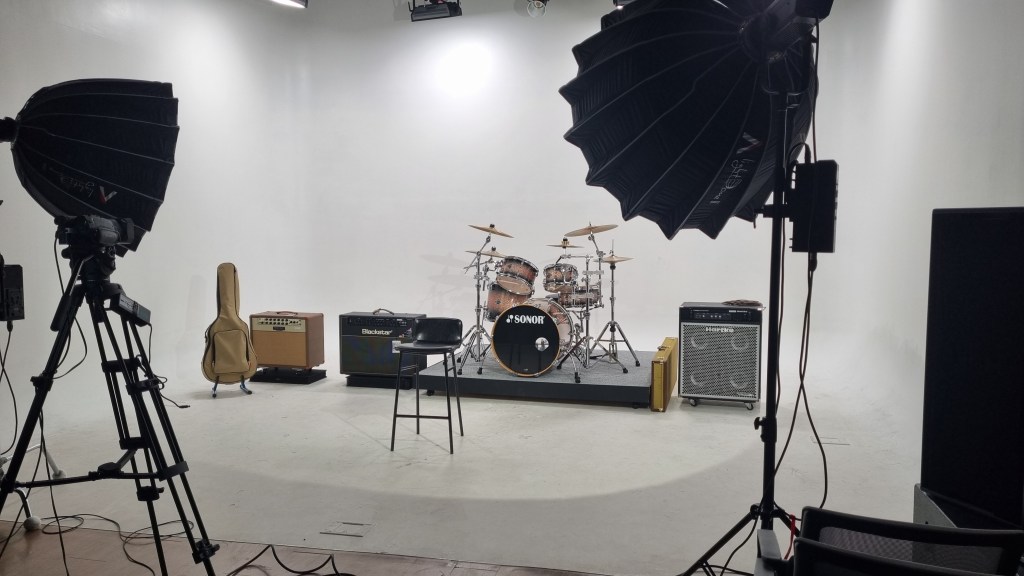
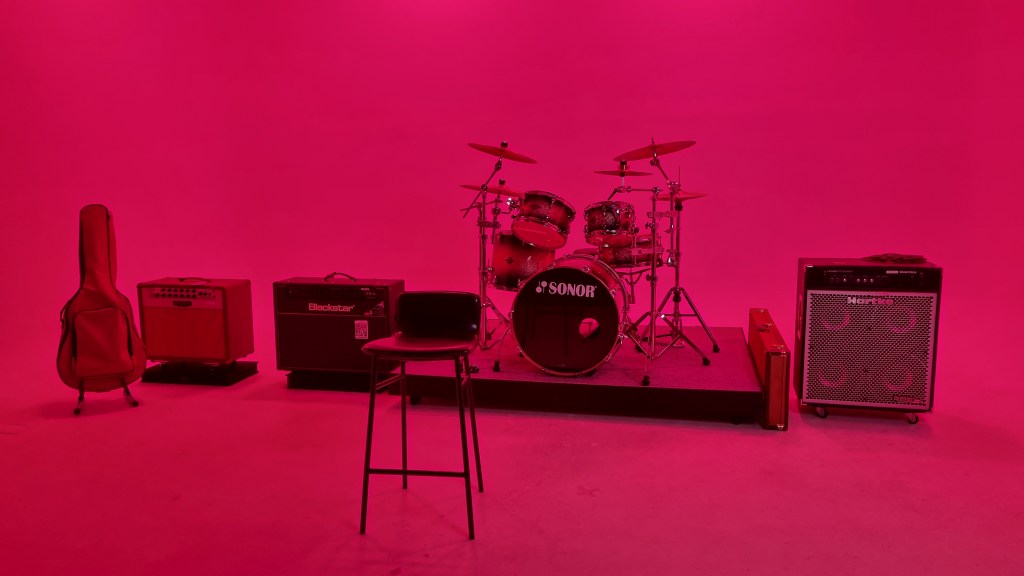
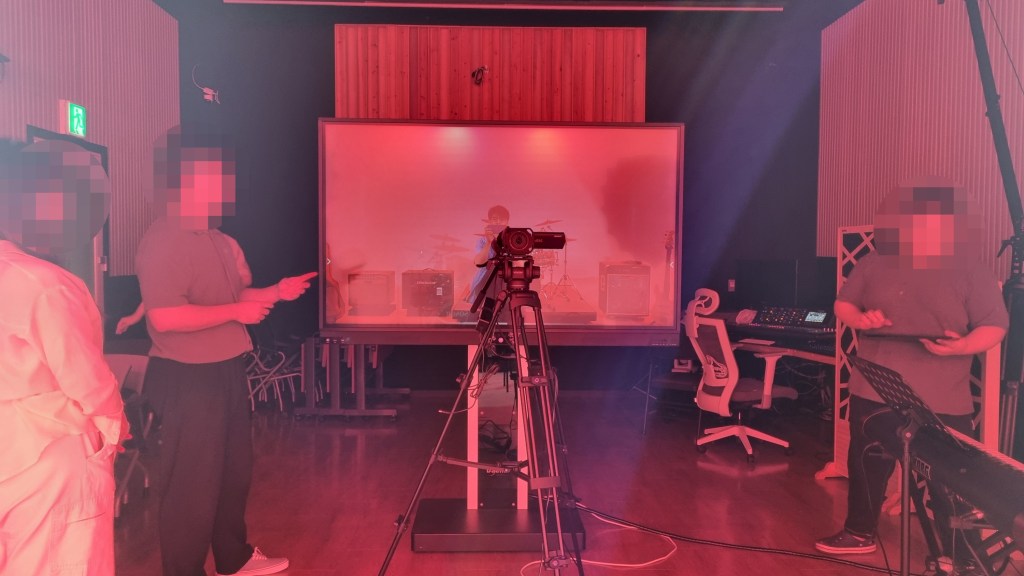
There’s a studio set up for filming.
They manage it using a Midas console.
They also have various lighting options to create different moods.
Here’s what it looks like from the center of the studio.
The high ceiling gave me the impression that this would be a great space for string recordings if it were converted into a recording room. I think we might end up working on a project here this semester!
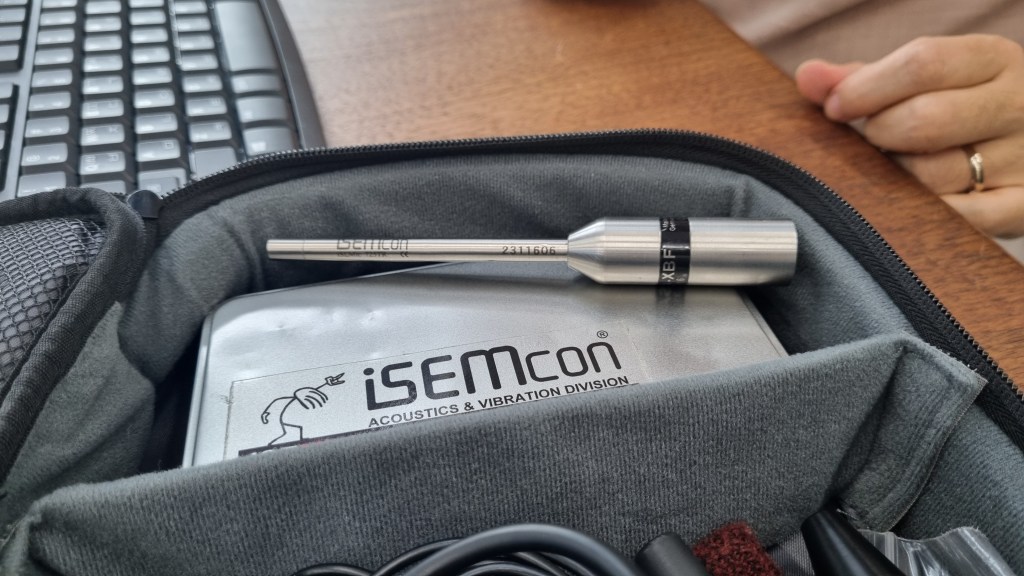
While I was there, we also conducted a room measurement in the recording booth to compare the difference between having the corner traps and panels installed versus removed.
They used a microphone from a company called Isemcon for the measurement. I’m more familiar with pricier options like Earthworks, Brüel & Kjær, and NTI Audio, so it was interesting to see a brand I hadn’t come across before.
There was a lot to see, and it gave me a lot to think about—like how much money it actually takes to build a proper studio room!
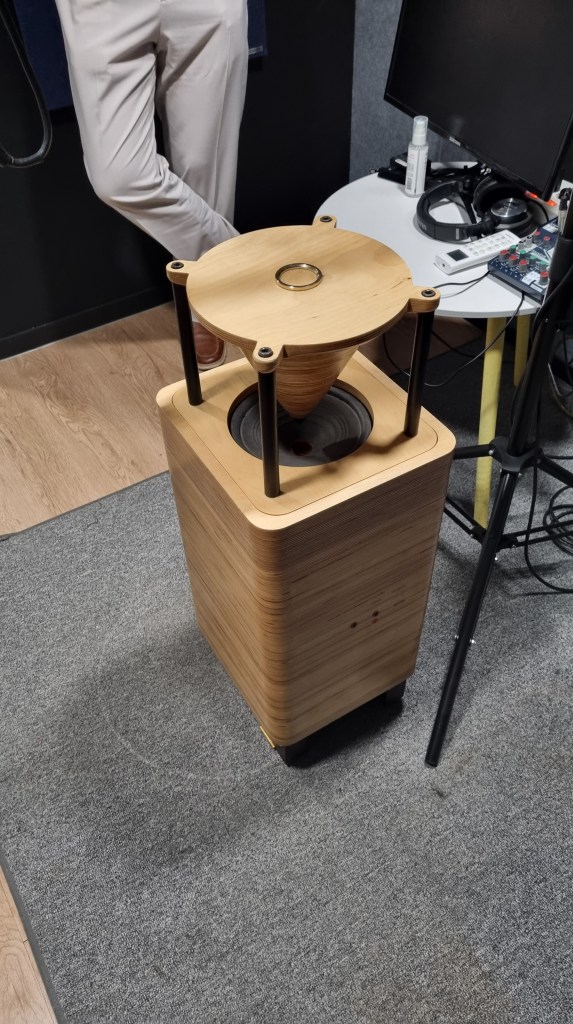
Recently, I’ve had my eye on the SPL Vitalizer mk2-T, which could be dangerous for my wallet… I already bought a passive speaker I couldn’t resist a few days ago.
I’ll be sure to write a review of the speaker in a few days!
Hello, this is Jooyoung Kim, an engineer and music producer.
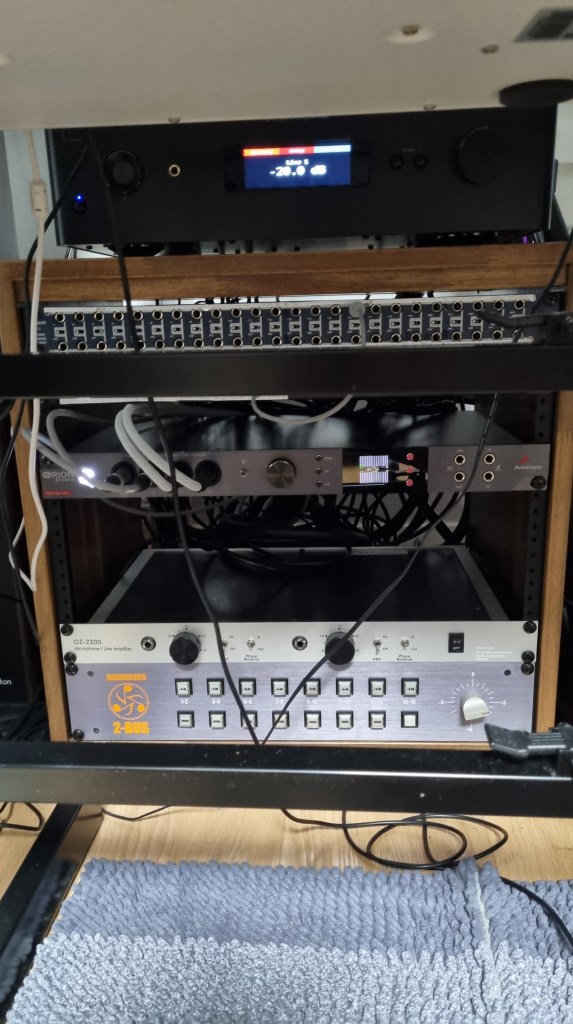
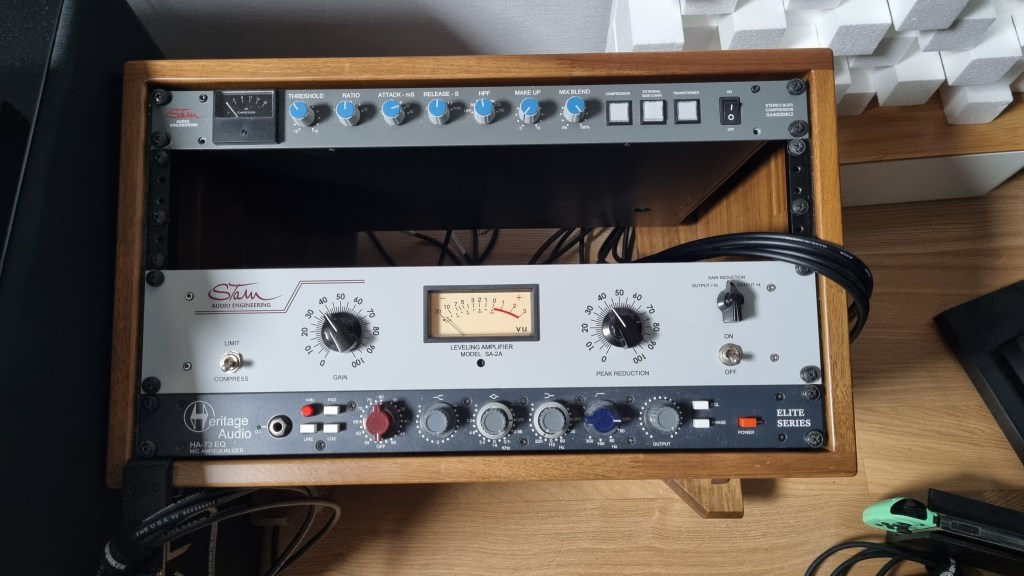
Previously, I mentioned that I had to custom order and repair a toroidal transformer for my Stam Audio SA-2A. After it was fixed and returned, I was quite satisfied. However, I realized I needed more rack space, so I decided to buy a new rack cabinet.
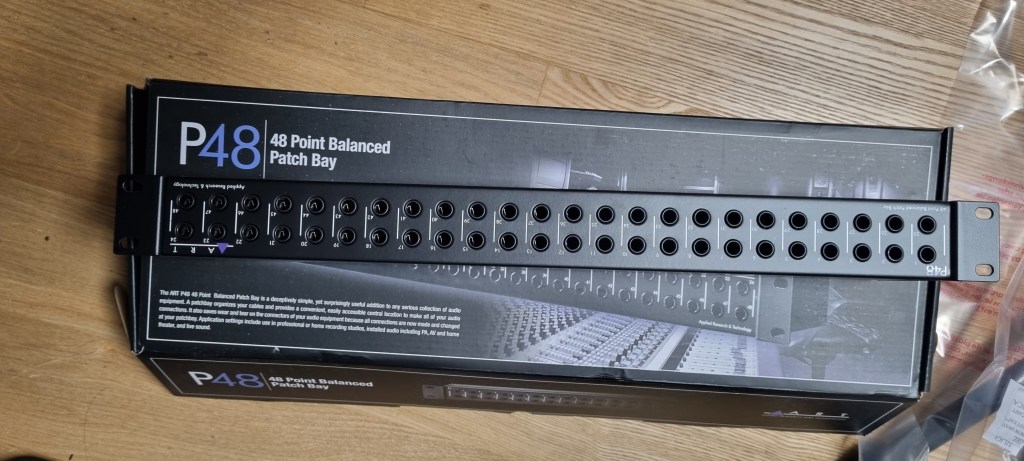
Thinking ahead about the additional equipment I’d be adding, I also bought a patch bay and cable connectors.
I wanted to get a Samson patch bay to match my other gear, but since there were no Samson S-Patch bays available for delivery to Korea on Amazon, I ended up buying the cheapest one that could be set to Normal mode.
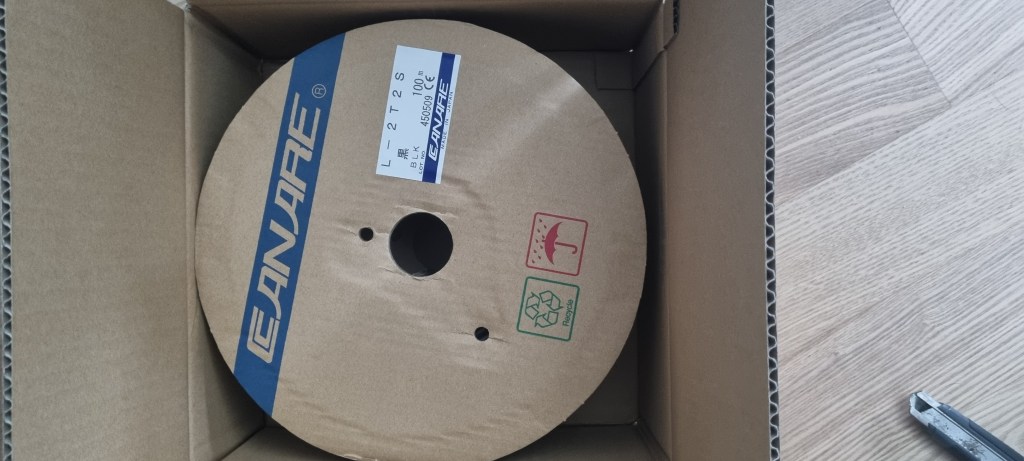
The yen was quite weak recently, so I took advantage of that when purchasing cables and connectors via Rakuten. I bought 100 meters of Canare L-2T2S cable and around 20 Neutrik TRS and XLR connectors.
After looking around, I decided to order a custom-made rack cabinet from Shinsun Workshop(Korean: 신선공방), as their products seemed the most suitable. Other ready-made options were either too shallow or too deep for my setup.
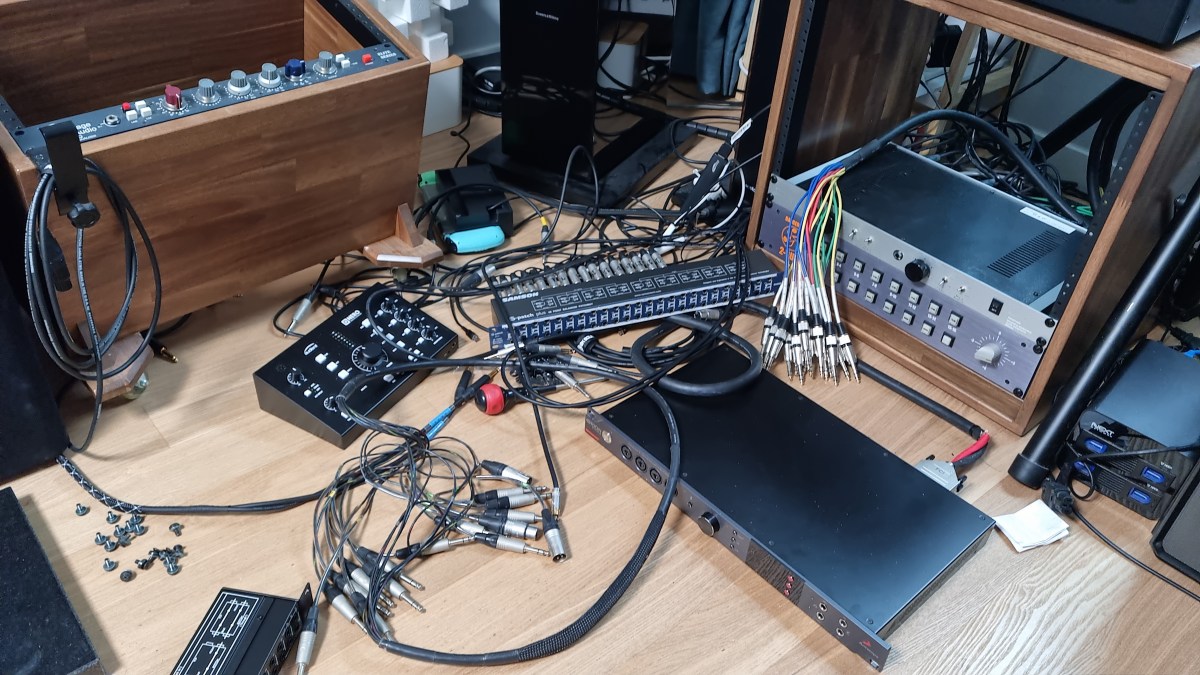
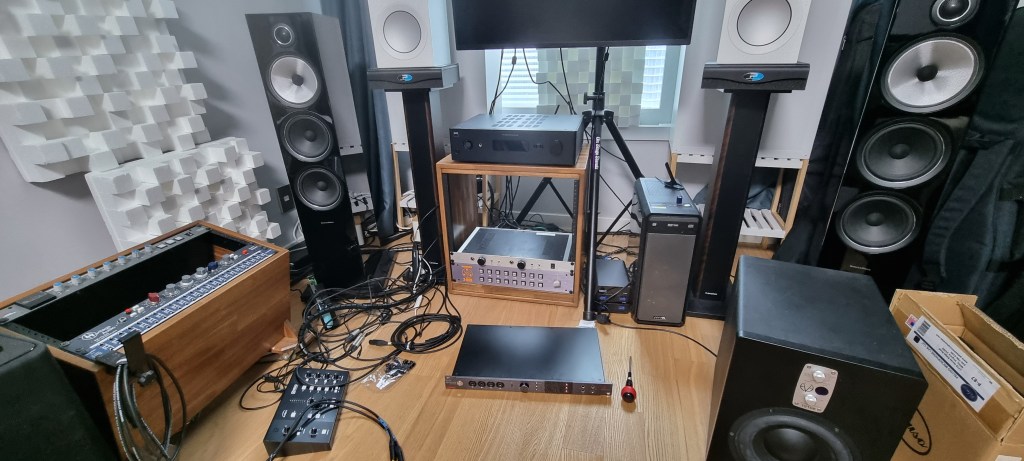
I pre-made the cables and installed everything.
Haha… It was quite a task. I started around 4 PM and finished by 11 PM, with breaks for meals. I even had to do some soldering because I forgot something with the multi-cable… haha…
But in the end, everything looked neat and tidy. I forgot to take a photo of the finished setup, though. After repeatedly sitting and standing, my legs were shaking the next day.
I plan to add a 2U tube preamp to the large rack cabinet, and a Behringer 369 to the smaller one. That will leave about 1U of space, which I might use for an API 2500 or a saturator later on.
I recall making a resolution last year not to buy any more equipment, but I’ve completely broken that promise. Despite buying things relatively cheaply, I should be spending money on releasing my songs. It’s quite ironic that I’m spending all my song budget on gear… Equipment addiction is real…
Lately, I’ve been collaborating with a contact I met through a previous project. We’re producing a few tracks together. Additionally, I’ll be recording and mixing a song for a regular client.
I haven’t posted much about my recent work or projects, but these collaborations have been fun, and I plan to share more once they’re finished.
Hello! I’m Jooyoung Kim, a mixing engineer and music producer. In this post, I’ll be sharing the process behind my single album released in 2021. Although the timeline might feel a bit off since I wrote this a while ago, I hope you enjoy reading about the journey.
The inspiration for the song began near a construction site close to my home.
From the year before last to last year, there was continuous construction right next to my house, which was extremely noisy. Towards the end of the construction, they seemed to be in a hurry, working even in the early mornings and sometimes on weekends, which was incredibly stressful. At the same time, I was dealing with some personal family issues that made things even more suffocating.
So, I pre-wrote the lyrics to express my desire to escape this situation. I started composing the song more concretely from February this year.
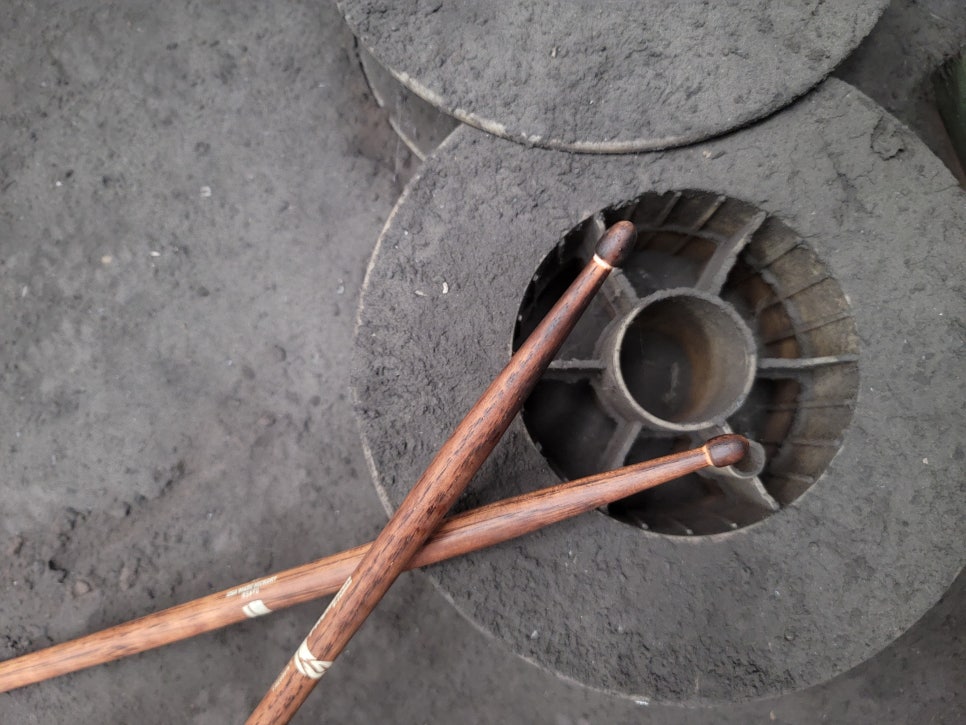
I wanted the lyrics to be fairly simple but impactful, so I aimed to incorporate rock elements. I also thought using unconventional industrial percussion could effectively convey the feeling of noise.
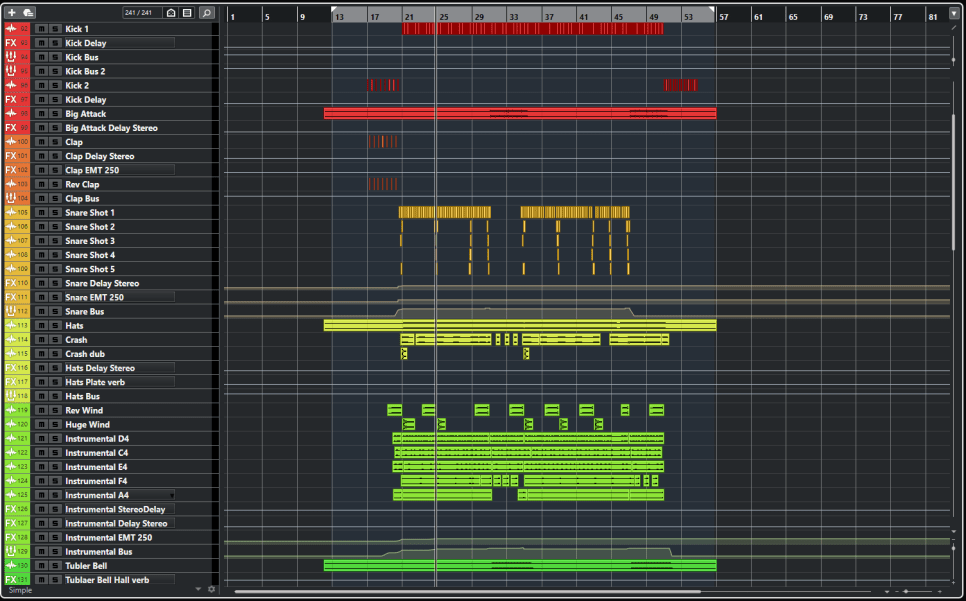
Thus, I used a snare drum with significant reverb and a strong attack, along with various metal percussion sounds and tubular bells used in orchestras.
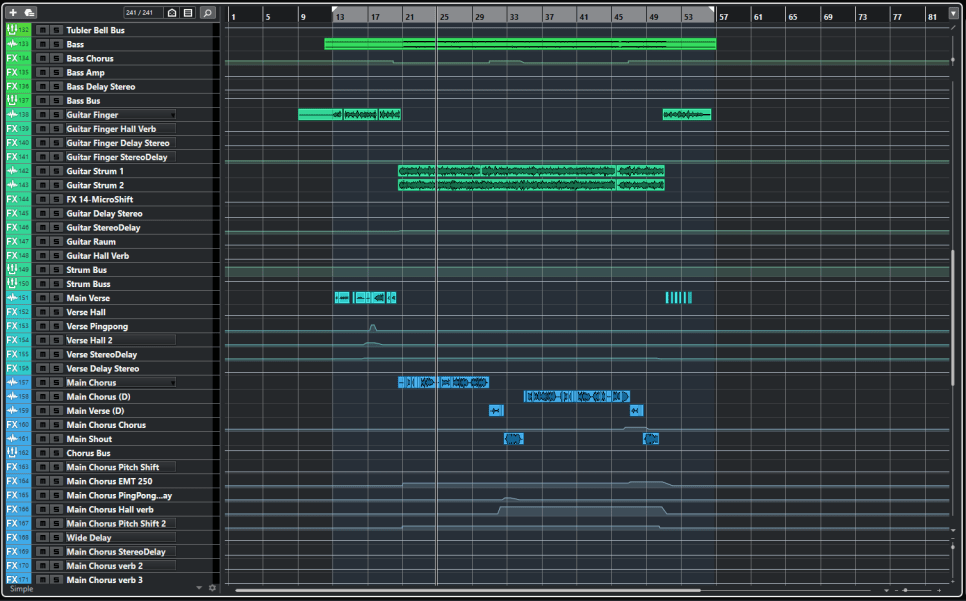
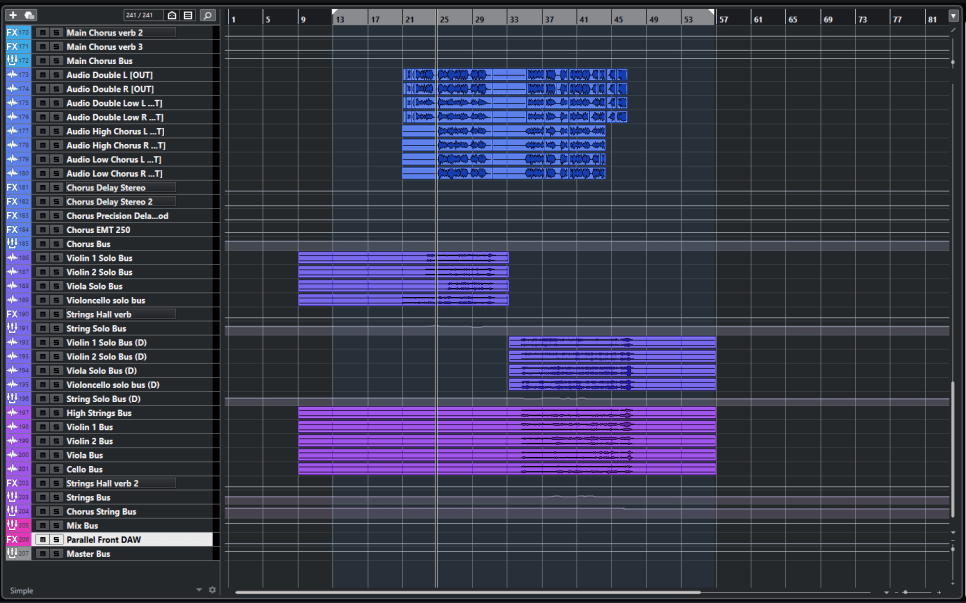
When I reopened the project file, I noticed I had used over 100 tracks for the mix (with 46 tracks for the instruments).
For the vocals, I used a Peluso P87 microphone, and for the guitar, a Peluso CEMC6. Both were recorded through the HA-73EQ.
Additionally, I recorded the guitars using different Nashville tunings for the left and right channels.
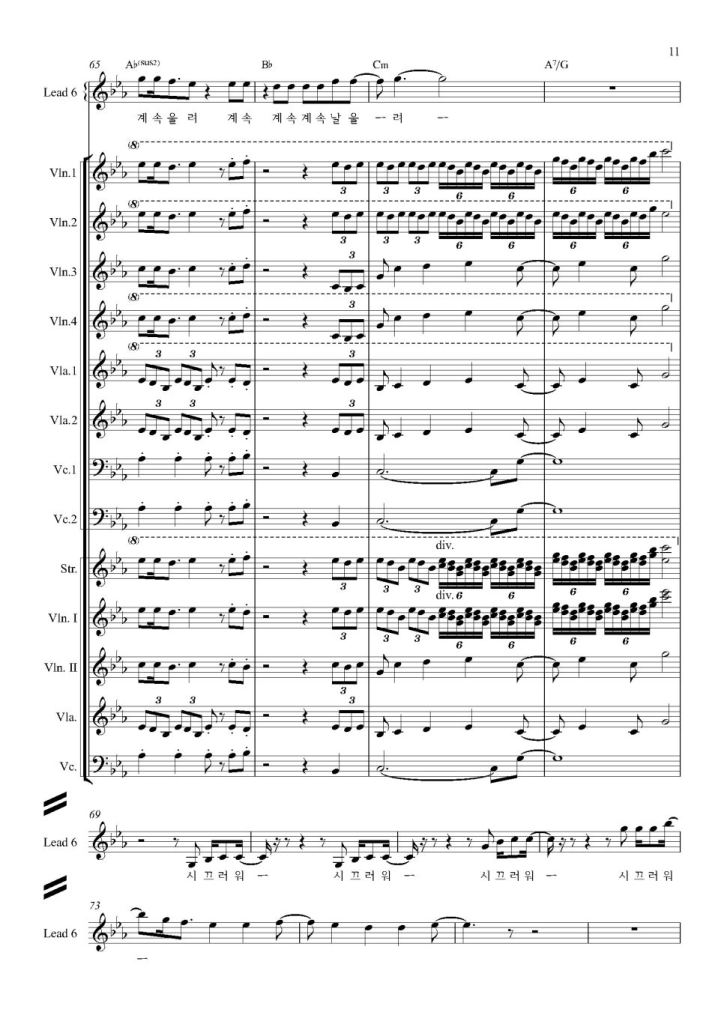
Apart from the percussion, I paid special attention to the strings. I arranged the parts separately using sheet music and included them through BBCSO.
Looking at some of the sheet music, you can see there are quite a few notes.. ^^;;
Orchestrating these instruments took as long as mixing them. Once I get more familiar with it, I’ll be able to work faster, but for now, I put a lot of intent into each part.
Another critical part I focused on was the beginning and end guitar sections. I tried to enhance the groove and rhythm through bass movement, and I hope it came across as intended.
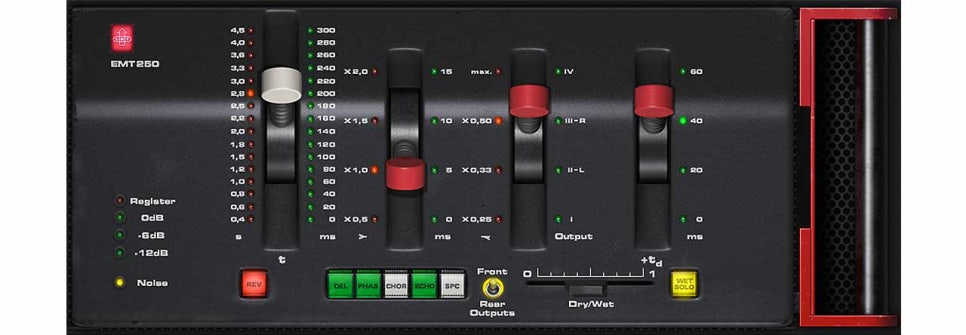
In terms of mixing, the EMT250 I purchased at the time played a significant role. Its broad and expansive reverb matched the song perfectly.
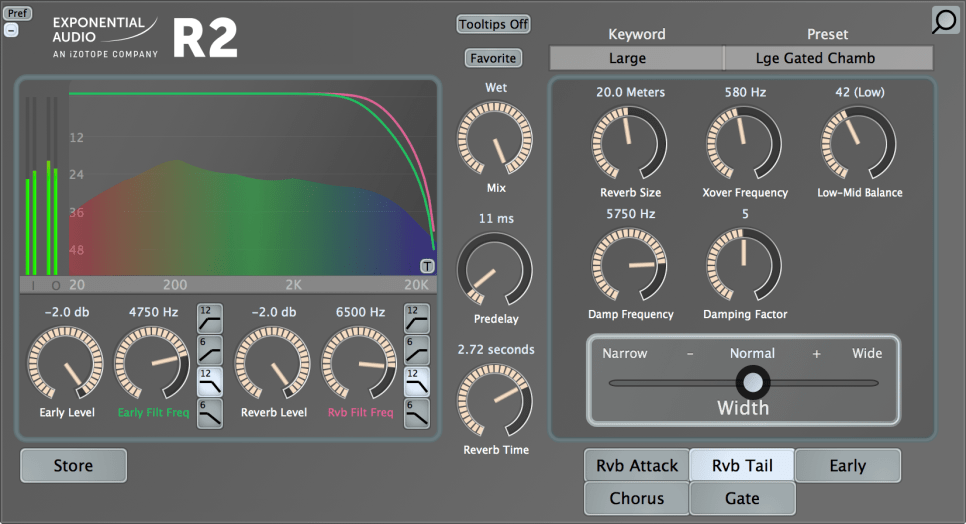
I got the R2 at a very reasonable price, yet its natural reverb exceeded its cost. So, I used it for the overall hall reverb.
Explaining every detail of the mix would take too long.. Another unique aspect of this mix was adding parallel saturation and heavy compression at the final mix stage to make the sound a bit noisier.
Other than that, there wasn’t any notable processing. The pitch and rhythm tuning, along with the volume automation, took the most time. Aligning the string tracks with the timing and articulation was a painstaking process, revisited countless times.
Thus, after completing all the composing, arranging, recording, and mixing, I sent the track to a mastering studio.
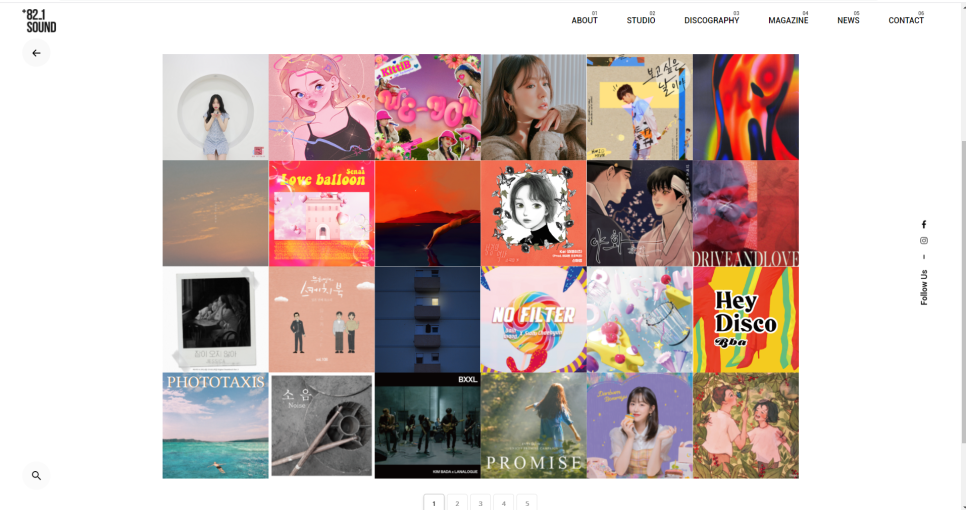
I’m always curious about how different places produce sound, and I wanted to visit the studio to check the sound directly if possible. So, I booked a session at 821 Sound Studio but had to conduct it online due to COVID-19.
On the mastering day, the engineer sent me the files, and I was immediately impressed by how well the sound was captured, so I gave my approval right away.
I had been focusing on the higher frequencies and missed some details in the lower range, but the engineer brought out the groove in the low end perfectly, which was very satisfying.
(The engineer provided two versions: one with more aggressive processing and another balanced version. The aggressive one brought out the groove I intended.)
My track is listed in the discography on the lower left side of the 821 Sound website.
Examining the waveform later, I was surprised by how dynamic it remained despite looking heavily compressed. It reaffirmed the importance of mastering engineers.
I had to wait for about three weeks for the appointment and felt bad about not being able to visit the studio. The engineer kindly invited me to visit once the COVID-19 situation improved, and I promised to do so when possible.
I also worked on the music video simultaneously. I collaborated with PD Kilsangmun, who operates as a one-man team.
We had a Zoom meeting before the shoot to discuss the direction, color, and feel of the music video.
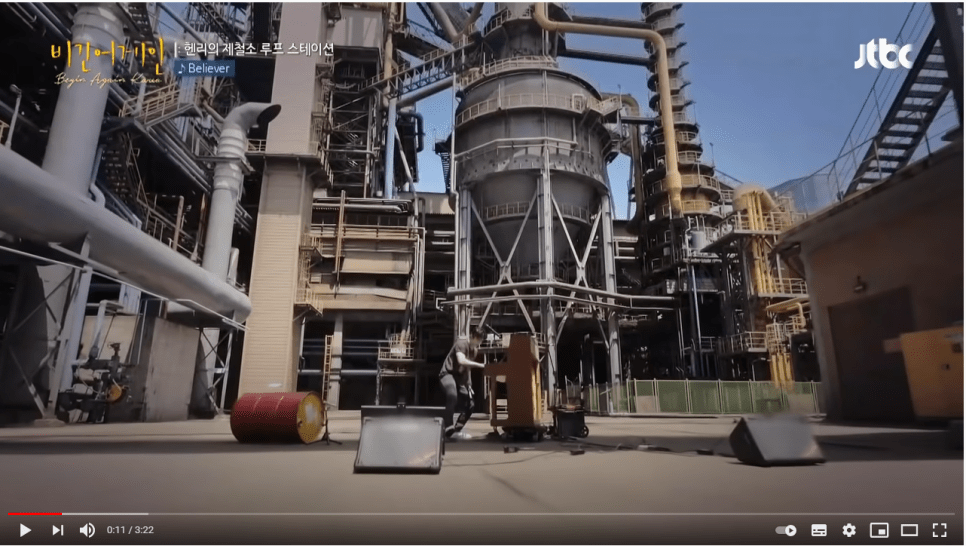
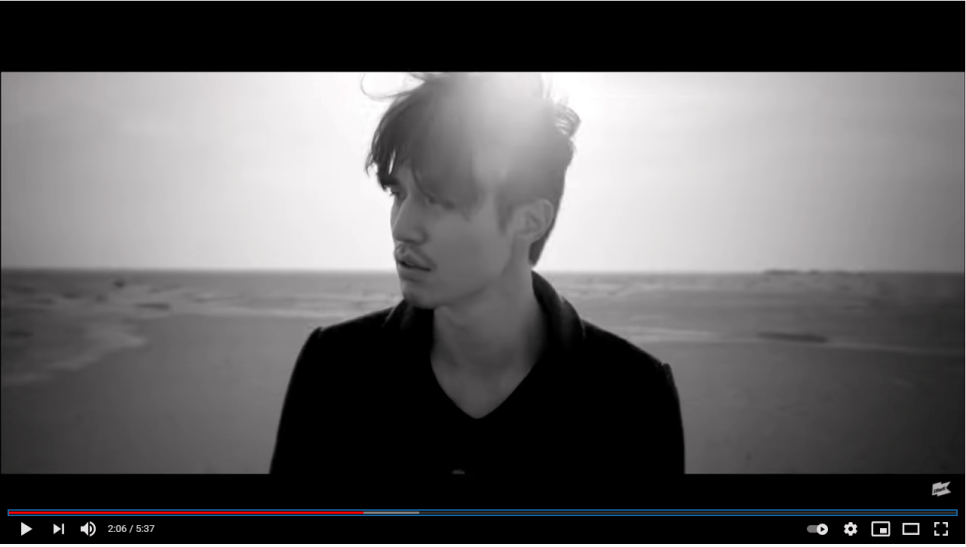
I wanted to shoot in a setting similar to the backgrounds in Rain’s “Gang” music video and Henry’s loop station scenes from JTBC’s “Begin Again.” I also wanted the color tones similar to Kim Dong-ryul’s “Lonely Voyage” and Replay by Wonder K.
The PD had a different interpretation of “noise,” viewing it as the overwhelming information in the world and wanting to depict an escape from it.
After exchanging ideas, the PD sent a plot. Unlike my previous music videos, the PD handled the entire story this time.
The initial plan was to film people overwhelmed by information like noise in a 3D effect, but we decided to go with a more traditional music video approach if that proved too challenging.
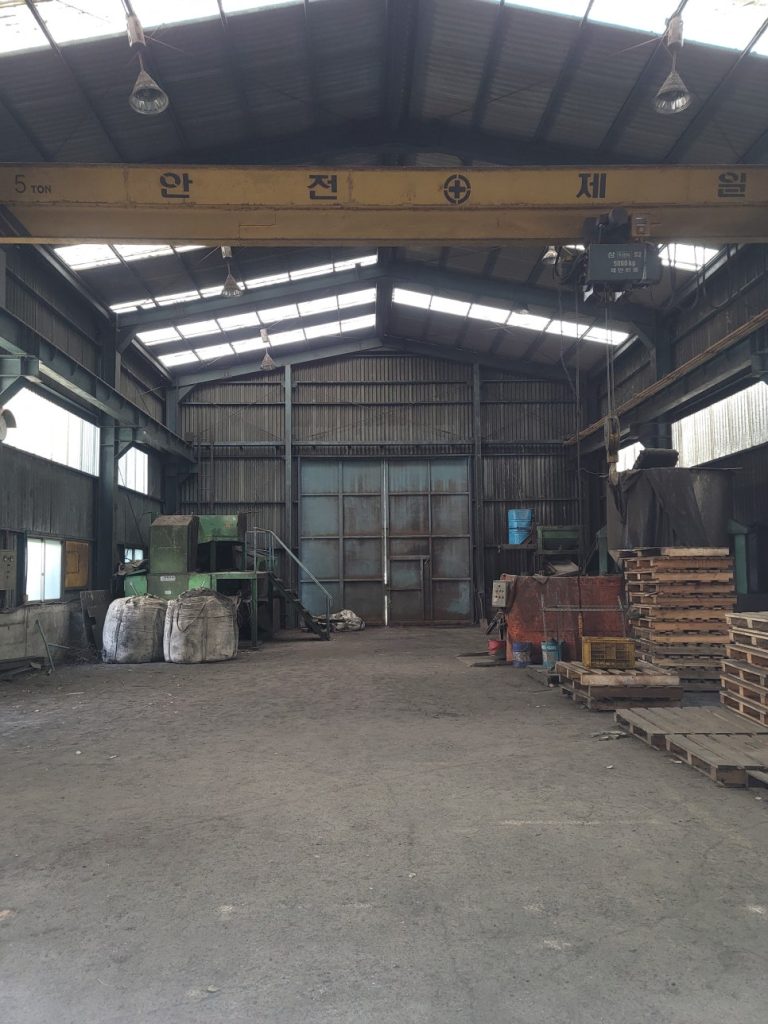
We chose an abandoned factory in Pohang for its low cost and nearby sea for additional shooting locations.
A few days before the shoot, I realized we hadn’t discussed costumes. Since I didn’t have the budget to buy new outfits, I used my own clothes.
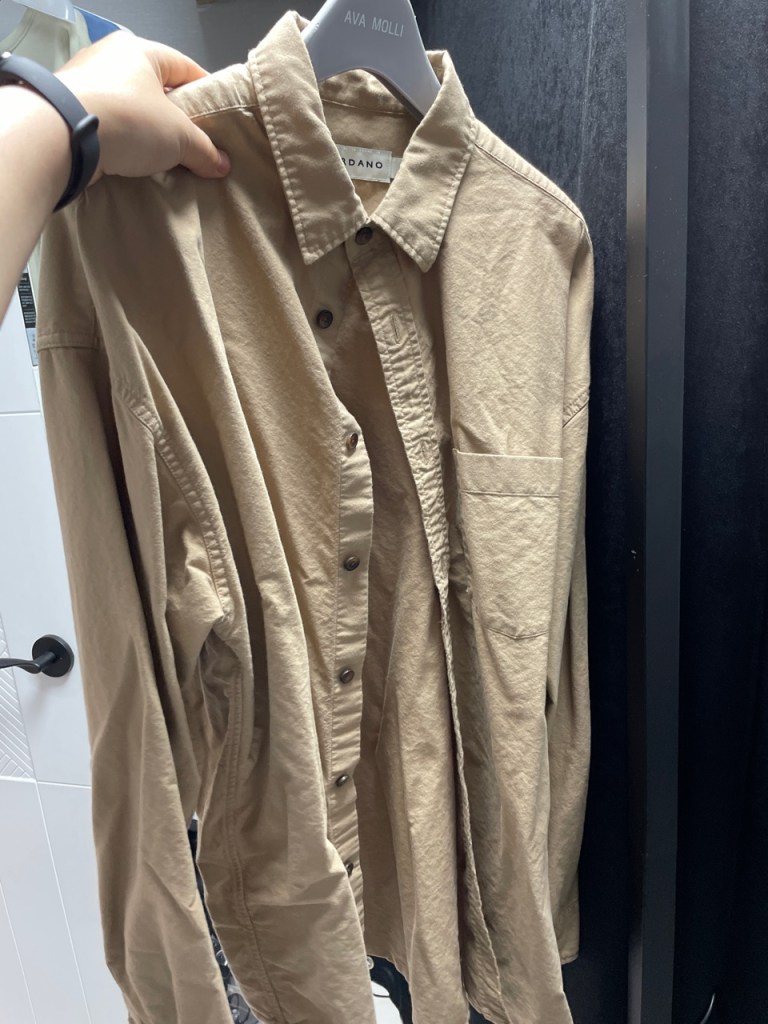
The PD wanted a work uniform or khaki pants look, but I mostly had semi-formal or denim styles. So, we decided on a white t-shirt and blue jeans, with the PD providing an additional shirt.
We scheduled the shoot for Sunday, July 18th. As the PD works solo, he drove us to the location (I felt bad since I have a dormant license..).
We started early at 5 AM and arrived at the beach in Pohang around 10 AM. We began with the beach scenes as it would be difficult to shoot after sunset.
The sky seemed ready for rain, and the forecast predicted rain in the afternoon.
We shot the beach scenes, including multiple takes of running scenes from various angles. The PD ran alongside me, both of us sweating but with some relief from the breeze.
After about two hours of shooting until noon, we debated whether to eat. Both of us tend to feel unwell if we eat on important days, so we skipped lunch as well.
Instead, we had some snacks and rested at a cafe before heading to the abandoned factory.
The factory was dusty, with lots of dust kicked up during drone shots.. ^^;;
Eventually, my clothes were soaked, and shooting became difficult. I had a spare white t-shirt, so I switched between the two.
Despite the physical toll, it felt liberating once everything was done. As we hadn’t eaten all day, I offered to treat the PD to anything he wanted on the way back. However, most places at the rest stop were closed except for a few restaurants.
Feeling sorry, I promised to buy him a drink once the music video was out, but COVID-19 has made meeting up difficult.
We also took photos for the album cover at the factory. Ironically, the first photo we took turned out to be the best, which I edited for the album cover.
The PD drove us back, and we returned around midnight.
Two weeks later, on July 27th, the editing was complete. We decided to go with the second option without the 3D effects as the PD found it challenging.
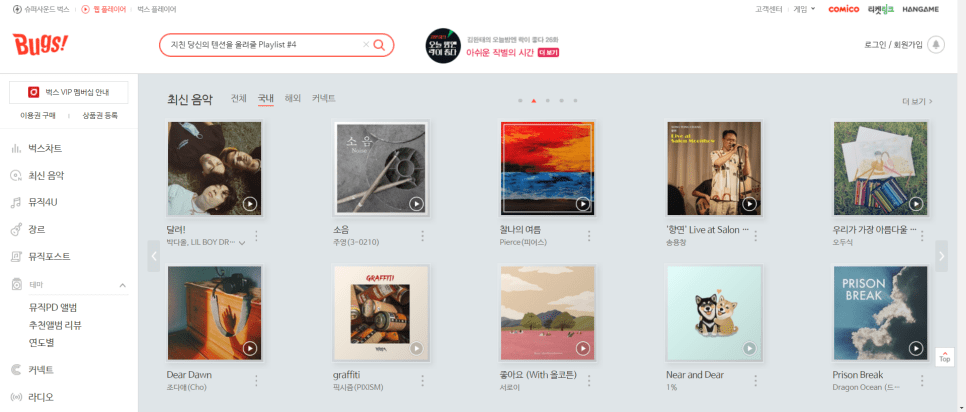
This time, it seemed more niche, and it didn’t get featured prominently elsewhere, but thankfully Bugs featured it on their main page.
That’s the end of this song’s production diary. I couldn’t write in great detail as time has faded some memories, but I hope you found it interesting! 🙂
Hello, this is Jooyoung Kim, a mixing engineer and music producer.
Some time ago, I briefly saw a bow for an acoustic guitar. I wanted to buy it, but it was too expensive to justify purchasing it as a novelty.
Time passed, and when I was ordering a toroidal transformer for device repair from AliExpress, I wondered if they might also sell guitar bows. To my surprise, they were selling them very cheaply. I decided to purchase from a seller with a decent number of reviews and buyers.
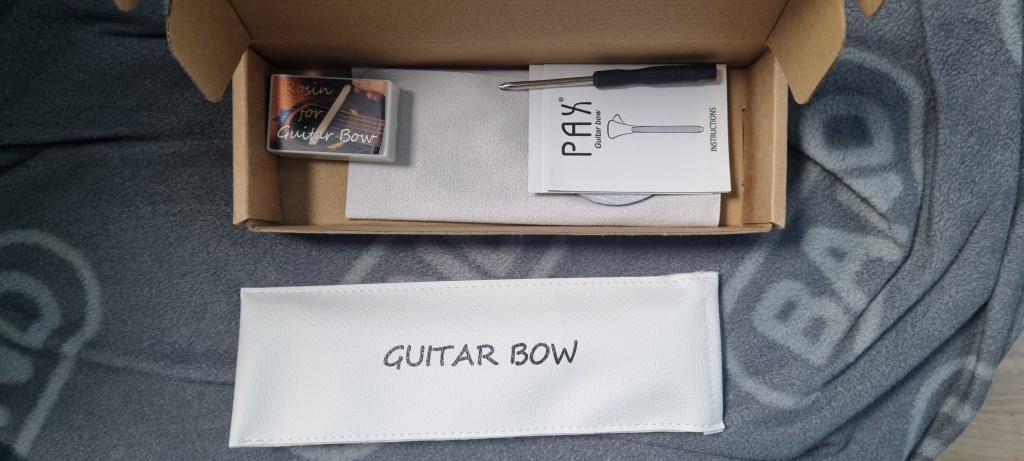
The packaging was quite neat, which was surprising. Including shipping, I think I paid around 15$, and they even included rosin. The package contents seemed quite substantial.
Below is a video I recorded with my phone camera, so the quality isn’t great.
Due to the structure of the guitar and the bow, you can play double stops.
I also tried bowing sideways to see if I could play all six strings simultaneously, but the bow was too short, and I couldn’t apply enough pressure to produce a sound. A better guitar might produce a smoother and richer sound, but I didn’t want to use too much rosin and risk it absorbing moisture and becoming sticky.
When playing, I noticed that if the bow touched the guitar’s harmonic points, the sound would break. It was quite challenging to play, and I realized I might have underestimated it.
Originally, I planned to use this bow to dub MIDI recordings of violin parts, since recording strings can be expensive. However, it might be too difficult. The bow is too short for fast pieces, and the speed required would make it even more challenging.
On the other hand, it seems quite effective for fiddle techniques often used in country music, such as tremolo effects and repeated staccato chords. I think I’ll try writing some pieces incorporating these elements.
I have some songs I’ve been working on, but I haven’t released anything recently. This year, I plan to release at least three songs.

















 Jooyoung's Music Blog