Hello? This is Jooyoung Kim, an audio engineer and a music producer.
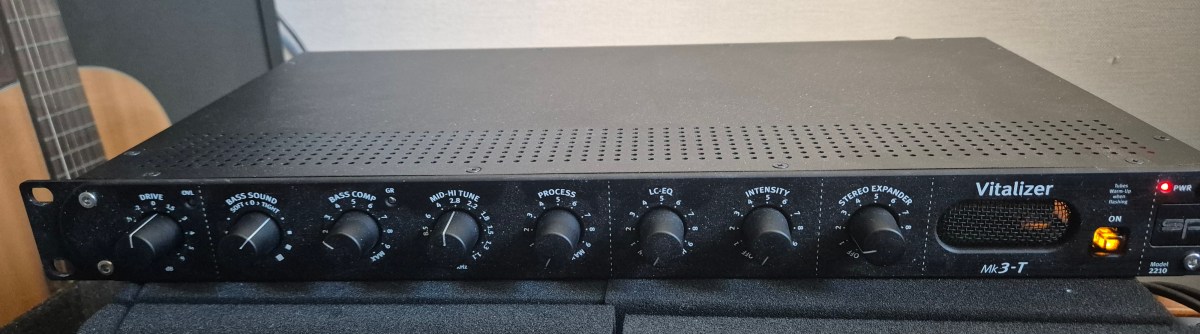
Today, I want to describe the SPL Vitalizer MK3, which is a saturator, compressor, EQ, and stereo enhancer. There are some similar concept equipments like SSL Fusion, Wes Audio ngOmniBox, and etc…
In the past, processors like the Aphex Aural Exciter and Orban 222A were widely used for psychoacoustic and spatial processing. While many classic hardware enhancers eventually faded with the rise of digital plugins, the SPL Vitalizer carved out a unique and enduring niche. Thanks to its distinct audio character and proven studio utility, SPL has consistently updated the unit, bringing us to modern iterations like the MK3-T.
Vitalizer has various versions. In the time sequence, it can be organized like this: SX2 -> SX2 Pro -> Stereo Vitalizer model 9319, 9320 -> Classic Vitalizer Model 9215 -> Stereo Vitalizer Jack model 9736 -> Stereo Vitalizer Mk2 -> Tube Vitalizer -> Stereo Vitalizer Mk2-T -> Stereo Vitalizer Mk3-T.

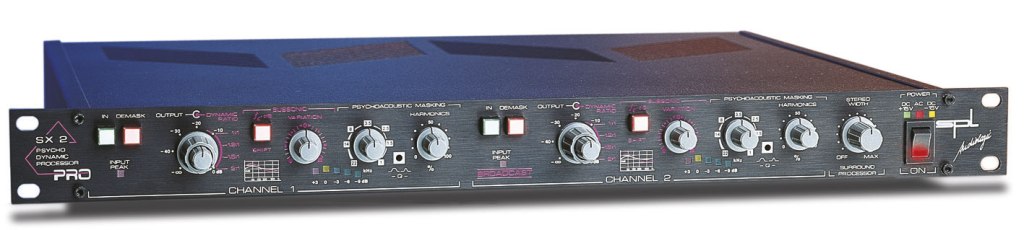

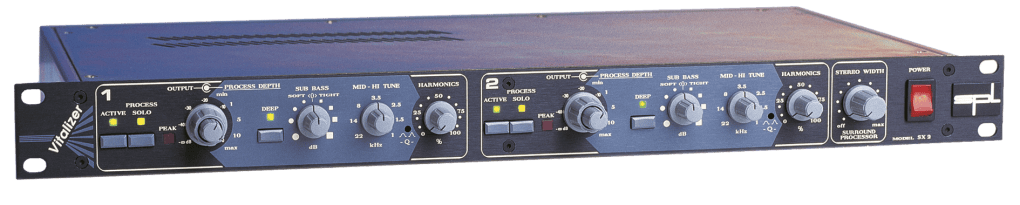

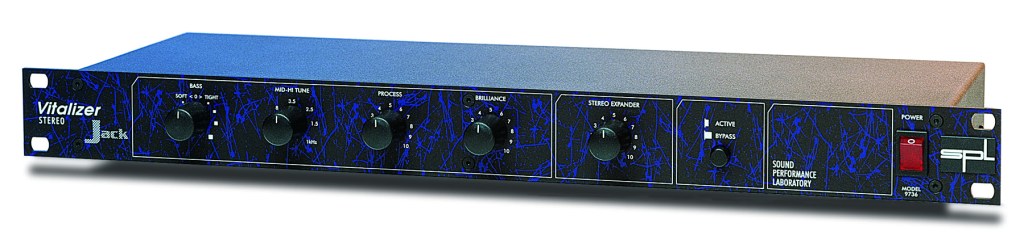
With the introduction of the Tube Vitalizer, SPL incorporated vacuum tubes into its amplification stages. The original Tube Vitalizer featured three ECC83 (12AX7) tubes.
Each ECC83 is a dual-triode tube, meaning it contains two independent triode sections within a single glass envelope. These two sections can be used as separate amplification stages, for example, to process left and right audio channels.
In contrast, the Stereo Vitalizer Mk2-T and the newer Mk3-T each feature only two 12AX7 tubes, with one dedicated to the Mid-Hi Tune filter and the other to the Stereo Expander.



However, the Drive control is not directly intended to control tube saturation. Instead, it adjusts the input level feeding the filter network. Therefore, the harmonic distortion observed at higher Drive settings should not be attributed directly to tube saturation.
The interaction of these different processing stages creates a unique texture and timbre that I personally enjoy.
Now, let’s take a look at some measurements I made.
Measurements
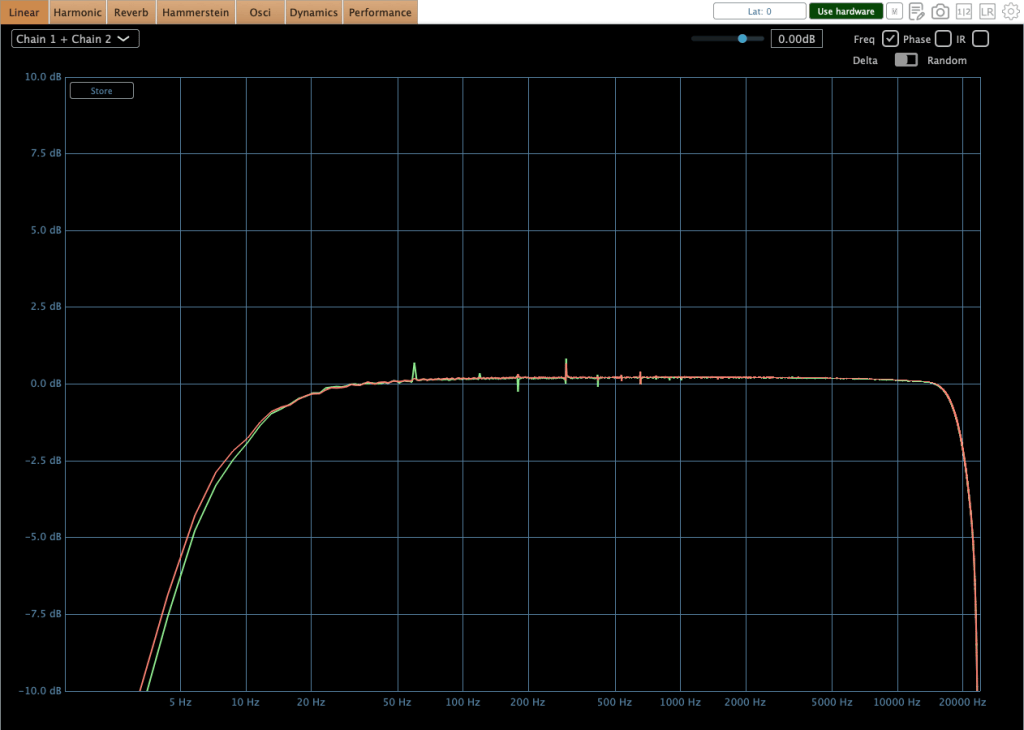
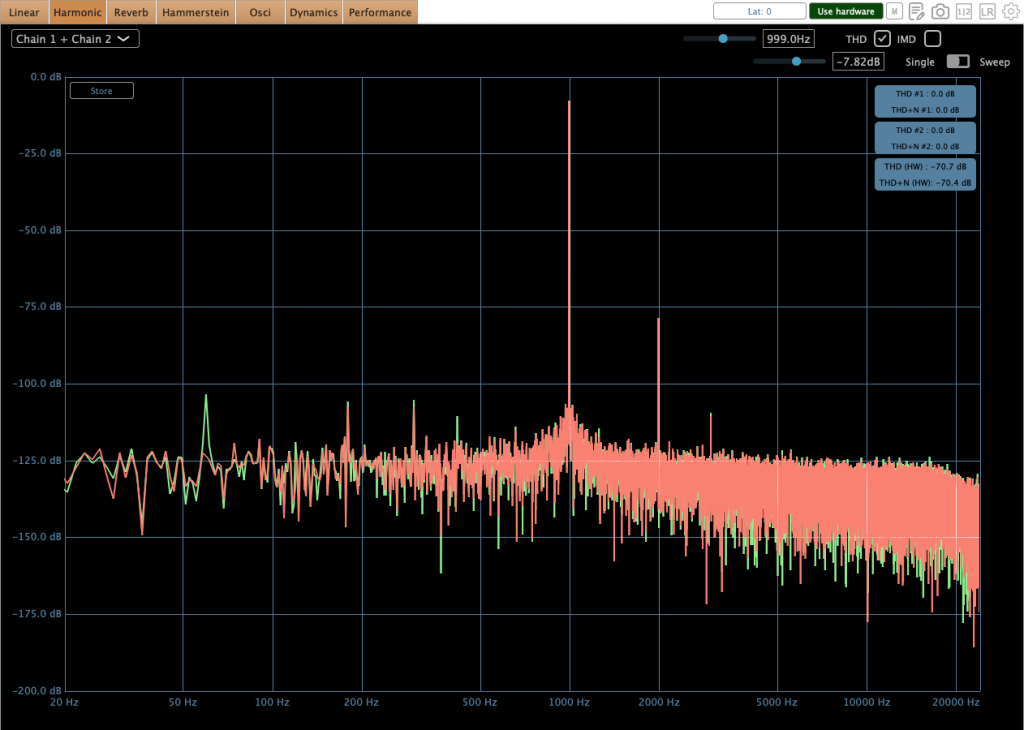
The frequency response is pretty flat out of the box, and there’s minimal harmonic distortion at the default setting.
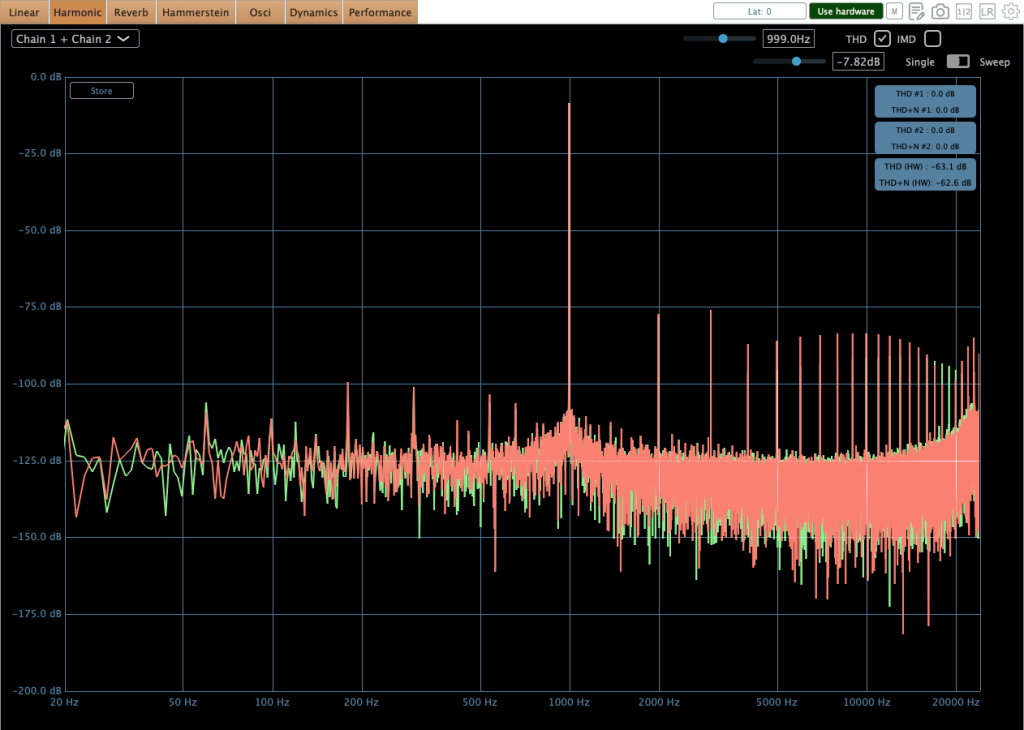
However, when the drive parameter is set high, harmonic distortion becomes apparent. Essentially, this process sharpens the sound, adding edge and high-frequency sparkle.
Thus, I concluded that it is generally not well-suited for sources that already have emphasized high frequencies, particularly signals that have passed through 1073 clones or Carnhill transformers.
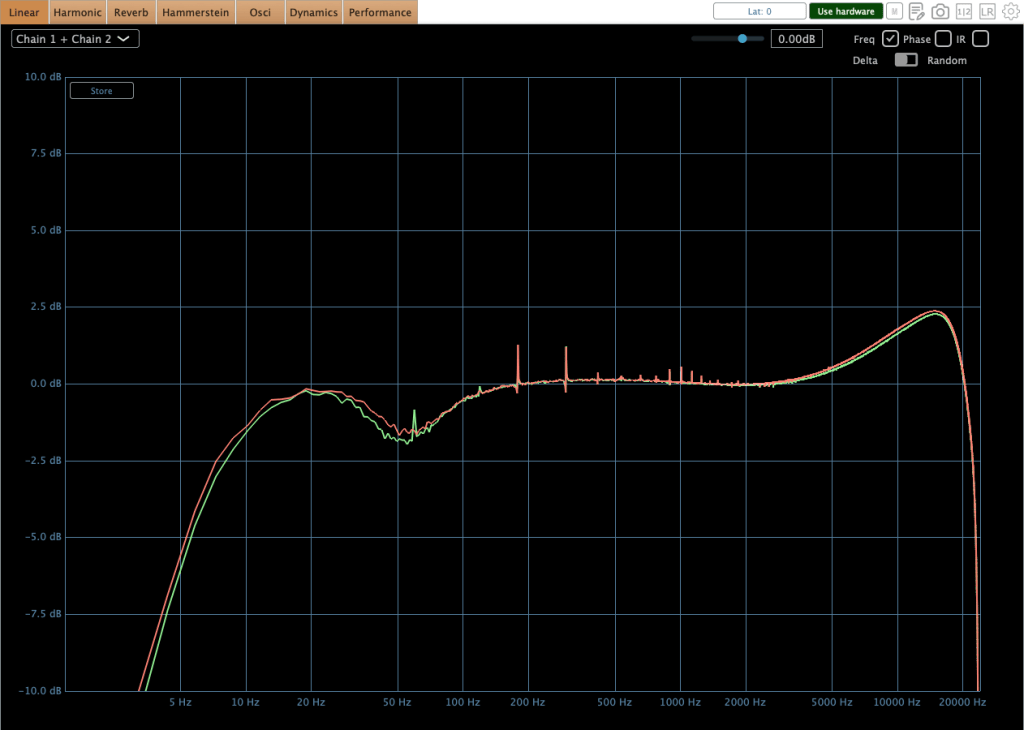
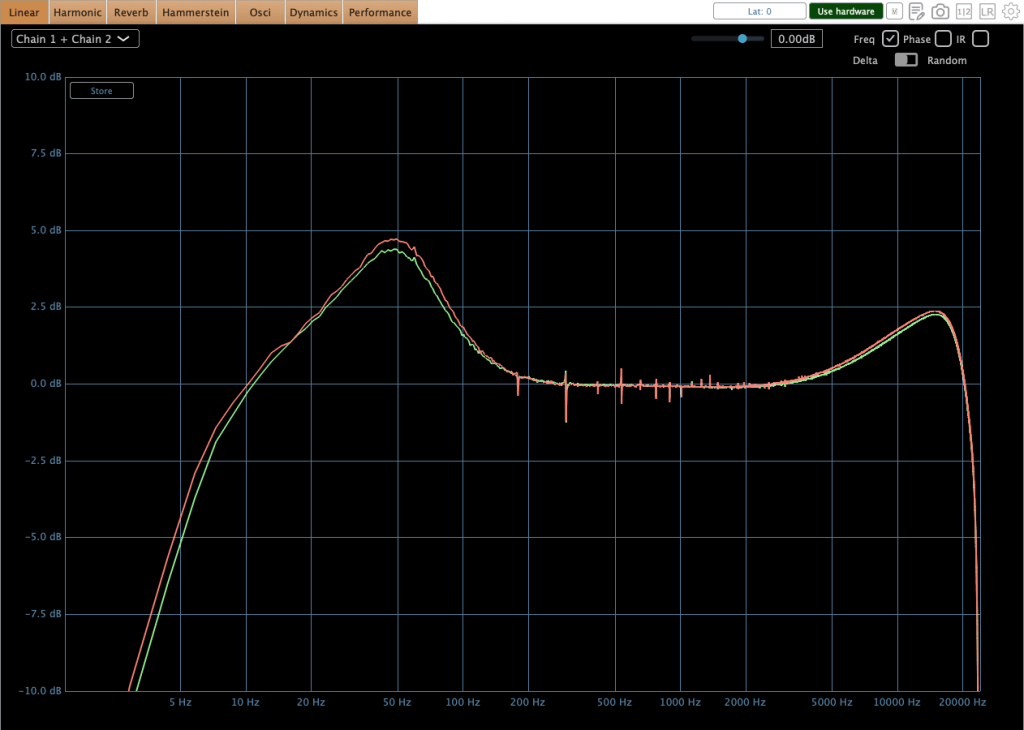
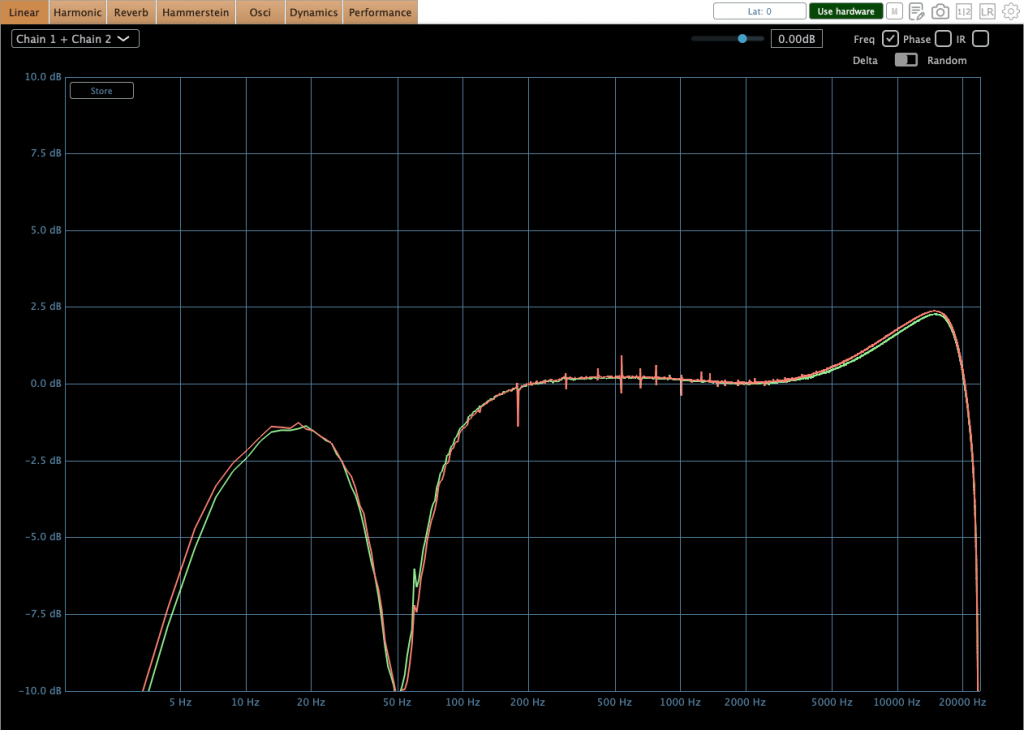
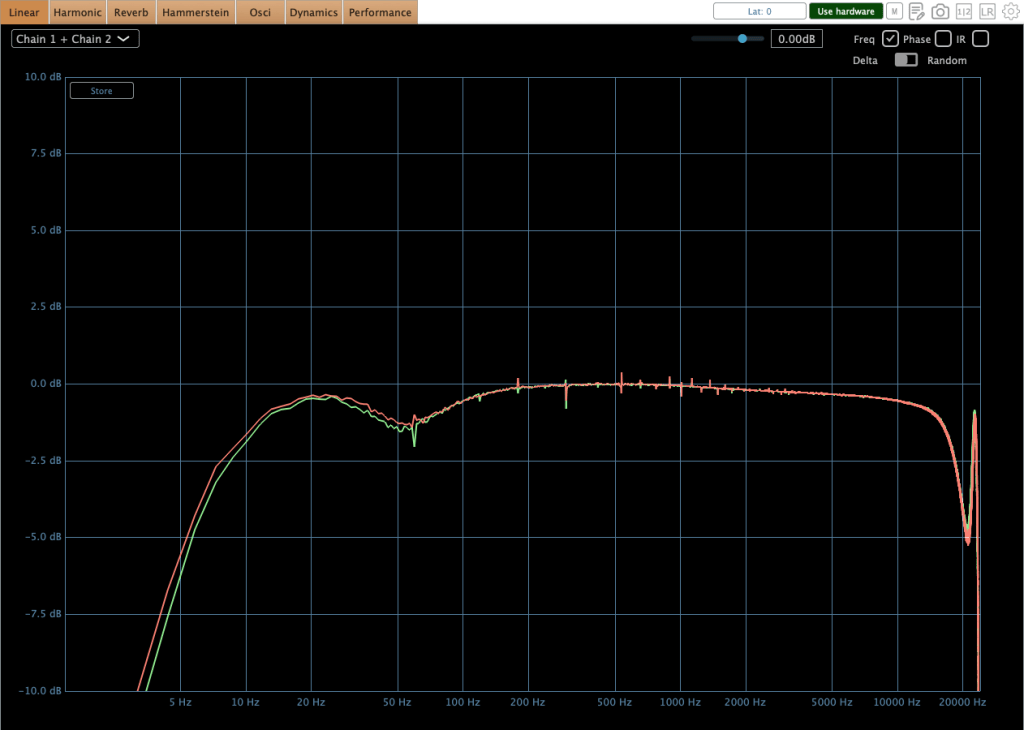
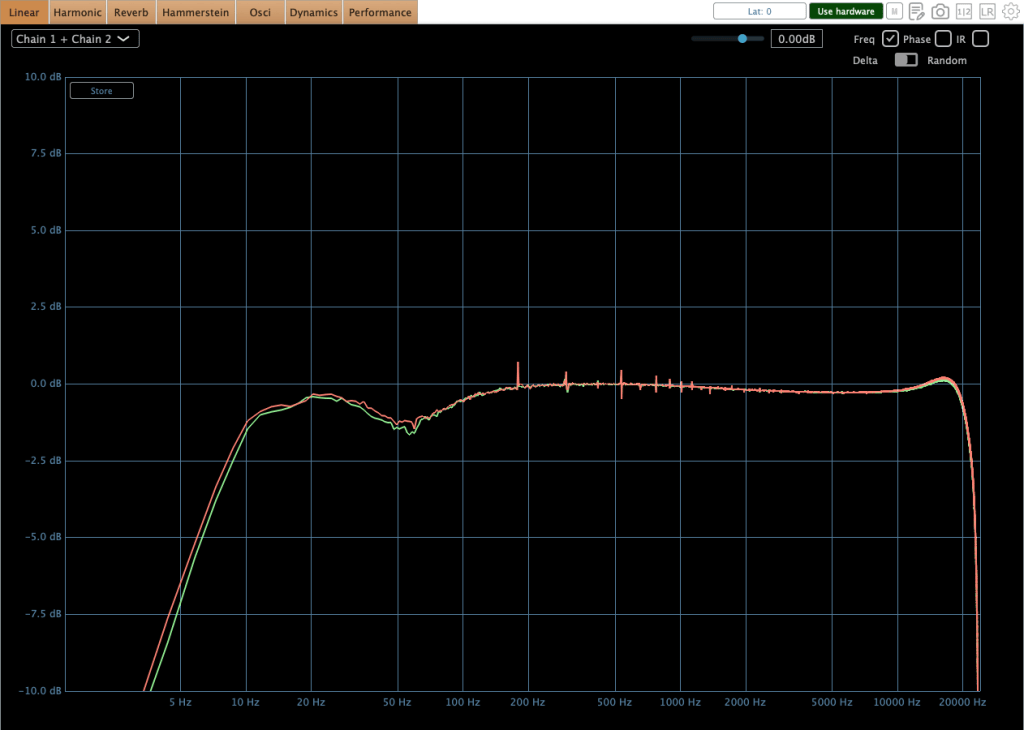
The graphs above show the frequency responses achieved by adjusting the bass and treble controls.
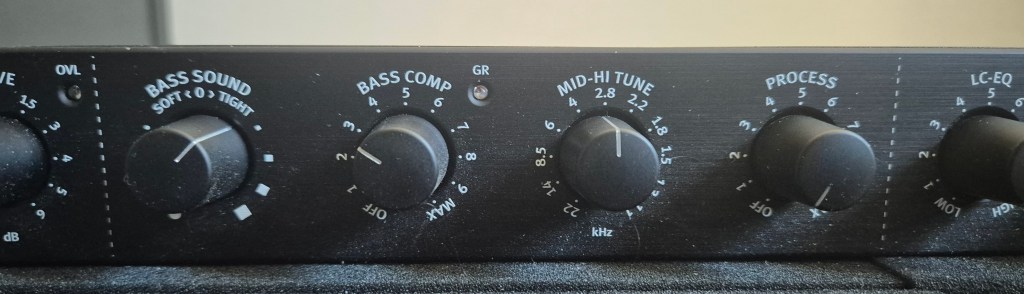
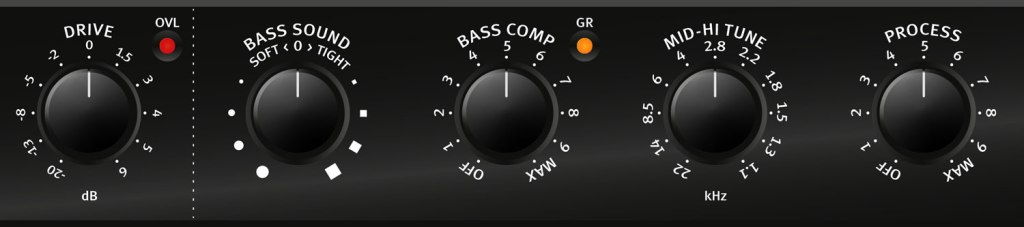
If you are familiar with EQs like the Pultec EQP-1A or Tube-Tech clones, you will likely recognize the behavior in the first frequency response above. Many engineers use these units to boost both low and high frequencies, creating a curve that resembles a smile—commonly referred to as a ‘Smile EQ’ or ‘Smiley face curve.’ Because the Vitalizer MK3-T can reproduce this shape, it can easily be used for the similar purpose.
Specifically, the Bass Sound parameter shapes the low-end character: turning the knob toward Soft emphasizes warm, boomy sub-bass frequencies, whereas turning it toward Tight produces a drier, more contoured, and percussive punch.
The Mid-Hi Tune control sets the cutoff frequency of the high-shelving filter—sweeping from 22 kHz down to 1.1 kHz. The Process knob controls the overall intensity of the Bass Sound and Mid-Hi Tune filter networks while simultaneously attenuating around 50 Hz.
I also wanted to measure the characteristics of the onboard Bass Compressor using compression curves. However, I decided to leave this out because a single fixed-frequency test, such as the one used in Plugin Doctor, is insufficient to capture the compressor’s overall dynamic behavior.
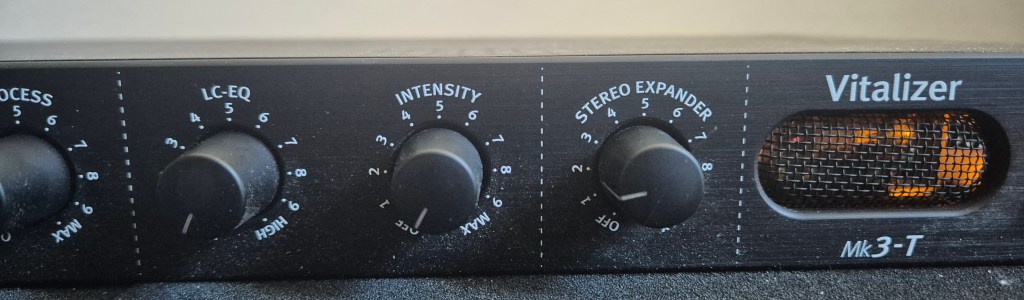
The LC-EQ uses a passive coil-capacitor (LC) circuit as a high-shelving filter, emphasizing high frequencies to enhance overall presence.
M/S (Mid/Side) processing is utilized in the final stage, the Stereo Expander. Incorporating a 12AX7 tube into this stereo expansion circuit sets it apart from usual designs that rely solely on op-amps.
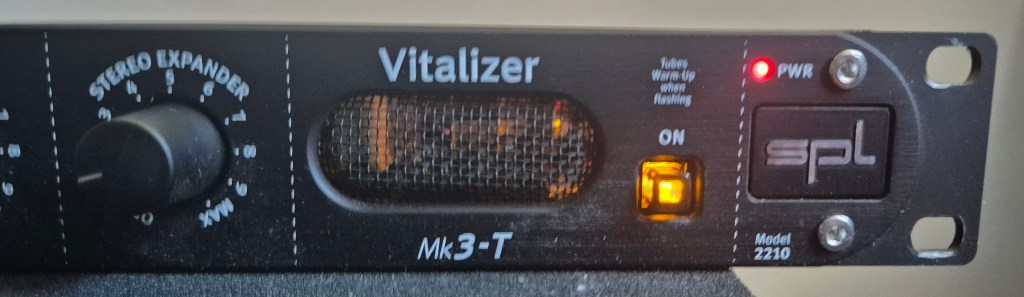
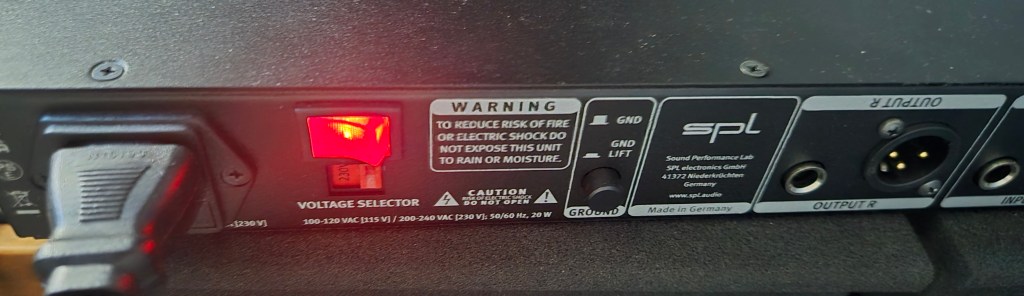
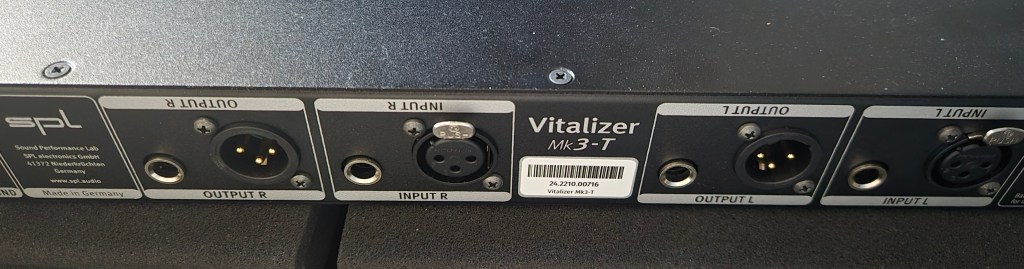
The unit features two power switches: one on the rear panel and another on the front. Flipping the rear switch first supplies main power, and pressing the front switch initiates the tube warm-up sequence, indicated by a blinking LED. Although the manual states it is ready as soon as the flashing stops, in my experience, it is better to wait at least five minutes (I personally wait about 20 minutes for maximum stability and consistency). Due to the inherent nature of vacuum tubes, giving them extra time to reach thermal stability and optimal operating temperature yields the best audio performance.
Warp up
There is a vast amount of audio hardware on the market today. However, I believe the SPL Vitalizer MK3-T occupies a unique niche, combining a saturator, stereo imager, EQ, and bass processor into a single unit.
It provides rich saturation and excels when you need to shape multiple parameters simultaneously—especially on a stereo mix bus or during mastering.
Because there are very few direct alternatives on the market, I expect to keep this unit in my rack until an MK4 comes along.
See you in the next post!

