Hello! This is Jooyoung Kim, a mixing engineer and music producer.
Today marks the final article in my ‘Basics of Synthesizers’ series. I may add more articles in the future if I come across interesting topics, such as modular synthesizers (which I’ve recently started exploring—stay tuned!). For now, however, I feel I’ve covered enough to complete this category.
Let’s start!
The PCM (Pulse-Code Modulation) method is essentially a form of digital sampling that represents analog signals through discrete digital steps. While modern virtual instruments load massive recorded data into RAM to trigger sounds via MIDI, hardware PCM instruments utilize ROM in much the same way—storing high-quality, pre-fabricated waveforms that are ready to be played instantly.
Because these instruments play back pre-recorded samples from internal memory rather than synthesizing them from scratch or recording new ones, they are commonly called Romplers (a blend of ROM and Sampler). Unlike pure samplers, Romplers focus on the immediate reproduction of realistic acoustic and electronic sounds, making them the backbone of music production since the late 1980s.
Implementing such a system requires significant computational power and memory resources. Thanks to rapid technological advancements, these requirements were finally met in the late 1980s. During this period, ROM prices decreased significantly, allowing for the emergence of instruments installed with long-cycle samples, which offered a level of realism previously unattainable.
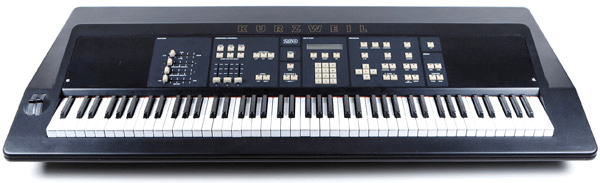
These instruments utilized samples of each sound phase—attack, decay, and release. This approach allowed them to produce more realistic and dynamic sounds. Many people requested authentic sounds and in the 1990s, these kinds of instruments became mainstream.
The PCM method is now the standard for recording systems, DAWs, and virtual instruments. You might assume that modern virtual instruments are simply evolved versions of PCM-style synthesizers, and that is largely true. However, as many musicians today find themselves missing the characteristically thin and lo-fi sounds of vintage PCM hardware, many software companies now provide these classic instruments in digital formats.
The Korg M1
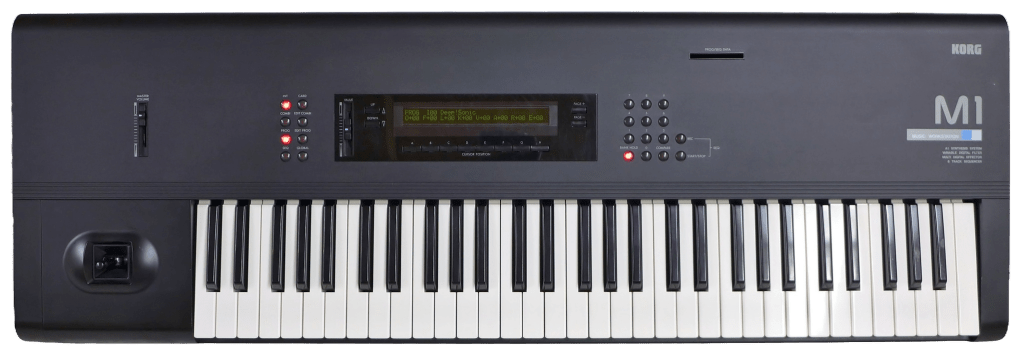
The Korg M1 was a famous PCM-style synthesizer in the late 1980s. It became one of the best-selling synthesizers in history. Its specific presets, such as the M1 Piano and Organ 2, defined the sound of 1990s house and dance music. These sounds were so distinct that they are still widely used in modern electronic music productions.
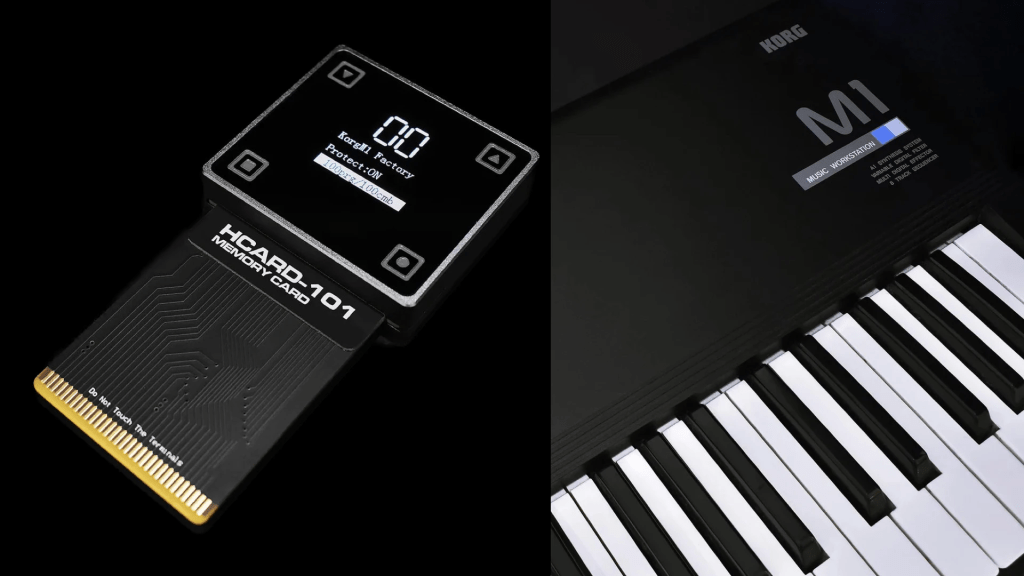
The M1 also featured external card slots, allowing users to expand its sound library by inserting PCM and Program cards, providing additional waveforms and presets beyond its internal memory.
The E-mu Proteus Series
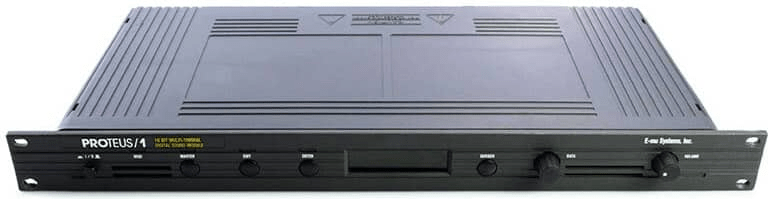
The E-mu Proteus series were also famous PCM-style synthesizers in the late 1980s. Unlike the Korg M1, they were rack-mount module swithout a keyboard. they were designed to provide high-quality samples at a lower price point, making them standards in many project studios. Their presets were widely used in film and television scores, including the iconic whistling sound in The X-Files theme.
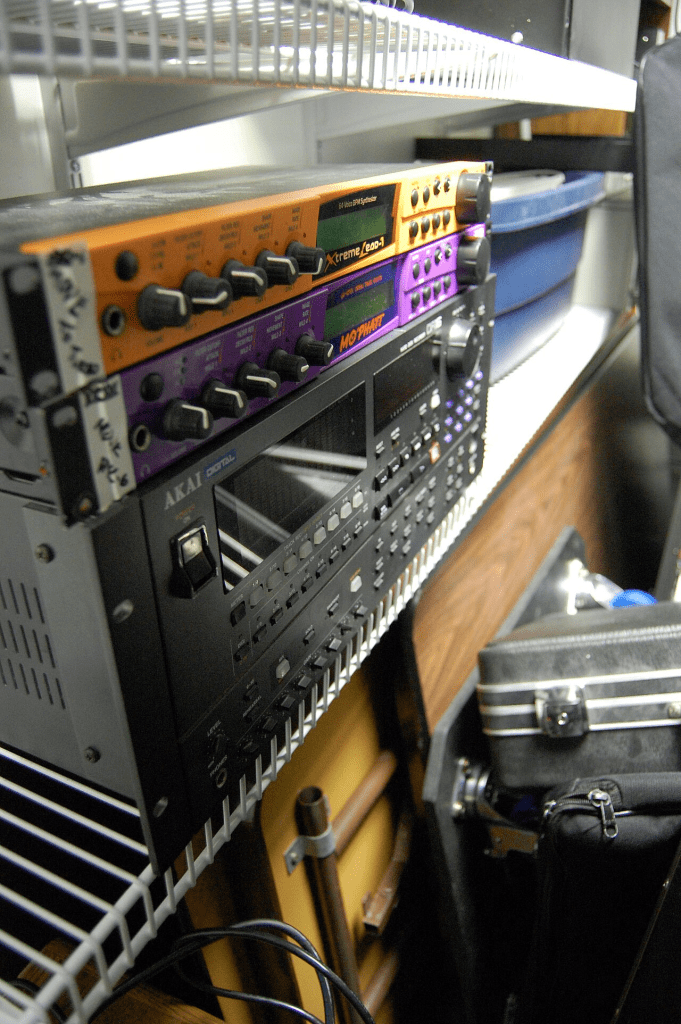
The later models of the Proteus series were also highly expandable; they featured internal slots where users could install additional ROM SIMMs, such as the Orbit or Mo Phatt cards, to instantly add hundreds of new sounds tailored to specific genres.
The Roland JV-1080 and JV Series
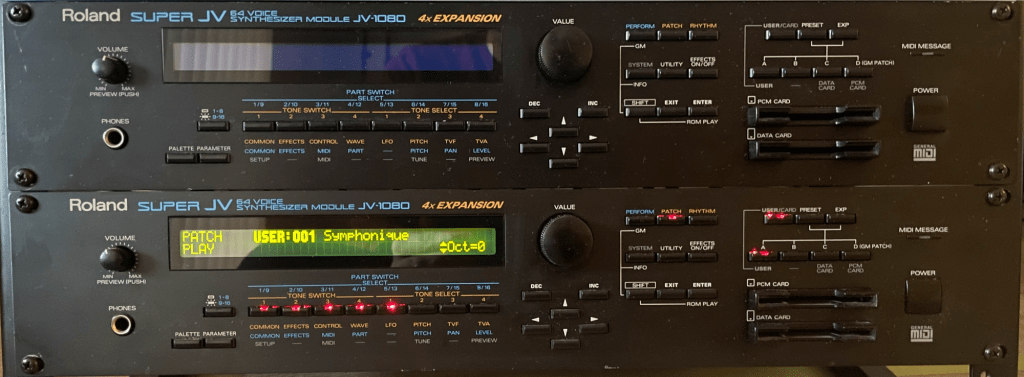
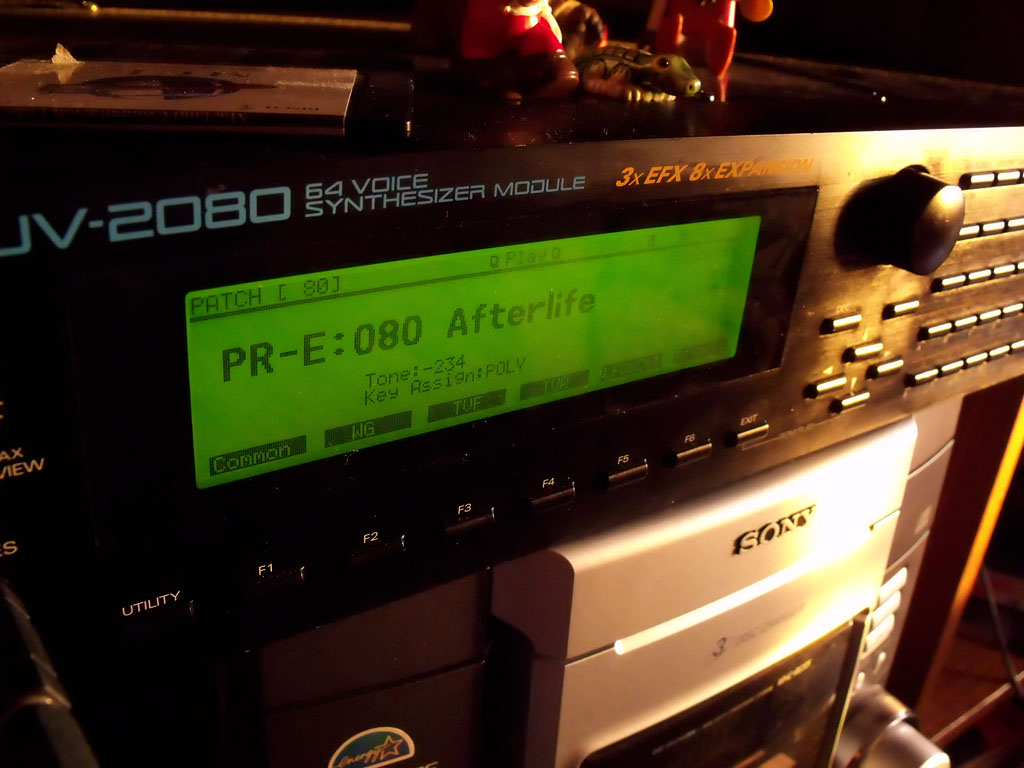
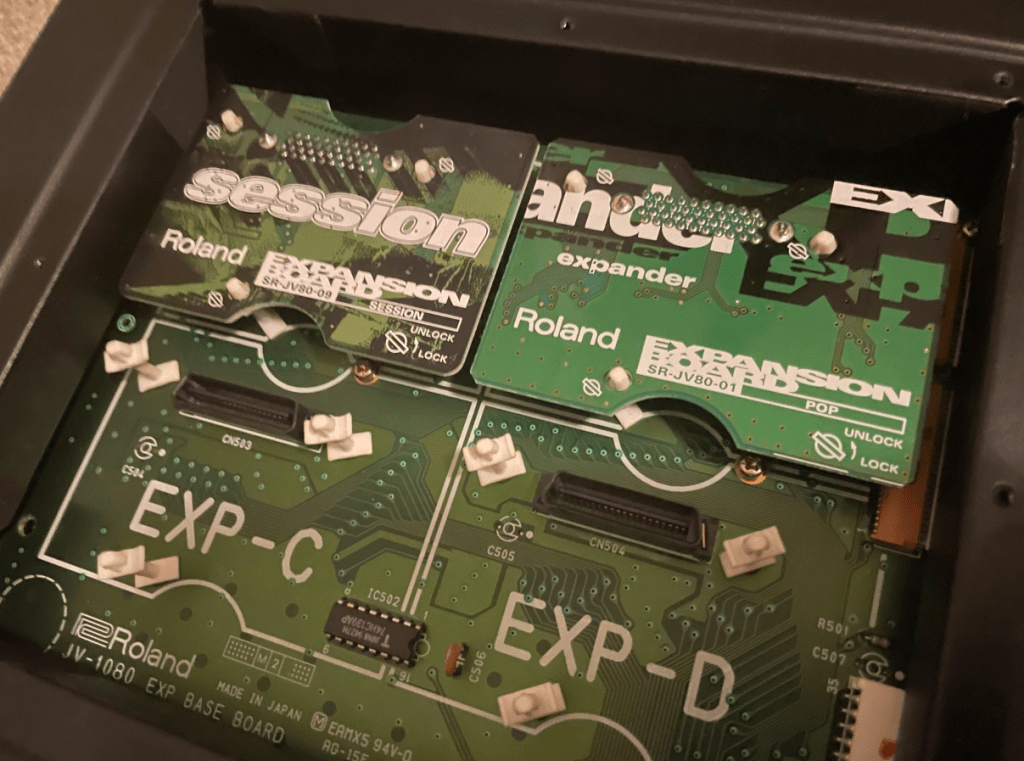
In this perspective, you should know about the Roland JV series. The JV-1080 and 2080 are legendary icons of the Rompler era. Released in the mid-1990s, these units became industry standards, found in almost every professional studio worldwide. Their massive success came from their ability to provide high-quality, ready-to-use PCM samples through various expansion boards, allowing musicians to access realistic orchestral, synth, and ethnic sounds instantly without the need for complex sampling.
You can hear the sounds of the official Roland Cloud recreation of the JV-1080 in this video, as demonstrated by ADL-MusicLab. It’s easy to associate these sounds with 1990s and 2000s classic pop, TV commercial soundtracks, and film scores.
The Korg Trinity and Korg Triton
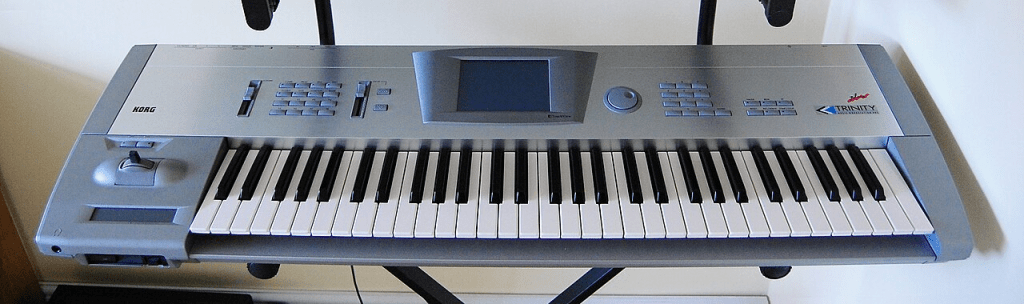
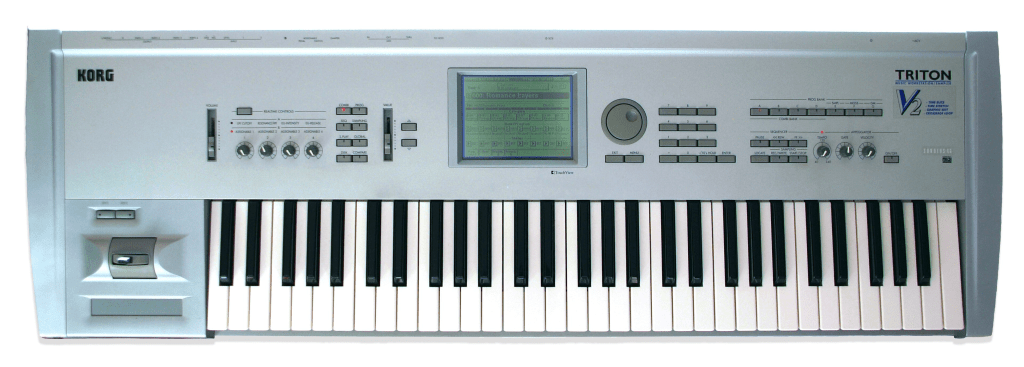
The Korg Trinity and Triton were also iconic instruments of that era. Beyond hip-hop, these workstations defined the sound of mainstream pop. For instance, The Neptunes were among the most famous users of the Triton, while the instrument’s distinctive patches were also featured in many of Britney Spears’ hits. These units weren’t just for one genre; they were the great tools for producing the global hits of the early 2000s.
Similar to the JV series, the Triton also offered expandability through EXB-PCM boards and even allowed for the addition of the MOSS synthesis engine.
The Yamaha Motif
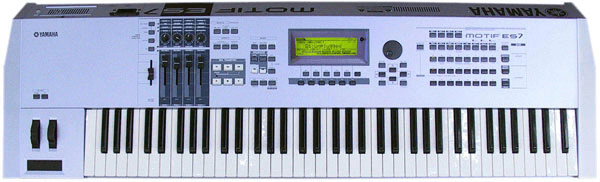
The Yamaha Motif was another famous instrument of the era. It produced more realistic sounds than its competitors, so its Acoustic Piano, Rhodes (E. Piano), and Acoustic Guitar presets were widely used in churches. In particular, it became a standard keyboard for global worship teams like Hillsong and Bethel, defining the sound of modern gospel music. The Motif stood out for its PLG expansion boards, which allowed users to add entirely new synthesis engines, such as FM synthesis, directly into the unit. (In South Korea, the Motif is still widely used in worship services.)
Interestingly, the thin and lo-fi quality of these sounds has become a source of classic pops. If you want to recreate an authentic vintage pop vibe, I highly recommend exploring these types of virtual instruments.
With this, I would like to conclude my ‘Basics of Synthesizers’ series. I have put a lot of effort into researching and explaining these concepts, and I hope you found them helpful.
Thank you for reading, and I will see you in the next article!
 Jooyoung's Music Blog