Hi there! This is Jooyoung Kim, a mixing engineer and music producer. Today, I’ll introduce an optical compressor plugin, Shadow Hills Optomax.
I received the NFR code for this product from Plugin Boutique for this review, and if you purchase the plugin using the links included in this article, I’ll earn a small commission that helps me keep going… 🙂 (It’s really hard to live with this job..TT)
Let’s start!
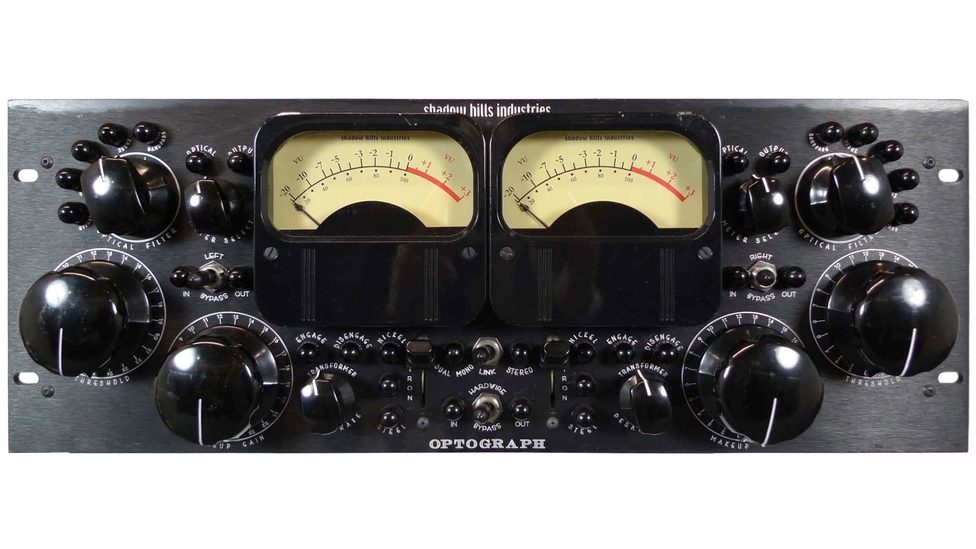
This plugin is a digital clone of the optical part of the Shadow Hills Mastering Compressor produced by Shadow Hills Industries. The hardware, OptoGraph also inspired by the optical section of the Shadow Hills Mastering Compressor. But those two products are not exactly the same.
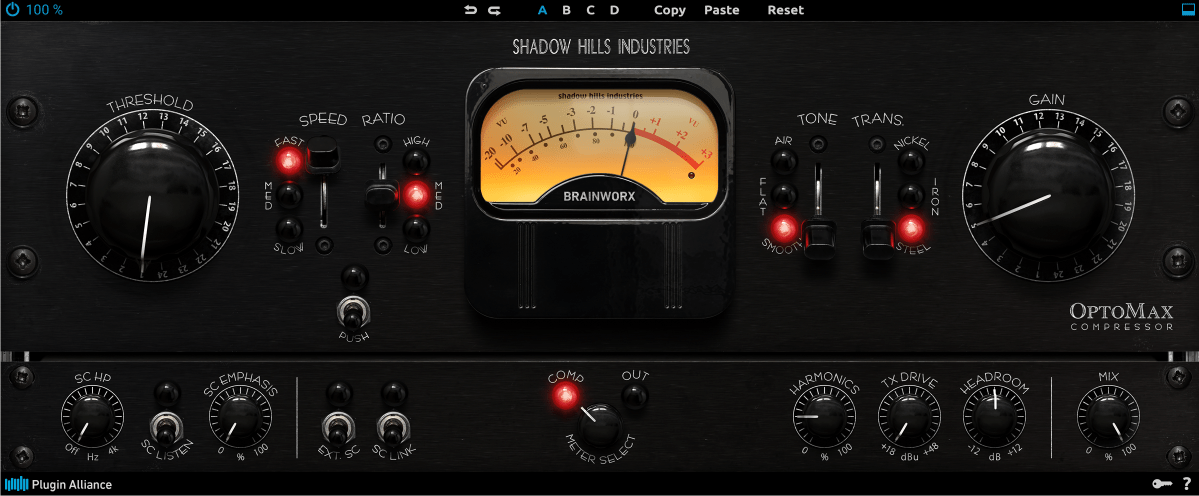
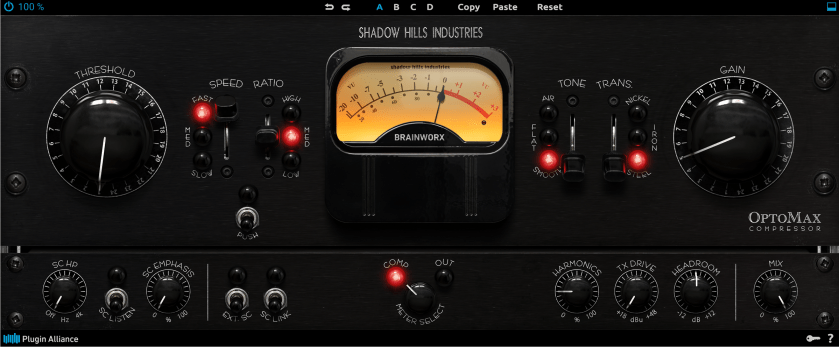
You can see that the UI of the Optomax looks very similar to that of the LA-2A. And it works like LA-2A. However, there are many adjustable parameters, unlike in the LA-2A.
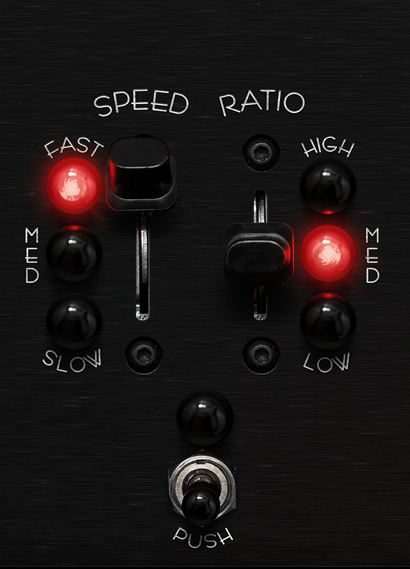
First, you can change the speed of the attack/release, and ratio.
There is no official measurement data in the manual, so I measured it using Plugin Doctor. It seems that the high ratio ranges from 8:1 to 6:1, the medium ratio from 4:1 to 3:1, and the low ratio is 2:1.
And if you turn on the push button, the input gain will be pushed.
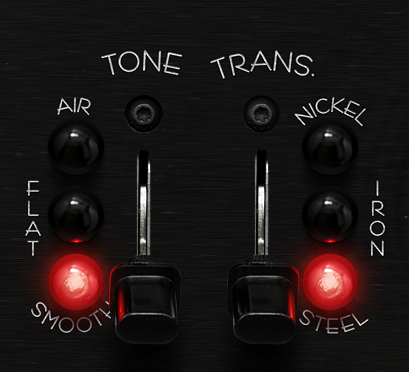
Tone and Trans parameters also exist.
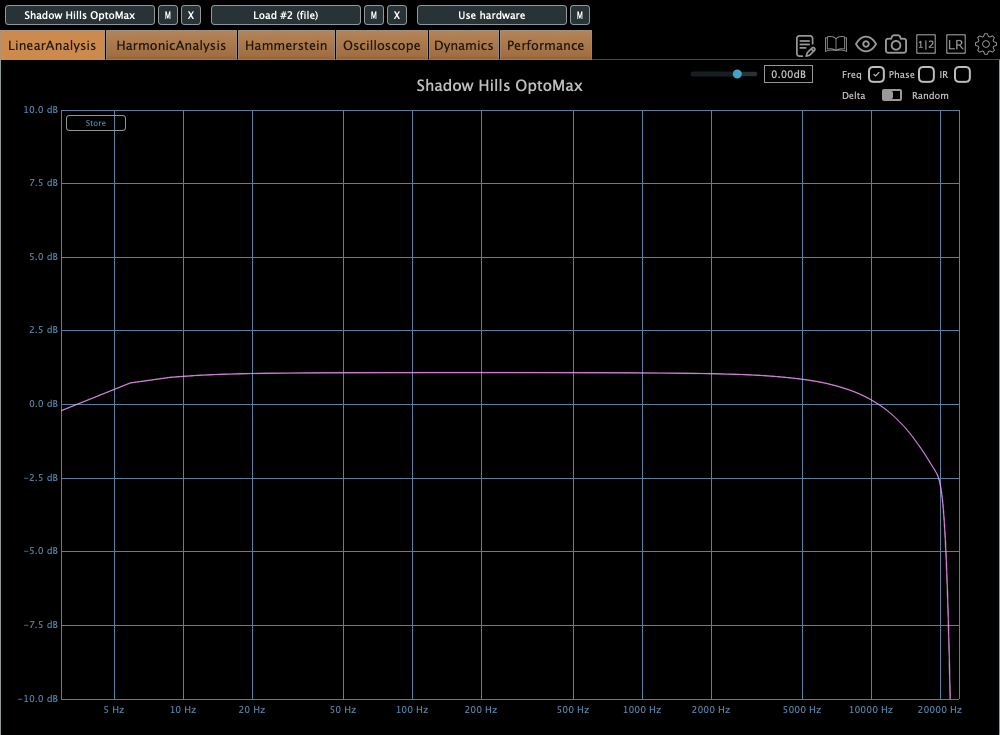
Smooth tone is selected in default state, and this statement cut the high frequencies of the source. So it sounds old and lo-fi.
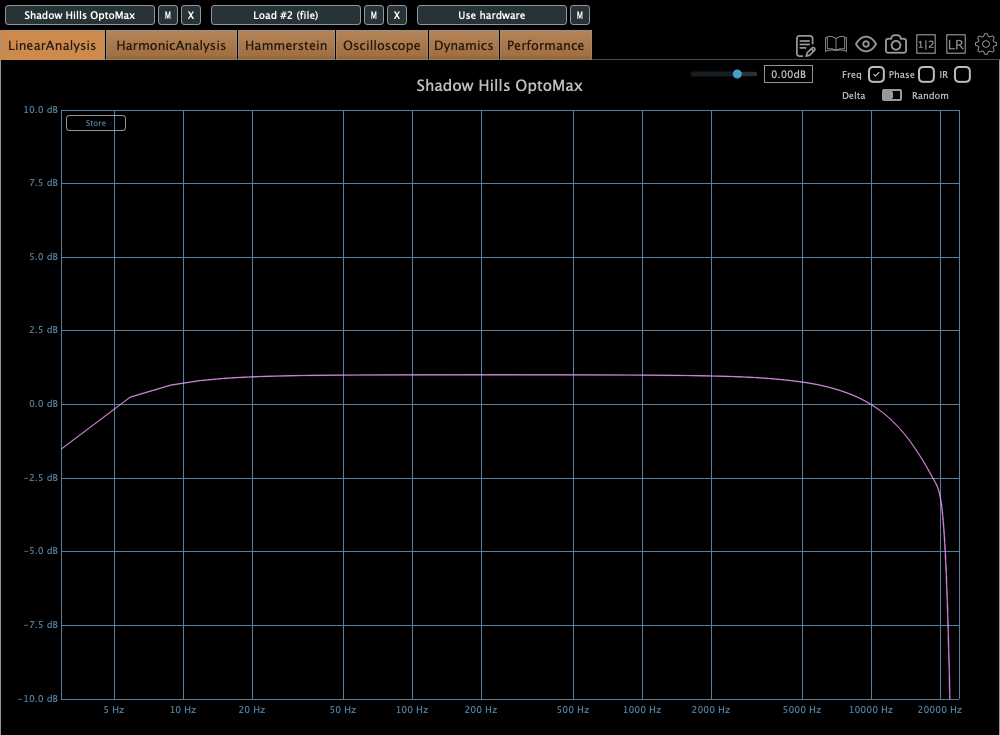
If you select flat, the frequency response will be very flat in whole frequency domain except super low frequencies. I recommend this statement. It’s sound is very similar to that of the Waves CLA-2A.
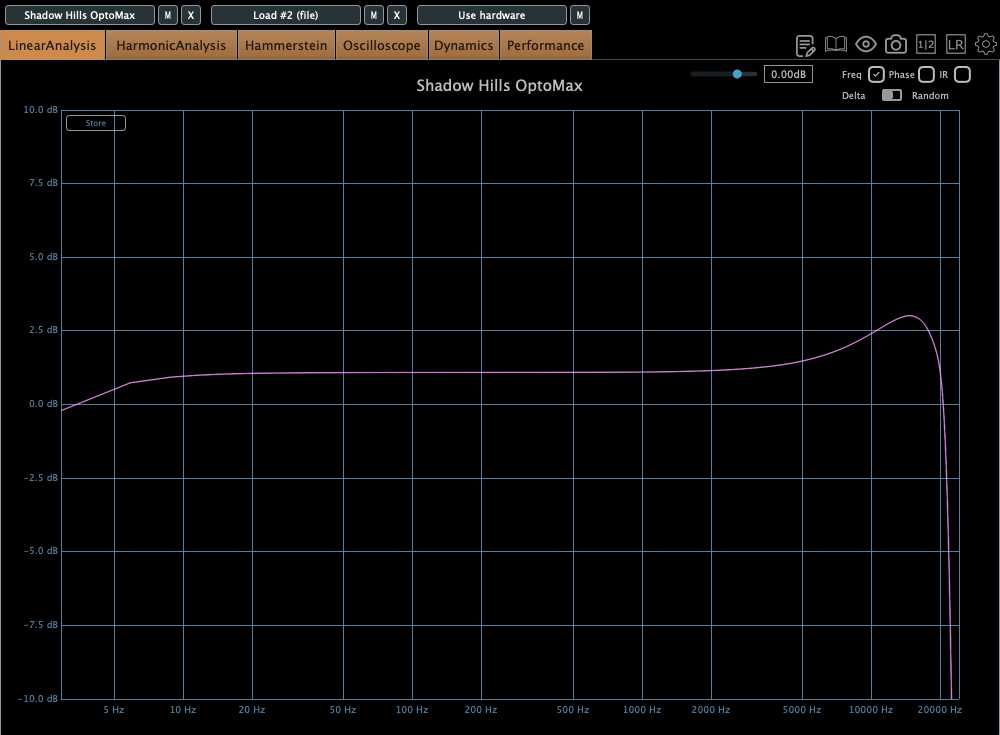
In Air state, super high frequencies are emphasized. You can see the frequency response in the graph.
Let’s move on to the trans parameter. It operated within the frequency response, especially in the super low frequency range. Nickel cuts the frequencies very slightly, Iron cuts them more than Nickel, and Steel cuts them more than Iron.
I recommend using Steel for vocals. It lightens the vocals, creating a difference between the CLA-2A and this plugin.
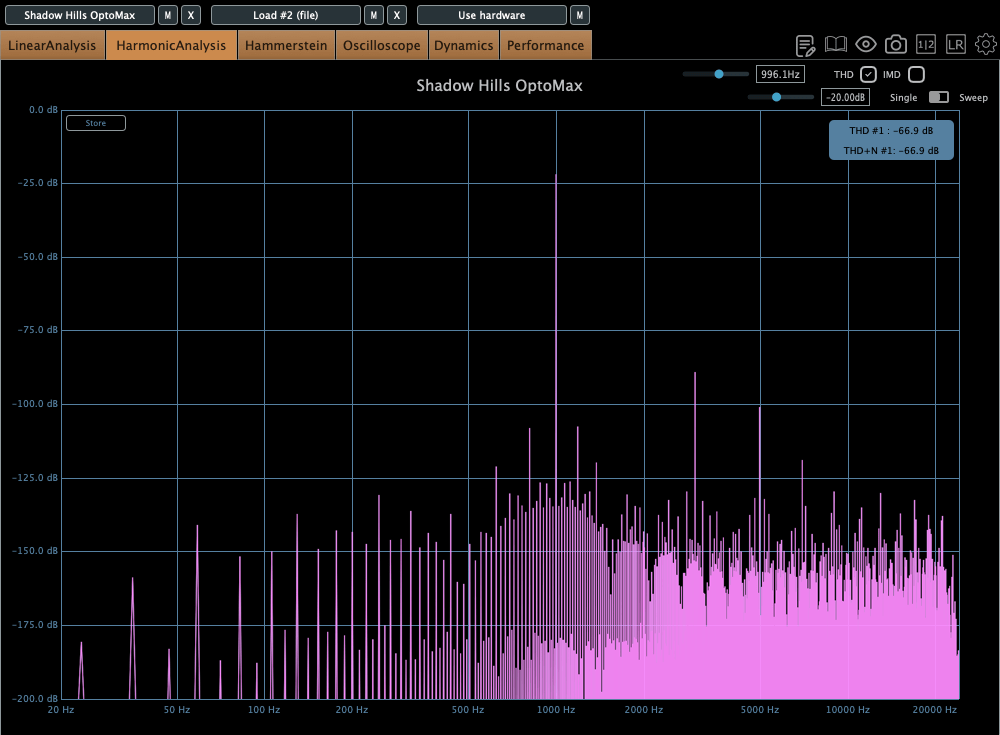
Let’s see the bottom of the plugin. Every parameter is familiar. But what is TX Drive? The term “TX” means Transformer. Therefore, TX drive refers to the harmonic distortion of the transformers. If you gain a large amount of these values, you can get a significant amount of harmonic distortion at low frequencies.
Other parameters, such as internal/external sidechains, Harmonics, Headroom,and Mix are common. So, I’ll skip them..:)
This plugin is really awesome! I think I’ll use it quite often, like the CLA-2A.
If you are interested, please find out OPTOMAX at Plugin Boutique.
Hey there! I’m Jooyoung Kim, a mixing engineer and music producer.
Yesterday, the SONICWIRE CONTEST 2025 results were announced, and unfortunately, I didn’t make it to the final round. Looking back, I noticed a few things in my submission that could’ve been better—guess it’s time to tweak and resubmit next time! Still, I got a one-year Pro Tools license and a Sonible Essentials Bundle, so I’m not too bummed about it.
On another note, Roland (via Roland Cloud) has officially joined Plugin Boutique! To celebrate, they’re holding a launch sale from now until August 24, with 30% off all products (except the TR-808).
Quick heads-up: If you purchase through the links in this post, I earn a small commission, which really helps me keep going. Thanks in advance! 😊
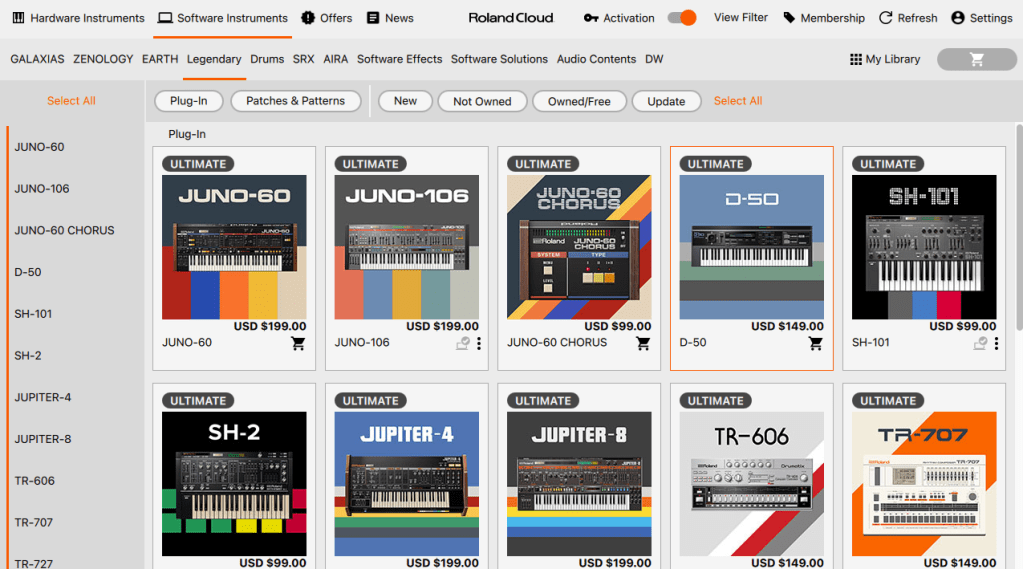
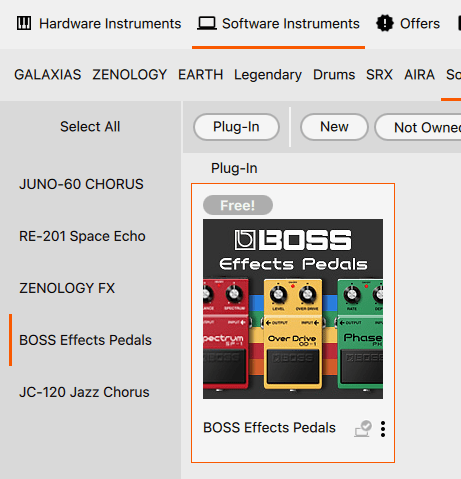
Roland Cloud offers virtual recreations of their iconic synthesizers, which were previously available only through a subscription model. Now, you can purchase individual instruments outright—a big win for producers! Plus, Roland’s sister brands like Boss and DW Drums are also part of the deal, offering virtual instruments like the DW Drum VST and even free Boss effect pedals.
Let’s take a quick look at some of Roland’s standout virtual instruments and the DW Drum VST.
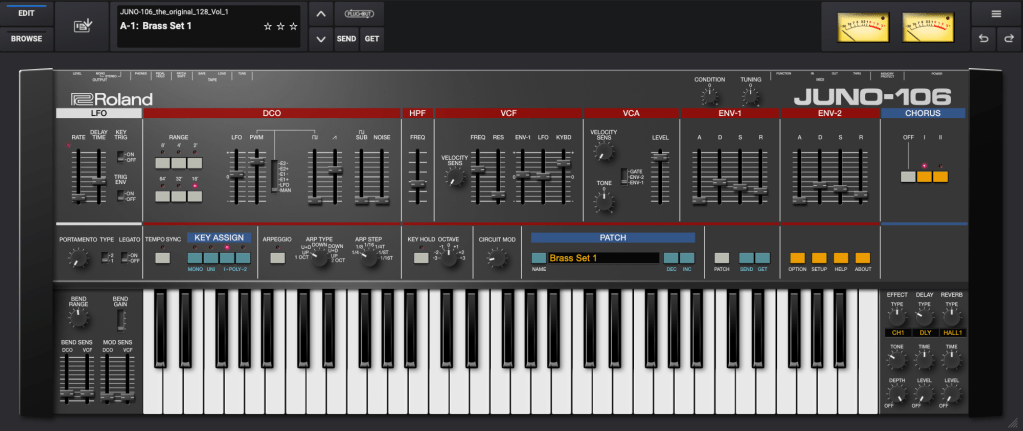
The JUNO-106 is the successor to the JUNO-6 and JUNO-60. As the name suggests, it’s a 6-voice polyphonic synthesizer, though the virtual version lets you choose 2, 4, 6, or 8 voices for flexibility.
The standout feature? That lush Chorus effect on the right side of the interface. Back in the day, synths like the JUNO-106 used chorus to create a stereo sound, giving it that iconic ‘80s vibe. Comparing the plugin’s presets to YouTube recordings of the original hardware, the emulation is spot-on, though the high frequencies are slightly sharper in the plugin. A touch of EQ can get it sounding nearly identical to the hardware’s smoother tone. Roland nailed the recreation here.
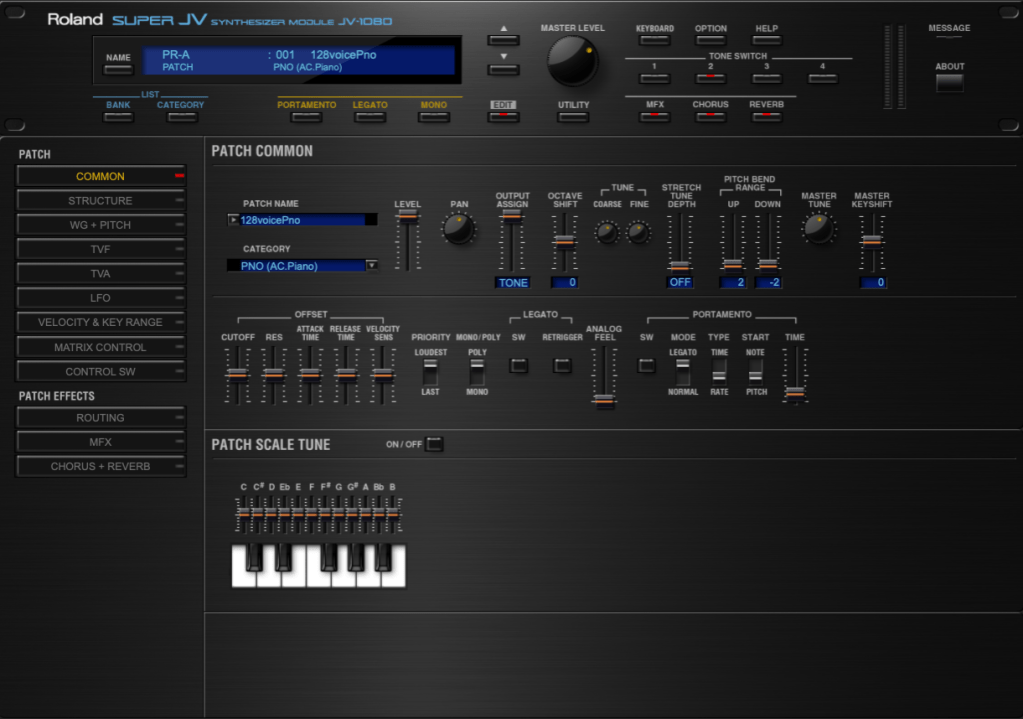
The JV-1080 is a legendary rack-mounted PCM synthesizer from 1994, packed with iconic strings, ethnic instruments, retro stabs, and more. It’s a ‘90s classic that’s still relevant today.
The XV-5080, its successor, takes things further with a massive library of over 900 presets and a wide range of onboard effects. Both synths use the same editing engine, so you can tweak envelopes and patches for detailed sound design. The XV-5080 includes most of the JV-1080’s core waveforms and patches, but subtle differences in reverb and effects settings give each a unique flavor. Personally, I find the JV-1080 a bit thinner, while the XV-5080 has a thicker, more robust sound.
Roland also offers SRX Expansion packs for additional sounds, sold separately.
Released in 1982, the SH-101 is a monophonic bass synthesizer famous in techno, D&B, and acid genres. With a single oscillator producing sawtooth or square waves, it delivers a distinctive, gritty bass tone that’s instantly recognizable.
The SYSTEM-100 (1975) is a semi-modular monosynth known for its experimental, happy-accident-style sound design. Those patch cables scream creativity—just tweak and see what cool sounds you stumble upon!
The SH-2 (1979) is another monophonic synth with dual VCOs and a sub-oscillator, giving it a thicker, deeper sound than the SH-101. It feels somewhat similar to a Minimoog and can be used in similar contexts.
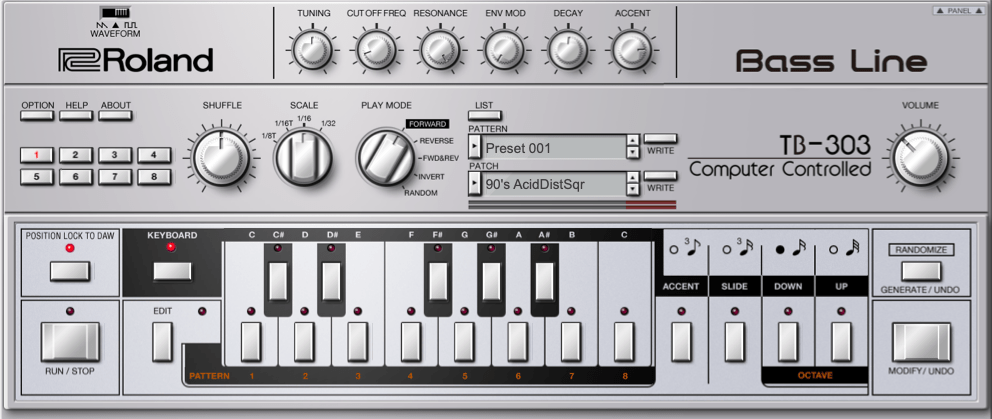
The TB-303 is the legendary bass machine that birthed acid house. Designed to mimic bass guitars, it flopped commercially and was discontinued in 1984. But its cheap secondhand availability made it a staple in electronic music genres like acid, house, and techno. Don’t think of it as a bass guitar replacement—its quirky, unique tone is what makes it so special. It reminds me of sounds from old-school video games!
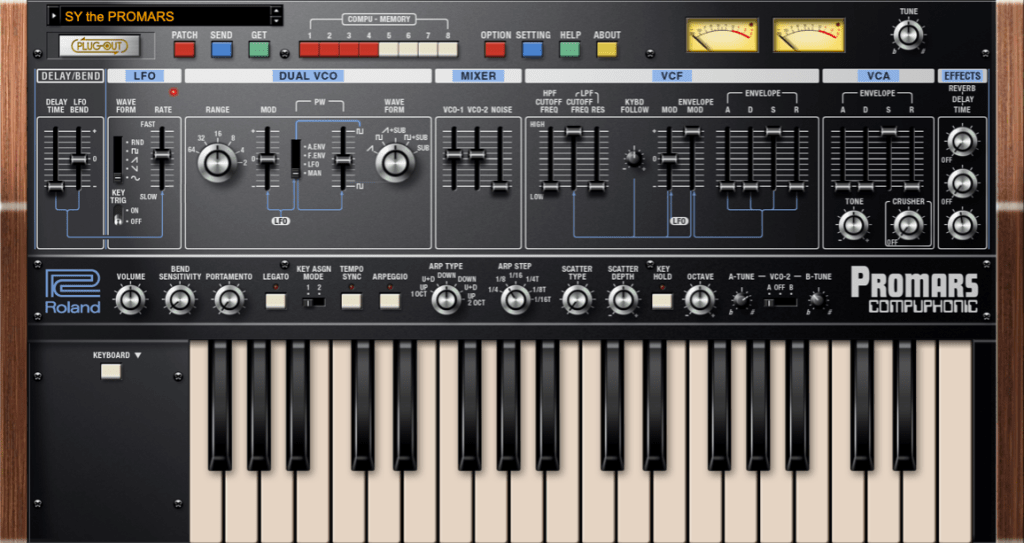
The PROMARS (1979) is a monophonic sibling of the Jupiter-4, with two VCOs for a rich, detuned sound. Think of it as a scaled-down Jupiter-4 without the arpeggiator or ensemble chorus. It’s got a thick, vibrant tone that’s perfect for bold leads or basses.
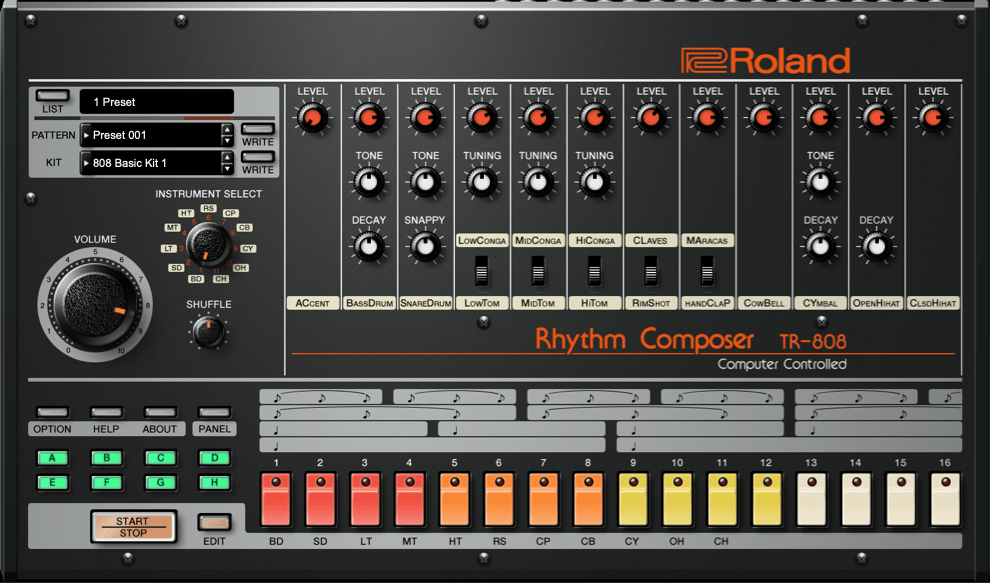
Roland’s drum machines are absolute legends, and the TR-808 is arguably the most influential. (Note: The TR-808 is not included in this sale.) Here’s a look at the others:
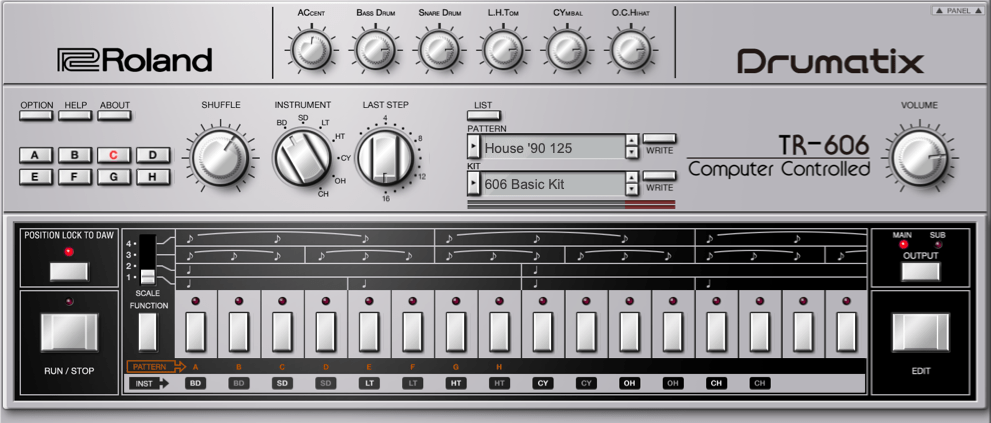
The TR-606 was designed alongside the TB-303 bass synth for seamless synchronization. Its interface is similar to the 303, and its sound is a classic in electronic music. You’ll likely recognize it when you hear it!
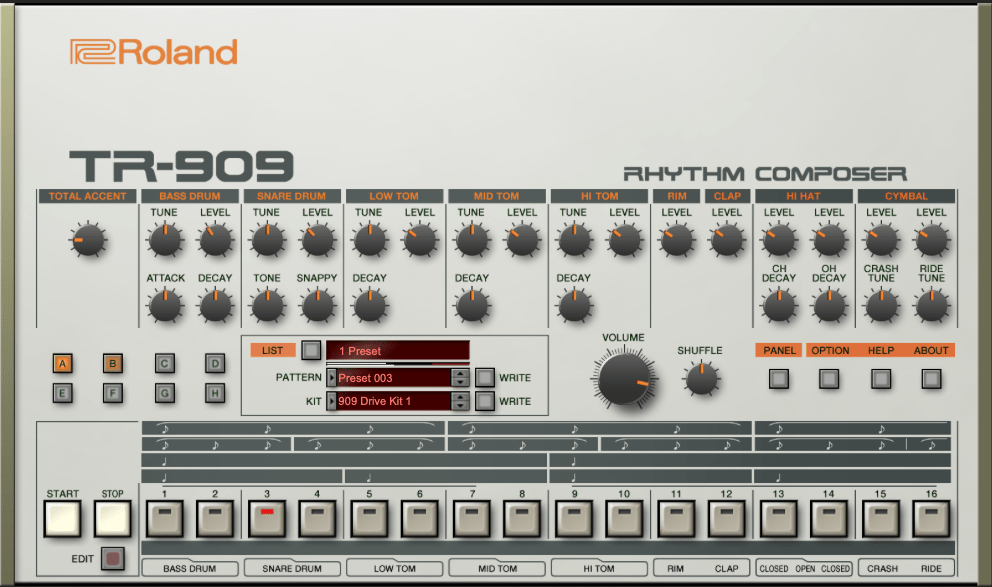
The TR-909 is the successor to the TR-808, blending analog and sampled sounds for a punchier, more defined tone. It’s a dance music staple, known for its powerful kick and crisp hi-hats.
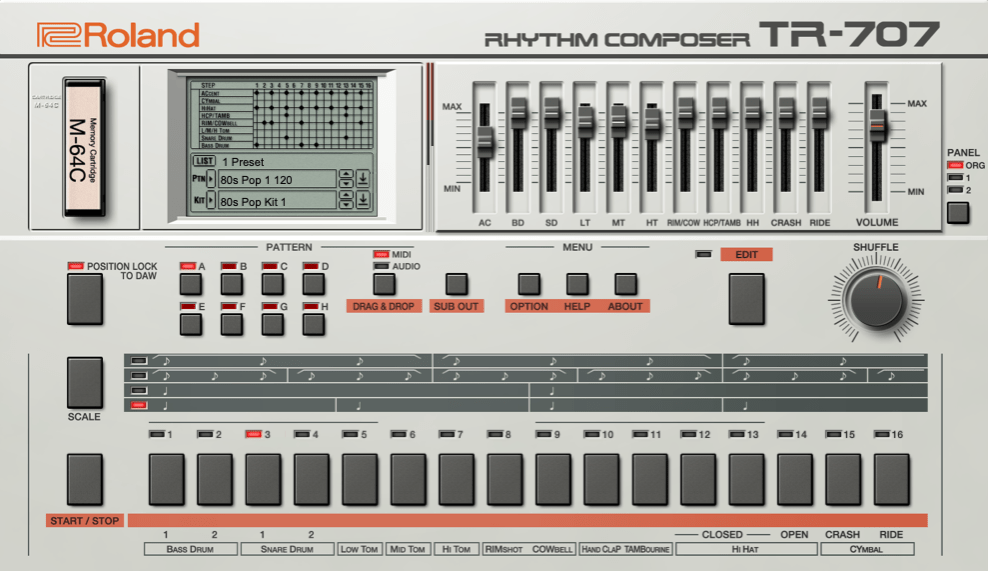
Despite its name, the TR-707 came after the TR-909. It uses fully sampled sounds at 8-bit resolution (6-bit for cymbals/hi-hats), giving it a more realistic yet slightly lo-fi vibe compared to the 808 or 909.
The TR-727, a sibling of the TR-707, specializes in Latin percussion sounds—think tropical rhythms for afrobeats, reggaeton, or Arabic pop. It shares the same UI as the 707, making them easy to sync for house music production.
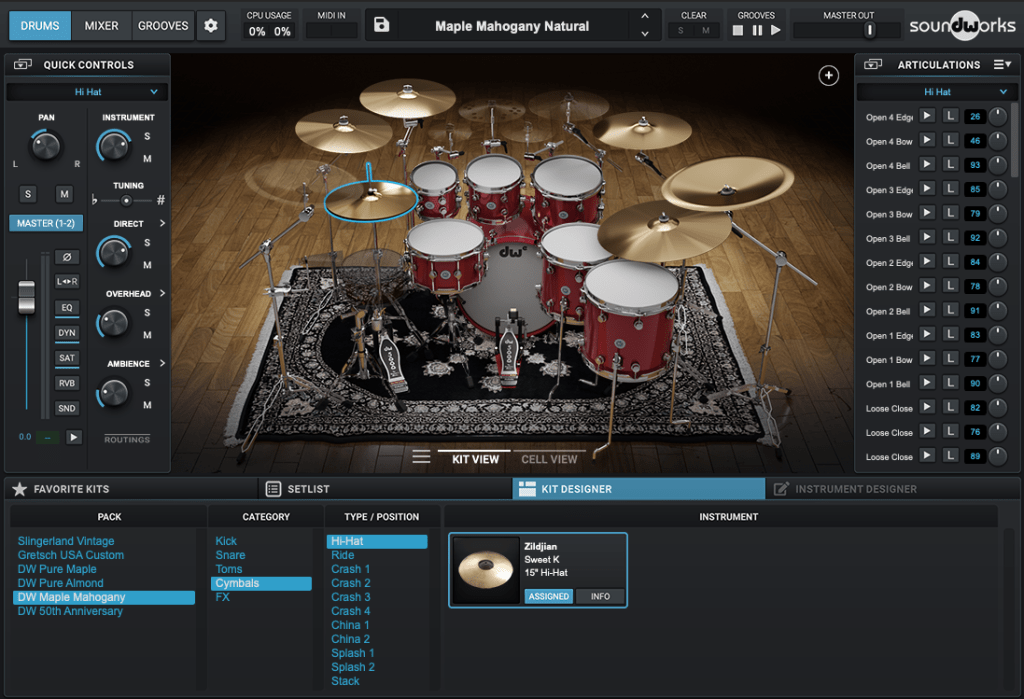
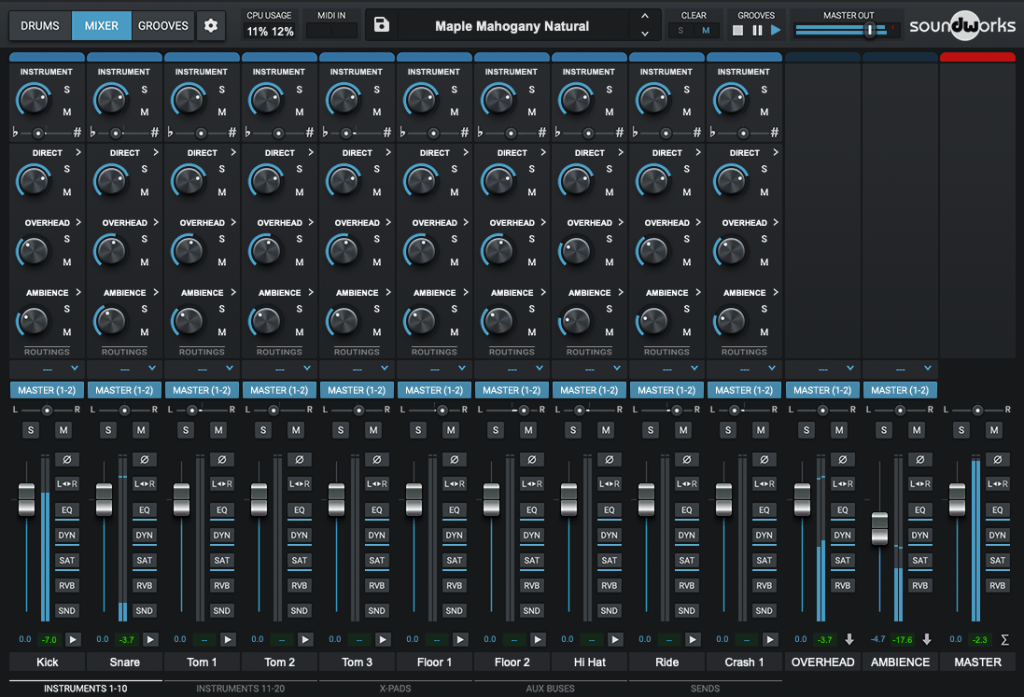
The DW Drum VST is a game-changer for beatmakers. The default Maple Mahogany Natural kit is a standout—crisp snares and punchy kicks that thump in the low end with just a slight tweak. The sound quality is top-notch.
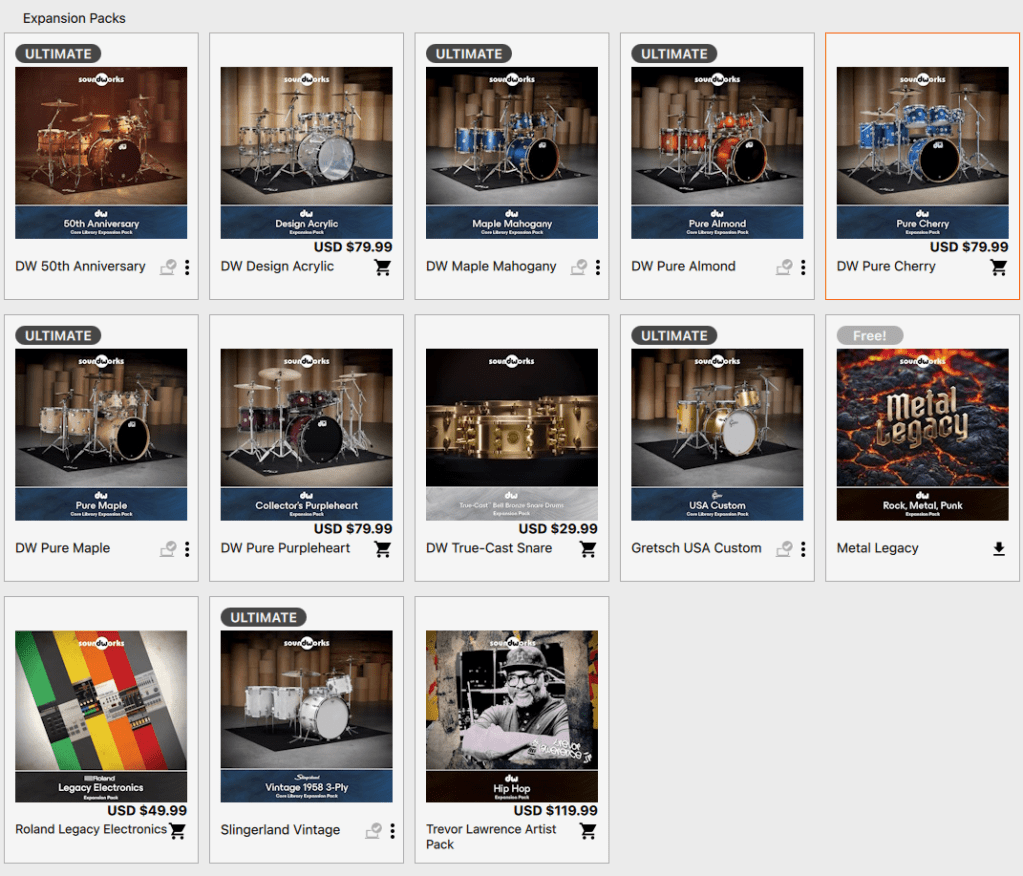
The mixer lets you control overheads, ambience, and output routing, similar to other drum VSTs. DW Soundworks comes with 13 expansion packs, including the Metal Legacy pack (7.71GB, free!).
The Plugin Boutique version also includes six additional sample packs:
DW 50th Anniversary Kit Expansion Pack
DW Maple Mahogany Expansion Pack
DW Pure Maple Expansion Pack
Slingerland Vintage 1958 Expansion Pack
DW Pure Almond Expansion Pack
Gretsch USA Custom Expansion Pack
These samples are punchy and versatile, making DW Soundworks a must-check for anyone shopping for a drum VST.
Wrapping Up
Whew, that was a lot to cover! Roland’s virtual instruments and DW Soundworks are packed with high-quality options, and with the 30% off sale (until August 24), now’s a great time to explore. Check out the links above to browse the full lineup.
Thanks for reading, and I’ll catch you in the next post! 🎶
Hey there! I’m Jooyoung Kim, a mixing engineer, and music producer.
It’s been a whirlwind week with listening experiments, live performance recordings, and mixing, so I haven’t had much time to focus on the blog… haha. I worked on a pretty unconventional setup for a recent gig—more on that in the next post!
Today, I’m excited to introduce Pulsar Audio’s Vocal Studio, a new plugin designed specifically for vocals, brought to you thanks to Plugin Boutique.
If you purchase through the link on my blog, I’ll earn a small commission, which really helps me keep things going… thank you! 😊
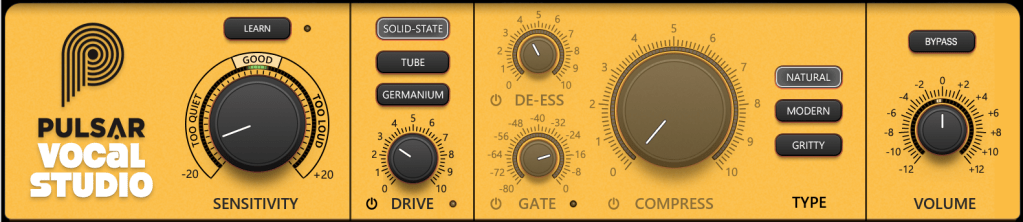
Think of this as an all-in-one vocal effect and channel strip. It’s packed with everything you need: compression, EQ, gain, saturator, gate, de-esser, delay, reverb—you name it, it’s here.
Top Section
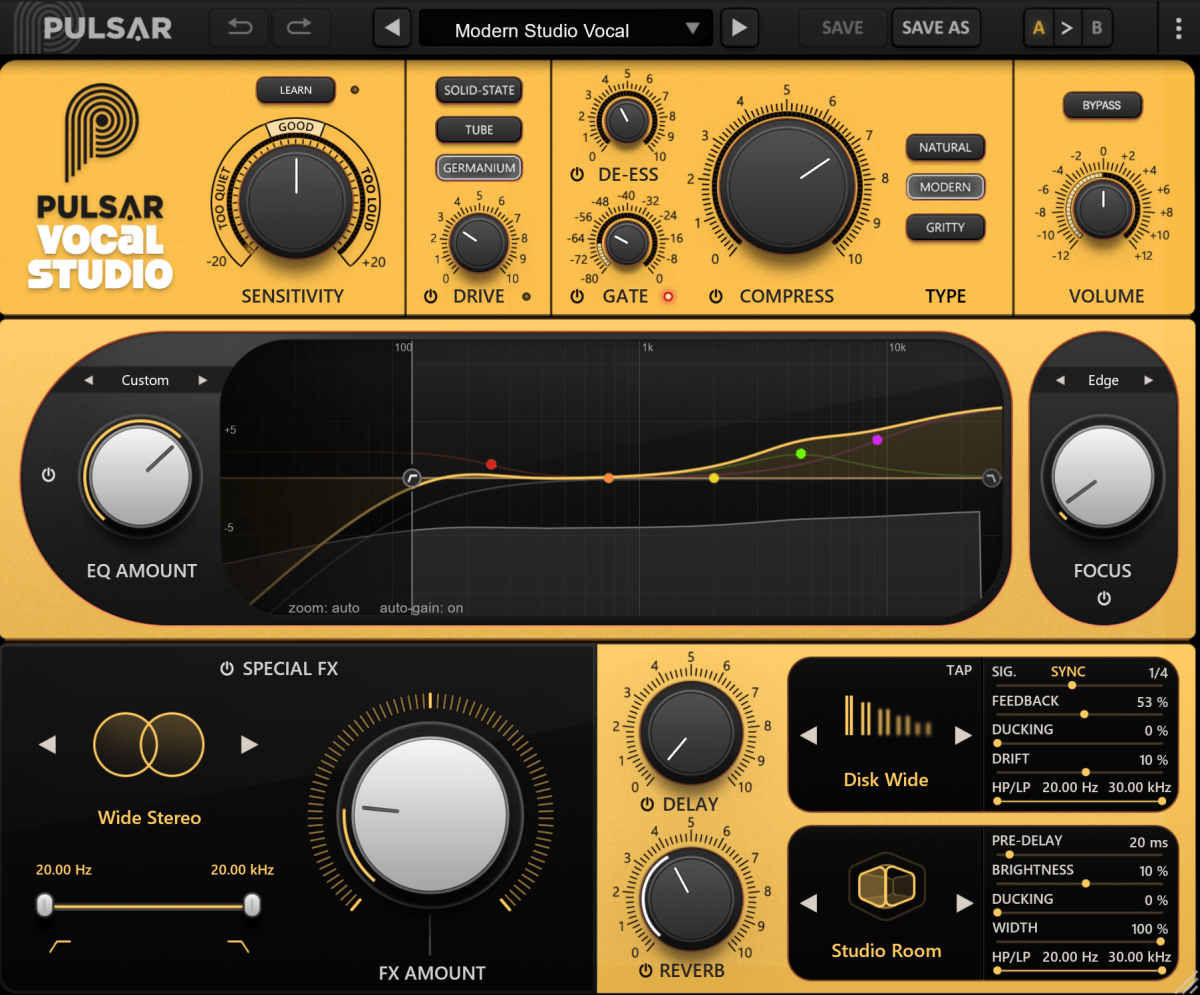
Let’s break down the controls in the Top Section of the Pulsar Vocal Studio interface:
Sensitivity: Automatically adjusts volume to maintain consistent levels, working independently of the compressor.
Drive: A saturator offering three distinct flavors—Solid State (inspired by Neve-style circuits), Tube (emulating a pentode preamp), and Germanium (mimicking a germanium transistor preamp).
De-ess: Reduces sibilance by attenuating frequencies around 4kHz and above.
Gate: Exactly what it sounds like—a gate! 😄
Compress: Offers three compression modes—Natural (FET-based, smooth and transparent), Modern (faster attack/release with added saturation), and Gritty (the fastest and most aggressive for a bold effect).
Volume: Adjusts the final output level of the plugin.
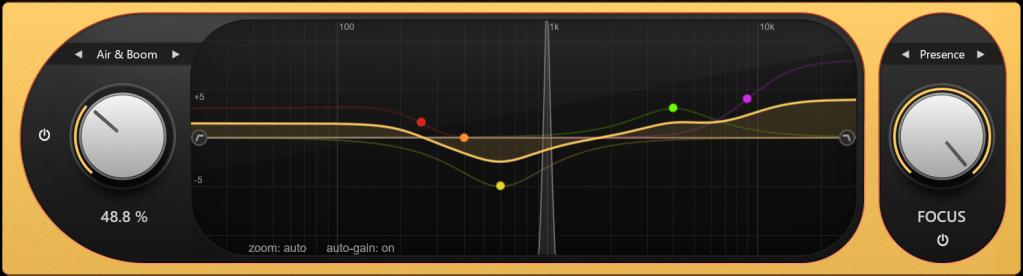
Mid-Section
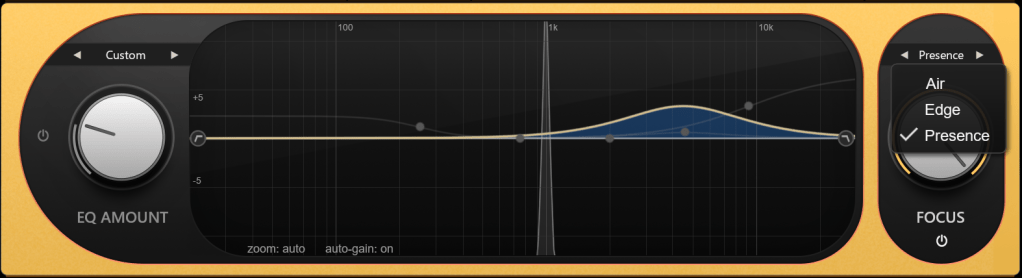
On the left, you’ve got controls for how much EQ to apply. On the right, the Focus section offers three dynamic EQ presets: Air, Edge, and Presence.
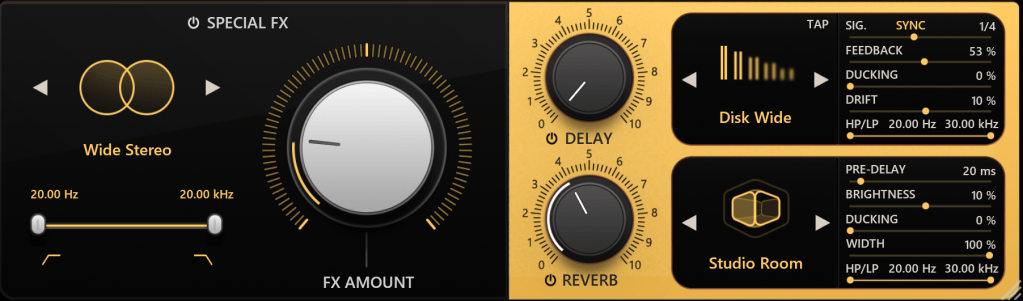
Bottom Section
Down below, the Special FX section lets you add creative effects.
Delay: Includes standard delay, ping-pong, slap delay, and more.
Reverb: Offers a wide range of types—hall, plate, spring, room, chamber, ambience, you name it.
All delay and reverb parameters are fully tweakable, of course.
Impressions
This plugin is a bit heavy on CPU due to its many effects, but if you think of it as a one-stop shop for an entire vocal track, it’s well worth it. Personally, I think the reverbs are so clean and polished that I’d love to see them sold separately at a lower price. They’re some of the best digital reverbs I’ve come across!
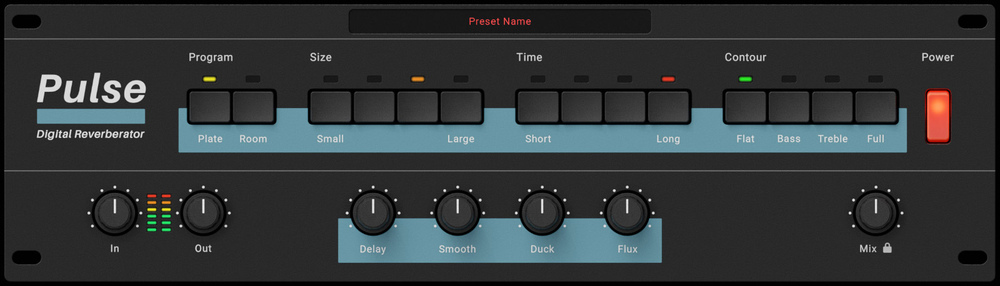
This month, if you buy any plugin from Plugin Boutique, you’ll get Wave Alchemy’s Pulse—a faithful recreation of the Lexicon PCM-60 reverb—for free. Don’t miss out!
If you’re in the market for a vocal channel strip, Pulsar Vocal Studio is definitely worth checking out.
Hello! I’m Jooyoung Kim, a mixing engineer and music producer.
Yesterday was the announcement day for artist grants in Korea, and as expected, getting selected is getting tougher… I was hoping to buy some cables for research purposes with the grant, but those plans went up in smoke. Times are tough these days… 😢
Anyway, today I’m continuing with the Brainworx May sale. This time, I noticed a lot of bass amp plugins are included in the sale, so I’m introducing five Brainworx bass amps commonly used in mixing and composing.
I own the Ampeg SVT-VR Classic and B-15N, having purchased them myself. The other plugins were provided as NFR (Not for Resale) copies through Plugin Boutique. Also, if you purchase through the links in this blog, I earn a small commission, which helps me keep creating content and survive. Thank you for your support!
The Ampeg SVT (Super Valve Technology) is a tube-based bass amp head from the late 1960s, developed to meet the demand for powerful bass amps during large concerts. While most amps at the time were under 100W, the SVT delivered a whopping 300W.
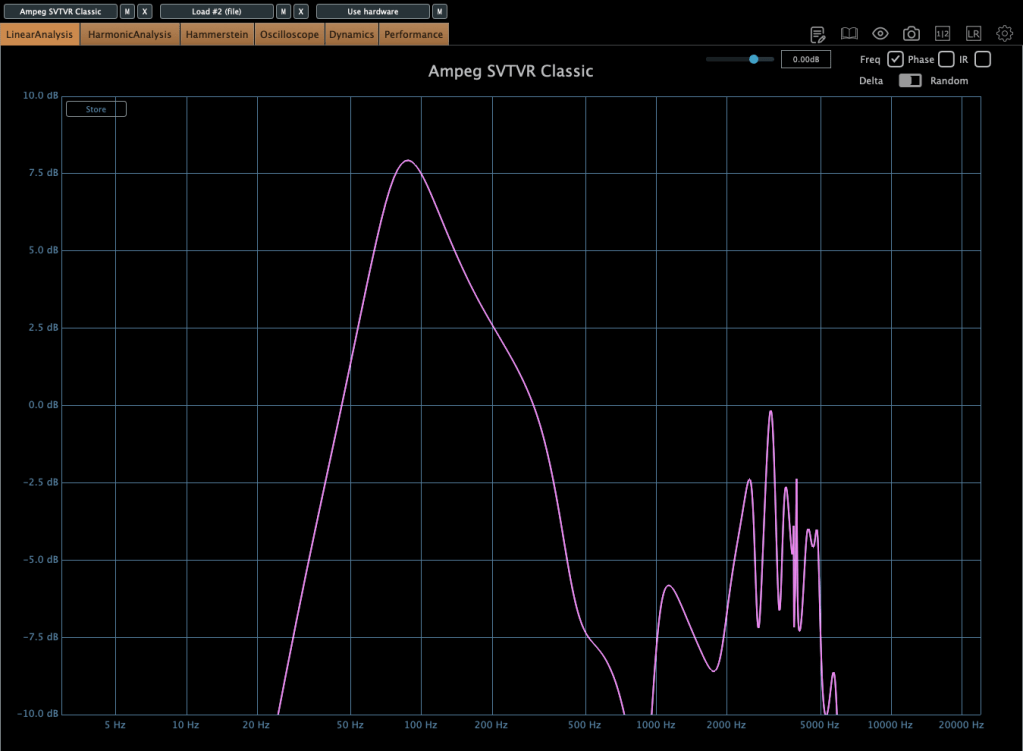
The SVT-VR is a vintage reissue (VR) model based on the 1969 SVT. The Classic plugin is a simplified version of the SVT-VR plugin, designed for straightforward operation.
I use this one a lot when writing songs or when a mix source comes in as a DI signal. It has minimal controls, which makes it super easy to dial in the tone I want.
Some bassists I know prefer a brighter, more attack-heavy sound, but I lean toward a darker tone with subdued highs. Setting it to Normal for the input signal and enabling Ultra-Lo gives me exactly the deep, grounded sound I love. With a little EQ tweaking, it sits perfectly in the mix.
You can choose from three cabinet options, but I find the default 8×10 cabinet sounds the best. This plugin sometimes pops up for free or during events, so keep an eye out for it!
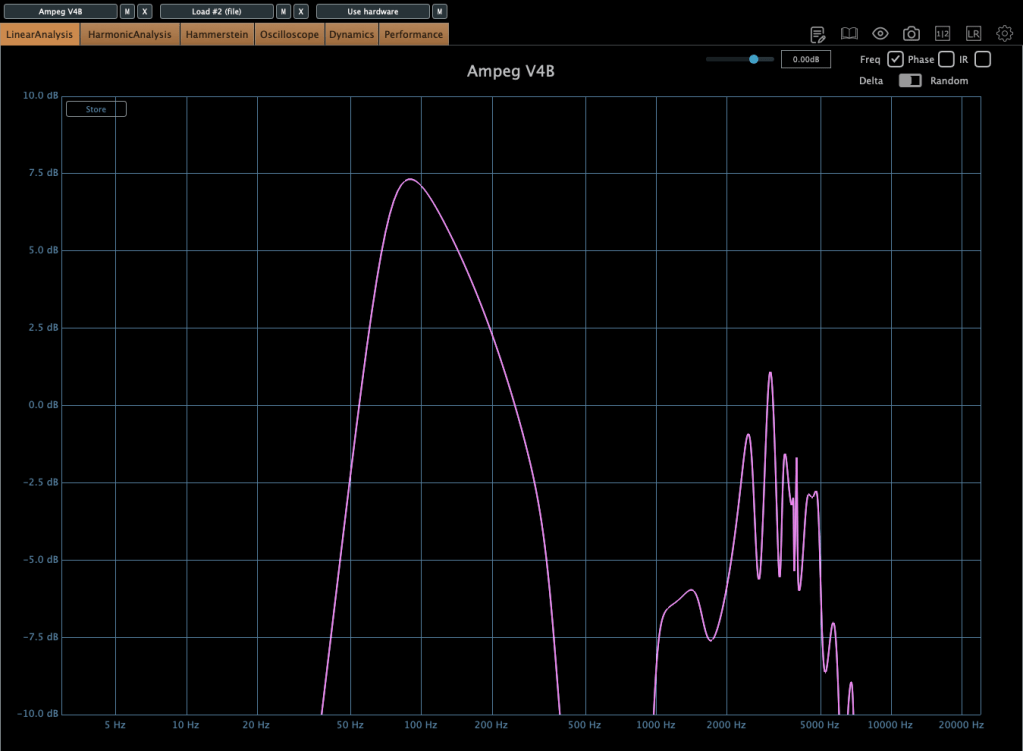
The Ampeg V-4B is a tube-based bass head from the early 1970s, designed for smaller venues. Think of it as a compact version of the SVT with 100W output.
Its tone isn’t drastically different from the SVT-VR, but it has slightly more high-end presence and sits a bit higher in the stereo image. It’s great when you want a tone that’s just a touch lighter than the SVT-VR’s Ultra-Lo setting. Of course, switching cabinets changes the sound quite a bit! 😄
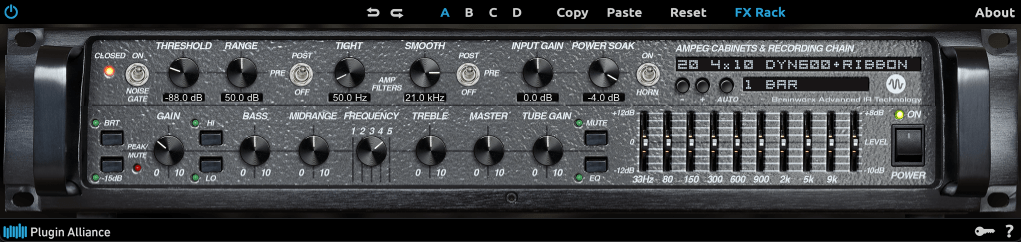
Unlike the SVT-VR Classic, this model includes a noise gate, filter, and EQ, which are handy for tone shaping.
The B-15N is a reissue of the first model in Ampeg’s Portaflex series, where the amp head can be tucked into or removed from the cabinet.
It includes 1964 and 1966 input and bias settings, which significantly affect the sound. The 1966 bias emphasizes highs more, and the 1966 input adds a bit more high-end, lifting the sound slightly in the stereo image. These differences are hard to show on a frequency response graph in Plugin Doctor, unfortunately.
Compared to the SVT-VR or V-4B, the default sound is noticeably lighter with more prominent highs, making it a great starting point for tracks featuring solo bass performances. As always, swapping cabinets changes the sound dramatically.
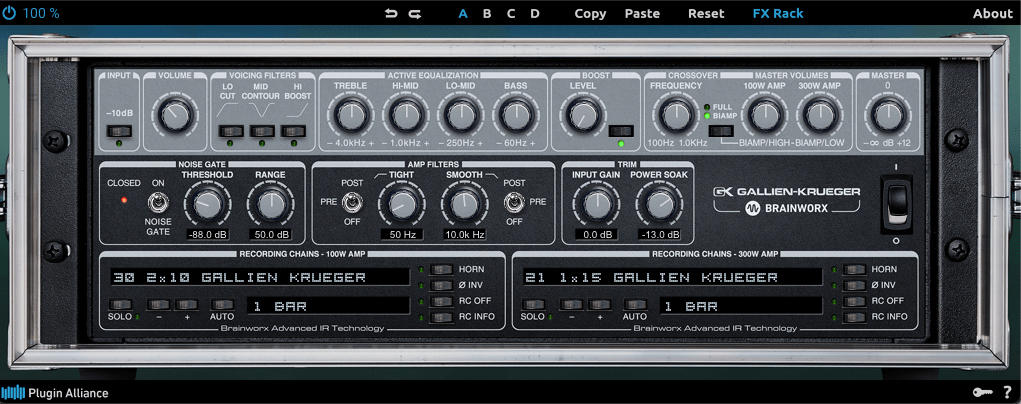
The Gallien-Krueger 800RB is a solid-state amp from the 1980s, designed with bi-amping (separating high and low frequencies) used in hi-fi systems, allowing connection to two cabinets.
In the plugin, you’ll see it split into 300W (lows) and 100W (highs). You can choose the Crossover Frequency to determine how frequencies are divided or use it in Full Range mode without bi-amping.
In its default state, this amp has the lightest sound of all the amps covered here, sitting higher in the stereo image. As with the others, EQ and cabinet tweaks can drastically alter the tone.
Today, we explored these five bass amp plugins. Bass amp plugins aren’t just for electric bass—they can also enhance synth bass or acoustic bass for great results.
All of these are solid amp plugins, so grabbing a few during this sale would be a smart move.













 Jooyoung's Music Blog