Advanced Synthesizers & Gear (2) – Eurorack Standard

Hello! This is Jooyoung Kim, an audio engineer and music producer. Today, I’ll talk about the most common standard of modular synthesizers, Eurorack.

These days, despite the appearance of many different kinds of synthesizers, a lot of people who make electronic music usually compose their songs with modular synthesizers.
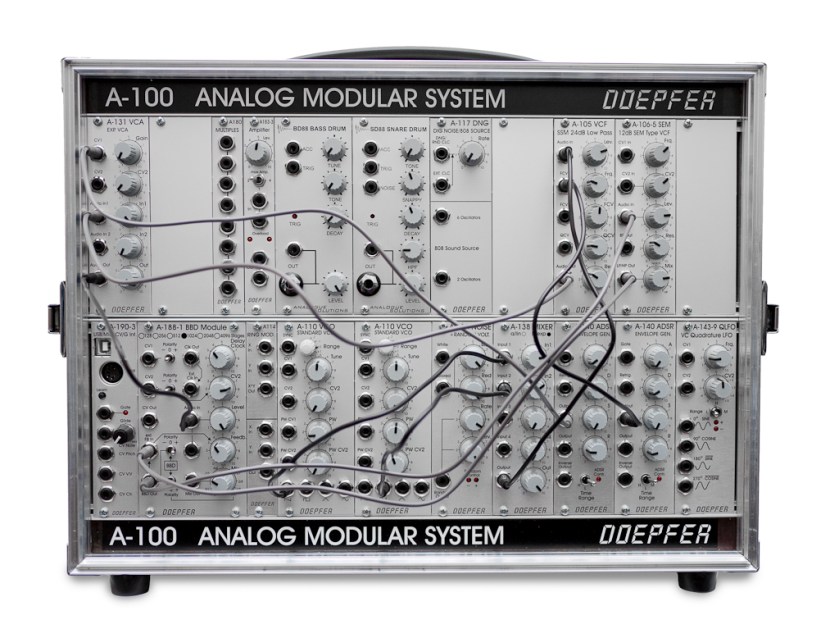
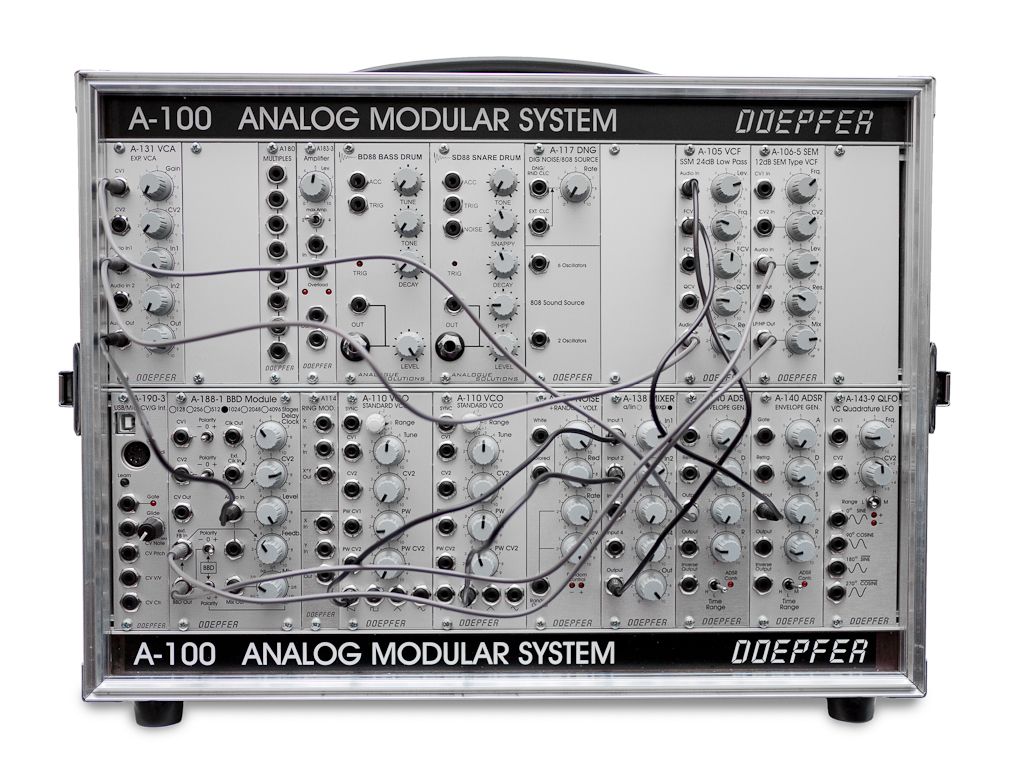
In the past, every modular synthesizer company followed its own unique standards. Amid this chaos, the Eurorack format emerged by Doepfer Musikelektronik, in 1996 (especially Doepfer A-100) and eventually became the international standard for modular synthesizers.

This standard consists of two types of rules: physical and electrical.


Physical Rules
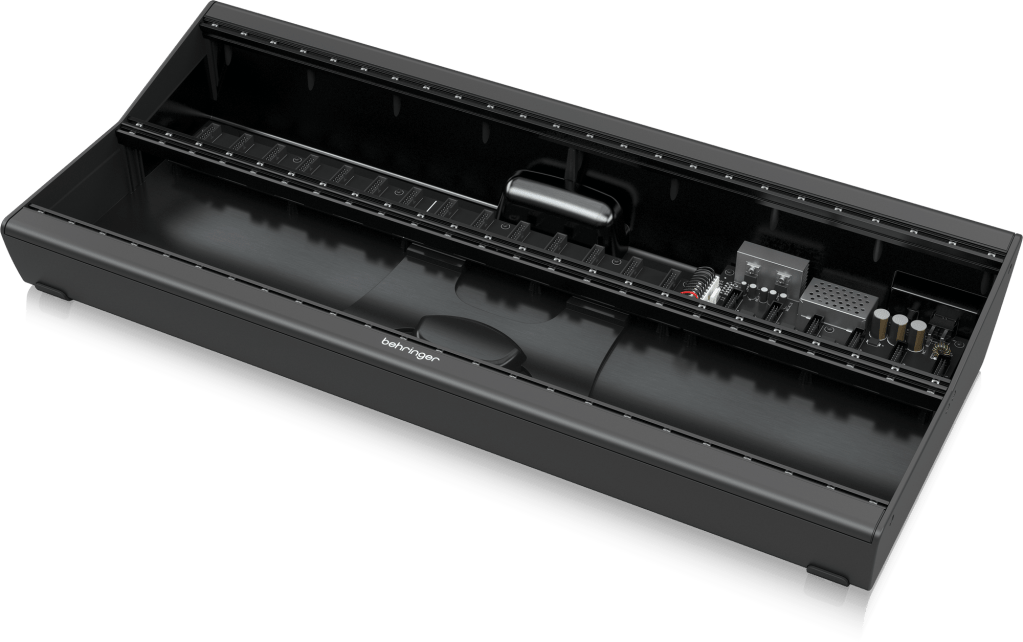
Behringer EURORACK GO

Height (3U): The standard height of all Eurorack modules is 3U (which is approximately 128.5 mm or 5.06 inches). This originates from the industrial rack unit standard.
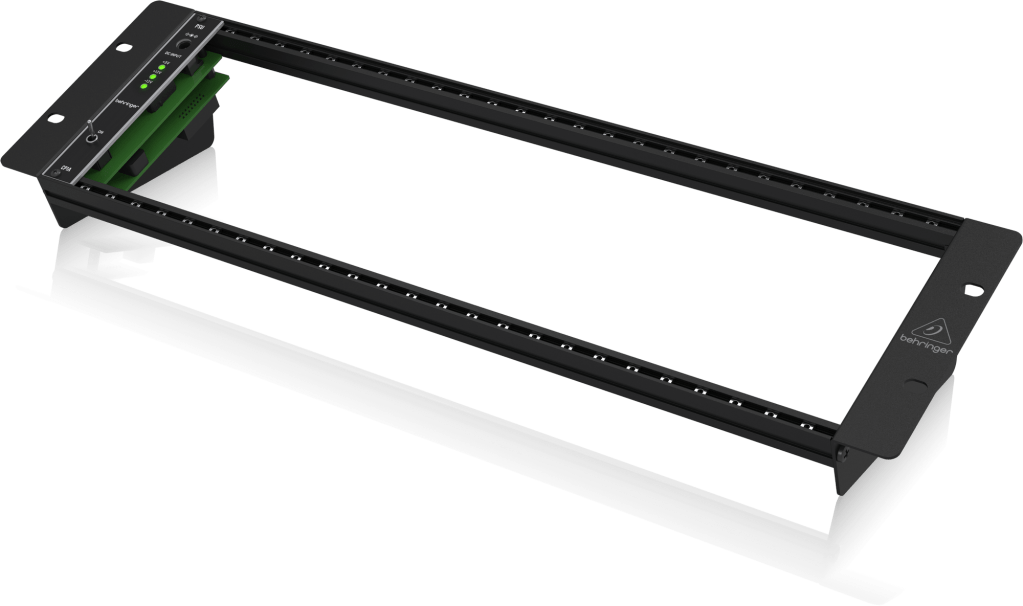
Behringer EURORACK RACK

Width (HP): The width of a module is measured in HP (Horizontal Pitch).

  • 1 HP = 5.08 mm (0.2 inches).
  • A module’s width is always a multiple of this unit.

Mounting: Modules are secured to the case rails using M3 screws (M3 means that the diameter of the screw is 3mm).


Electrical Rules
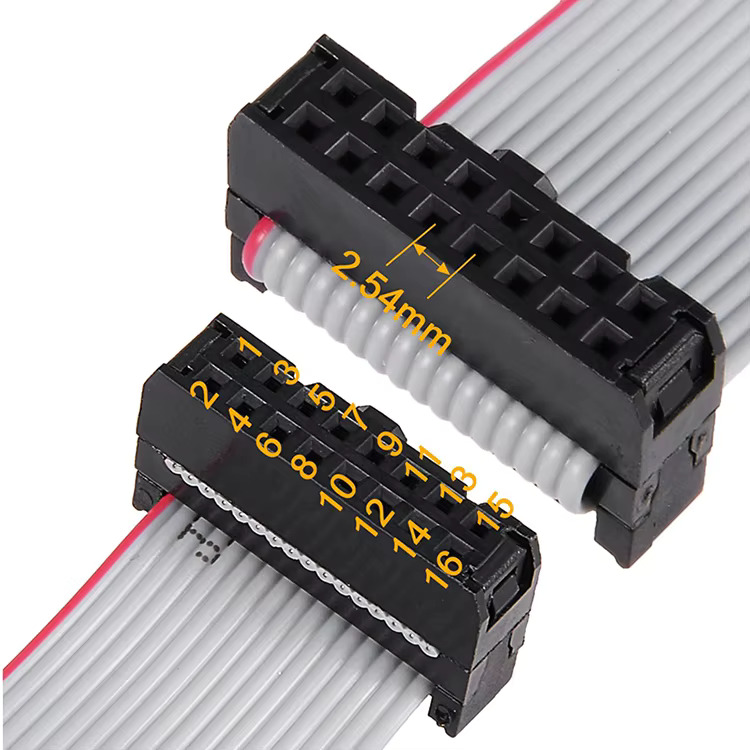
IDC 16-pin ribbon cable

Power Supply (Voltage): Eurorack cases provide a bipolar power bus consisting of +12V, -12V, and Ground. Many modern systems also include a +5V rail to power digital modules. Modules draw this power via IDC ribbon cables:

  • 10-pin cables: Provide the standard power rails (+12V, -12V, and Ground).
  • 16-pin cables: Provide all the standard rails plus a +5V rail and optional CV/Gate bus lines for inter-module communication.

Patching (Signals): Modules communicate using 3.5 mm (1/8″) mono patch cables. These cables transmit both audio signals and Control Voltage (CV), allowing for a flexible, semi-permanent signal path.

Control Voltage (CV) Logic:

Arturia Keylab MK2 (in MK3, CV functions are disappeared)
  • Pitch (1V/Oct): The standard for controlling musical pitch is 1 Volt per Octave. This means that if you increase the control voltage by 1V, the pitch of the oscillator increases by exactly one octave.
  • Gate/Trigger: These are signals used to start or sync events.
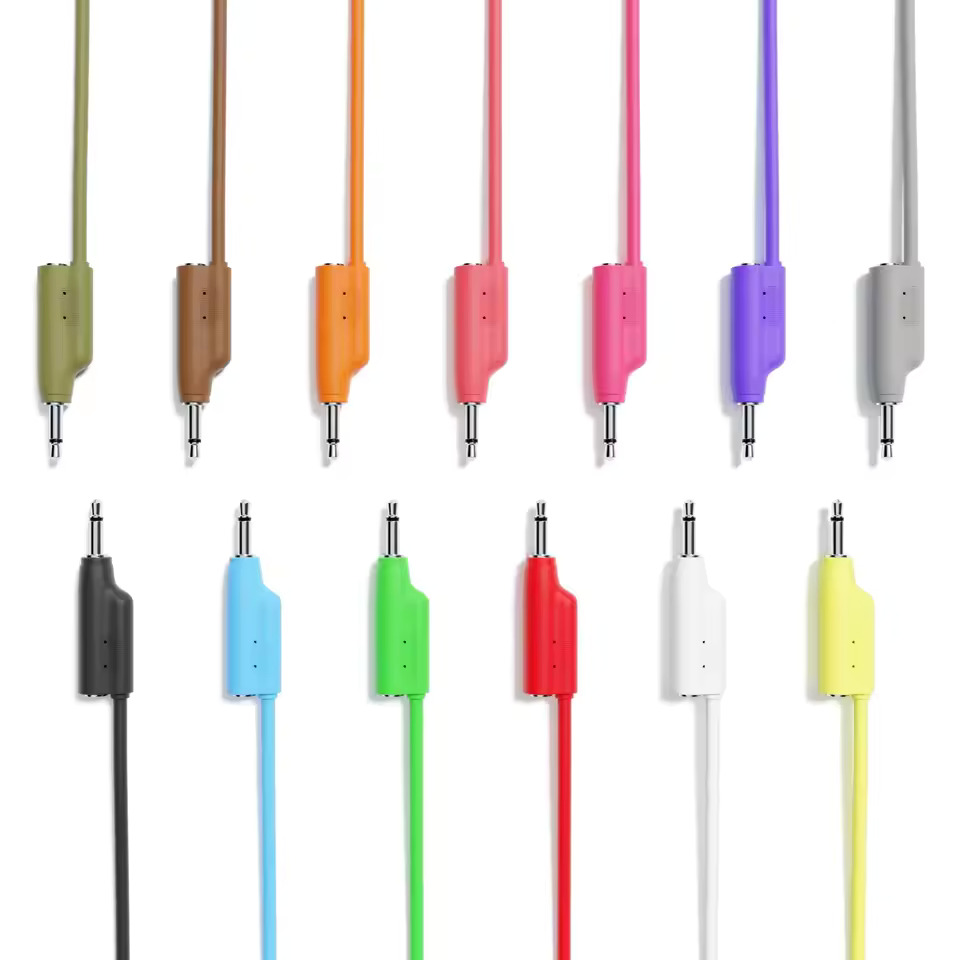
Those electric signals are transmitted by 3.5mm TS cables.

In modular synthesizer systems, the concept of the sequencer is vital to composers. As I mentioned in my last article, Buchla-style synthesizers usually do not have keyboard-style controllers or interfaces. Therefore, they are mainly controlled by sequencer modules that include clock sync, gate/trigger, and pitch functions.

These sequencer modules can be connected to external keyboard controllers to achieve mutual clock synchronization, where either device can act as a master to drive the system’s tempo. Furthermore, many of these keyboard controllers can function as independent sequencers themselves, provided they include an integrated arpeggiator or built-in sequencing features.
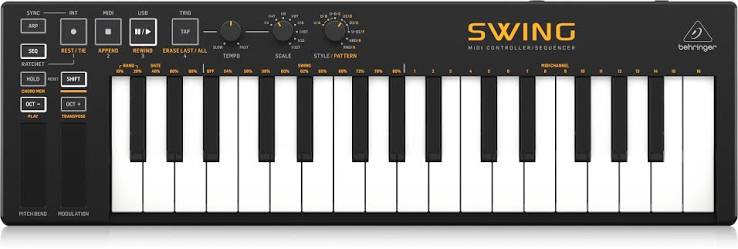
I have Behringer Swing that includes CV functions. It’s really handy!

Therefore, if you intend to design sounds or compose music using Eurorack modules while requiring MIDI integration, you should choose a keyboard controller that supports these specific standards.

For instance, I have two keyboard-style midi controller that have CV functions, Behringer Swing and Arturia Keylab 61 mk2. Actually, I don’t have lots of modules or modular systems, but if I have to adapt to the external modular systems or plan to expand my own, having these connectivity options is a huge advantage.

Even if you don’t use them every day, these controllers offer a versatile bridge between your DAW and the Eurorack systems. While I personally use the Behringer Swing and KeyLab 61 MkII, there are other options like the Arturia KeyStep series or the Novation SL MkIII that serve the same purpose. They provide that link to modular gear without sacrificing the convenience of a standard MIDI controller, making them a good addition to a modern composing setup.


In practical usage, we need to talk about VCO (Voltage Controlled Oscillator), VCF (Voltage Controlled Filter), and VCA (Voltage Controlled Amplifier).

However, to explain those concepts need quite a lot of words. So, I’ll continue them in the next post!
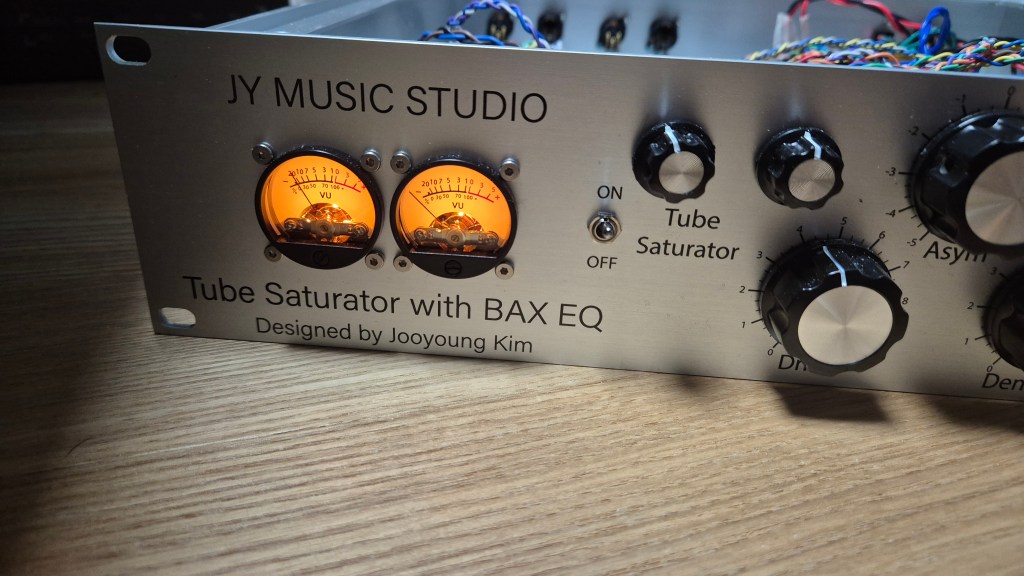
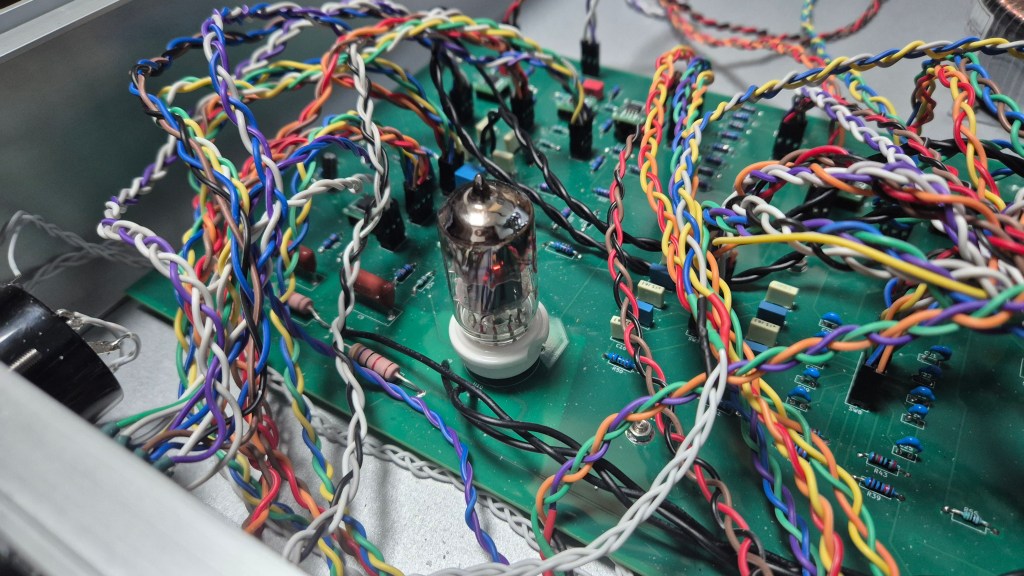
By the way, I finally powered on my DIY hardware! However, the toroidal transformer is making a strange noise, and the amount of heat it is generating suggests there might be a problem with the circuit. I need to investigate what is causing this.

Even though I happily expect that I will be able to measure and add a final post about this hardware!

Also, I received a major revision decision on my new paper. There are quite a lot of required revisions, but that’s still great news for me.

Hmm..that’s all. See you in the next post!
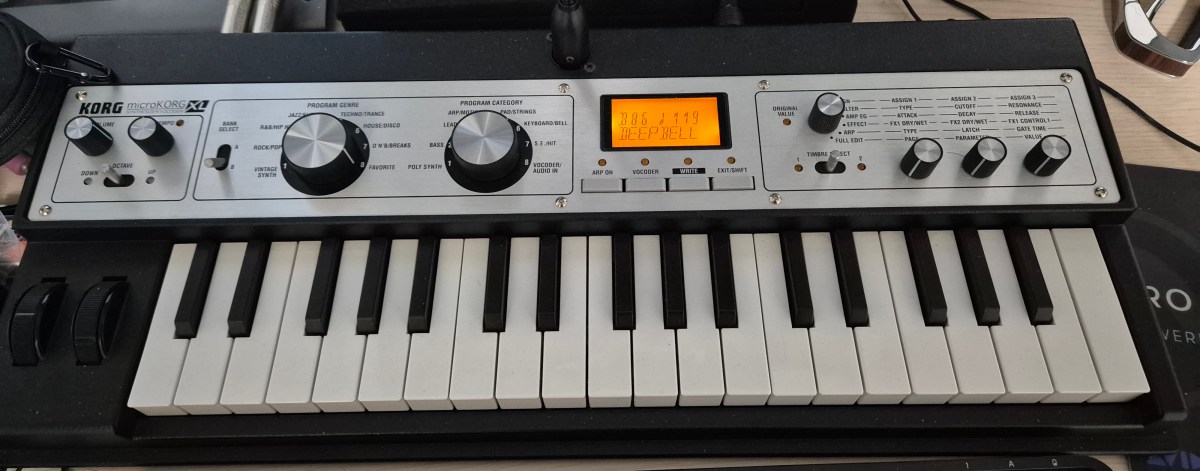
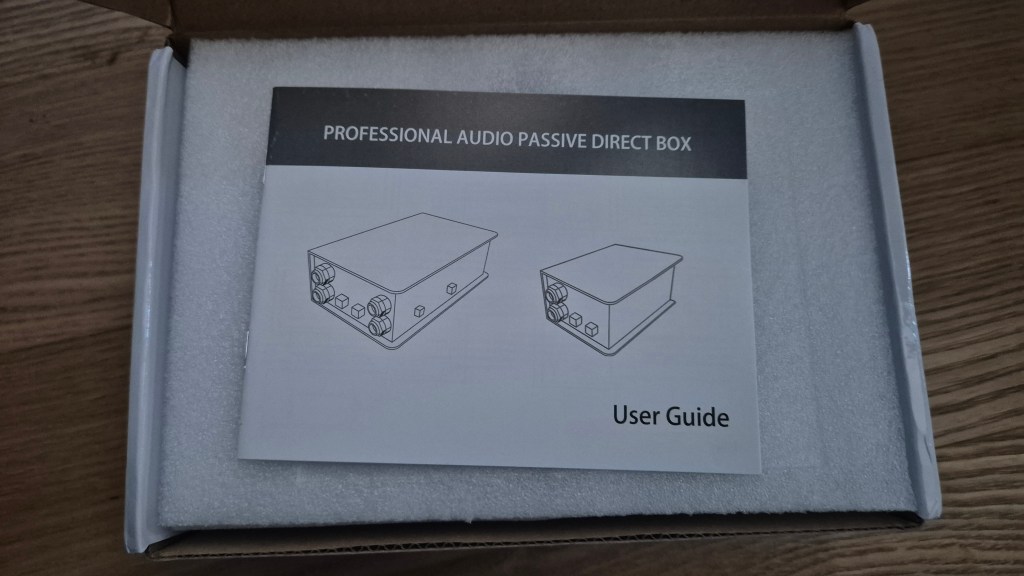
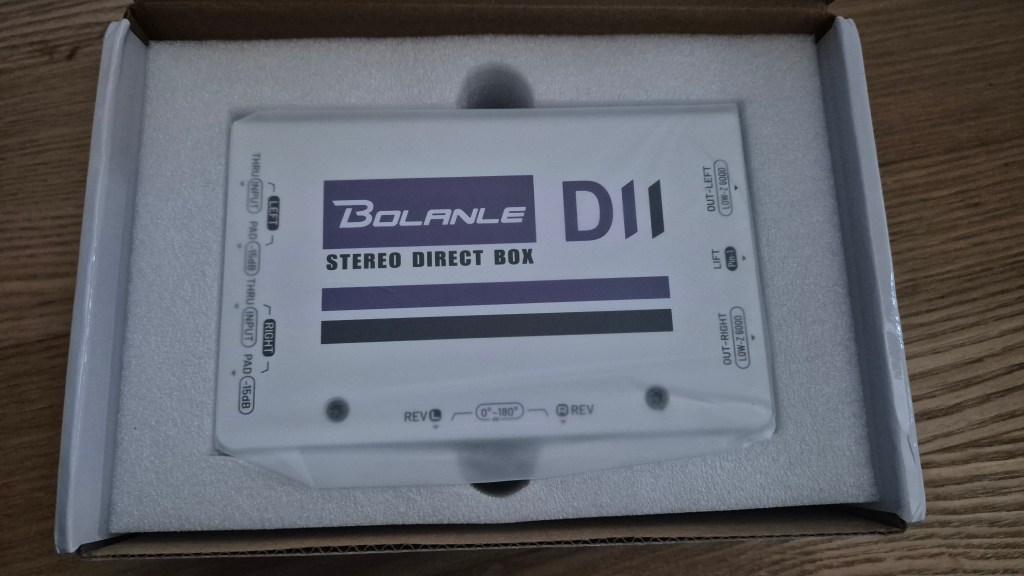
I bought microKORG XL (older version) and Bolanle passive stereo DI box

Hello! This is Jooyoung Kim, a mixing engineer and music producer.

Recently, I bought a small portable synthesizer: the microKORG XL. KORG currently sells the microKORG XL+, but this discontinued version has a very reasonable price on the used market (just about $140 in Korea!), and its sounds are still perfectly usable.

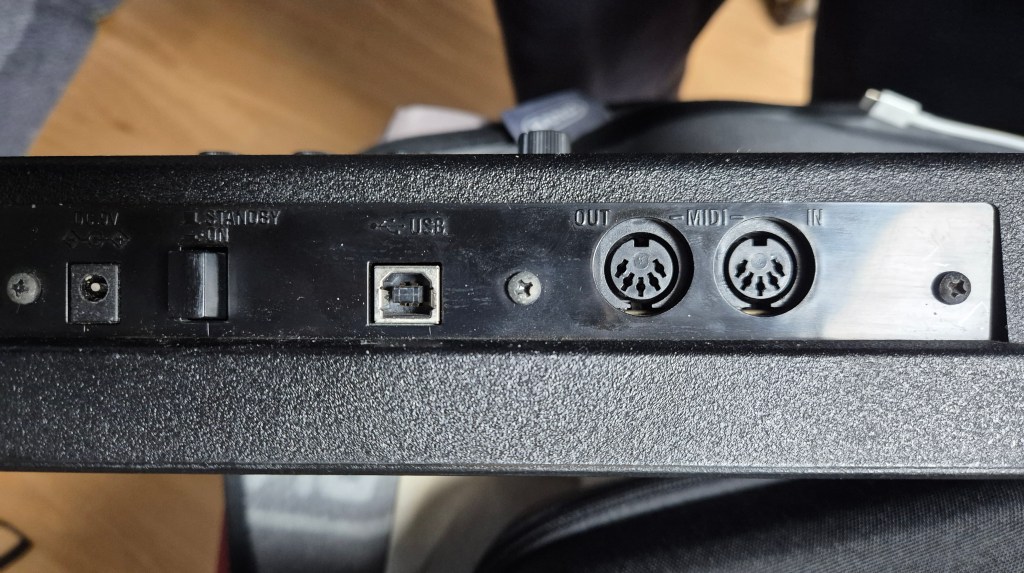
The keys are made of cheap plastic. However, I can connect an external controller via a MIDI cable or transmit MIDI data via a USB cable.

It also has an external audio input, such as a microphone or line input, which can be used for the vocoder function.

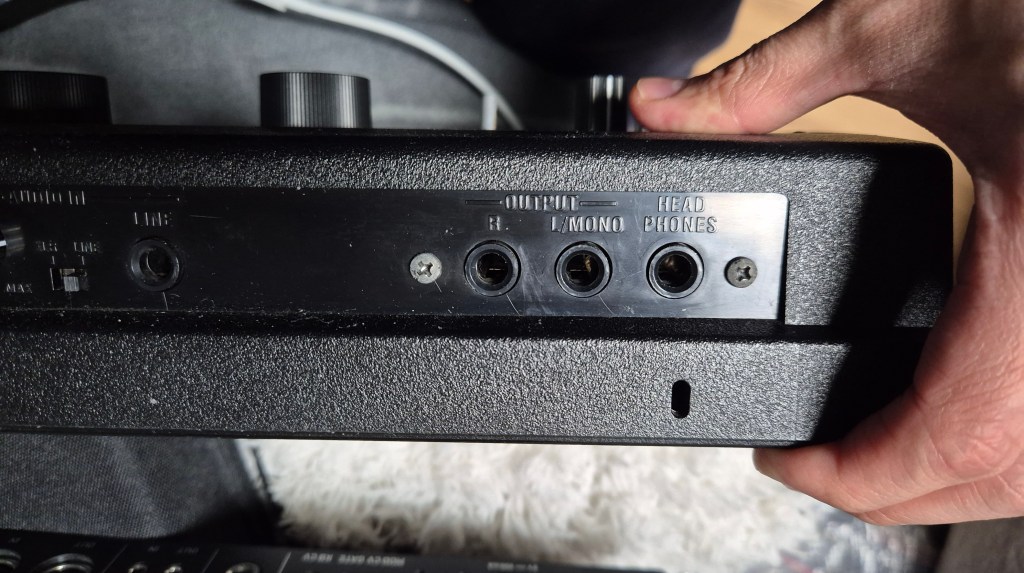
There are two kinds of outputs, unbalanced L/R and headphones, which are very convenient to use.

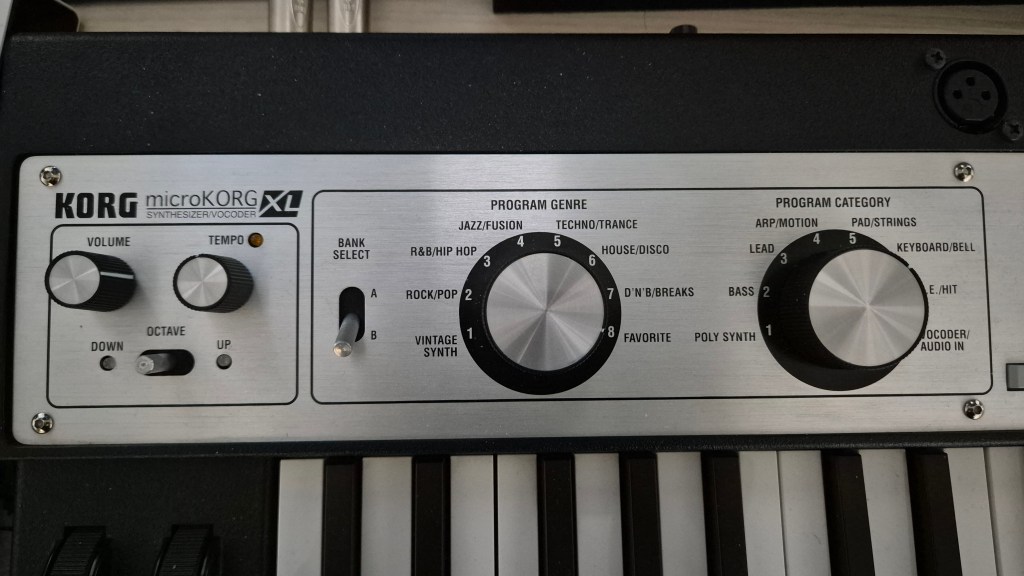
The synth has 8 categories/genres and 2 selectable banks. Therefore, a total of 8 X 8 X 2 = 128 preset programs are available.

But I’m really disappointed by the microKORG XL editor software provided by KORG. It’s no longer usable, and I cannot even install the program on my Mac system.

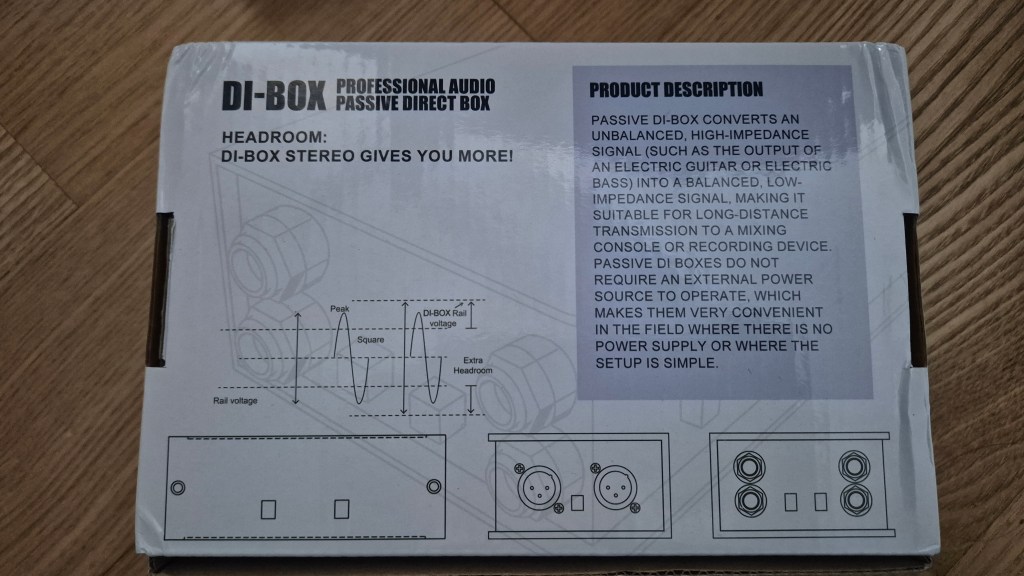
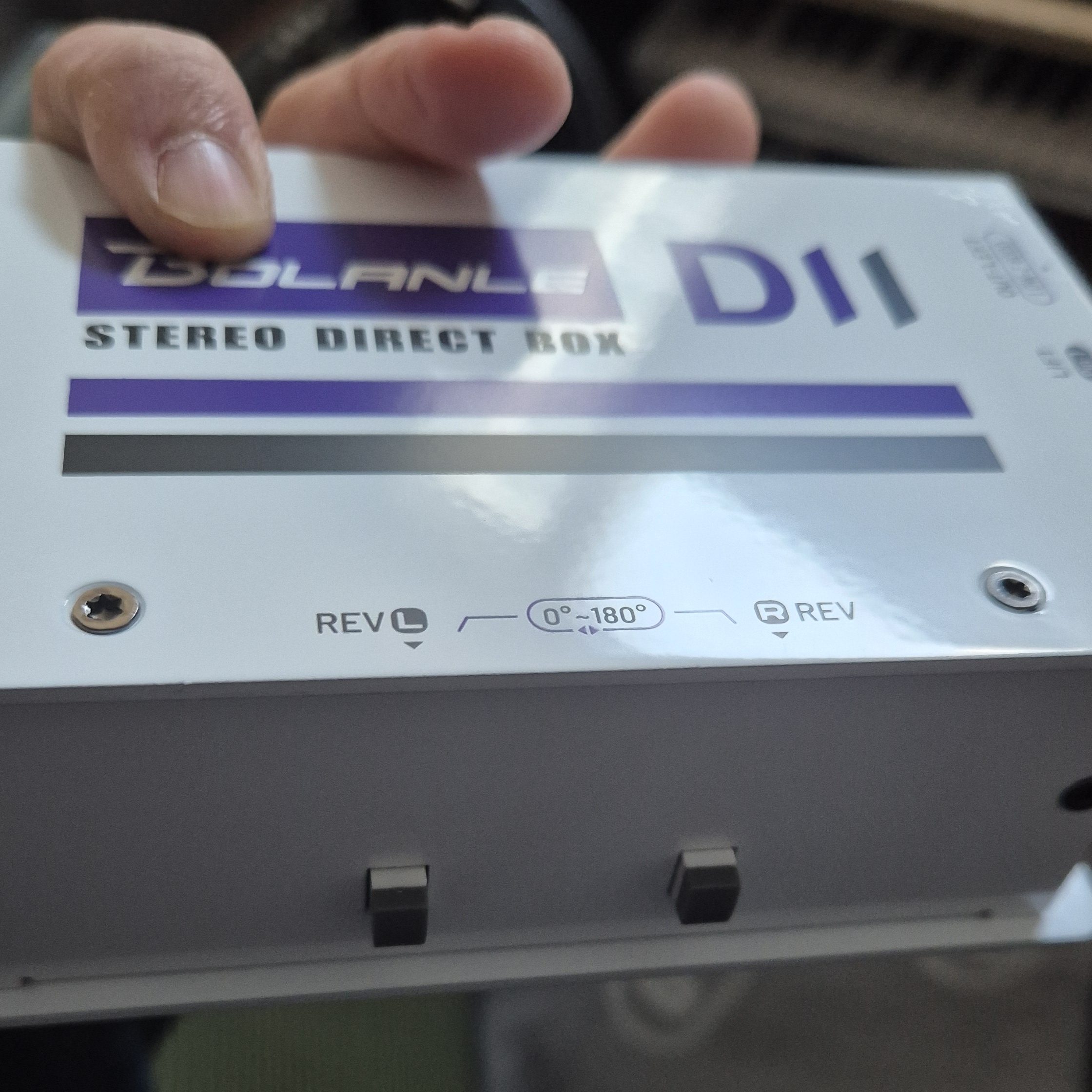
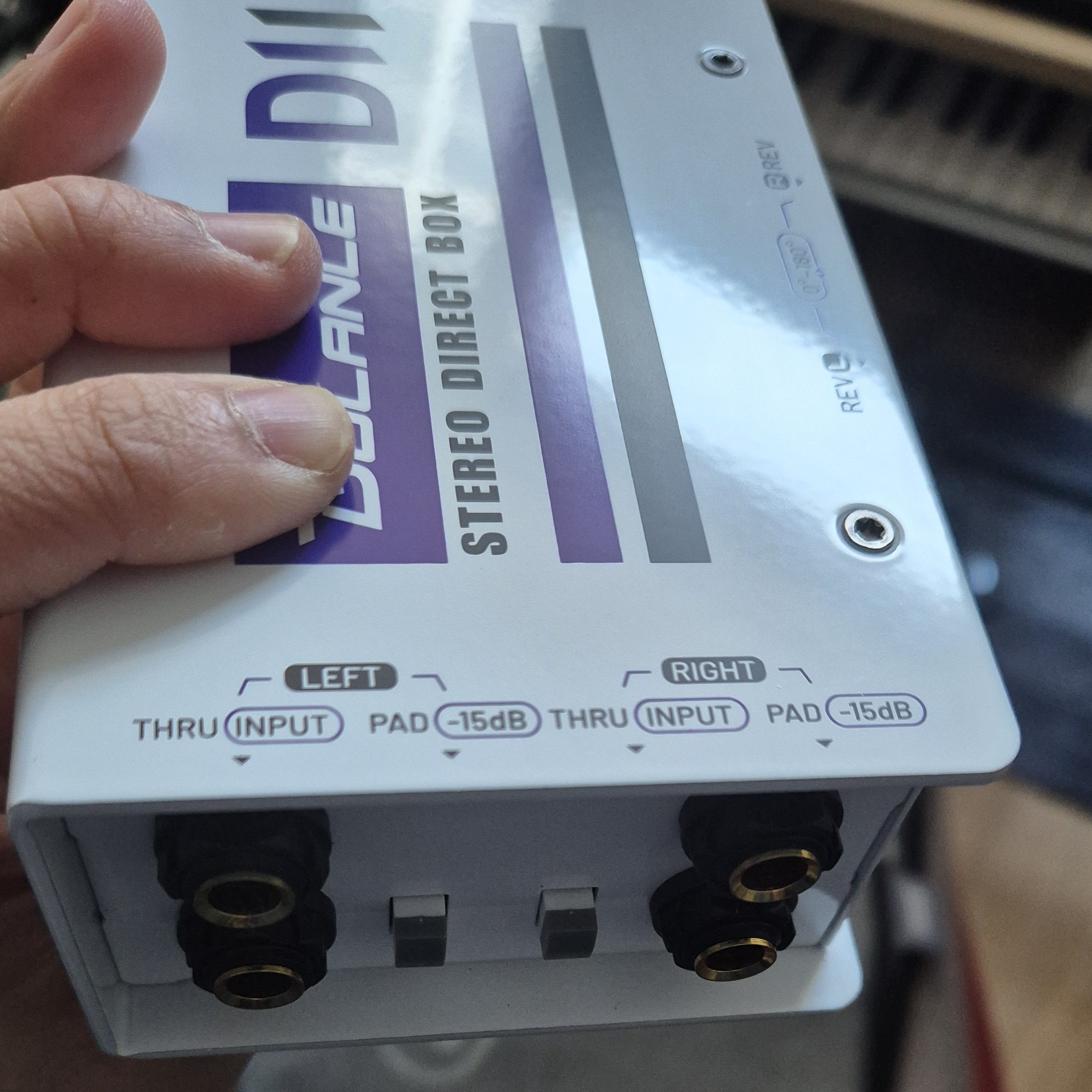
Also, I have microphone preamps but no DI box. So, I decided to purchase a stereo DI box. However, you might realize I’m not an affluent musician if you’ve been following my posts. After some web searching, I found a cheap DI box made by Bolanle (just $33!) being sold on Aliexpress.

I really didn’t have high expectations for this gear because of its price, but surprisingly, the build quality is great!

I can’t say I love all of the sound presets on the microKORG XL. However, I am particularly fond of one lead sound preset and one keyboard sound preset. The vocoder function is quite valuable as well.

Now I am eager to get a full analog multi-voice synthesizer. Music making always drains my wallet!

That’s all for today. See you in the next post!

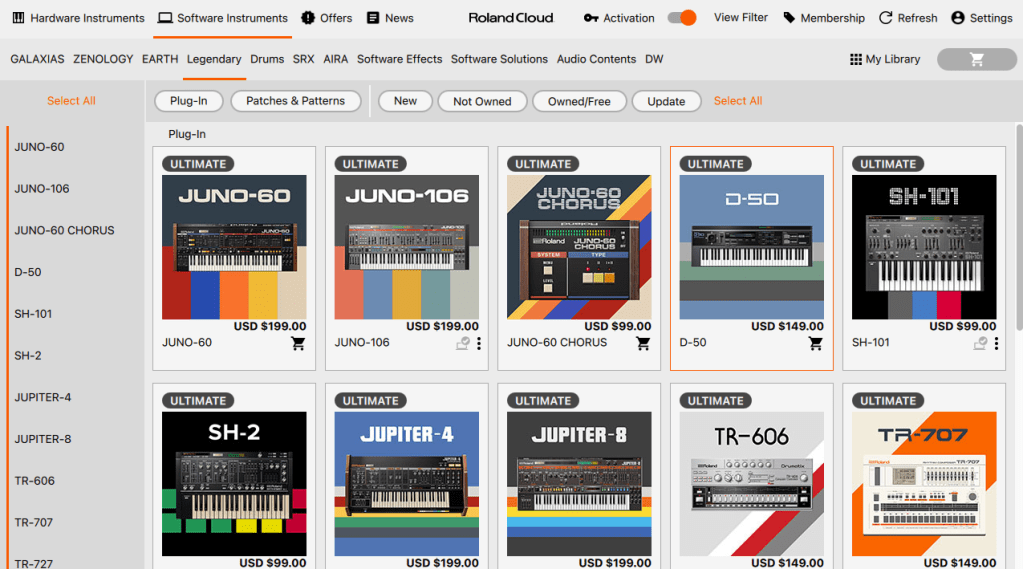
Roland and DW Drum Virtual Instrument Launch Sale (~Aug 24, 30% Off Everything Except TR-808)

Hey there! I’m Jooyoung Kim, a mixing engineer and music producer.

Yesterday, the SONICWIRE CONTEST 2025 results were announced, and unfortunately, I didn’t make it to the final round. Looking back, I noticed a few things in my submission that could’ve been better—guess it’s time to tweak and resubmit next time! Still, I got a one-year Pro Tools license and a Sonible Essentials Bundle, so I’m not too bummed about it.


Roland Joins Plugin Boutique with a Launch Sale!

On another note, Roland (via Roland Cloud) has officially joined Plugin Boutique! To celebrate, they’re holding a launch sale from now until August 24, with 30% off all products (except the TR-808).

Quick heads-up: If you purchase through the links in this post, I earn a small commission, which really helps me keep going. Thanks in advance! 😊

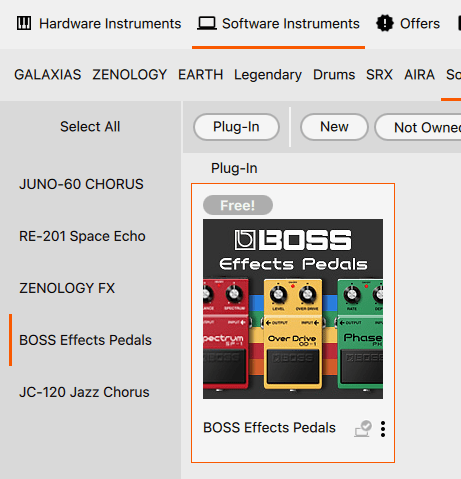
Roland Cloud offers virtual recreations of their iconic synthesizers, which were previously available only through a subscription model. Now, you can purchase individual instruments outright—a big win for producers! Plus, Roland’s sister brands like Boss and DW Drums are also part of the deal, offering virtual instruments like the DW Drum VST and even free Boss effect pedals.

Let’s take a quick look at some of Roland’s standout virtual instruments and the DW Drum VST.


Roland’s Iconic Virtual Instruments

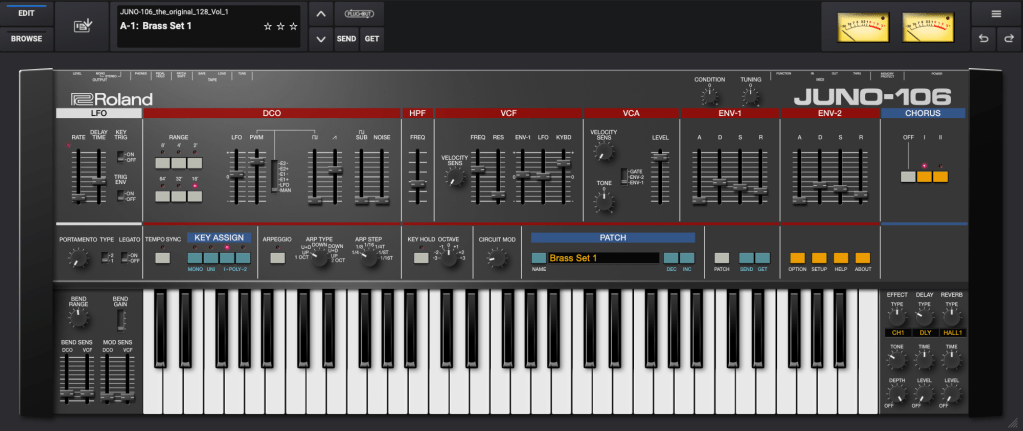
JUNO-106

The JUNO-106 is the successor to the JUNO-6 and JUNO-60. As the name suggests, it’s a 6-voice polyphonic synthesizer, though the virtual version lets you choose 2, 4, 6, or 8 voices for flexibility.

The standout feature? That lush Chorus effect on the right side of the interface. Back in the day, synths like the JUNO-106 used chorus to create a stereo sound, giving it that iconic ‘80s vibe. Comparing the plugin’s presets to YouTube recordings of the original hardware, the emulation is spot-on, though the high frequencies are slightly sharper in the plugin. A touch of EQ can get it sounding nearly identical to the hardware’s smoother tone. Roland nailed the recreation here.


JV-1080 & XV-5080

Click image to purchase JV-1080 at Plugin Boutique
Click image to purchase XV-5080 at Plugin Boutique

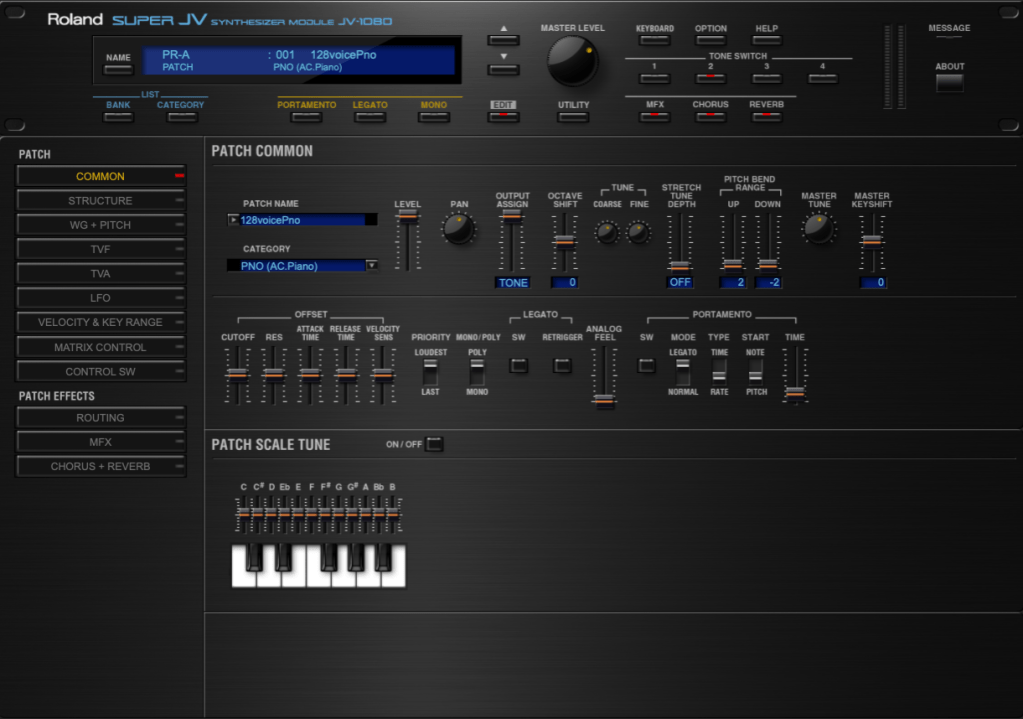
The JV-1080 is a legendary rack-mounted PCM synthesizer from 1994, packed with iconic strings, ethnic instruments, retro stabs, and more. It’s a ‘90s classic that’s still relevant today.

The XV-5080, its successor, takes things further with a massive library of over 900 presets and a wide range of onboard effects. Both synths use the same editing engine, so you can tweak envelopes and patches for detailed sound design. The XV-5080 includes most of the JV-1080’s core waveforms and patches, but subtle differences in reverb and effects settings give each a unique flavor. Personally, I find the JV-1080 a bit thinner, while the XV-5080 has a thicker, more robust sound.

Roland also offers SRX Expansion packs for additional sounds, sold separately.


Mono Synth Collection (SH-101, SYSTEM-100, SH-2, TB-303, PROMARS)

This collection includes five iconic Roland monophonic synthesizers, perfect for crafting lead and bass lines. Here’s a quick rundown:

SH-101

Released in 1982, the SH-101 is a monophonic bass synthesizer famous in techno, D&B, and acid genres. With a single oscillator producing sawtooth or square waves, it delivers a distinctive, gritty bass tone that’s instantly recognizable.

SYSTEM-100

The SYSTEM-100 (1975) is a semi-modular monosynth known for its experimental, happy-accident-style sound design. Those patch cables scream creativity—just tweak and see what cool sounds you stumble upon!

SH-2

The SH-2 (1979) is another monophonic synth with dual VCOs and a sub-oscillator, giving it a thicker, deeper sound than the SH-101. It feels somewhat similar to a Minimoog and can be used in similar contexts.

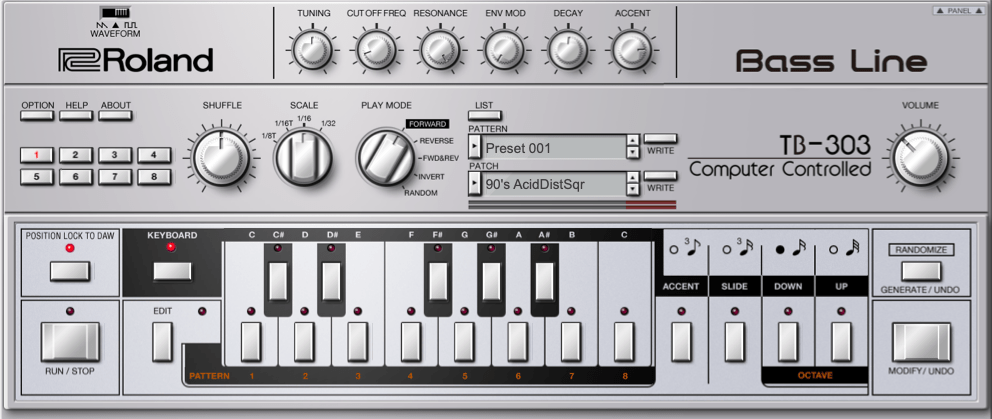
TB-303

The TB-303 is the legendary bass machine that birthed acid house. Designed to mimic bass guitars, it flopped commercially and was discontinued in 1984. But its cheap secondhand availability made it a staple in electronic music genres like acid, house, and techno. Don’t think of it as a bass guitar replacement—its quirky, unique tone is what makes it so special. It reminds me of sounds from old-school video games!

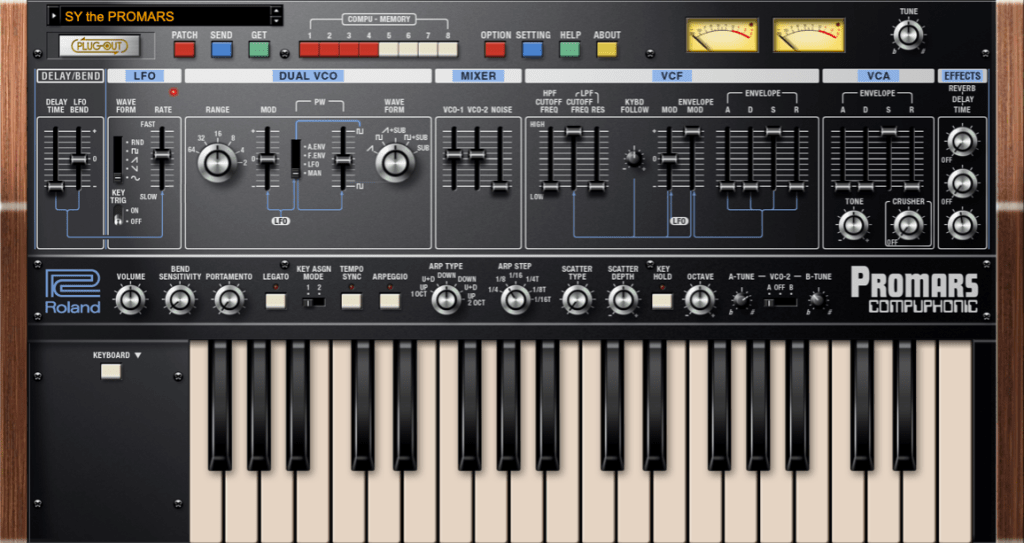
PROMARS

The PROMARS (1979) is a monophonic sibling of the Jupiter-4, with two VCOs for a rich, detuned sound. Think of it as a scaled-down Jupiter-4 without the arpeggiator or ensemble chorus. It’s got a thick, vibrant tone that’s perfect for bold leads or basses.


Drum Machine Collection (TR-606, TR-707, TR-727, TR-909, TR-808)

Click image to purchase TR-808 at Plugin Boutique

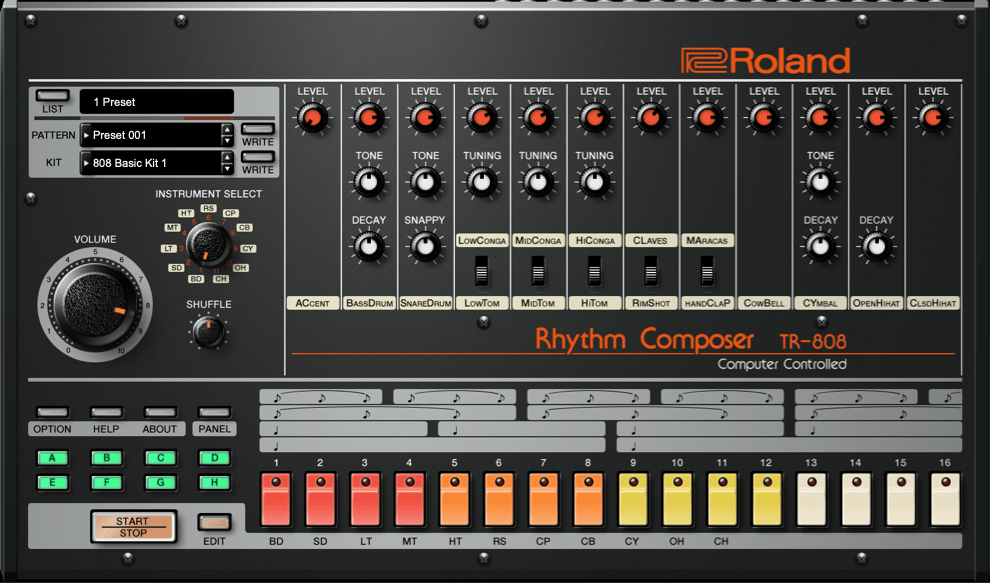
Roland’s drum machines are absolute legends, and the TR-808 is arguably the most influential. (Note: The TR-808 is not included in this sale.) Here’s a look at the others:

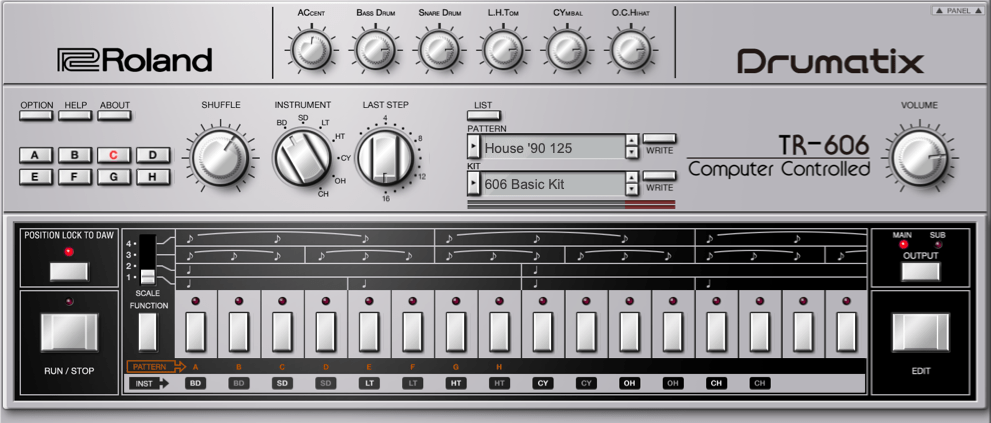
TR-606

The TR-606 was designed alongside the TB-303 bass synth for seamless synchronization. Its interface is similar to the 303, and its sound is a classic in electronic music. You’ll likely recognize it when you hear it!

TR-909

Click image to purchase TR-909 at Plugin Boutique

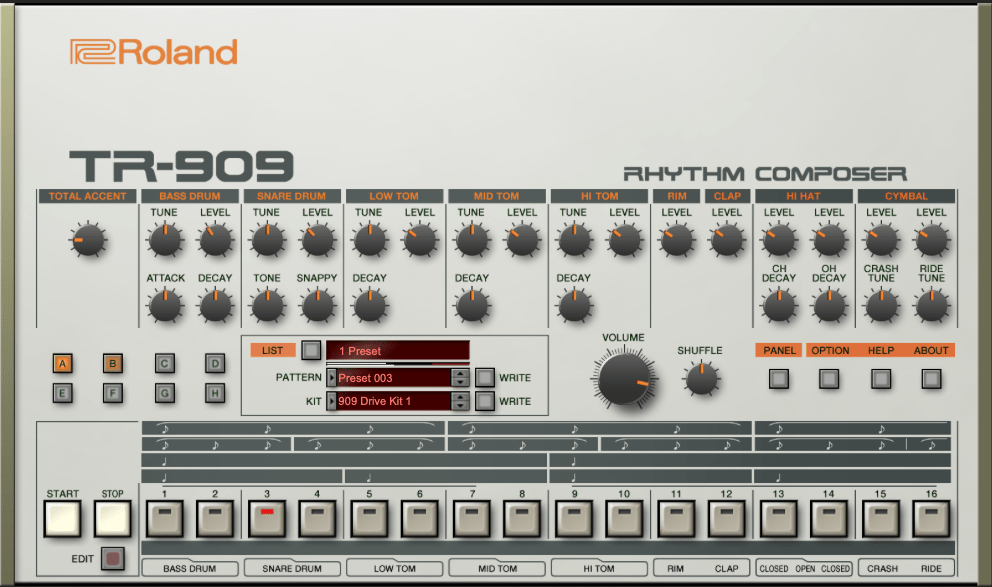
The TR-909 is the successor to the TR-808, blending analog and sampled sounds for a punchier, more defined tone. It’s a dance music staple, known for its powerful kick and crisp hi-hats.

TR-707

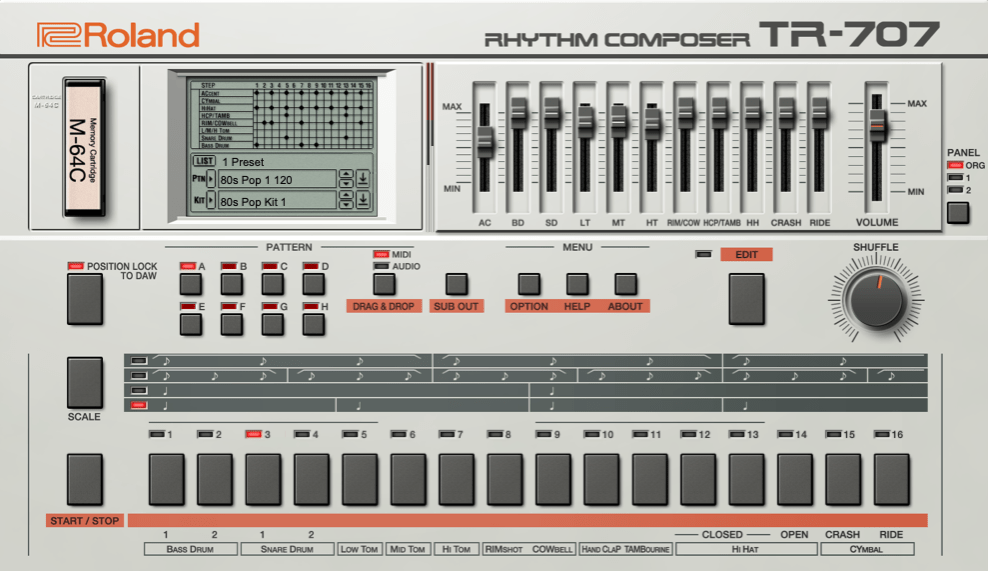
Despite its name, the TR-707 came after the TR-909. It uses fully sampled sounds at 8-bit resolution (6-bit for cymbals/hi-hats), giving it a more realistic yet slightly lo-fi vibe compared to the 808 or 909.

TR-727

The TR-727, a sibling of the TR-707, specializes in Latin percussion sounds—think tropical rhythms for afrobeats, reggaeton, or Arabic pop. It shares the same UI as the 707, making them easy to sync for house music production.


DW Soundworks

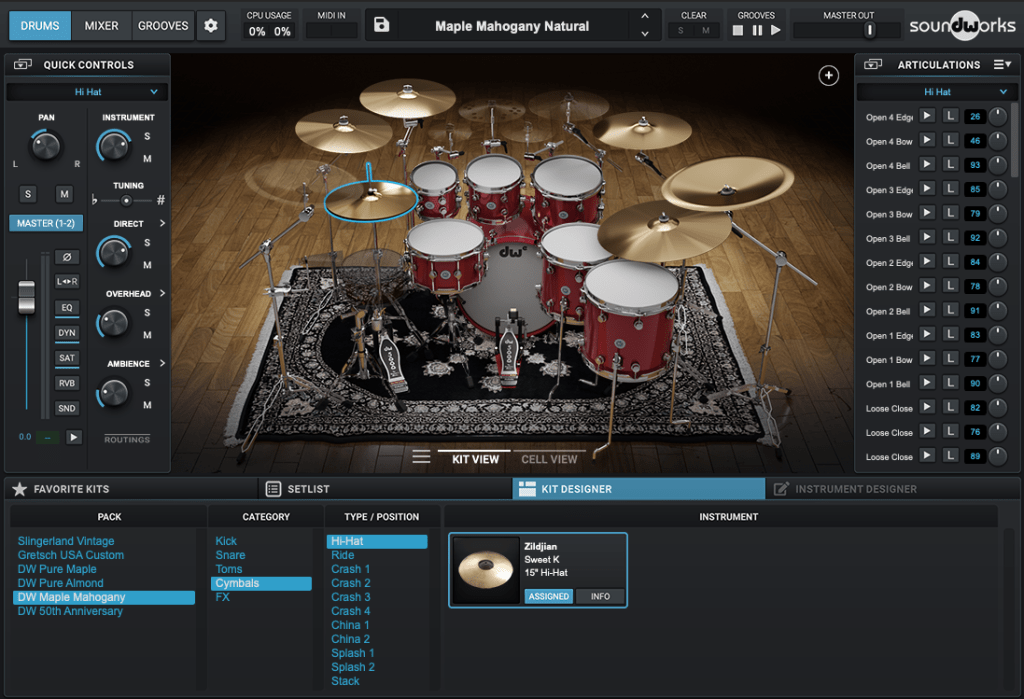
The DW Drum VST is a game-changer for beatmakers. The default Maple Mahogany Natural kit is a standout—crisp snares and punchy kicks that thump in the low end with just a slight tweak. The sound quality is top-notch.

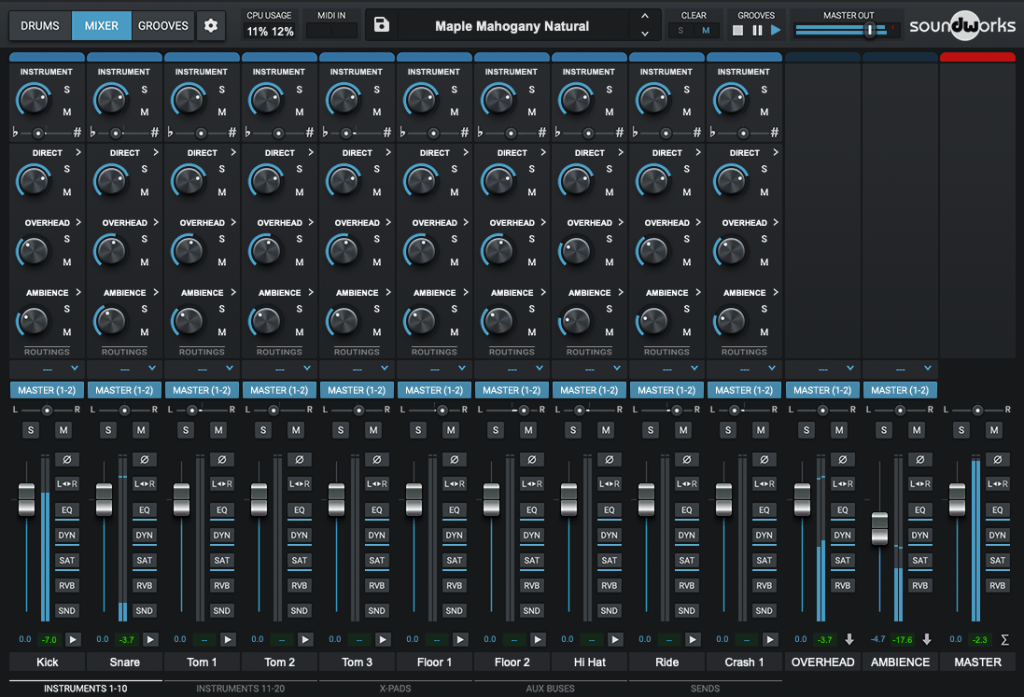
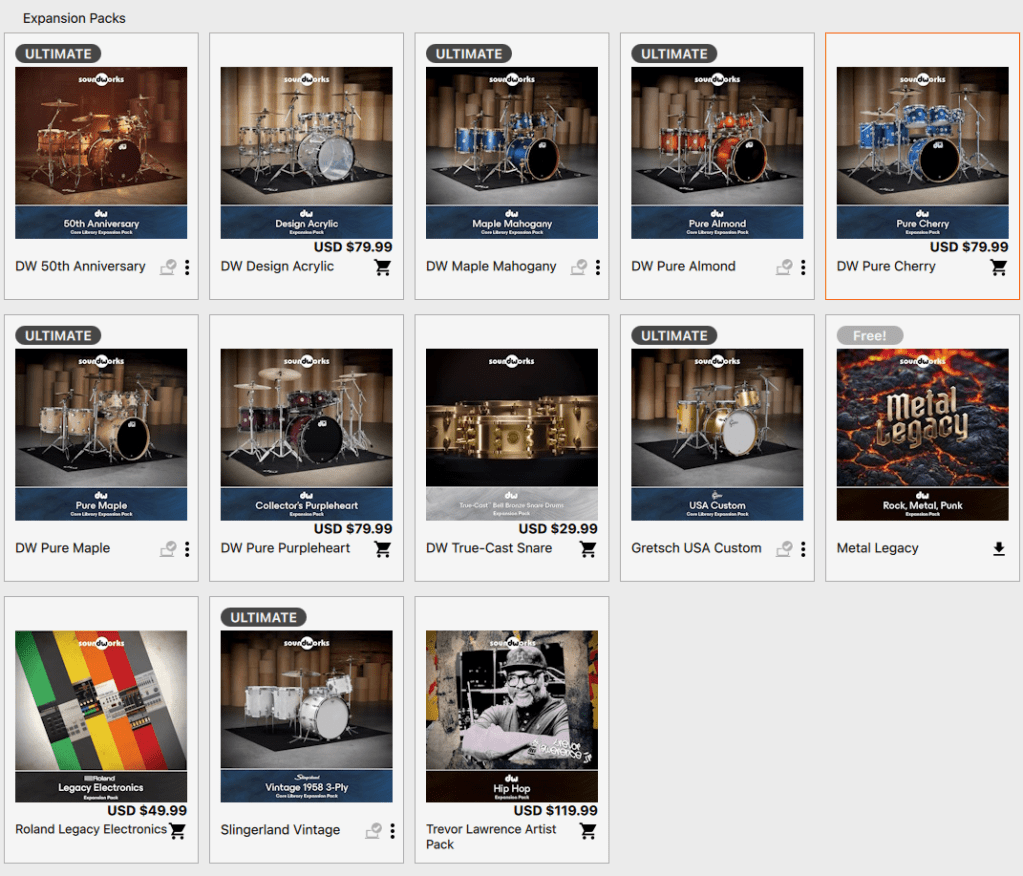
The mixer lets you control overheads, ambience, and output routing, similar to other drum VSTs. DW Soundworks comes with 13 expansion packs, including the Metal Legacy pack (7.71GB, free!).

The Plugin Boutique version also includes six additional sample packs:

  • DW 50th Anniversary Kit Expansion Pack
  • DW Maple Mahogany Expansion Pack
  • DW Pure Maple Expansion Pack
  • Slingerland Vintage 1958 Expansion Pack
  • DW Pure Almond Expansion Pack
  • Gretsch USA Custom Expansion Pack

These samples are punchy and versatile, making DW Soundworks a must-check for anyone shopping for a drum VST.


Wrapping Up

Whew, that was a lot to cover! Roland’s virtual instruments and DW Soundworks are packed with high-quality options, and with the 30% off sale (until August 24), now’s a great time to explore. Check out the links above to browse the full lineup.

Thanks for reading, and I’ll catch you in the next post! 🎶

Output Portal Granular FX 50% Off Sale (Until August 16th)

Hello, this is Jooyoung Kim, mixing engineer and music producer.

Today, I’m excited to share that Output is having a summer sale with 50% off on their plugins!
Output is a well-known company that creates fantastic plugins. If you’ve been into music production, you’ve likely heard of them.

Since this sale is a rare opportunity, I requested NFR (Not for Resale) codes for three of Output’s flagship plugins—Portal, Thermal, and Movement—from Plugin Boutique to review them.

Instead of covering them all at once, which might be overwhelming for both you and me, I’ll review them one by one. Let’s start with Portal!

Portal is a plugin that transforms incoming audio into a granular synthesizer-like sound. But first, let’s explore what a granular synthesizer is.

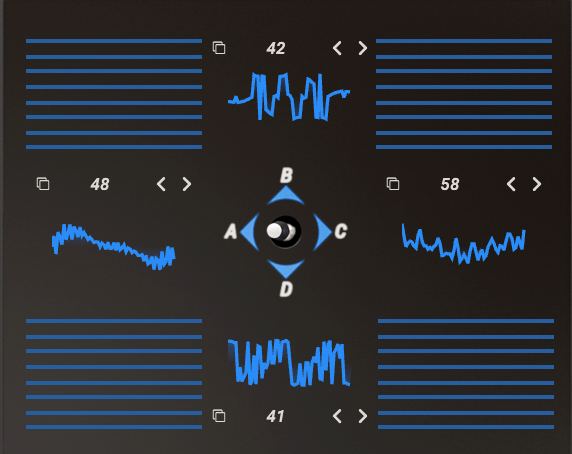
A granular synthesizer chops up a sample into tiny grains ranging from 1 to 100ms to synthesize new sounds. As shown in the image, you can slice and rearrange waveforms to create unique sounds.

This technique is particularly effective for creating atmospheric pads, making it a popular choice in movie soundtracks and instrumental genres.

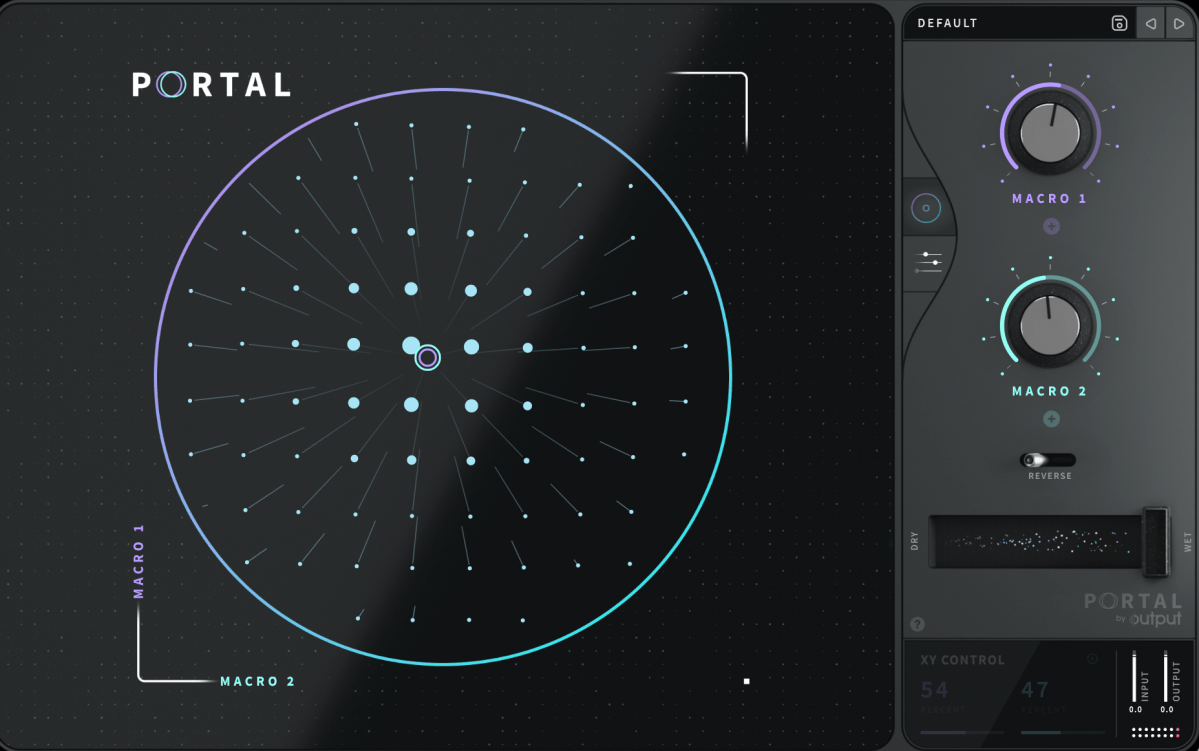
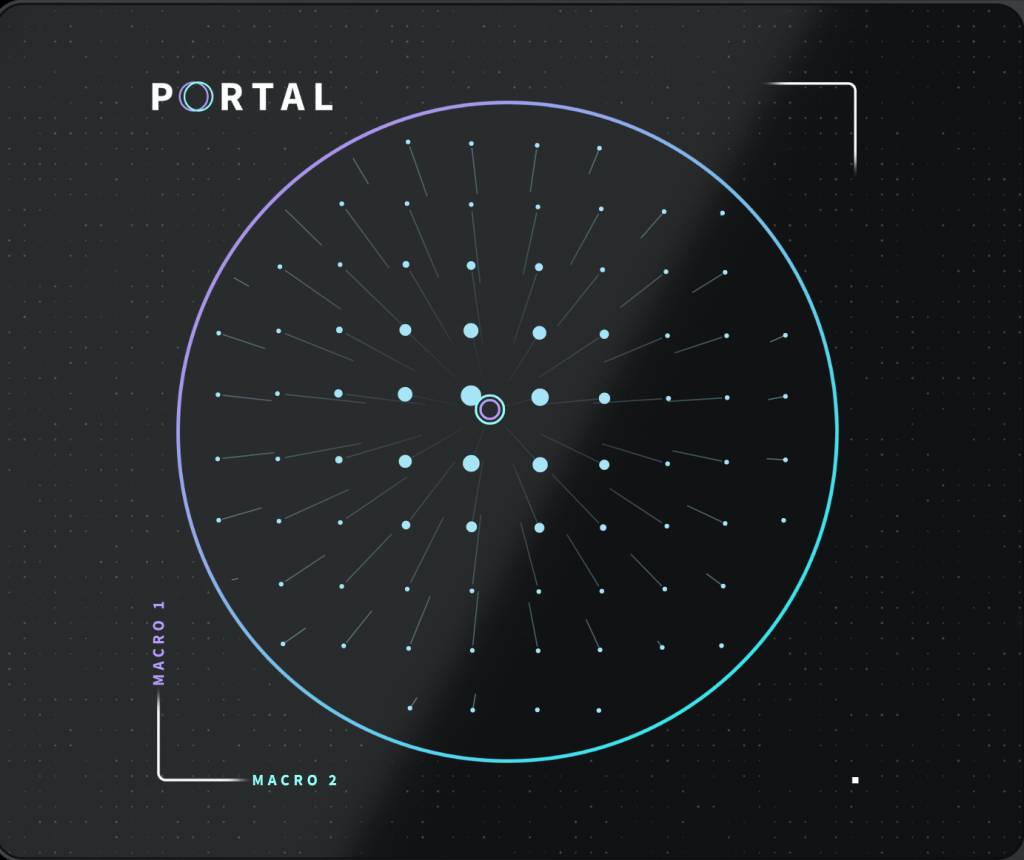
Portal’s user interface is designed to resemble that of a vector synthesizer.

Joystick from a Prophet-VS vector synthesizer plugin

A vector synthesizer can be considered an early form of a wavetable synthesizer. It uses a joystick to blend different waveforms assigned to each direction.

In Output’s Portal, Macro 1 is placed on the vertical axis, while Macro 2 is on the horizontal axis. The values of these macros control various parameters.

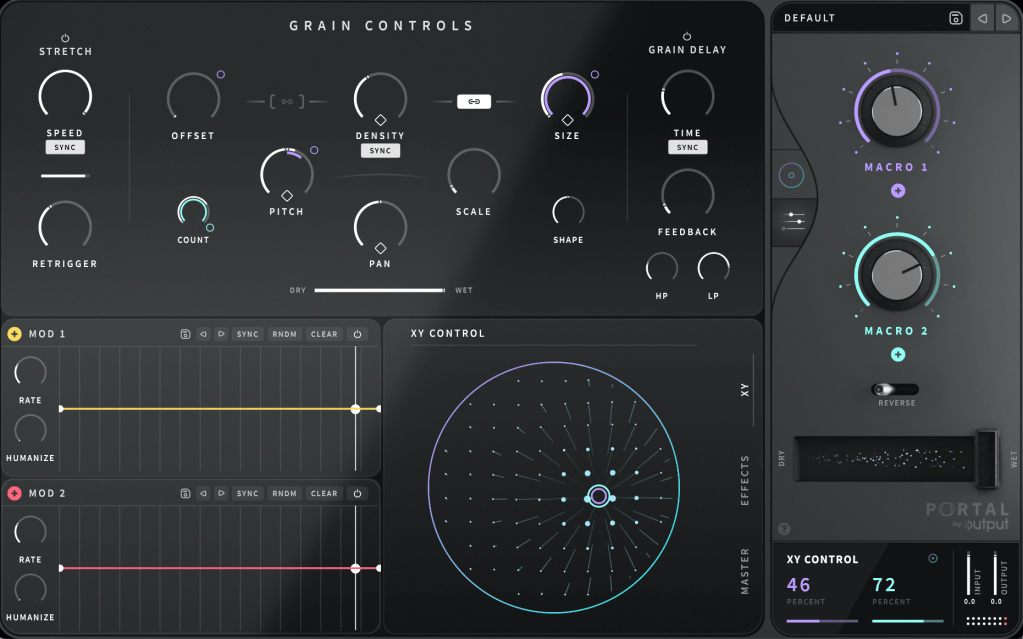
You can connect Macro 1 and Macro 2 to different parameters in the Grain Control section. By double-clicking the macro names, you can even rename them.

To assign a macro, click the ‘+’ sign below the name of each knob (like Macro 1 and Macro 2), then drag it to a parameter. A small circle will appear next to the parameter, indicating the range of control the macro has.

Similarly, you can use the LFO in the bottom left to modulate parameters. Think of it as a traditional synthesizer, which should make it easier to approach.

At the bottom center, you can choose between the XY, Effects, and Master sections to adjust various parameters.

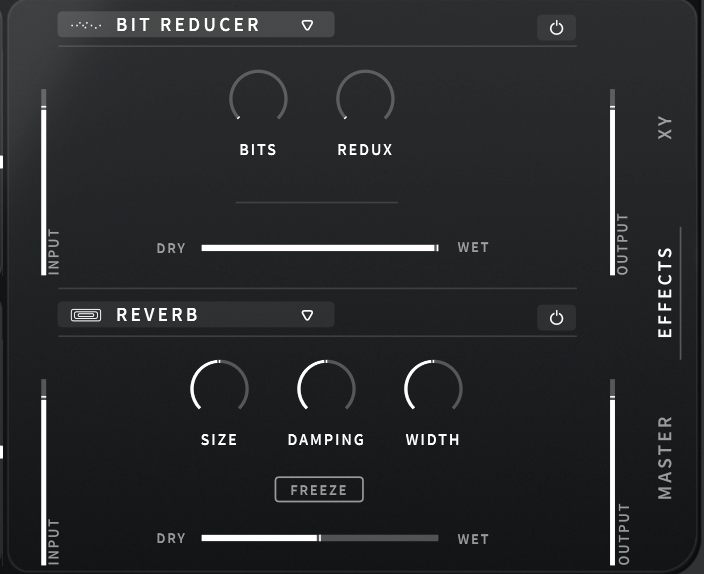
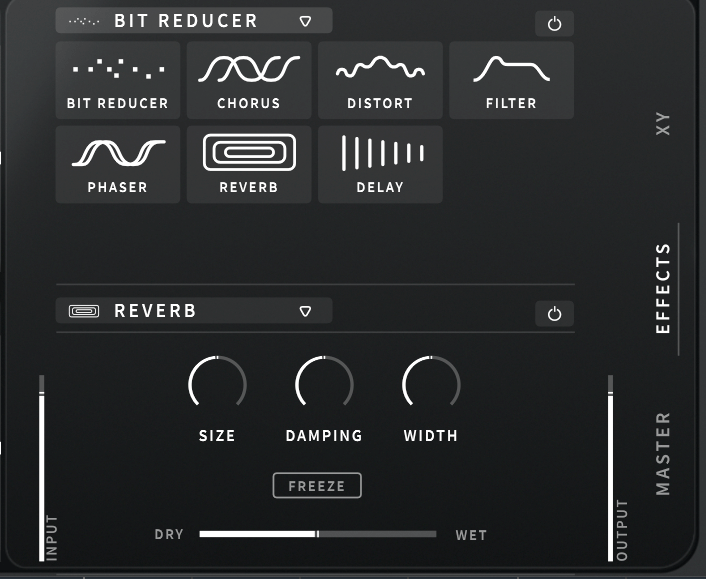
The built-in effects include Bit Reducer, Chorus, Distortion, Filter, Phaser, Reverb, and Delay, making for a total of seven options. All these parameters can be linked to the LFO modulation or macro functions for dynamic control.

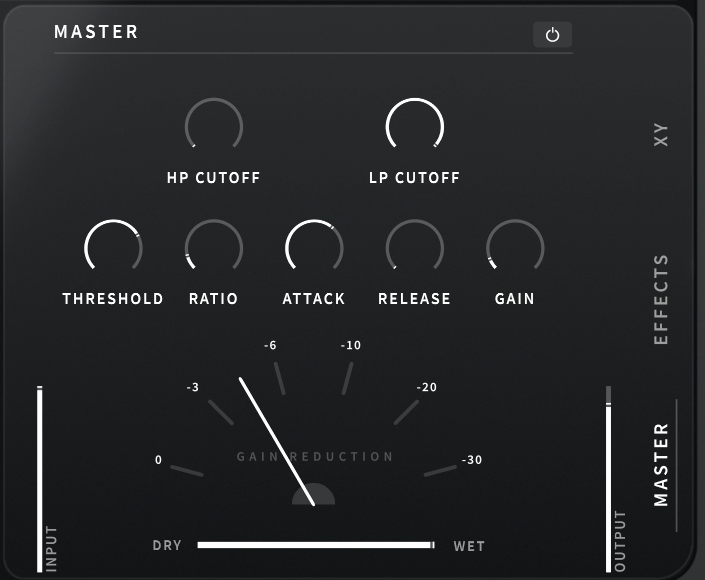
The Master section includes a built-in filter and compressor, which can also be modulated with LFOs and macros.

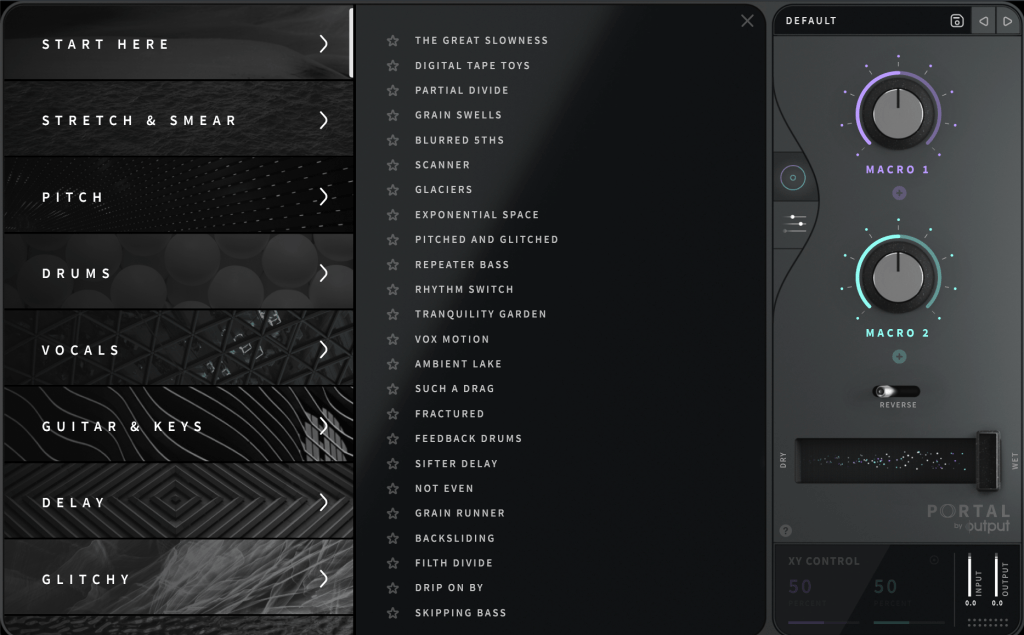
Clicking ‘DEFAULT’ at the top right allows you to access various presets. Beginners might find it helpful to start here.

Portal is particularly appealing due to its ability to produce random, evolving sounds based on XY values. It’s an excellent choice for those who don’t already have a granular FX plugin.

Check out the demo video to hear what it can do.

The 50% off sale runs until August 16th! Here’s the purchase link:

Additionally, if you purchase from Plugin Boutique, you can get a free plugin. This month, you can choose between Softube’s VCA Comp or K7D’s Delay.

Softube previously offered the VCA Comp for free in March. It’s a great dbx160-style compressor, perfect if you don’t already have one.

The K7D Delay is a tape delay that sounds great on electric guitars and works well in mixes.

That wraps up the overview of Portal. In the next post, I’ll review another Output plugin, Thermal. Stay tuned!