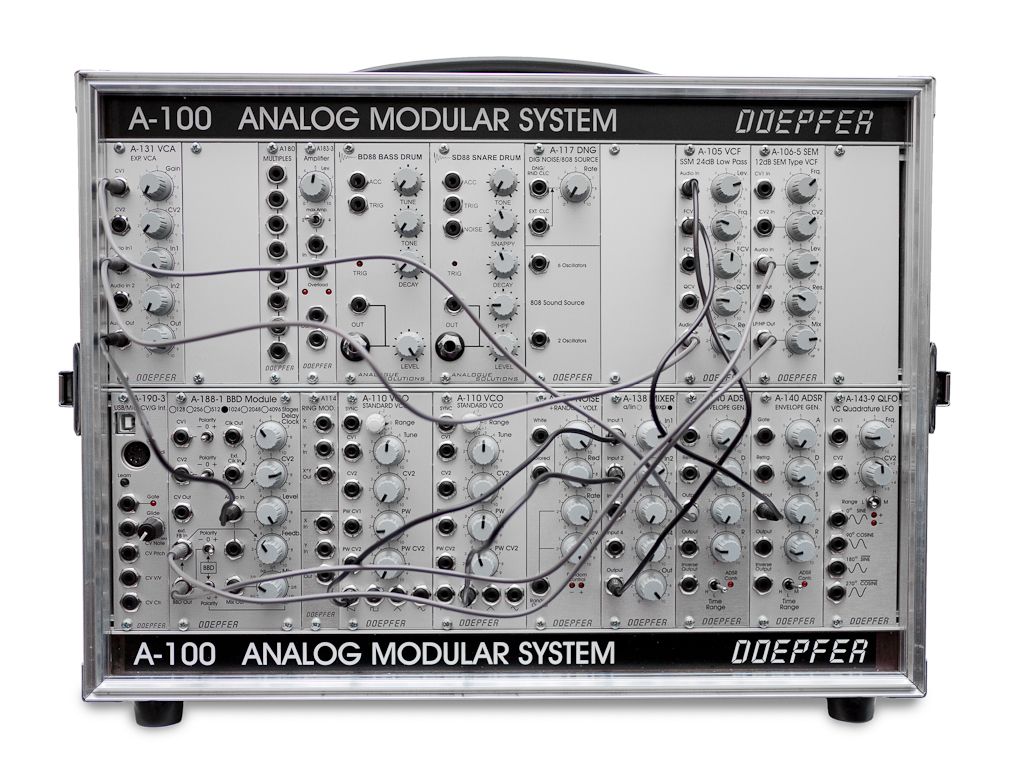
Hello! This is Jooyoung Kim, an audio engineer and music producer. Today, I’ll talk about the most common standard of modular synthesizers, Eurorack.
These days, despite the appearance of many different kinds of synthesizers, a lot of people who make electronic music usually compose their songs with modular synthesizers.
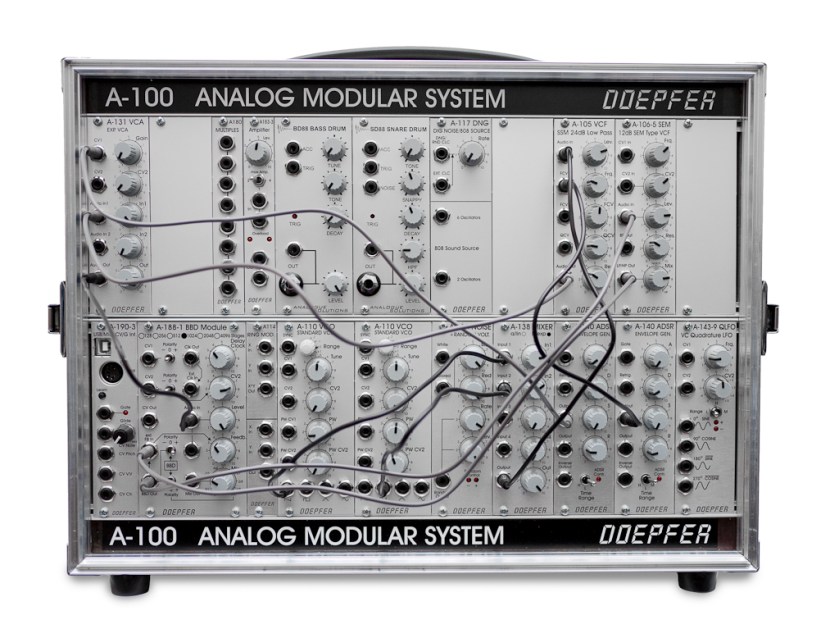
In the past, every modular synthesizer company followed its own unique standards. Amid this chaos, the Eurorack format emerged by Doepfer Musikelektronik, in 1996 (especially Doepfer A-100) and eventually became the international standard for modular synthesizers.
This standard consists of two types of rules: physical and electrical.
Physical Rules
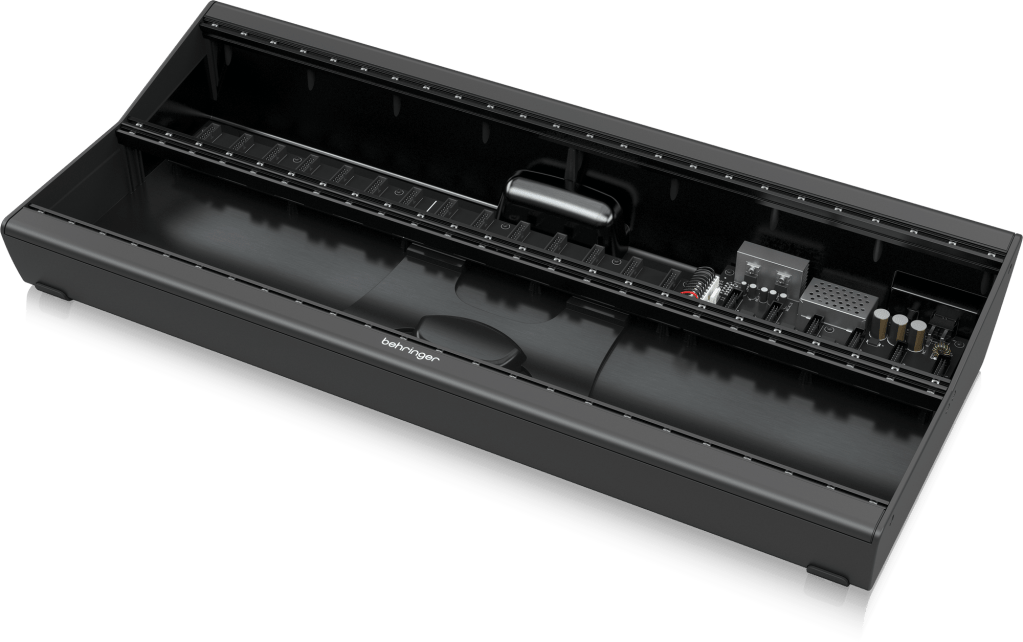
Height (3U): The standard height of all Eurorack modules is 3U (which is approximately 128.5 mm or 5.06 inches). This originates from the industrial rack unit standard.
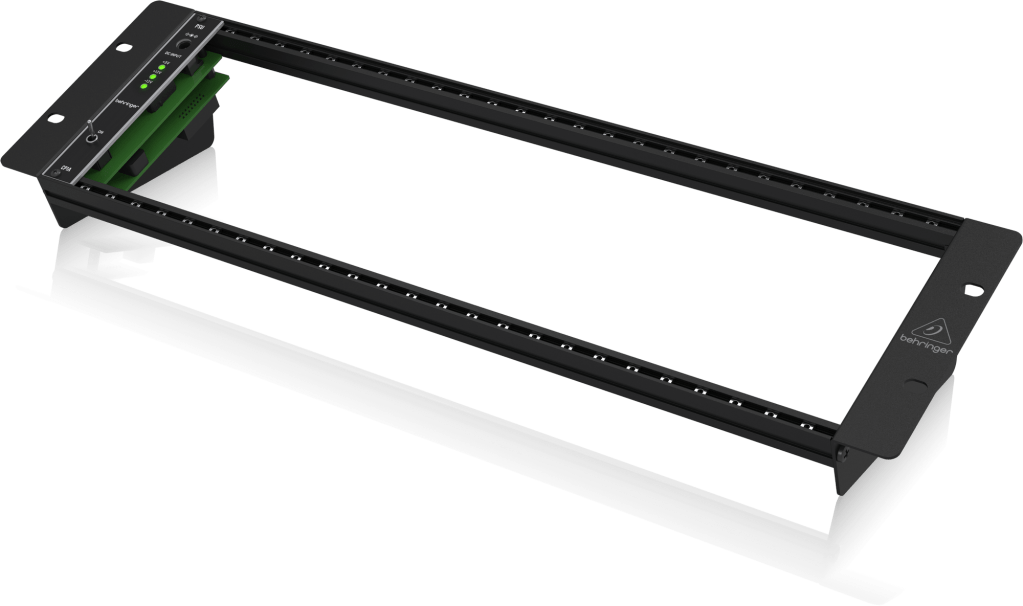
Width (HP): The width of a module is measured in HP (Horizontal Pitch).
- 1 HP = 5.08 mm (0.2 inches).
- A module’s width is always a multiple of this unit.
Mounting: Modules are secured to the case rails using M3 screws (M3 means that the diameter of the screw is 3mm).
Electrical Rules
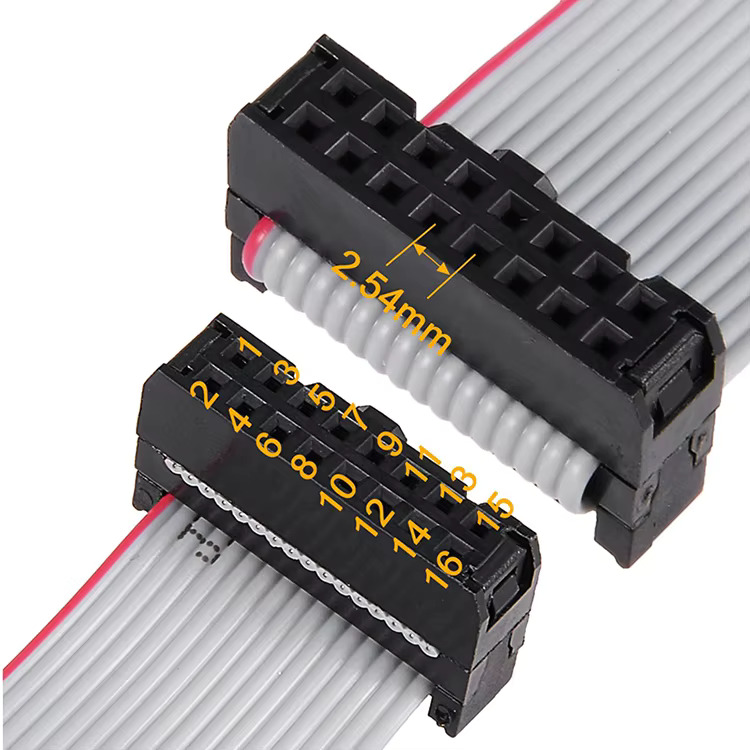
Power Supply (Voltage): Eurorack cases provide a bipolar power bus consisting of +12V, -12V, and Ground. Many modern systems also include a +5V rail to power digital modules. Modules draw this power via IDC ribbon cables:
- 10-pin cables: Provide the standard power rails (+12V, -12V, and Ground).
- 16-pin cables: Provide all the standard rails plus a +5V rail and optional CV/Gate bus lines for inter-module communication.
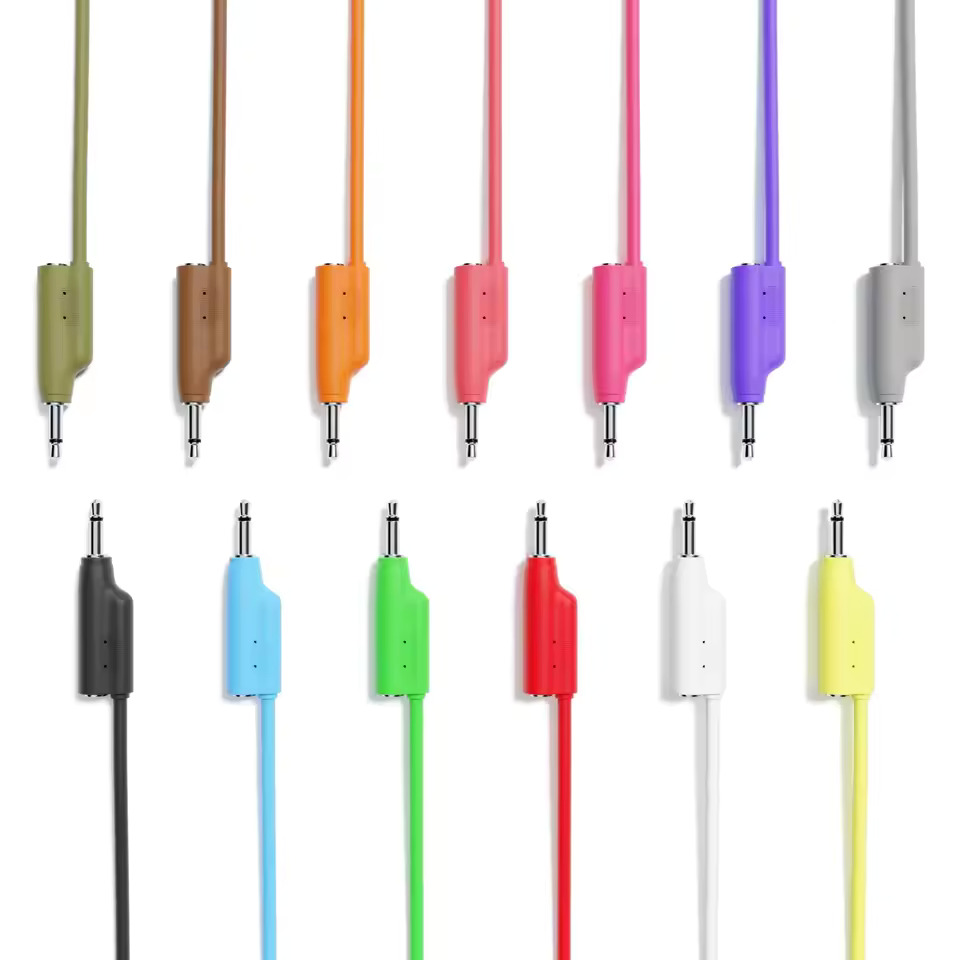
Patching (Signals): Modules communicate using 3.5 mm (1/8″) mono patch cables. These cables transmit both audio signals and Control Voltage (CV), allowing for a flexible, semi-permanent signal path.
Control Voltage (CV) Logic:

- Pitch (1V/Oct): The standard for controlling musical pitch is 1 Volt per Octave. This means that if you increase the control voltage by 1V, the pitch of the oscillator increases by exactly one octave.
- Gate/Trigger: These are signals used to start or sync events.
In modular synthesizer systems, the concept of the sequencer is vital to composers. As I mentioned in my last article, Buchla-style synthesizers usually do not have keyboard-style controllers or interfaces. Therefore, they are mainly controlled by sequencer modules that include clock sync, gate/trigger, and pitch functions.
These sequencer modules can be connected to external keyboard controllers to achieve mutual clock synchronization, where either device can act as a master to drive the system’s tempo. Furthermore, many of these keyboard controllers can function as independent sequencers themselves, provided they include an integrated arpeggiator or built-in sequencing features.
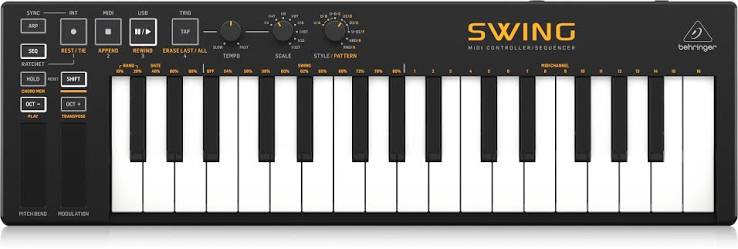
Therefore, if you intend to design sounds or compose music using Eurorack modules while requiring MIDI integration, you should choose a keyboard controller that supports these specific standards.

For instance, I have two keyboard-style midi controller that have CV functions, Behringer Swing and Arturia Keylab 61 mk2. Actually, I don’t have lots of modules or modular systems, but if I have to adapt to the external modular systems or plan to expand my own, having these connectivity options is a huge advantage.
Even if you don’t use them every day, these controllers offer a versatile bridge between your DAW and the Eurorack systems. While I personally use the Behringer Swing and KeyLab 61 MkII, there are other options like the Arturia KeyStep series or the Novation SL MkIII that serve the same purpose. They provide that link to modular gear without sacrificing the convenience of a standard MIDI controller, making them a good addition to a modern composing setup.
In practical usage, we need to talk about VCO (Voltage Controlled Oscillator), VCF (Voltage Controlled Filter), and VCA (Voltage Controlled Amplifier).
However, to explain those concepts need quite a lot of words. So, I’ll continue them in the next post!
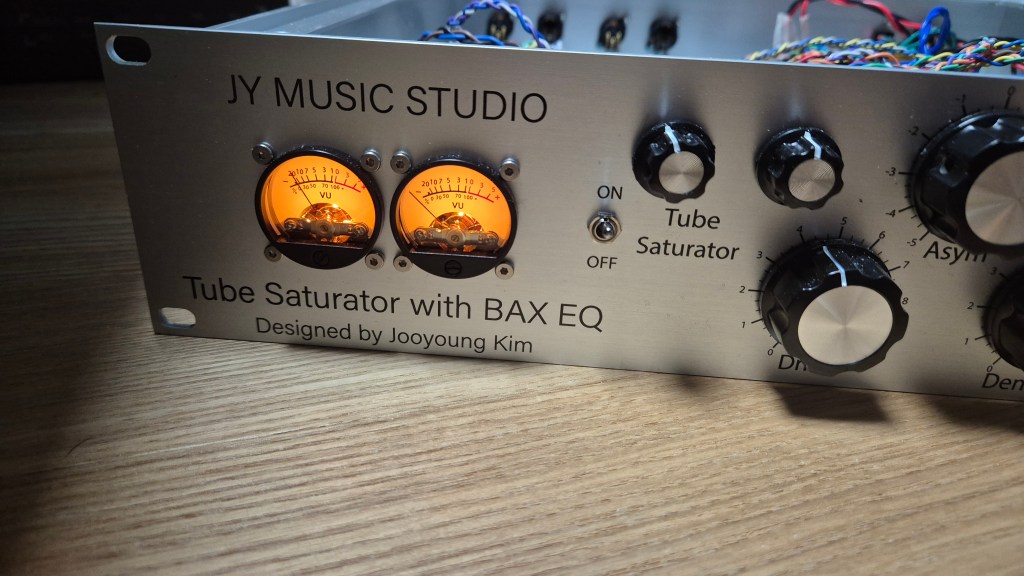
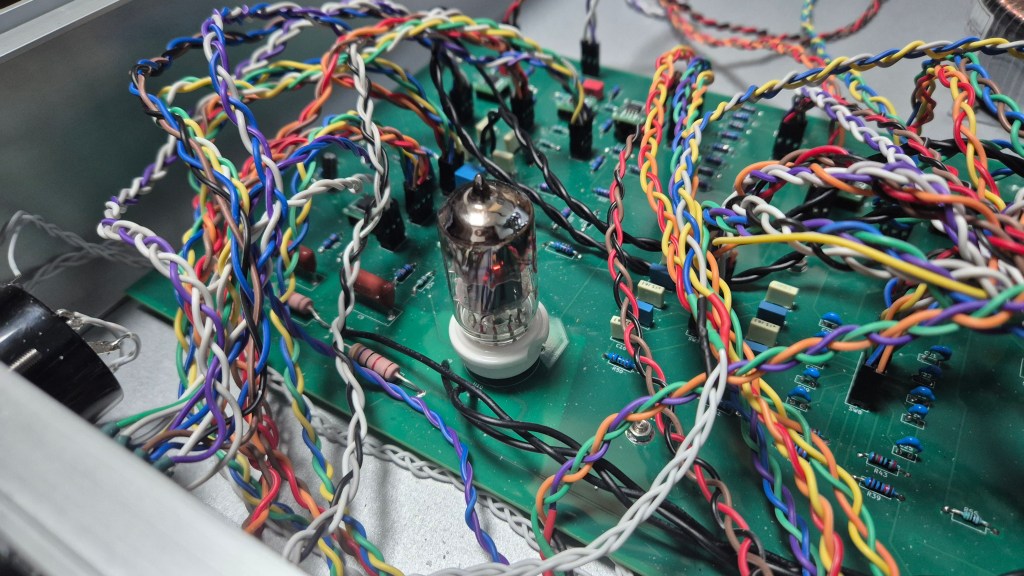
By the way, I finally powered on my DIY hardware! However, the toroidal transformer is making a strange noise, and the amount of heat it is generating suggests there might be a problem with the circuit. I need to investigate what is causing this.
Even though I happily expect that I will be able to measure and add a final post about this hardware!
Also, I received a major revision decision on my new paper. There are quite a lot of required revisions, but that’s still great news for me.
Hmm..that’s all. See you in the next post!

 Jooyoung's Music Blog