I bought microKORG XL (older version) and Bolanle passive stereo DI box

Hello! This is Jooyoung Kim, a mixing engineer and music producer.

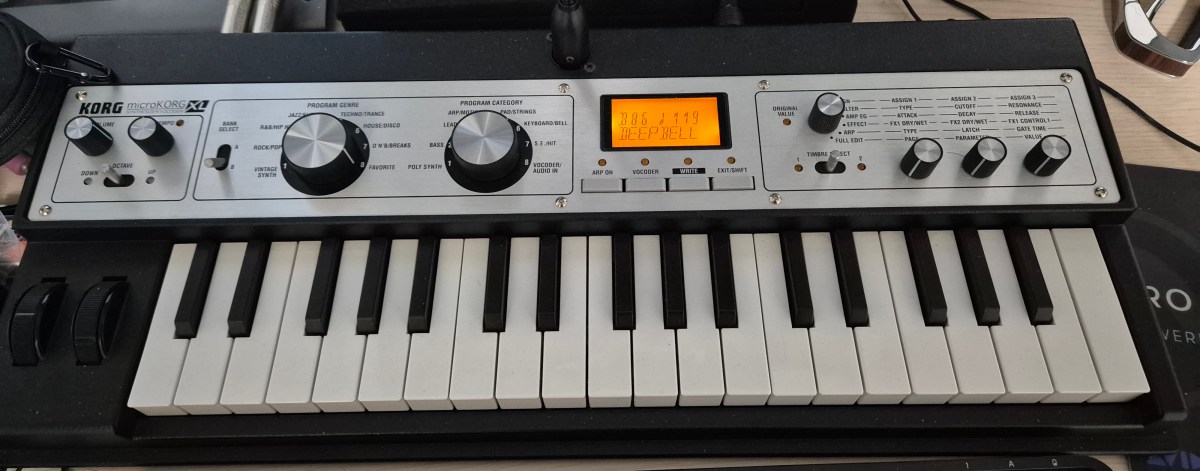
Recently, I bought a small portable synthesizer: the microKORG XL. KORG currently sells the microKORG XL+, but this discontinued version has a very reasonable price on the used market (just about $140 in Korea!), and its sounds are still perfectly usable.

The keys are made of cheap plastic. However, I can connect an external controller via a MIDI cable or transmit MIDI data via a USB cable.
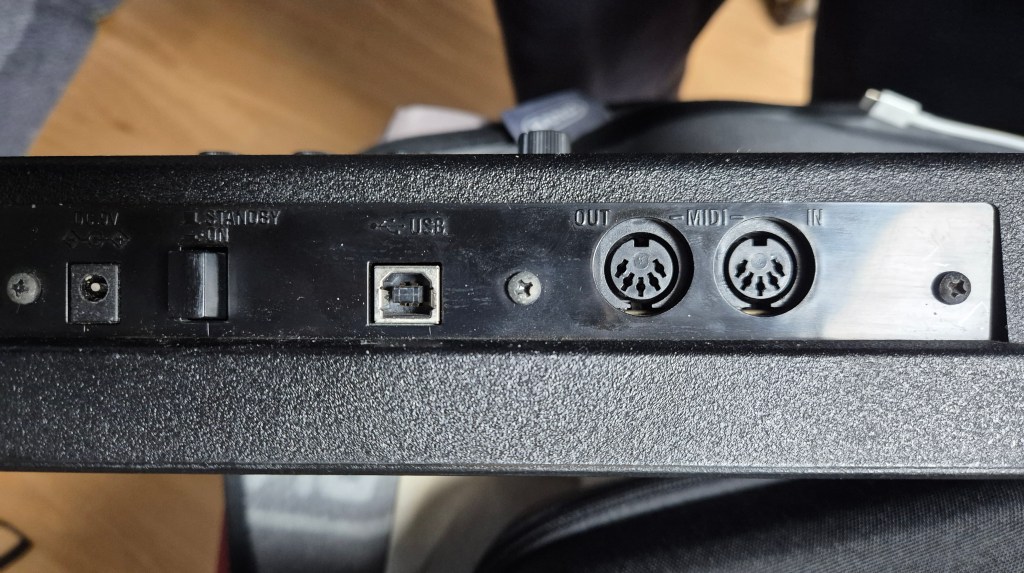
It also has an external audio input, such as a microphone or line input, which can be used for the vocoder function.

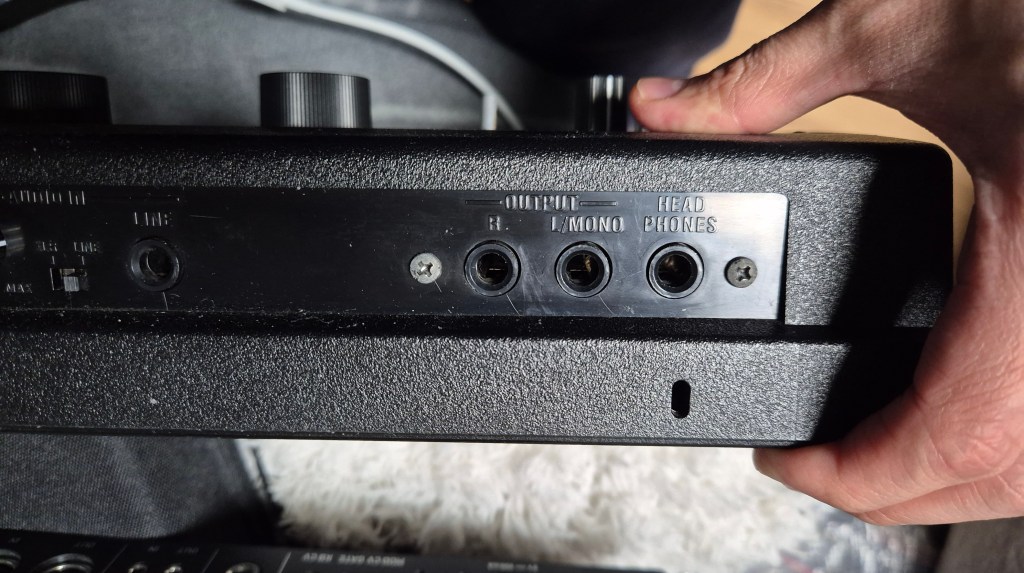
There are two kinds of outputs, unbalanced L/R and headphones, which are very convenient to use.
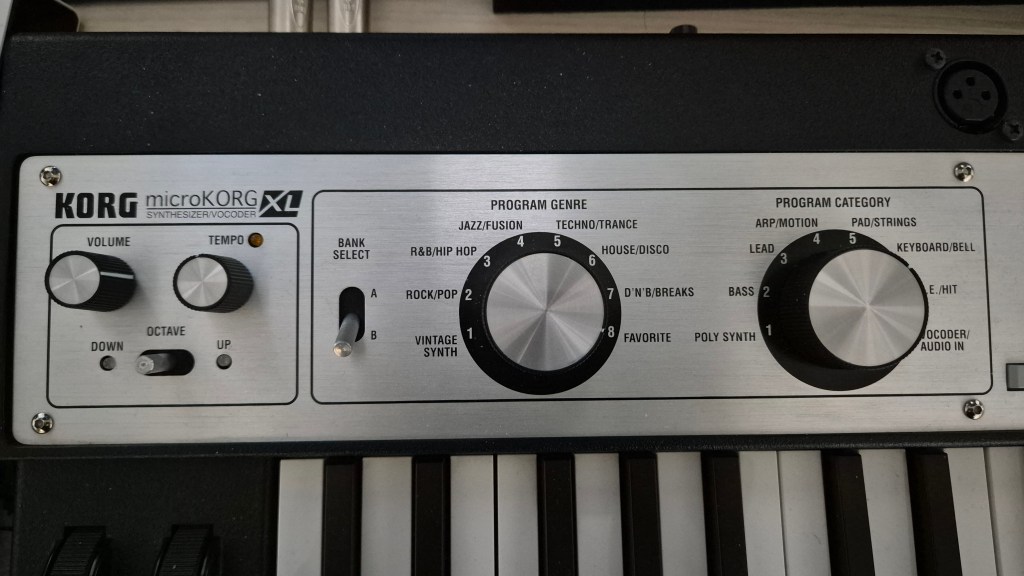
The synth has 8 categories/genres and 2 selectable banks. Therefore, a total of 8 X 8 X 2 = 128 preset programs are available.
But I’m really disappointed by the microKORG XL editor software provided by KORG. It’s no longer usable, and I cannot even install the program on my Mac system.

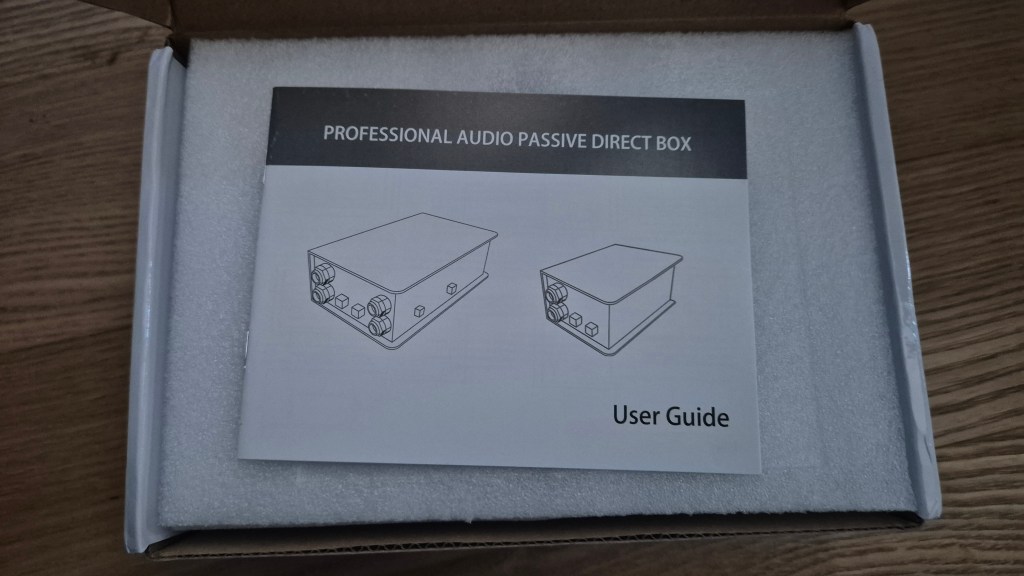
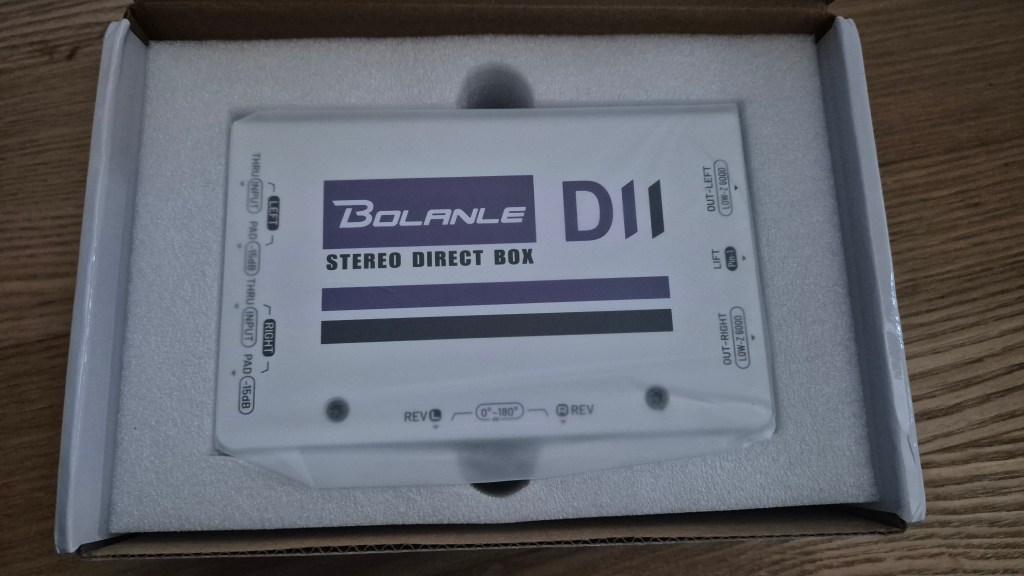
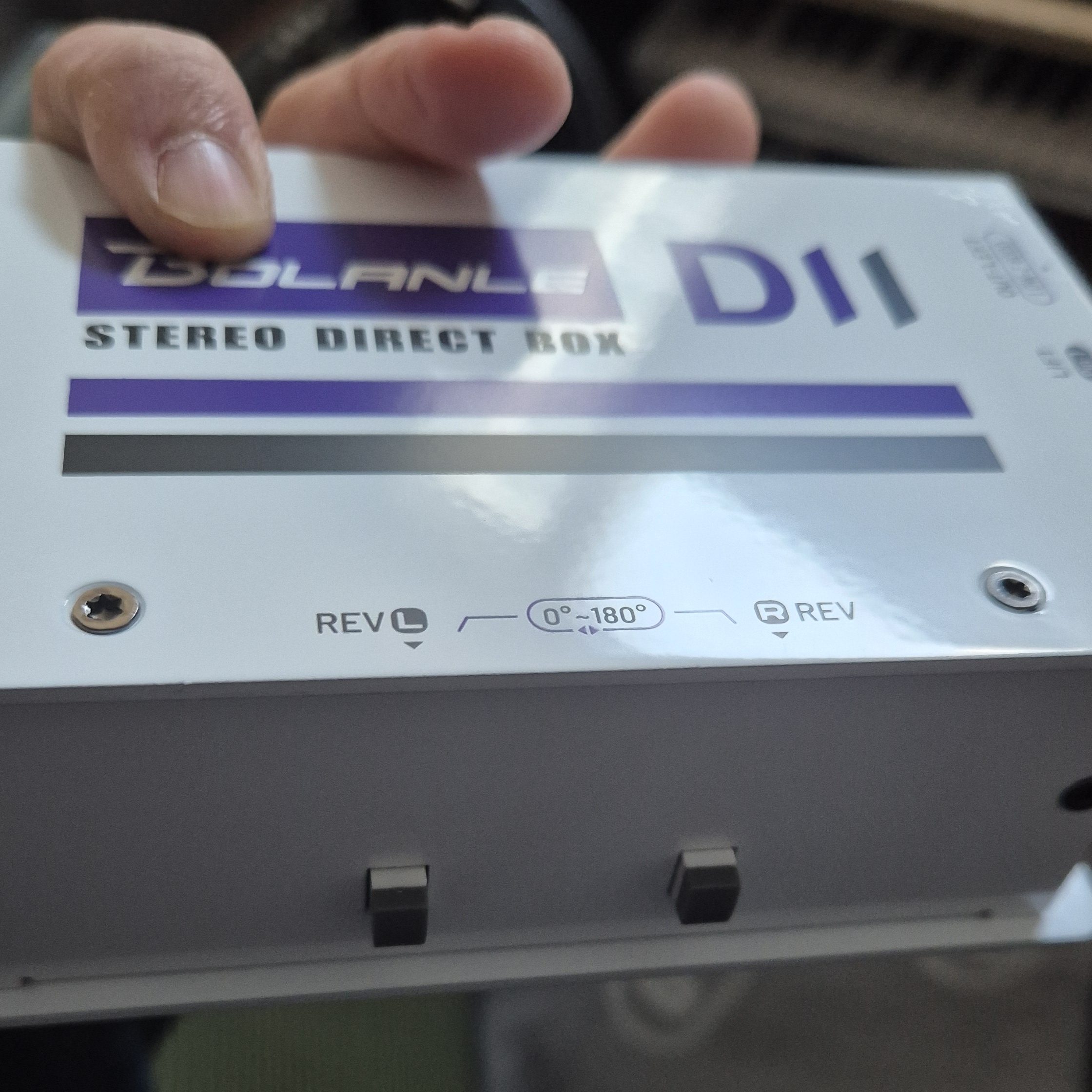
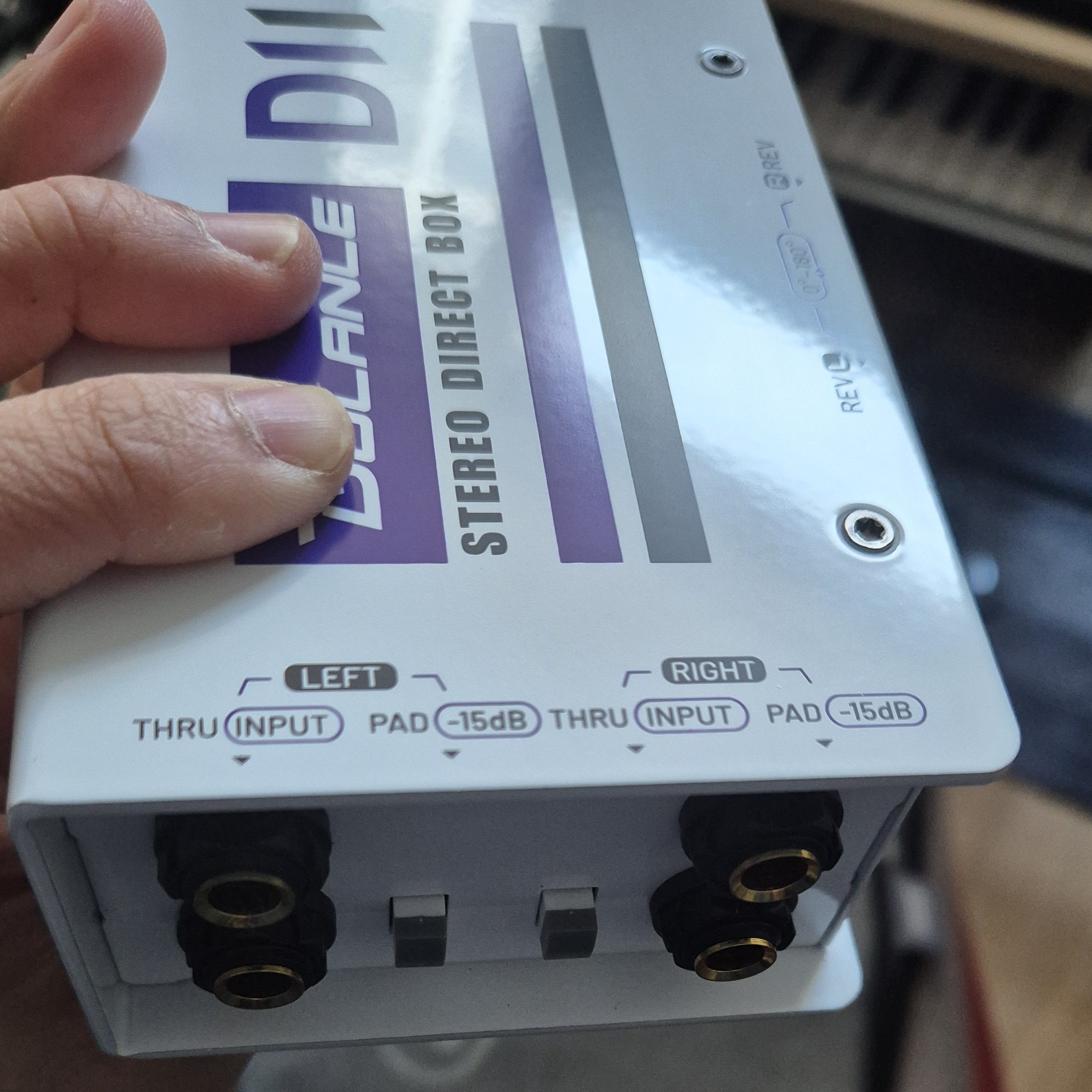
Also, I have microphone preamps but no DI box. So, I decided to purchase a stereo DI box. However, you might realize I’m not an affluent musician if you’ve been following my posts. After some web searching, I found a cheap DI box made by Bolanle (just $33!) being sold on Aliexpress.

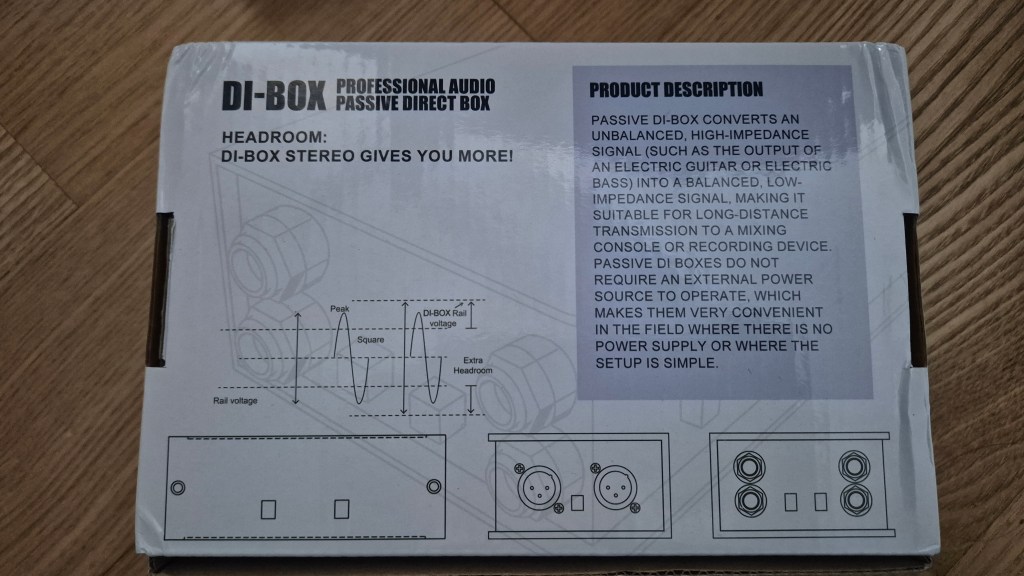
I really didn’t have high expectations for this gear because of its price, but surprisingly, the build quality is great!

I can’t say I love all of the sound presets on the microKORG XL. However, I am particularly fond of one lead sound preset and one keyboard sound preset. The vocoder function is quite valuable as well.

Now I am eager to get a full analog multi-voice synthesizer. Music making always drains my wallet!

That’s all for today. See you in the next post!
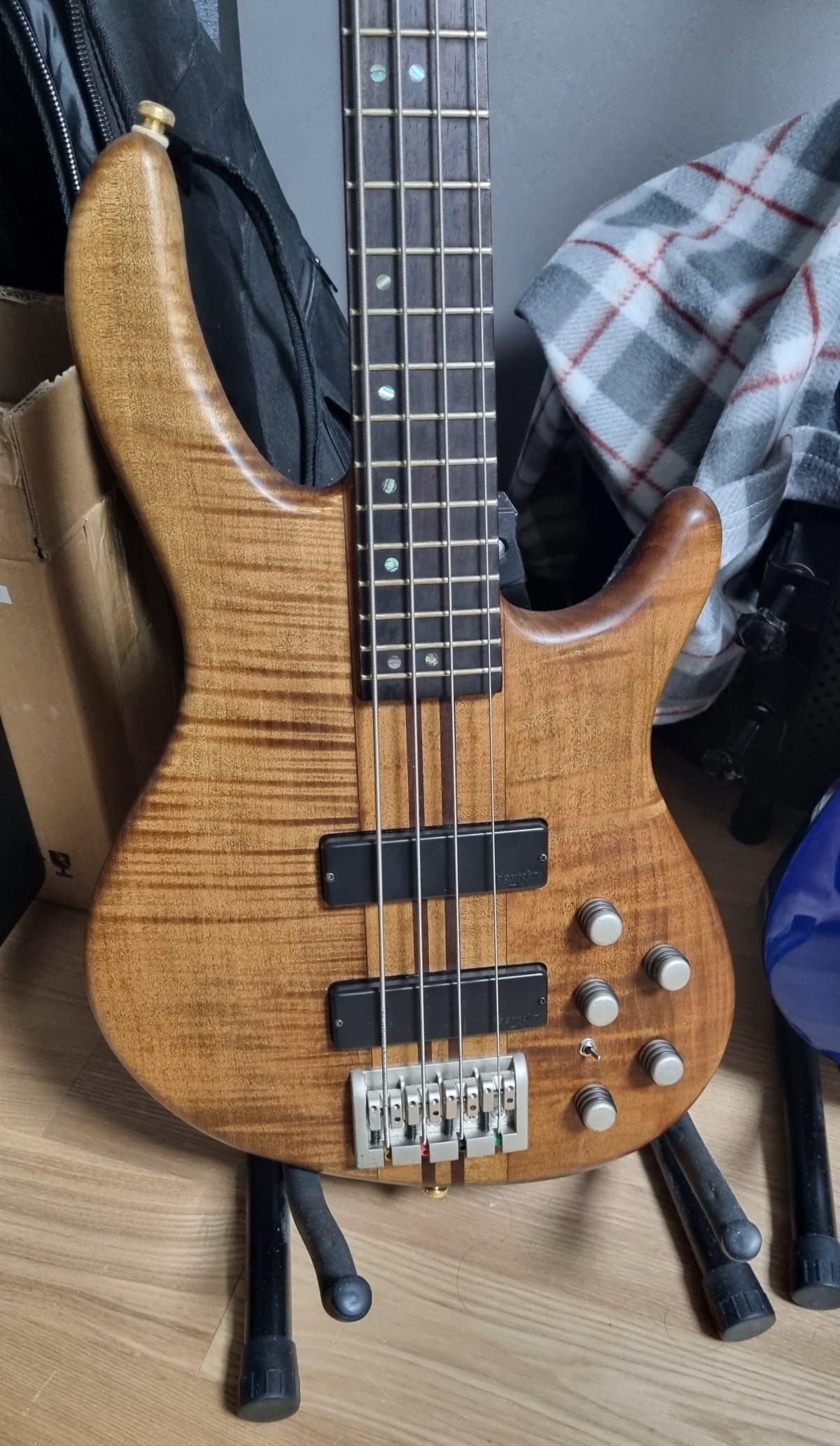
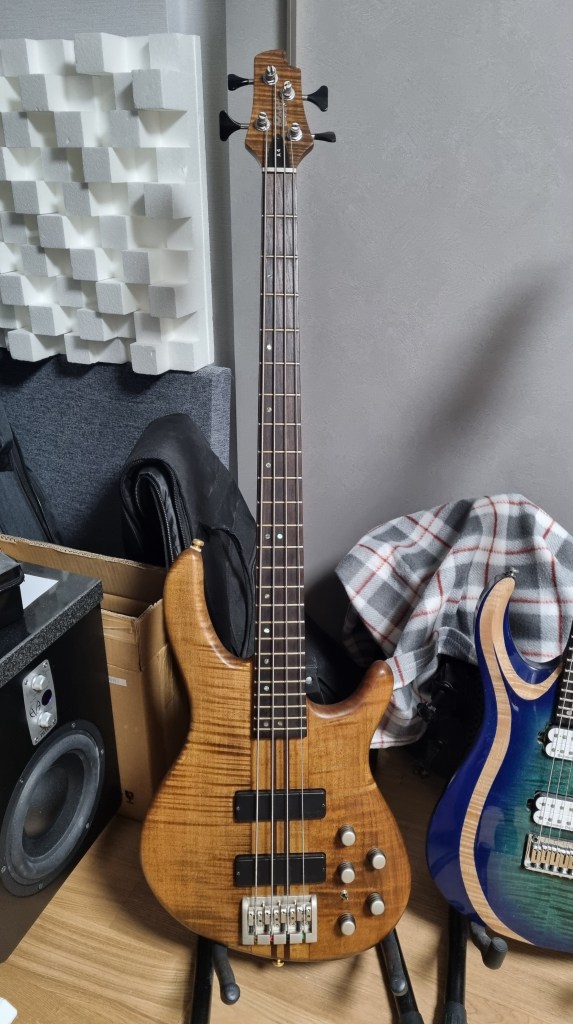
I Bought a Vintage Cort A4 Bass!

Hello, I’m Jooyoung Kim, an audio engineer and music producer.

For a while now, I’ve been wanting to have more control over certain articulations, like sliding, vibrato, and slap techniques. That led me to decide that I should start playing the bass myself.

Since I’ll be using it for music production, I didn’t want to settle for a cheap, entry-level instrument. At the same time, I didn’t have the budget for a high-end one…

This is where a solid domestic brand comes in handy!

Yes, I’m talking about Cort. My electric guitar is Cort, and now my bass is too.

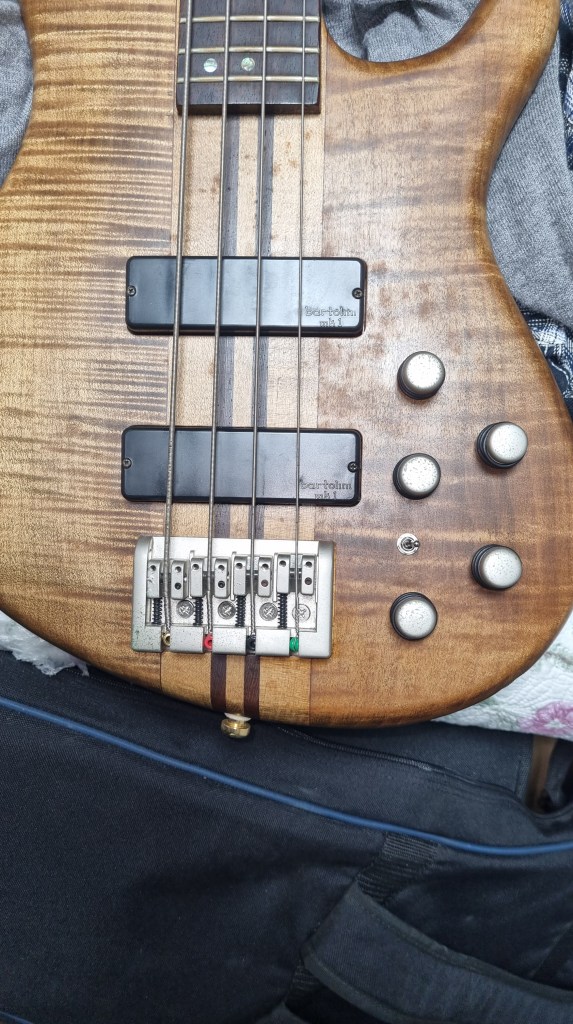
It’s an older model, so unfortunately, it only works in active mode with no option to switch to passive. There’s also some rust on the knobs and bridge, which is a slight drawback. However, after trying it out, I really liked the sound—it’s exactly what I was looking for.

I had borrowed a Squier bass from an older friend for a few days (though I’m not sure what model it was), and I have to say, this Cort bass feels way more comfortable in my hands.

The strings are a bit old, so I’m curious how it will sound once I change them.

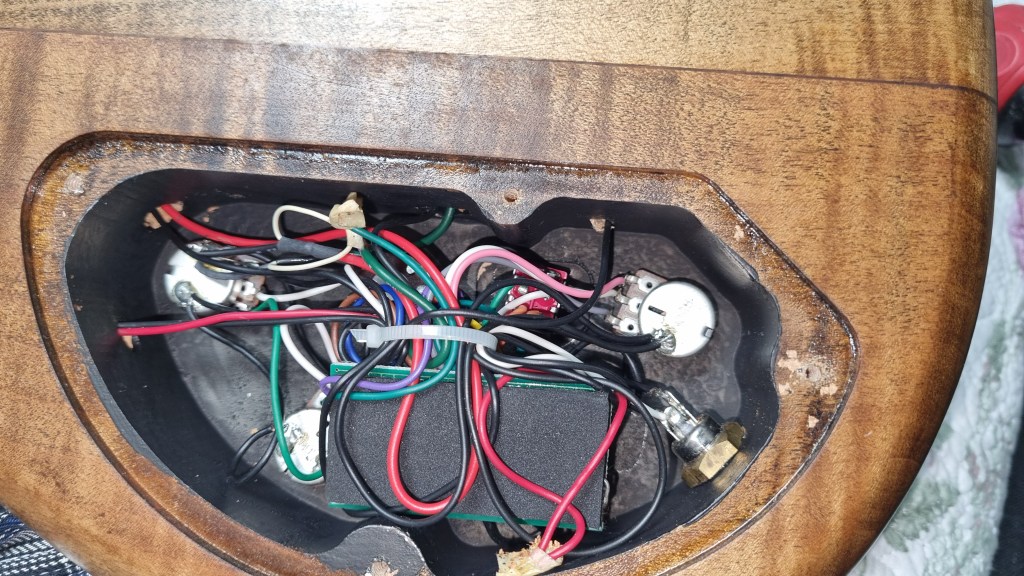
Then I thought about adding a switch for active/passive mode and took a look inside the back panel.

The wiring looks like a bit of a mess, so I’ll have to think it over when I get more time.

The goal is to practice more and eventually record most of the bass parts myself! But honestly, I feel like I might end up buying a Precision bass too… It never ends!

I’ve also been wanting to learn drums—am I becoming a one-man band? Haha.

See you in the next post!
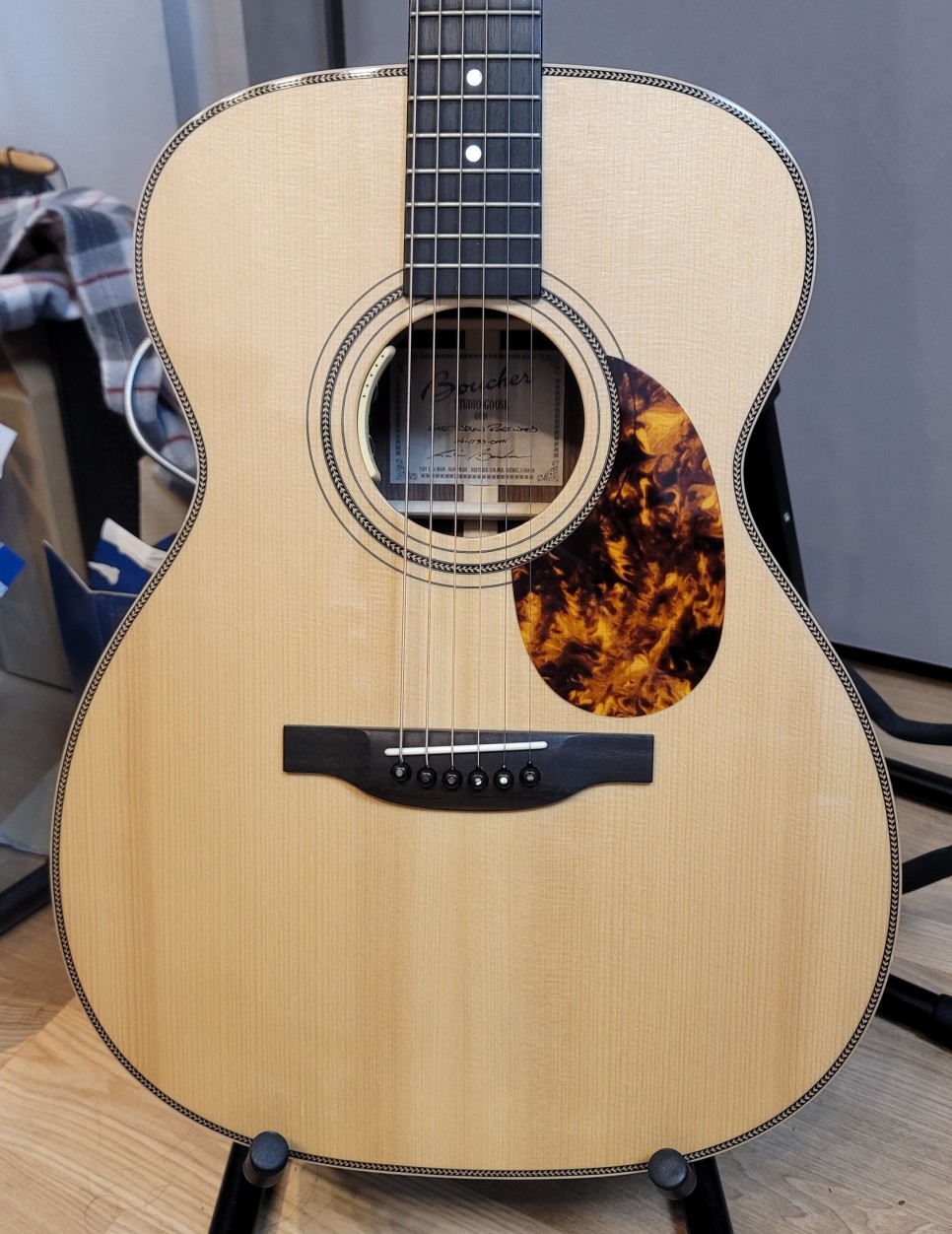
I Purchased a Boucher Studio Goose OMH Guitar

This post was originally written on June 12, 2022

Hello, I’m Jooyoung Kim, a mixing engineer and music producer.

After parting with my Taylor 220CE K-dlx model, I decided it was time to add a new guitar to my collection, one that differed from my Taylor and Guild preferences.

I visited my favorite shop to test out some guitars and found that the higher-end models from Headway, a Japanese brand, and Boucher, a small Canadian workshop, produced impressive sounds.

I was particularly interested in the seasonal commemorative models from Headway, but unfortunately, they weren’t available in Korea. Ordering directly from Japan would have added nearly 600,000 KRW(about 450$) in shipping and customs fees. Given the high cost, I thought it would be wiser to look for a used Boucher guitar.

As luck would have it, I found a well-maintained Boucher guitar at a reasonable price and traveled to Siheung this morning to pick it up.

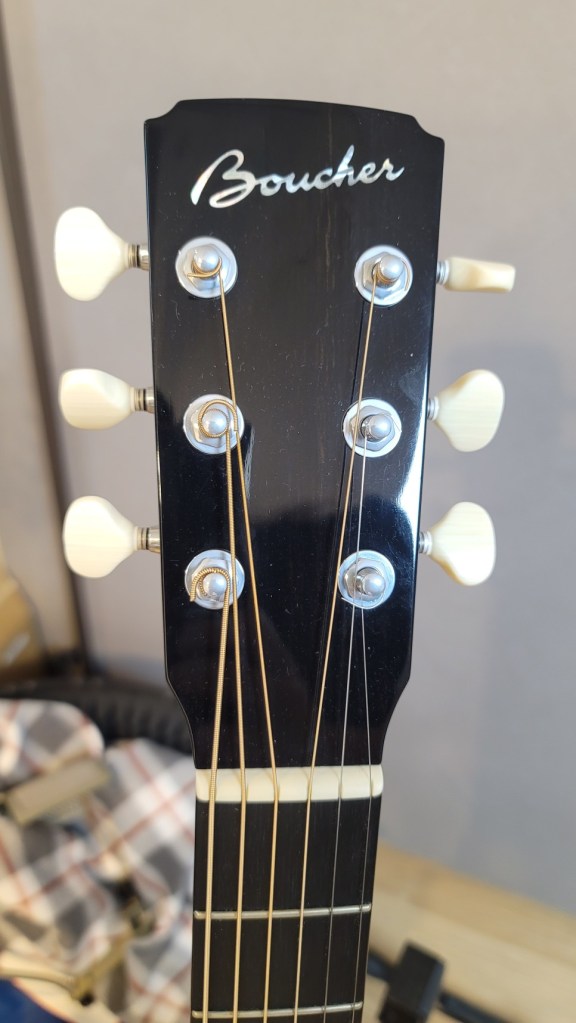
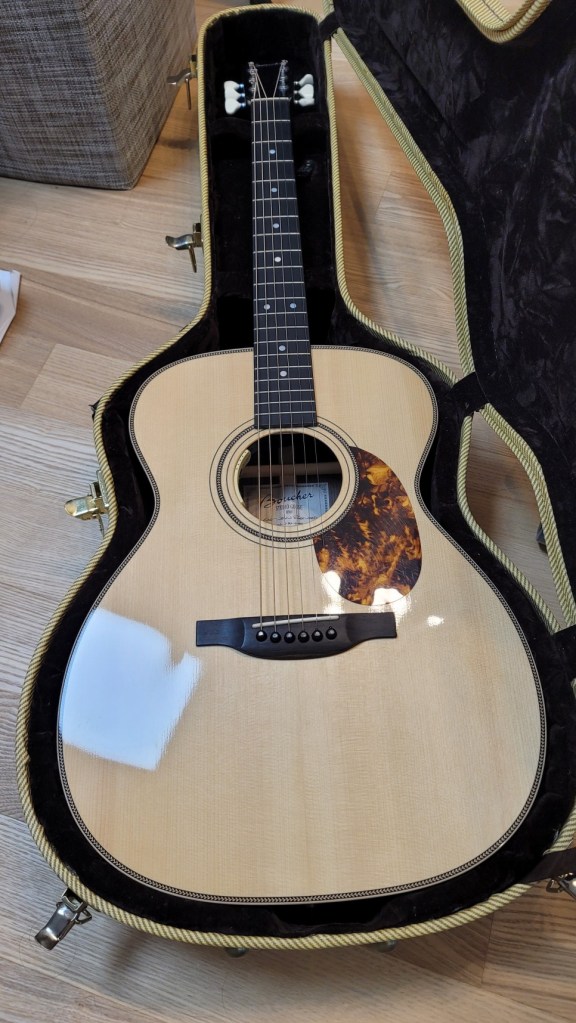
Although it’s an older model, the specifications match the SG51. The label inside simply reads “Studio Goose OMH East Indian Rosewood.”

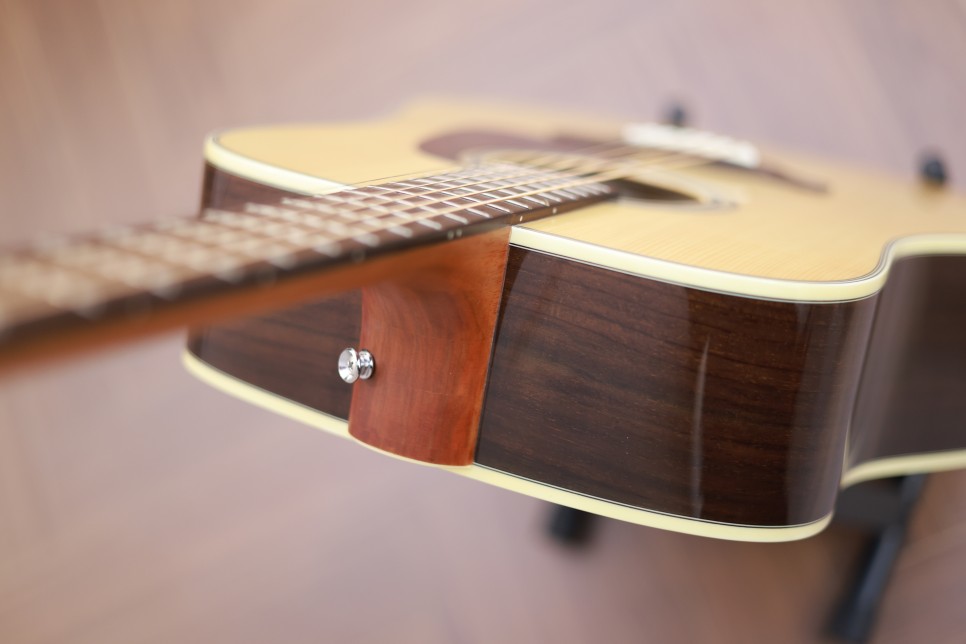
The binding is made of maple, giving it a distinctly high-end appearance.

While I’m not particularly fond of the D’Addario EXP strings currently on it, the balance of the sound is incredible. Throughout my years of playing guitar, I never gave much thought to the balance of sound. However, playing this guitar made me realize what good balance truly means.

I’m curious to see how the sound will change once I switch out the strings.

It’s been a while since I’ve purchased a piece of equipment that brings me this much joy just by looking at it.

*As I translate this post in 2024, I’m still finding this guitar incredibly useful. I’ve used it extensively for recording, and the high-end harmonic overtones that come from such a premium instrument have greatly enhanced my recordings, adding a touch of sophistication to my music.

I look forward to sharing more with you in my next post. See you then!

Takamine D5D NAT Guitar Review

Hello! I’m Jooyoung Kim, a mixing engineer and music producer.

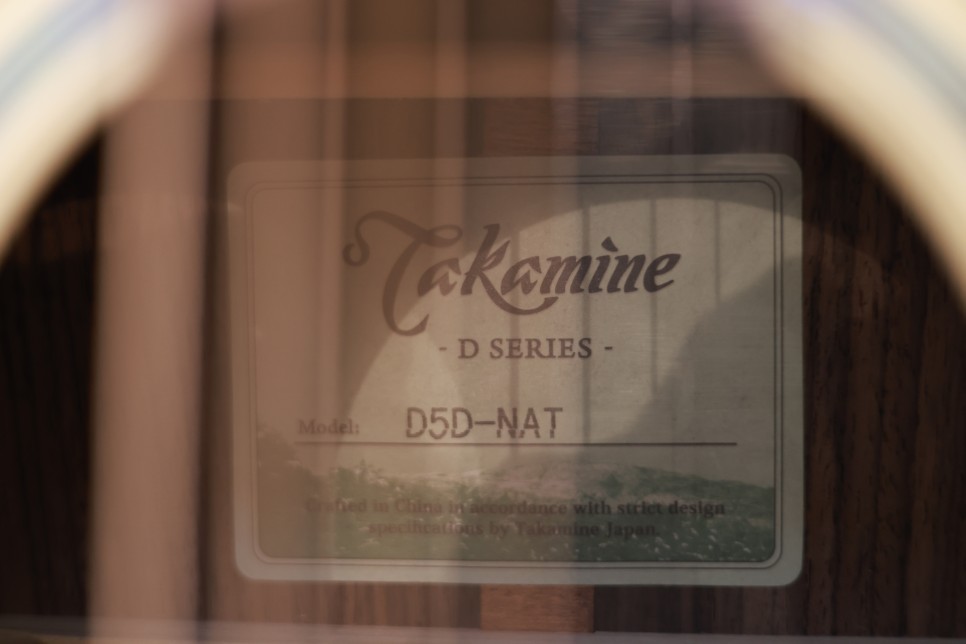
The D series is Takamine’s entry-level lineup, structured as D-series, G-series, and Pro-series.The D-series is numbered from 1 to 5, with models 1 to 3 featuring laminated tops and models 4 and 5 having solid spruce tops. The D4 comes with a mahogany back and sides, while the D5 features rosewood back and sides.Let’s dive into the details!

  • Appearance

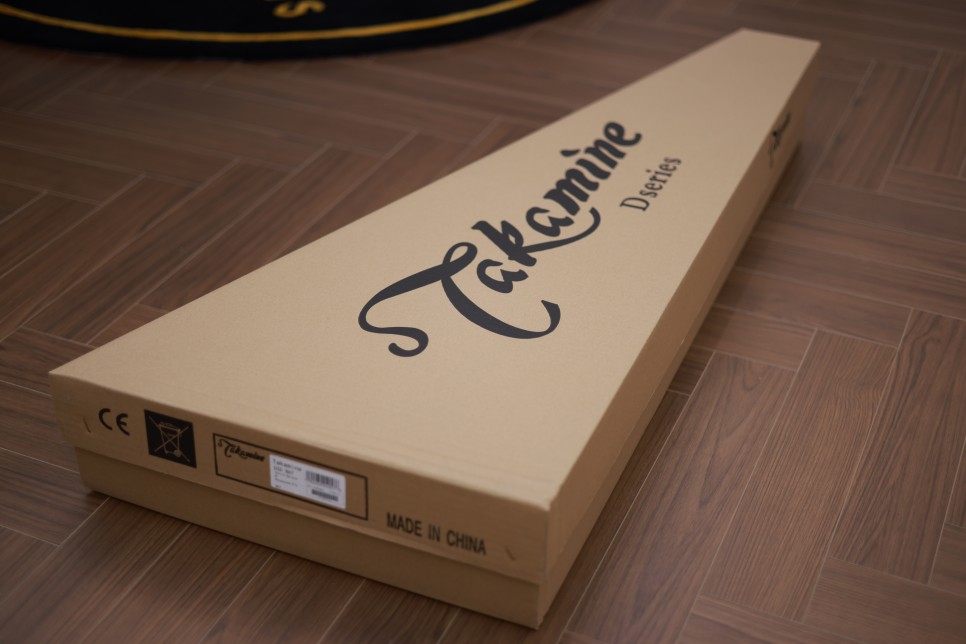
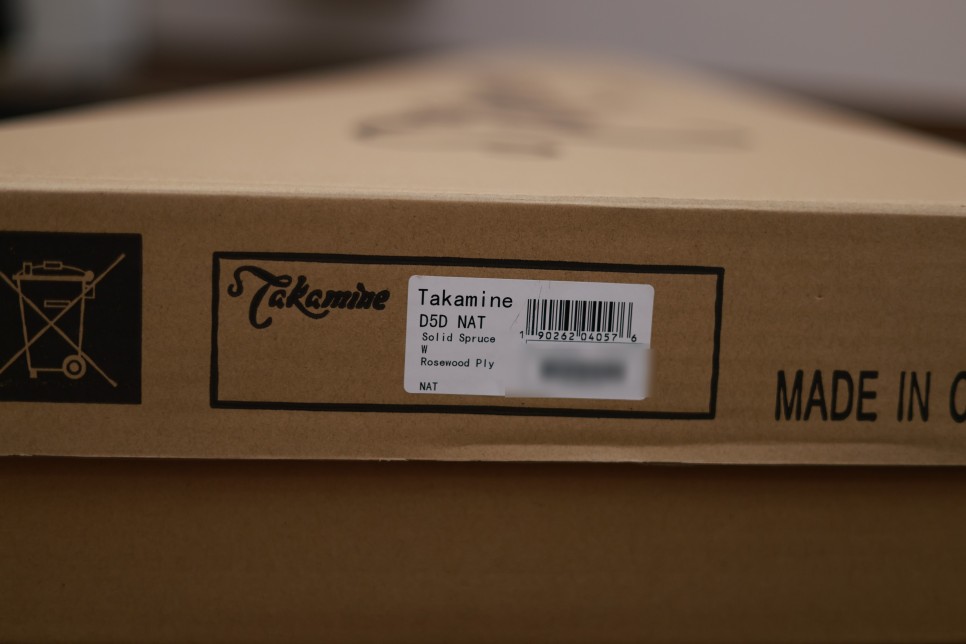
The packaging is slightly different this time, prominently displaying the D-series label.

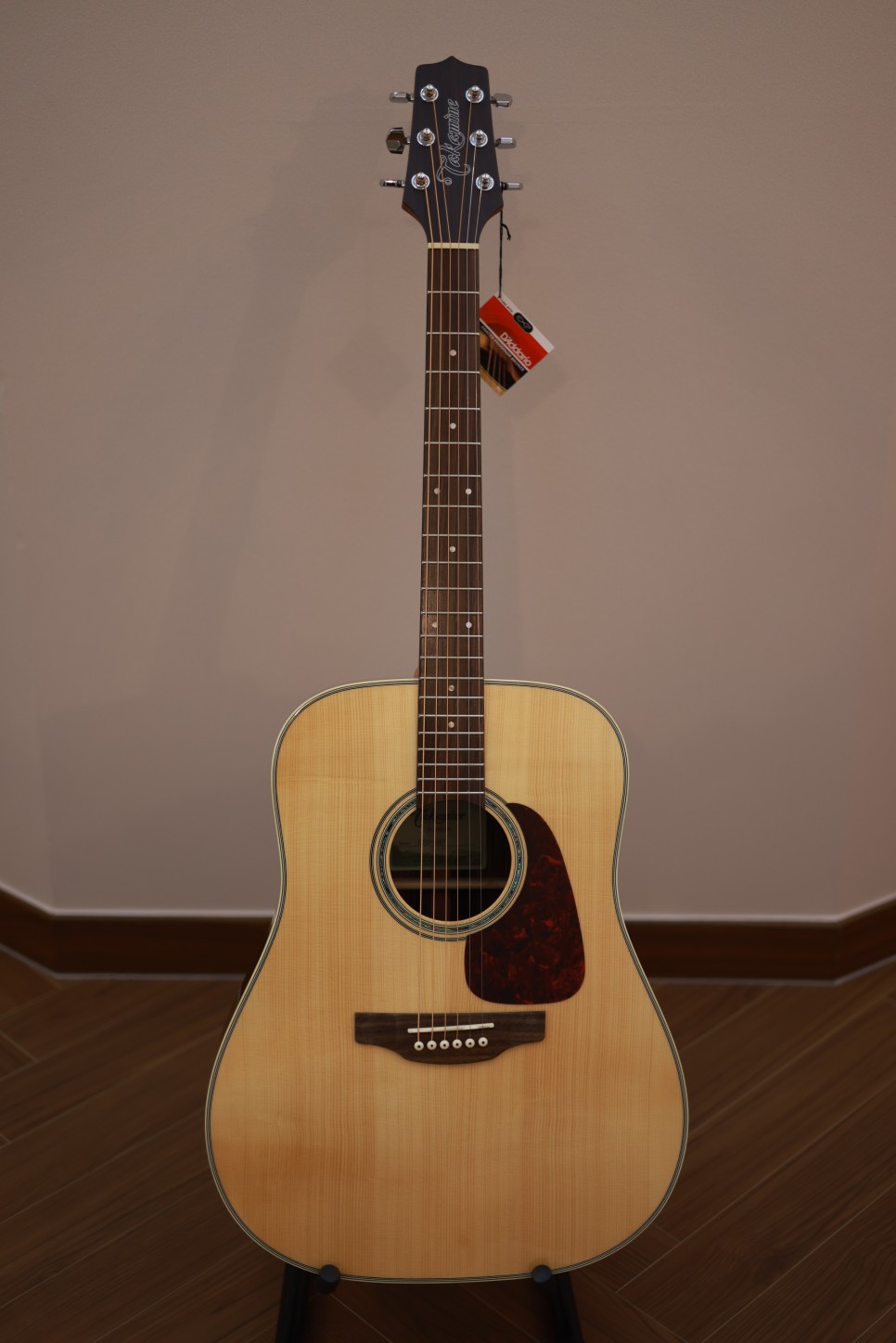
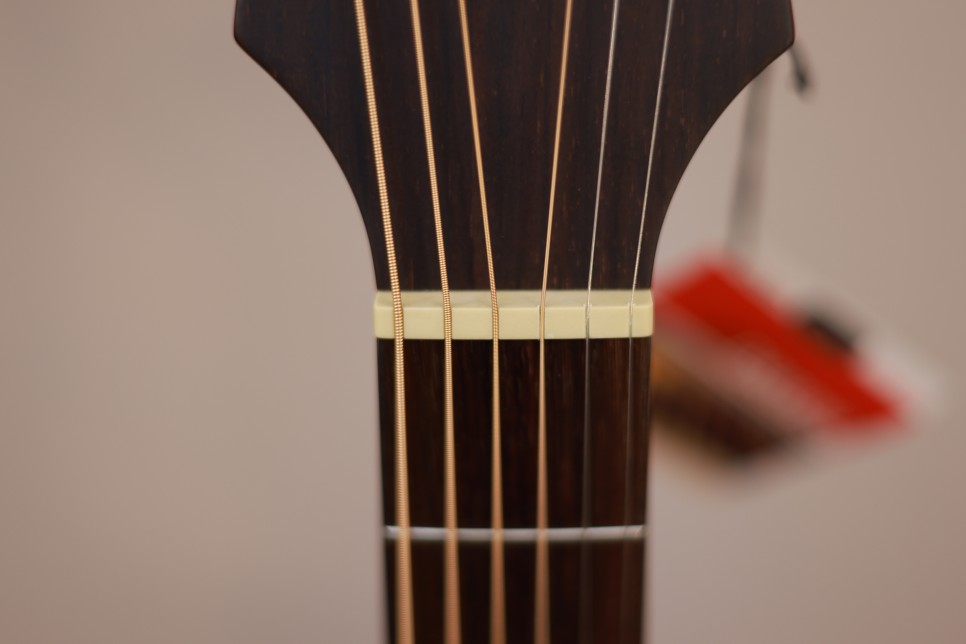
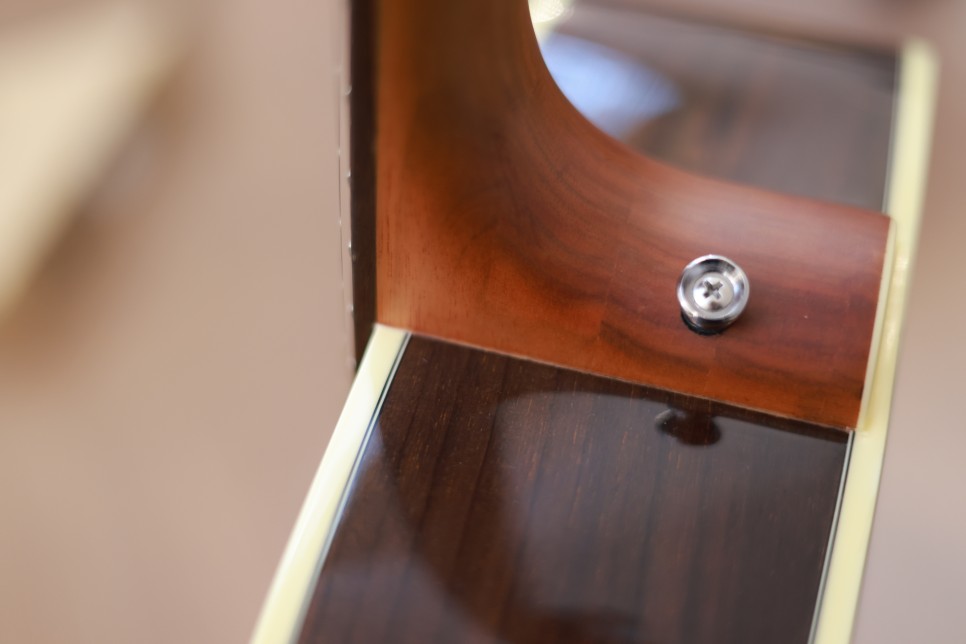
This model has bridge pins. The nut, saddle, and pins are all plastic.

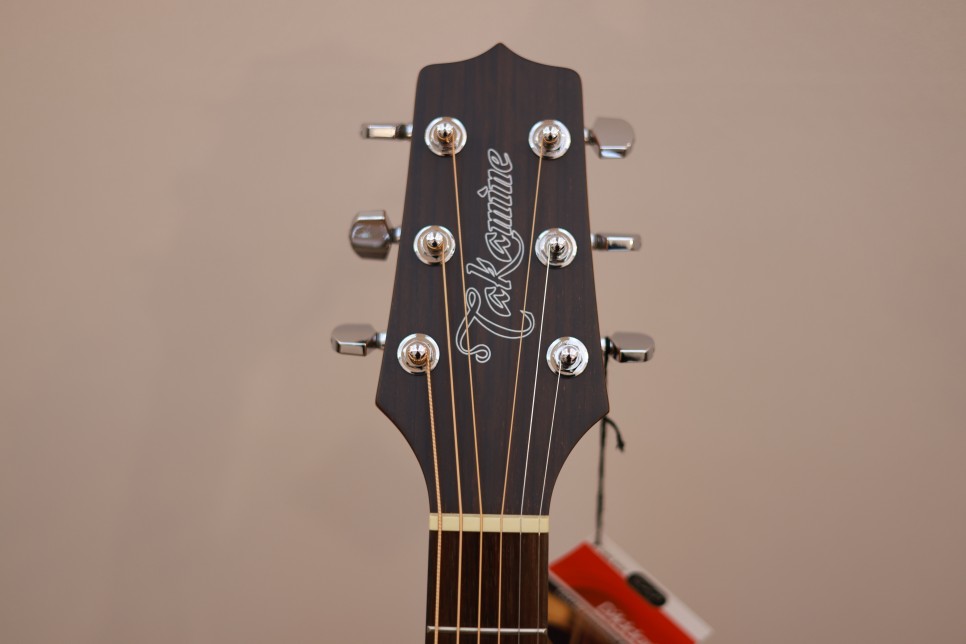
The guitar comes strung with discontinued D’Addario EXP strings. It seems that while individual packs are sold out, bulk packs are still available.

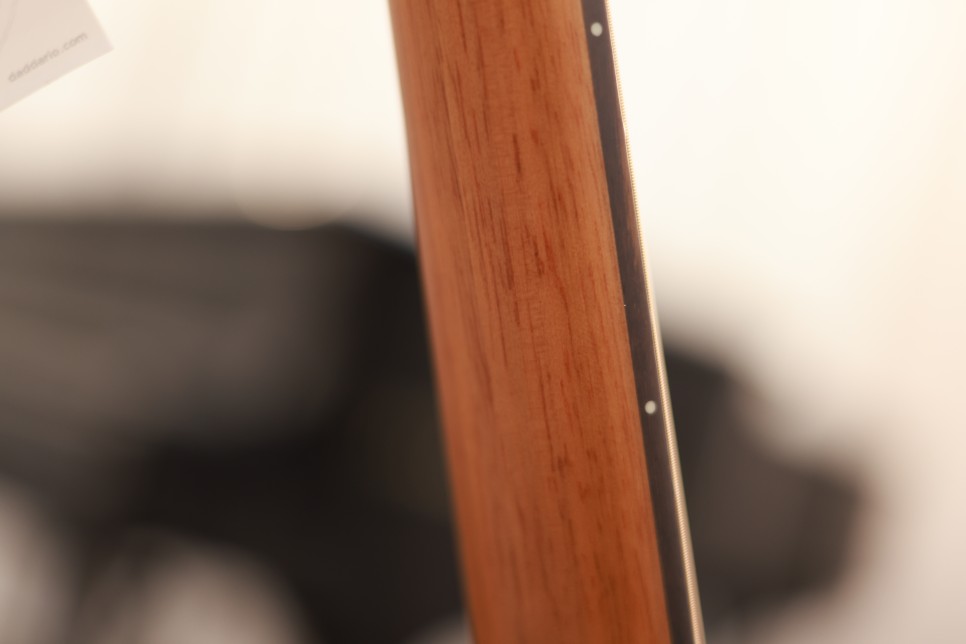
The neck has a matte finish, and the binding is a slightly yellowish plastic.

As an entry-level model, the wood grain isn’t perfectly uniform, but it’s challenging to find a foreign brand with these specs at this price point.

  • Specifications
  1. Solid spruce top
  2. Rosewood back and sides
  3. Rosewood fingerboard
  4. Plastic saddle and nut
  5. Plastic pins
  6. 42.5mm nut width
  • Sounds

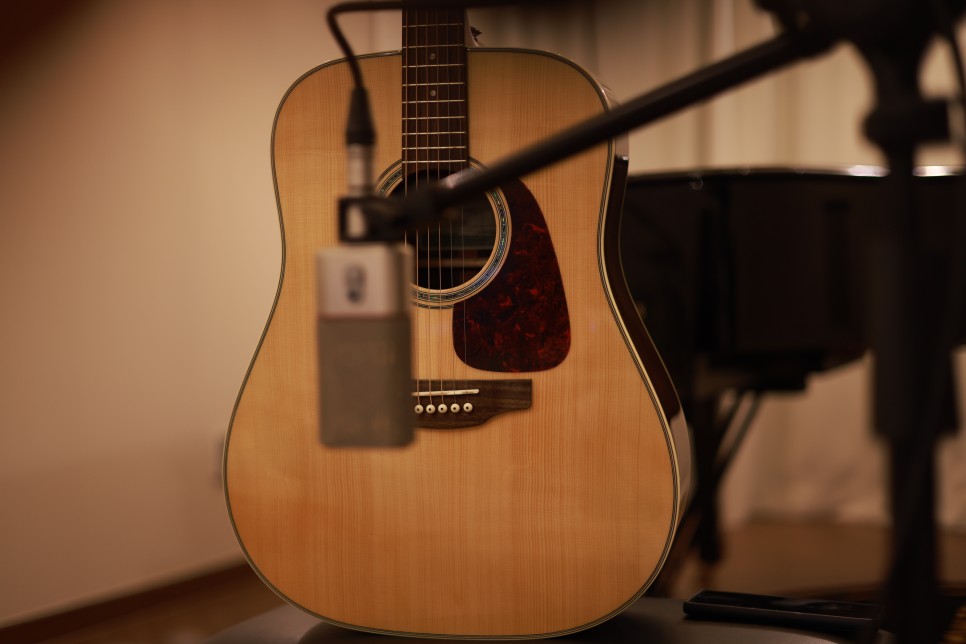
I received this guitar on the same day as my last review, so the setup is identical. The recording was done using an Audient id14 mk2 and an Austrian Audio oc818 in stereo. No reverb or delay was added; only the volume was adjusted.

A quick disclaimer: I haven’t played guitar in a while, so my playing might not be the best. Please focus on the sound quality.

For the best experience, increase the video quality on YouTube to avoid losing high frequencies.

1) Strumming

2) Fingerpicking (There’s some noise, so please turn up the volume.)

  • Overall Impression

The sound is loud and robust, but the price does reflect in the quality. Compared to the G30 series, the D5D’s sound feels a bit more scattered, possibly due to the plastic nut and saddle. Changing the strings might help achieve a more mellow tone.

This guitar might be ideal for country music where a more open, airy sound is preferred. While the D5D has solid specs, the sound quality doesn’t quite match the G30CE models, which are exceptionally well-made for their category.

Like the other models, the neck tends to lift slightly. Some adjustments to the truss rod, saddle, and nut might be necessary upon receiving the guitar.

Priced at 495,000 KRW(about 360$), it is approximately 170,000 KRW cheaper than the 30 series, which is a noticeable difference.

The neck is slightly thicker than the G series, which I personally prefer. My main guitar has a neck width of 45mm, so I like a bit of heft. However, everyone has their preferences, so it’s best to try a guitar in person and use that as a reference.

Generally, Taylor guitars are known for their slim necks. The G series has a neck similar to Taylor’s 100 and 200 series, while the D series is slightly thicker.