Hello! This is Jooyoung Kim, an audio mixing engineer and music producer.
Recently, I found a very interesting filter effect plugin called the Filter Ark, made by Korg. Therefore, I requested an NFR (Not for Resale) code from Plugin Boutique for this review.
It was a really fancy and neat plugin. I think it is great to introduce this to music producers, electronic music makers, and electric guitar players.
If you purchase the plugin through the link included in this post, I’ll receive a small commission that helps support my work.
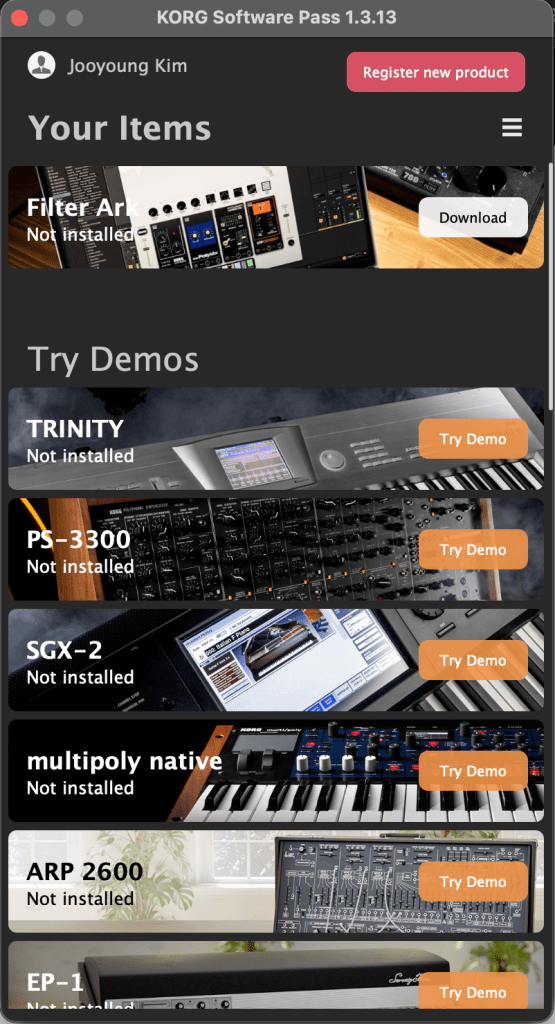
It’s quite difficult to download and register the product. You need to download the KORG Software Pass first, and then register the code you have.
After registering, you can download your plugin. They don’t use iLok, the common passkey used by many plugin companies. Therefore, you should not delete the KORG Software Pass program.
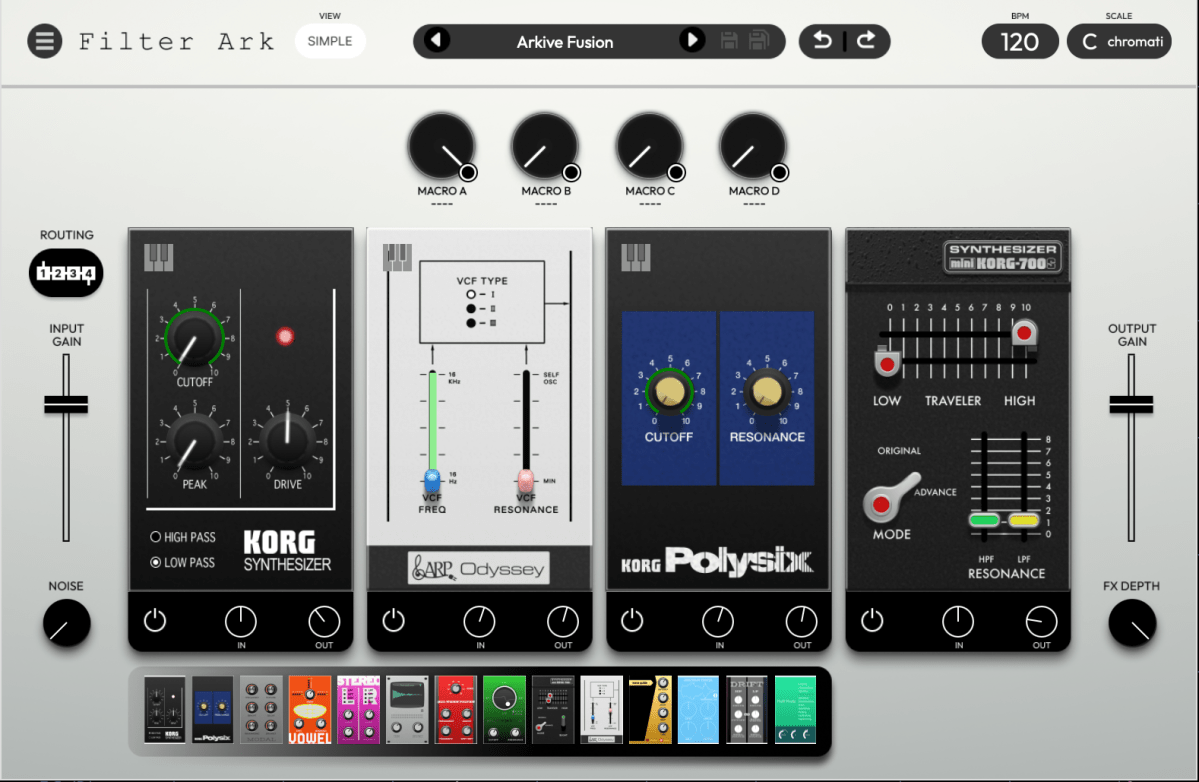
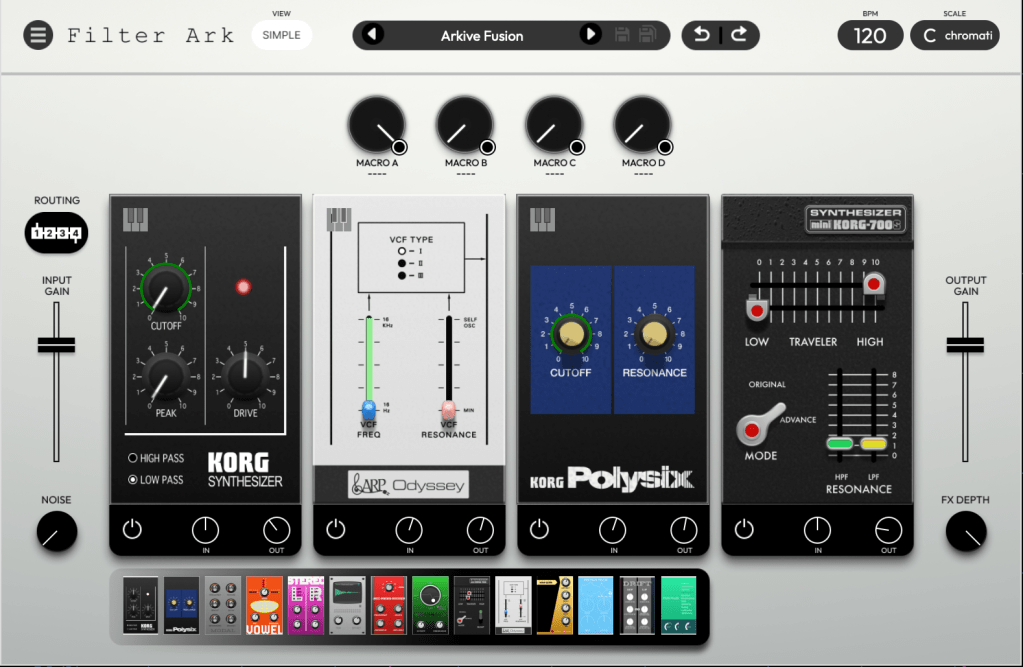
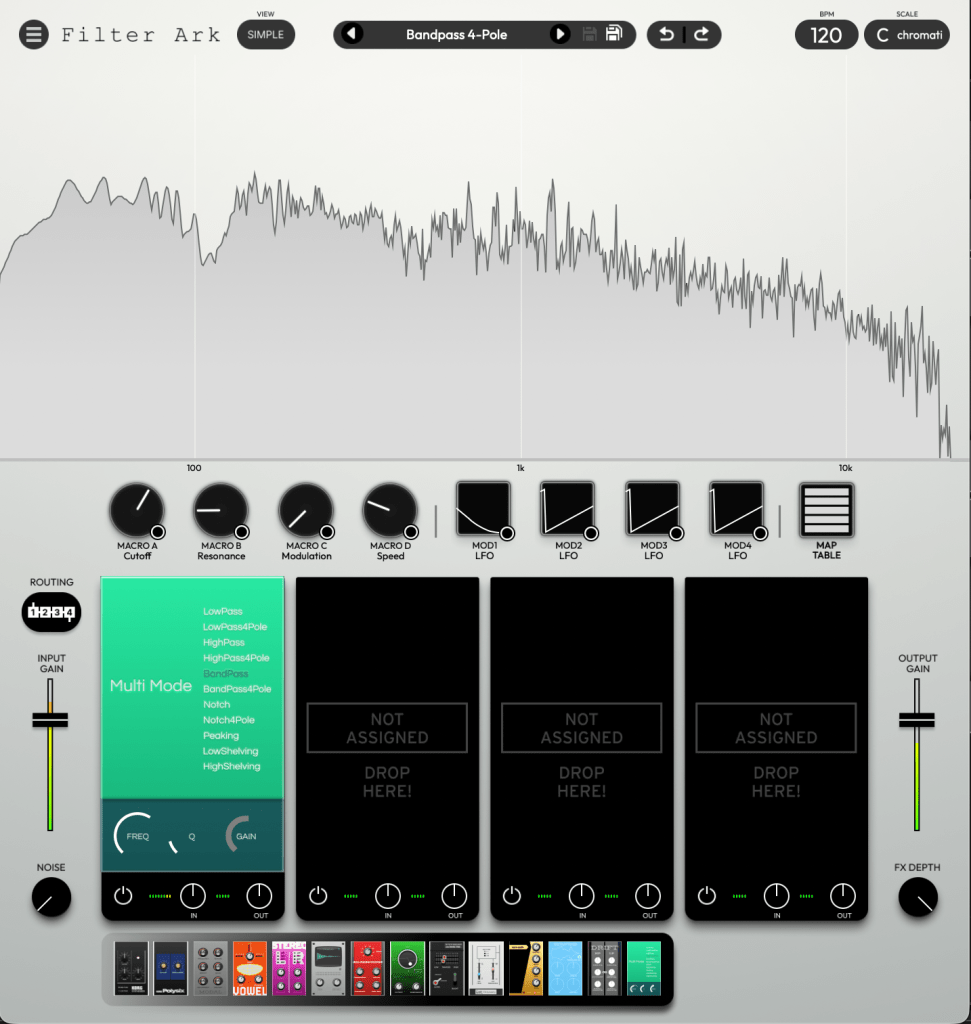
Looking over the plugin, you can see its clean, modern design. There are several modules at the bottom of the interface that resemble guitar pedals. Interestingly, these are all different types of filters!
Simple descriptions of these pedals are shown in the table below.
Filter Name
Category
Key Characteristics
MS-20
Legendary Analog
Recreates the iconic 12dB/oct filter with distinctive distortion and powerful resonance.
Polysix
Legendary Analog
A warm and smooth 24dB/oct Low Pass Filter known for its musicality.
miniKORG 700S
Legendary Analog
Features the unique “Traveler” sliders (HPF/LPF) for thick, vowel-like textures.
ARP Odyssey
Legendary Analog
Includes all three revisions (Rev 1/2/3) with sharp, aggressive resonance characteristics.
Modal
Modern / Physical
A physical modeling resonator that simulates the vibration of strings or metal plates.
Vowel
Modern / Formant
A formant filter that morphs between three vowels to create human-like vocal sounds.
Wave Guide
Modern / Physical
Based on volca drum algorithms, ideal for creating metallic tubes or string-like plucks.
Spectrum Tracer
Modern / Experimental
Captures frequency characteristics from audio files and applies them to the input signal.
Morphing
Modern / Variable
Allows seamless morphing between Low Pass, Band Pass, High Pass, and Band Reject modes.
Stereo
Utility / Stereo
Independent filter settings for Left and Right channels to create wide stereo imaging.
Drift
Utility / Stereo
Features dual LPF/HPF with a ‘Delta’ parameter to add organic, drifting movement.
IR (Impulse Response)
Modern / Convolution
Loads IR files to simulate realistic spaces, speaker cabinets, or Lo-Fi equipment.
All Pass
Modern / Phase
Shifts the phase of the signal to create Phaser-like notches and unique tonal shifts.
Multi Mode
Versatile / Utility
A flexible filter capable of everything from precise EQ-ing to aggressive sound shaping.
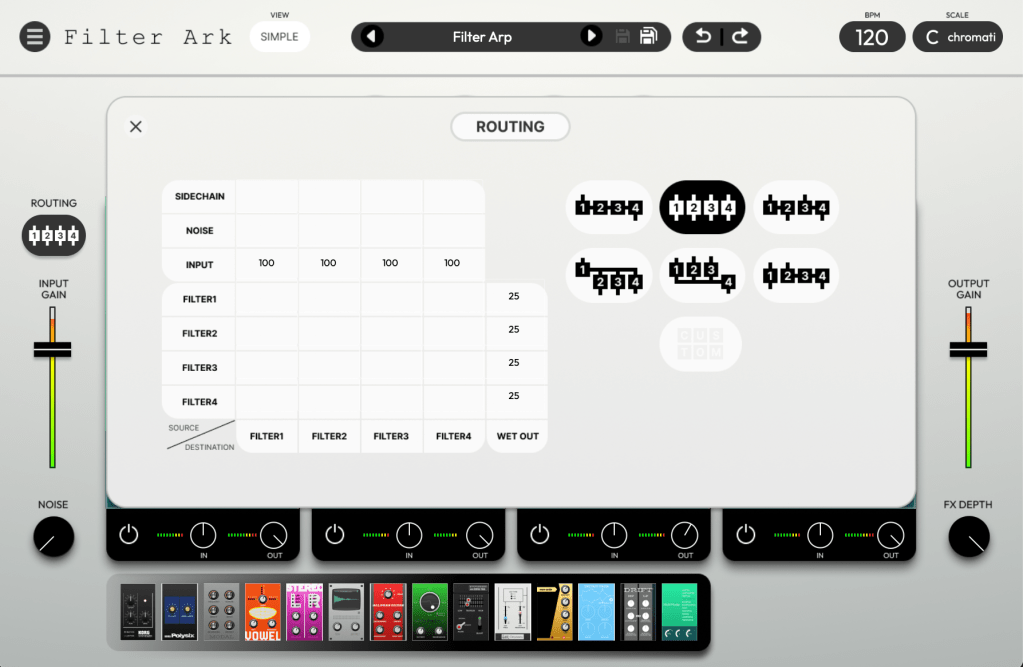
Four slots are available, and their routing can be adjusted.
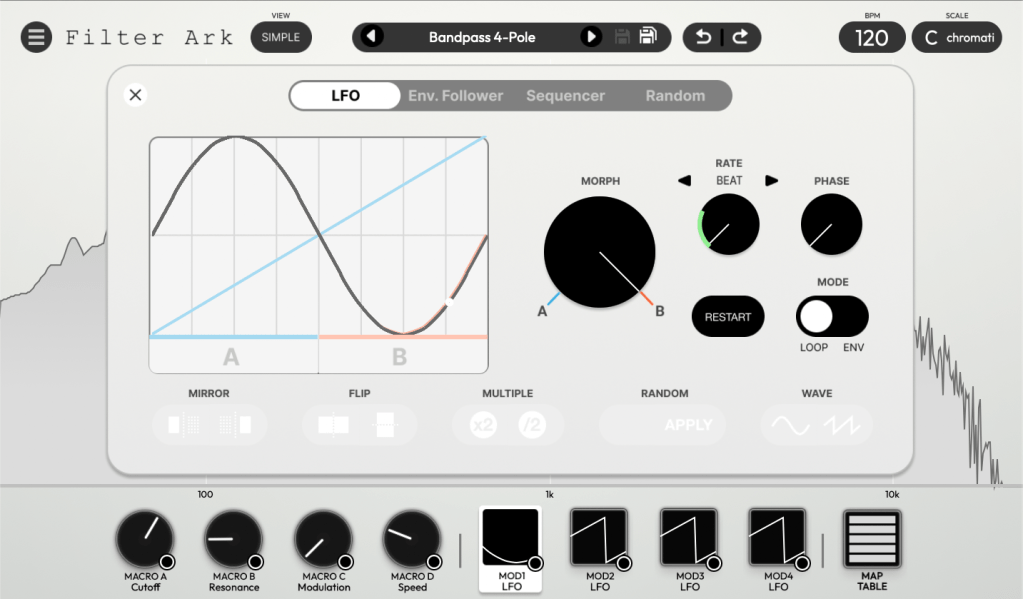
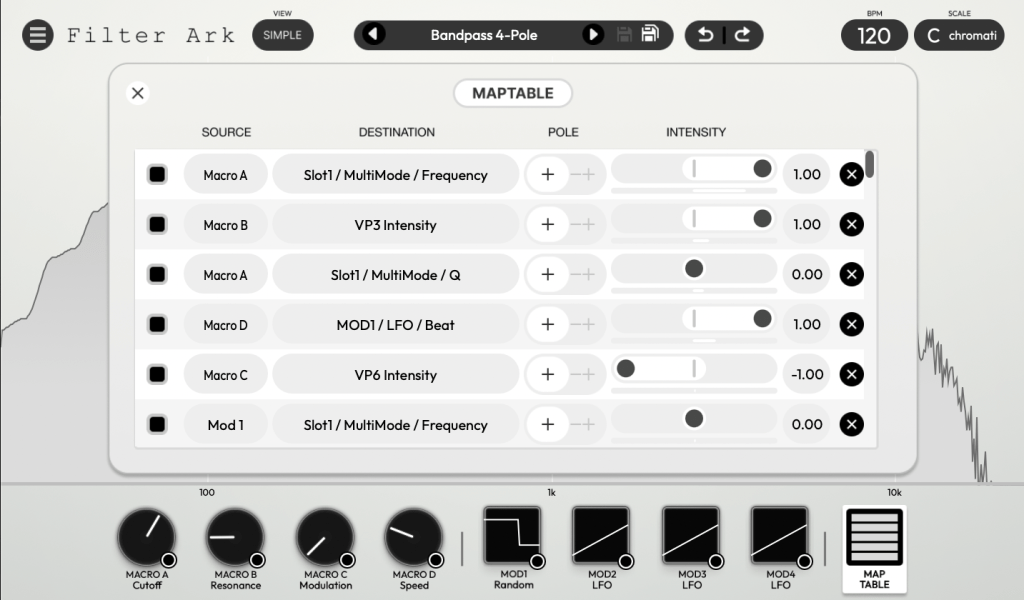
Clicking the VIEW (SIMPLE) button displays the frequency response graph. This interface allows you to intuitively adjust macro controls and modulation assignments.
These functions help composers shape their sounds with greater precision and nuance. Modern composers often utilize multiple filters to create dynamic movement in their music. From this perspective, the wide array of filters and features in Filter Ark streamlines the sound design process, saving composers the time and effort typically required to craft complex textures.
It is hard to analyze all the filters, but you can listen to the sounds via the link above.
At just $53.9 (tax included), it’s quite affordable. I highly recommend this plugin to composers and music producers who work with heavy synthesizers or complex sound design.
Hello! This is Jooyoung Kim, a mixing engineer and music producer.
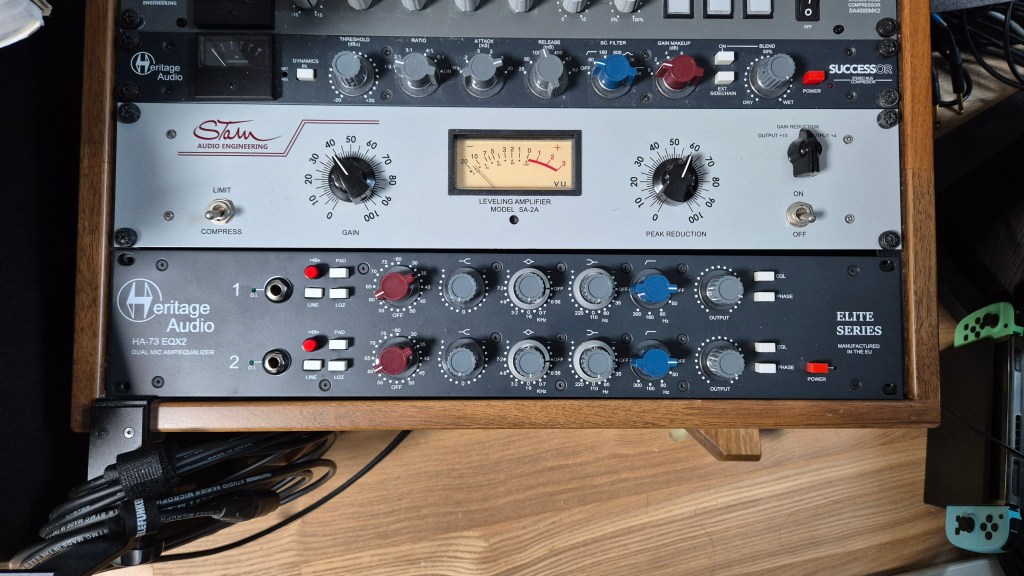
I already had the HA73EQ and was very impressed with it. Thus, I decided to expand to a dual-channel setup. As a result, I sold it and bought the HA73EQX2 last September, and I think now is a good time to write a review.
Technical Observations
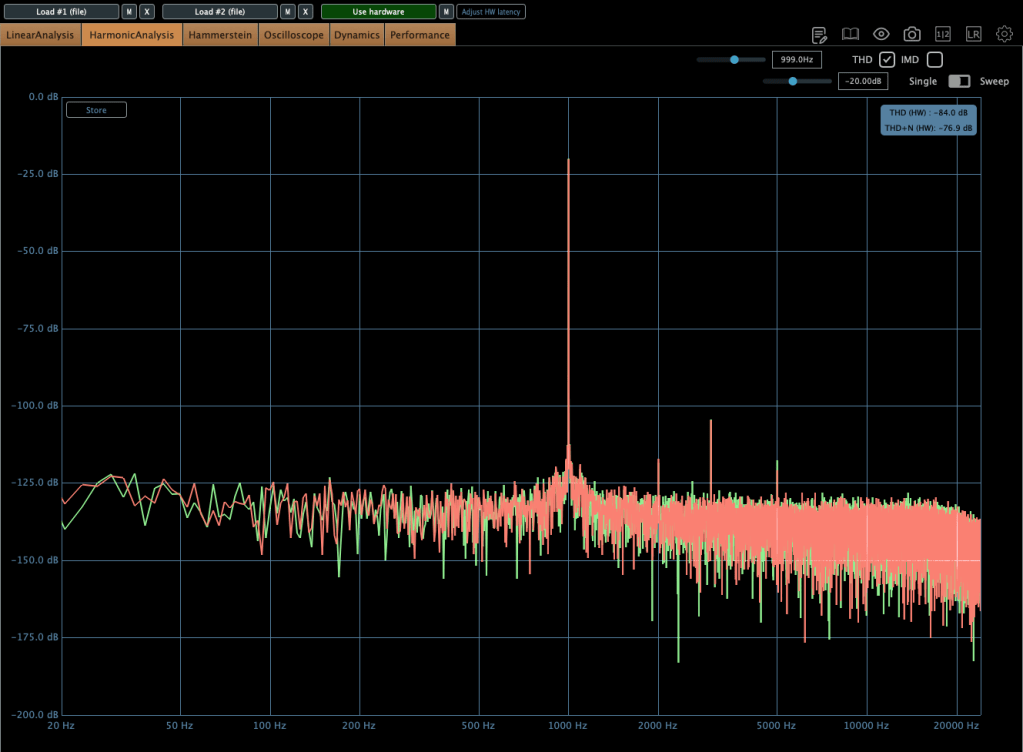
First, at the same value of each parameter, both channels have subtly different frequency responses. The responses seemed quite similar, but they were adjusted to match each other.
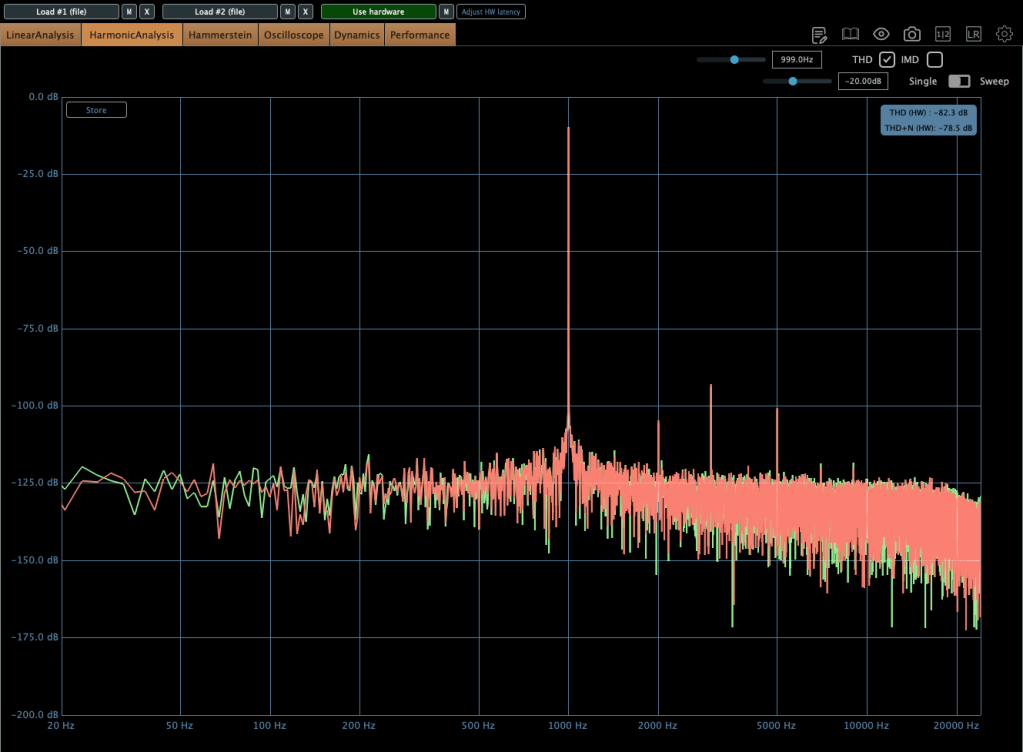
Harmonic distortions are not excessive, but they are enough to emphasize sounds.
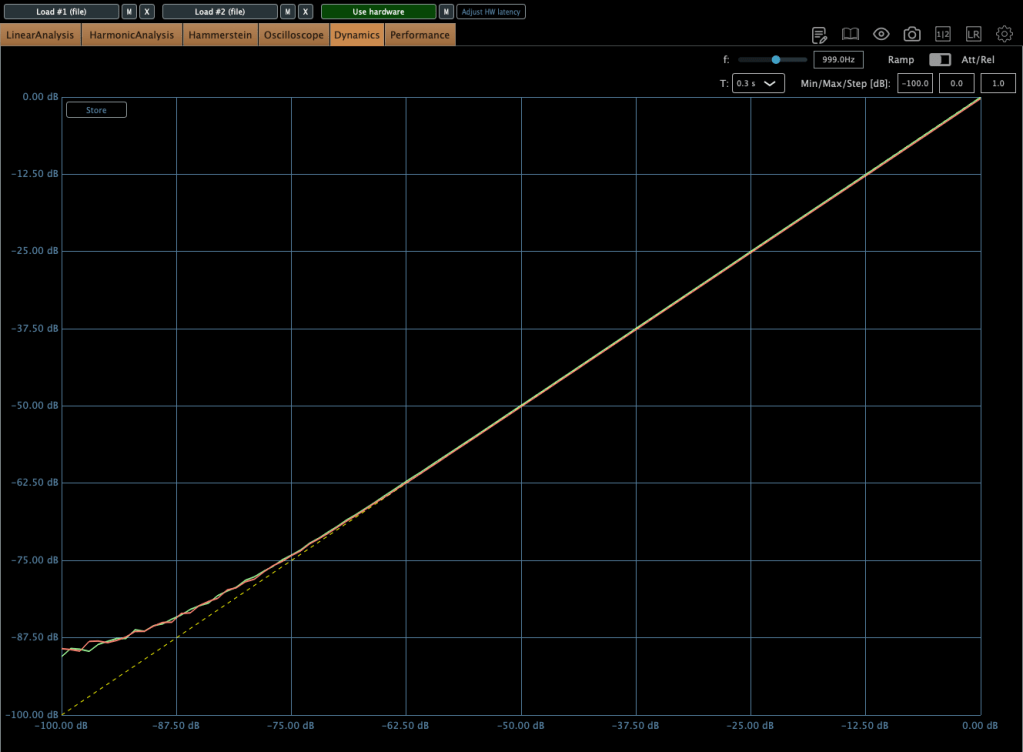
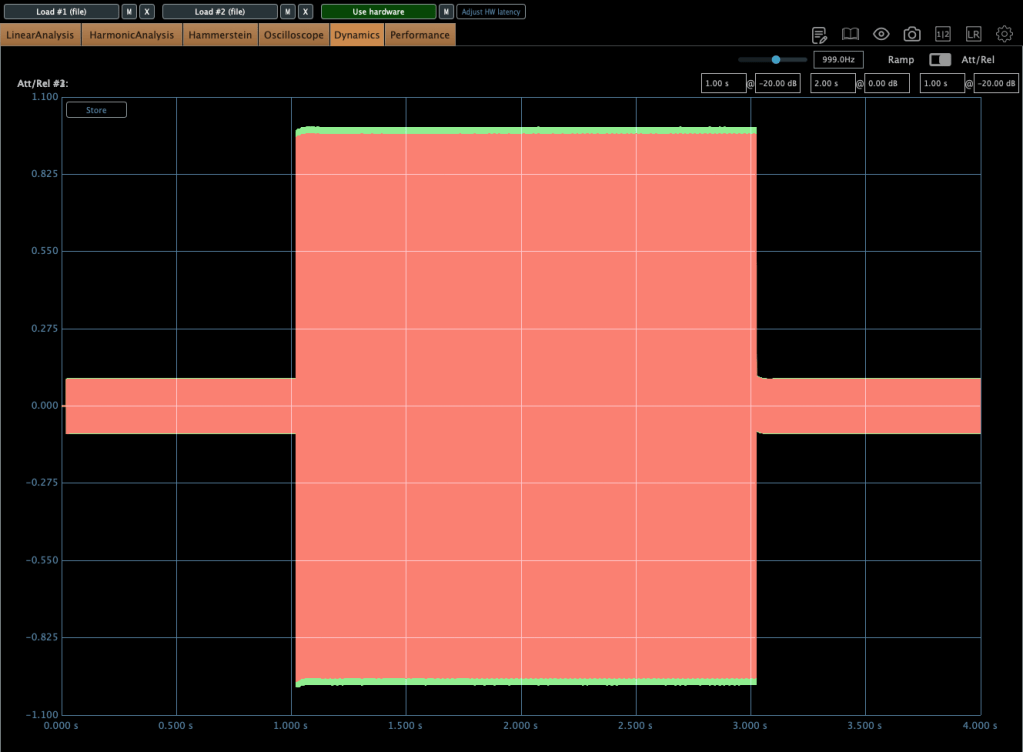
There is no compression in any amplitudes, and there are only very subtle changes at the transients in the audio sources.
I cannot fully explain how the character sounds based on the measurements. So, If I had to describe it, the HA73EQX2 ‘pushes’ the source, bringing the soundstage noticeably more forward.
I have experience with the original Neve 1073, and its “pushing” feel is similar to that of the HA73EQX2. Having worked with original Neve 1073s, I found this ‘forward’ character to be similar.
However, when I adjust it on the mix bus, it has too many harmonics… So I think I’ll use it to enhance each source that has weak harmonics and textures.
Final Thought
It’s a really great choice at a reasonable cost.
Honestly, the Neve 1073DPX is too expensive and doesn’t sound like the original. From this perspective, the Heritage Audio’s HA73EQX2 can be a great alternative. I might sound like a promoter, but after five years with Heritage Audio gear, I can genuinely recommend this preamp to anyone.
Thanks for reading, and I’ll see you in the next post!
Hello, I’m Jooyoung Kim, a mixing engineer and music producer.
Another year has already come to an end.
As the year draws to a close, I always find myself looking back—wondering how I’ve lived up to this point, and whether I’ve really been living well. These days, I’ve been stuck in an endless cycle of thinking, and daily migraines have become a familiar companion… 🙂
Still, I thought it would be good to sit down and organize what I actually did this year.
1) Finishing my “Basics of Mixing” blog series
The book itself was published last September, but I continued writing blog posts on the same topic, just like before. I finally wrapped that series up this March.
2) Focusing more on papers and research this year
One year ago, a KCI (Korea Citation Index) paper of mine was published, and this August I published an SCIE-indexed paper with a journal affiliated with the European Acoustics Association.
Thanks to those two papers, I was able to reduce my tuition a bit, and perhaps because my advisor viewed my work positively, I was appointed as a graduate-level lecturer in the second half of the year.
I also developed a Python-based audio measurement tool for my research, implementing THD+N and crosstalk measurements in accordance with the AES17-2020 standard. A paper related to this tool is currently under review, following IRB approval from my university.
As for my deep-learning research, about half of the data was lost, so I’m retraining everything—but surprisingly, the results are turning out quite well. I think I’ll be able to carry out the experiments properly. I’d like to wrap it up by February, though that might be a bit ambitious… haha.
If I had one small wish… it would be nice if lecturers were also eligible for research funding. 🙂
3) Graduating from graduate school
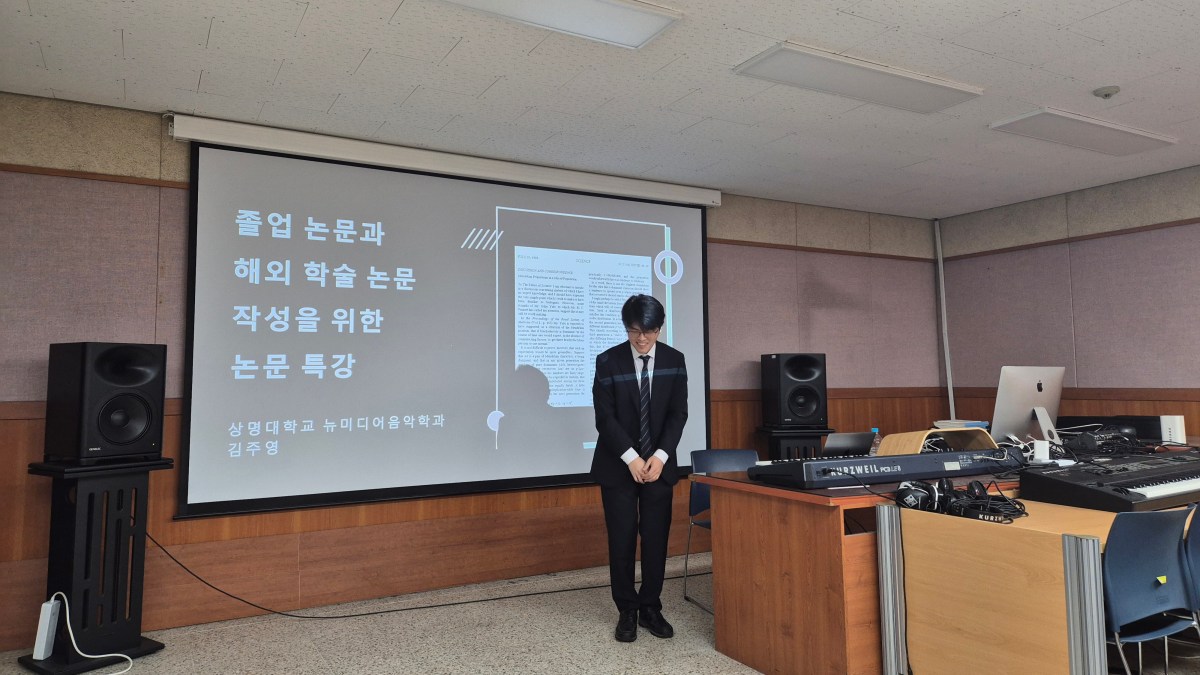
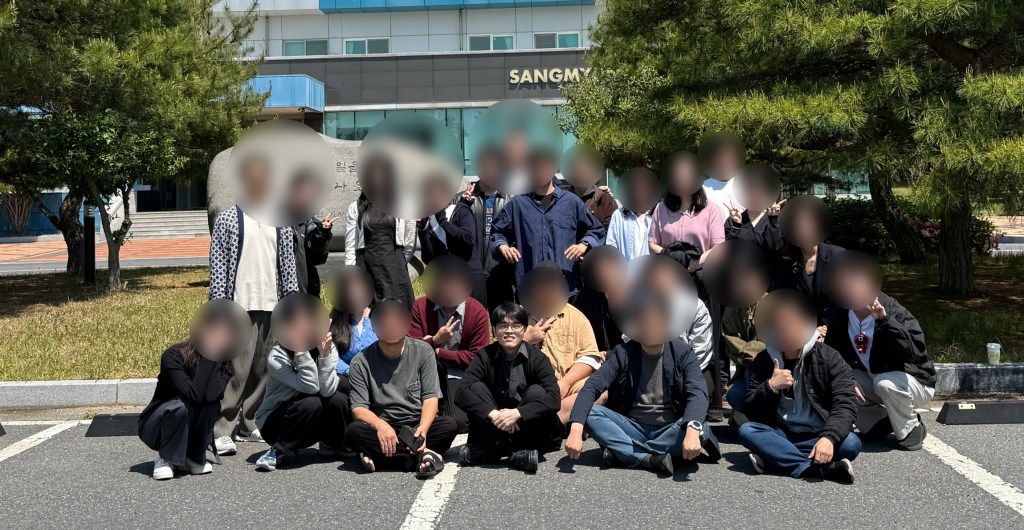
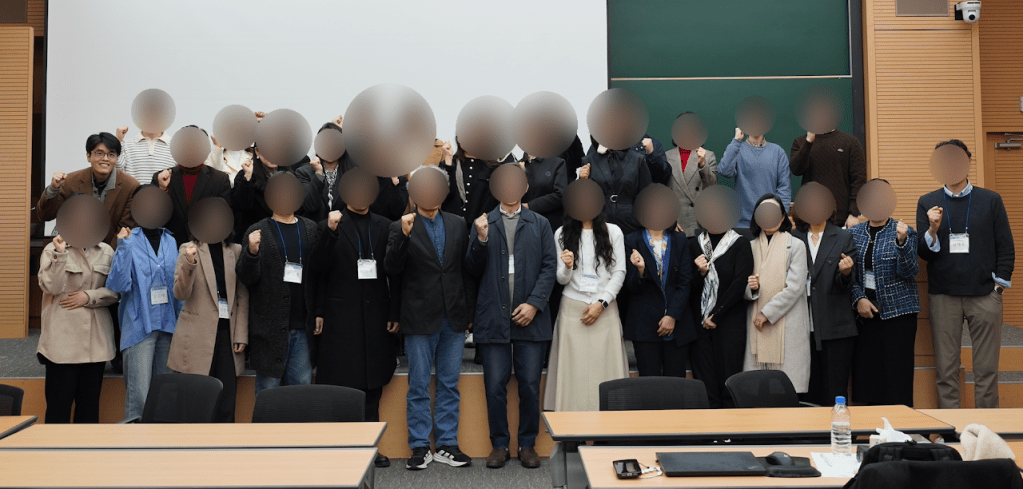
I don’t remember why I ended up sitting in the center, but my graduate school at Sangmyung University held thesis defenses at a retreat facility. It feels like a long time ago, but that photo was taken in May—so only about seven or eight months have passed.
4) Teaching, both regularly and irregularly
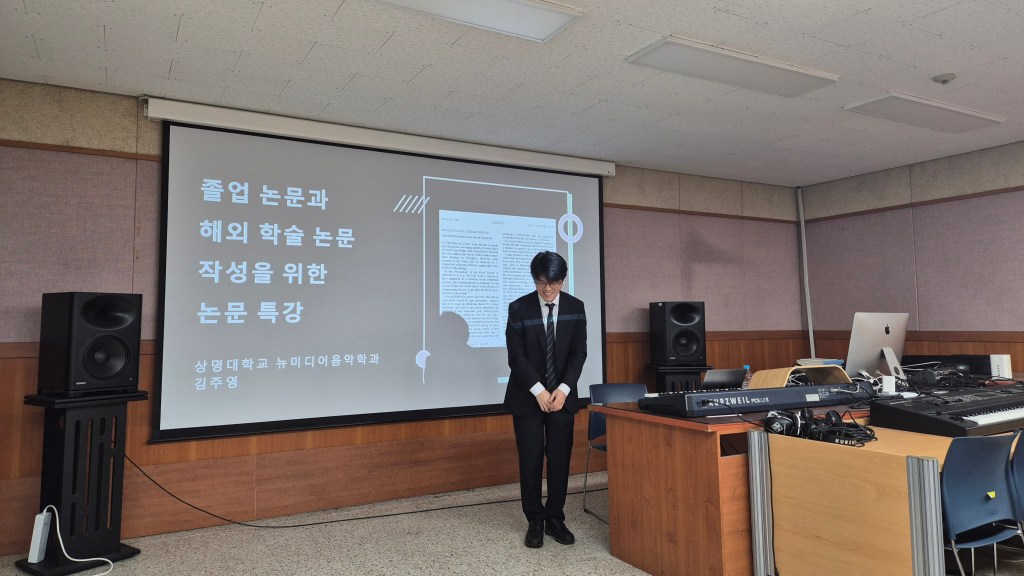
In addition to the practical courses I’m responsible for, I also gave thesis-related lectures at graduate school and a few external lectures. It definitely felt very different from the private lessons I used to give upon request to people I knew personally.
5) Starting a sole proprietorship and doing live sound work
Registering the business itself wasn’t anything grand or impressive, so I deliberately didn’t talk about it much on the blog until now. I simply rented a virtual office and registered the business… haha.
I wanted to wait until I had a proper studio before mentioning it, but since I did register it this year, it felt worth noting. At the moment, I’m looking for a small place to set up shop—but finding a location that meets my expectations hasn’t been easy.
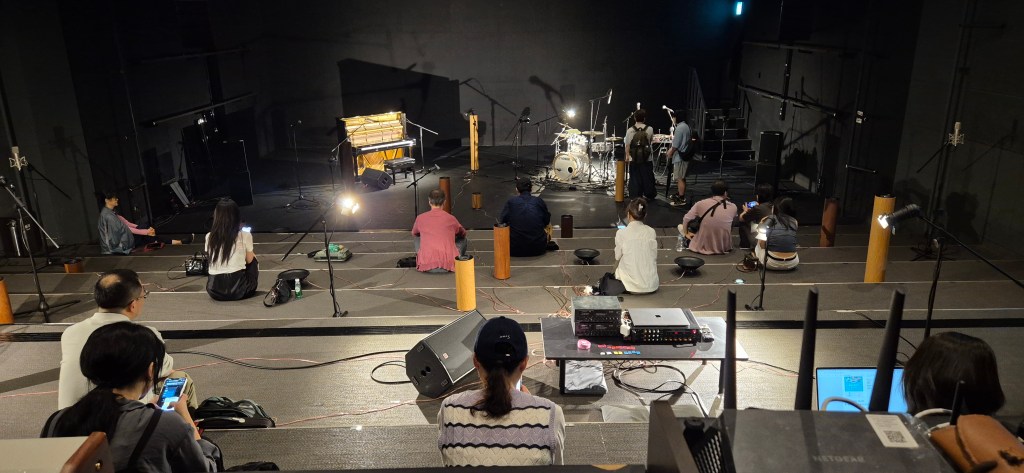
As for live sound, there isn’t much that’s been officially released as videos or albums yet, but a performance I supervised as sound director this past summer was recently uploaded to YouTube.
I’ve been doing things like this.
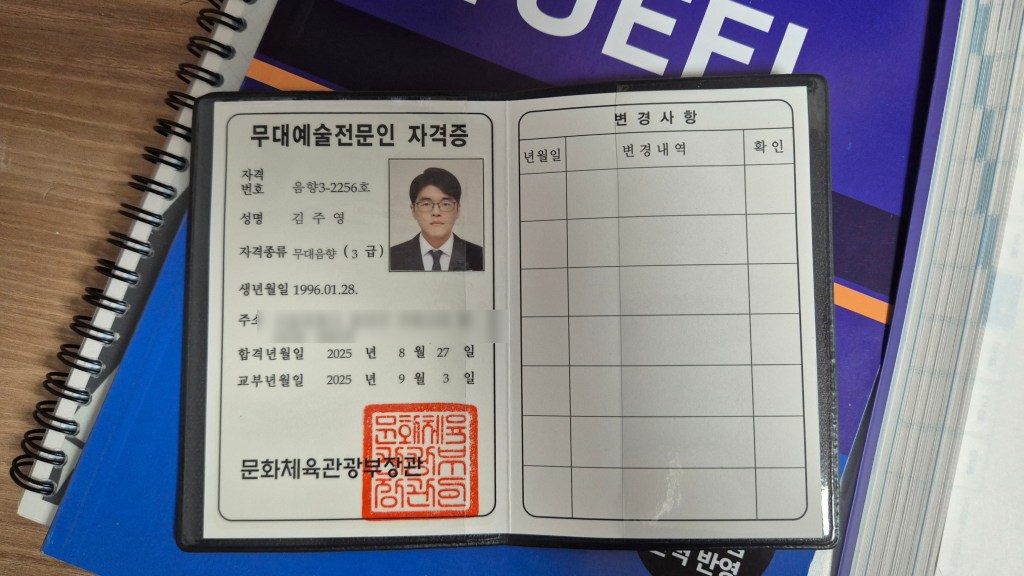
6) Obtaining a stage sound certification (in Korea)
At first, when I learned about this certification, I wondered if it was really necessary. But it turns out it actually helps in real life—so I crammed and got it done this year. Haha.
The audio-related knowledge wasn’t too difficult, but the legal terminology and stage equipment terms were tough to deal with.
7) Attending conferences from time to time
At the moment, I conduct all my research alone, and I do trust my own judgment—but I genuinely want to collaborate and work in teams as well. Especially when I think about how much faster my current training runs would be with an expensive GPU—what takes weeks now could be done in days.
Beyond that, I really want to explore more interdisciplinary research.
8) Winning an award at a Japanese composition contest
It wasn’t anything huge—just an encouragement-level award—but it still gave me a meaningful boost.
After the contest, three Japanese composer agencies invited me to submit another piece for internal review and potential artist selection. Unfortunately, that didn’t work out in the end.
That meeting was later turned into YouTube content. The submitted tracks themselves weren’t publicly released, but there were critiques for each piece.
If you watch the video, it starts from the part discussing my song. There was advice that touched exactly on the things I had vaguely sensed myself—especially regarding drums, percussion, and compositional detail. It felt like it was time to think more deeply about those again.
Akira Sunset mentioned that he liked my voice and singing, which was a small comfort. Another reassuring thing was hearing that my pronunciation didn’t sound awkward for a Korean—it felt like the effort had paid off.
9) Studying English seriously
I still feel that my English is far from good enough, but this is probably the hardest I’ve ever studied English in my life.
Back when I took the Korean CSAT, English was my weakest subject, so my strategy was basically “do well on everything except English.” If I remember correctly, I got eight questions wrong—five of them in English. Everything else was a top grade, but English alone landed me in the third tier… haha.
That said, I’m still far from my target TOEFL score. The program I want requires an 86 overall, but with minimum scores for each section, and if I want to apply elsewhere, I really need to break 100.
My best score so far is 85, so there’s still a long way to go. I suspect English will continue to torment me next year too—but there’s no choice but to keep going. Hahaha.
10) Designing my own hardware (still in progress)
It’s not finished yet, but I’ve been designing my own hardware.
If I call myself an audio engineer at all, shouldn’t I design and build at least one piece of hardware before I die?
Back in the day, EMI (now Abbey Road Studios) had a dedicated hardware department called REDD. As a one-person engineer, I figured I shouldn’t fall behind… haha. (Though honestly, the insane price of hardware is a big motivation too.)
Of course, not everything comes purely from my own head. Thanks to AI, I’ve been able to quickly simulate ideas I used to only imagine and lay down the groundwork.
The image above is the schematic of the hardware I’m currently working on. It’s a tube saturator combined with a Baxandall EQ.
If it sounds good, now that I have a business registered, I’ve even thought about selling it as a DIY kit.
A fully assembled product would obviously be more convenient for users, but in Korea, all assembled electronic devices must pass KC certification. That process is expensive, and for small-batch production, the cost inevitably gets passed on to the consumer. All solder would also need to be lead-free.
Well… just indulging in a bit of imagination.
The schematic is mostly done, but I still need to run simulations—so I’ll just have to try it. If it doesn’t sound good… endless revisions await..T.T
11) New gear purchases
2 × RODE NT55
1 × Peluso P87
1 × HA73EQX2
2 × mic stands
1 × Korg MicroKorg XL
That’s about it. I definitely spent less than last year. Except for the MicroKorg, everything was bought out of necessity… haha.
Closing Thoughts
I kept saying I’d release music, but in the end, I didn’t release anything this year. I do have some material prepared, but maybe it’s just inertia—or maybe I’ve been too good at making excuses about being busy.
I think personal performance activities would help create some synergy too, but it’s been so long since I last performed or played live that I sometimes wonder if I’ve lost my drive. I think, “Maybe next year?”—but moving forward alone is always harder than it seems.
Still, I really do need to release some music.
I’m 30 now—not exactly young anymore. That makes me think even more seriously about how I should live. Sometimes I wonder if these are the same kinds of worries Kwang-seok Kim (Korean folk musician) had around this age.
I hope that next year, I’ll be able to wrap things up with a brighter and more hopeful mindset.
Thank you, always, to everyone who visits and reads my blog. I hope the new year brings both you and me many moments where we can smile naturally, without having to force it.
That’s all for this year. I’ll see you again in the next post!
Hello! I’m Jooyoung Kim, a mixing engineer and music producer.
The weather has suddenly gotten much colder these days—hope everyone is staying healthy.
As for me… I caught a pretty bad cold and honestly, it’s been rough.
It’s been a while since I last wrote a post, so normally I’d pick a proper topic and organize my thoughts. But today I’m a bit worn out, so I’ll just keep this as a simple life update.
First, a paper I submitted on a relatively straightforward topic was rejected by JASA.
Rejection itself is nothing new, so that part didn’t bother me too much—but it was a desk rejection that took two months, which honestly stung a little.
As soon as I saw the decision, I resubmitted the work to JAES, since I had already prepared a version in that format. If it doesn’t work out there, well… there are other options. I’ll just have to wait and see.
Next, I sold my HA73EQ and picked up the HA73EQX2.
I’ve been consistently satisfied using it for recording, tracking, and EQ work, and I’d been wanting to do more stereo tracking as well.
I did consider the Phoenix Audio Ascent, since the price was appealing, but on the EQ-equipped model, the mic input and line input aren’t separated—which ultimately led me to choose this unit instead.
Of course, I could work around that with a patchbay, but if phantom power is engaged and a patch cable gets bumped or shorted… well, that could be the end of a very precious microphone..^^;;
I’ve already finished all the measurements on this unit, so I’ll write a proper review when I get the chance.
Also, the headband on my main headphones finally gave up.
I’ve been using the Ultrasone Pro 2900, and while replacement earpads are easy to find, I couldn’t find anyone selling just the headband.
In the end, I ordered some Velcro and a headband cushion from AliExpress and fixed it up myself—simple and effective.
And after a very long time, I finally traveled to Japan again.
Actually, now that I think about it, this was my first real trip in ages. The last time I traveled was around April 2019, to Sapporo—so that makes it about six years and eight months.
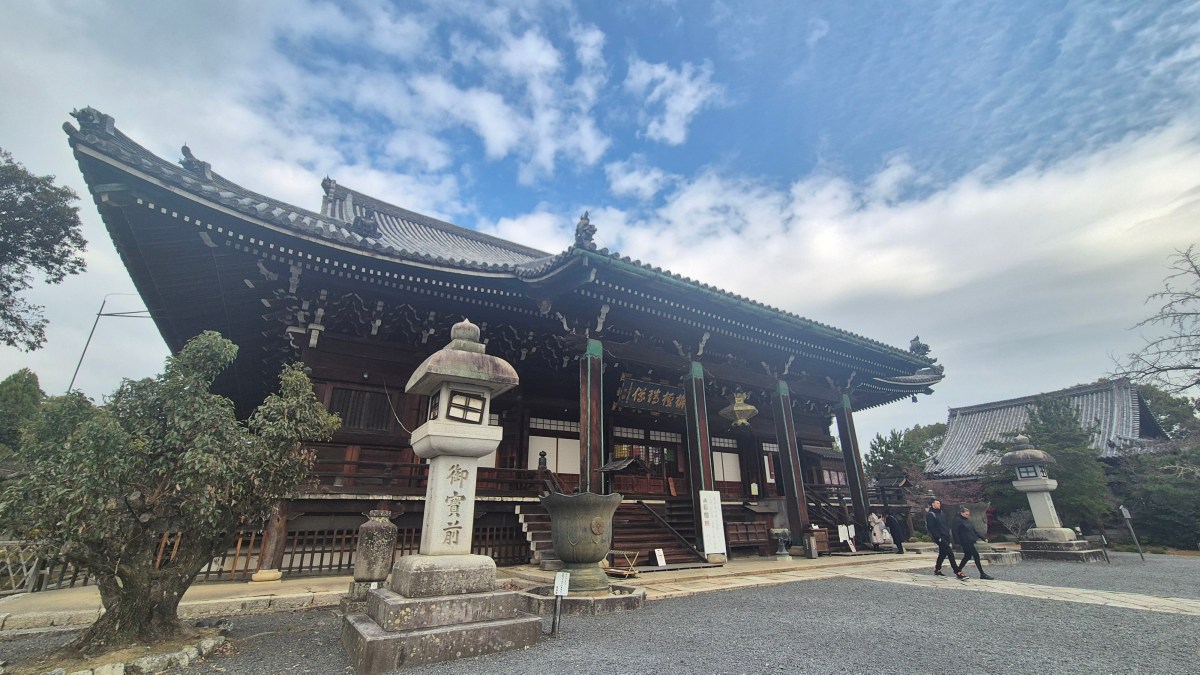
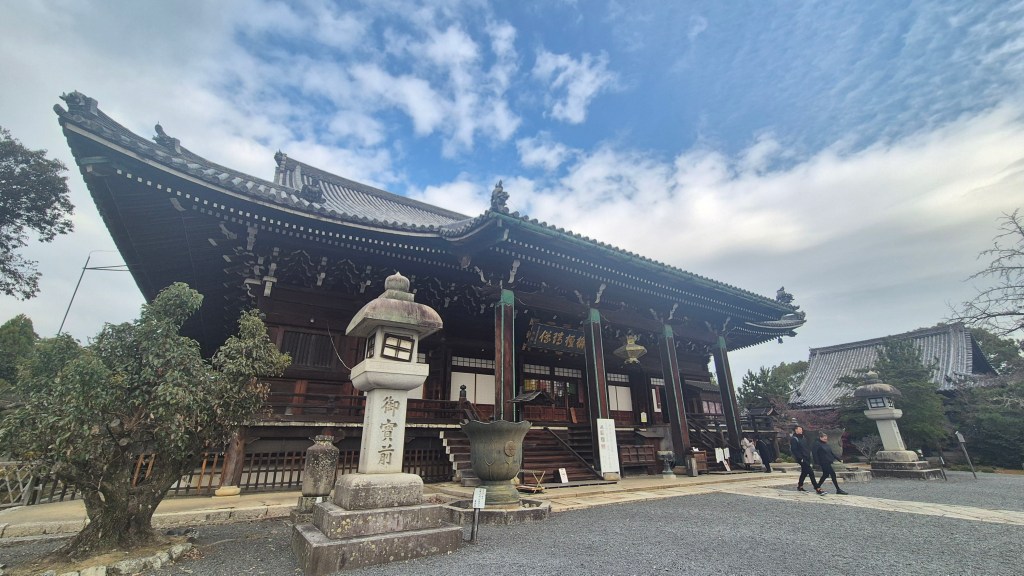
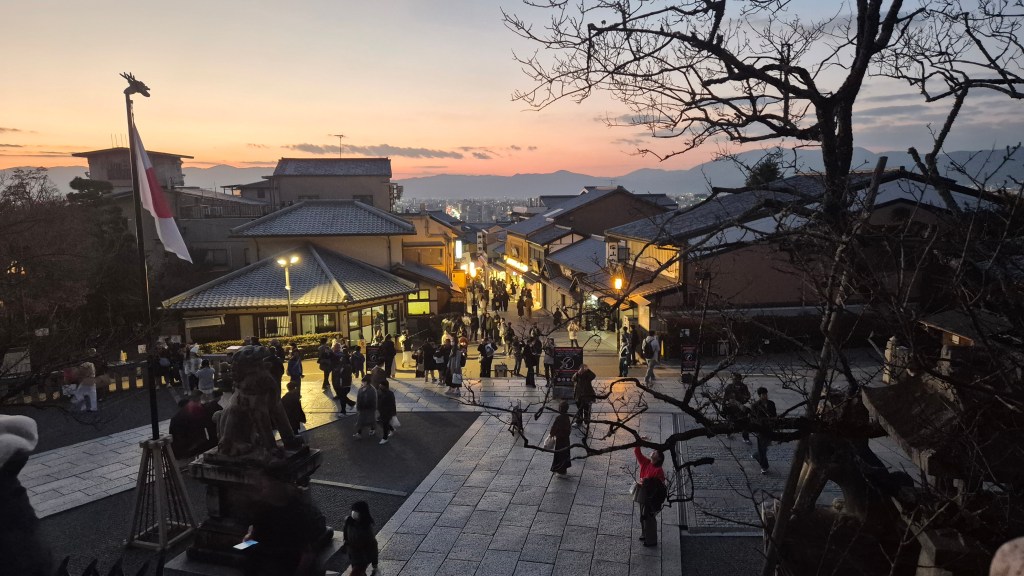
I visited Kyoto and Osaka. Kyoto, in particular, stood out for its clean air, mountains, and nature. The farther you go from the city center, the more rural it feels—it reminded me of visiting my grandmother’s house when I was younger.
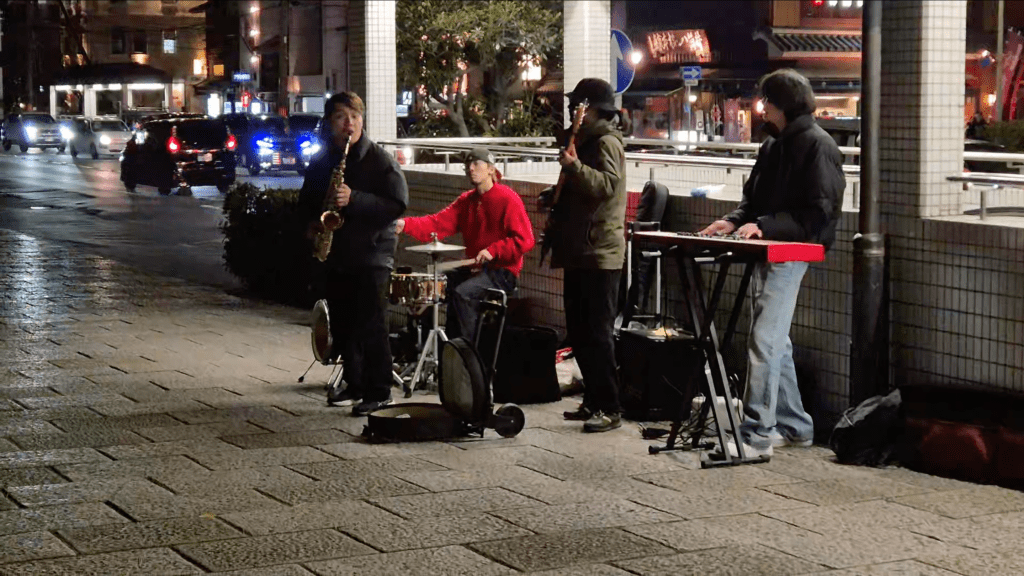
On the way back after visiting a temple, I came across a small jazz band I’d never heard of before.
I found myself thinking, “Wow, that’s a really compact kick drum—interesting,” as I watched them play. The sound level was comfortable and easy to enjoy, which made the whole experience even nicer.
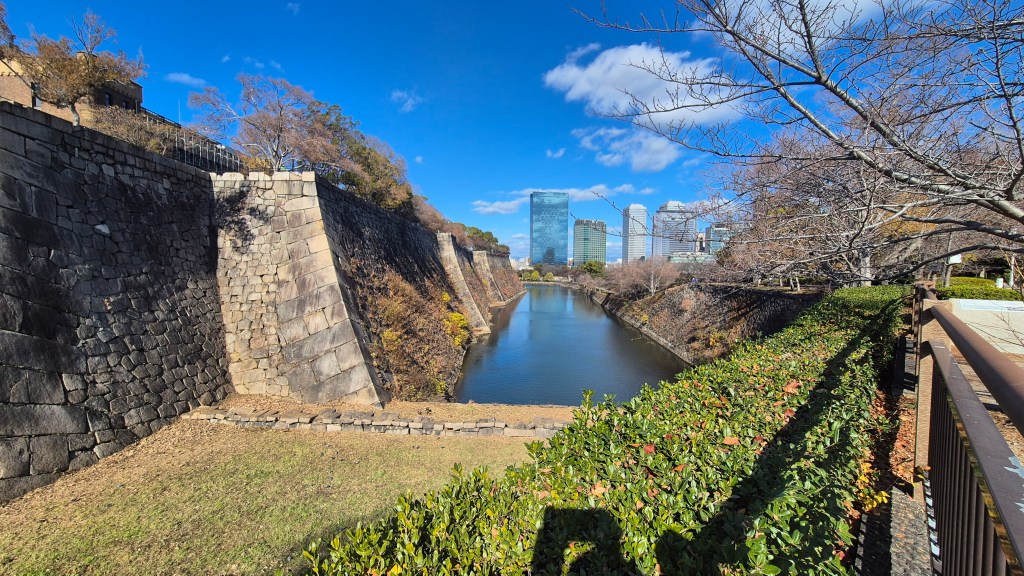
In Osaka, I visited the famous Osaka Castle.
To be honest, though, the inside felt like little more than a concrete museum, which was a bit disappointing.
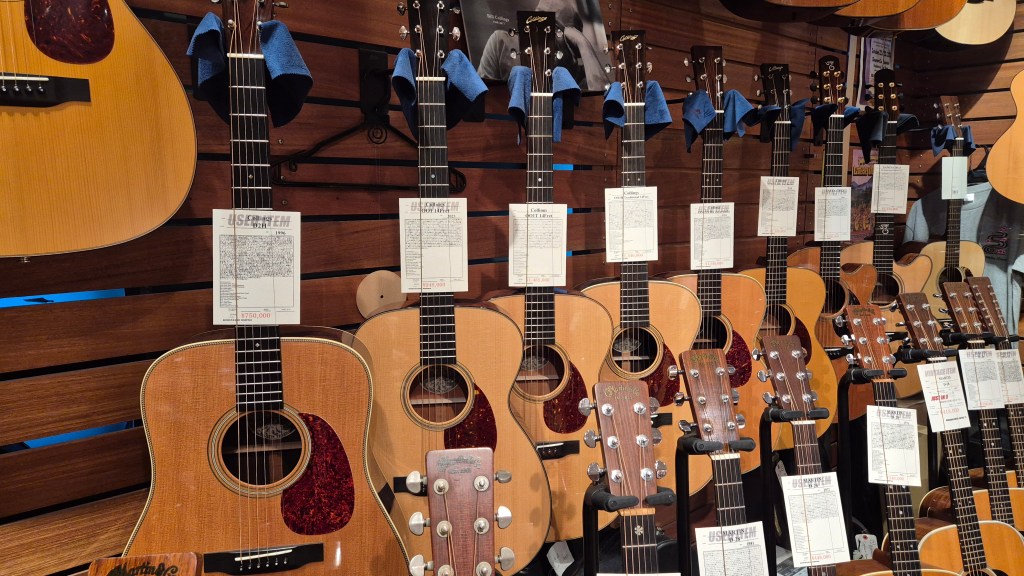
I also stopped by Miki Gakki to check out and play some acoustic guitars.
Unfortunately, none of them really moved me. I tried some fairly expensive models too—like the Collings D2H and the Martin D-42—but still didn’t feel that spark.
I suspect the space itself wasn’t ideal for evaluating guitars acoustically, which may have played a big role.
As for the cold—it probably came from walking long distances during the trip, and then continuing to work on paperwork back at the hotel without much rest. The fatigue caught up with me.
Please take good care of your health, and I hope everyone finishes the year safely and peacefully.











 Jooyoung's Music Blog