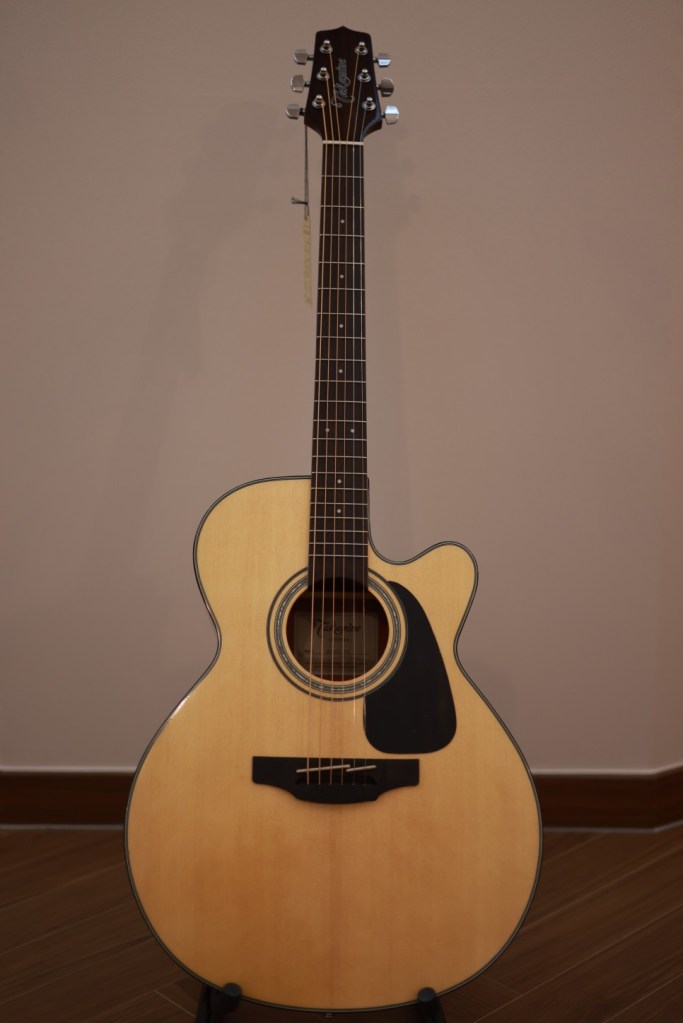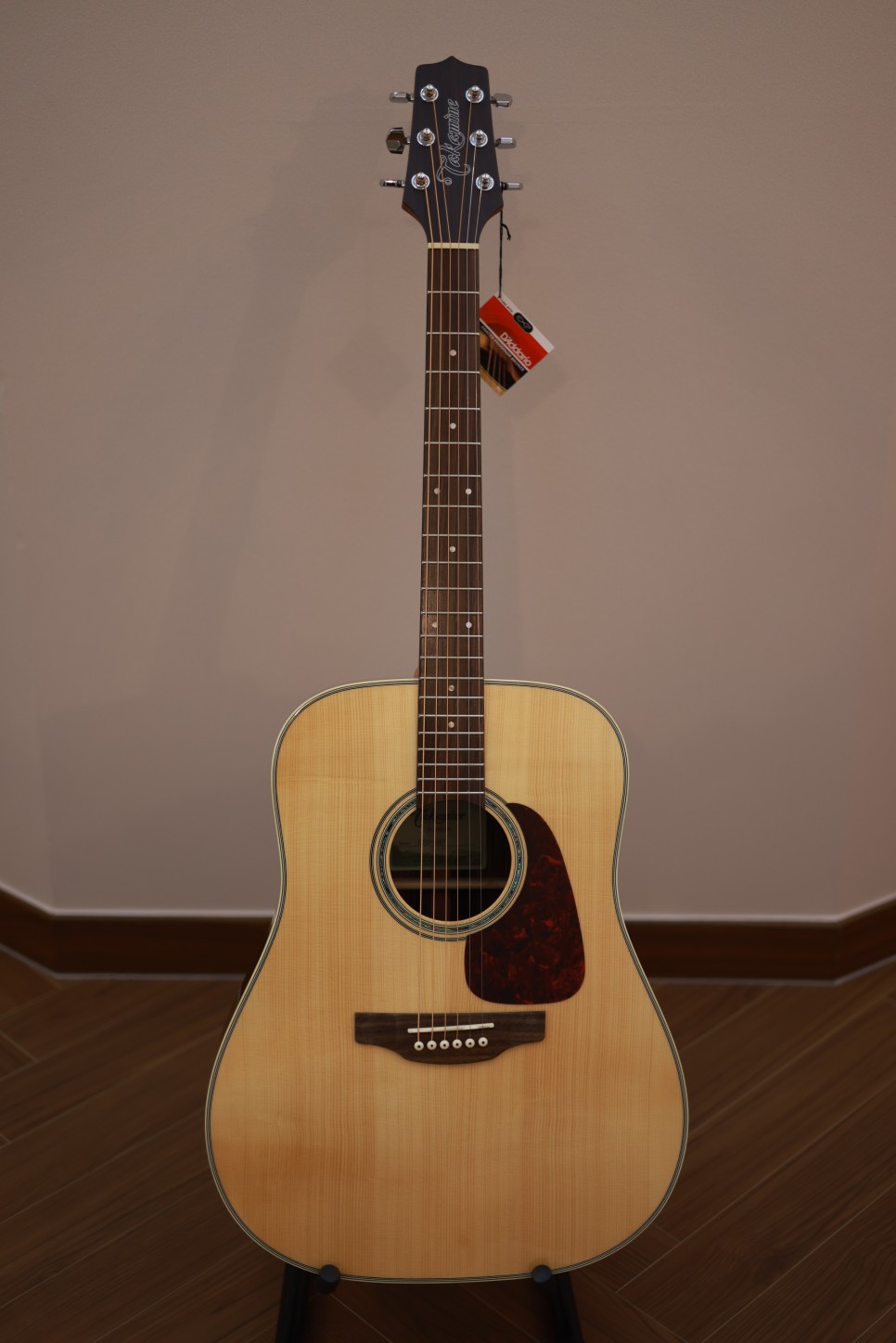
Takamine D5D NAT Guitar Review

Hello! I’m Jooyoung Kim, a mixing engineer and music producer.

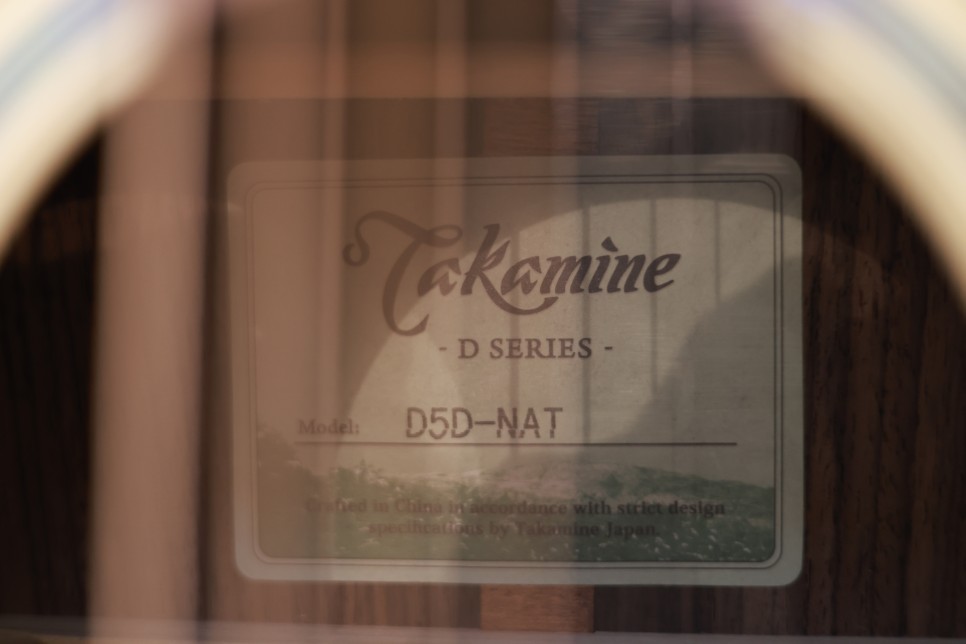
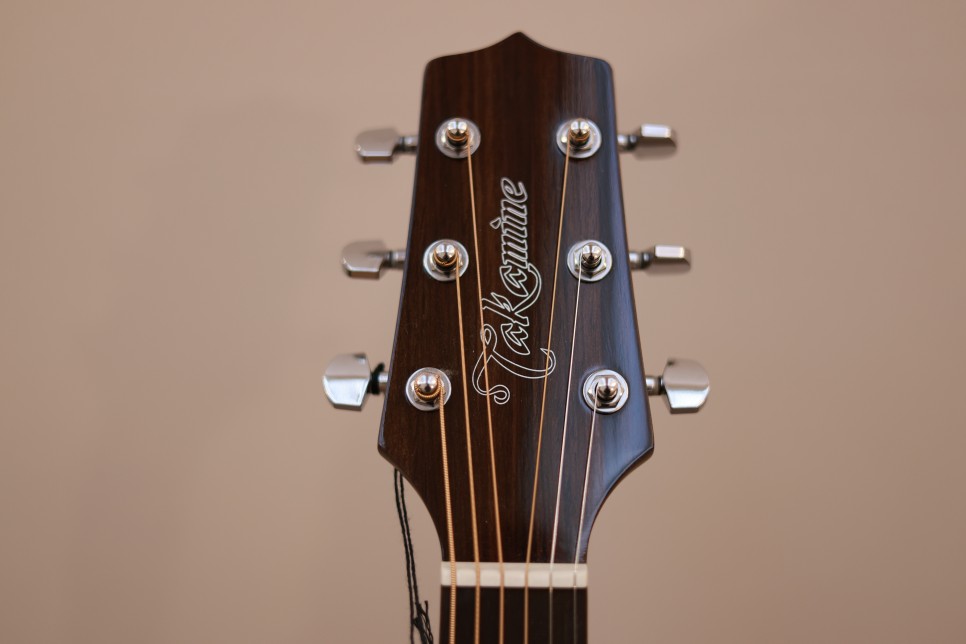
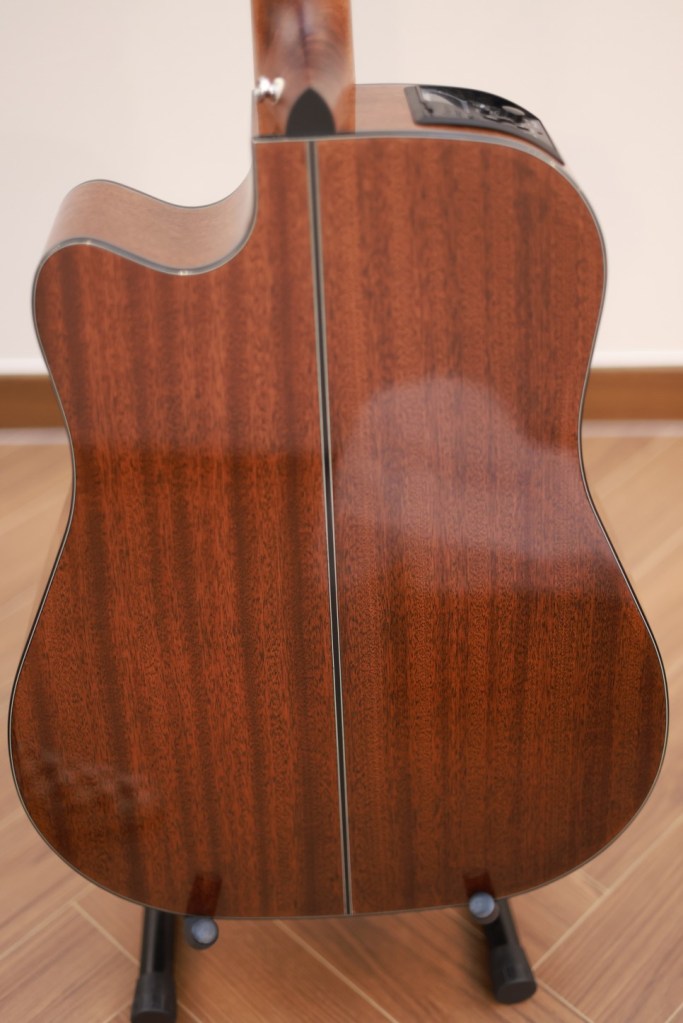
The D series is Takamine’s entry-level lineup, structured as D-series, G-series, and Pro-series.The D-series is numbered from 1 to 5, with models 1 to 3 featuring laminated tops and models 4 and 5 having solid spruce tops. The D4 comes with a mahogany back and sides, while the D5 features rosewood back and sides.Let’s dive into the details!

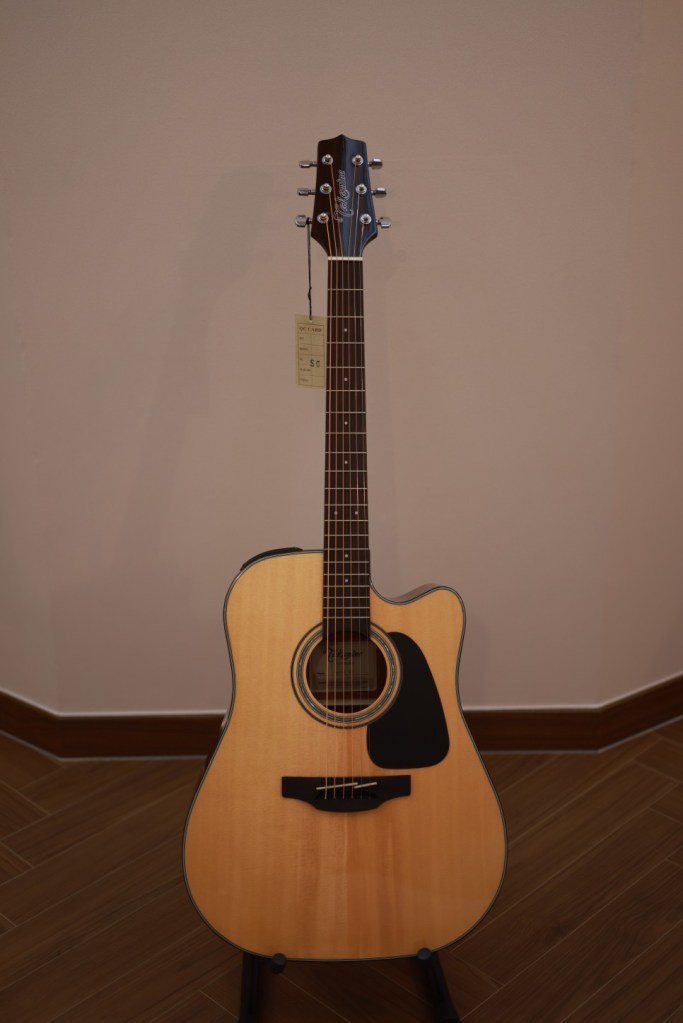
  • Appearance

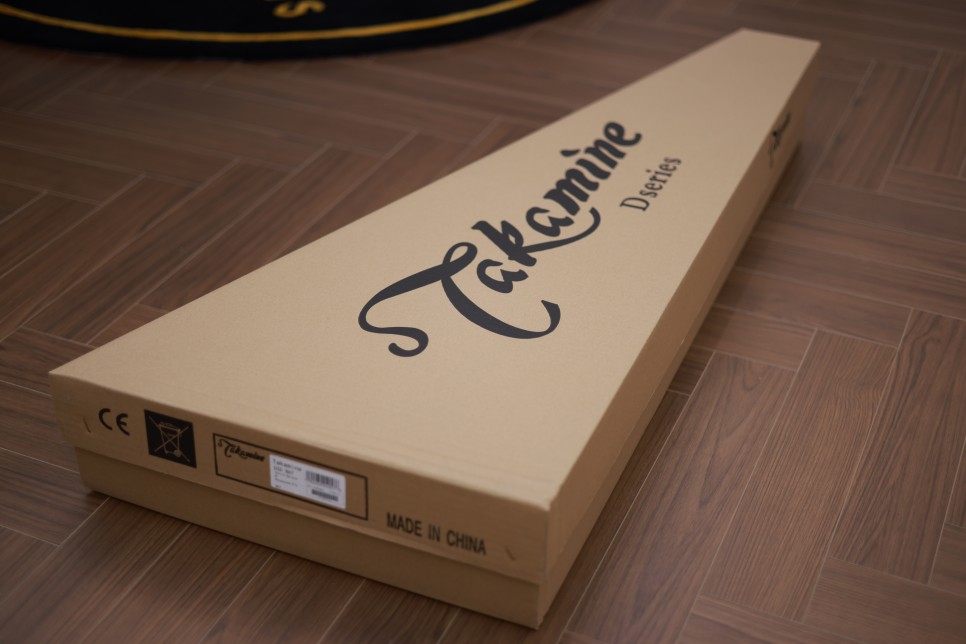
The packaging is slightly different this time, prominently displaying the D-series label.
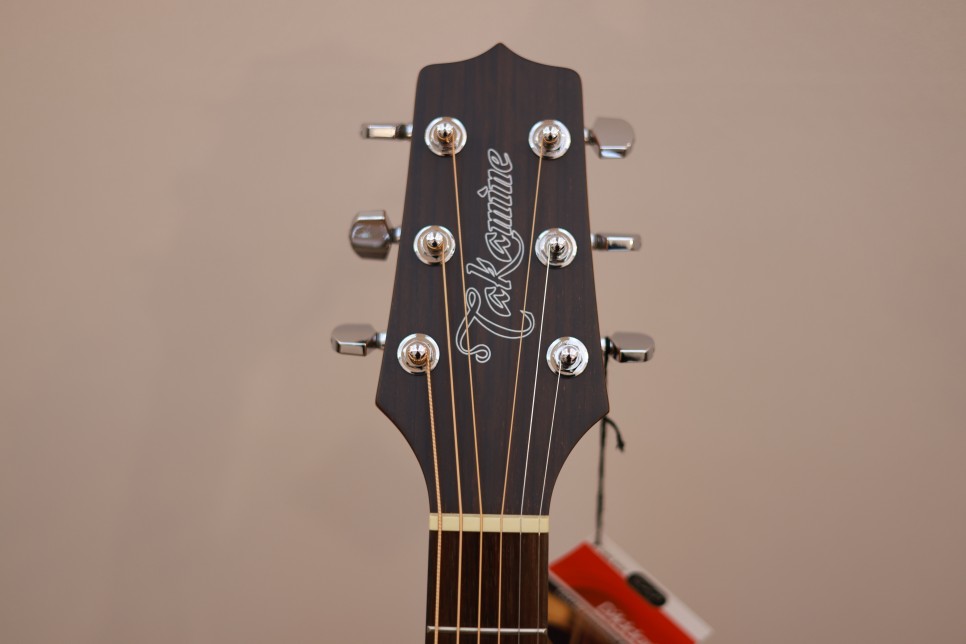
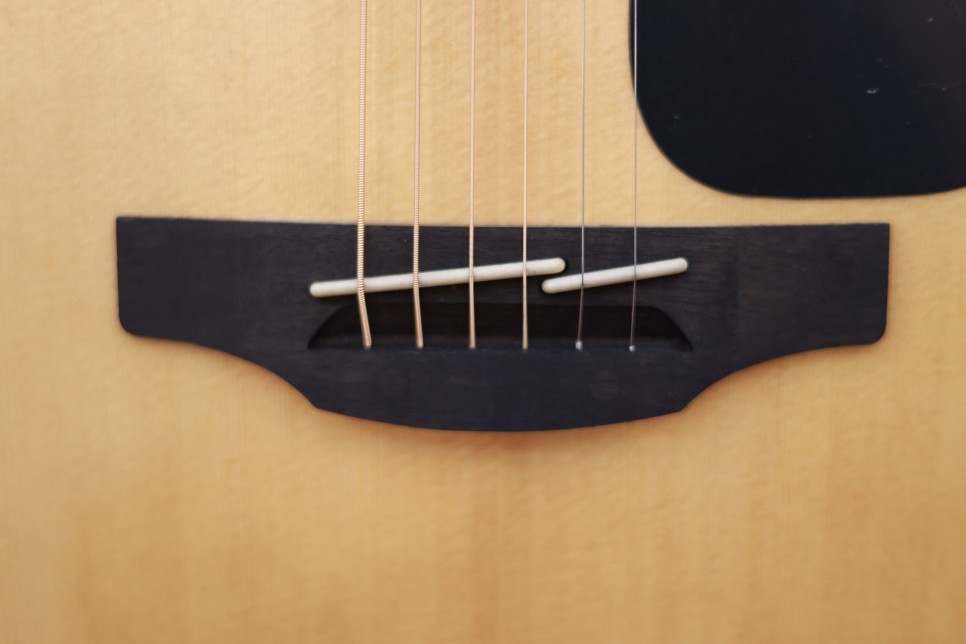
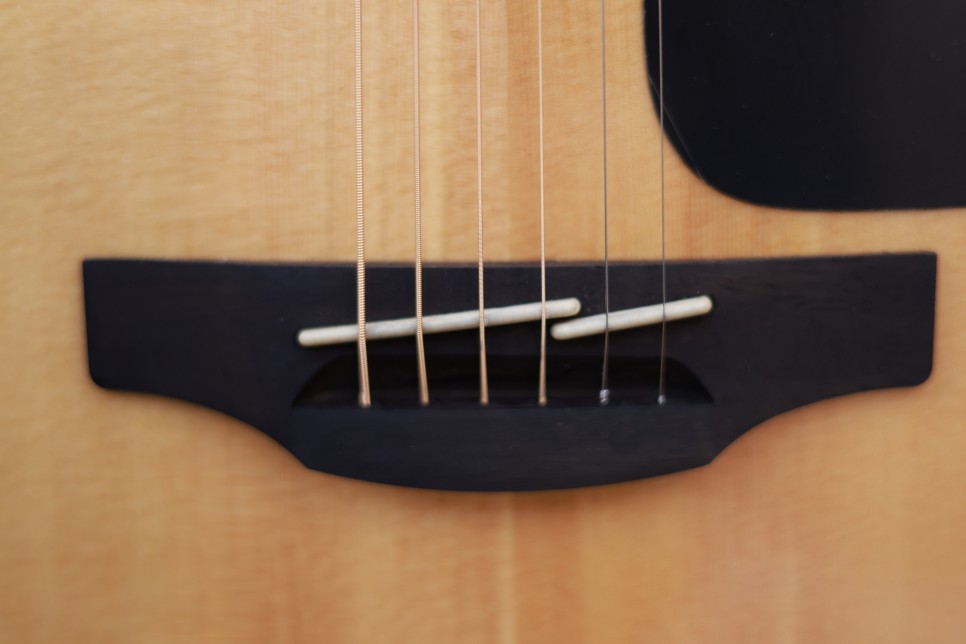
This model has bridge pins. The nut, saddle, and pins are all plastic.

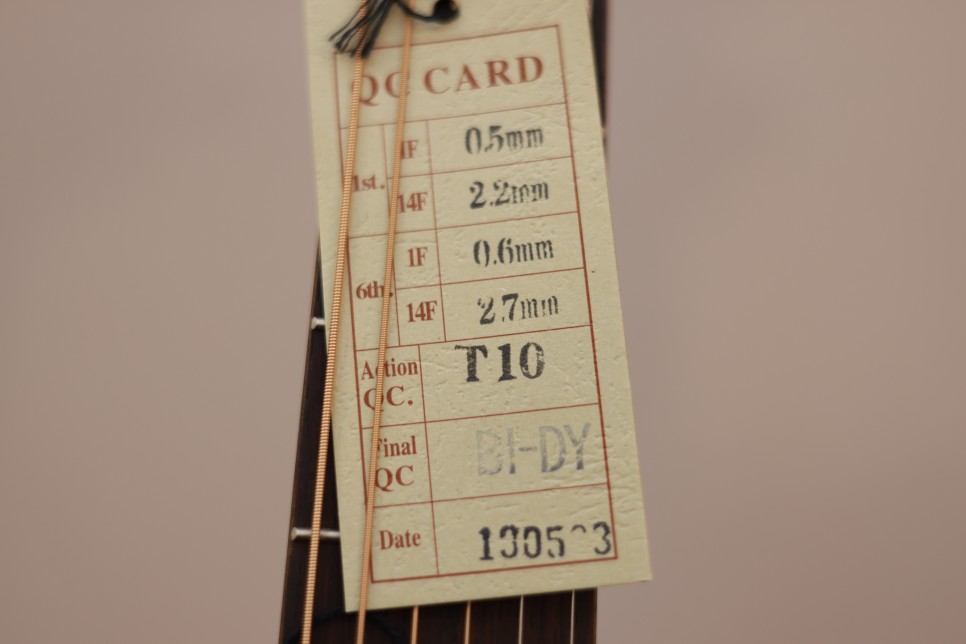
The guitar comes strung with discontinued D’Addario EXP strings. It seems that while individual packs are sold out, bulk packs are still available.
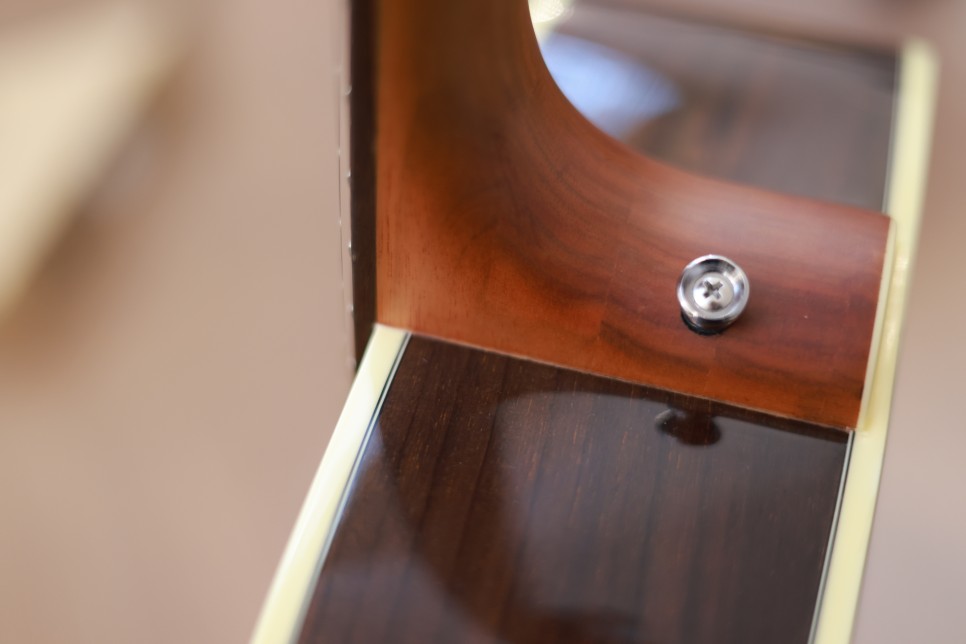
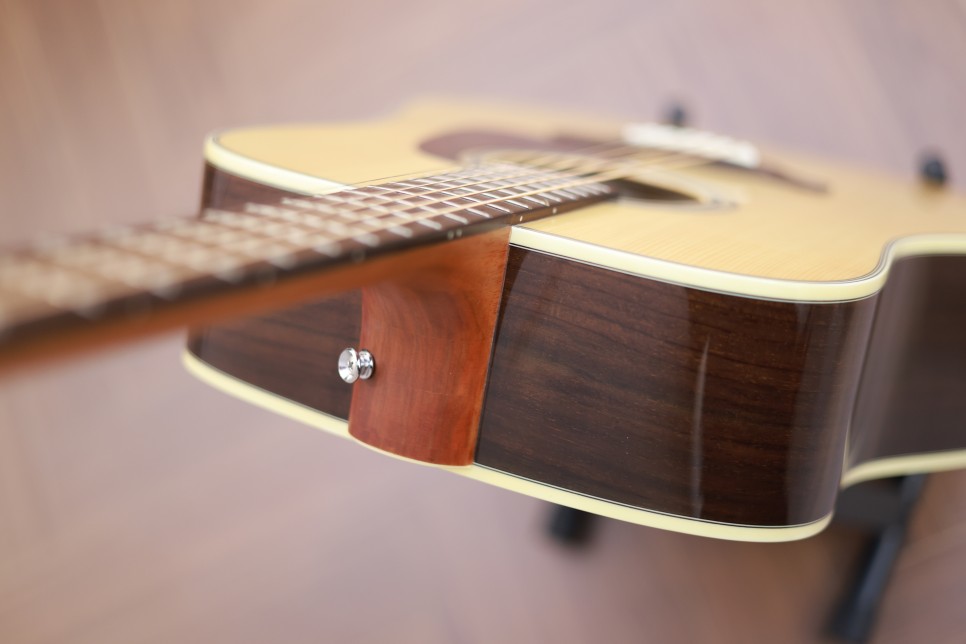
The neck has a matte finish, and the binding is a slightly yellowish plastic.

As an entry-level model, the wood grain isn’t perfectly uniform, but it’s challenging to find a foreign brand with these specs at this price point.

  • Specifications
  1. Solid spruce top
  2. Rosewood back and sides
  3. Rosewood fingerboard
  4. Plastic saddle and nut
  5. Plastic pins
  6. 42.5mm nut width
  • Sounds

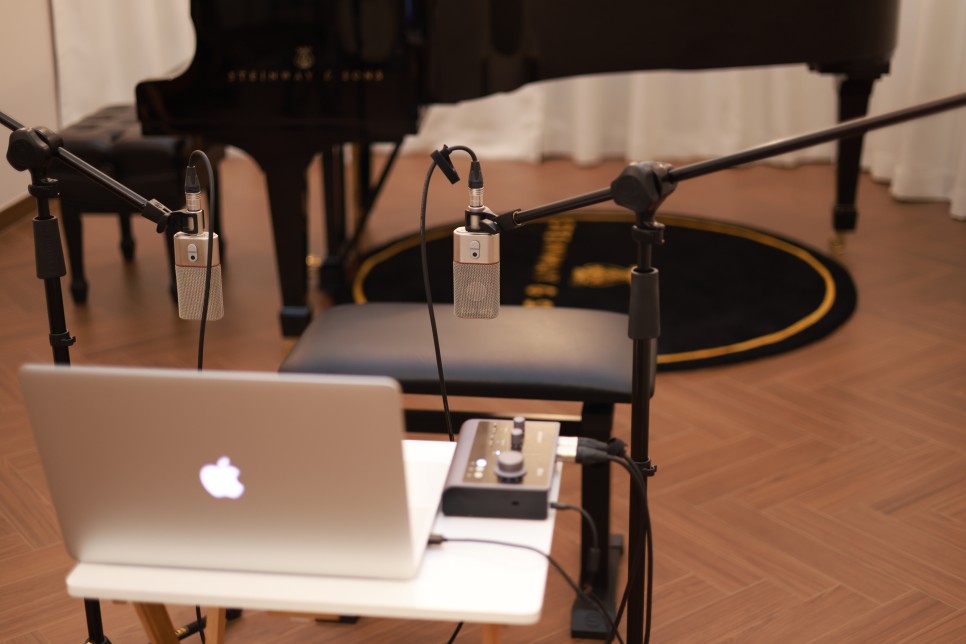
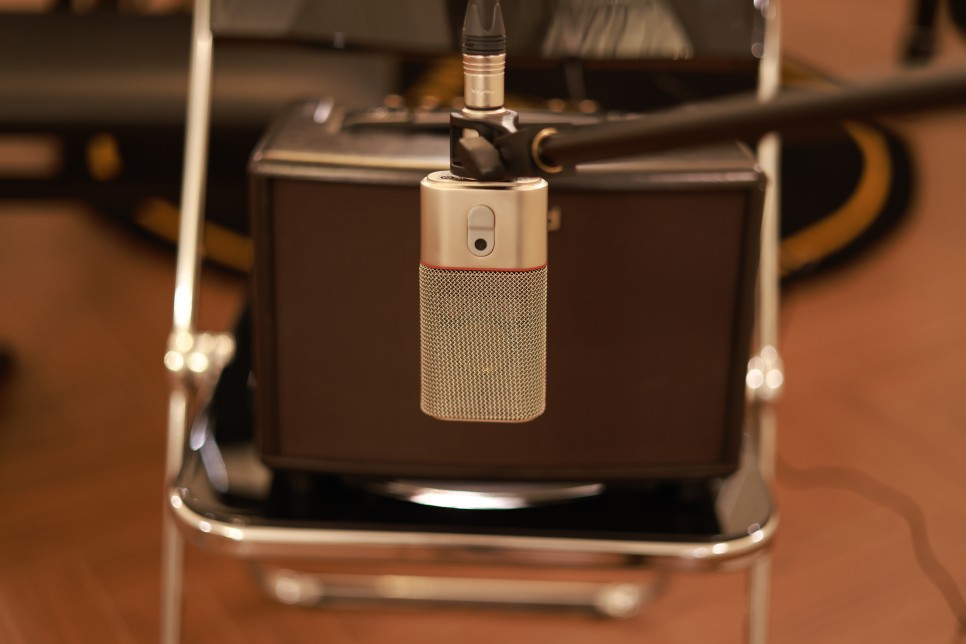
I received this guitar on the same day as my last review, so the setup is identical. The recording was done using an Audient id14 mk2 and an Austrian Audio oc818 in stereo. No reverb or delay was added; only the volume was adjusted.

A quick disclaimer: I haven’t played guitar in a while, so my playing might not be the best. Please focus on the sound quality.

For the best experience, increase the video quality on YouTube to avoid losing high frequencies.

1) Strumming

2) Fingerpicking (There’s some noise, so please turn up the volume.)

  • Overall Impression

The sound is loud and robust, but the price does reflect in the quality. Compared to the G30 series, the D5D’s sound feels a bit more scattered, possibly due to the plastic nut and saddle. Changing the strings might help achieve a more mellow tone.

This guitar might be ideal for country music where a more open, airy sound is preferred. While the D5D has solid specs, the sound quality doesn’t quite match the G30CE models, which are exceptionally well-made for their category.

Like the other models, the neck tends to lift slightly. Some adjustments to the truss rod, saddle, and nut might be necessary upon receiving the guitar.

Priced at 495,000 KRW(about 360$), it is approximately 170,000 KRW cheaper than the 30 series, which is a noticeable difference.
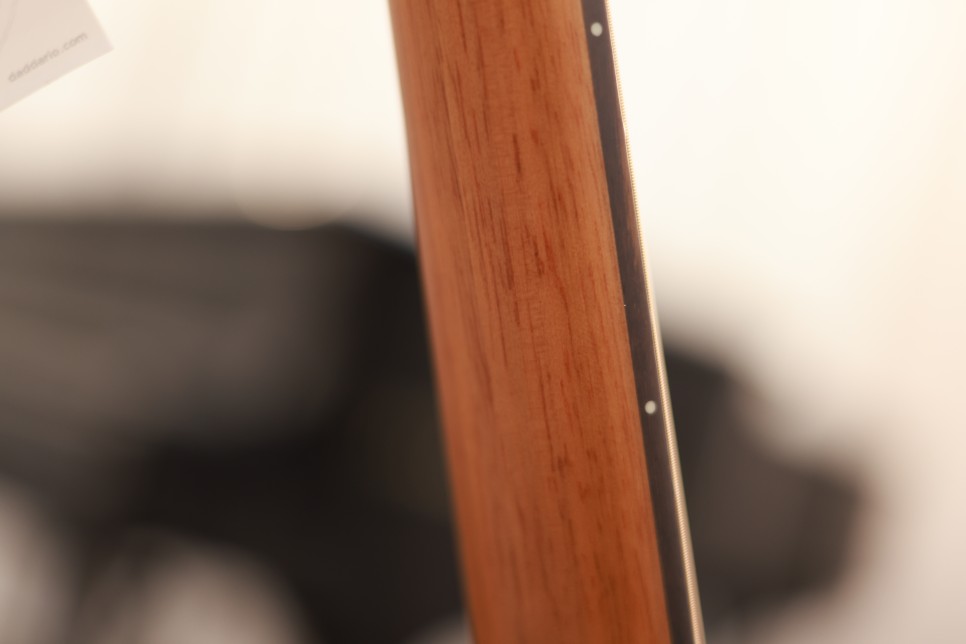
The neck is slightly thicker than the G series, which I personally prefer. My main guitar has a neck width of 45mm, so I like a bit of heft. However, everyone has their preferences, so it’s best to try a guitar in person and use that as a reference.

Generally, Taylor guitars are known for their slim necks. The G series has a neck similar to Taylor’s 100 and 200 series, while the D series is slightly thicker.


Takamine GN30CE NAT Guitar Review

Hello, this is Jooyoung Kim, a music producer and mixing engineer.
Today, I’m going to review the Takamine GN30CE NAT guitar. Let’s get started!
  • Appearance

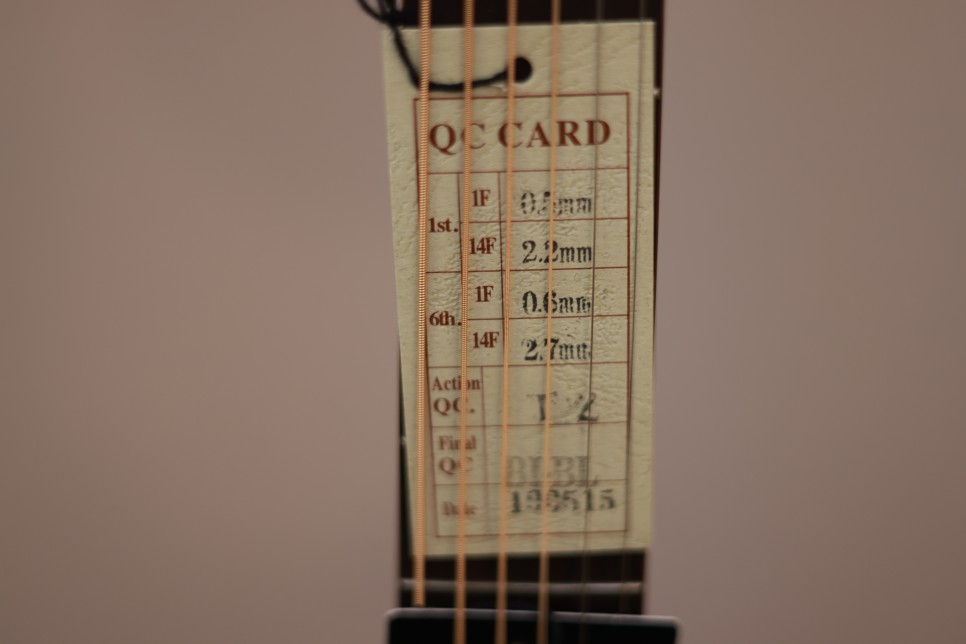
The packaging is the same as the GD30CE NAT model I reviewed before. It includes a truss rod and a QC card.

Like the GD30CE NAT, this model passed QC in 2019. Additionally, it has a pinless bridge.

The overall look is clean.

The outer binding is black, so there’s no worry about discoloration over time. Personally, I prefer black plastic binding.

Though it’s hard to tell, the body has a glossy finish, while the neck has a matte finish. This makes it easier to play.

  • Specifications

The GN30CE NAT is a top-solid model with a NEX-style body. The NEX body is Takamine’s version of a little jumbo, and it looks similar to a slightly larger GA (Grand Auditorium) body.

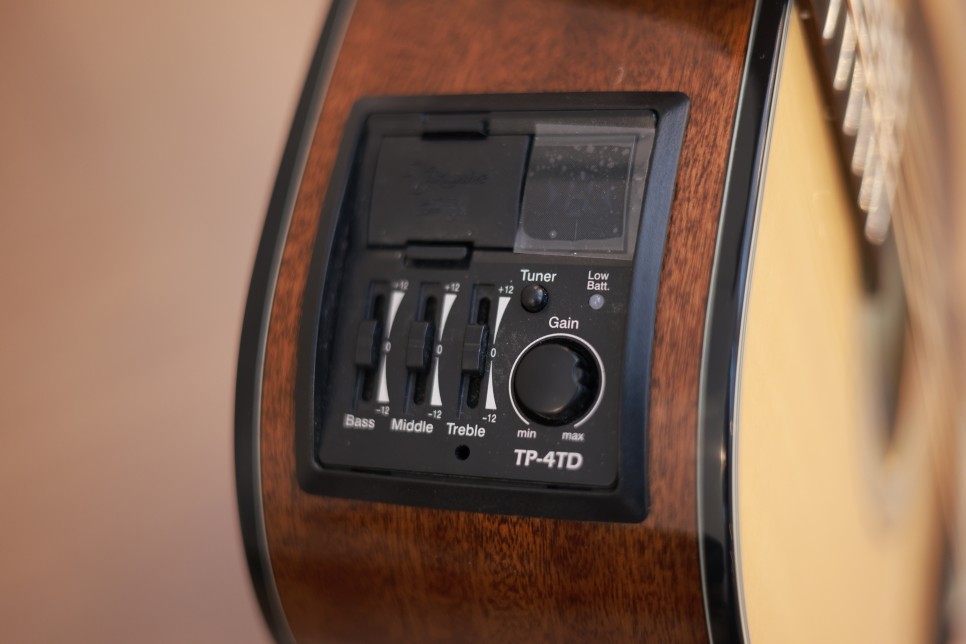
As you can see, it has a cutaway and is equipped with Takamine’s TP-4TD preamp.

Other specifications include:

  1. Solid spruce top
  2. Mahogany back and sides
  3. Synthetic bone nut and saddle
  4. 42.8mm nut width
  5. Ovangkol fingerboard
  • Sound

The sound was recorded together with previous recordings, using the same setup: a 2015 MacBook Pro with Audient id14 mk2 and oc818 for stereo recording.

As I mentioned before, I haven’t played the guitar in a long time, so please focus on the sound rather than my playing skills. Also, please listen in the highest quality possible, as YouTube lowers the high frequencies if not set to the maximum quality.

Let’s listen!

1) Strumming

    2) Fingerpicking (please increase the volume as it’s low. When I increased it myself, there was too much noise.)

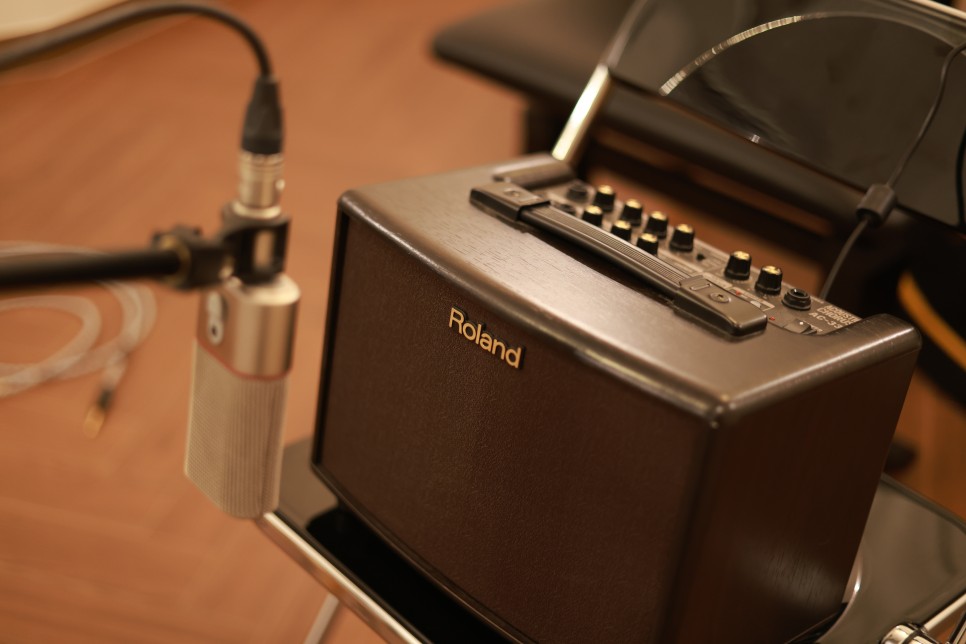
    As with the previous review, I also recorded the sound from a Roland AC33 amp in mono.

    3) Amped strumming

    4) Amped strumming + adjusting the guitar preamp (I accidentally forgot to take a picture, but I set the lows to neutral, mids down, and highs up.)

    • Personal Overall Assessment

    Before playing, I expected it to be similar to a scaled-down jumbo body as described by Takamine. However, it felt more like a Taylor 14 or 16 in terms of body size and feel.

    The sound is neither completely thin like a parlor body nor fully resonant like a dreadnought, making it suitable for both strumming and picking.

    For those who find it difficult to handle guitars with large bodies like dreadnoughts, the NEX body is a good alternative as it’s smaller. Choosing a guitar that matches your body type can be an important criterion.

    Personally, I have a small stature and hands but prefer dreadnought bodies for their encompassing sound over the sharp clarity of smaller bodies.

    To diverge slightly, larger guitar bodies tend to have better resonance, making them ideal for strumming, while smaller bodies produce clearer single notes, which are better for melody. Typically, dreadnought bodies are used for strumming, OM or parlor bodies for melody, and NEX bodies can be used for both.

    Though I’m not particularly fond of GA or NEX bodies, they are stylish and well-designed. Taylor guitars, for example, have better sound in their 12 and 16 or 10 models, but the GA body (14) is the most popular in the second-hand market, likely due to its attractive appearance.

    This guitar has specs and looks comparable to Yamaha’s LS16. If you don’t prefer Yamaha’s characteristic high tones, the GN30CE NAT is worth considering.

    While it’s not my personal favorite compared to the GD30CE NAT, which I highly recommend, the GN30CE NAT has decent finish and sound quality.

    When purchasing, consider the following:

    1. It might be an older model like the QC date suggests.
    2. The neck might need adjustment with the truss rod.

    If these two points are acceptable, it’s a good choice.

    Takamine GD30CE NAT Guitar Review

    Hello! This is mixing engineer and music producer, Jooyoung Kim~

    Finally, I am writing a review for a Takamine guitar!

    Previously, I asked the Takamine headquarters about the guitar specifications since they weren’t clearly listed, but I haven’t received a reply yet. So, I’ll post the review first and update it later when I get a response.

    Today, I’ll be reviewing the Takamine GD30CE NAT guitar.

    Let’s get started!

    • Appearance

    Here is the packaging box, which was smaller than I expected. Inside is the GD30CE NAT guitar reviewing today. The packaging itself is quite standard.

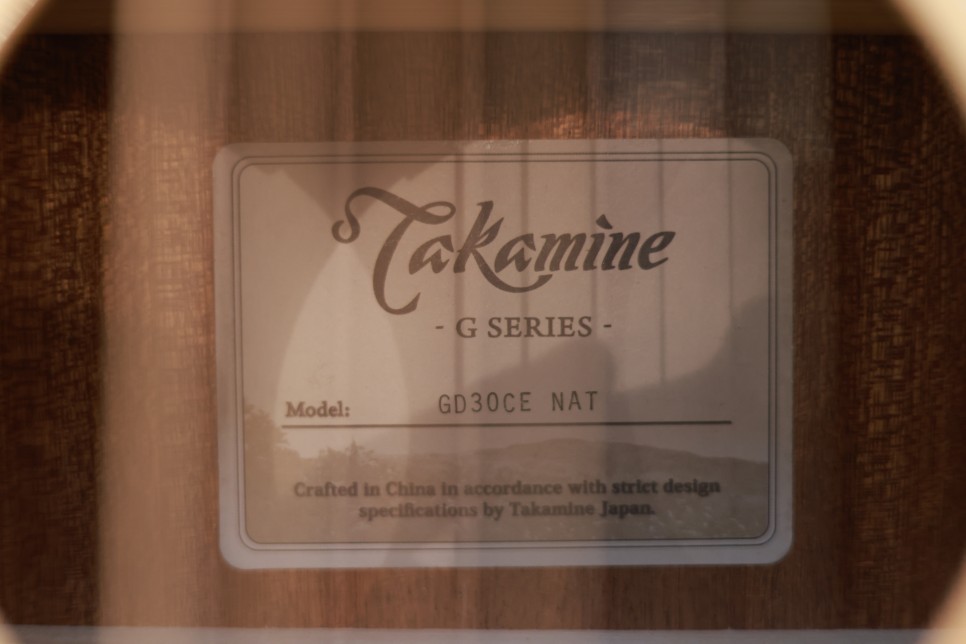
    Included are a truss rod adjustment wrench and a QC card indicating it passed inspection in 2019. This makes it a slightly older model. The QC card shows a date from 2019, meaning this guitar is a bit aged.

    The preamp has a built-in tuner, making it convenient as you don’t need an external tuner. My first guitar had a built-in tuner, and it was incredibly convenient for tuning.

    Takamine’s signature split saddle is designed for precise intonation. A notable difference between the older and newer versions of the GD30CE is the bridge. The newer versions use bridge pins to secure the strings, while the older versions allow you to attach the strings directly to the bridge without pins.

    Bridge Differences

    • Pinless Bridge:
      1. The vibration is directly transferred to the bridge and guitar, enhancing resonance.
      2. However, if you don’t have a habit of loosening the strings after playing, the bridge can easily lift.
    • Pinned Bridge:
      1. The strings are secured differently.
      2. Just like the pinless bridge, if you don’t loosen the strings after playing, the bridge can lift and the neck can warp.

    Make it a habit to loosen your strings after playing or consider tuning half a step down as an alternative.

    I forgot to take a picture of the neck, but the back of the neck has a matte finish, making it easier to grip the fretboard.

    • Specifications

    The GD30CE features a dreadnought body with a cutaway and is equipped with the TP-4TD preamp, making it a solid-top guitar. The remaining specifications are:

    1. Solid Spruce Top
    2. Mahogany Back and Sides
    3. Synthetic Bone Nut and Saddle
    4. Nut Width: 42.8mm
    5. Ovangkol Fingerboard

    I inquired about the bridge material with the headquarters but haven’t received a reply yet. I will update this information once I get a response.

    • Sound

    I recorded the sound using the following setup:

    • MacBook Pro 2015
    • Audient ID14 (borrowed from a friend)
    • OC818 Microphone for stereo recording

    No reverb or delay effects were applied. I only adjusted the volume slightly and set the limiter to not exceed 1dB at peak level.

    Before listening to the sound, I must admit that I haven’t played the guitar for a long time, so my playing skills are rusty. Please focus on the sound rather than the playing.

    Sound Samples

    1. Strumming

    2. Fingerpicking (Apologies for the noise; please listen at a higher volume)

    3. Amp Strumming (Using Roland AC33 amp, recorded with OC818 in mono)

    4. Amp Strumming + Preamp EQ Adjustment

    • Personal Overall Impression

    The GD30CE NAT has decent finish quality, sound, pickups, and neck feel. It’s a well-rounded guitar with no significant flaws. It would make a great second guitar. (Although if I get another guitar, it would actually be my fourth one…!)

    Out of the guitars I recently demoed, this one impressed me the most, which is why I decided to write about it first.

    Pros
    • Good finish quality
    • Decent sound
    • Convenient preamp
    • Comfortable neck feel
    • Affordable price: 600$
    Cons
    1. Slightly aged model as indicated by the QC date.
    2. Most necks might need adjustment via the truss rod.

    Despite these two cons, it’s a great guitar if you can overlook them. It’s a solid choice for those who don’t like Yamaha’s high tones, offering a similar position to the Yamaha LL6 but with a different tonal character.

    I hope this review helps, and I look forward to sharing more reviews in the future!

    Audient Nero Monitor Controller Review

    This article was written on May 27, 2023.

    Hello? This is engineer and singer-songwriter Jooyoung Kim.

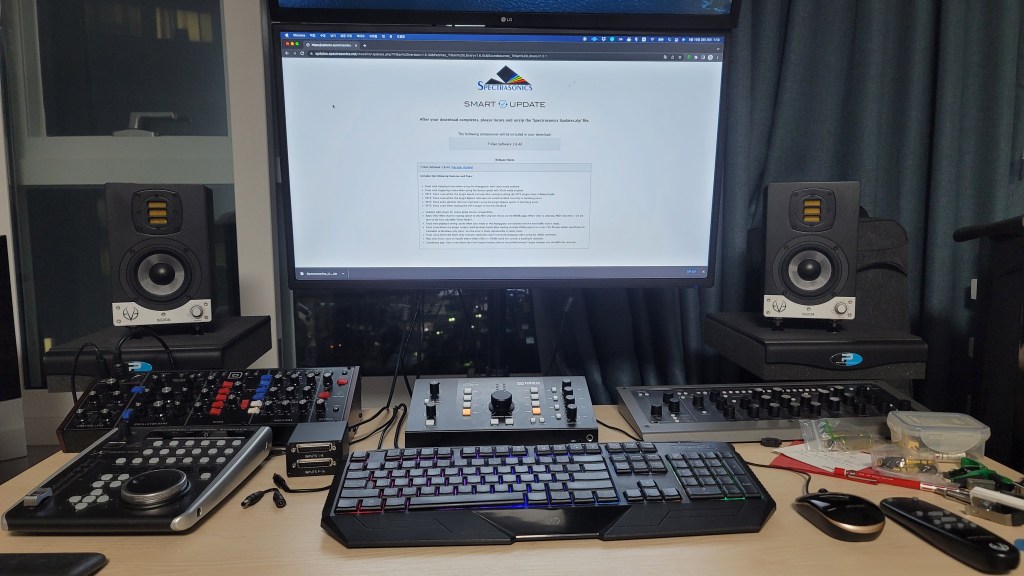
    The volume knob was pushed to the side when I bought a rack the other day, so for convenience’s sake, I’m going to review the Audient Nero monitor controller I purchased a few weeks ago.

    • Appearance and Function

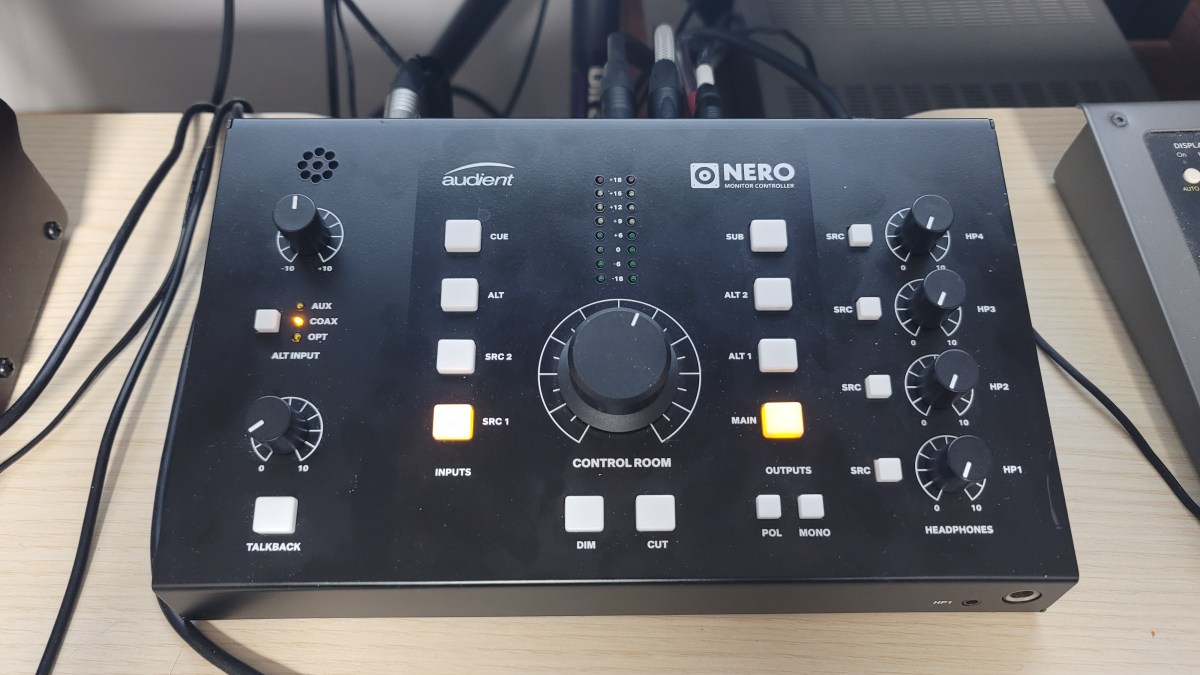
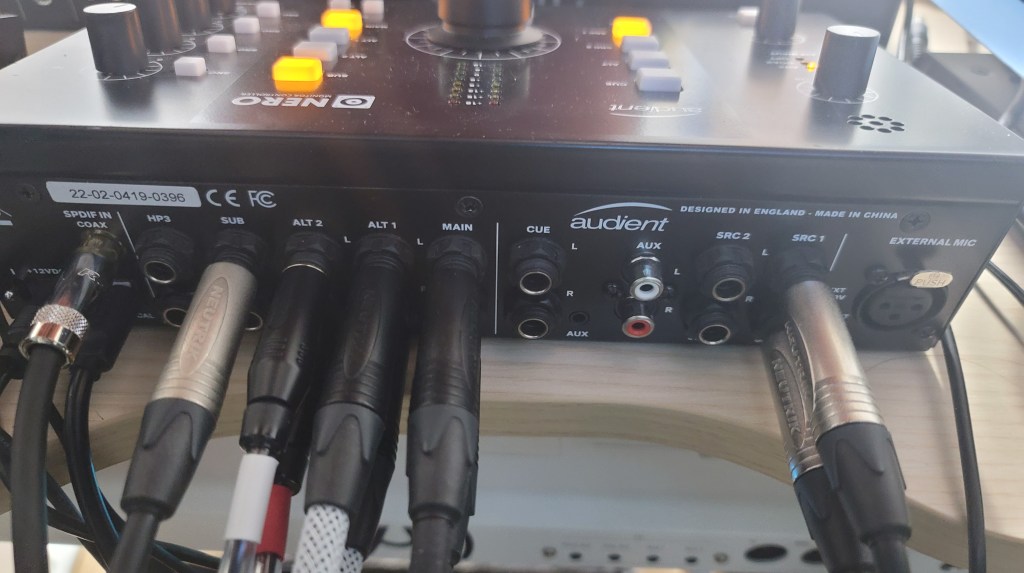
    The exterior is just plain. It’s made of steel plate, so it doesn’t feel as light as plastic material, and the knob has a reasonable amount of resistance, so it’s just decent quality.

    A total of 4 headphones can be connected. You can connect 1 headphone using the 1/8″ or 1/4″ jack on the front, and 3 headphones can be connected using the back.

    A total of 4 inputs can be selected: Cue, Alt, Src1,2, and Alt
    Alt can also be selected separately from 3 types: Optical, Coaxial, and Aux.

    There are three outputs: Main, Alt 1, and 2. you can connect a subwoofer using the Sub terminal button. What was a little disappointing was that you couldn’t select the crossover frequency when choosing a subwoofer. The crossover band was a bit low, so when I connected my 8-inch subwoofer, it didn’t come out as powerfully.

    In addition, a talkback microphone can be used, the input source can be set differently for each headphone jack, and there are functions such as Dim, Cut (Mute), Pol, and Mono. It would have been nice to have L/R conversion, but it was a bit disappointing.

    • Measurement and Usage

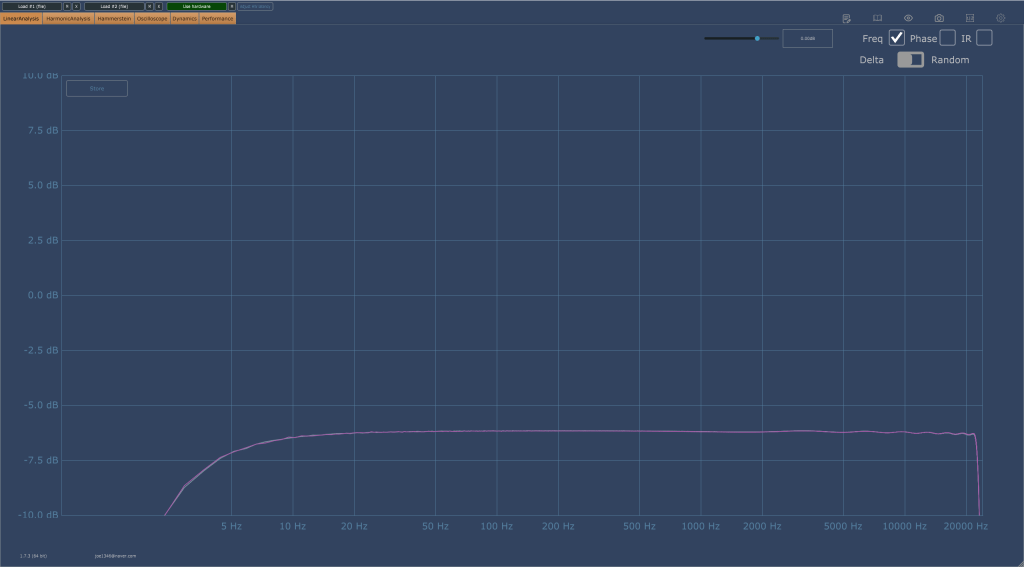
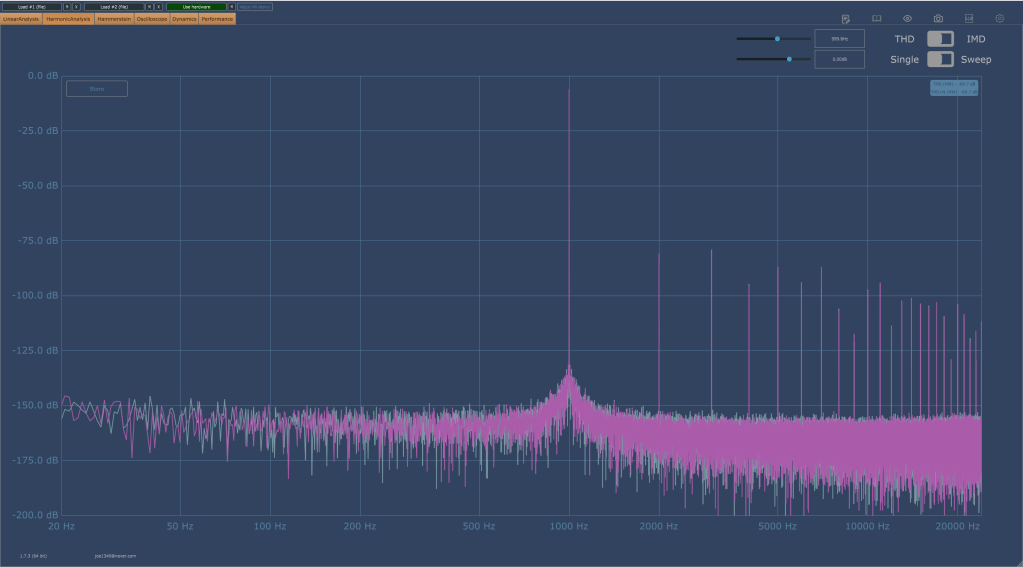
    Once an analog connection is made, the output is basically reduced by about 6dB. And both in terms of listening and measurement, the high frequencies were slightly cut off.

    ​Still, I was surprised by the fairly decent performance. Fortunately, I think it’s worth it for the sake of convenience.

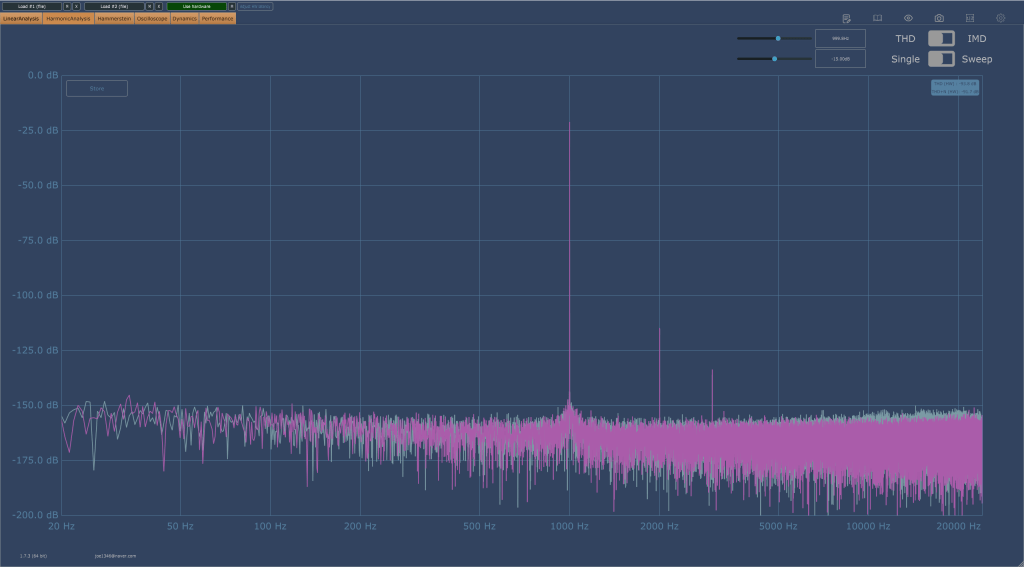
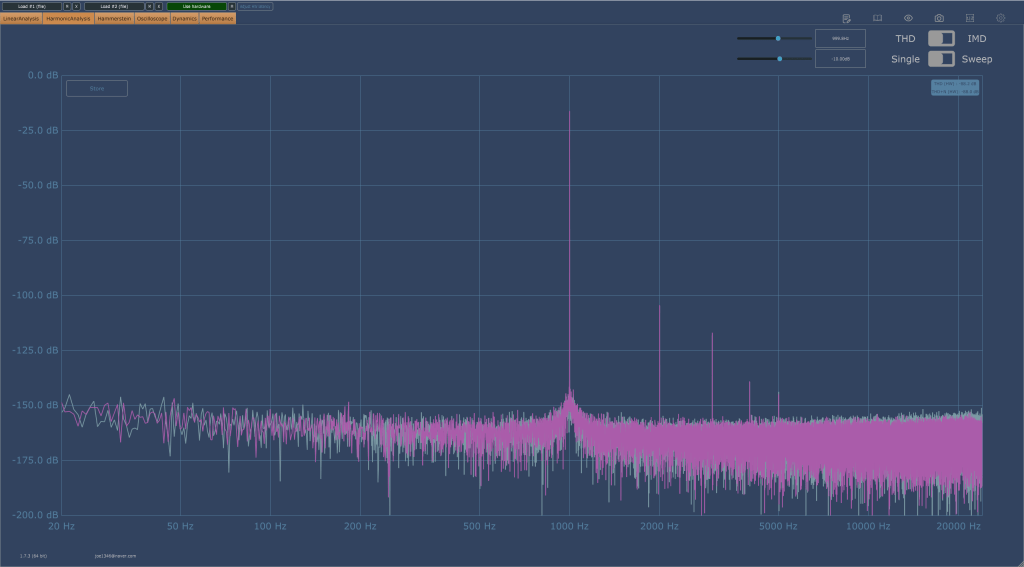
    Also, basically, the overtones rise a little, but not to such a huge level. The picture on the right below shows that the headroom was exceeded and distortion occurred, so I thought it would be useful as long as it wasn’t in extreme situations.

    I also wanted to measure Coaxial Digital, but an error occurred and measurement was not possible. However, basically, when you make a digital connection, the volume becomes lower than when you make an analog connection, and the analog connection sounds much more detailed than the digital connection.

    I’m not sure because I haven’t disassembled it and looked inside, but I think it’s probably the DAC chip difference. To make a digital connection, you need to use Grace Design or Cranesong…^^;;

    • Conclusion

    There are no particular inconveniences while using it. The number of ins and outs and performance are just satisfactory, and I don’t think I’ll even think about changing it if nothing happens.

    I think I can say that he’s ‘a fairly good friend.’