Hello, I’m Jooyoung Kim, a sound engineer and music producer.
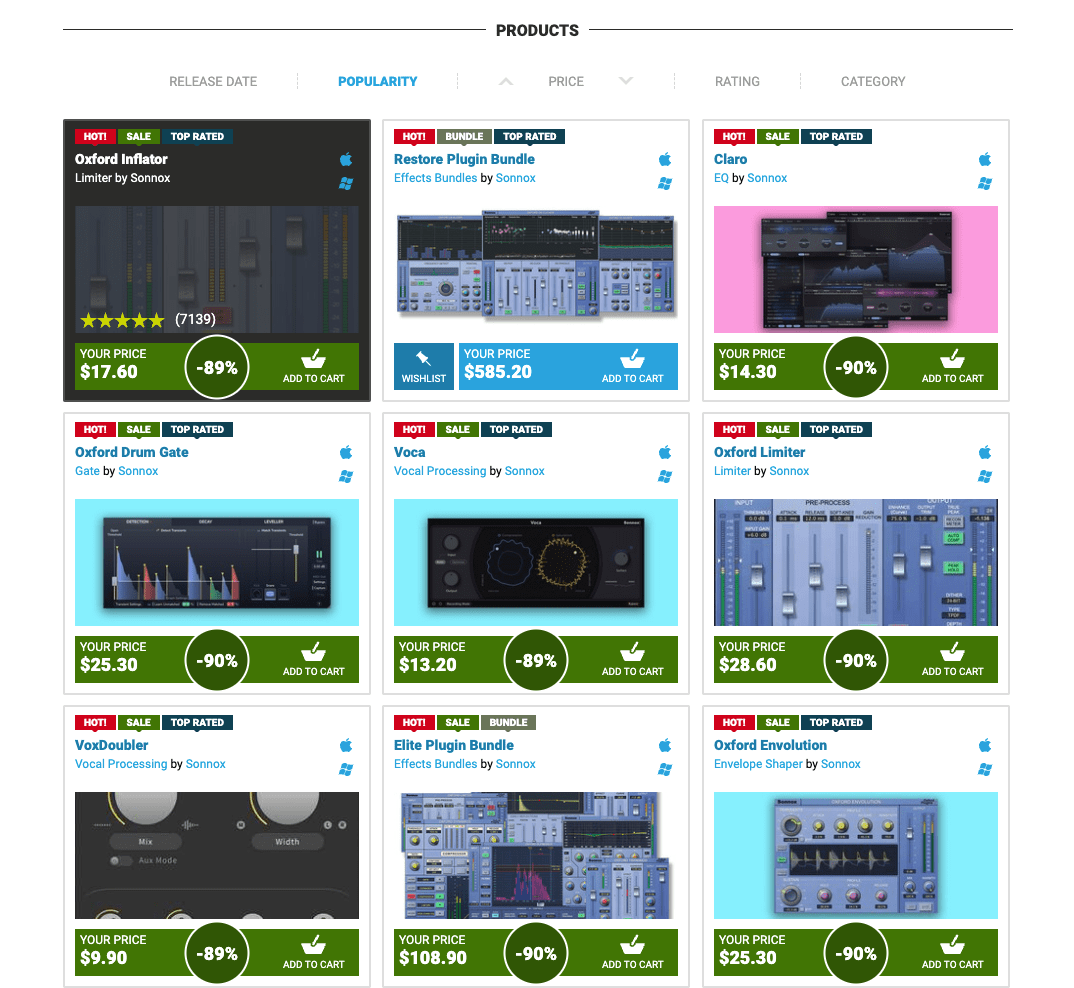
Today, I’m following up on my late June post with another roundup of summer plugin sales. Summer and winter are when the big discounts hit, so let’s dive in! 😄
If you make purchases through my Plugin Boutique links, I earn a small commission, which really helps me keep the lights on. Thanks in advance!
The download process is a bit of a hassle, and you can’t freely choose mic positions, which is a downside. But for the price, it’s an absolute steal. If you’re looking to get into orchestration virtual instruments, I highly recommend starting with this one. It goes on 50% off pretty often, so grabbing it during one of these sales is the way to go for the best value.
Both Brainworx and Plugin Alliance plugins are on sale across the board. These guys tend to have major discounts in summer and winter, so if you miss this round, keep an eye out for winter sales.
The Ample Guitar series is also discounted. I personally record my own guitars, but I think these are some of the most authentic-sounding guitar virtual instruments out there.
MixChecker Ultra and Pro, great tools for checking your mixes, are on sale. I’ve written a review about them before, so if you’re interested, check it out for more details.
I mentioned Eventide in my last post, but their Immersive series just went on sale recently. I remember these plugins being crazy expensive when they first came out, but the current discounts make them much more reasonable. For anyone working in immersive multichannel formats, these could be game-changers.
Most of the sales I mentioned in Part 1 have been extended, by the way. Personally, if you don’t already own BFD, I strongly recommend grabbing BFD 3.5 and its expansion packs while they’re on sale.
Hello, I’m Jooyoung Kim, a sound engineer and music producer.
Following my previous role as sound director for pianist Yeonjun Yoon’s performance, I had the opportunity to handle live sound and simultaneous recording at the Kim Heesoo Art Center last Friday.
The venue’s facilities were top-notch, so I only brought two Peluso P87 mics for ambience and my headphones.
The setup included a Yamaha QL5 console and a Tio1608-D stage box. I configured Dante to record directly to my computer from the Tio1608-D, ensuring the stage speakers, controlled by the console, didn’t affect the recorded sound.
Dante was a bit tricky to set up since my only experience was with Focusrite Red series in college… haha.
There was an issue with the main speaker on the right side of the stage—either a power supply or grounding problem causing a ticking noise. We swapped it out with a 12-inch monitor speaker at the bottom and a 10-inch on top for both sides. For a makeshift solution, the sound came out surprisingly well, and I was pretty satisfied.
During the rehearsal for Uo, Uk-o, Baek-o
Miking was planned not just for live sound but also with mixing in mind:
Piano (Pianist Yeonjun Yoon): Standard AB stereo setup.
Drums (Artist Haimi Klemencewicz): Overhead mics in the Recorderman configuration, one on the kick, two on the snare.
Vocals and personal effects mixer (Artist Haimi Klemencewicz): XLR stereo.
Gayageum (Musician Kyungso Park): Mono.
Speaker installation (Artist Jun Kim): The toughest part—three different sounds coming from various spots, each miked in mono.
Ambience: Omnidirectional mics spread widely toward the audience.
MC at the start and end (K-Arts Creative Team Leader Namwoo Bae): Mono.
Mics 5 and 6 were used primarily for recording and barely for the live mix.
During the performance, the gayageum’s dynamic range was quite narrow, so it got buried under the piano and drums when they hit their peaks, no matter how much we boosted it. I adjusted the instrument levels in real-time while also tweaking the monitor mix for the artists. Thankfully, they seemed pretty happy with the result.
After the show, two audience members came up to say they loved the sound, which was really heartwarming. Thank you! 😊
The recorded mix turned out so well that it feels like it could be released as an album. With a bit of personal bias, I sent the team leader not only the version with their commentary for video use but also a separate album-ready version… haha. The finale, just before the end, was especially thrilling. If it gets released as an album or video, I’ll share it here.
Live sound work is tough with all the heavy gear to lug around, but it’s honestly a lot of fun. Studio work keeps me glued to a chair, which isn’t great for my health, but live gigs get me moving, so it almost feels like a workout! 😄
I promised to blog more regularly, but things have gotten a bit hectic again… 😅 I’ll keep at it, even if it’s a bit delayed.
Hey there! I’m Jooyoung Kim, a mixing engineer and music producer.
Today, I’m excited to introduce you to a brand-new release from Expressive E called the Soliste series, featuring four virtual string instruments: violin, viola, cello, and double bass.
As with my previous plugin and virtual instrument posts, if you purchase through the links in this post via Plugin Boutique, I get a small commission, which really helps me keep going! So, let’s dive in!
Unlike traditional sample-based instruments, Soliste uses Physical Modeling technology, so it’s super lightweight. Even if you buy all four instruments—violin, viola, cello, and double bass—it only takes up about 1.3GB of space.
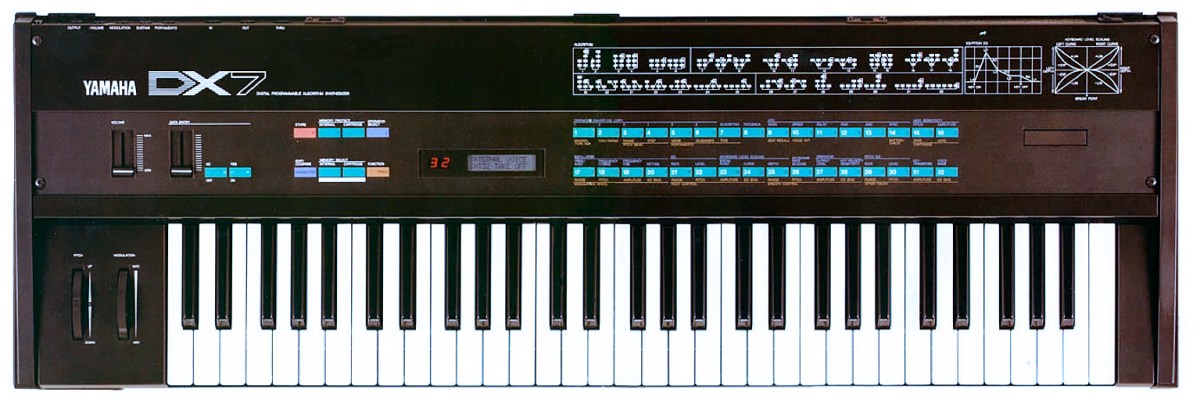
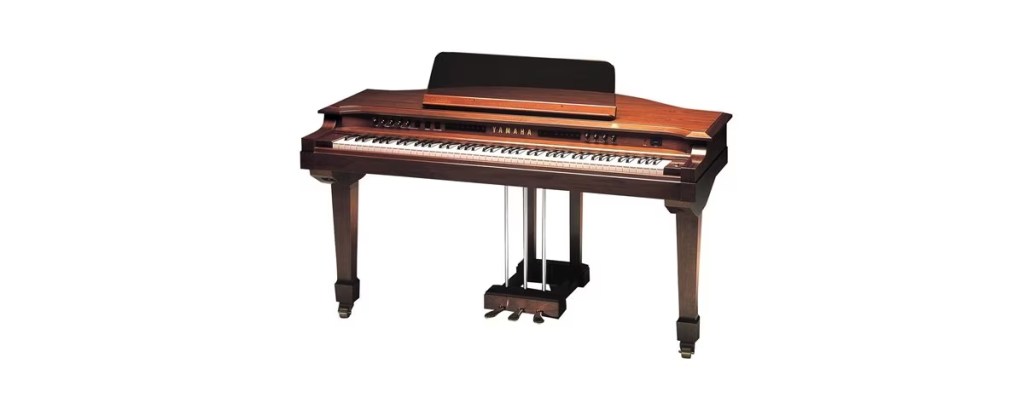
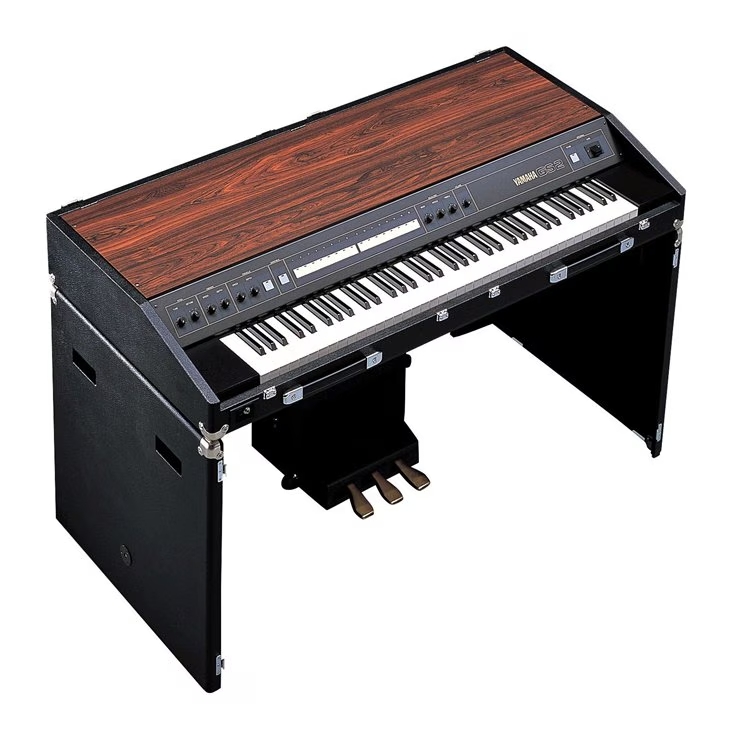
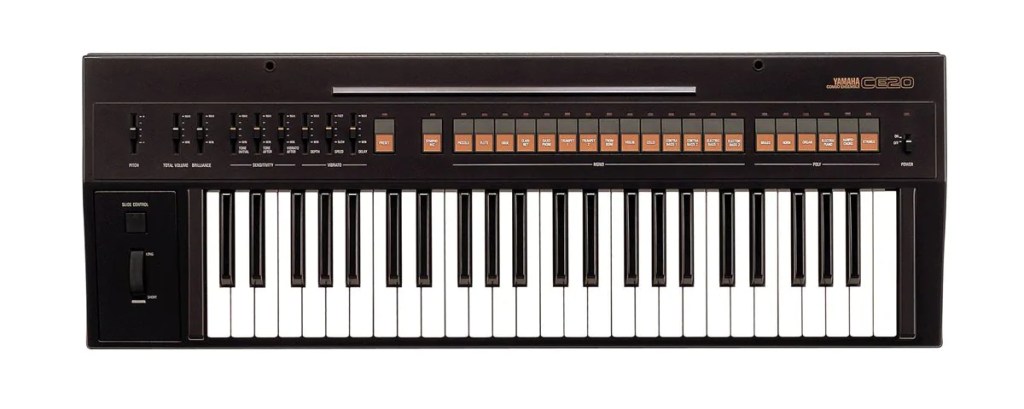
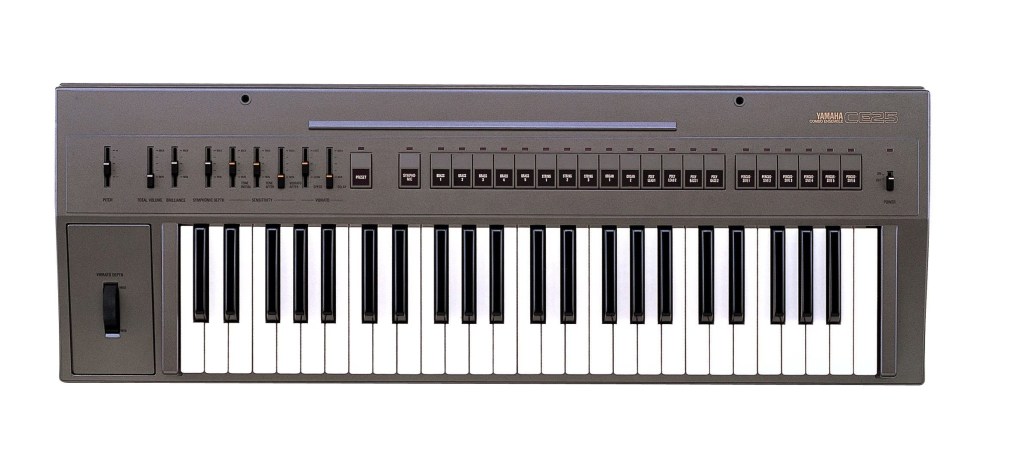
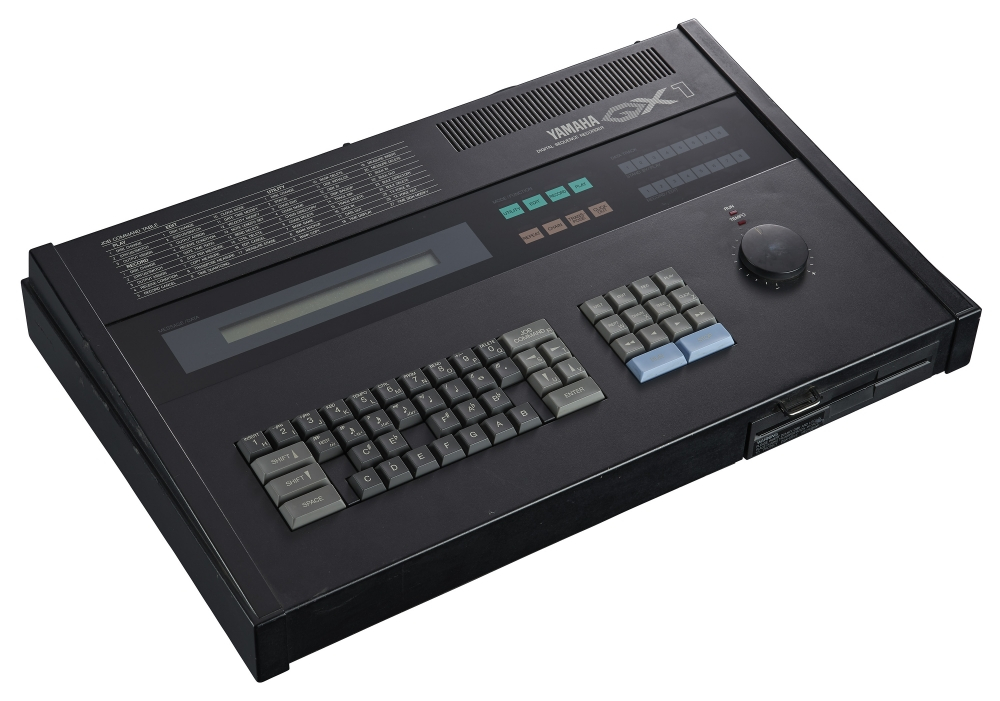
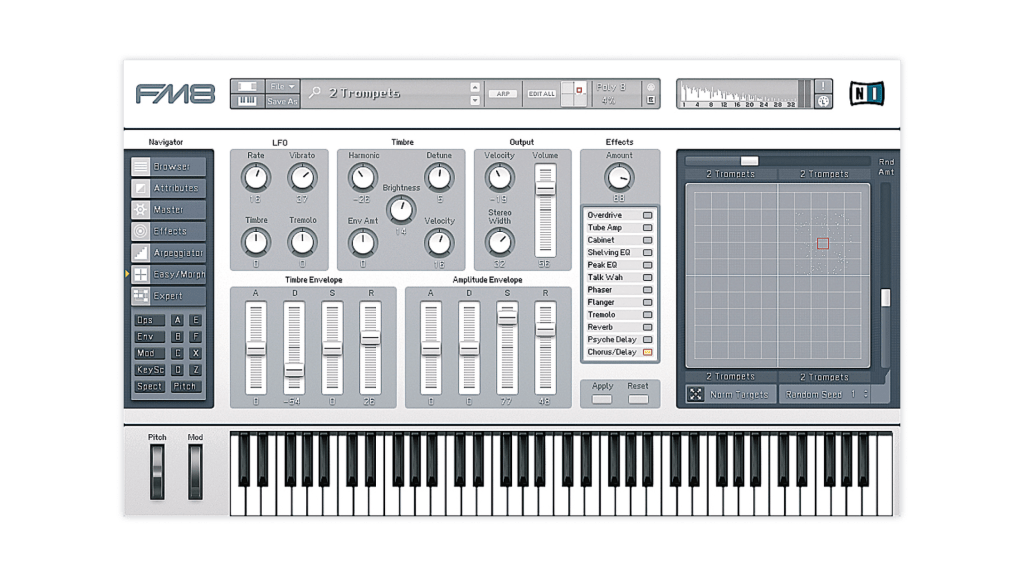
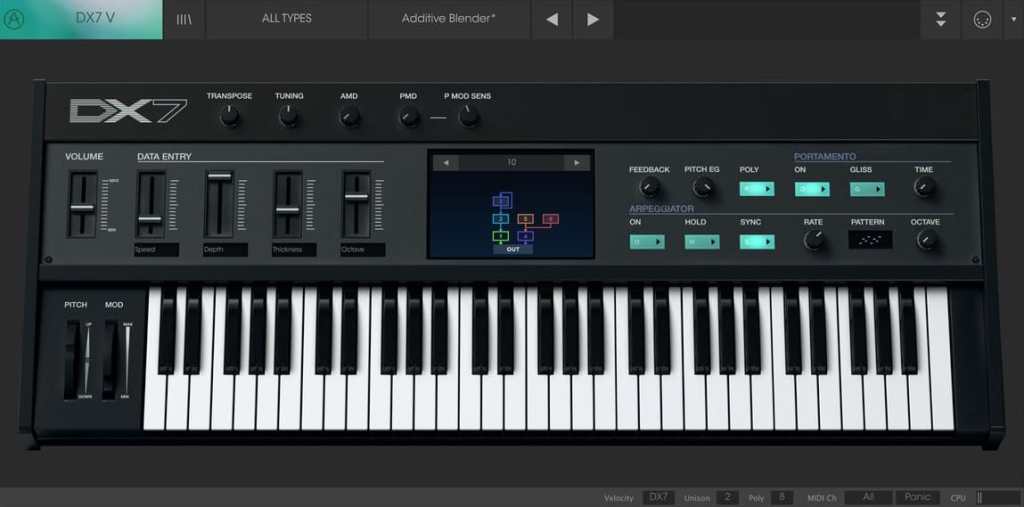
I’m not sure if I mentioned this when I talked about synthesizer types before, but physical modeling involves mathematically simulating the principles of how sound is produced. I believe it all started with Yamaha’s waveguide modeling.
Back in the day, these modeled instruments were tough to use due to high CPU demands, but with today’s powerful CPUs, they’re super efficient, compact, and easy to tweak while sounding great.
What’s cool about Soliste is how it’s laid out: effects related to the left hand (like vibrato and portamento) are on the left side of the interface, while bowing-related effects are on the right. Pretty intuitive!
Here are the standout features of Soliste:
Vibrato and Portamento Control: You can adjust the intensity of vibrato and portamento, and control their amount using the Expression (labeled as EXP, tied to modulation).
Aftertouch for Extra Expression: Beyond the modulation wheel, you can use aftertouch to dial in more EXP, which is mapped by default for convenience (though other instruments could do this too if set up).
Six Tonal Flavors: Choose from Spark, Hollow, Sleek, Antique, Lyric, or Mellow to shape the sound.
Bowing Parameters: Adjust Attack, Position, Tension, and more, with the ability to change their intensity in real-time based on Expression, just like vibrato or portamento.
That’s the gist of it!
You also get presets for different playing techniques, simple effects, and MIDI settings for flexible use. I used to think SWAM was the king of modeled solo instruments, but after listening to Soliste’s samples [Link] and trying it out myself, I think it’s a solid alternative. The only downside? It doesn’t seem to support double or triple stops (yet), and if you’re not careful with articulation or play it solo, the modeled nature can feel a bit obvious.
Still, for the price, it’s a fantastic deal, haha. It’s great as a solo instrument, but since there aren’t many virtual instruments with this tonal vibe, it’d also shine when mixed into a chamber string ensemble for a richer sound.
You can buy the bundle or pick individual instruments based on your needs.
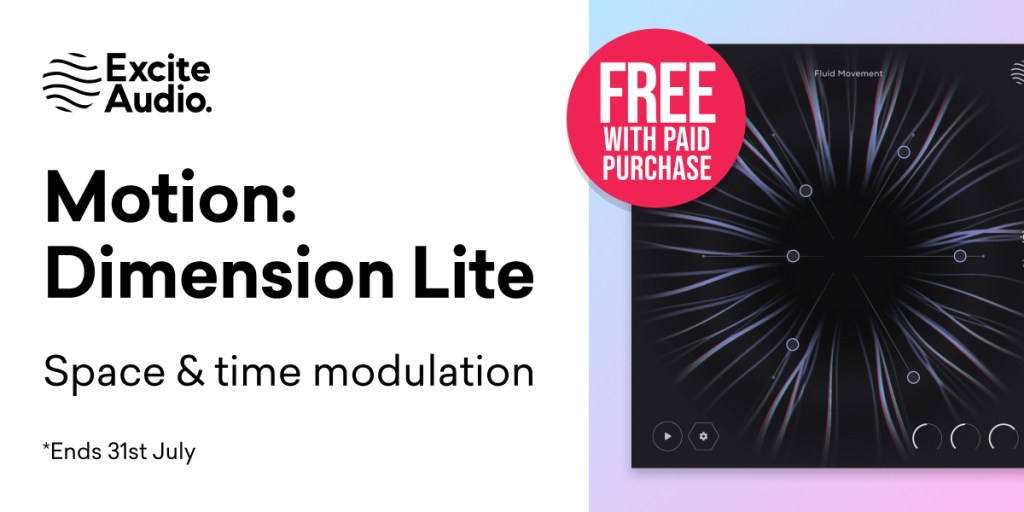
Oh, and if you purchase from Plugin Boutique this month, you’ll get Excite Audio Motion: Dimension Lite for free!
I’ve previously introduced the full version of Dimension (not the Lite one), and it’s a really solid delay/reverb plugin, so don’t miss out on this freebie!
Hey there! I’m Jooyoung Kim, a mixing engineer and music producer.
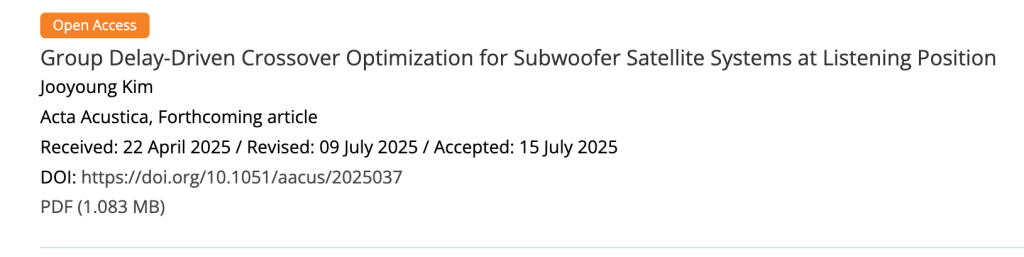
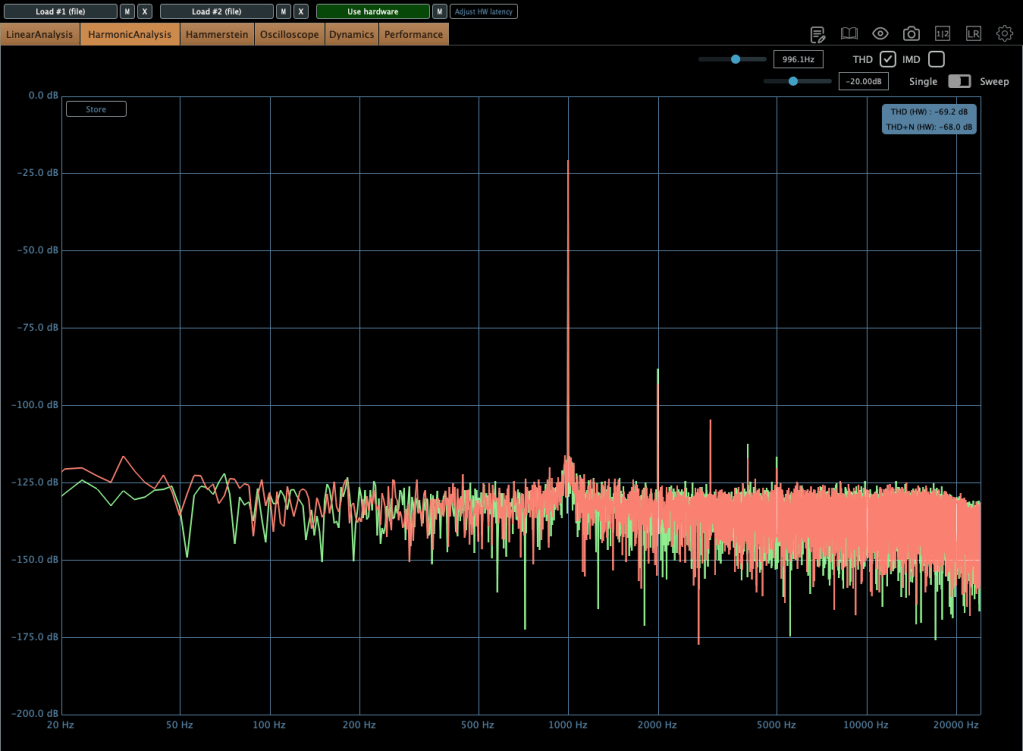
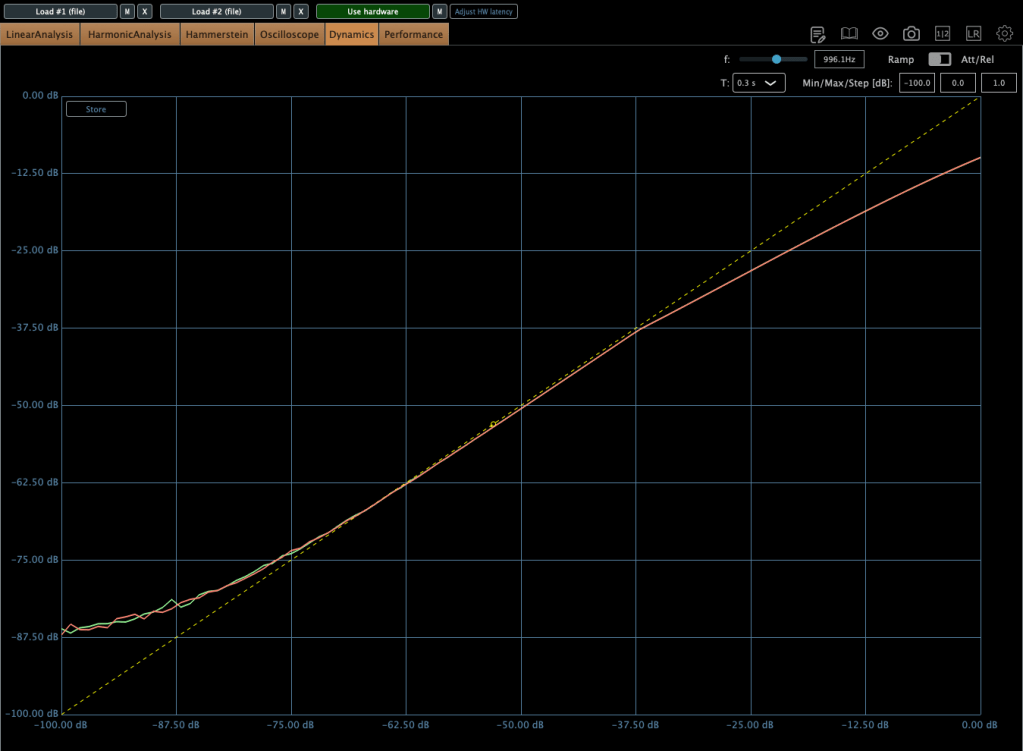
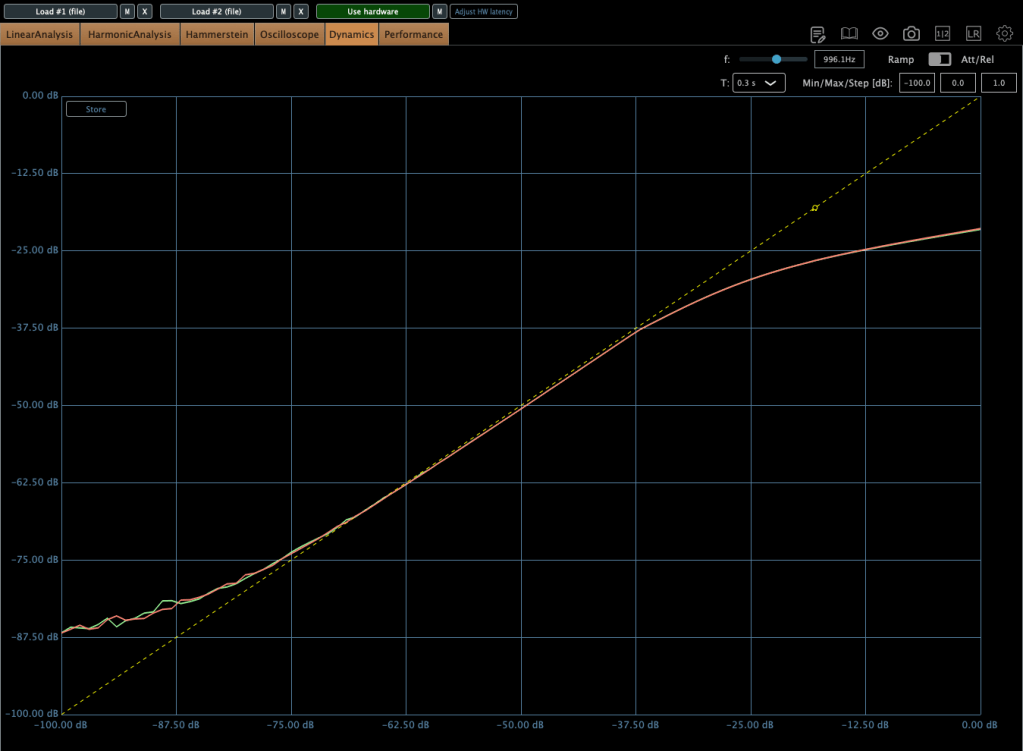
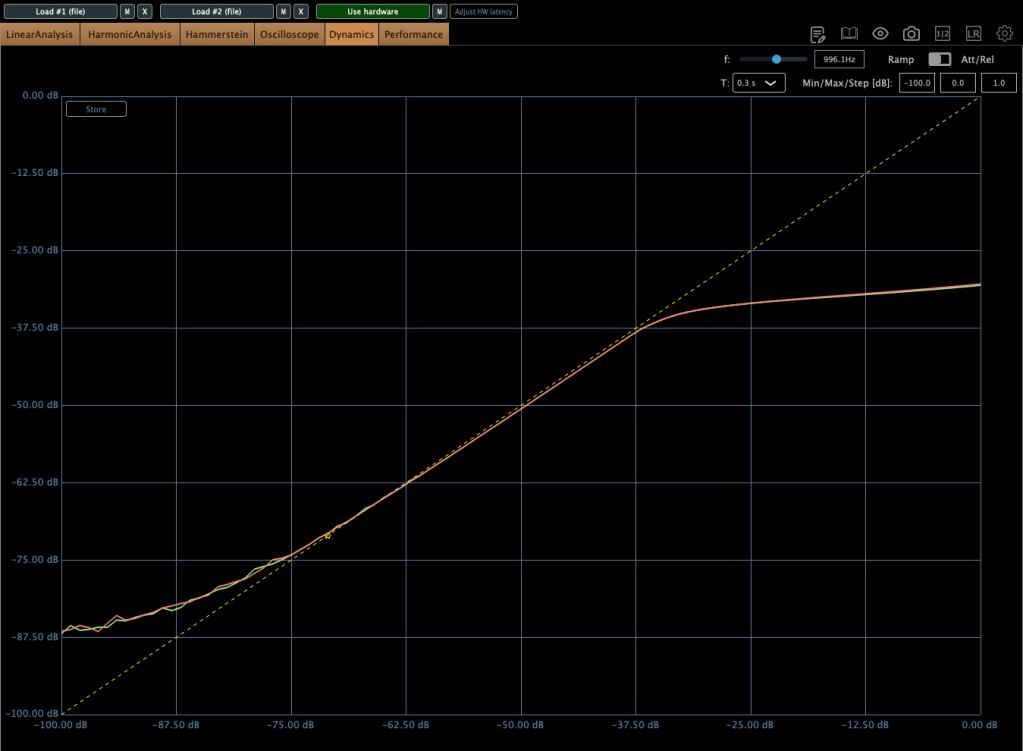
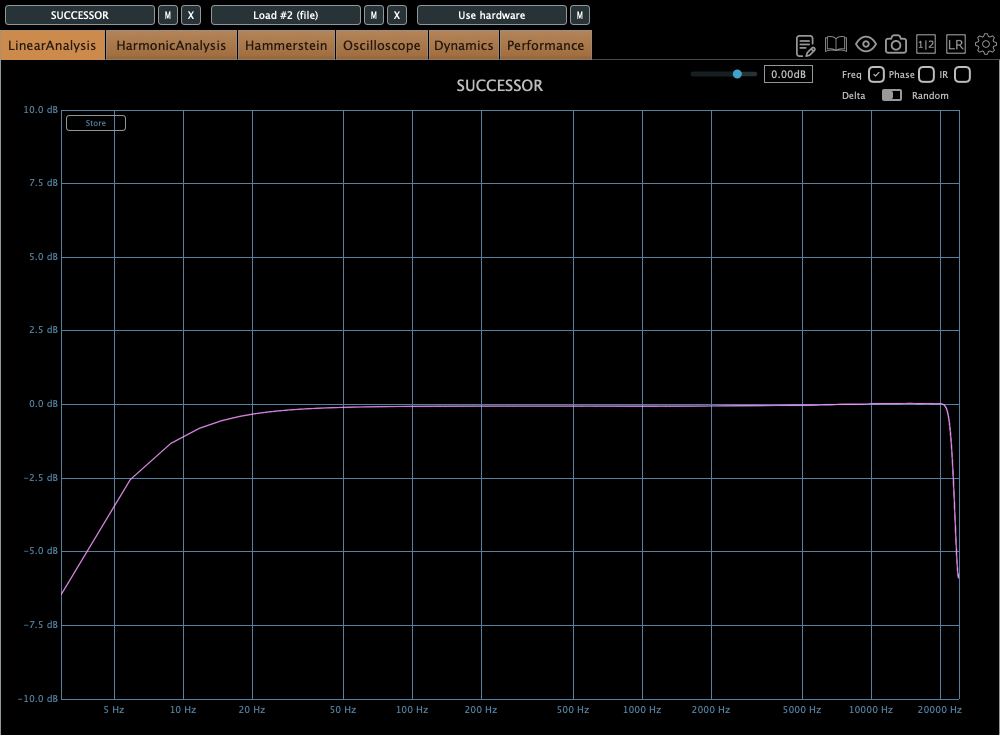
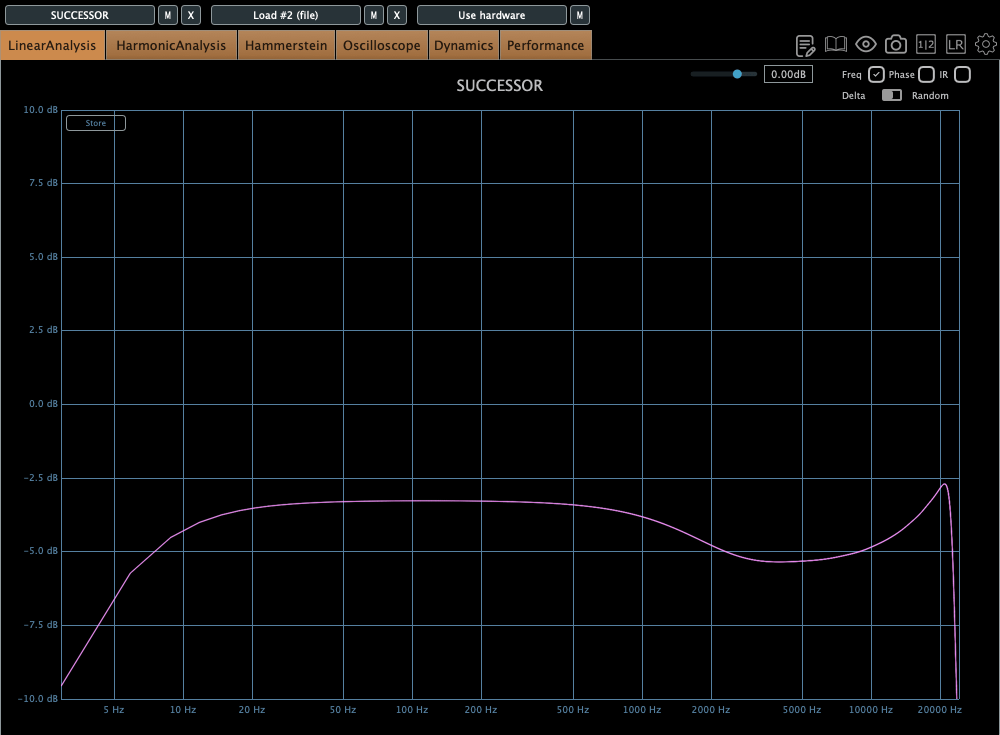
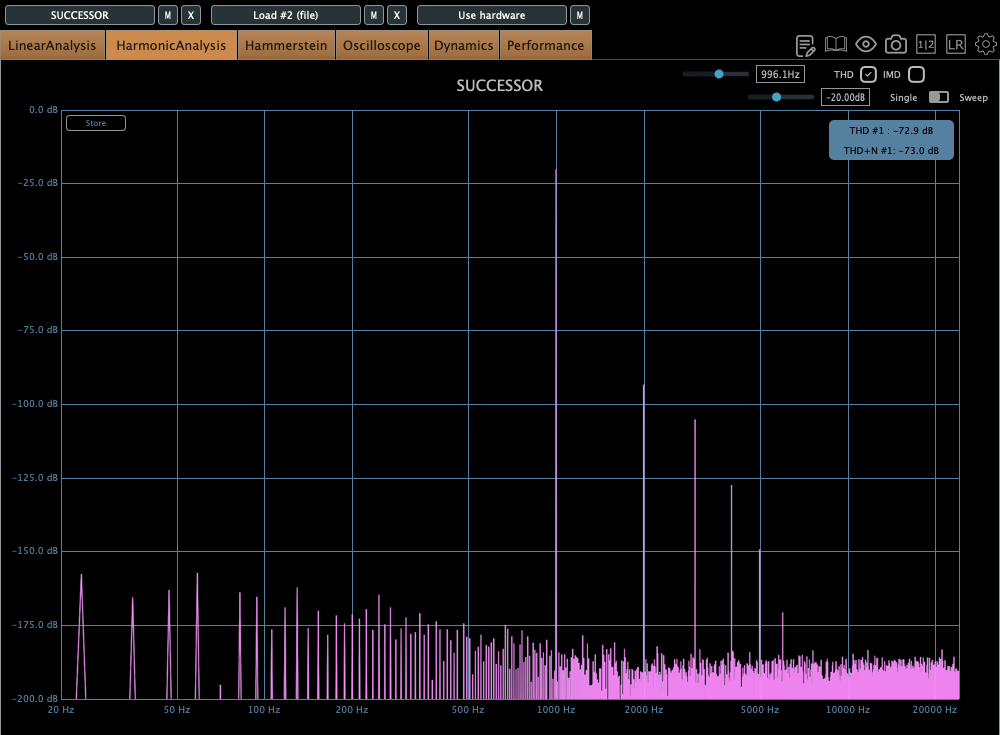
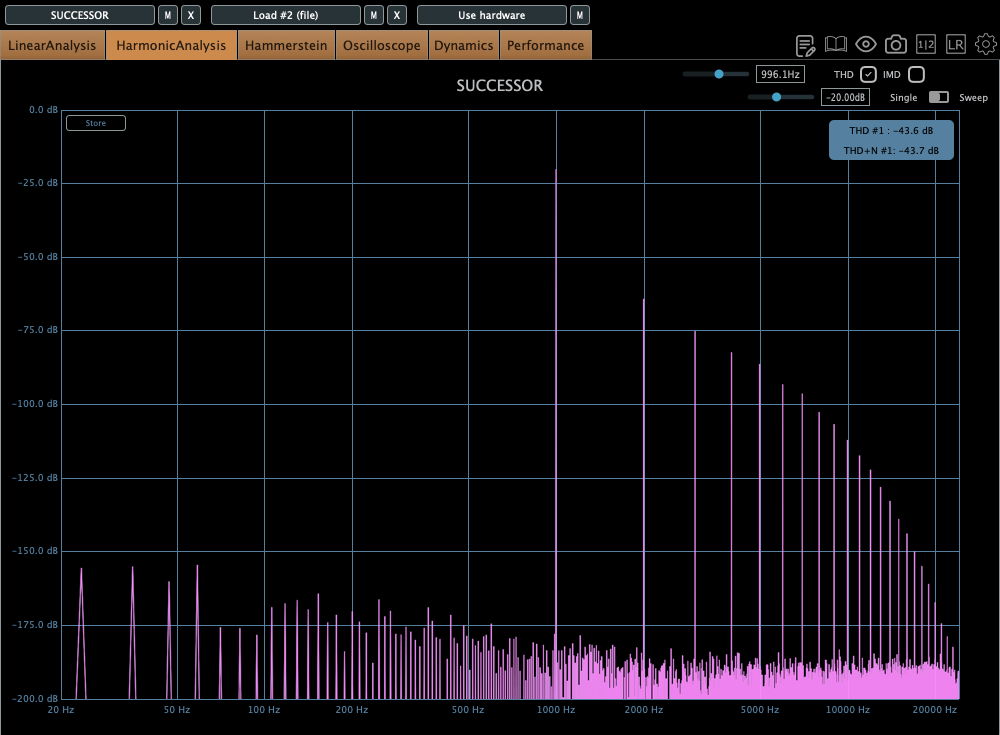
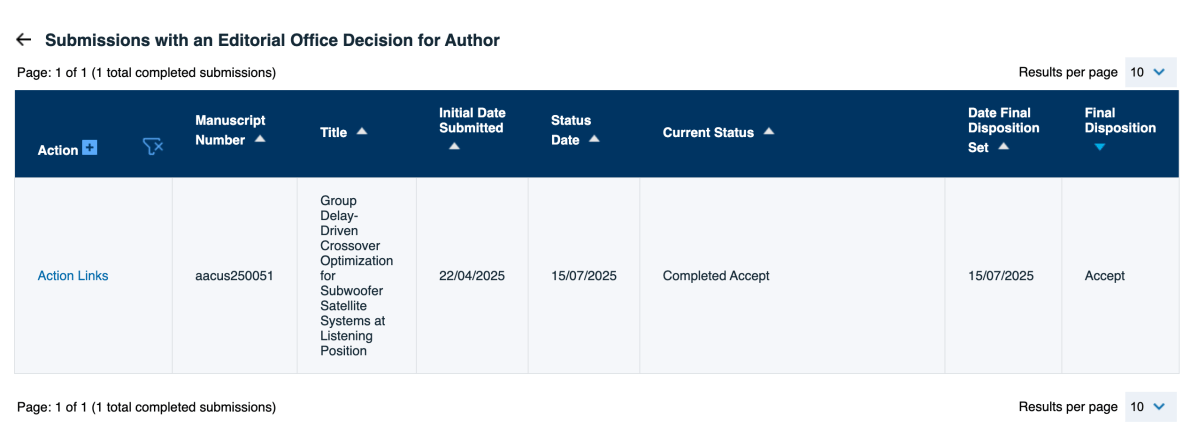
I finally submitted a new paper yesterday after about a month and a half of work. It’s a pretty straightforward paper, but building the program took forever… ugh. It’s a tool for measuring crosstalk, THD, and stuff like that. I’ve released it on my GitHub [Link], but I’ll write a detailed post about the program later.
Also, the paper wasn’t that critical, but I’ve been so busy running around for listening experiments that I totally neglected this blog. I’ll get back to writing posts diligently until I find my next topic!
Today, I want to talk about summer plugin and virtual instrument sales. I probably should’ve done this earlier, but since these sales usually happen between June and July, I think we’re still good… right? Haha.
If you purchase through the links below via Plugin Boutique [Link], I get a small commission, which really helps me keep things going. So, let’s dive in!
You’ve probably heard of this one! I previously introduced Total Studio 4 Max , but Total VI MAX is the version that includes only virtual instruments.
Right now, it seems they’re focusing on virtual instrument sales. I’m guessing come July, they’ll shift to mixing/mastering effect plugins. Personally, I think IK Multimedia offers the best bang for your buck, so for beginners, I’d say just grab Total Studio when it’s on sale without overthinking it.
Since the UADx (Native) versions came out, Universal Audio plugins have become super affordable. The Summer Mixtape Bundle, at about $100 for 10 plugins, is a fantastic deal for first-time buyers.
My recommended plugins:
Teletronix LA-2A Tube Compressor
UA 1176 Classic FET Compressor
Fairchild Tube Limiter Collection
Teletronix LA-3A Audio Leveler
Pultec Passive EQ Collection
Lexicon 224 Digital Reverb
These six are solid picks, and you can choose the rest based on your taste.
That said, after years of working with audio and music, I’ve noticed UAD plugins tend to have pretty aggressive saturation. They’re not like, “Wow, UAD is the best!!” for me, haha. Still, they add a punchy vibe to flat recordings or budget mics, so they’re great when used in the right context.
If you want even better value, the UAD Analog Classics Pro Bundle is the way to go. The LA-2A and 1176 series get used in projects all the time, so they’re super reliable.
Waves isn’t quite the value king anymore with IK Multimedia’s crazy sales, but if you want something lightweight and industry-standard, Waves is still the go-to. You’ll likely find the best deal at EveryPlugin .
Waves’ update plan gets a lot of flak (I’m not a fan either). Switching from Intel to Mac Silicon cost me like $200, which was annoying, haha. That said, newer Mac OS updates don’t seem to cause major issues with older Waves plugin versions.
Horizon is the best value, and if you feel it’s not enough, grabbing the SSL 4000 Collection or API Collection should cover you. Waves’ SSL compressor is really well-made.
If you’re into ambient music, Eventide Audio’s ShimmerVerb and Blackhole are pretty much must-haves. They’re great for creating expansive vibes and are consistent bestsellers, so grabbing them during a sale like this is a smart move.
Mastering The Mix makes some really solid plugins, and I especially recommend their EQ series. Plugins like Bassroom and Mixroom visually show how frequencies pop out or sit back based on loudness, which makes tweaking super intuitive.
Oops, this one’s got just one day left! I should’ve posted this sooner… sorry! Personally, I think getting the Standard version of Komplete is enough. Ultimate or Collector’s Editions feel a bit overkill, haha. You’ll barely use half the stuff in Standard as it is.
BFD’s expansion packs are on a crazy 70% sale right now—never seen a discount like this! Grab BFD 3.5 and the London Sessions kit, and you’re set for most genres. If you need more, snare add-ons or jazz kits are great options.
There’s probably more coming in July, but these are the standout sales right now. Some of these end today, so if you’re thinking about buying, act fast!
I’ve got a ton of topics in mind, so I’m not sure what the next post will be, but I’ll see you there!