I overhauled my studio setup

Hello, this is Jooyoung Kim, an engineer and music producer.

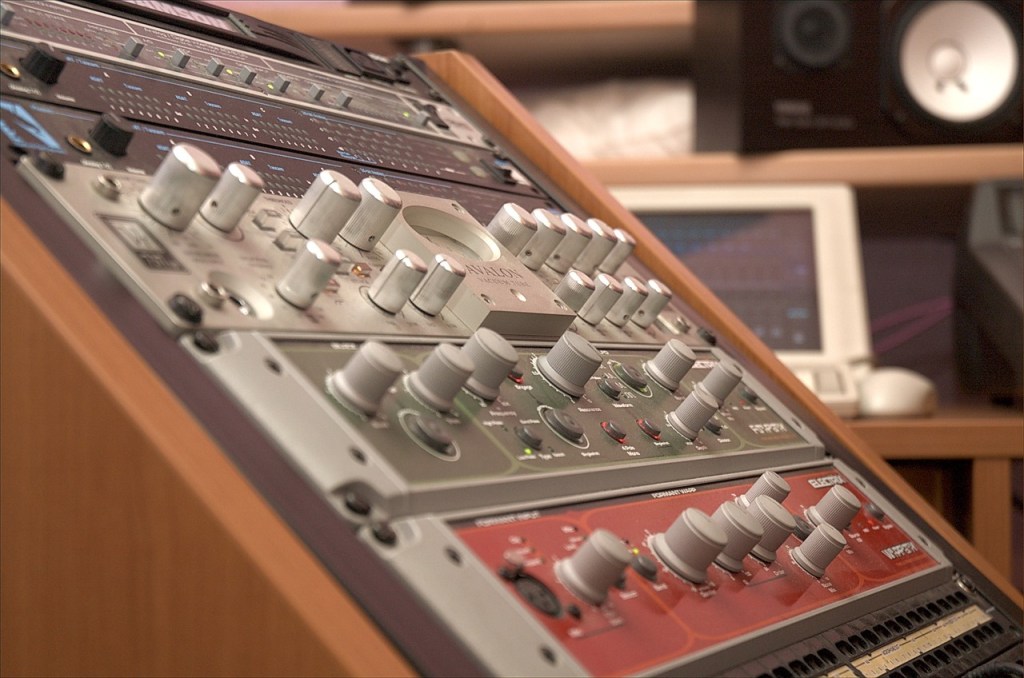
Previously, I mentioned that I had to custom order and repair a toroidal transformer for my Stam Audio SA-2A. After it was fixed and returned, I was quite satisfied. However, I realized I needed more rack space, so I decided to buy a new rack cabinet.

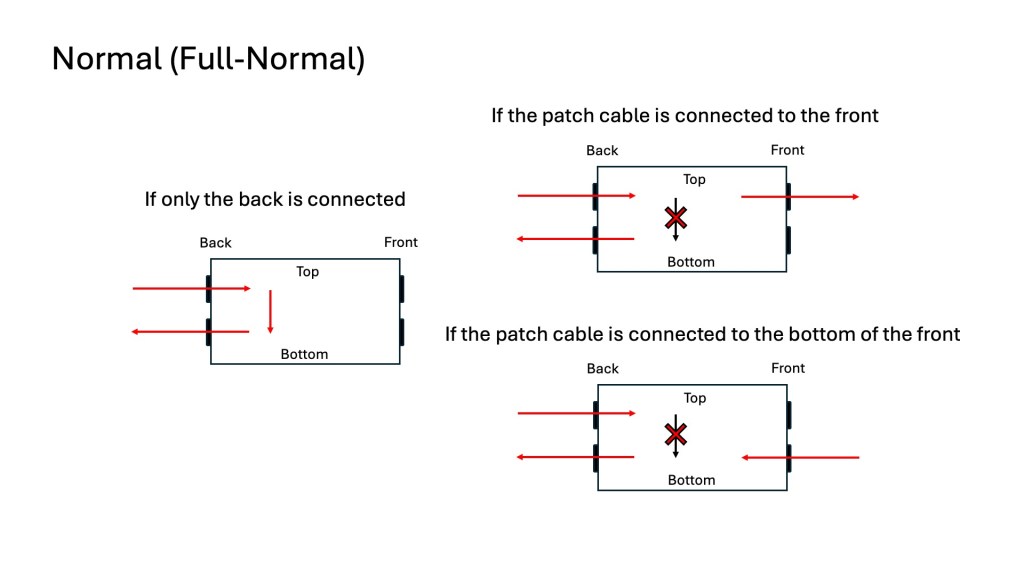
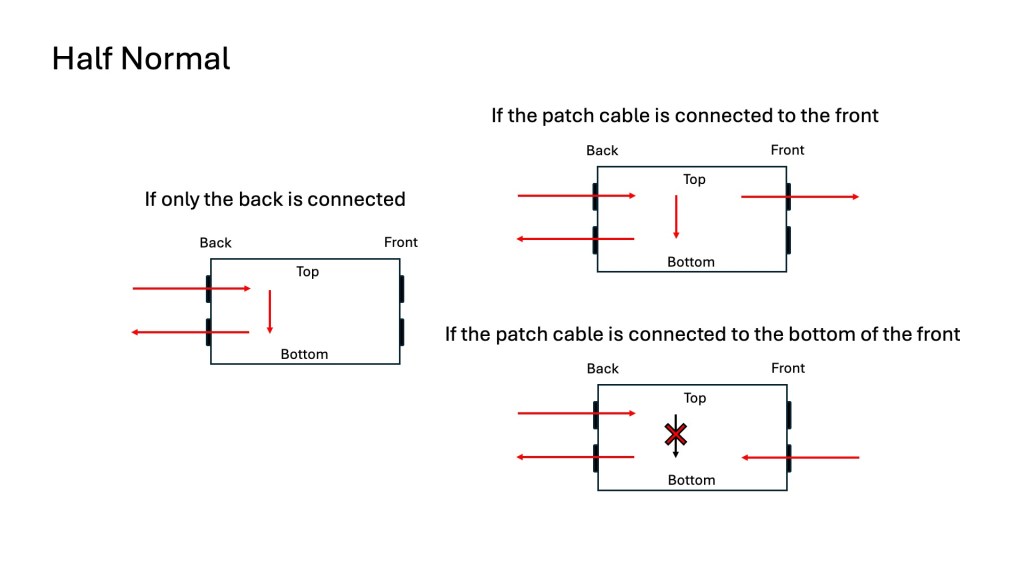
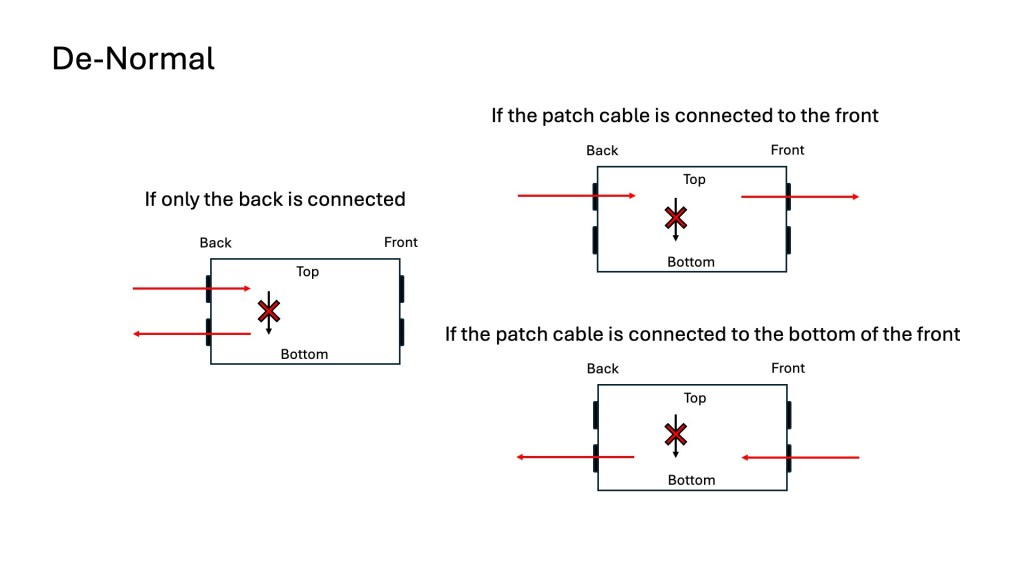
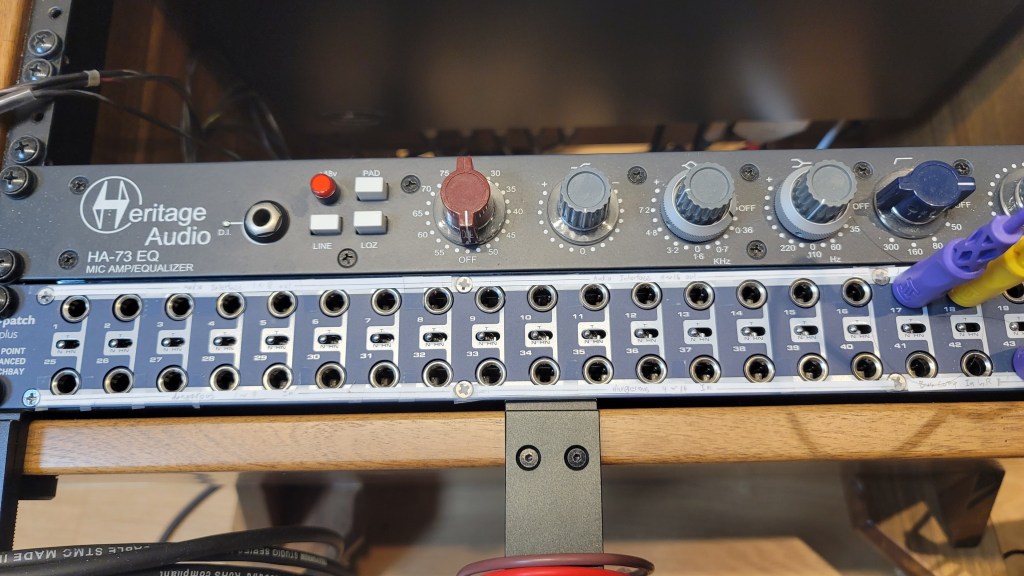
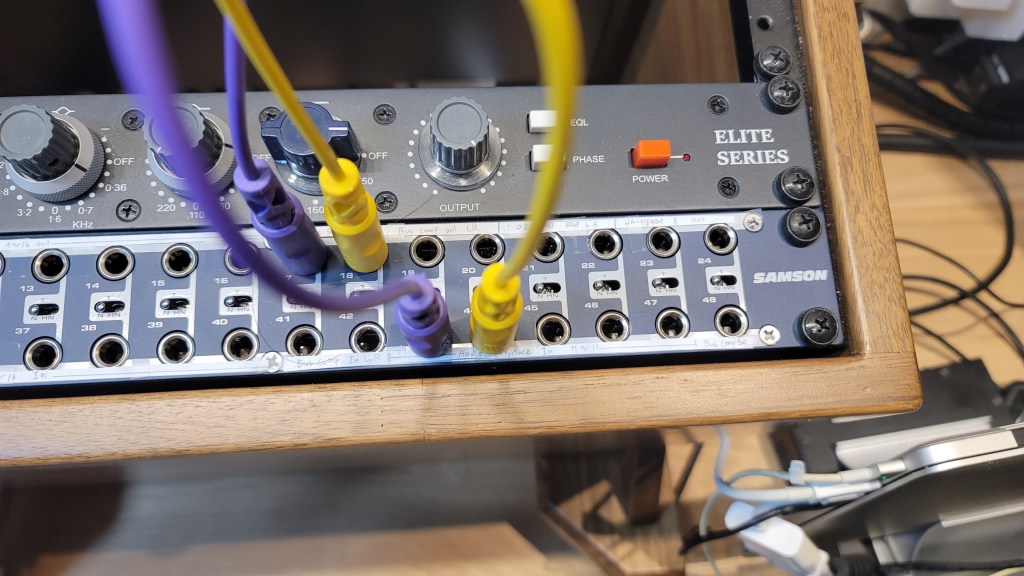
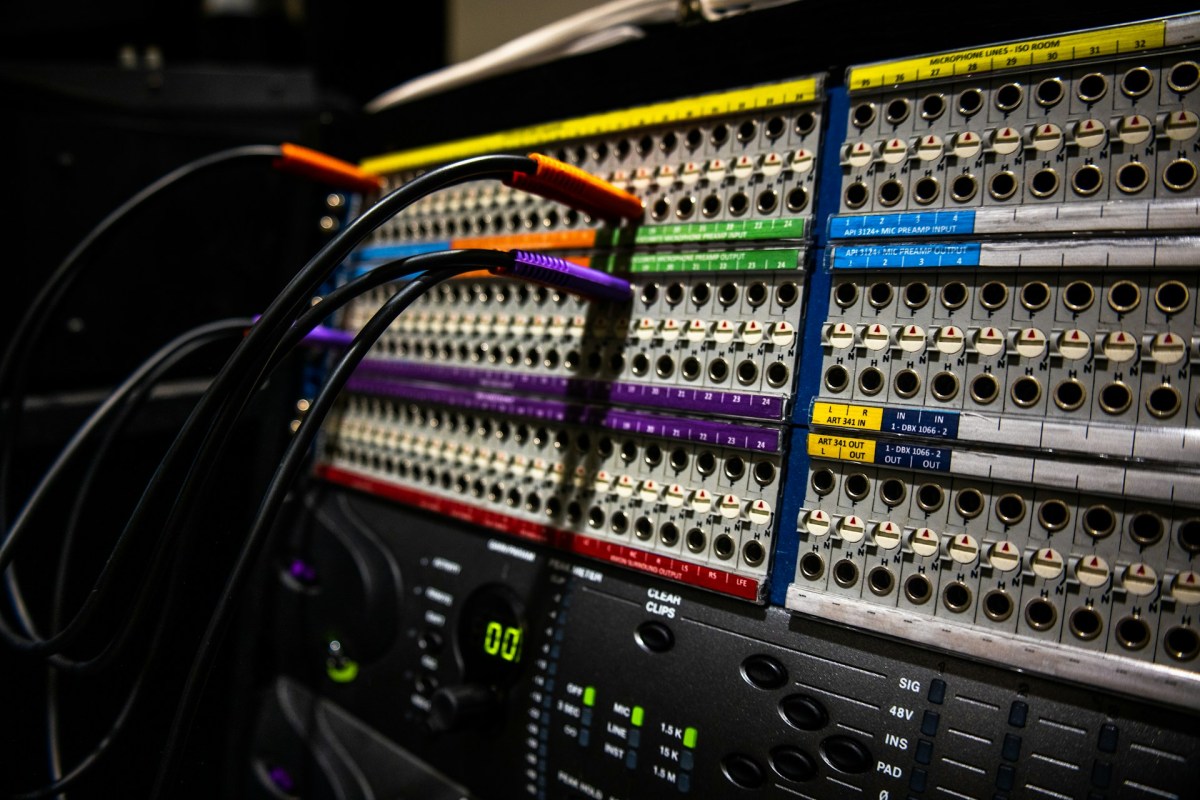
Thinking ahead about the additional equipment I’d be adding, I also bought a patch bay and cable connectors.

I wanted to get a Samson patch bay to match my other gear, but since there were no Samson S-Patch bays available for delivery to Korea on Amazon, I ended up buying the cheapest one that could be set to Normal mode.

The yen was quite weak recently, so I took advantage of that when purchasing cables and connectors via Rakuten. I bought 100 meters of Canare L-2T2S cable and around 20 Neutrik TRS and XLR connectors.

After looking around, I decided to order a custom-made rack cabinet from Shinsun Workshop(Korean: 신선공방), as their products seemed the most suitable. Other ready-made options were either too shallow or too deep for my setup.

I pre-made the cables and installed everything.

Haha… It was quite a task. I started around 4 PM and finished by 11 PM, with breaks for meals. I even had to do some soldering because I forgot something with the multi-cable… haha…

But in the end, everything looked neat and tidy. I forgot to take a photo of the finished setup, though. After repeatedly sitting and standing, my legs were shaking the next day.

I plan to add a 2U tube preamp to the large rack cabinet, and a Behringer 369 to the smaller one. That will leave about 1U of space, which I might use for an API 2500 or a saturator later on.

I recall making a resolution last year not to buy any more equipment, but I’ve completely broken that promise. Despite buying things relatively cheaply, I should be spending money on releasing my songs. It’s quite ironic that I’m spending all my song budget on gear… Equipment addiction is real…

Lately, I’ve been collaborating with a contact I met through a previous project. We’re producing a few tracks together. Additionally, I’ll be recording and mixing a song for a regular client.

I haven’t posted much about my recent work or projects, but these collaborations have been fun, and I plan to share more once they’re finished.

See you in the next post! 🙂
Basics of Mixing – 6.3 Types of Compressors

Hello, this is Jooyoung Kim, an engineer and music producer.

Today, we will discuss the different types of compressors based on their operating principles.

Before we begin, it’s important to note that most compressors we talk about today are named after the specific components used as attenuators in each type. These components give each type its unique characteristics, so understanding these classifications is essential.

Shall we get started?

1) Variable-Mu (Vari-Mu)

Vari-Mu compressors use vacuum tubes as attenuators. (Note that just because a compressor has vacuum tubes doesn’t automatically make it a Vari-Mu compressor.)

“Variable” means adjustable, and “Mu” (μ) stands for gain. So, Variable-Mu essentially means variable gain.

This might sound confusing, but essentially, as the input signal increases, the current to the vacuum tube’s grid decreases, thus varying the output level and creating adjustable gain.

Vari-Mu compressors have a non-fixed ratio and typically feature a soft knee. They also impart significant coloration to the sound due to the nature of vacuum tubes.

Famous examples include the Fairchild 670, Manley Variable Mu, and Chandler Limited RS124. These were predominantly used in the early days of compressors.

2) Optical (Opto)

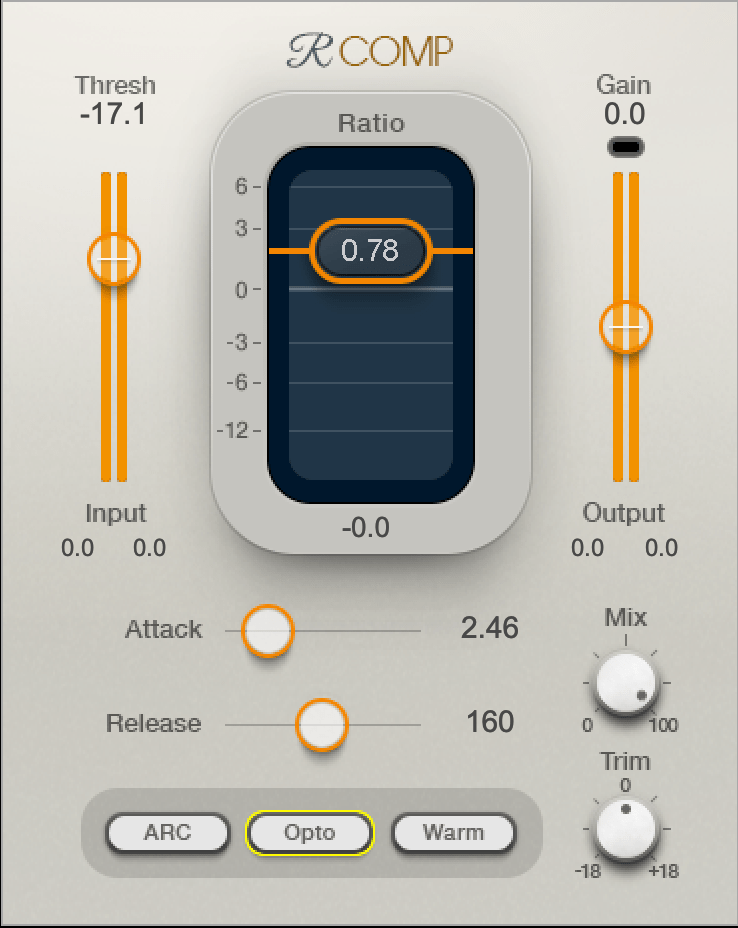
Opto compressors use an optical isolator (photo transistor) as the attenuator. The intensity of the light changes according to the input signal, which in turn adjusts the compression. The release time varies significantly depending on the amount of compression.

A well-known Opto compressor is the LA-2A, which was also called a 2-step compressor due to the significant difference in reduction levels around -3dB. This characteristic makes it popular for vocal sources.

Both vacuum tubes and transistors can be used for gain control in Opto compressors. For instance, the LA-2A uses vacuum tubes, while the LA-3A replaced these with transistors.

The Tube-Tech CL1B is another common Opto compressor found in studios.

3) Solid State

Solid State compressors use transistors or diodes as the attenuators. When transistors first became available, they replaced vacuum tubes due to their lower power consumption and smaller size.

The UA 1176 is a prime example and remains one of the most famous Solid State compressors. It is known for its very fast attack and release times. The Blue Stripe version of the 1176 is especially noted for its strong coloration, making it a favorite for drum sources.

4) Diode Bridge

Diode Bridge compressors use a diode bridge circuit for signal attenuation. These became popular in the 1960s for their faster response compared to typical Opto compressors and lower distortion compared to many FET designs.

Notable examples include the Neve 33609, 2254, Chandler Limited Germanium, and EMI TG12345.

5) VCA (Voltage Controlled Amplifier)

VCA compressors use a Voltage Controlled Amplifier as the attenuator. A VCA adjusts the amplification based on the input signal’s voltage, allowing precise control over the input signal level. VCA designs typically have low distortion and less coloration compared to Vari-Mu, Opto, and Solid State compressors.

The dbx 160 is a representative VCA compressor, along with the Amek 9098 Compressor Limiter, SSL G Compressor, API 2500, Vertigo VSC-3, and Shadow Hills Mastering Compressor (excluding the Opto section).

6) PWM (Pulse Width Modulation)

PWM compressors use pulse width modulation to control signal strength. They can turn on and off in less than 1 nanosecond, making them extremely responsive with even less distortion than VCA compressors.

Famous PWM compressors include the Crane Song STC-8 and the Pye 4060 and 5060.

7) Digital

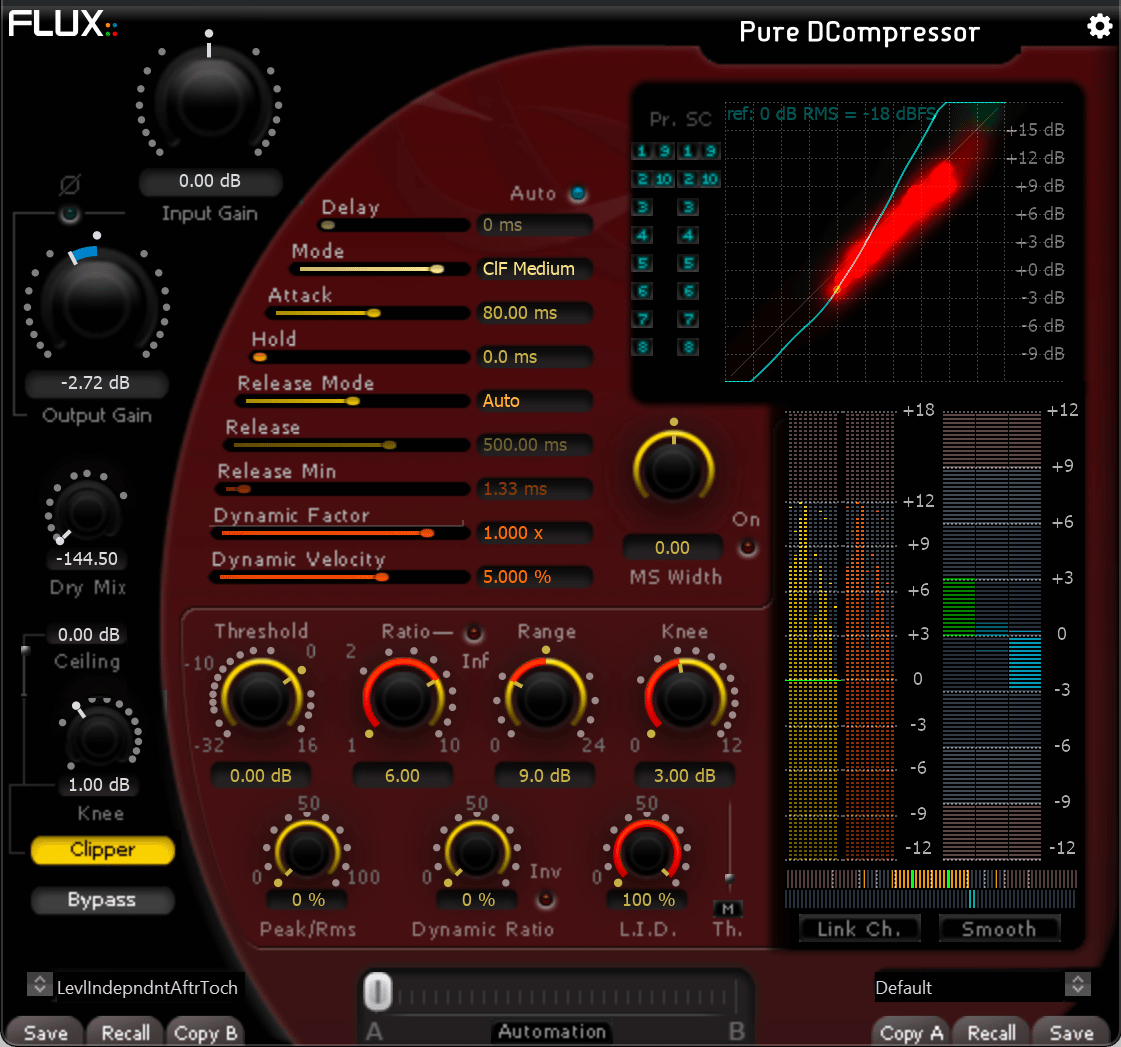
Digital compressors are not replicas of analog compressors but are designed to detect the signal level in real-time and apply compression based on the set threshold and ratio.

Digital compressors may introduce harmonic distortion due to nonlinear responses and aliasing, although many modern plugins mitigate aliasing with oversampling.

Despite potential distortion, digital compressors typically have less coloration and are cleaner than analog counterparts. Most basic DAW compressor plugins fall into this category.

Conclusion

Nowadays, most compressors used are plugins. Even if they replicate the same vintage hardware, their characteristics can differ, making memorizing all these details unnecessary.

When purchasing or using a compressor for the first time, it’s helpful to understand its operating principle to get a rough idea of its characteristics.

Also, remember that digital replicas may still suffer from aliasing issues. The only way to completely avoid this is by using the actual hardware.

That’s it for today. See you in the next post!

Basics of Mixing – 6.2 Compressor Operation Principles

Hello, this is Jooyoung Kim, an engineer and music producer.

Today, we’ll discuss the basic principles of how a compressor works.

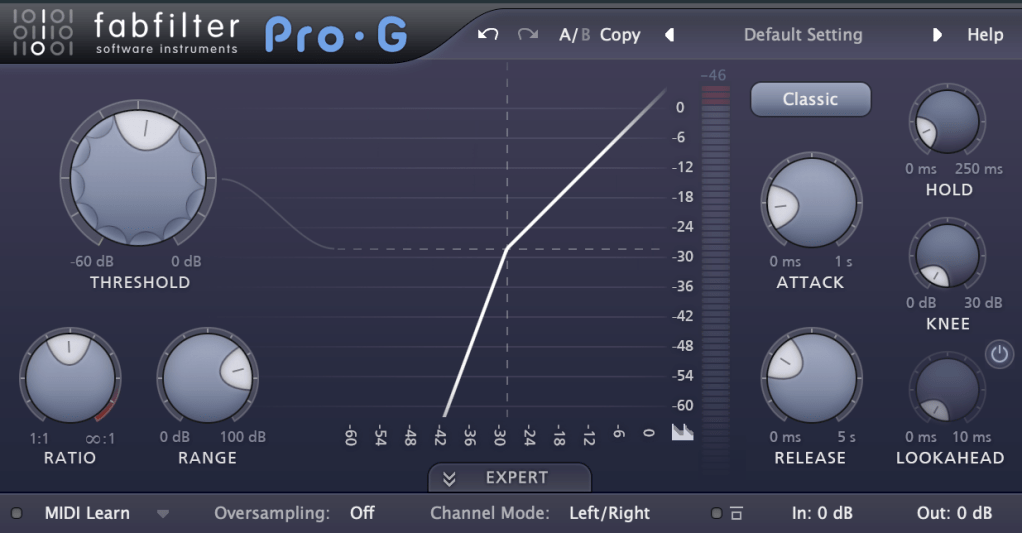
A compressor is a device that reduces sounds exceeding a set volume threshold by a certain ratio.

You can set how quickly the compressor reacts when the sound exceeds the threshold (Attack) and how quickly it stops compressing when the sound drops below the threshold (Release).

The four basic parameters of a compressor are Threshold, Ratio, Attack, and Release. By making louder sounds quieter and leaving quieter sounds as they are, a compressor helps to level out the volume.

Compressed sounds tend to become quieter. Therefore, to match the volume back to the original level, you use the Output Gain parameter.

Many compressor plugins have an Auto Gain feature that automatically adjusts the volume, but in my experience, none of them have worked well enough. So, if your compressor has an Auto Gain feature, it’s best to turn it off.

Another setting to consider is the Knee. Hard Knee means the compressor kicks in immediately once the threshold is exceeded, while Soft Knee allows for a more gradual compression as the sound approaches the threshold.

This covers the most basic operation and usage of a compressor.

However, just explaining the parameters and telling you to try them out isn’t enough guidance, right?^^;;

For example, the classic compressor LA-2A has a fixed ratio of 4:1.

Similarly, most versions of the 1176 compressor (excluding the AE version) start with a minimum ratio of 4:1. Starting around these settings can be a good approach.

The appropriate threshold setting varies greatly depending on the desired effect. If you’re new to this and have no idea where to start, try aiming for a Gain Reduction of around -3dB.

Other considerations include:

  1. Setting a fast Attack can change the transient feel of the sound, affecting the instrument’s groove.
  2. Setting a fast Release can cause the sound to pump as it recovers quickly.

Each instrument and sound source is different, so there’s no one-size-fits-all guide. Additionally, many compressors include saturation, which adds coloration to the sound, so various factors need to be considered.

Still, it’s important to start experimenting! By testing out different compressors, you’ll begin to understand which settings work best in different situations.

In the next post, we’ll look at the different types of compressors. Understanding their characteristics will give you a better grasp of how to use them effectively.

See you in the next post!

Basics of Mixing – 6.1 Compressor

Hello, this is Jooyoung Kim, an engineer and music producer.

Today, I’d like to talk about compressors.

Why do we use compressors in mixing?

First, the most fundamental role of a compressor is to level the dynamics.

When the dynamic range (the difference between the loudest and softest sounds of an instrument) is large, it can cause issues where vocals or individual instruments are not clearly heard. It can also result in instruments sounding like they are moving forward and backward in the mix when listening through speakers. By controlling dynamics well, it becomes easier to increase the overall loudness during mastering.

Second, compressors can change the groove of the music.

Depending on when the compressor kicks in and out, and how it compresses, it can alter the groove of the instrument source.

Third, compressors can change the tone of the source through saturation.

Based on the harmonic distortion and frequency response characteristics of the compressor, it can add different textures to the original source.

Fourth, compressors can provide a sense of unity.

A compressor applied to a bus can impart its unique saturation and groove to the entire group of instruments, helping them blend well together.

For these various complex reasons, we use compressors.

In this sixth chapter of Mixing Basics, we will cover:

  1. How to use a compressor
  2. Types of compressors based on their operating principles
  3. Noteworthy compressors
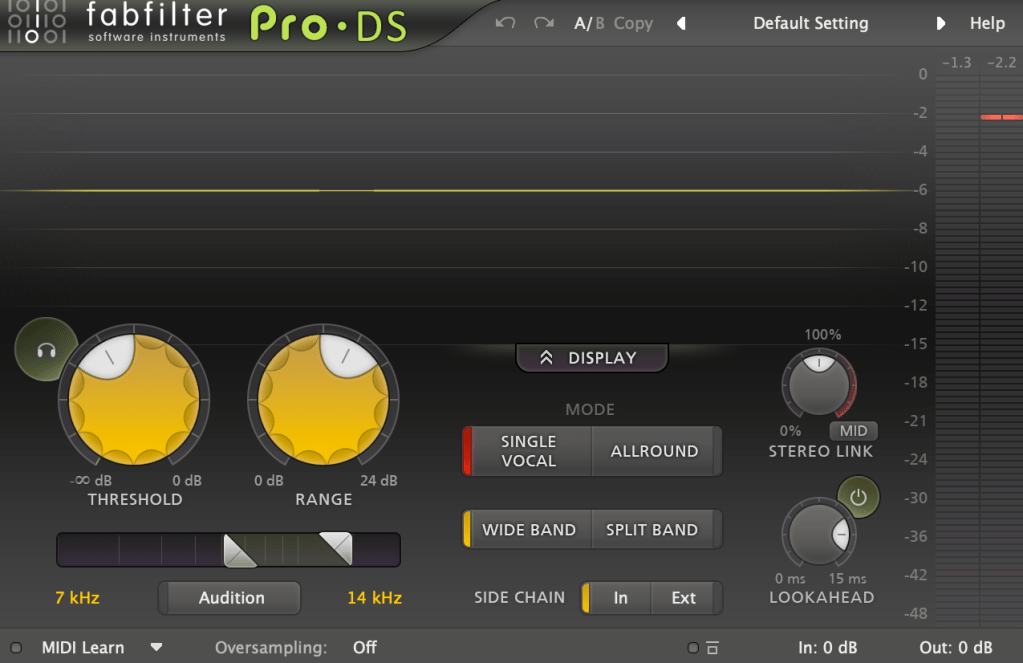
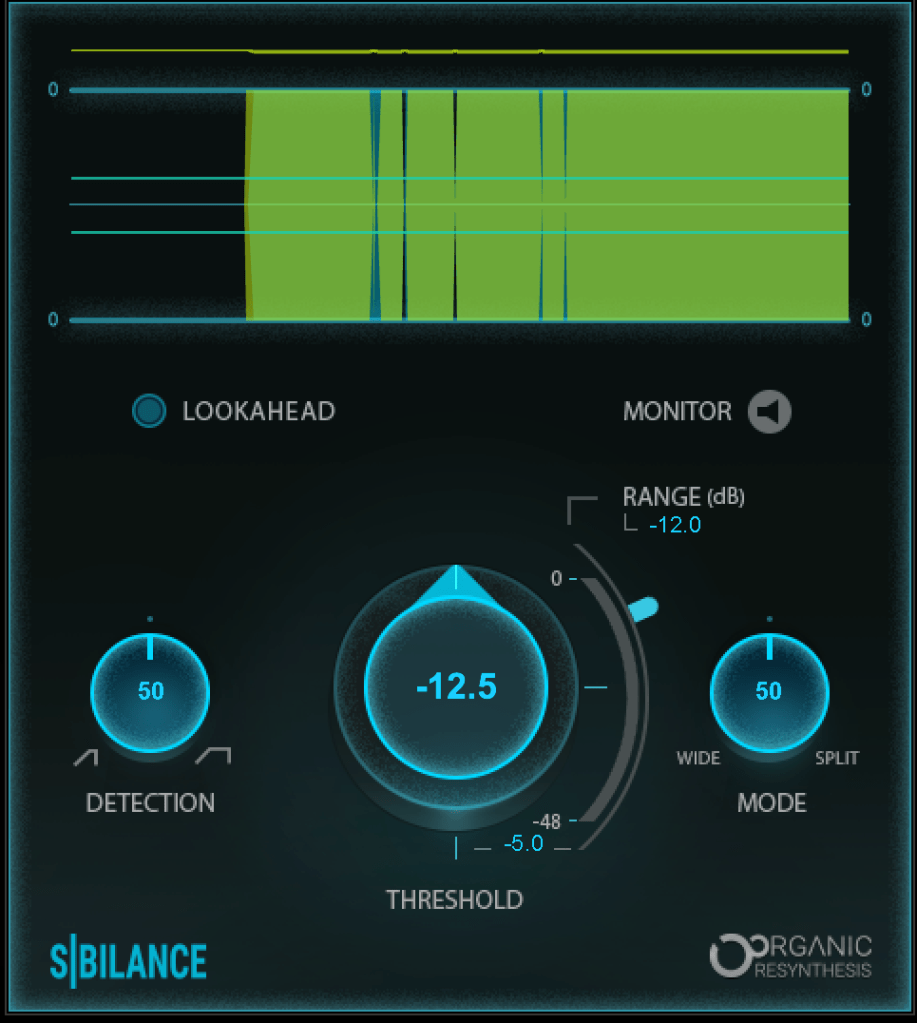
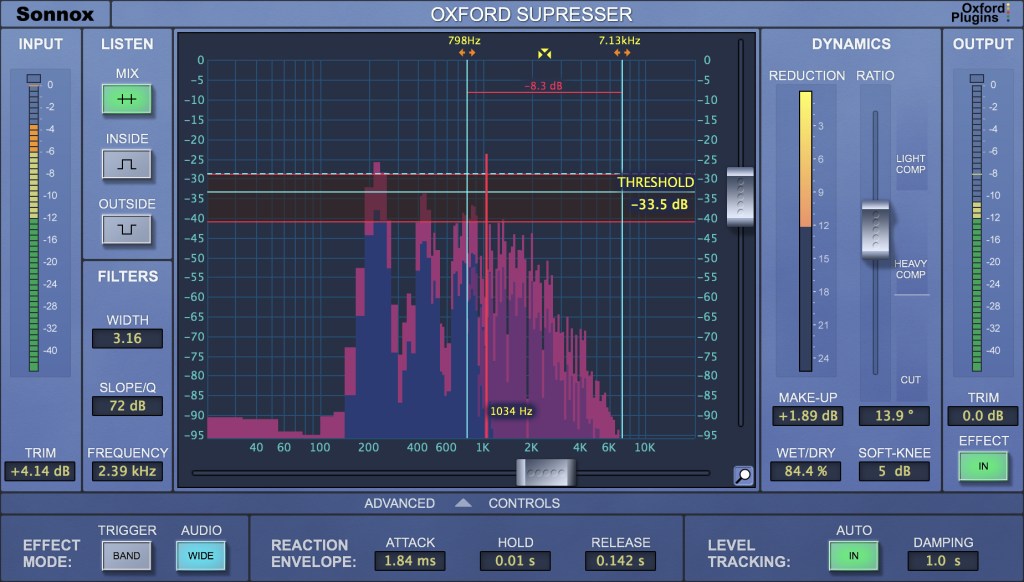
  4. Various other dynamic processors (decompressors, expanders, gates, de-essers, multiband compressors, etc.)

In the next post, we’ll start by discussing how to use a compressor.