Advanced Synthesizers & Gear (1) – Harald Bode, Robert Moog, Don Buchla, and Dieter Doepfer

Hello! This is Jooyoung Kim, an audio engineer and music producer. Today, I’ll begin a new article series, Advanced Synthesizers & Gear.

In this series, we’ll talk about the history of modular synthesizers and the equipment. Also, we’ll figure out why famous synthesizers became so popular and how they work.

Before we focus on these topics, we need to know about the history of synths and how electricity can be turned into sound.

Let’s dive in!


Harald Bode
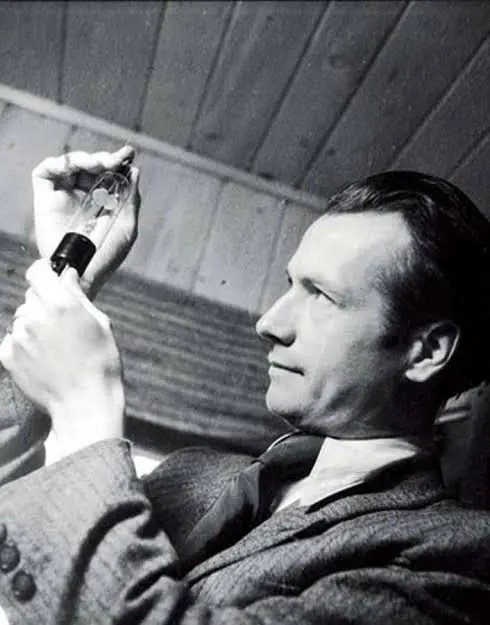
Harald bode, a German engineer and physicist(as a physics major myself, I feel a deep sense of kinship with Harald Bode), was a pioneer of the synthesizer.

He started a recording business, but soon ran into a major obstacle: the grand piano. At the time, recording technology was in its infancy compared to today, making it incredibly difficult to capture the true depth of the instrument.
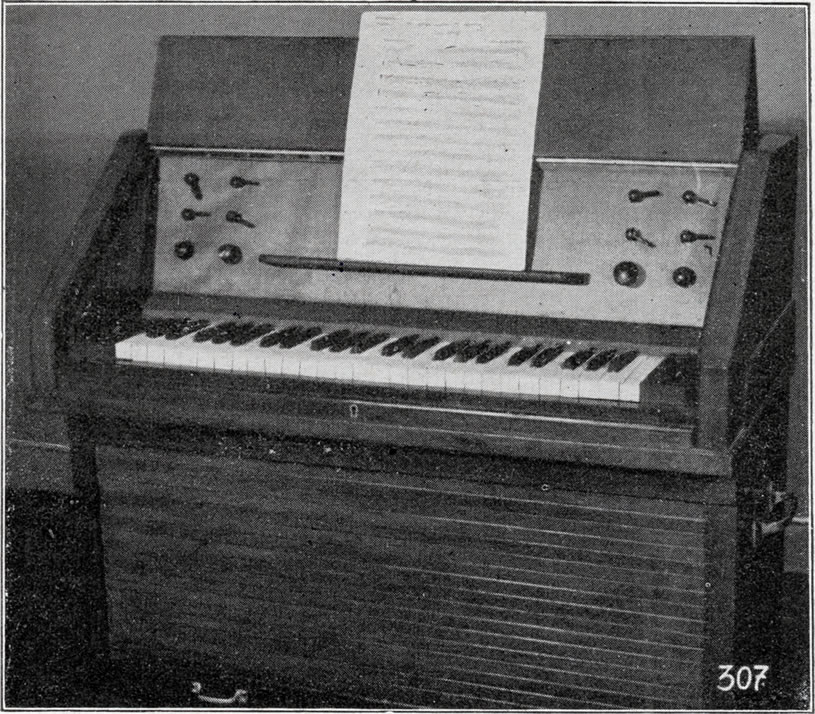
Driven by this limitation, his inner physicist took over. Instead of trying to perfect the replication of acoustic instruments, he envisioned a completely new path—creating musical sounds 100% out of electronics using vacuum tubes. Guided by the physical principle that human voice timbres (Klangfarben) change based on the intensity of overtones, he laid the very foundation of modern synthesis by designing a system where parameters could be shaped with half-rotary knobs.

For those interested in exploring his technical blueprints and concepts firsthand, please look for his seminal 1961 publications: ‘European Electronic Music Instrument Design’ in the Journal of the Audio Engineering Society, and ‘Sound Synthesizer Creates New Musical Effects’ in Electronics magazine. Also you can see the bode’s equipment in eContact.

His groundbreaking concept of using voltage control to adjust parameters quickly spread through the pioneer community, deeply inspiring the figures who would go on to invent the world’s most iconic synthesizers: Robert Moog and Don Buchla.


Robert Moog
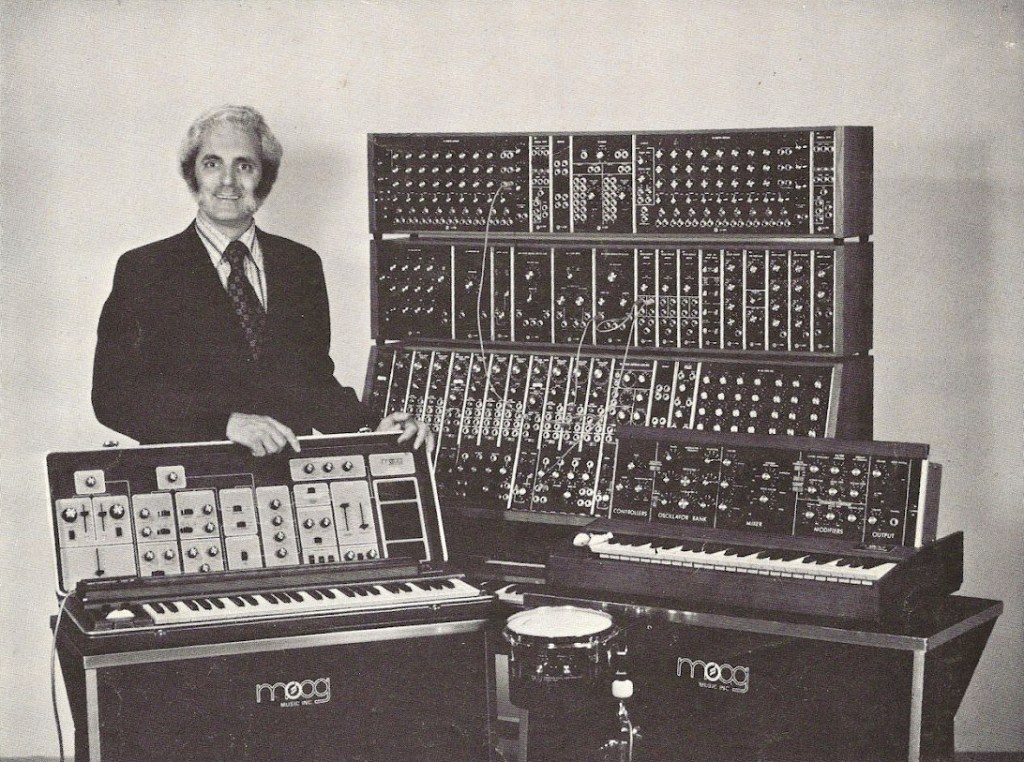
Robert Moog also majored in Physics during his undergraduate years, earning his Bachelor of Science from Queens College in 1955 before completing a PhD in Engineering Physics at Cornell University. With this background, Moog approached electronic music through a technological lens very similar to Harald Bode’s.

In the fall of 1960, at the Audio Engineering Society (AES) convention in New York, Moog attended Harald Bode’s presentation of his modular ‘Audio System Synthesizer’. At this convention, Bode demonstrated the concept of using voltage control to manipulate audio parameters within a modular architecture.

Following this exposure to Bode’s design, Moog set out to develop a compact, practical synthesizer for musicians, contrasting with the room-sized systems of the era like the RCA Mark II. While previous instruments relied on hundreds of vacuum tubes, Moog utilized newly available silicon transistors, leveraging the exponential relationship between input voltage and output current.
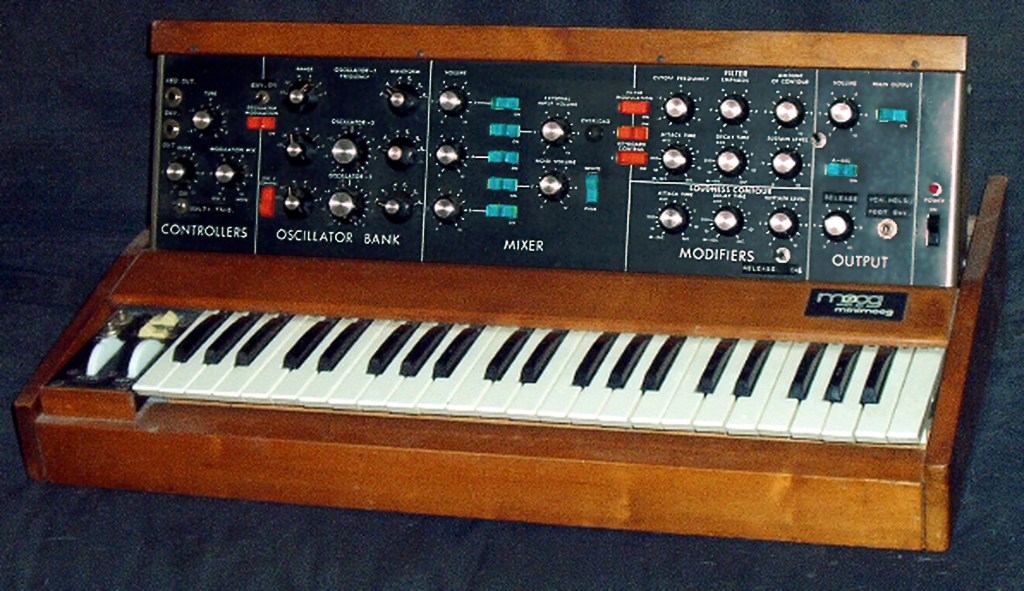
Moog Minimoog

This application of transistor physics led to his principal innovation in 1964: the Voltage-Controlled Oscillator (VCO). While Bode established the foundational concept of altering parameters via voltage, Moog engineered the precise circuitry that mapped input voltage to specific musical intervals. Through this hardware, Moog standardized fundamental synthesizer concepts, including modularity, envelope generation, and the pitch wheel.

Moog viewed his role primarily as a toolmaker for artists rather than a corporate businessman, choosing not to patent core innovations like modularity or voltage control.


Don Buchla
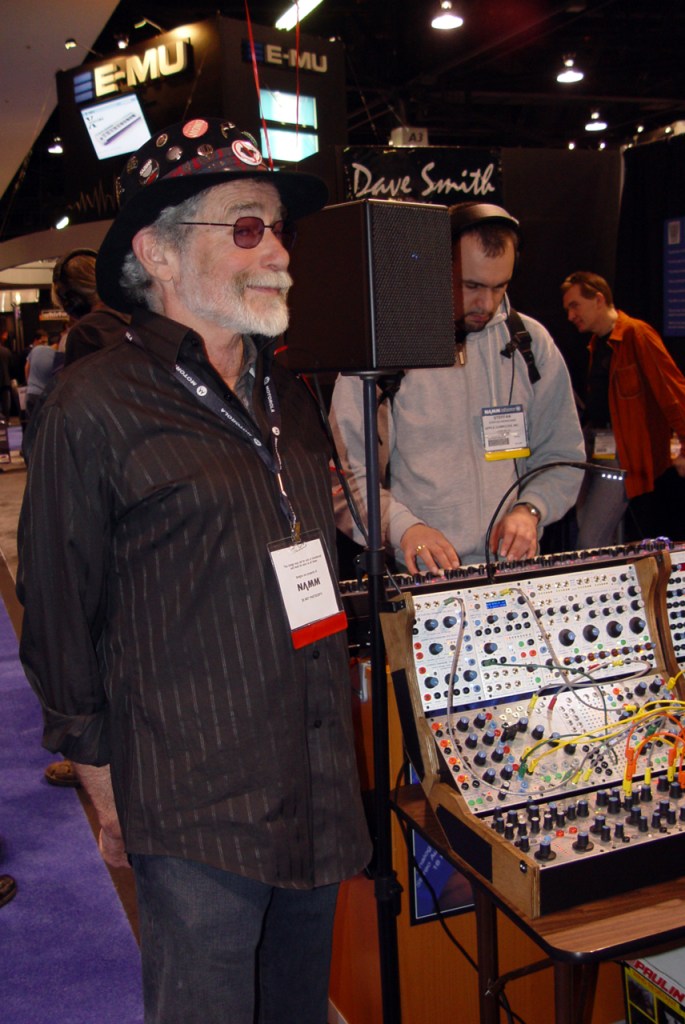
Interestingly, the application of physics to modular synthesis was not confined to Harald Bode and Robert Moog. Donald Buchla, another pioneer who co-invented the voltage-controlled modular synthesizer independently during the early 1960s, also graduated as a physics major from the University of California, Berkeley, in 1959.

In 1962, Buchla formed his company, Buchla and Associates, in Berkeley. He was commissioned by composers Morton Subotnick and Ramon Sender of the San Francisco Tape Music Center to create an electronic instrument tailored for live performance. Guided by this request, Buchla began designing his first modules in 1963.
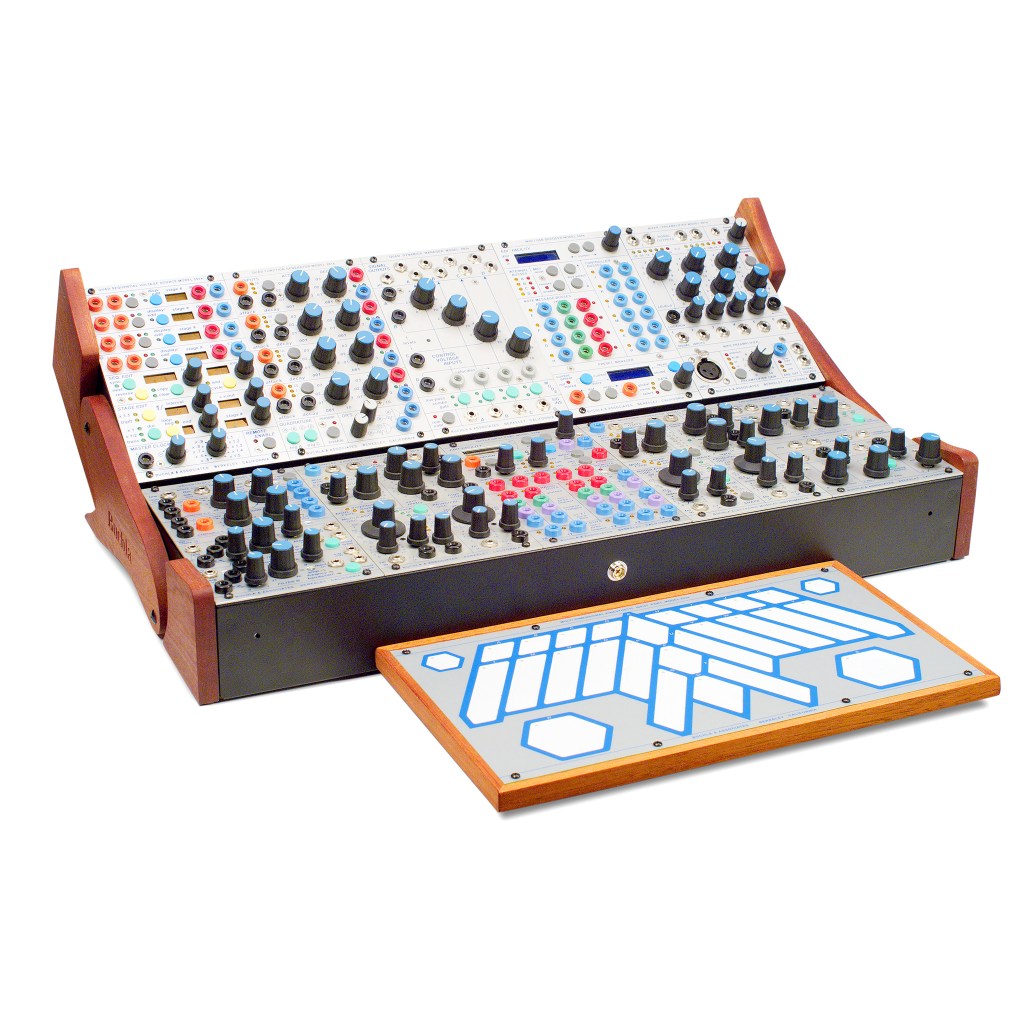
Buchla Skylab

While Robert Moog was developing his system on the East Coast, Buchla was working independently on the West Coast. In 1965, utilizing a grant from the Rockefeller Foundation, he assembled these modules into the Buchla Modular Electronic Music System (later known as the Series 100), which entered commercial production in 1966.

Like Moog, Buchla utilized voltage control as the core mechanism to alter audio parameters. However, his approach to user interfaces and musical philosophy differed significantly. While Moog standardized the traditional piano-style keyboard to make the instrument accessible to conventional musicians, Buchla deliberately rejected the keyboard, viewing it as a limitation carried over from acoustic history. Instead, he pioneered alternative control interfaces, such as touch-sensitive plates that allowed for non-traditional, expressive manipulation of voltage.


Because these two distinct styles of synthesizers were developed independently based on the geographical regions where their creators worked, Moog’s system became known as the East Coast style, while Buchla’s was termed the West Coast style.


Doepfer

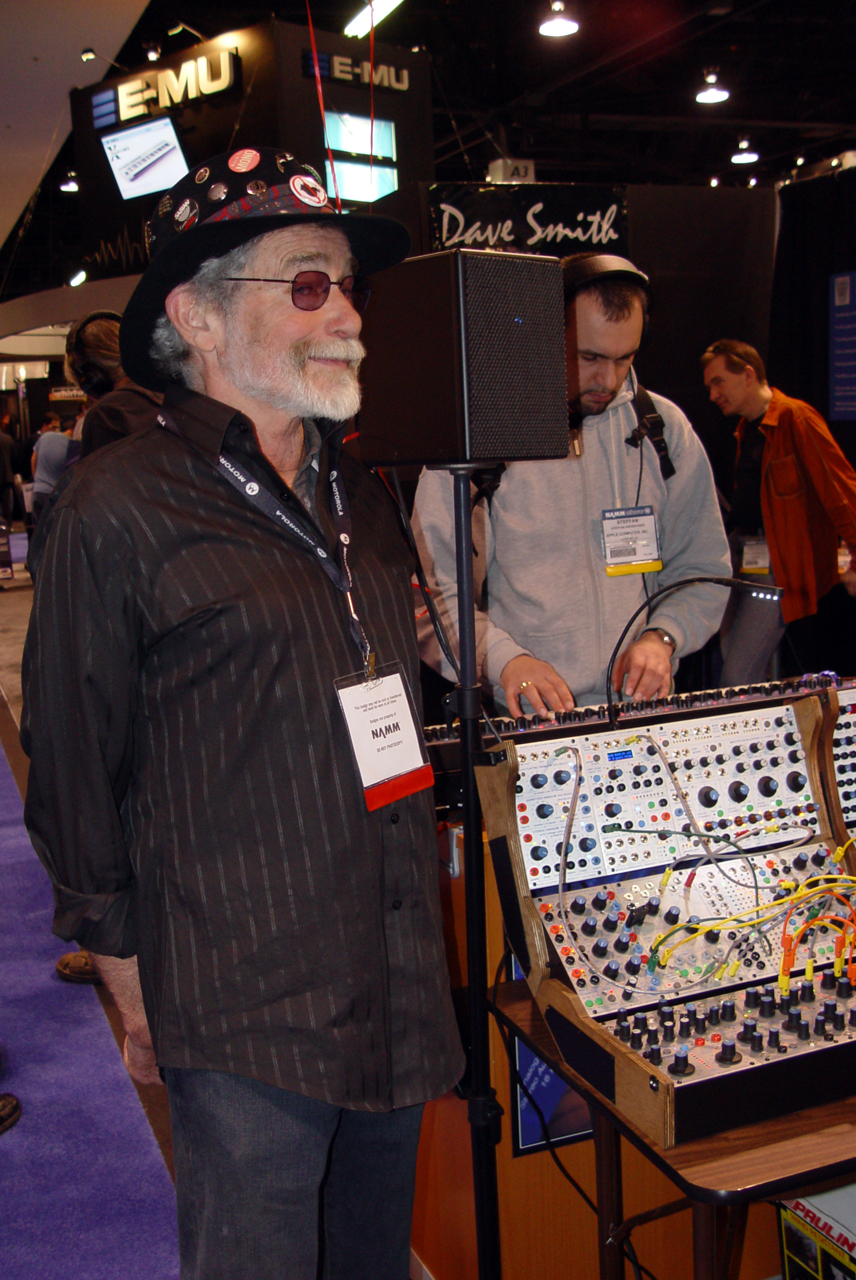
The historical lineage of physics-driven modular synthesis culminated in the late 20th century with the establishment of the Eurorack standard. Developed in 1995 by Dieter Doepfer, the founder of Doepfer Musikelektronik, Eurorack solved a critical fragmentation problem in the modular synthesizer market. Like Bode, Moog, and Buchla before him, Doepfer formally studied physics, beginning his academic training at Munich in 1972.
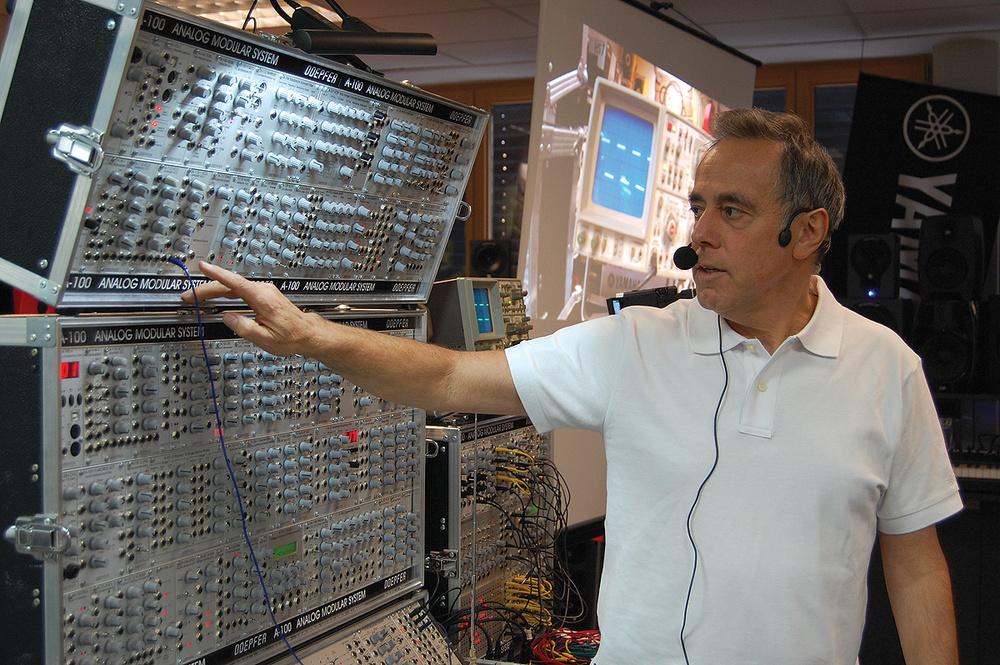
Doepfer’s entry into hardware development was directly influenced by his background in physics. While completing his mandatory community service in the ophthalmology department of a Munich hospital, Doepfer utilized the department’s dedicated electronics laboratory—originally built for laser eye surgery research—to quietly develop his earliest synthesizer circuits. This research resulted in his first complete system, the Polyphonic Module System (PMS), released as a DIY kit.

Throughout the 1980s, Doepfer continued to expand his technical expertise. He integrated specialized integrated circuits (ICs) from Curtis Electronic Music Specialties (CEM) to build highly efficient analog systems, and later adapted to the digital transition by developing 8-bit sampler cards and MIDI master keyboards. However, the commercial market shifted during the 1990s; a resurgence of interest in analog synthesis led to the unexpected success of his MS-404 monophonic synthesizer in 1994, which prompted high demand for expanded modular options.

To address this demand systematically, Doepfer introduced the A-100 system in 1995, establishing the Eurorack format. Prior to this, systems by Moog or Buchla used incompatible dimensions and electrical standards. Doepfer unified the ecosystem by introducing open, standardized physical and electrical specifications:
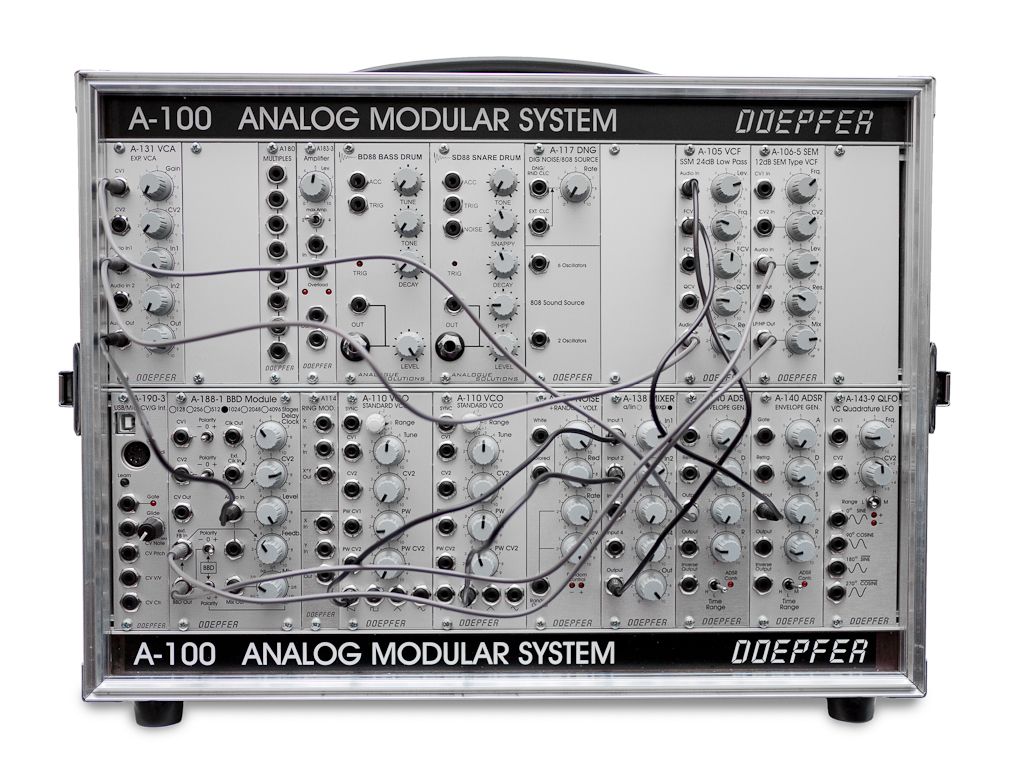
  • Physical Dimensions: Height was set using the sub-rack unit standard at 3U (approx. 128.5 mm), and width was measured in HP (Horizontal Pitch), where 1 HP equals 0.2 inches (5.08 mm).
  • Electrical Connectivity: Power was distributed via standardized ribbon cables supplying ±12V DC.
  • Signal Interface: Control Voltages (CV) were routed using compact 3.5mm mini-jacks rather than the bulky 1/4-inch or banana jacks of earlier decades.

By keeping this format open, Doepfer created a universal framework that allowed third-party manufacturers and boutique designers to build compatible components. His designs even attracted pioneers of the genre; Florian Schneider of Kraftwerk collaborated with Doepfer to modify hardware for speech synthesis triggering, a relationship that later influenced the development of the MAQ 16/3 MIDI analog sequencer.

Through these modular standards, Eurorack transformed synthesis from a market of isolated, proprietary hardware into a decentralized, global ecosystem.

Furthermore, because this standard has become so widespread, even non-Eurorack standalone hardware instruments often feature compatible 3.5mm patching connectors. Thanks to this universal connectivity, users can cross-connect entirely different, independent synthesizers to act as interlinked sub-components—such as routing one synthesizer’s output to serve purely as an oscillator, bypassing into another instrument’s filter, or patching through separate external units for saturation and effects.

I will explain the technical details and creative mechanics of these Eurorack modular synthesizers in a later post.

See you then!
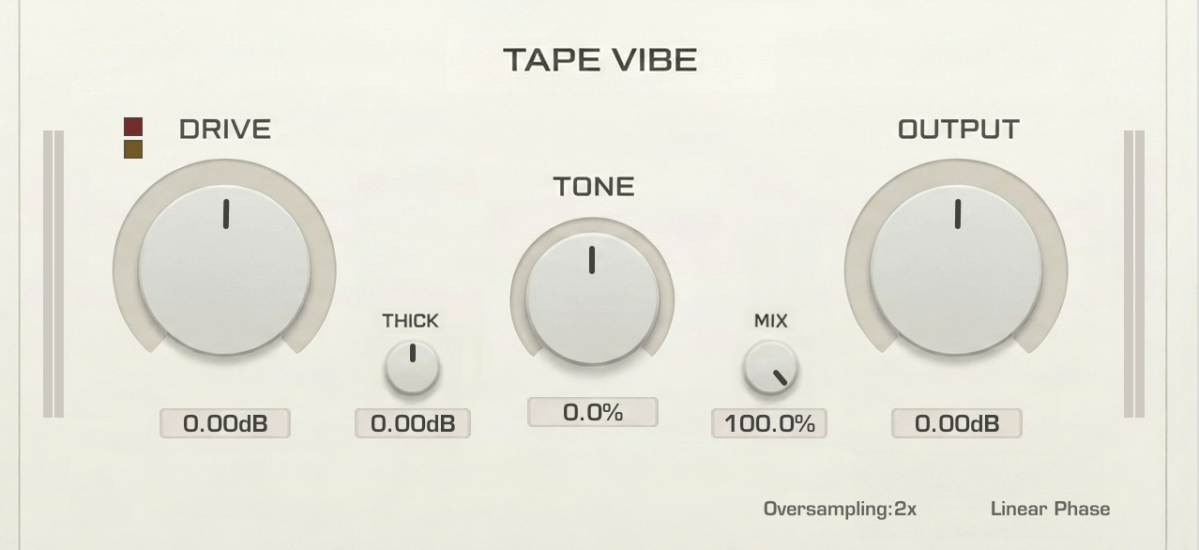
Three Body Technology Tape Vibe Intro Sales (Until Jun 5)

Hello! This is Jooyoung Kim an audio engineer and music producer.

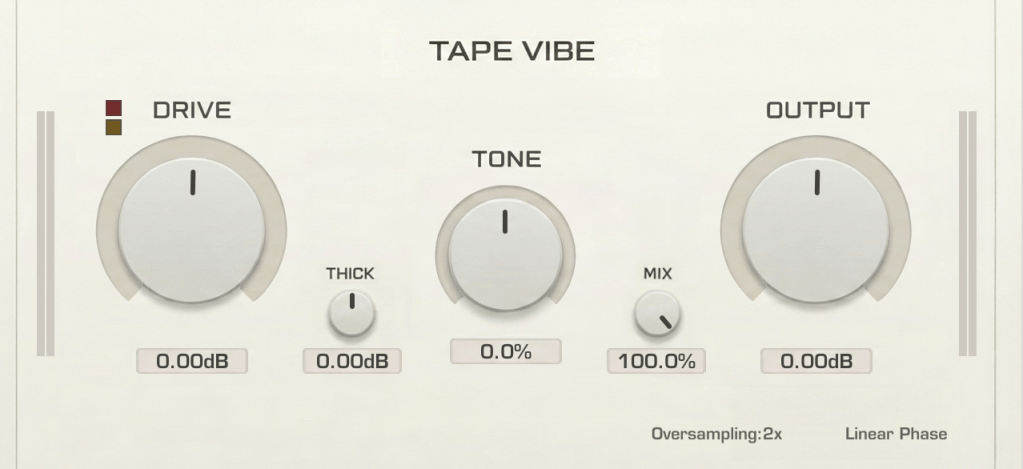
Today, I’m introducing a new plugin called Tape Vibe by Three-Body Technology.

This plugin was provided as an NFR (Not For Resale) copy by Plugin Boutique. If you purchase it through the links below, I’ll receive a small commission which helps support my blog.

Let’s start!


As you may know, Three-Body Technology is the renowned developer behind the Kirchhoff-EQ. That plugin was a total sensation when it was released, and I believe its success became the driving force behind the company’s growth.

Now, they offer quite a wide variety of plugins, such as the Future MB. Tape Vibe is another great addition to their growing lineup.

The concept of this plugin is simple.

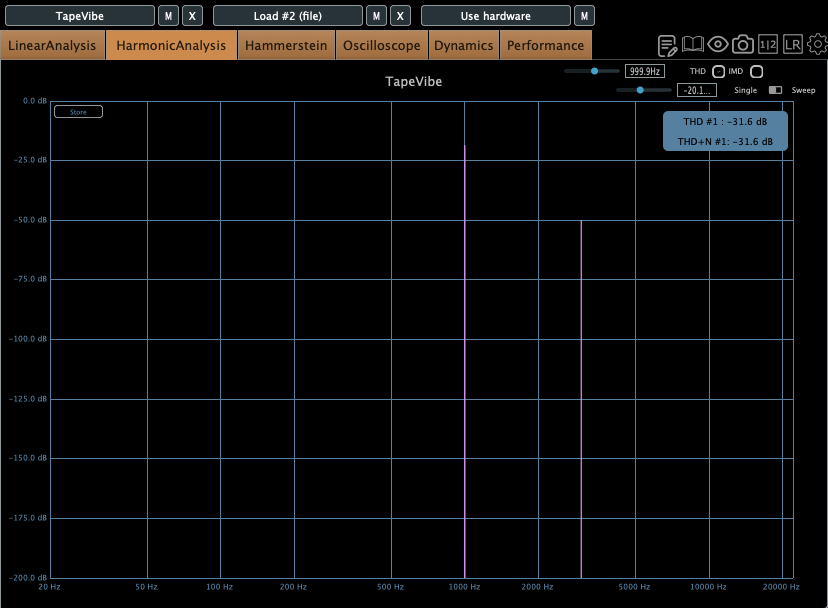
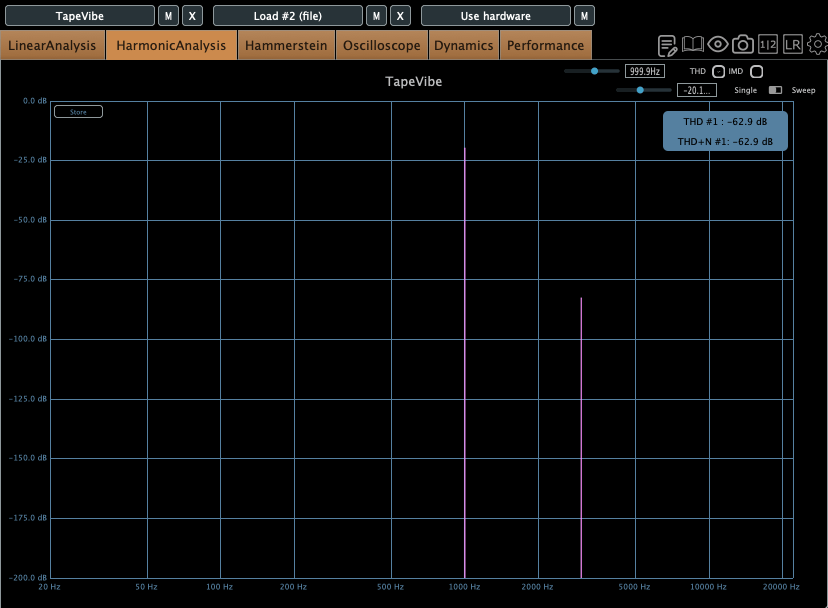
First, I noticed only third harmonics appearing in the analyzer. I suspect it takes inspiration from the SPL Machine Head. I actually wrote a review for that a few months ago, so if you’re interested, please check the link below.

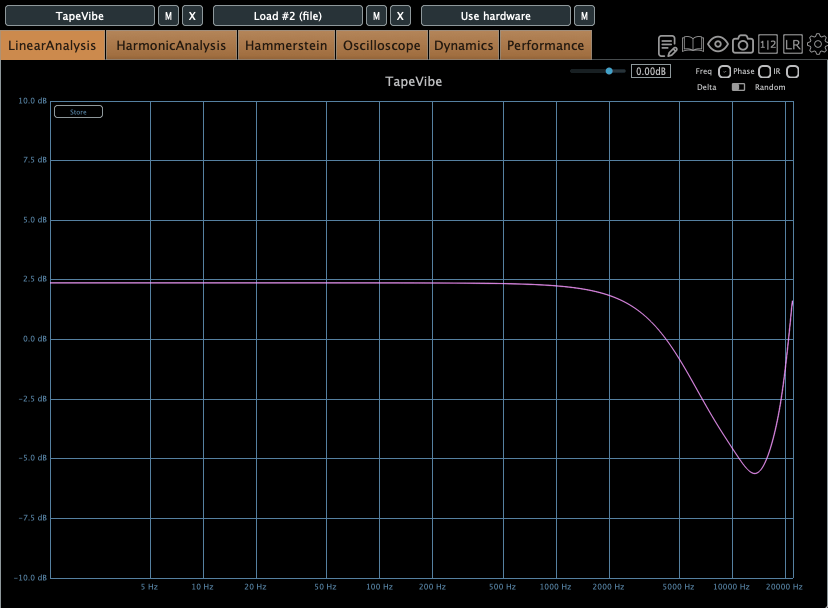
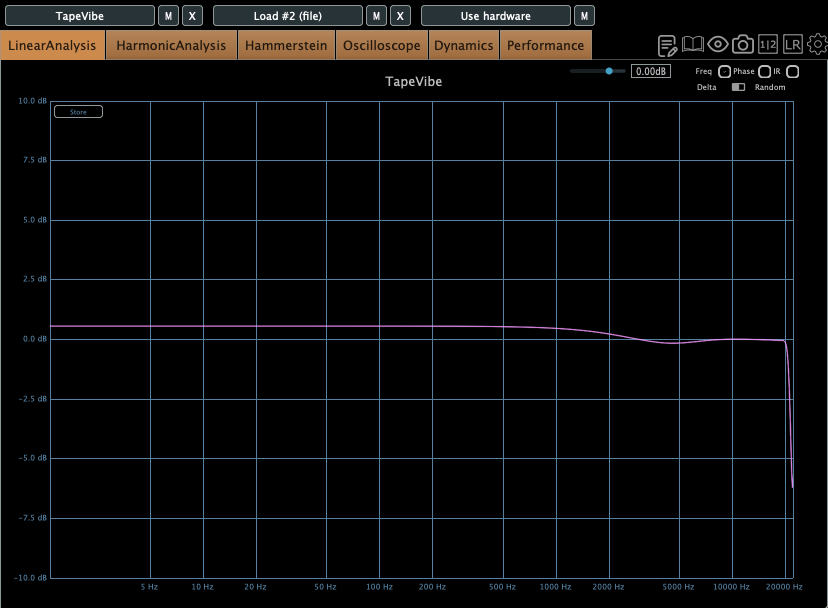
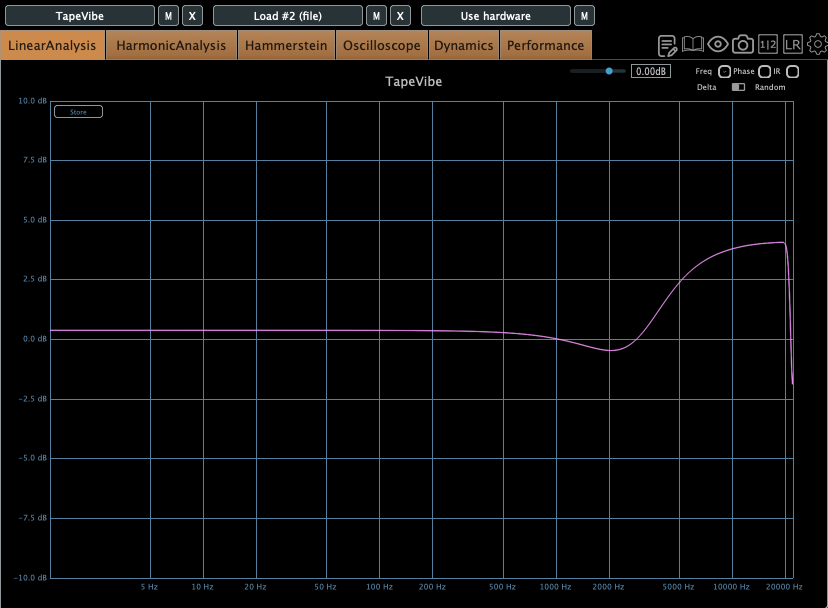
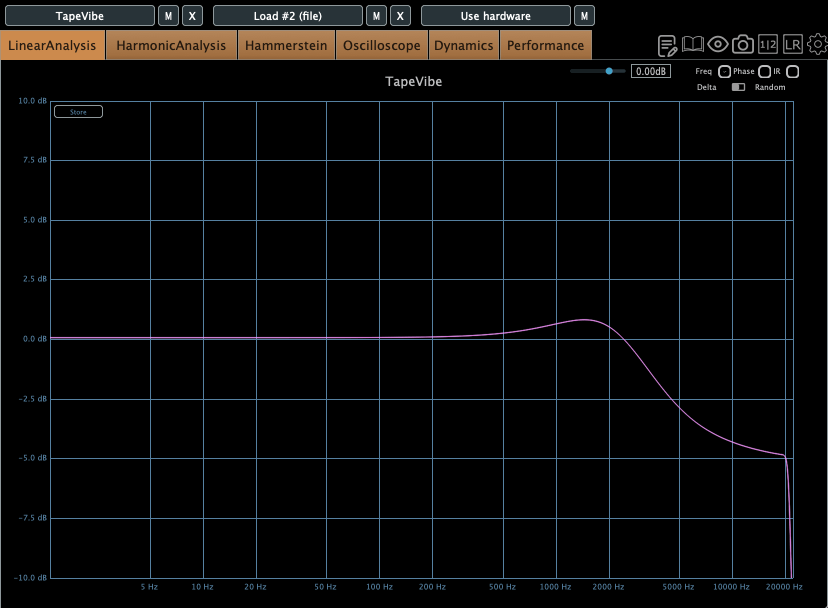
However, the way it works is fundamentally different. First, in the frequency domain, increasing the drive results in a noticeable high-frequency roll-off. Additionally, the Thick knob boosts the low frequencies, as shown in the image below.

It features an internal Auto Gain, so you don’t have to compensate for the volume much as you crank the drive.

We can use Tone knob to adjust the high frequencies.

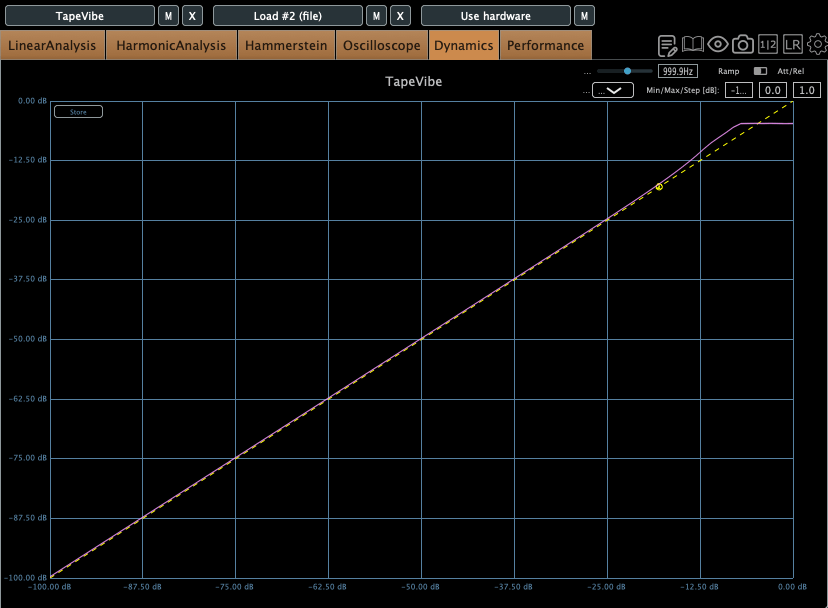
However, it doesn’t exhibit typical tape compression characteristics. Instead, we can observe brick-wall limiting when pushed with high drive values. An interesting quirk of this plugin is that the output level seems to rise once the signal amplitude exceeds -20dBFS.

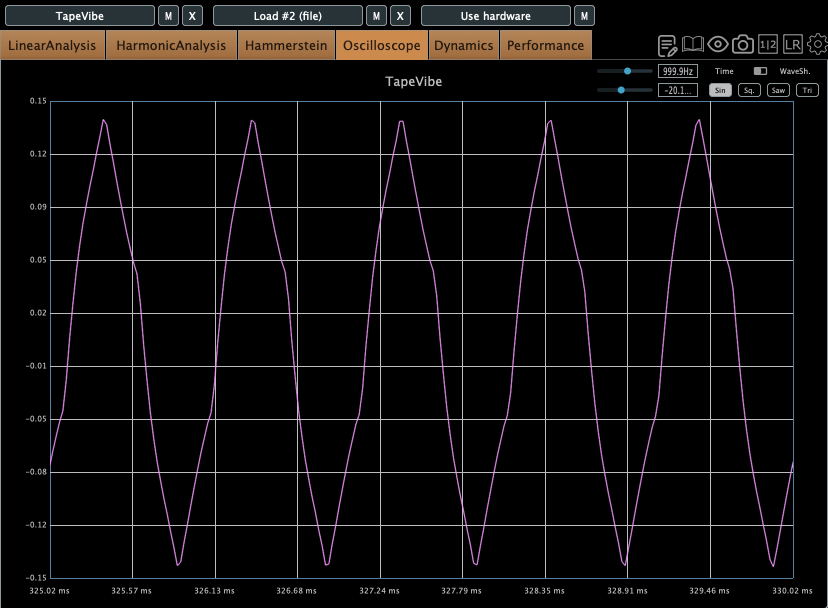
On an oscilloscope, you can see how the heavy saturation completely reshapes the waveform, resulting in a highly distorted signal.

While the saturation adds great body, higher drive settings tend to dull the top end quite a bit. The key is to dial in a moderate drive and then use the Tone control to restore clarity. This creates a really pleasing harmonic saturation that sits perfectly in the mix.


In conclusion, Tape Vibe is a straightforward and easy-to-use saturation tool. It may not be a perfect tape emulation, but it’s great for adding analog weight with minimal effort. If you need a simple way to add some vibe to your tracks, it’s worth a look.

See you in the next post!

Black Friday Sale Summary: 2025 Virtual Instruments & Mixing Plugins

Hi! This is Jooyoung Kim, a mixing engineer and music producer. Black Friday is right around the corner, so, as I did last year, I’ll summarize all the plugin sales that I want to recommend for composing, mixing, and mastering music.

This post is not sponsored by any of the plugin companies listed. However, I have an affiliate partnership with Plugin Boutique, so, I’ll provide their purchase links alongside my explanations for any plugins they offer. Furthermore, purchasing through the provided link earns me a small commission that helps support this content..^^ (It’s really hard to make a living these days…haha..)

Then… Let’s start!


1) WAVES

I always recommend plugins made by waves to people around me. While their update plan policy is incredibly frustrating, it certainly doesn’t detract from the quality of their plugins. Additionally, they usually offer significant discounts during the Black Friday season.

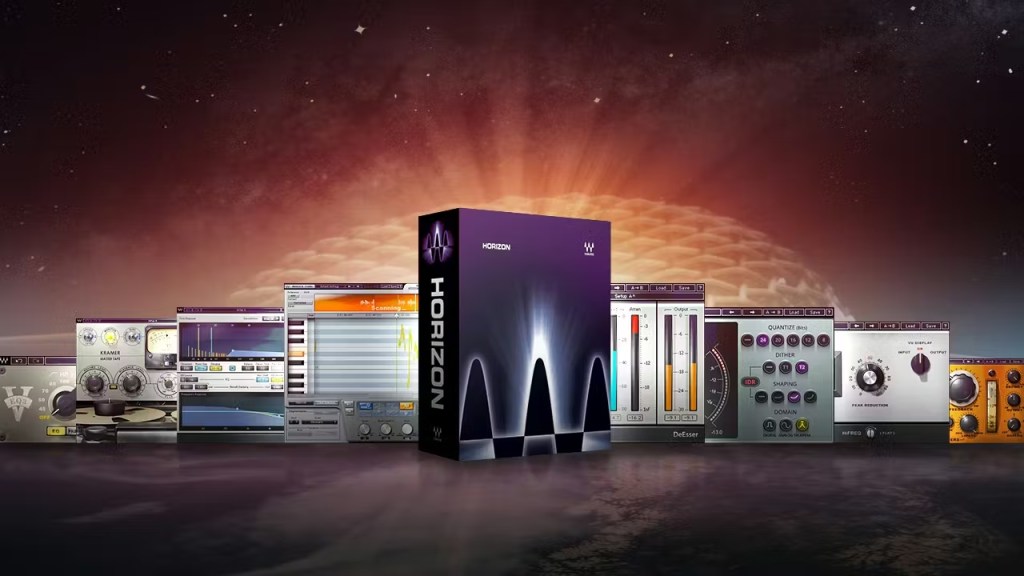
I highly recommend the Horizon Bundle. This bundle features 93 plugins, all of which are highly versatile. The price is only $219(Tax Included), leaving no reason not to recommend it.

Specifically, the CLA series, the Renaissance Compressor, and the H-Delay are my favorites.

2) UAD (Universal Audio Digital)

Universal Audio has lots of useful plugins too. The LA-2A series, the 1176 series and the chamber reverbs are definitely my go-to plugins from UAD.

I own quite a few UAD plugins, and they were really expensive before Universal Audio launched the native versions. Additionally, the 10-plugin bundle was also very pricey, if I recall correctly. However, for this Black Friday sale, you can get 10 plugins for only $108.90 (Tax Included). I must admit, I find that a little unfair….^^. It’s a really great deal, so I highly recommend grabbing this opportunity.

If you haven’t had any experience with UAD plugins, I will select my top 10 recommended plugins for you.

  1. Teletronix LA-2A Leveler Collection
  2. 1176 Classic Limiter Collection
  3. API 2500 Bus Compressor
  4. Teletronix LA-3A Classic Audio Leveler
  5. EMT 250 Classic Electronic Reverb
  6. Fairchild Tube Limiter Collection
  7. Pultec Passive EQ Collection
  8. UAD Sound City Studios
  9. Hitsville Reverb Chambers
  10. Lexicon 224 Digital Reverb

3) IK Multimedia

Unfortunately, IK Multimedia already concluded its “Group Buy” event last month, so it is unlikely there will be any additional sales during Black Friday. However, I have written about IK Multimedia’s virtual instruments and mixing plugins previously, so, if you have an interest in this company, please read this article.

4) Arturia

Arturia offers a wide range of virtual instruments and mixing plugins. They boast significantly high quality, tthe only drawback is their high CPU usage. However, as CPU processing speeds have grown rapidly, I believe this is no longer a critical issue.

The price of the V collection 11 is $383.90 (Tax Included), and the FX Collection 5 is $273.90 (Tax Included).

I have written reviews before, if you have an interest, please read these articles.

5) Brainworx

Brainworx was founded by Dirk Ulrich, the same individual who established Plugin Alliance. They offer superb mixing plugins with remarkably good quality. They are also remarkably affordable, so you should definitely consider purchasing their plugins if you have a limited budget.

Specifically, I recommend the digital EQ, the bx_digital V3, from Brainworx. At just $11 (including tax), it is incredibly useful for identifying the frequencies where resonances occur.

6) Celemony -Melodyne

I currently use three main pitch correction plugins: Auto-Tune, Melodyne, and Revoice Pro. However, I find Melodyne to be the most intuitive plugin. I use it on almost every project.

The Studio version is now $301.40 (Tax Included).

7) Native Instruments

Native Instruments sells a lot of virtual instruments. Their Komplete bundle is their most famous, and it features a 50% upgrade discount during Black Friday.

8) Cableguys

I think you need Cableguys’ plugins if you want to create a modern-sounding track. Recently, many producers and composers are making the source audio groovy, and these grooves are created through artificial manipulation.

Cableguys’ plugins are made for these purposes.

I recommend Shaper Box 3 (at $97.90 including tax). Also if your budget is larger, the Cableguys bundle (at $163.90 including tax) is a great choice.

9) Eventide

Eventide’s reverb plugins are truly irreplaceable. The Blackhole reverb and the ShimmerVerb reverb are strongly recommended.

10) BFD Drums

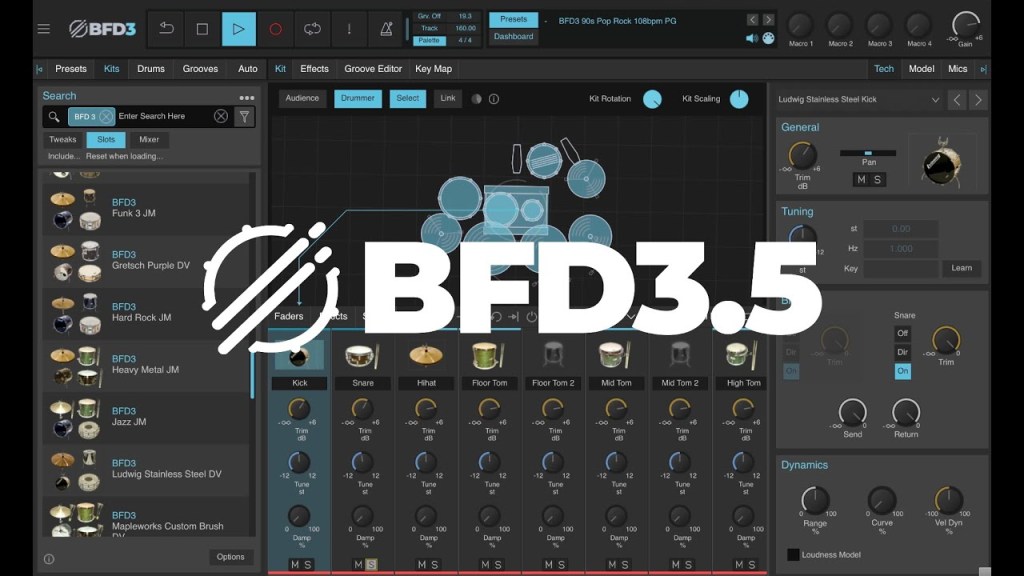
I love the BFD drum plugin. My main drum VST is BFD, and their sounds are exceptional. While it has a steep learning curve, once you understand its complexities, it will provide truly realistic drum sounds.

The drum sounds on this song were created using BFD drums.

The basic components are quite good, but I highly recommend buying the London Sessions expansion pack.

BFD 3.5 is currently only $42.90 (tax included), and the expansion pack is only $20.90 (tax included). I strongly recommend these two products.

11) iZotope

iZotope offers famous plugins like the RX and Ozone series. They also have excellent reverb plugins. Currently, they are offering a 40% discount on their bundle upgrades.

12) Plugin Alliance

Since a certain point, Plugin Alliance began including tax when they sell their products to international customers on their website. Therefore, there is no compelling reason to buy their plugins directly from their website. You can earn points and free plugins when you purchase plugins through Plugin Boutique. Thus, I highly recommend purchasing them there instead.

My favorites include the Maag EQ4, the SPL series, and the Bettermaker C502V plugins.


I believe that covers all the main recommendations. There are still a few plugins I would like to recommend, but they are either not currently on sale or have fully transitioned to subscription models (like Musio 1).

Honestly, these days, I feel that plugins are not the most crucial factor in music production. The ideas and concepts are the most important aspects. Sound design and engineering are just the finishing touches to the music.

So, if you want to make meaningful music, I would advise against spending a lot of money on plugins you might use in the future. Just buy what you need now.

Then.. have a nice Black Friday season!