Hello! This is Jooyoung Kim, a mixing engineer and music producer.
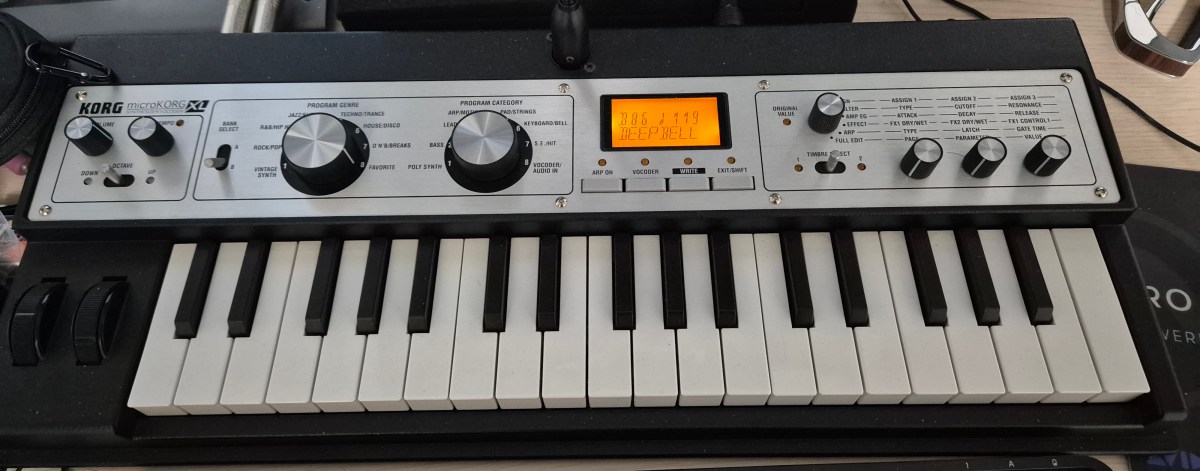
Recently, I bought a small portable synthesizer: the microKORG XL. KORG currently sells the microKORG XL+, but this discontinued version has a very reasonable price on the used market (just about $140 in Korea!), and its sounds are still perfectly usable.
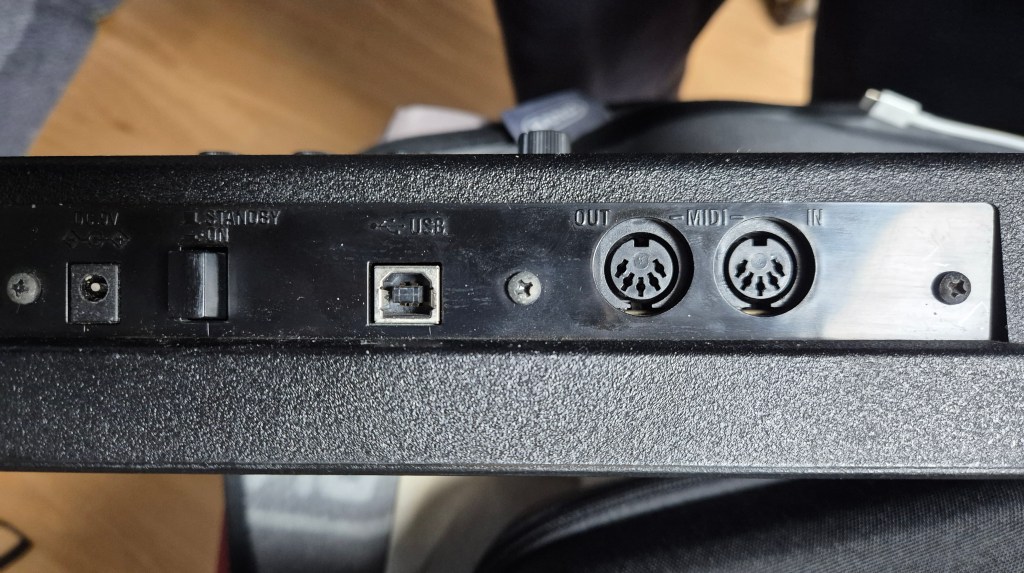
The keys are made of cheap plastic. However, I can connect an external controller via a MIDI cable or transmit MIDI data via a USB cable.
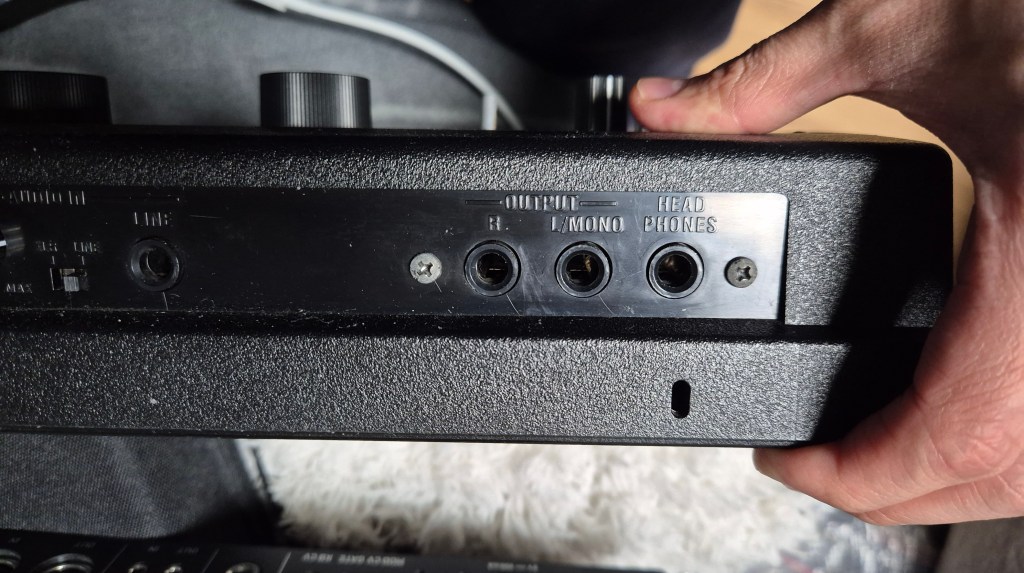
It also has an external audio input, such as a microphone or line input, which can be used for the vocoder function.
There are two kinds of outputs, unbalanced L/R and headphones, which are very convenient to use.
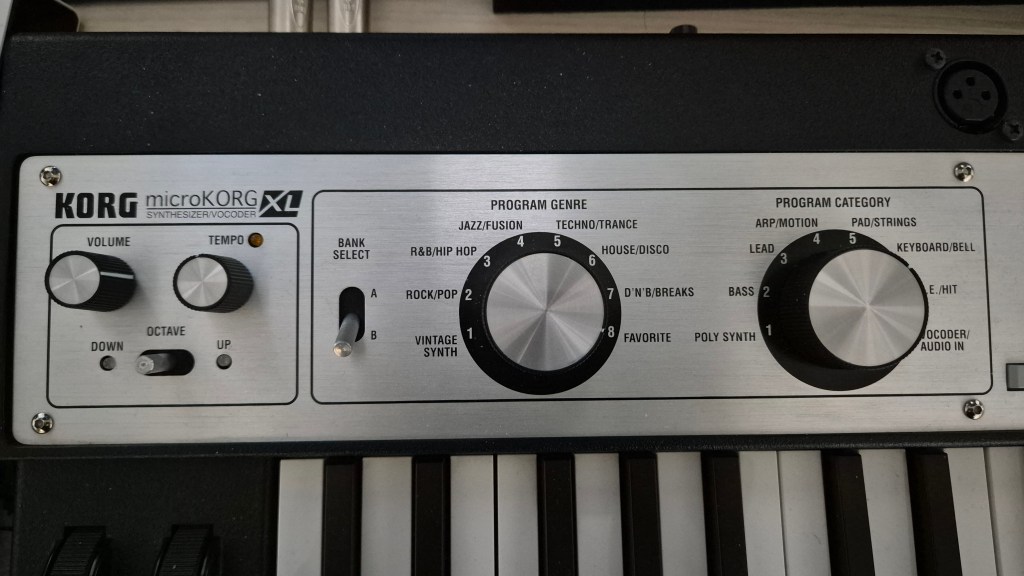
The synth has 8 categories/genres and 2 selectable banks. Therefore, a total of 8 X 8 X 2 = 128 preset programs are available.
But I’m really disappointed by the microKORG XL editor software provided by KORG. It’s no longer usable, and I cannot even install the program on my Mac system.
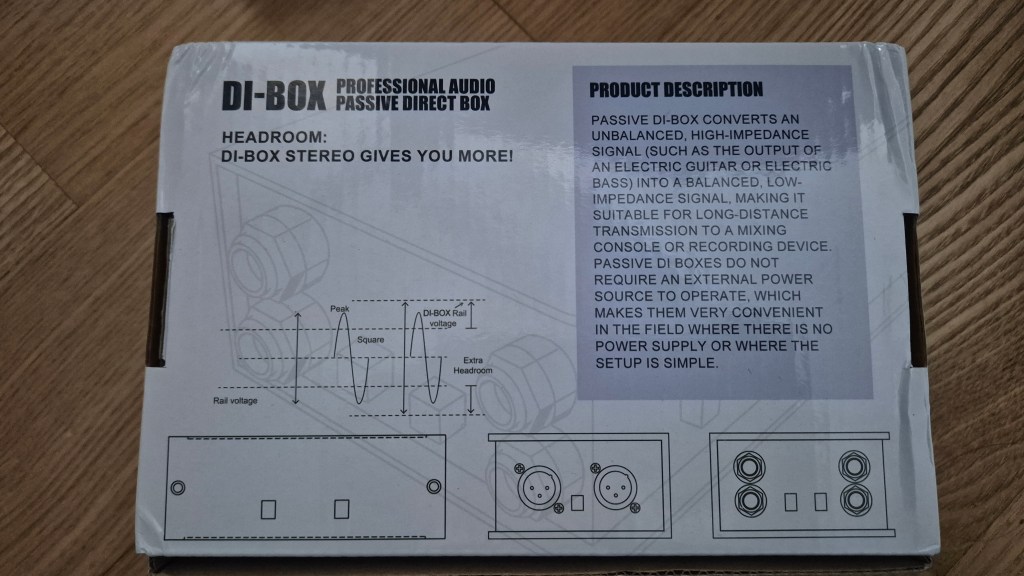
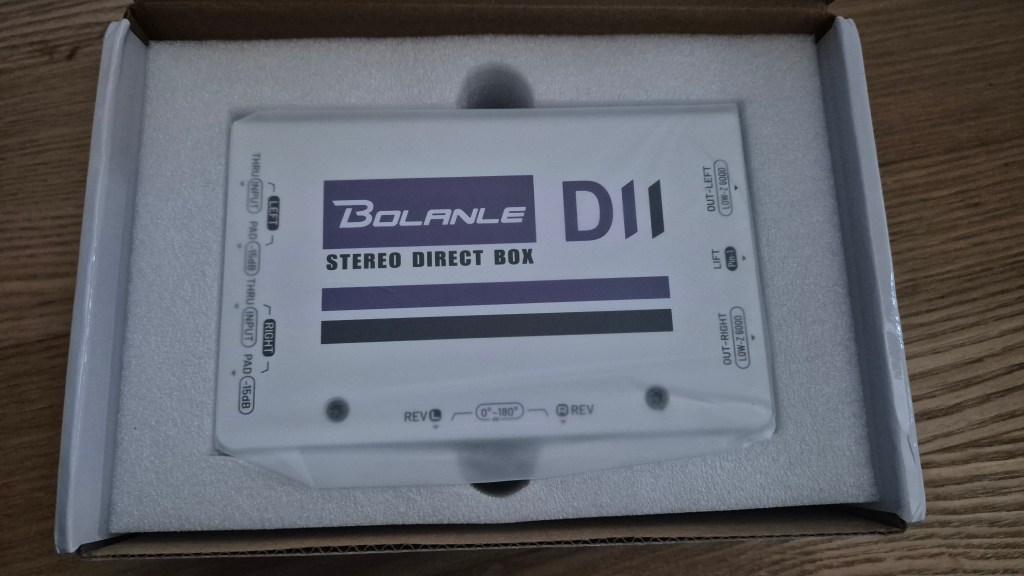
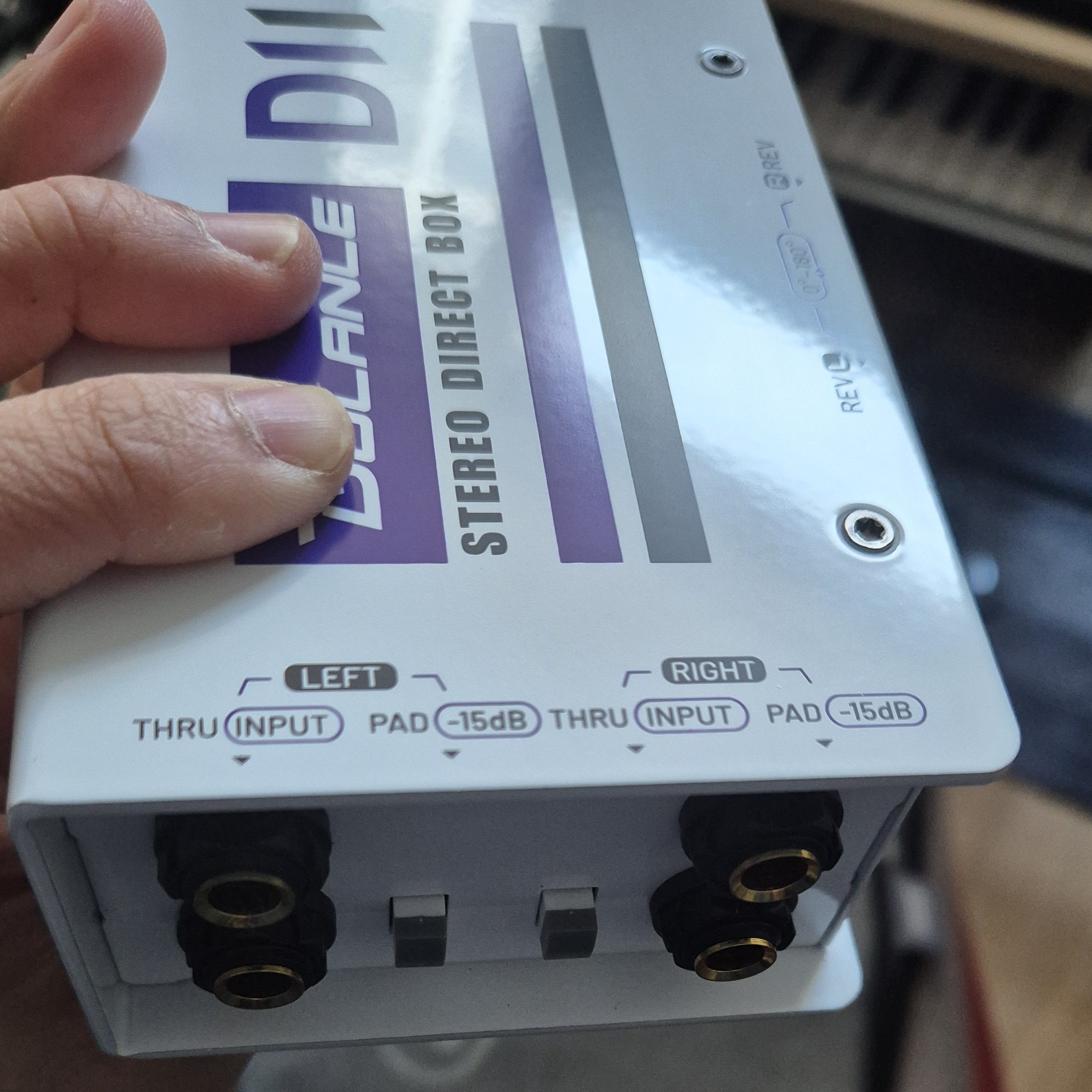
Also, I have microphone preamps but no DI box. So, I decided to purchase a stereo DI box. However, you might realize I’m not an affluent musician if you’ve been following my posts. After some web searching, I found a cheap DI box made by Bolanle (just $33!) being sold on Aliexpress.
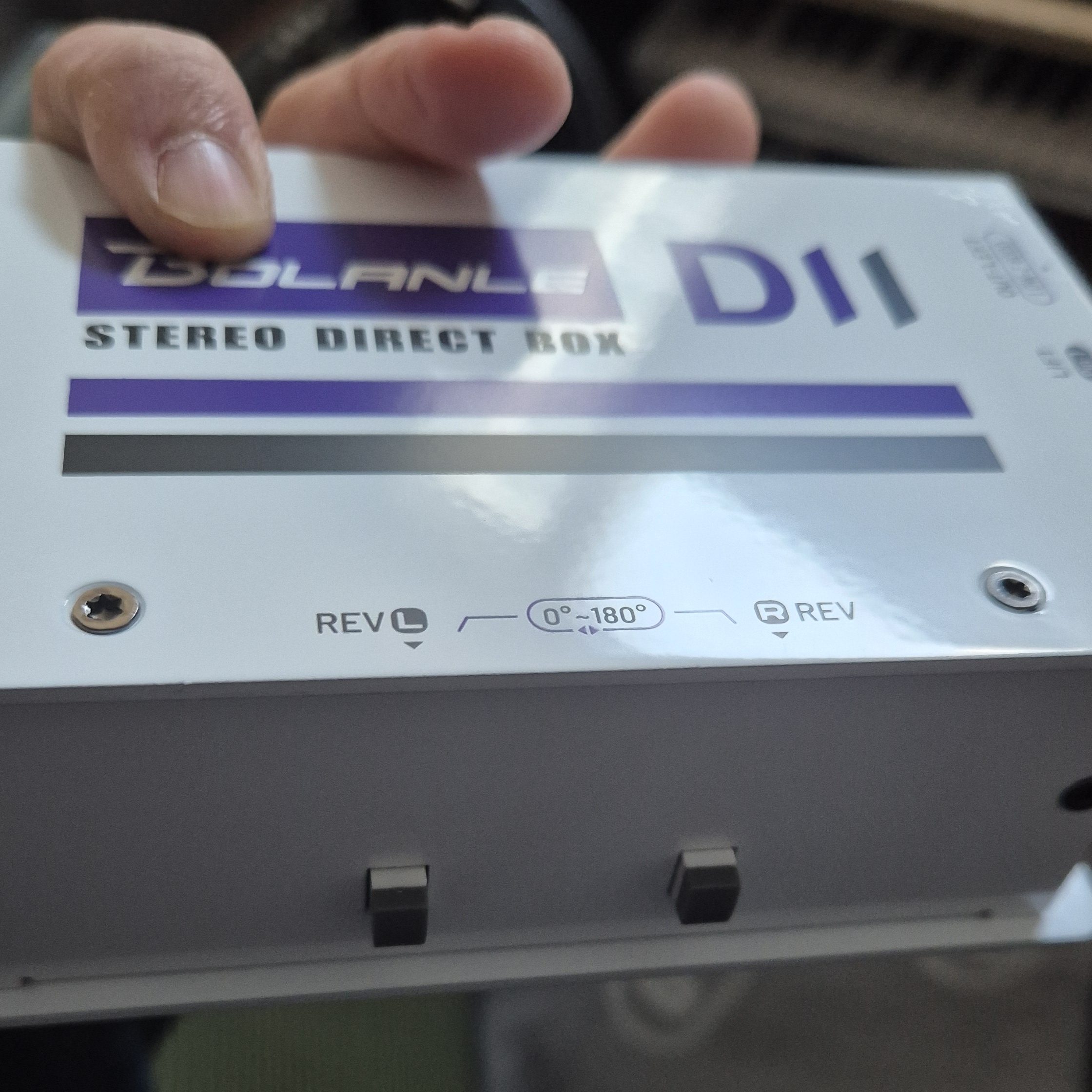
I really didn’t have high expectations for this gear because of its price, but surprisingly, the build quality is great!
I can’t say I love all of the sound presets on the microKORG XL. However, I am particularly fond of one lead sound preset and one keyboard sound preset. The vocoder function is quite valuable as well.
Now I am eager to get a full analog multi-voice synthesizer. Music making always drains my wallet!
Hi! This is Jooyoung Kim, a mixing engineer and music producer. Today, I’ll introduce granular synthesis, which is composed of “grain” units.
The principle of this type of sound synthesis is very similar to the concept of sampling. Granular synthesizers take small parts of a sample and store them as units. Those units are called “grains.” That is where the name “Granular Synthesis” comes from.
The grains have lengths ranging from approximately 1 to 100 ms, and these samples can be played at different times, phases, speeds, and frequencies in a granular synthesizer. Thus, cloudy sounds that resemble long reverberations and continuous tails are produced by these manipulations.
In 1947, Dennis Gabor introduced this concept, which was first implemented in a computer in 1974 by Curtis Roads, an electronic music composer specializing in granular and pulsar synthesis. The spans are quite long, aren’t they?
The emergence of granular synthesizer hardware was significantly delayed due to the large computational requirements and high CPU speed needed for the calculations. Thus, the real-time version of this synthesizer emerged 12 years after the use of granular synthesizers in Curtis Roads’ music.
The real-time granular synthesis was invented by Barry Truax, a Canadian composer. This synthesis was processed by the DMX-1000 computer.
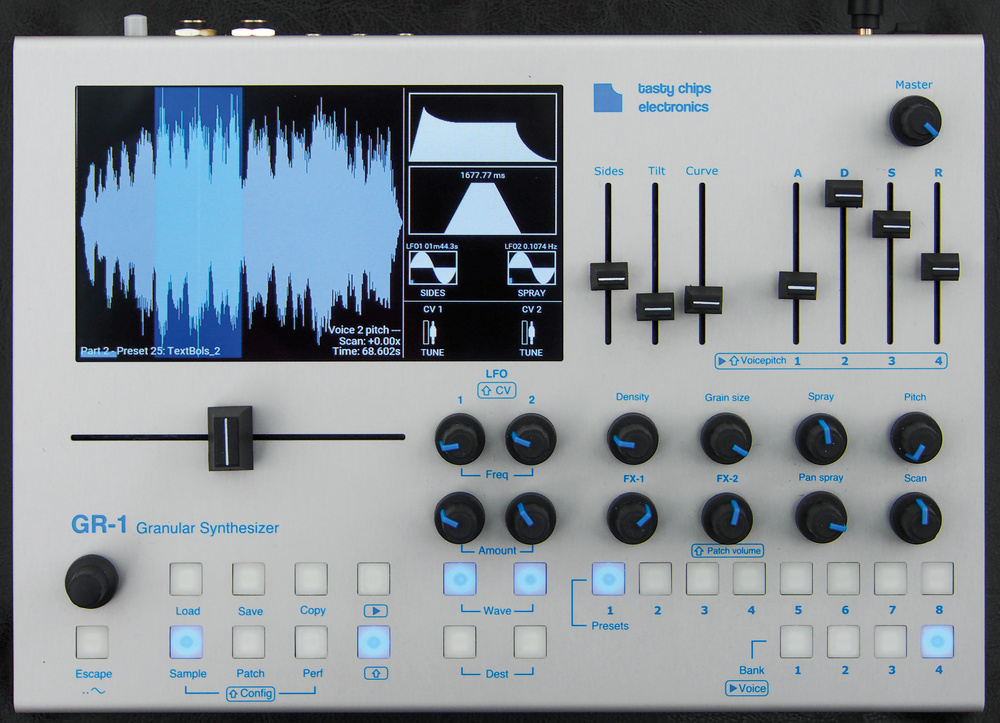
Naturally, you might wonder about the existence of physical hardware, as with other synthesizers. The upper photo shows the modern, dedicated granular synthesizer hardware, the GR-1, which was released in 2017.
This shows that this kind of synthesis processing requires a lot of computing resources. And this means that many virtual synthesizers using this method require significant computing power.
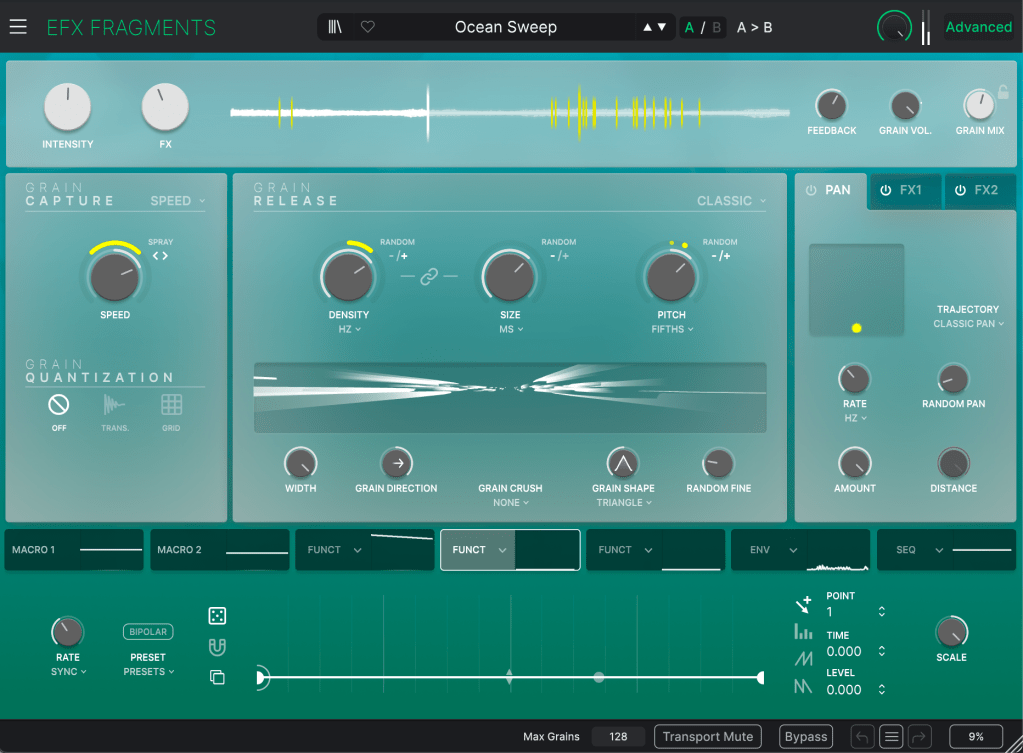
However, for implementation in DAWs (Digital Audio Workstations), no physical hardware is needed to use granular synthesis. Arturia’s EFX Fragments is a great example.
Output’s “Portal” plugin is another excellent granular effect.
This is the official video of the EFX Fragments. You might hear the “shimmering sound” from it.
This sound could be effective in ambient music that requires long tails on the sounds. I like these sounds, but I’ve never used them in my music… ^^;; However, someday I will…
OK, I’ll wrap this up today. See you in the next post!
Hello, I’m Jooyoung Kim, a sound engineer and music producer.
In my last post, I talked about my thesis, but here’s a funny update: the journal that desk-rejected my paper (Transactions on Consumer Electronics) sent me an email asking me to be a reviewer. It’s a bit of a niche SCIE journal, but still Q1-Q2 level, so I was pretty floored. I’m flattered, but since I haven’t even graduated with my master’s yet and my main paper isn’t published, I politely declined. Who am I to judge someone else’s work at this stage? 😅
Now, let’s get to today’s topic: picking up where my synthesizer series left off last month, we’re diving into modulation synthesis, focusing on the legendary FM (Frequency Modulation) synthesis, made famous by the Yamaha DX7.
Here we go!
Modulation
What is modulation? I touched on this in my Basics of Mixing series a while back:
In short, modulation involves using an external signal (the modulator) to alter specific parameters of another signal (the carrier), changing its sound. The external signal is often a Low Frequency Oscillator (LFO), but other sources can be used too.
Types of Modulation
Type
Description
AM (Amplitude Modulation)
Modulates the amplitude of the carrier signal using a modulator. Think tremolo effects.
FM (Frequency Modulation)
Modulates the frequency of the carrier signal. Famous for metallic and bell-like sounds, as heard in the Yamaha DX7.
PWM (Pulse Width Modulation)
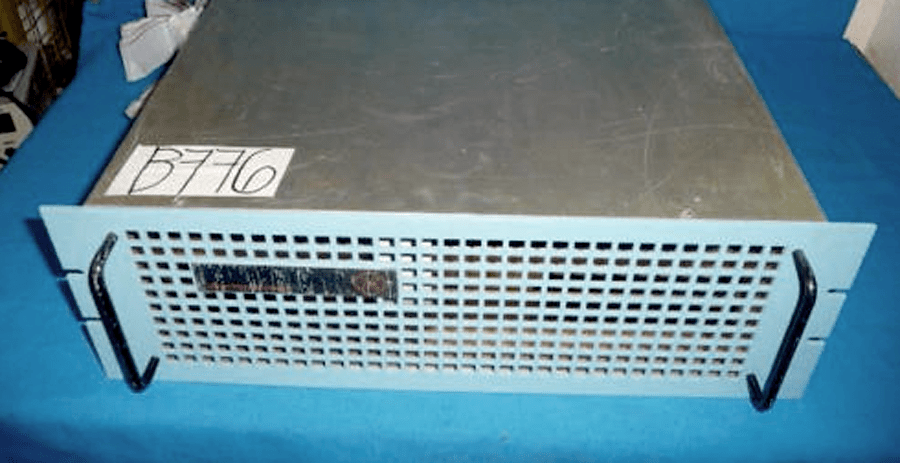
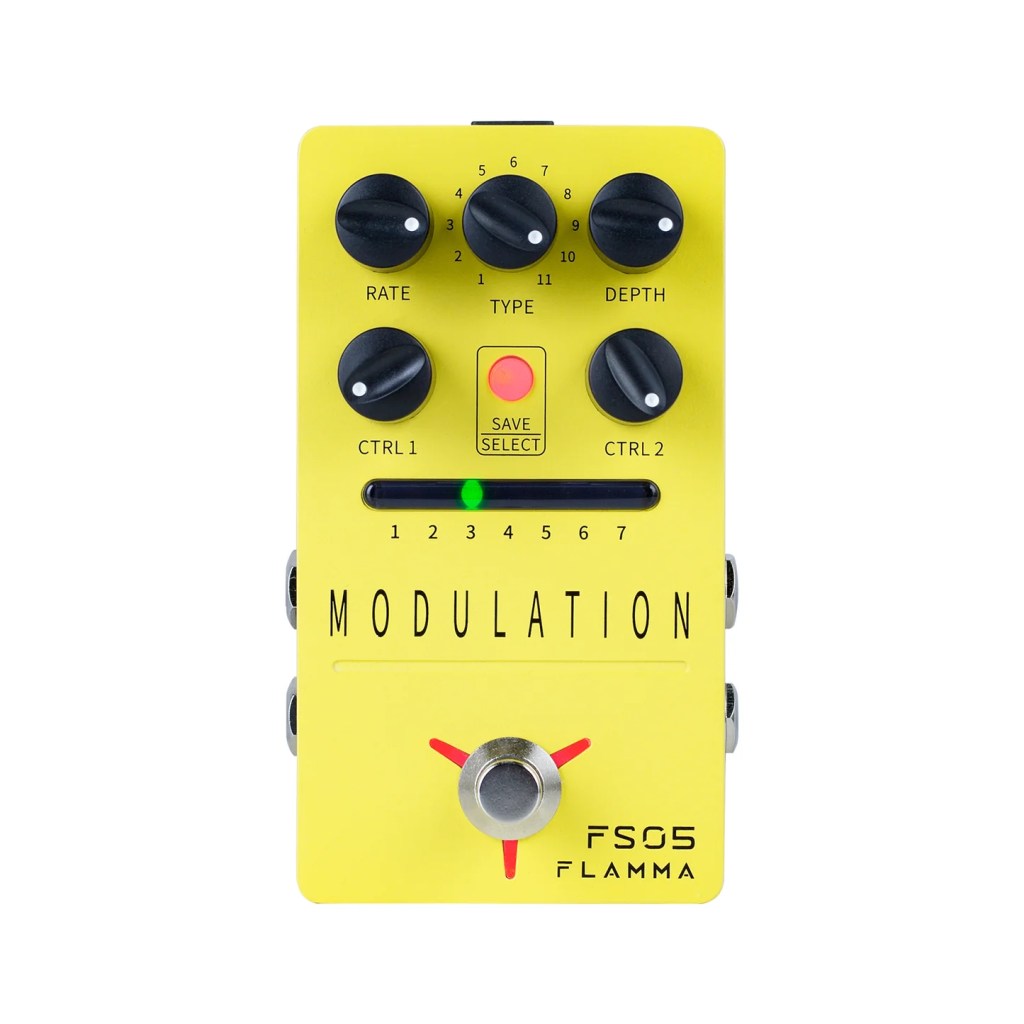
Modulates the pulse width of a square wave. Common in analog synths and compressors like the PYE Compressor. [photo]
RM (Ring Modulation)
Multiplies the carrier and modulator signals, producing only the sum and difference frequencies (a+b, a-b).
PM (Phase Modulation)
Modulates the phase of the carrier signal. Fun fact: the DX7 is technically PM-based but was marketed as FM for mass appeal.
AM and FM might sound familiar from radio broadcasting. FM, in particular, shines in synths for creating those iconic metallic or bell-like tones. There are also other modulation types like Cross Modulation, Wavetable Modulation, and Granular Modulation, but I’ll cover those in their respective sections later. 😄
FM (Frequency Modulation)
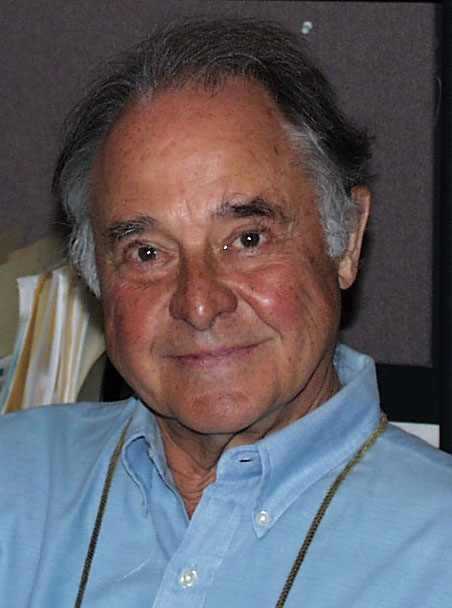
Dr. John Chowning
Meet Dr. John Chowning, the mastermind behind FM synthesis, developed in the late 1960s at Stanford University. [photo] FM synthesis modulates the carrier’s frequency with a modulator, producing complex, irregular harmonics that are perfect for metallic and bell-like sounds.
Yamaha’s YM2612 chip
FM synthesis was a staple in 1990s video games and software. Yamaha’s YM2612 chip (aka OPN2) powered sound cards like AdLib and Sound Blaster, as well as consoles like Sega’s Mega Drive and Fujitsu’s FM Towns Marty.
In 1971, Dr. Chowning saw the commercial potential of FM synthesis and pitched it to companies like Hammond and Wurlitzer, but they all passed. Yamaha, however, struck a deal, securing a one-year license and exclusive rights to the technology by 1975. Looking at its massive success, both Yamaha and Dr. Chowning had incredible foresight! 😊
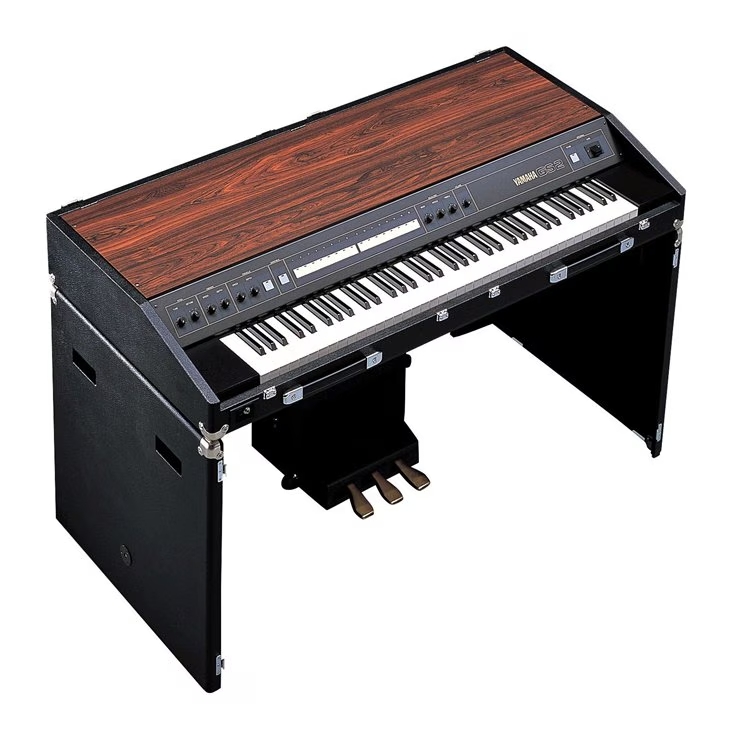
Yamaha GS-1
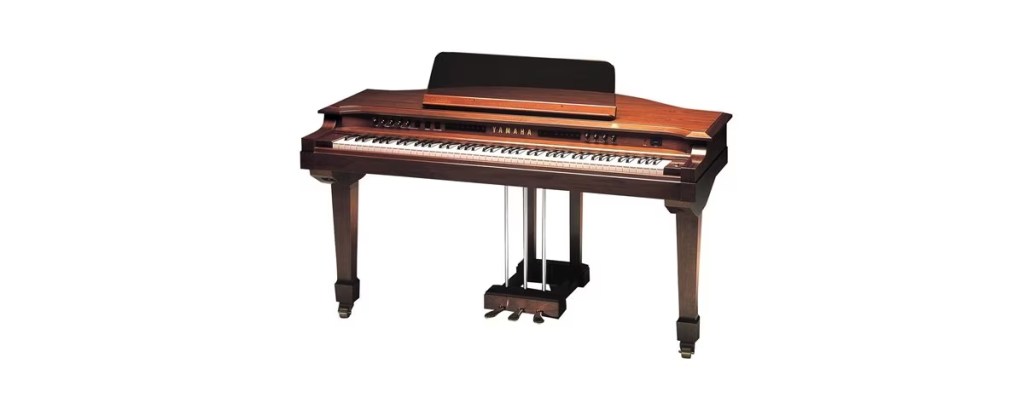
In 1980, Yamaha released the GS-1, their first FM synthesizer, with only 16 units made for studio use. It was used by legends like Stevie Wonder, Chick Corea, Herbie Hancock, and Toto.
Priced at $16,000 back then—about $66,000 today, or roughly 1 billion KRW—it was a luxury item.
Yamaha GS-2
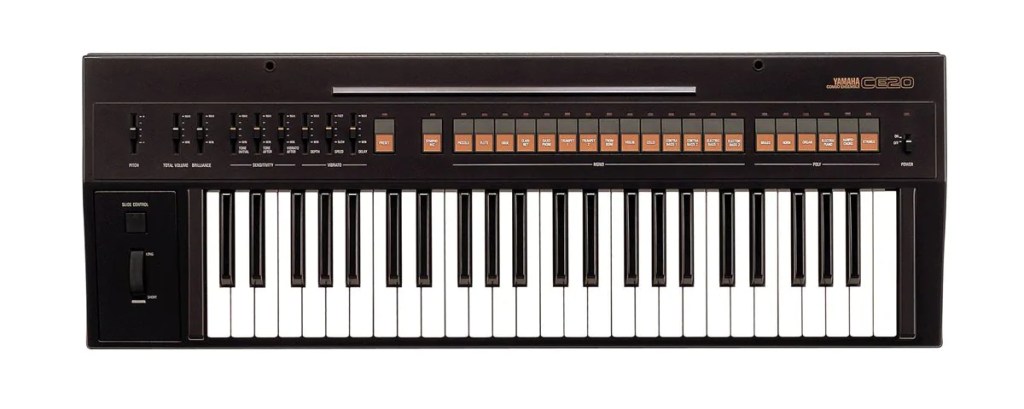
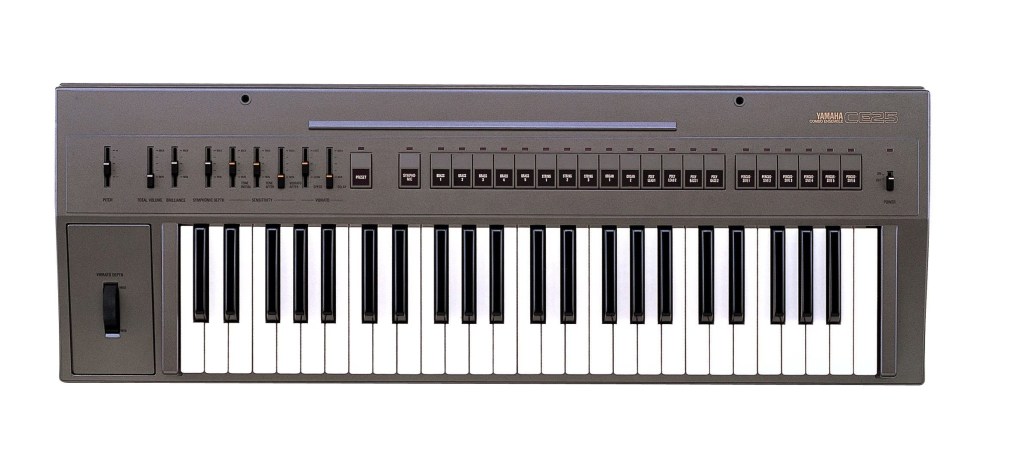
The GS-1’s unique sound was a hit, leading Yamaha to release the more portable and affordable GS-2, as well as the CE-20 and CE-25 Ensemble series for the home organ market.
To simplify, Yamaha’s engineers made the modulator and carrier envelope generators share parameters, leading to the DX series: DX-1 (73-key flagship), DX-5 (76-key, budget version of DX-1), DX-7 (6-operator), and DX-9 (4-operator).
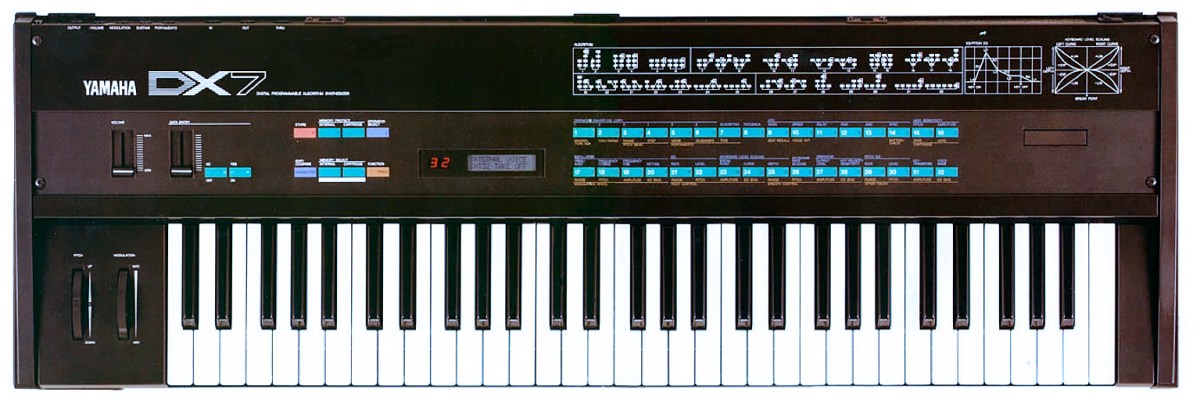
The Yamaha DX7 is arguably the most iconic FM synthesizer, selling 200,000 units worldwide at 248,000 yen each—a massive commercial success.
It featured six sine wave operators that could act as either carriers or modulators, with 32 selectable sound algorithms to switch their roles. In the diagrams, each vertical line represents a sound synthesis path, with parallel lines combining, the bottom being the carrier, and those above it modulators.
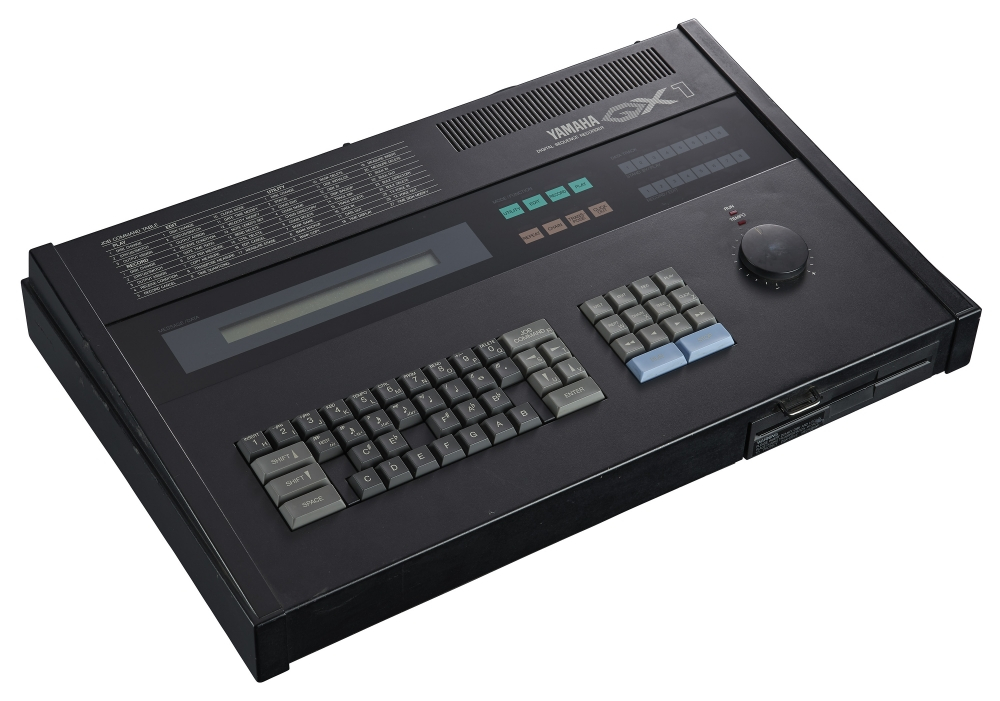
The DX7 also supported MIDI, often paired with sequencers like the Yamaha QX-1. Beyond bell-like sounds, it’s famous for electric piano (FM EP) and bass (FM Bass) patches—search for those terms, and you’ll find tons of resources. 😄
In one sentence: FM synthesizers excel at creating sounds with irregular harmonics.
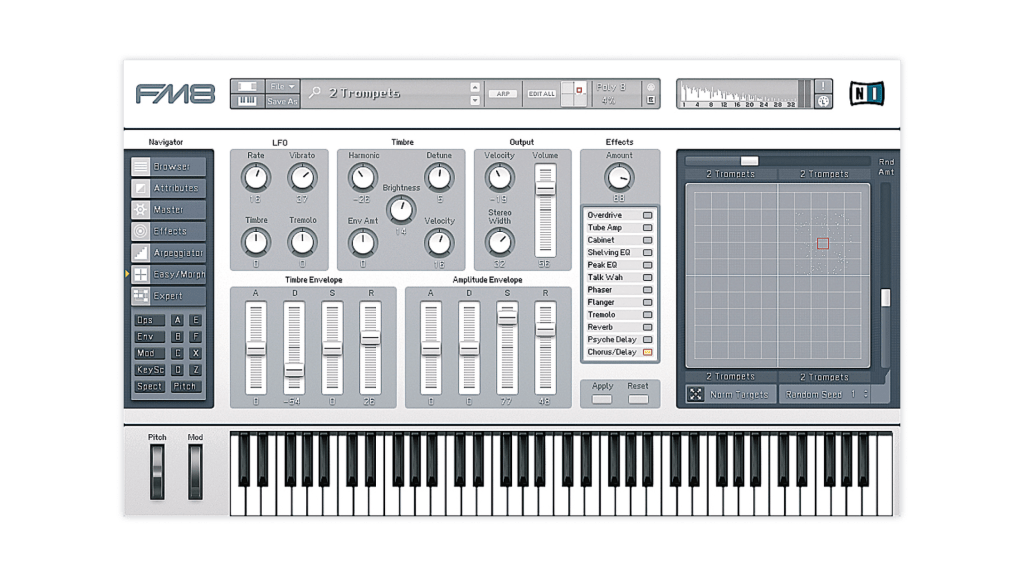
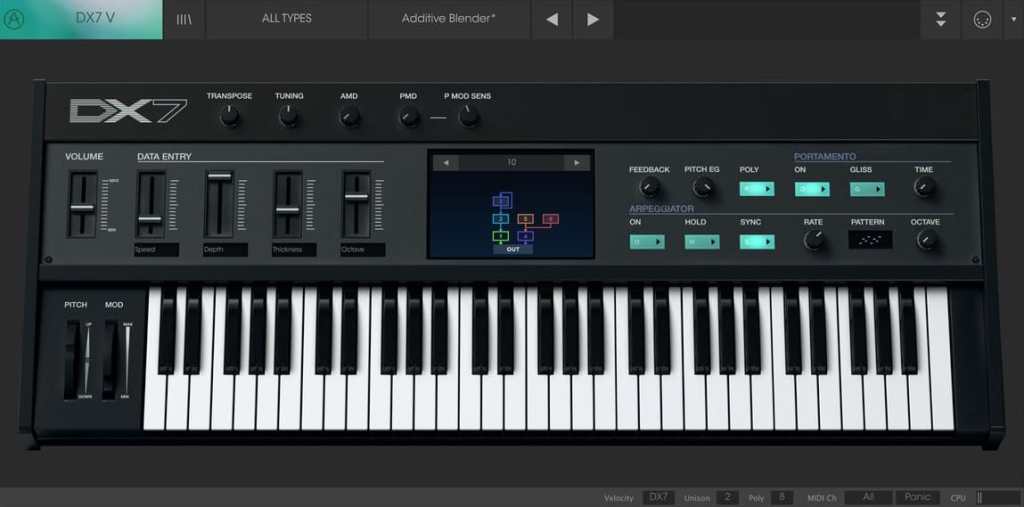
Modern FM Synths Some great virtual instruments carry the DX7’s FM legacy:
If you buy through these links, I earn a small commission, which helps me keep going—thank you! That said, I recommend waiting for bundle sales to grab these at a better price. I previously covered Arturia’s V Collection X bundle, which is worth checking out:
Hey there! I’m Jooyoung Kim, a mixing engineer and music producer.
Looking at synthesizer history, additive synthesis came first but was limited to physical, mechanical methods. Modern additive synthesis came much later, so let’s start with subtractive synthesis!
Quick heads-up: if you buy virtual instruments through the links in this series, I get a small commission, which really helps me keep going. ^^ Ready to dive in?
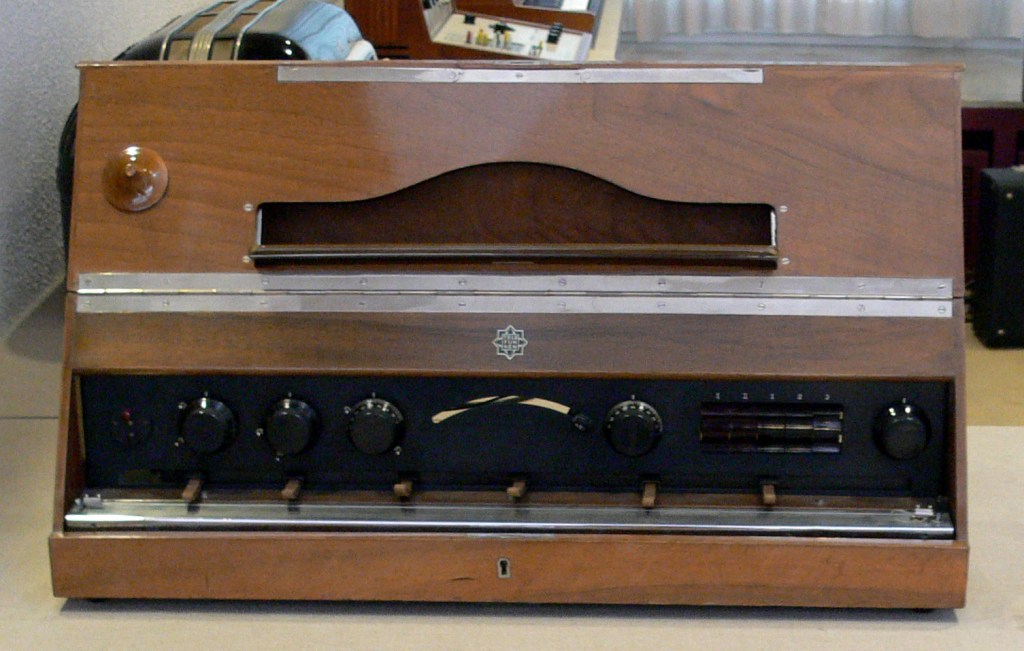
The Early Subtractive Synthesis Synthesizer: Telefunken’s Trautonium
Subtractive synthesis is named for how it shapes sound by filtering out (subtracting) frequencies. The “filter” here is like an EQ’s cutoff filter, tweaking low or high frequencies.
These synths use voltage to control filters, hence the term VCF (Voltage Controlled Filter). Built entirely with analog circuits, they’re also called analog synthesizers.
They have three main parts:
VCO (Voltage Controlled Oscillator): Generates the signal
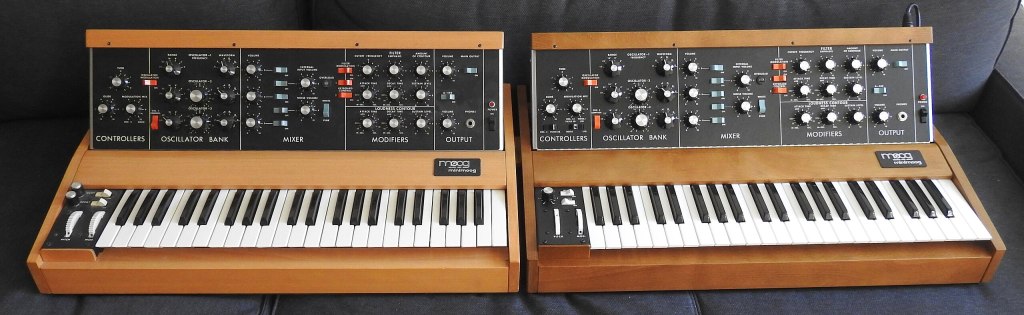
Left – 1979 Minimoog Model D, Right – 2017 Reissue Minimoog Model D
The Moog Minimoog Model D is the most famous subtractive synth, with others like the ARP 2600, Oberheim OB-1, and Korg MS-20 also standing out. Let’s check out the Minimoog Model D virtual instrument, a favorite for many.
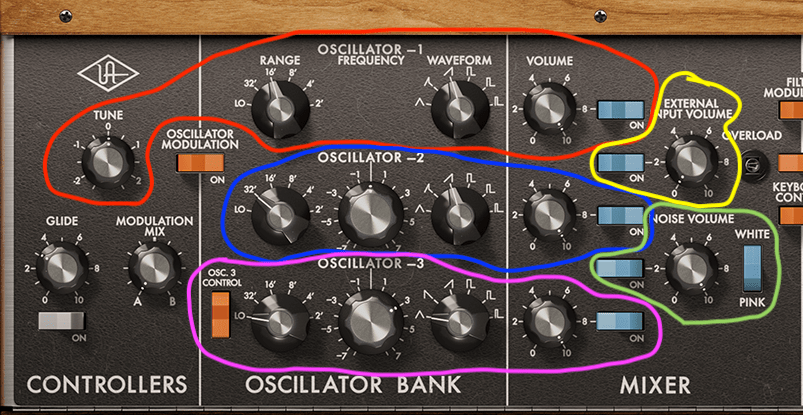
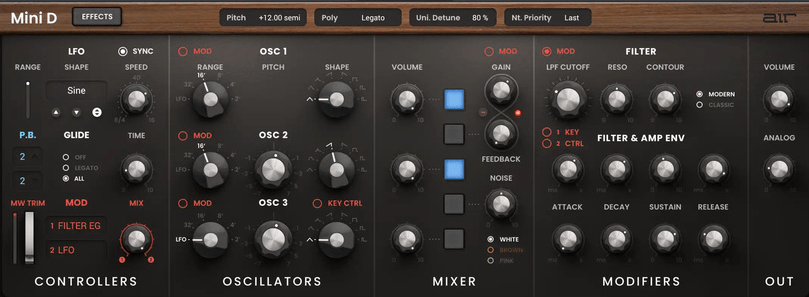
Since most subtractive synths share similar concepts, we’ll use the UAD Minimoog as our example. It breaks down into four sections:
VCO: Oscillators (signal generators)
VCF: Filters with resonance control
VCA: Amplifiers with Attack, Decay, Sustain controls
Modulation and other components
Let’s look at the oscillators first.
Oscillators
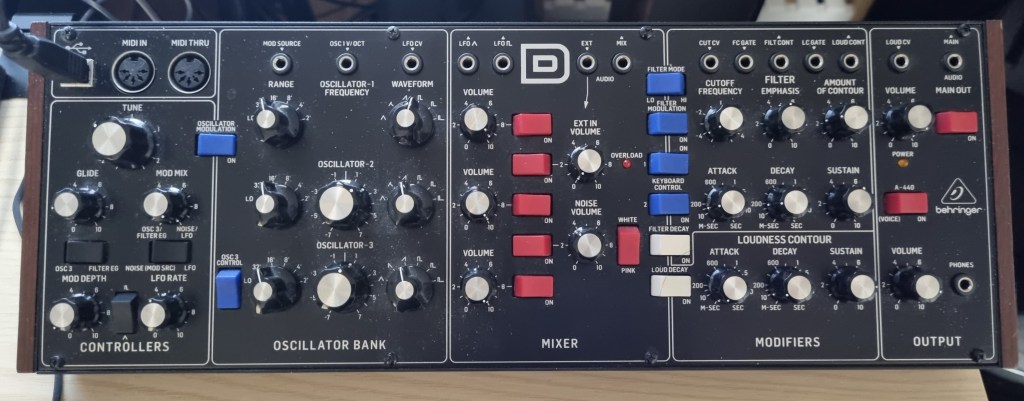
The oscillator section has about five parts. Oscillators 1, 2, and 3 are exactly what they sound like—three separate oscillators.
Being fully analog, the Minimoog Model D’s tuning could drift due to humidity, temperature, runtime, or electrical conditions. So, each oscillator has a pitch tuning knob. The tuner’s at the far left in the red section (labeled “Tune”), with others in the blue and pink sections.
Range: Sets the octave. Higher numbers give lower pitches.
Waveform: Chooses the waveform type.
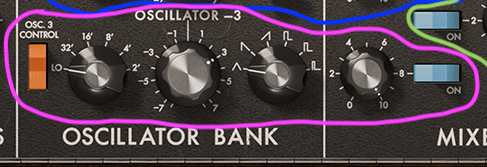
Oscillator 3 could be used for modulation instead of sound output, controlled by a switch on the far left.
The yellow section, though not an oscillator, lets you process external signals through the synth’s filter—a feature often used to apply the Minimoog’s filter to other sounds.
The green section is a noise generator for white or pink noise. You can modulate with noise, an extra LFO, or an envelope filter.
Filters and Output
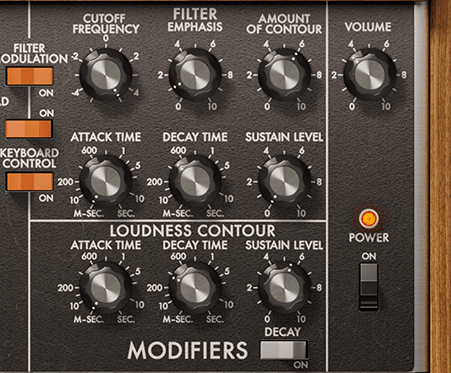
The filter section is the top three knobs in the “Modifiers” area:
Cutoff Frequency: Sets which frequencies to filter.
Emphasis: Boosts frequencies near the cutoff point.
Amount of Contour: Controls how much the Attack, Decay, and Sustain knobs affect the filter.
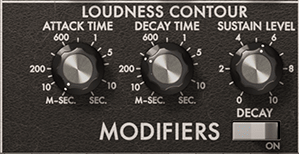
Below, the Loudness Contour (Attack, Decay, Sustain) shapes the output sound’s envelope, not the filter’s. (I explained Attack, Decay, and Sustain in my last post.)
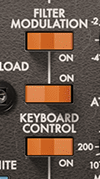
Turn on the Filter Modulation switch, and the cutoff frequency gets modulated. The Keyboard Control switches make the cutoff follow keyboard notes:
Switch 1 (top): Tracks by 1/3.
Switch 2 (bottom): Tracks by 2/3.
Both on: Cutoff moves in sync with notes for consistent timbre.
It might feel tricky, but tweak it for five minutes, and you’ll get the hang of it.
Other Minimoog Model D Virtual Instruments
Besides UAD’s Minimoog, there are other solid options:
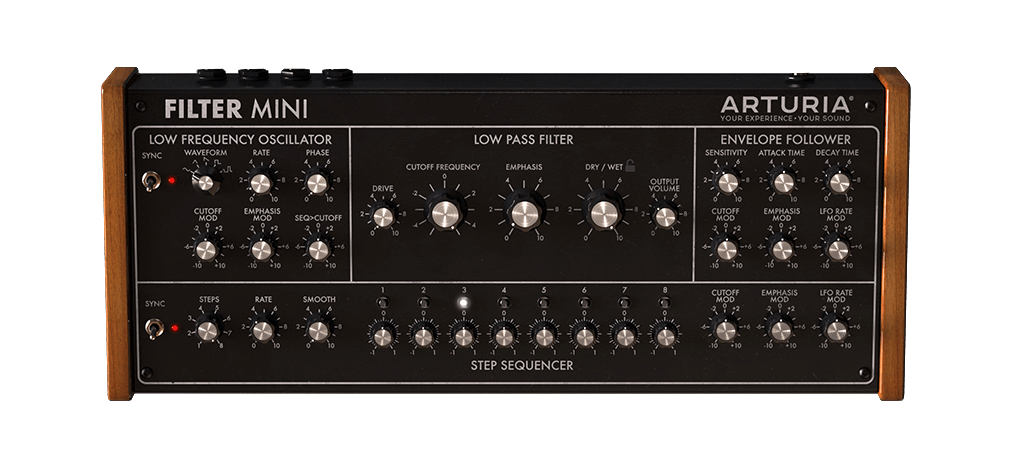
Not all Moogerfooger pedals from Moog come from the Minimoog, but the Moogerfooger MF-101 Lowpass Filter uses its 4-pole (24dB/octave) ladder filter design. Moog turned these pedals into plugins too.
I’ve covered these separately before. [link]
Owning a Physical Model D
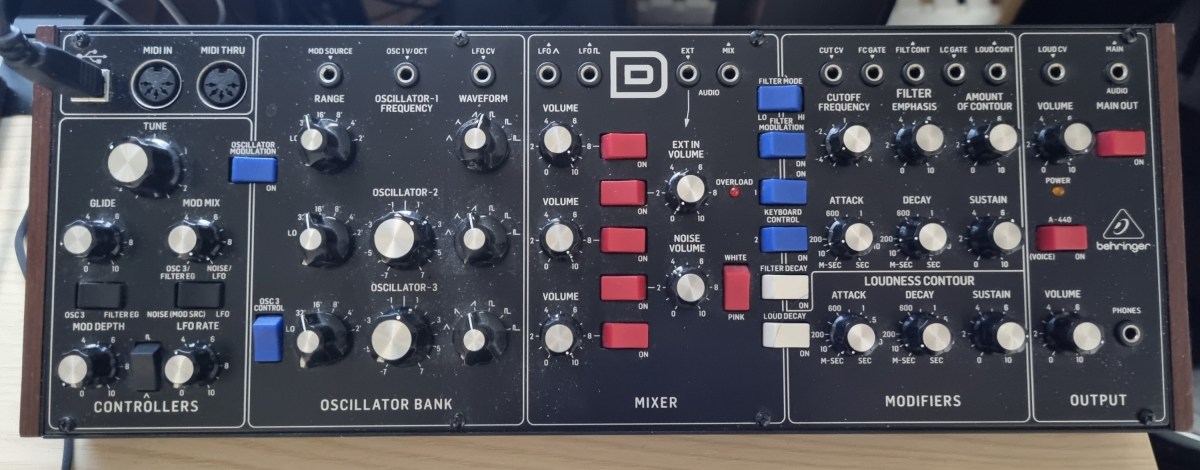
I always wanted a real Minimoog Model D and ended up with Behringer’s Model D reissue. Hardware synths shine when run through preamps or compressors for a fully analog vibe. But tuning is a chore, and since it’s monophonic, you’d need to record each note for chords. Also, dusting those knobs is a nightmare! 😅
Still, it’s affordable, so a used analog synth like this can be a cool addition.
Not all subtractive synthesis synthesizers work exactly like the Minimoog, but understanding its basics should give you a solid foundation for handling most early subtractive synths.
















 Jooyoung's Music Blog